There’s a running joke among cat owners that you don’t own a cat – a cat owns you. The longer you live with one, the less funny it feels, because it’s mostly true. Cats have spent thousands of years quietly studying us, adapting to our routines, and figuring out exactly how to get what they want. We’re often convinced we’re in charge.
Research into cat behavior is surprisingly limited, and scientists themselves have a habit of overinterpreting what studies reveal. Still, what we do know is both fascinating and a little humbling. Cats are sharper, more socially aware, and far more strategically minded than the “lazy house pet” stereotype gives them credit for. Here are nine behaviors that make a pretty solid case for feline superiority.
They’ve Learned to Read Your Emotions Through Scent
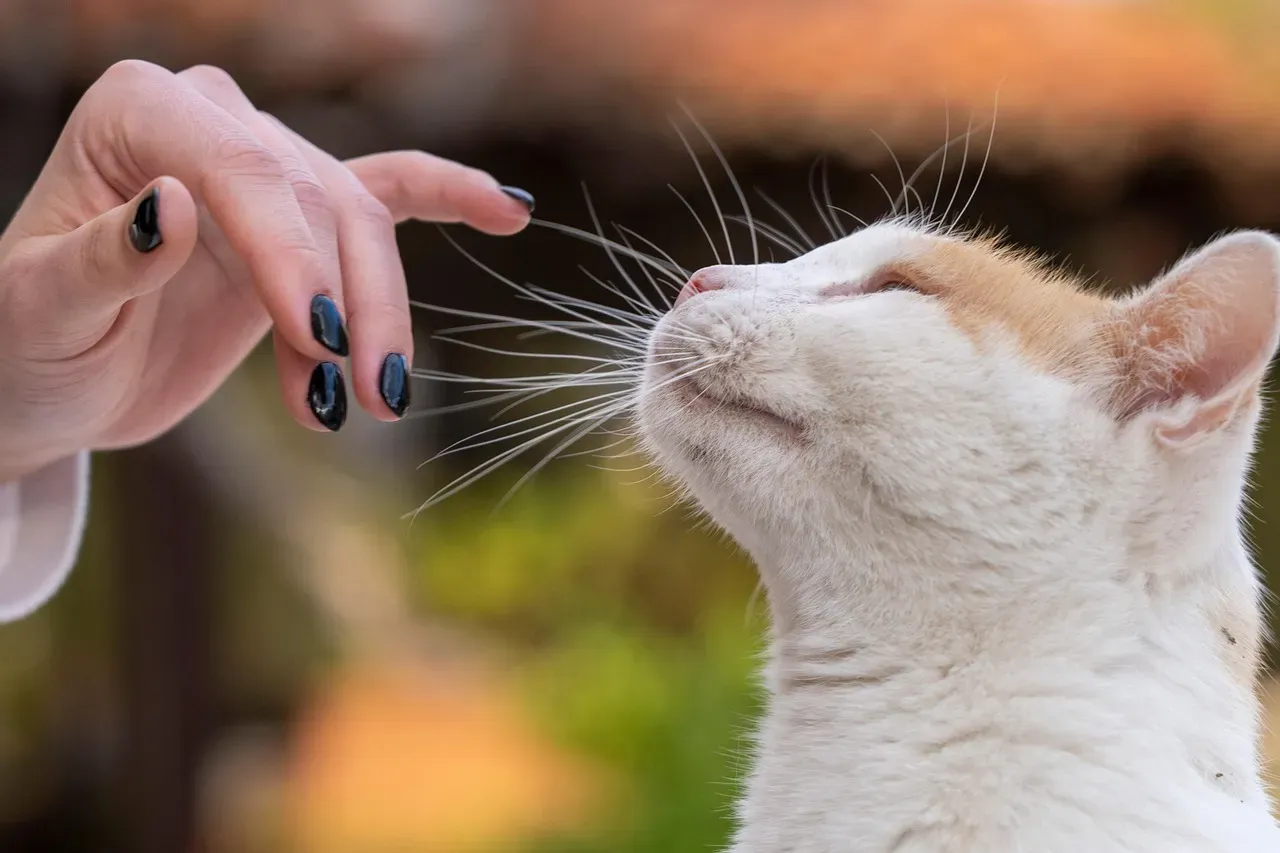
You might think your mood is your own business. Your cat disagrees. A recent study shows that cats can detect human emotions through scent, especially fear, suggesting our feline friends understand us more than we realize. That uneasy feeling you get when your cat stares at you from across the room right after something has gone wrong? It’s not coincidental.
Research found that “fear” odors elicited higher stress levels in cats than “physical stress” or “neutral” scents, suggesting that cats can perceive the emotional information conveyed by fear-related olfactory signals and regulate their behavior accordingly. In practical terms, your cat knows you’re nervous before you’ve said a single word, and they’re already adjusting how they approach you.
They Combine What They See and Hear to Size You Up
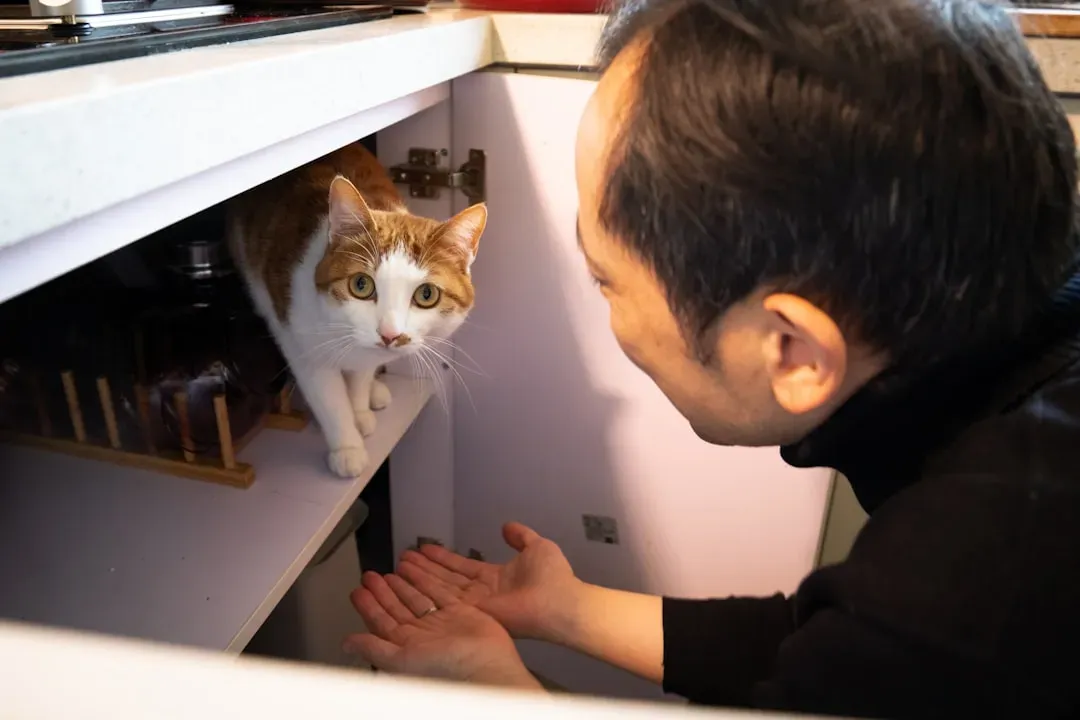
Cats don’t rely on just one sense when they’re reading you. Research demonstrates that cats integrate visual and auditory signals to recognize human and conspecific emotions, and they appear to modulate their behavior according to the valence of the emotion they perceive. So when you’re upset, your cat isn’t just noticing your face or just hearing your voice – they’re processing both at once.
Researchers observed that cats exhibited more frequent positive behaviors, including purring, rubbing, or sitting on their owner’s lap, and spending more time with them, when their owner was smiling. They’re not being randomly affectionate. They’re responding to specific cues you’re putting out, often without you realizing it yourself.
They Use Social Referencing to Navigate the Unknown
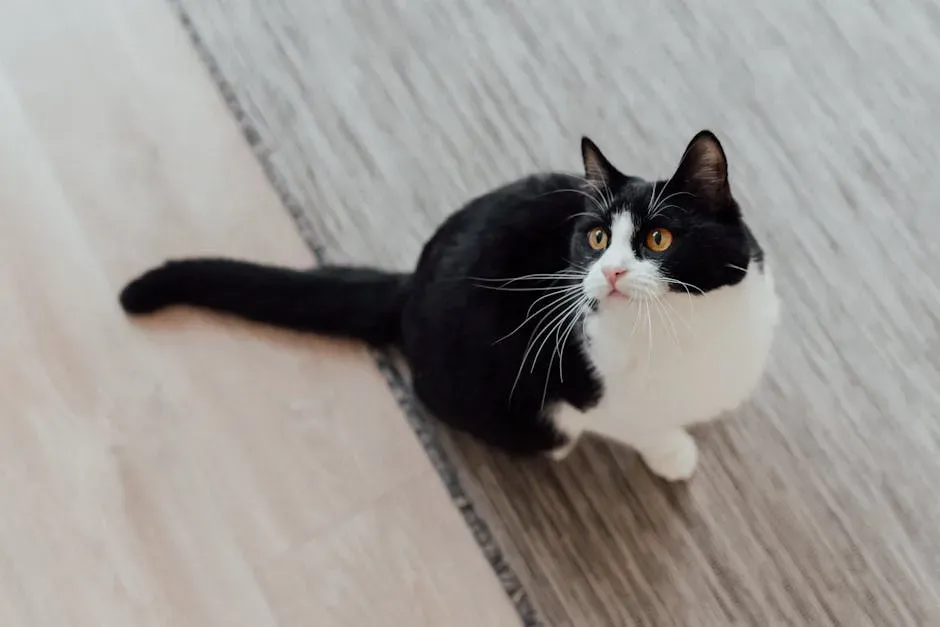
A study published in Animal Cognition in 2015 demonstrated that cats use social referencing – looking to humans for cues about how to respond to novel situations. When confronted with an ambiguous object, cats would look to their owners and modify their behavior based on the emotional signals their humans displayed. If the owner appeared fearful, the cat became more cautious; if the owner appeared relaxed, the cat was more likely to explore.
This is a genuinely sophisticated behavior. It means your cat isn’t just reacting to the world directly – they’re consulting you first, weighing your emotional state as data, and then making a decision. Research has confirmed that cats pick up on our body language and emotions, reading our cues when encountering a potentially scary object to determine whether or not that object is actually safe. In other words, you’re their emotional weather forecast.
They Recognize Your Voice and Your Face Separately
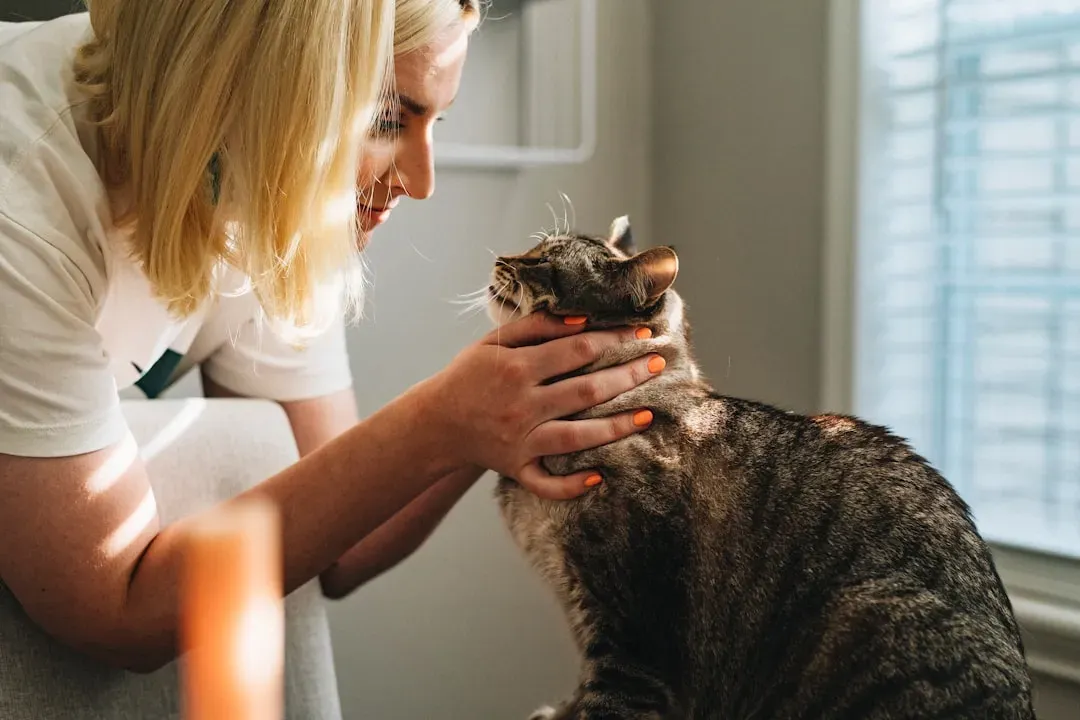
Research shows that cats can distinguish their owner’s voice from strangers’ voices. This sensitivity allows them to respond more attentively and empathetically to familiar people’s feelings. Your cat isn’t just hearing a sound and running toward it; they know specifically that it’s you, and they respond accordingly.
Cats can predict their owner’s face upon hearing their voice. In addition, a cat’s lifetime experience with humans seems to affect their ability to cross-modally recognize them. The longer you’ve lived together, the more refined that recognition becomes. Think of it as a personalized database they’ve been quietly building since the day you brought them home.
They Can Associate Words With Images Faster Than Human Toddlers
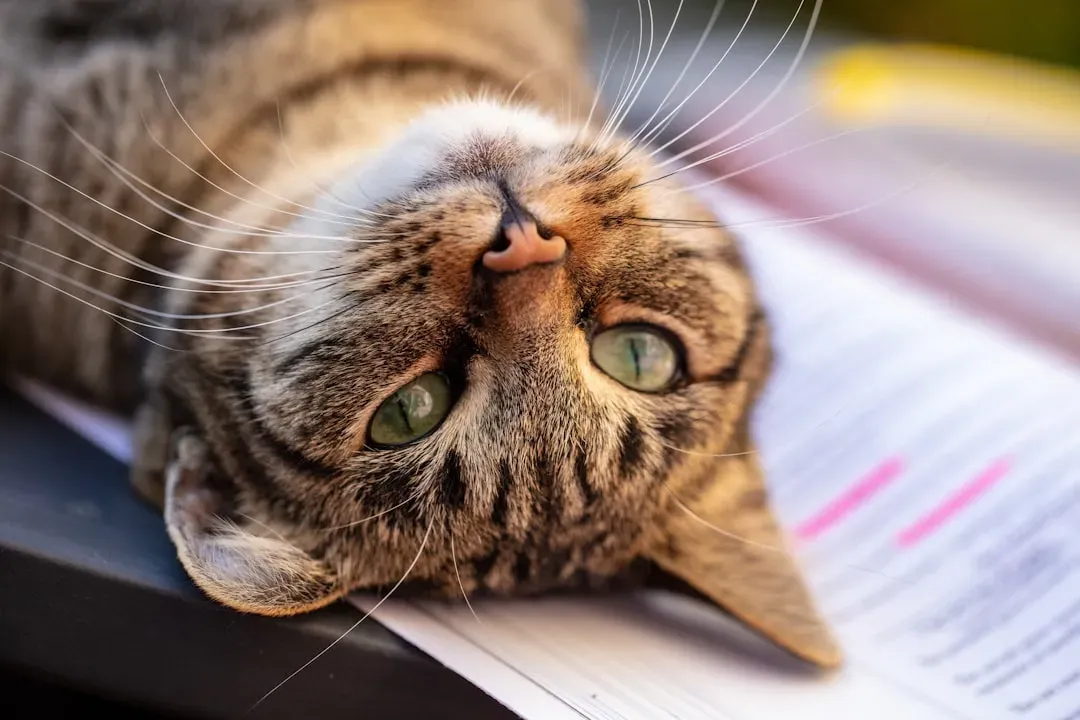
A study published in October found that not only could cats associate words with images, but they could do so at a rate faster than human babies. That’s a striking result, especially given how little formal study has gone into cat cognition compared to dogs or primates.
All 31 cats in the study passed the tasks given to them. The cats detected changes when combinations of human spoken words with pictures were altered. Previous studies have likewise found that cats are able to learn their own names, even if they like to not respond to them, and can even pick up basic commands. The selective ignoring, it turns out, is a choice, not a limitation.
They Learn by Watching You, Then Transfer That Knowledge Elsewhere
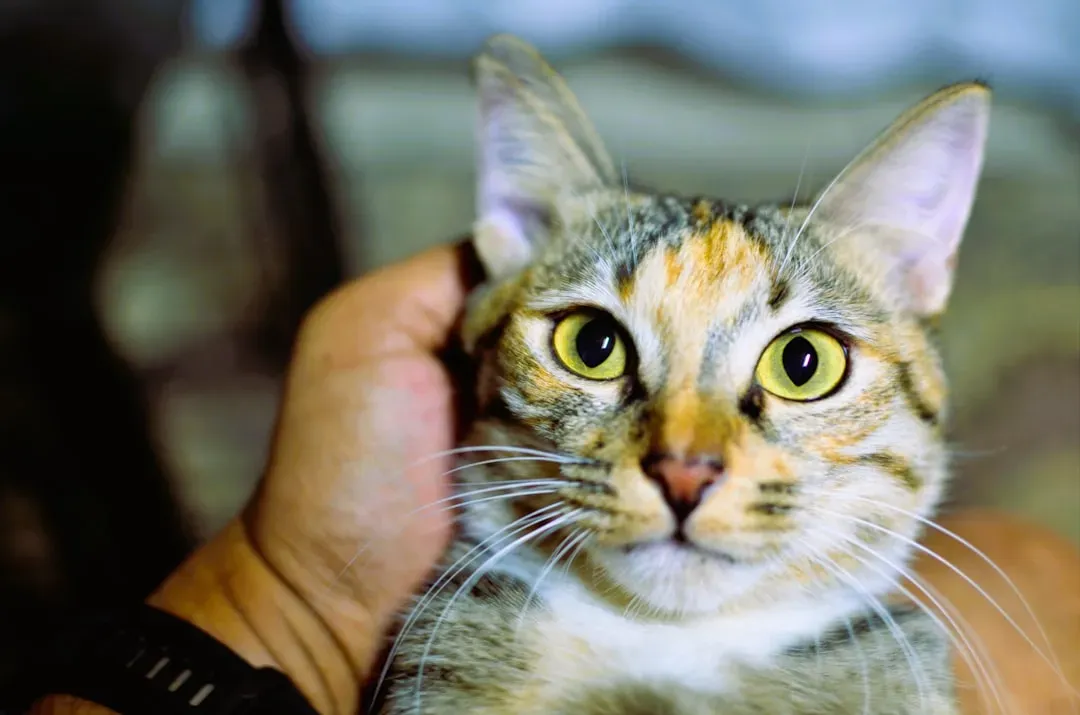
According to several feline behaviorists and child psychologists, an adult cat’s intelligence is comparable to that of a two- to three-year-old child, since both species learn through imitating, observing, and experimenting. Simply by watching their owners, and mirroring their actions, cats are capable of learning human-like behaviors like opening doors and turning off lights.
Like humans, cats learn by observation and doing. Examples include opening doors, ringing bells, and turning on light switches. This is procedural memory, and cats excel at it. Research shows these memories can last ten years or more. What’s particularly impressive is that they don’t just repeat the action in the same spot – they generalize it. A cat that learns to open one cabinet door will typically figure out other cabinet doors on its own.
Their Long-Term Memory Outperforms What You Might Expect
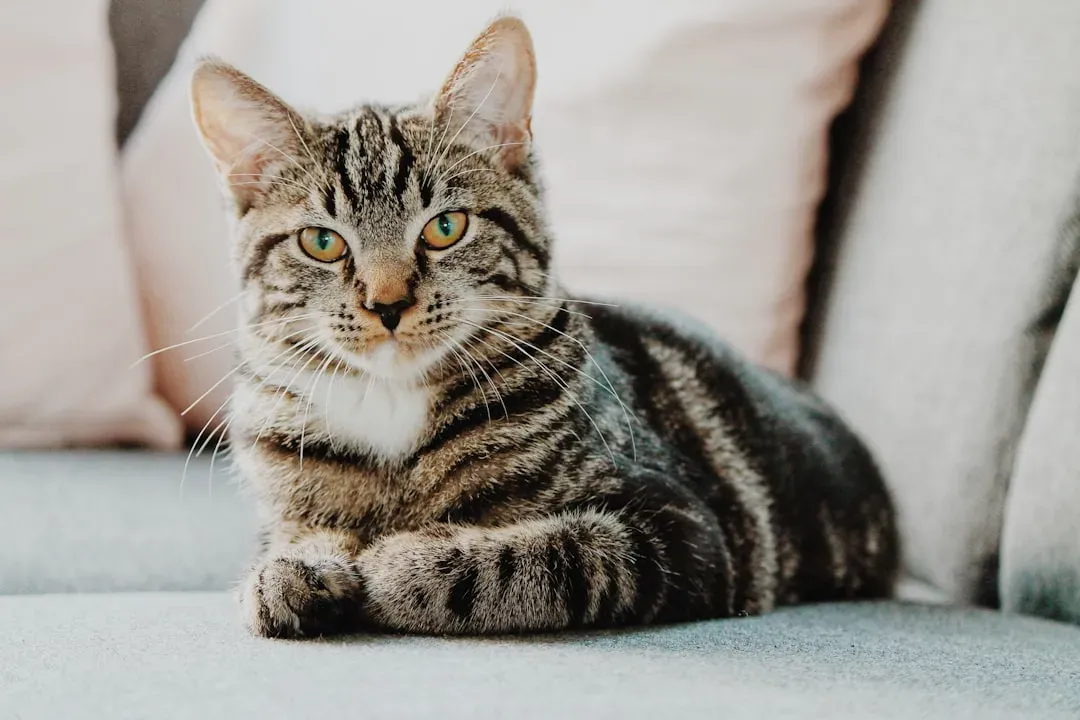
In comparative memory tests, canine recall lasted no more than five minutes, while cats returned to the correct location as long as 16 hours later, exhibiting a power of recall superior to that of monkeys and orangutans. That’s not a result most people would predict, and it reframes the idea that cats are simply reactive creatures with no sustained inner life.
Cats associate the memory of an event or place with the emotions they experienced there. They will remember experiencing traumatic stress, pain, or fear in the veterinarian’s exam room. Fortunately, they also remember positive experiences, especially when food or play is involved. This emotional tagging of memories is a key reason cats can seem grudge-holding or selectively warm – they’re simply recalling exactly how a situation made them feel.
They Form “Learning Sets” to Solve Problems They Haven’t Seen Before
Cats are able to form “learning sets,” a skill once thought to be confined to primates. For example, cats that were trained to pull boxes on wheels showed they could combine that skill with their own insight to solve new problems. This goes well beyond simple conditioning. It suggests a level of cognitive flexibility that allows cats to apply past knowledge in genuinely novel contexts.
Studies have shown cats have object permanence recognition, an awareness of objects that aren’t directly visible. Out of sight doesn’t mean vanished forever. Extra sharp cats would not only know to look behind a solid object to find their toy – they would also think ahead to where the object might move next. That’s forward planning, not just searching, and it’s a meaningful cognitive distinction.
They’ve Developed a Custom Communication System Specifically for Humans
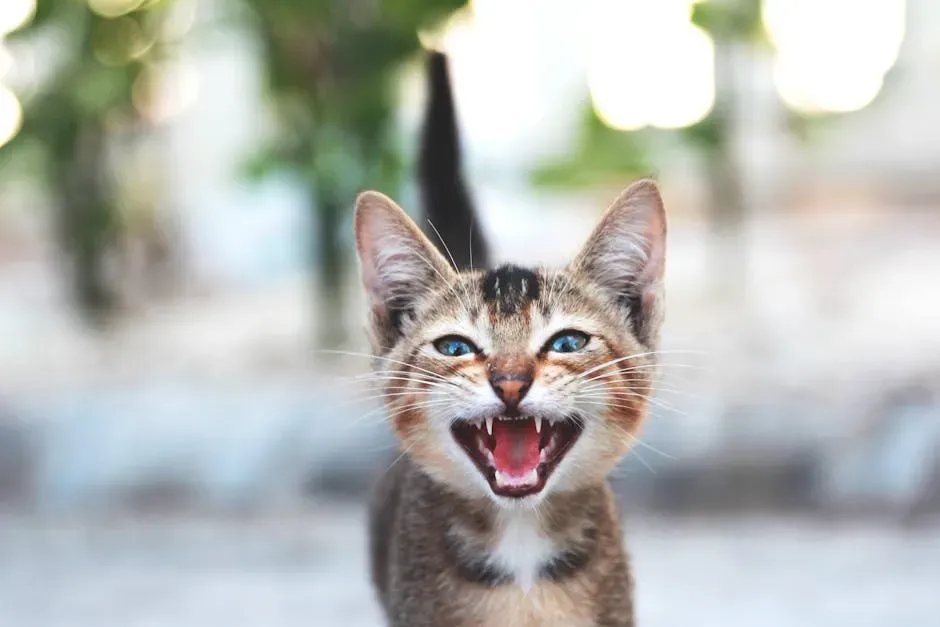
Here’s something that deserves more attention: adult cats almost never meow at other cats. Humans and cats have a long, shared history that has become increasingly close and complex over the past several decades, coinciding with a shift toward cats being kept indoors and a growing human-cat bond. Through that proximity, cats evolved something remarkable – a vocal system designed almost entirely to communicate with us.
Of nearly 3,000 cat owners, roughly one in five had cats who brought toys to their humans to initiate play. A poll of 4,000 Finnish cats showed fetching behavior was common, with Siamese cats leading the way. There is still so much we don’t know about cats and their behaviors – for instance, why one cat might fixate on a specific food while another ignores it entirely. Cats, it seems, are still actively working out new ways to reach us, and researchers are still catching up.
Conclusion
There’s something quietly remarkable about an animal that has lived alongside us for millennia without being reshaped into obedience. Cats stayed curious, stayed strategic, and stayed – largely – on their own terms. After years when scientists largely ignored social intelligence in cats, labs studying feline social cognition have popped up around the globe, and a small but growing number of studies is showing that cats match dogs in many tests of social smarts.
The more we study them, the more the “aloof and indifferent” narrative falls apart. Your cat knows your voice, reads your face, smells your fear, and remembers how last Tuesday went. They’re not indifferent – they’re selective. With projects like Darwin’s Cats aiming to recruit well over a hundred thousand participating cats, researchers plan to sequence feline DNA to investigate genetic influences on various traits, behaviors, and health issues, with the goal of building the largest database of feline behaviors and genetics ever assembled. The science is only just beginning to catch up with what cat owners have quietly suspected all along.
Kristina is a young writer from India. An arts graduate and an avid content creator, Kristina is passionate about animals and wildlife. She enjoys exploring topics related to pet care, animal behavior, conservation, and nature, combining thorough research with engaging storytelling.