Most people assume that as long as a cat has food, water, and a sunny spot to nap in, it’s perfectly content. The reality is a little more layered than that. Although cats are known for their independent nature, they still require mental and physical engagement to thrive, and indoor living, while safe, can sometimes lead to boredom that manifests in behavioral issues and negatively impacts their mental and physical health.
By tapping into your cat’s natural instincts to stalk, hunt, climb, and explore, enrichment helps your feline friend stay physically active and mentally engaged. Enrichment is a term used to describe how we can enhance an animal’s environment in ways that encourage natural behaviors, and for cats, it isn’t just a bonus – it’s a vital part of their health and happiness. The good news is that you don’t need an elaborate setup or a large budget. You just need to know where to start.
1. Turn Mealtimes Into a Mental Workout With Puzzle Feeders

Cats are natural hunters, and their instincts drive them to stalk, chase, and pounce. Puzzle feeders and interactive toys simulate this hunting behavior and make mealtime a stimulating experience. Instead of a bowl, using a puzzle feeder encourages your cat to “hunt” for their food, which keeps their mind engaged and helps prevent overeating.
Food puzzles make cats “work” for their food, providing mental stimulation and a little bit of exercise. Puzzle feeders can also be useful for pets who eat too fast, helping prevent regurgitation and upset stomachs. If you want to try a low-cost version first, get creative by crafting DIY treat dispensers. Simple ideas include stuffing treats inside empty toilet paper rolls or cardboard boxes with small holes, and as your cat bats, rolls, and paws at these homemade toys, they will be rewarded with tasty treats.
2. Build Vertical Space Your Cat Can Actually Use
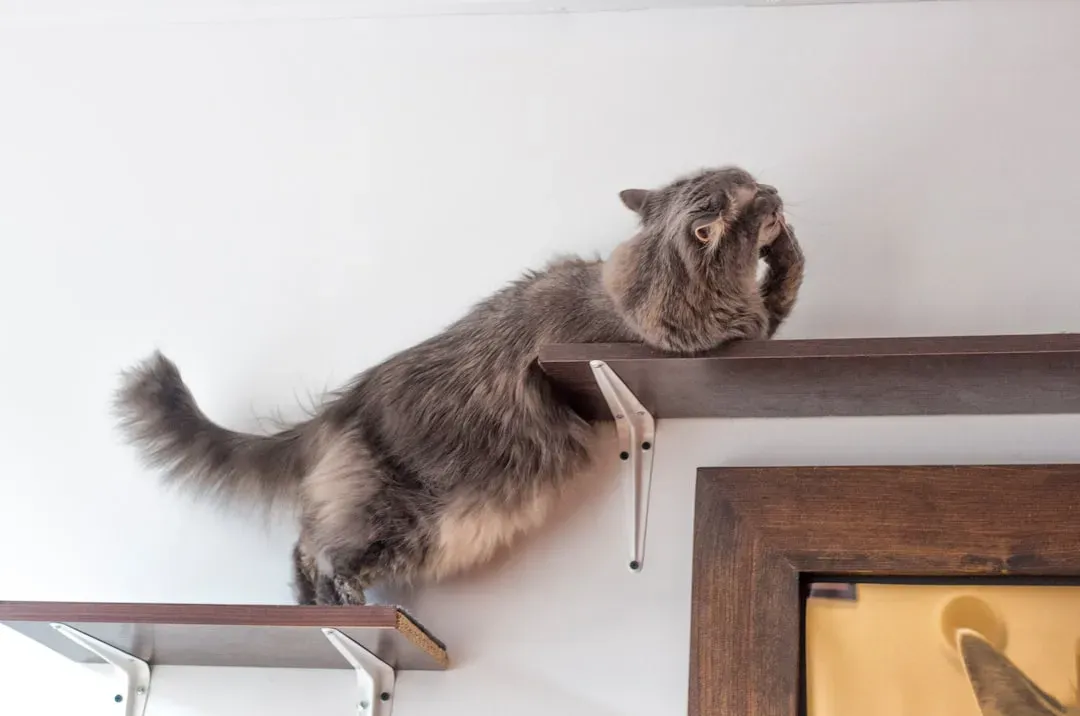
Cats love to climb, and having access to vertical space can make a huge difference in their happiness. Installing cat trees, wall shelves, or window perches gives your cat places to explore and observe their surroundings from above. It’s more than a luxury. Vertical spaces not only offer exercise opportunities but also allow cats to observe their territory, providing mental stimulation and a sense of security.
Having safe spaces for your cat at multiple heights is important for them to feel good in their environment. Try to make sure you have at least one space higher than the tallest person in the house – cats love to sleep on the top shelf of a cat tower at least five feet tall. If a cat tree isn’t in the budget right now, an inexpensive option is to put some bedding or towels on top of a cabinet, fridge, bookshelf, or inside a closet. Installing shelving on a wall is also a great way to provide cats vertical space and can even add to the decor in your house.
3. Schedule Daily Interactive Play Sessions
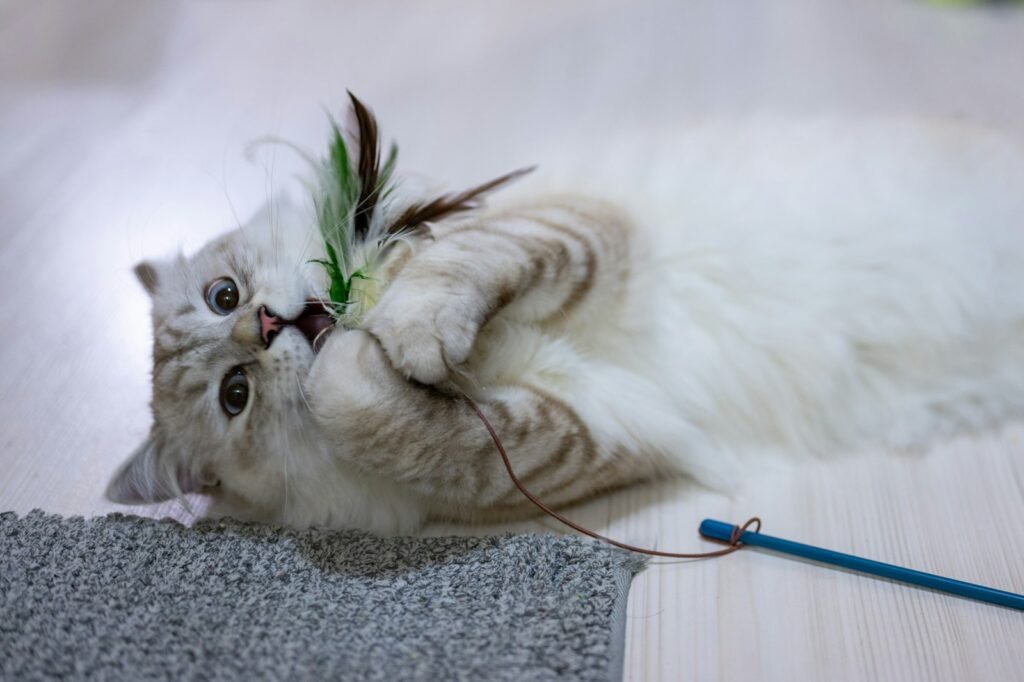
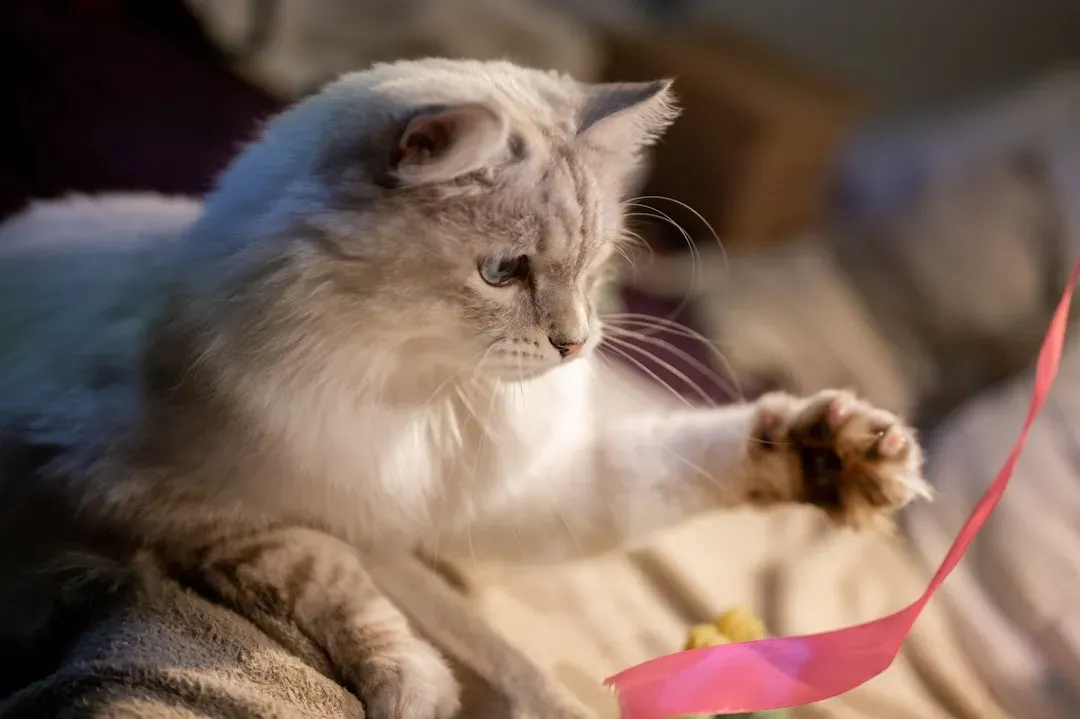
Playtime is crucial for keeping an indoor cat mentally happy, physically healthy, and content to be inside. Make a habit of playing with your cat for at least 10 minutes a day, as kittens and some rambunctious cats may require more. The best type of play for keeping a cat happy is interactive, where you use a toy to mimic the behavior of a cat’s prey animals, either birds or rodents.
Consistency is key when it comes to keeping indoor cats entertained. Daily, scheduled play sessions of even 10 to 15 minutes at a time can make a significant difference in a cat’s behavior and mood. Regular interaction helps burn off excess energy, reduces stress, and prevents unwanted behaviors like scratching furniture or nocturnal hyperactivity. Try to end each session with a “catchable” toy so your cat experiences the satisfaction of a successful hunt.
4. Rotate Toys Regularly to Keep Things Fresh
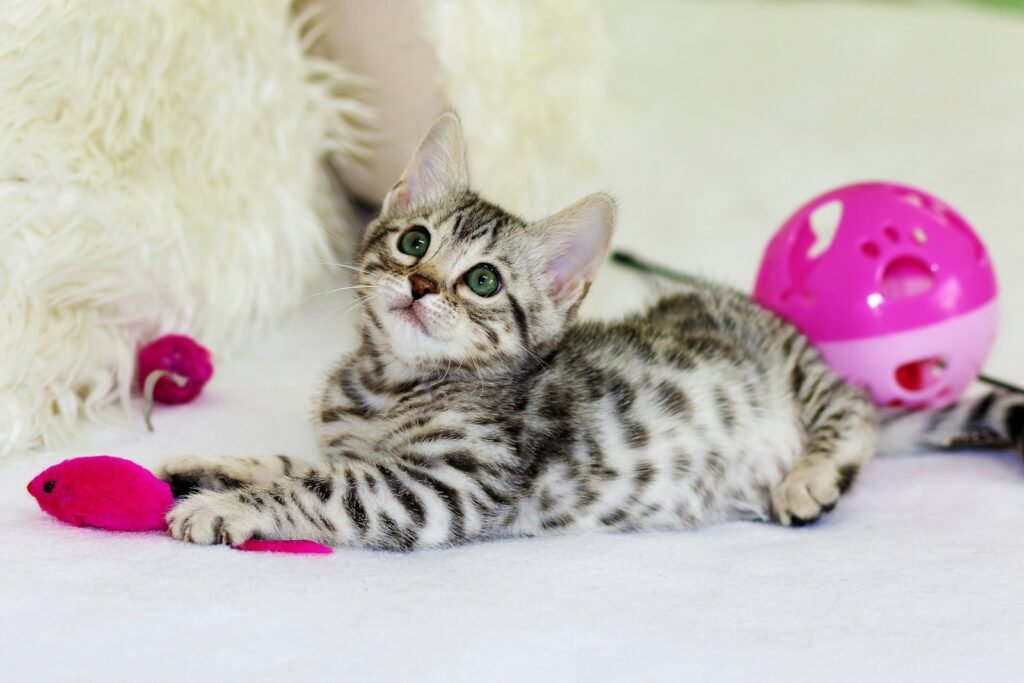
Just like humans, cats can get bored with the same toys over time. Keeping a variety of toys on hand and rotating them regularly keeps playtime exciting. Introducing new toys occasionally and bringing older favorites back into rotation can reignite your cat’s interest and encourage active play.
Rotating your cat’s toys regularly is beneficial for keeping them mentally stimulated and engaged. While there’s no fixed schedule, a good practice is to change toys weekly or bi-weekly. This frequency keeps the environment fresh and interesting for your cat, reducing boredom and potentially destructive behavior. Offering a variety of toys in rotation, such as balls, catnip toys, and interactive items, can cater to your cat’s changing preferences and ensure sustained interest.
5. Create a Dedicated Window-Watching Station
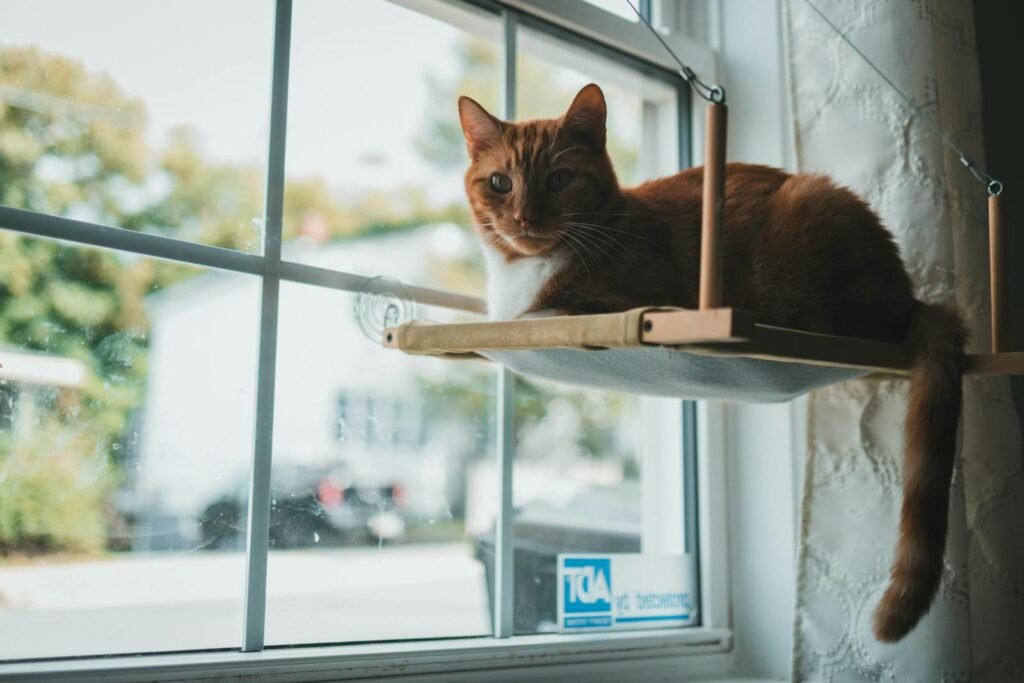
Setting up a comfortable perch near a window creates a front-row seat to the outside world. Cats are fascinated by bird activity, passing wildlife, and changing scenery, and by providing a window view, you enable them to engage with the sights and sounds of the outdoors, stimulating their senses and preventing boredom.
Consider installing a bird feeder outside to create an engaging “cat TV” experience. It’s one of the simplest upgrades you can make for almost no cost. A birdbath or bird feeder placed within sight of the window can increase your cat’s enjoyment, though you should watch out for roaming cats in your yard, as the sight of other cats can trigger stress and possibly urine marking in an indoor cat.
6. Engage Their Nose With Safe Scent Enrichment
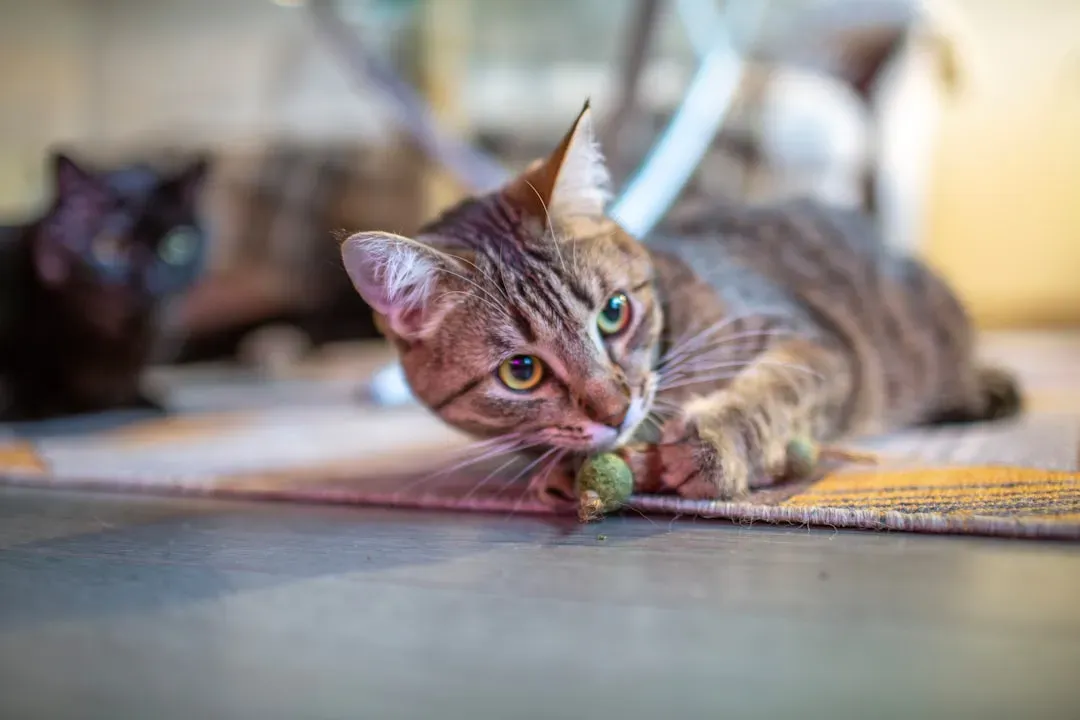
Cats experience the world through scent, so providing safe, stimulating scents can add another layer of enrichment. Catnip, silver vine, and valerian root are popular choices that can encourage play and relaxation. You can also introduce potted cat grass, which many cats enjoy nibbling on and which adds natural texture to their environment. This can bring a taste of the outdoors inside, especially for cats who don’t have access to a catio.
Sensory stimulation is crucial for indoor cats. In addition to providing visual stimulation through window perches and interactive toys, consider enriching other senses as well. You can play bird sounds, rustling leaves, or gentle music designed for cats, and use cat-safe scents like silvervine or catnip, or introduce new objects with different smells for your cat to investigate. These small sensory changes can noticeably shift your cat’s mood and curiosity level.
7. Try Clicker Training and Trick Teaching
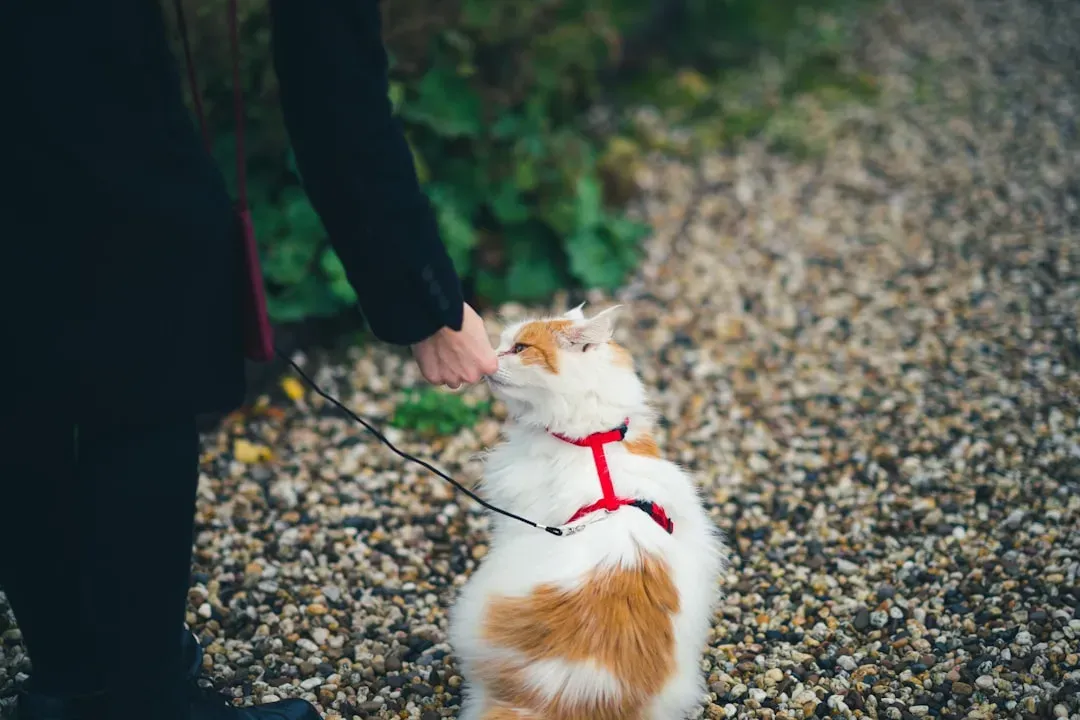
Cats can actually be trained. Teaching your cat simple tricks like “sit” and “high five” can provide mental stimulation and strengthen your bond. You can clicker train a cat just like you would a dog, and cats that are food motivated usually learn very quickly.
From puzzles to training sessions, problem-solving is considered an enrichment activity because it exhausts both physical and mental energy. You’ll be surprised to see how ready your cat will be for a long nap or cuddle session after a short five minutes of training, or after eating their meal from an interactive toy or puzzle bowl. Keep sessions short, around three to five minutes, so your cat stays engaged rather than frustrated.
8. Set Up Hiding Spots and Indoor “Hunting” Opportunities
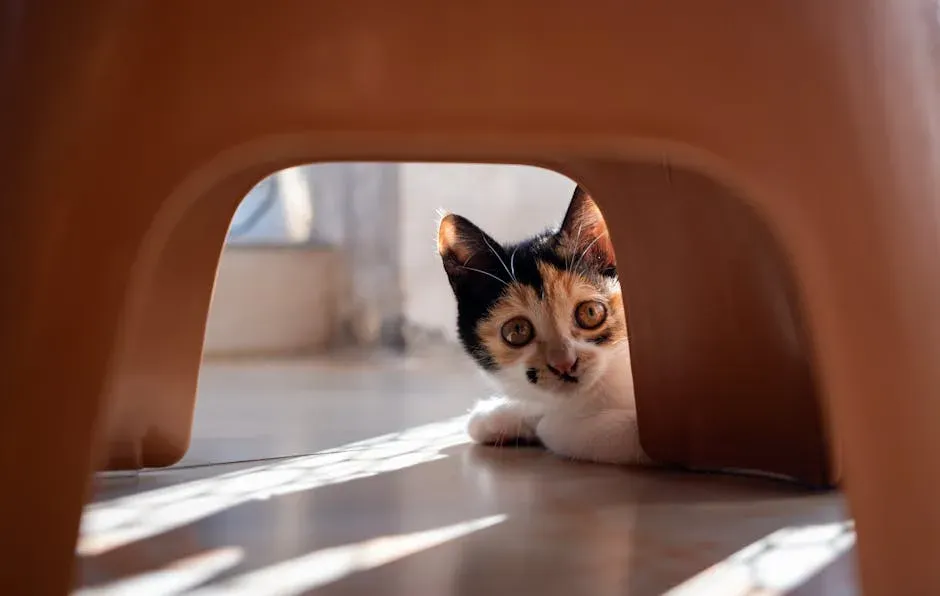
Turn your cat’s daily environment into an adventure by creating hiding spots and offering treats in unexpected places. Set up small boxes, tunnels, or paper bags where they can hunt and explore. Hiding treats around the house or placing a few in crinkly bags or under rugs prompts your cat to use their senses to hunt, which appeals to their natural instincts and provides exercise and mental stimulation.
Calming activities are just as much a part of cat enrichment as stimulating ones. Every animal needs a comfort zone where they can go to feel safe and relax. Closets, open crates, high shelves, cat trees, the space under beds, and rooms sectioned off with baby gates are great places to put a comfy cat bed or blanket to create a safe place. Balancing exciting “hunt” moments with cozy retreat spots creates a well-rounded daily experience for your cat.
9. Explore a Catio or Supervised Outdoor Access
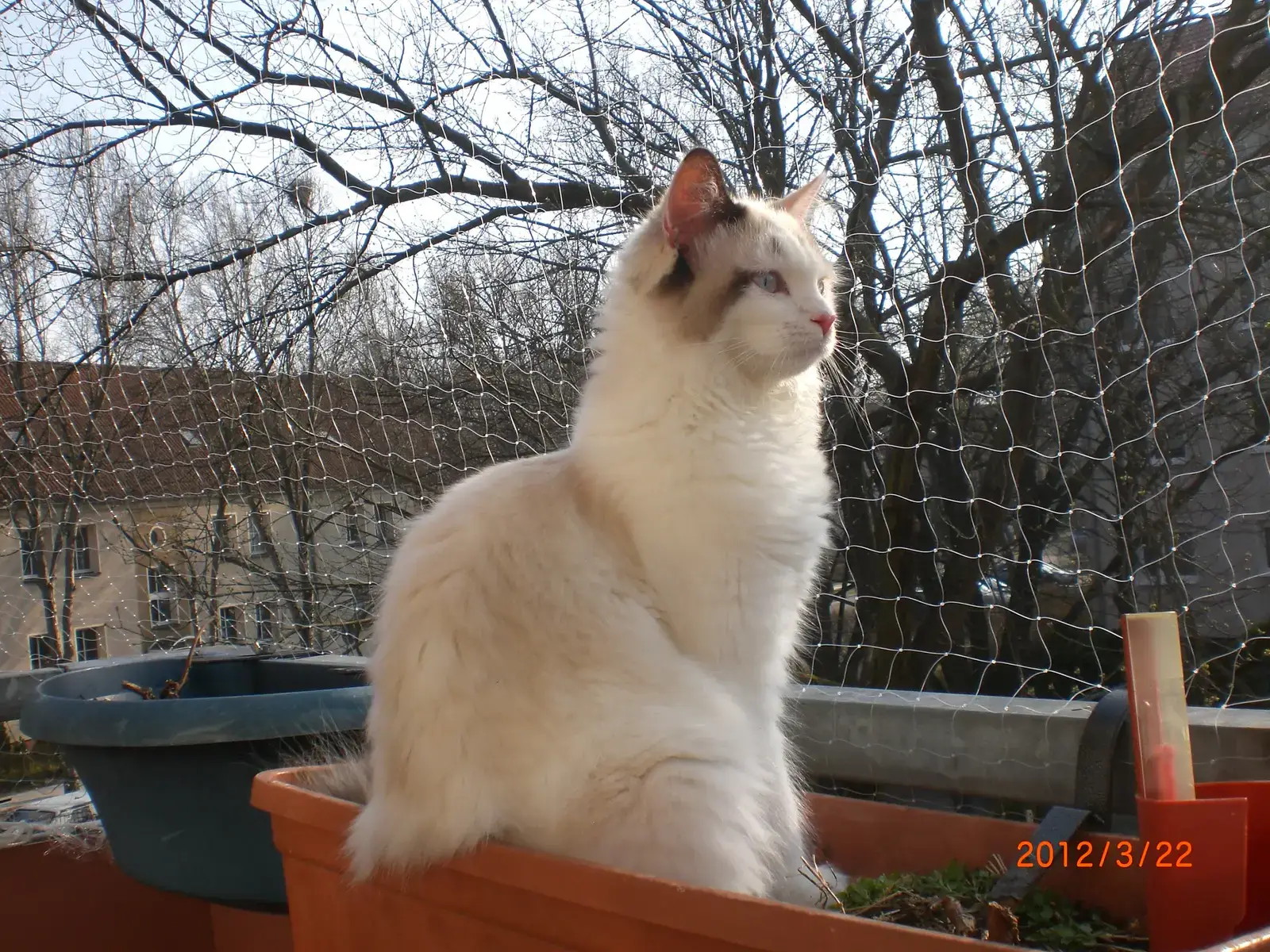
If you have the space and resources, consider building a cat enclosure that allows your indoor cat to experience the outdoors safely. A catio can be a small window box or a larger, enclosed area connected to your home or placed in your backyard. It provides cats with fresh air, sunshine, and the opportunity to engage with nature while protecting them from potential hazards like traffic or predators.
Catios offer a safe space for exercise, mental stimulation, and sensory engagement. They let cats experience a changing environment that holds their attention and sharpens their instincts, even if they remain indoors. If a catio isn’t possible, many cats can be trained to walk on a leash with time and positive reinforcement, offering a completely different kind of outdoor exploration on your terms and theirs.
Conclusion: Small Changes, Big Results
Enrichment doesn’t have to be complicated or expensive – it just takes a bit of creativity and awareness of your cat’s needs. From a quick play session to rearranging furniture, the smallest changes can make a big difference in your cat’s daily life.
Enrichment not only makes your cat’s day more interesting, but it also improves their physical health and helps strengthen your bond with them. A happy, enriched cat is more confident, curious, and content. You don’t need to overhaul your entire home or spend a fortune on gadgets. A puzzle feeder here, a window perch there, and fifteen minutes of genuine playtime each day can shift your cat’s world in ways that matter more than you might expect.
Kristina is a young writer from India. An arts graduate and an avid content creator, Kristina is passionate about animals and wildlife. She enjoys exploring topics related to pet care, animal behavior, conservation, and nature, combining thorough research with engaging storytelling.