Cats have shared our homes for thousands of years, yet somehow they remain profoundly misunderstood. The relationship between humans and cats spans several thousand years, yet a significant proportion of the population still does not fully comprehend feline behavior. That’s a surprisingly humbling fact when you consider just how many households have at least one cat curled up on the couch right now.
What makes this especially interesting is that the misunderstandings aren’t trivial. Many of them directly shape how you care for your cat every single day, sometimes to their detriment. Despite the growing preference for cats as companion animals, beliefs and misperceptions about them are still common, and cultural and sociodemographic aspects can influence society’s attitudes towards cats, affecting the way they are kept and cared for and, consequently, their welfare. Here are nine of the most persistent myths , and what the evidence actually tells you instead.
Misconception 1: A Purring Cat Is Always a Happy Cat
It’s one of the most deeply wired assumptions cat owners carry: if your cat is purring, everything is fine. It feels logical, doesn’t it? That soft rumble seems like nature’s way of saying “I’m content.” The reality is that purring doesn’t always indicate your cat is happy. Purring can indicate happiness, but it can also indicate stress or pain, and it has been discovered that cat purrs happen at frequencies that support healing and stress relief.
A cat purr can mean a lot more than just happiness. Cats purr when they are frightened and when they’re threatened. They purr in pain, when they’re injured, in labor, and even when they are near death. So while a purring cat in your lap during a quiet evening is probably quite content, a purring cat at the vet or after an injury deserves a closer look. It’s essential to observe other behaviors to understand how your cat truly feels.
Misconception 2: Cats Are Naturally Solitary and Don’t Need Social Connection
Cat owners are inclined toward agreement that cats are independent and have less social needs than other animals. Beliefs such as these are not supported by the scientific data on cat social behavior and may result in failure to meet cats’ individual social or environmental needs. This is one of the most consequential myths out there, because it directly affects how much interaction and attention you offer your cat each day.
Cats are facultative social animals, as they demonstrate complex social behaviors, such as affiliative behaviors, especially in environments that favor interaction, such as shelters, multi-cat houses, and free-ranging cat colonies. Behavioral studies have shown that cats can form emotional bonds with their guardians and seek their company at specific times. Sadly, viewing cats as asocial can harm them, as their caretakers are less likely to provide affection, exercise, hair brushing, toys, and veterinary care.
Misconception 3: Indoor Cats Don’t Need Much Stimulation
Many people believe that cats are low-maintenance pets, but this is not entirely true. While cats may not require daily walks or extensive training, they still have specific needs that must be met to ensure their health and happiness. Leaving your cat alone in a static home environment, assuming they’ll just sleep through the day contentedly, overlooks a lot of what actually drives feline wellbeing.
Cats are naturally curious and driven to explore, hunt, and interact with their environment. Without adequate outlets, they can experience boredom, stress, and even develop health issues. This is why providing enrichment is so crucial to their overall happiness and well-being. Cats maintain their natural behaviors, such as scratching, chewing, and elimination, while living indoors, and they may develop health and behavior problems when deprived of appropriate environmental outlets for these behaviors.
Misconception 4: Cats Are Fine Without Vertical Space
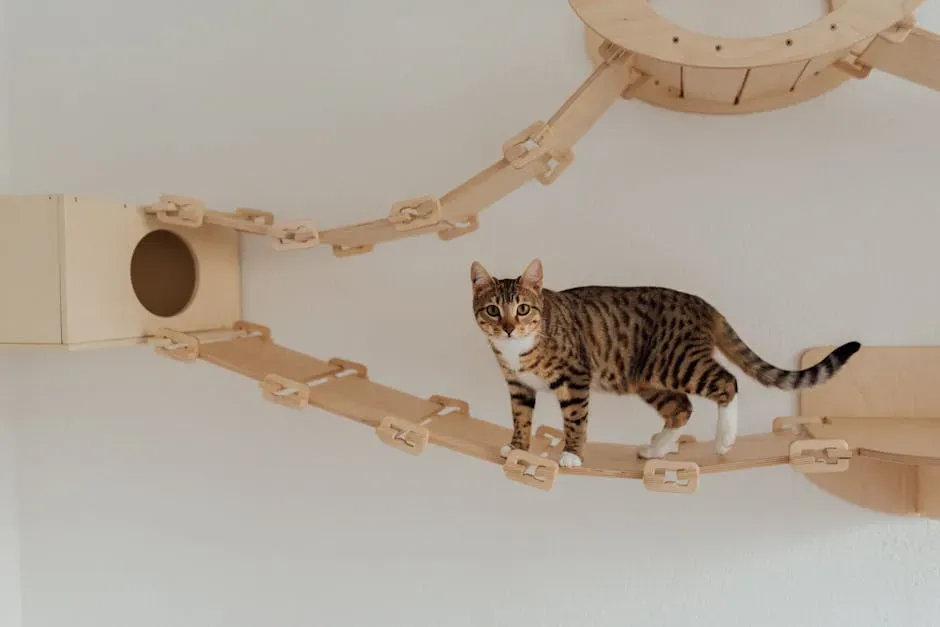
You’ve seen it a hundred times: a cat perched on top of the refrigerator or balanced on a narrow bookshelf. That’s not just quirky behavior. In the wild, felines are predators and prey, and they feel more comfortable and confident when they can survey their environment from above. An elevated position also allows them to escape pesky humans and other household pets when they need downtime.
Multiple clinical guidelines emphasize that vertical space and safe hiding spots directly reduce stress. Evidence-based adjustments that improve the physical system include vertical territory such as cat trees, sturdy shelves, or cleared tops of furniture at different heights. The biggest mistake is creating a flat, boring environment with no vertical space or mental challenges. Many people provide food, water, and a litter box but forget cats need climbing opportunities, hiding spots, scratching surfaces, and interactive play.
Misconception 5: Food, Water, and a Litter Box Are Enough
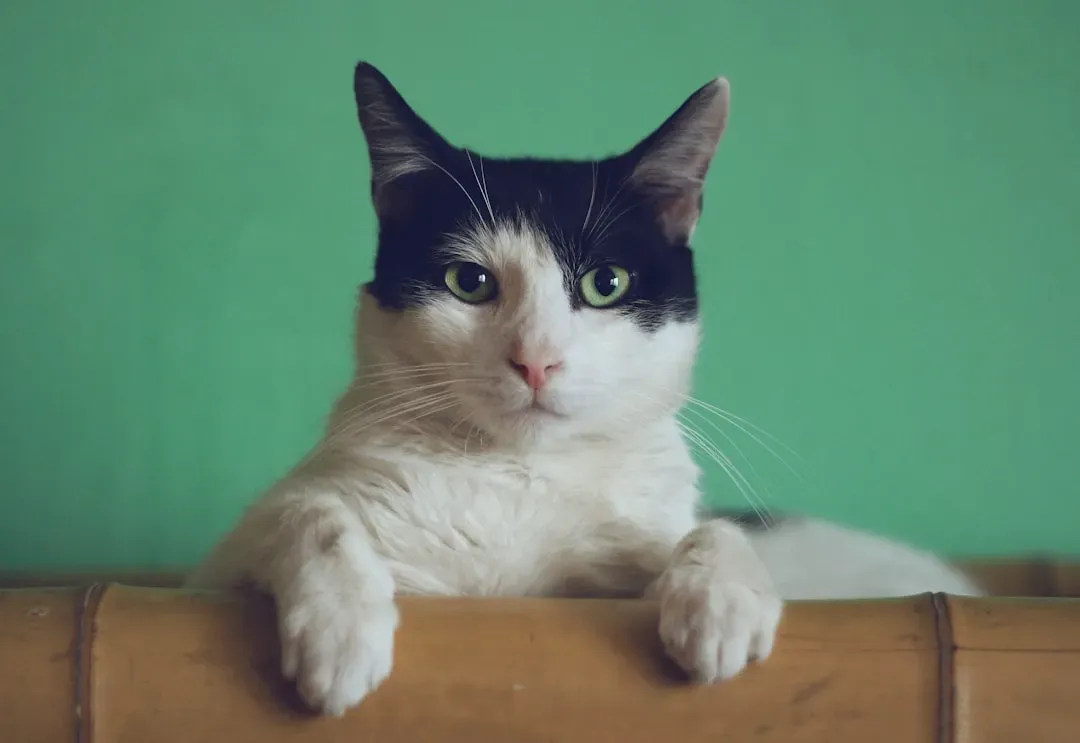
This one feels like common sense, and it’s understandable why so many people believe it. Basic resources keep a cat alive, sure. Cats just needing food, water, litter and a place to sleep is partly true, but it’s just as important how many sets of these resources there are and where those resources are located. Food shouldn’t be placed near water or the litter box. The litter box and water dish need to be fresh. Cats don’t just need a place to sleep; they also need a way to observe their environment, exercise, express predatory behaviors, and hide when they feel threatened.
While cats have a reputation for being independent, they need just as much care as dogs do. Regular vet visits, daily exercise and mental enrichment, and plenty of positive attention from their guardians are all essential to a cat’s well-being. Playing, snuggling, and spending time with your cat also increases the bond between you and your furry friend. Happiness, it turns out, requires a lot more than a full food bowl.
Misconception 6: Catnip Makes Every Cat Happy
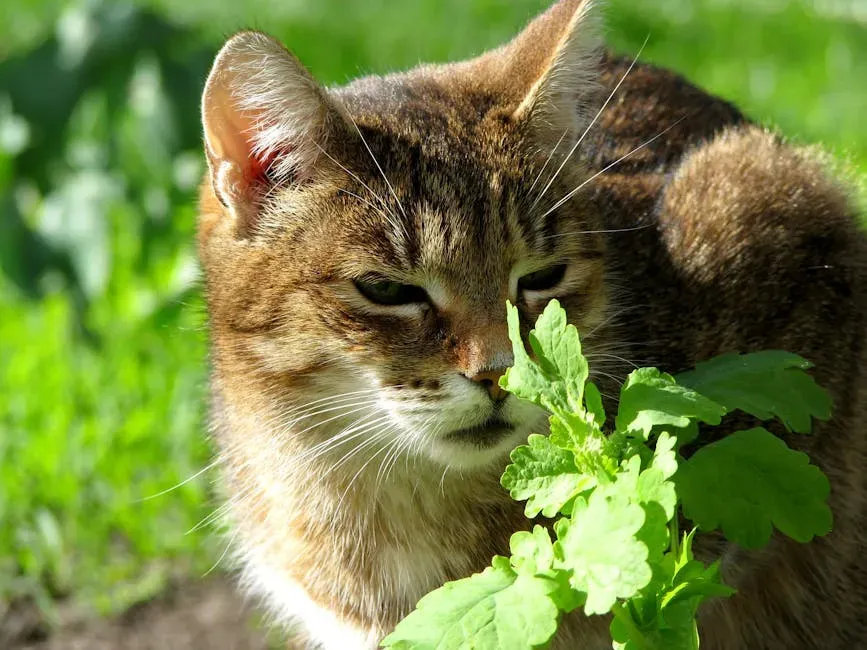
Catnip has a near-mythological status in cat culture. You buy it, your cat goes wild, problem solved. Except it genuinely doesn’t work that way for a significant portion of cats. Only about 50 to 75 percent of cats are susceptible to catnip’s charms. Sensitivity to the essential oil in catnip, called nepetalactone, is actually an inherited trait, and not all cats are susceptible. While most cats who respond to catnip seem to enjoy a kind of euphoric high from the plant, catnip can actually make some cats aggressive.
The good news is that catnip is far from the only scent enrichment option available to you. Silver vine evokes a positive response in about 80 percent of cats, including some who don’t respond to catnip. Others include honeysuckle wood and valerian, which have a positive effect on about half of the cat population. Additionally, kiwi vine is a lesser-known option that is also reported to have a positive effect in some felines. If your cat seems indifferent to catnip, it’s worth exploring these alternatives rather than assuming your cat just doesn’t enjoy enrichment.
Misconception 7: Cats Are Nocturnal, So Late-Night Activity Means They’re Happy and Energized
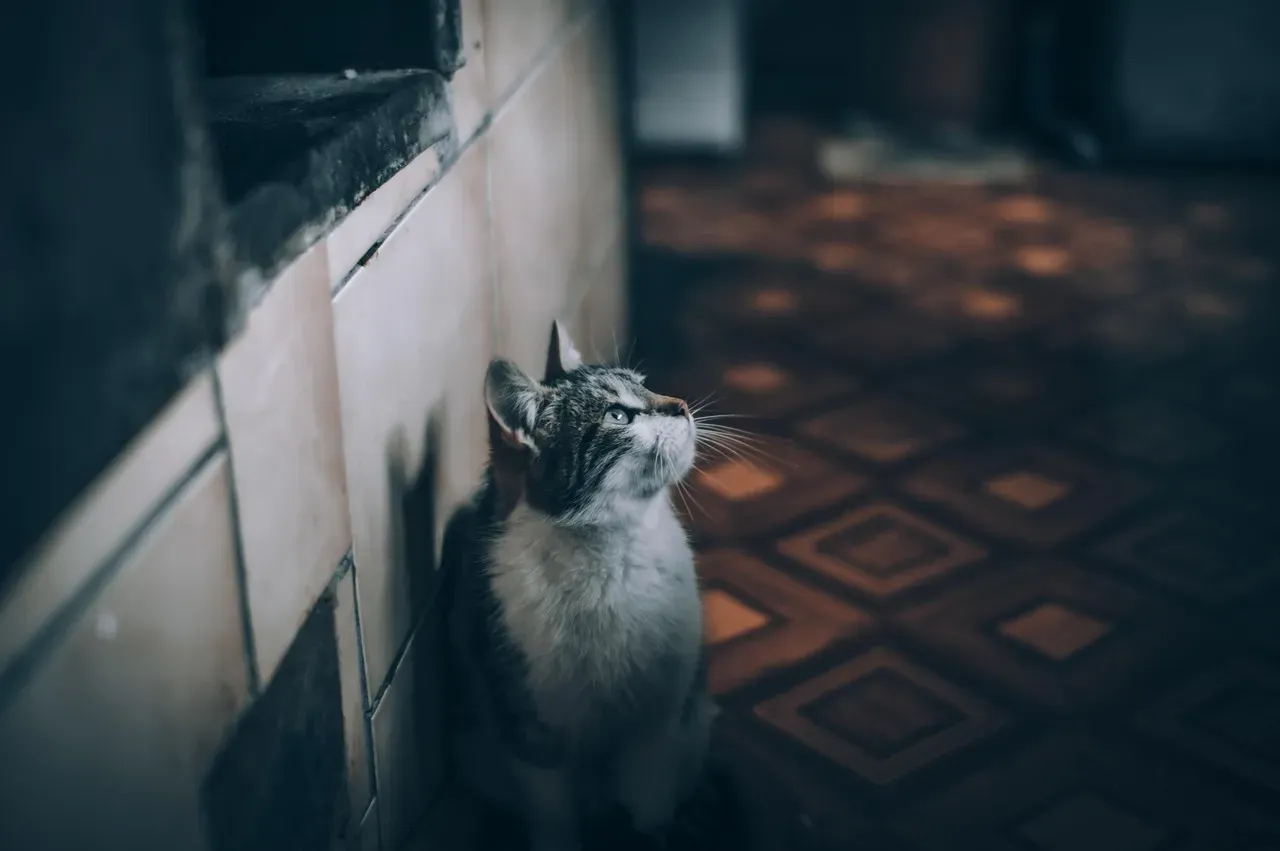
Many cat owners assume that a cat racing around the house at midnight is simply following its nature. You might even feel a bit guilty interrupting that burst of energy. Cats are not actually nocturnal. Cats are often thought to be nocturnal creatures but they are actually crepuscular, meaning they are most active during dawn and dusk. This misconception likely arises from the fact that cats are often more playful and energetic during the early morning and evening hours. In the wild, cats hunt during these twilight hours when their prey are most active.
Domestic cats have retained this instinctive behavior, which explains why they may wake their owners early in the morning or become more lively in the evening. Understanding your cat’s natural activity patterns can help you establish a routine that works for both you and your feline friend. If your cat is erratic at night, it may not be contentment. It may actually be a sign that its need for structured play and exercise during the day isn’t being fully met.
Misconception 8: Cats Don’t Need Regular Vet Visits If They Stay Indoors
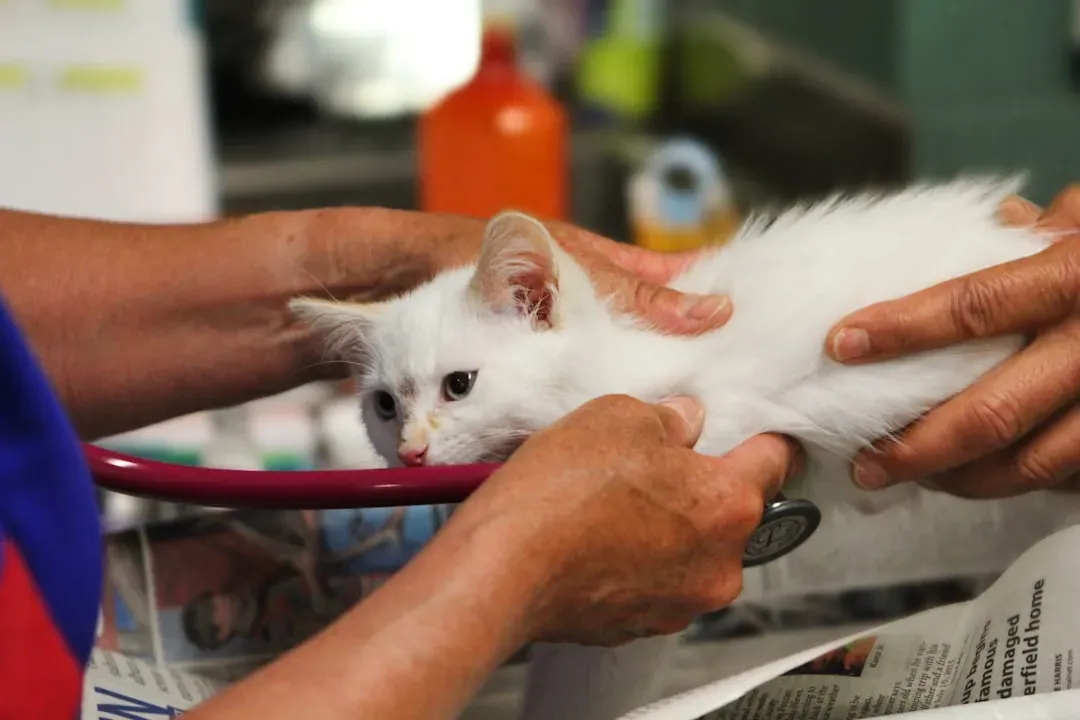
Indoor cats often get overlooked when it comes to routine veterinary care. They’re not exposed to traffic, wildlife, or other cats, so the thinking goes: what could really go wrong? Quite a lot, as it turns out. Indoor cats face health risks just like outdoor cats do. They can develop dental issues, obesity, and even kidney disease. Regular vet visits catch these problems early.
Indoor cats need to be vaccinated as often as cats that go outside. The same is true for deworming, external parasite control and regular preventive healthcare visits to the veterinarian. Cats at higher risk include those who board, travel or live in shelters. Cats are known for concealing their pain, a trait evolved from their wild ancestors to prevent appearing vulnerable to predators. This doesn’t mean cats do not show signs of pain, but rather that the cues can be more subtle. Changes in behavior, appetite, grooming habits, or social interaction can all indicate discomfort or illness.
Misconception 9: Cats Can Be Left Alone for Long Periods Without Consequence
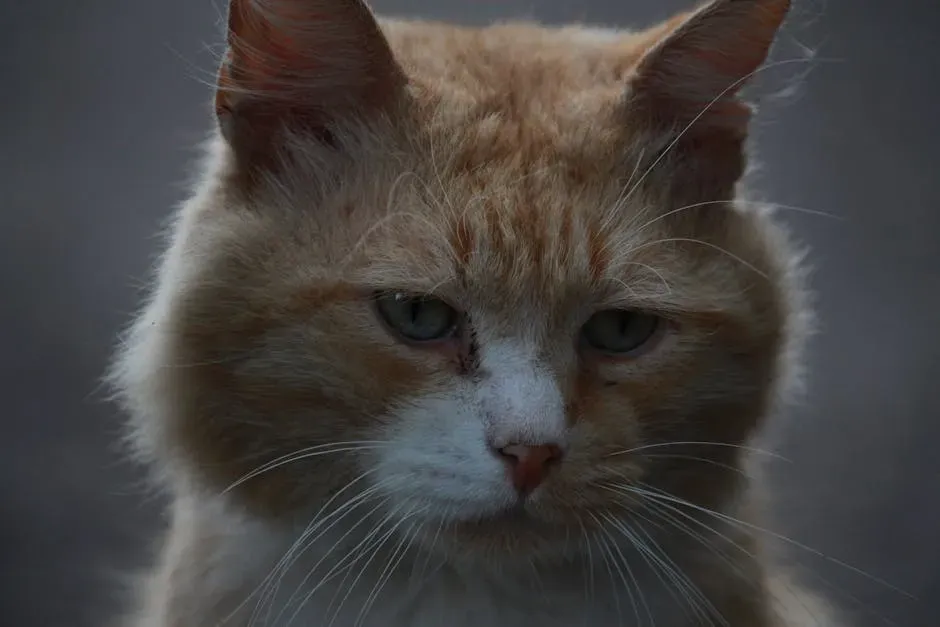
Cats have a well-earned reputation for independence, and many owners interpret this as meaning their cat is perfectly fine if left alone for a weekend or even a few days. While cats are often portrayed as independent and aloof, they are actually social creatures that form strong bonds with their human companions and other cats. Many cats enjoy cuddling, playing, and interacting with their owners, and some even develop separation anxiety when left alone for extended periods.
A poor home environment is the number-one welfare issue affecting pet cats. Improving the cat’s environment is vital, as a substandard living environment exponentially elevates feline stress, in turn increasing the risk of feline behavior issues taking place, including high-risk problems like inappropriate elimination that if left unresolved drastically increase the cat’s risk of surrender. Your presence, routines, and active engagement matter more to your cat’s happiness than most people realize.
The Takeaway: Your Cat’s Happiness Is More Nuanced Than You Think
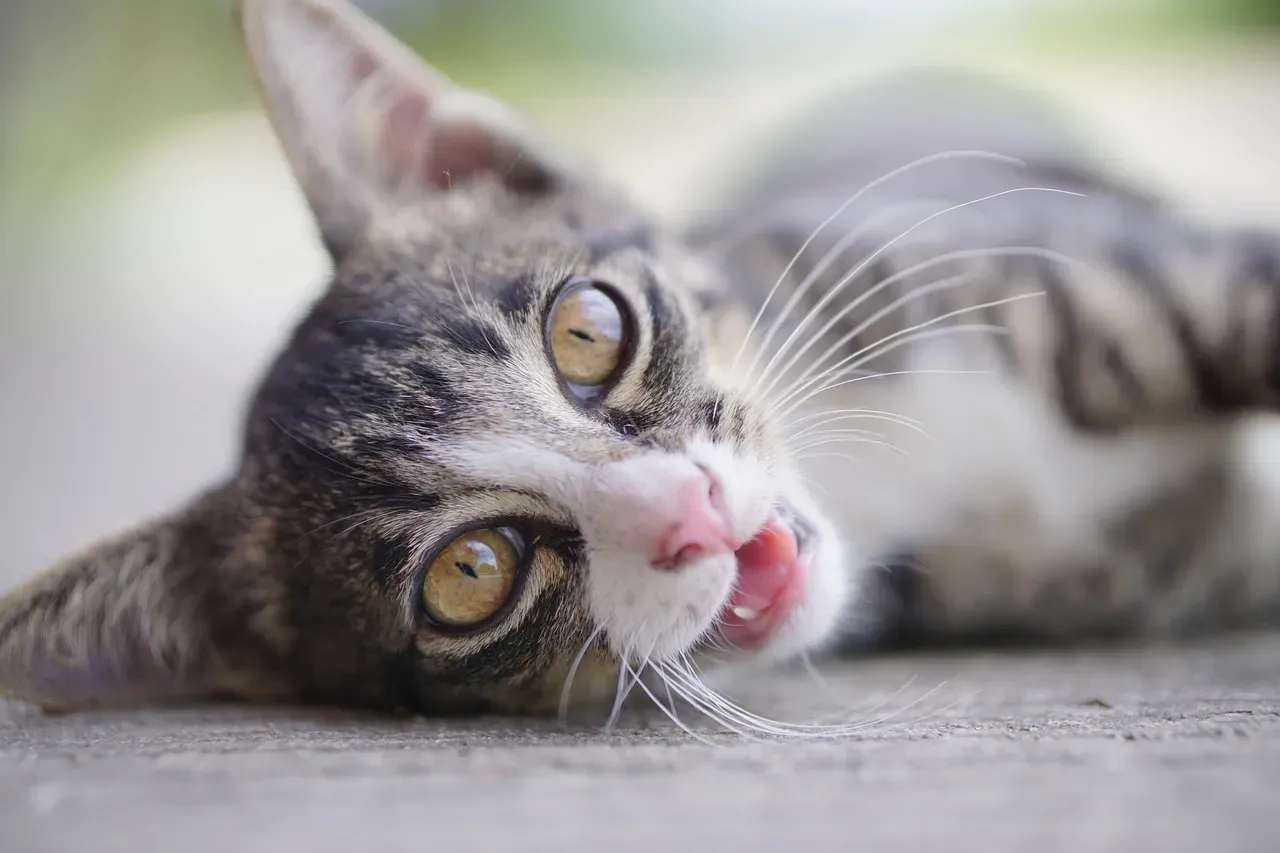
Most of these misconceptions share a common root: the idea that cats are self-sufficient creatures who simply exist alongside you without needing much in return. Cats are among the most popular pets worldwide, but there are still major gaps in the public’s general understanding of their social behaviors and related needs. In addition to these knowledge gaps, people often have negative or ambivalent attitudes about cats, which can directly impact their welfare outcomes. Insufficient attention to the behavioral ecology of cats can lead them to experience distress that undermines both their welfare and the human-animal bond.
Cats require regular veterinary check-ups, a balanced diet, clean litter boxes, and plenty of mental and physical stimulation. Neglecting these needs can lead to health issues, behavioral problems, and a decreased quality of life. Responsible cat ownership involves dedicating time, effort, and resources to provide the best possible care for your feline companion. The cats who thrive most are those whose owners took the time to question what they thought they knew. That curiosity, more than any toy or treat, is probably the most useful thing you can bring to your relationship with them.
Kristina is a young writer from India. An arts graduate and an avid content creator, Kristina is passionate about animals and wildlife. She enjoys exploring topics related to pet care, animal behavior, conservation, and nature, combining thorough research with engaging storytelling.