Cats are among the most deliberate creatures sharing your home. Every nap, every curled-up retreat, every inexplicable perch on something that looks profoundly uncomfortable – none of it is random. While it can feel like your cat simply materializes in strange places out of sheer whimsy, there’s a surprising amount of logic running beneath the surface of those choices.
As creatures that sleep between twelve and sixteen hours daily, cats are particular about where they rest, and their choice of sleeping location is influenced by various factors including safety, temperature, comfort, and their inherent predatory nature. Pay attention to the spots your cat gravitates toward most, and you’ll start to read something genuinely revealing about how they experience their world.
Your Bed: The Ultimate Territory of Trust
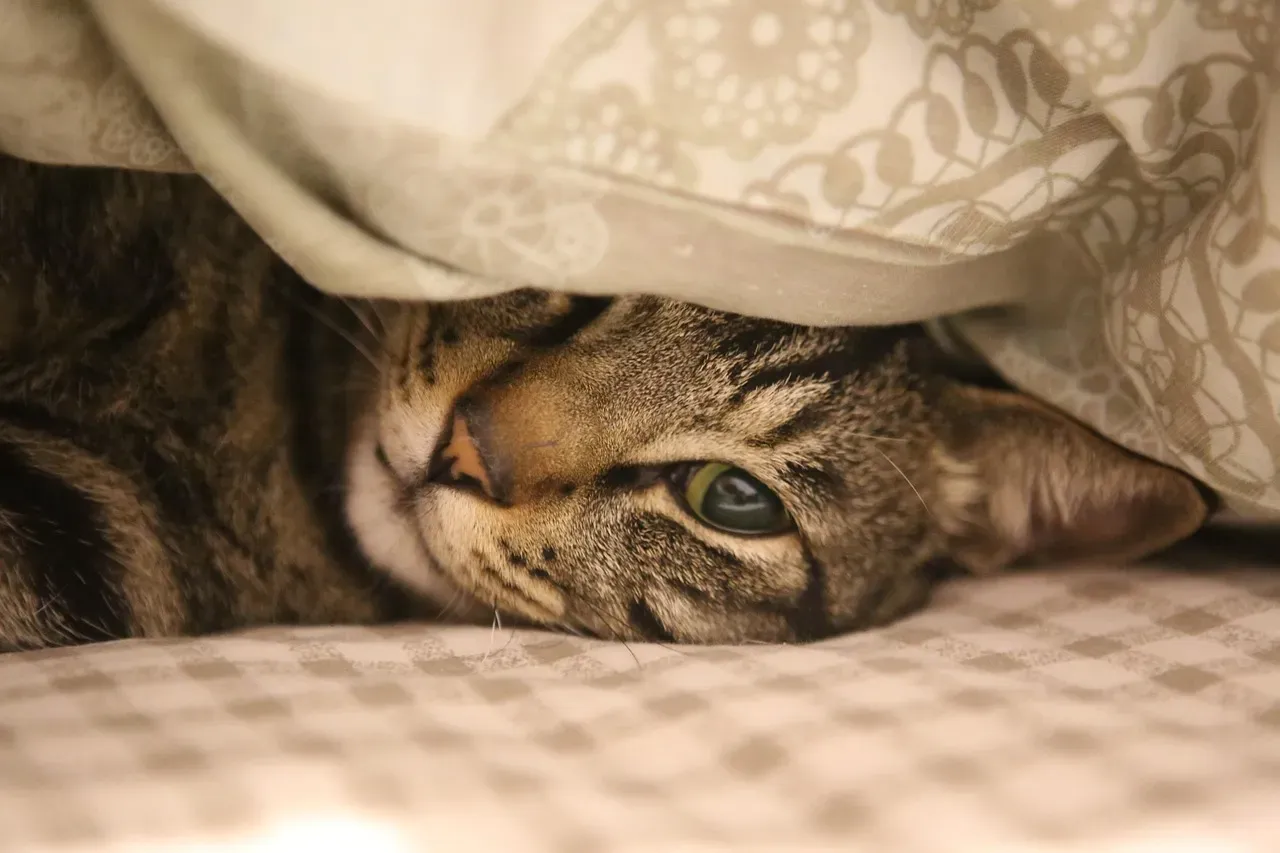
There’s a reason your cat keeps ending up on your bed, even when you’d prefer they didn’t. This is partly due to scent association – your bed carries both your scent and the cat’s own scent, creating a powerful signal of safety and familiarity that turns it into a reliable “safe zone” where your cat can fully relax. It’s less about claiming your mattress and more about building a shared, trusted territory.
Sleep is a vulnerable time, and cats instinctively gravitate toward places where they feel safe. By choosing to sleep near a familiar human, your cat finds not only warmth and comfort but also a sense of security that reinforces your bond. Estimates suggest roughly a third of cats choose to sleep in their owner’s bed – which is a significant show of trust from an animal that never does anything without a reason.
The Sunny Windowsill: Where Warmth Meets Curiosity
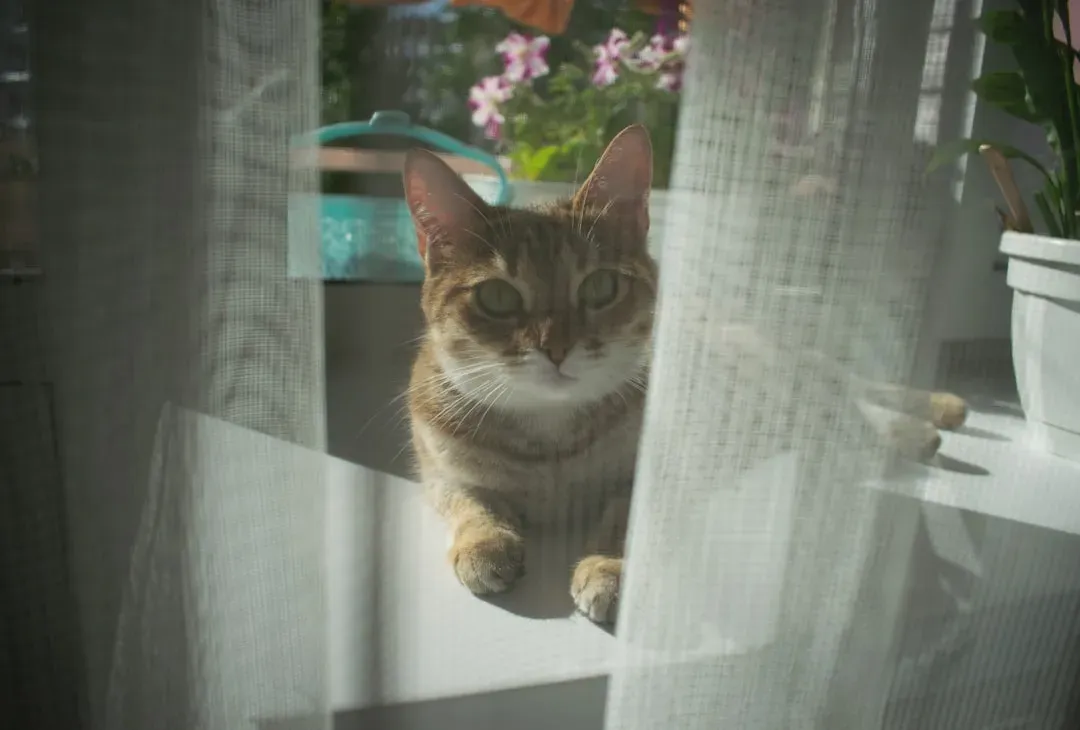
If your home has a sunny window, you can probably find your cat stretched across it like a furry solar panel. Cats naturally gravitate toward warm spots, and a patch of sunlight on a windowsill can raise the temperature enough to create a perfect zone where they can nap and stay warm. For an animal whose body temperature runs higher than yours, that free solar heat is simply too good to pass up.
Sitting by a window also keeps your cat’s mind occupied. Outside, leaves rustle, birds flit past, and cars move – all that motion creates a constantly changing scene that holds their attention even when they look half asleep. The windowsill is really two things at once: a warm napping spot and a live entertainment system.
The Cardboard Box: A Den in Plain Sight
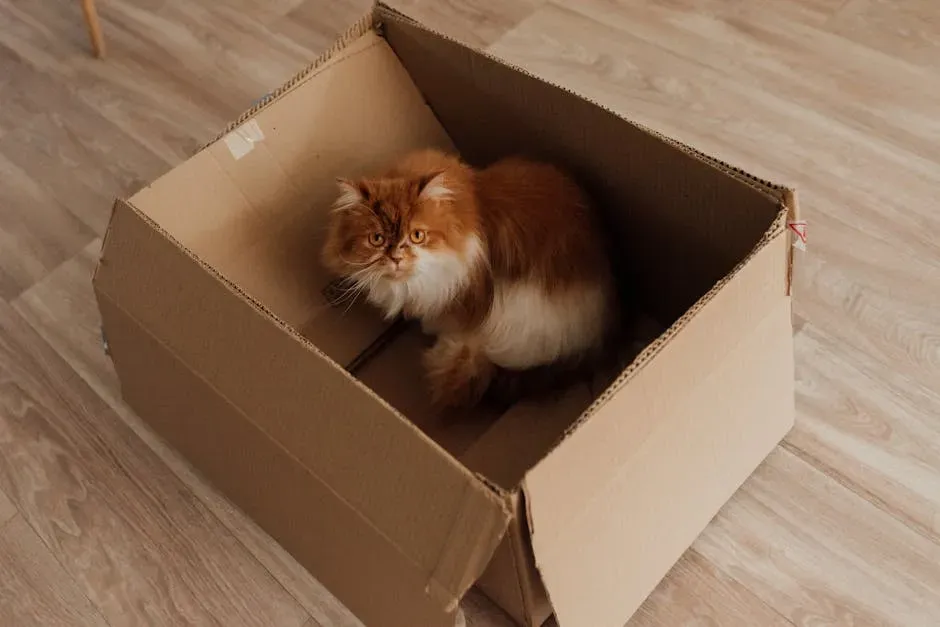
Though cats like boxes for several reasons, safety and security are the main motives. Cats are both prey and predator, and boxes enable them to hunt, hide, and feel safe in an enclosed space. The humble cardboard box is essentially a miniature den – low-tech, disposable, and apparently perfect.
As descendants of desert-dwelling cats, your feline naturally loves warmth and higher room temperatures, and cardboard insulates well, creating a cozy, heat-retaining spot for long naps. A 2014 study found that cats supplied with hiding boxes in a new environment were less stressed and adapted to their surroundings faster than those without a concealing box. So when your cat dives headfirst into the delivery box before you’ve even unpacked it, they’re genuinely onto something.
Your Lap: A Signal of Deep Social Bonding
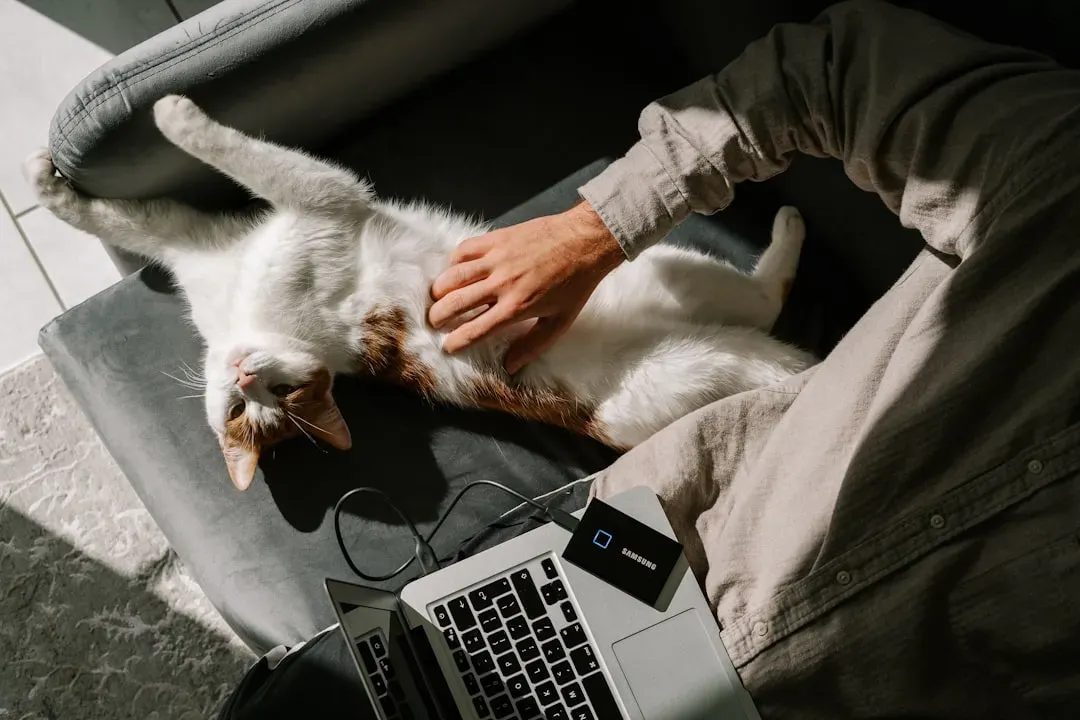
In nature, kittens often sleep in a pile, using each other as pillows and sharing warmth. When your adult cat uses you the same way, they are treating you like family and strengthening your social bond. A frequent lap sleeper tells you, as clearly as they can, that you are both safe and important to them.
When a sleeping cat has part of their body resting on you – whether it’s a paw touching your arm, a foot on your leg, or their whole body on your lap – it shows that your cat is loving, caring, and relaxed. It comforts them to feel your physical presence. This quiet contact is one of the clearest ways cats express genuine affection without making a sound.
High Shelves and Elevated Perches: The Instinct to Survey
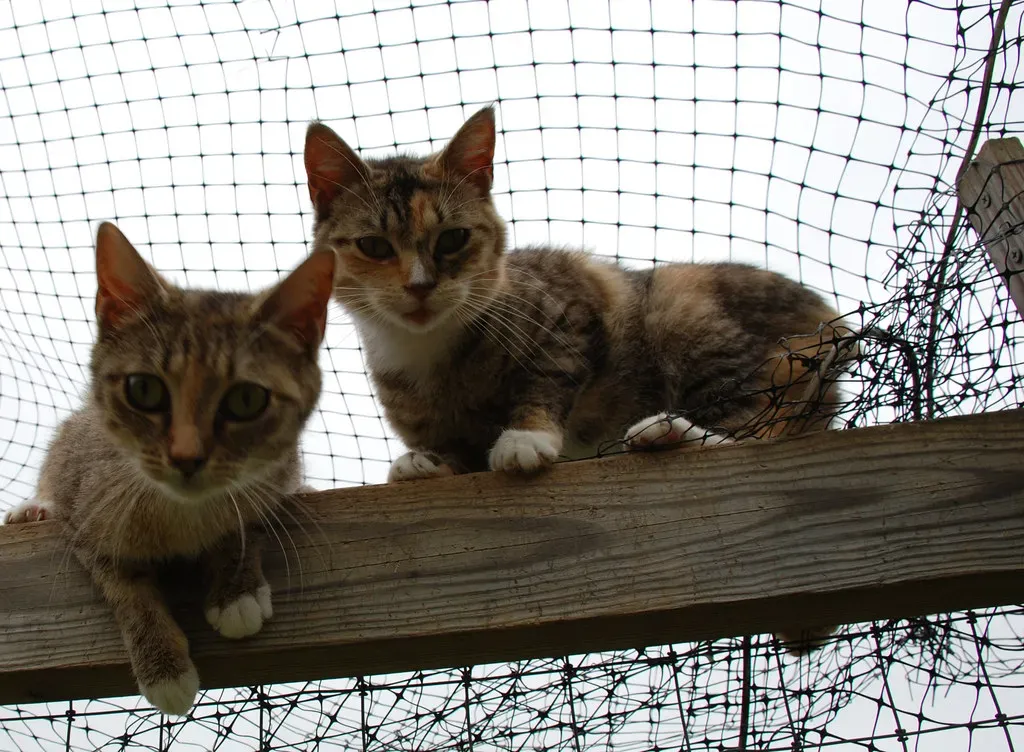
According to animal behavior experts, most cats prefer to sleep and hang out in places with good vantage points. It comes from their instinct to protect themselves, and a high position for sleeping or resting gives them an aerial advantage for spotting any potential dangers around them. That shelf you thought was just for books? Your cat has been treating it as a watchtower all along.
Much of this instinct comes from ancestry. Early wild cats were hunters, and their climbing ability meant they had somewhere to retreat away from larger predators, as well as the capability of attacking smaller prey high up in the branches. That instinct has been passed down to the cats kept as pets today. When your cat surveys the room from above, they’re not being aloof – they’re just running ancient software.
Piles of Laundry: Warmth, Scent, and Soft Territory
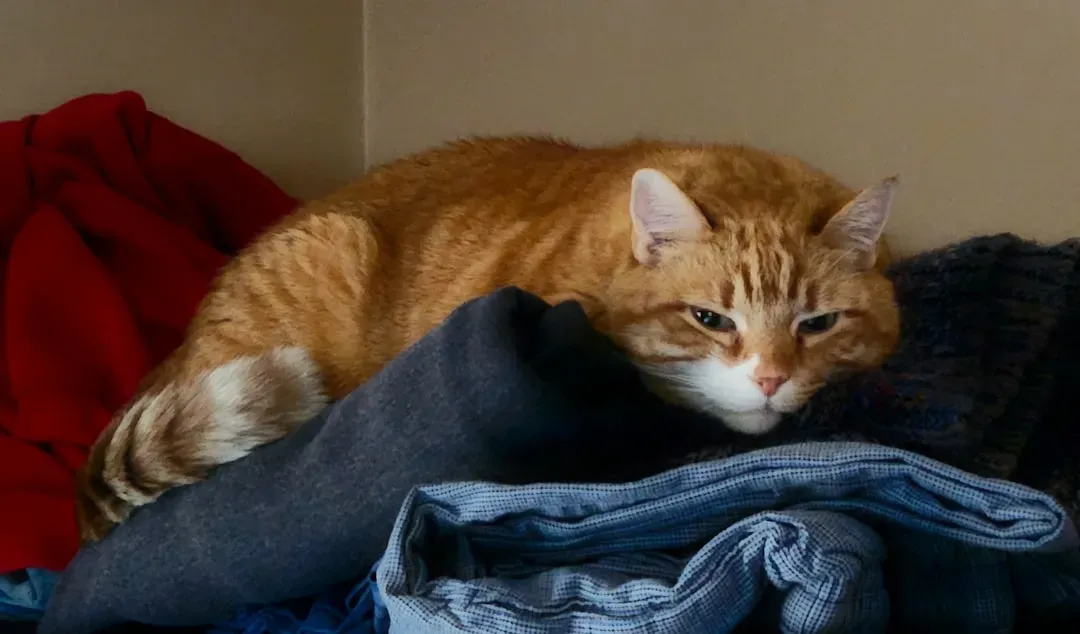
A warm, freshly washed mountain of laundry basically becomes a luxury cat bed you never meant to buy. Soft fabrics trap heat and create a cushioned surface – a combination that feels especially inviting to an animal that sleeps many hours a day and prefers spots that conserve body warmth. It’s comfort engineering at its most instinctive.
Dirty clothes carry your strongest scent because they’ve absorbed your natural oils, sweat, and pheromones throughout the day. Cats find this concentrated scent deeply comforting, which is why they often prefer worn clothing over freshly laundered items – your dirty laundry essentially smells like “home” to your cat. Your cat can also find sleeping on your clothes helpful when you’re away, since it can reduce their anxiety.
Tight, Enclosed Spaces: The Need to Feel Hidden
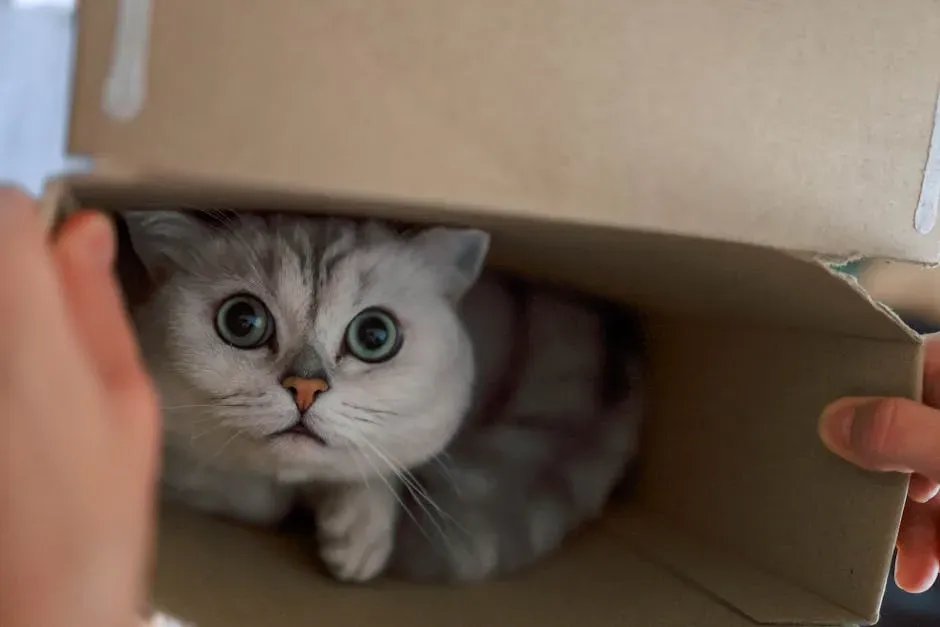
In the wild, small, enclosed areas provide a crucial advantage for cats. These spaces allow them to observe their surroundings without being seen, protecting them from potential threats – a survival instinct deeply ingrained in even the most pampered house cat. Drawers, closets, the gap under a couch – your cat isn’t hiding from you so much as fulfilling a deeply wired need for cover.
Many cats love to sleep in enclosed spaces, particularly when asleep, and again this comes from the need to feel protected. Cats love sleeping in cardboard boxes enclosed on all sides because it means they only have one point of entry to keep a sleepy eye on, reducing their vulnerability. Modern cat-behavior experts even encourage owners to give cats dedicated hiding spaces, since a private retreat where no one disturbs them can lower stress and support emotional wellbeing.
Sleeping on Your Chest or Near Your Head: A Heartfelt Choice
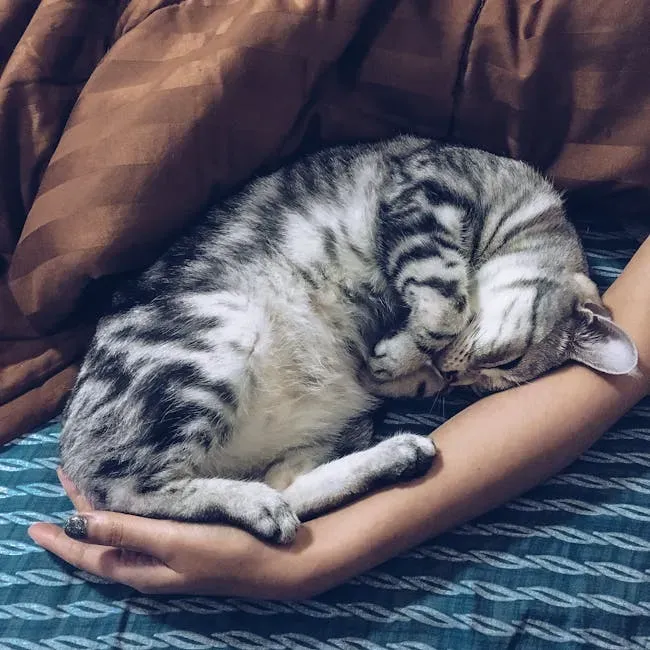
Cats are highly sensitive to rhythmic sounds, and few things are as calming as the steady rhythm of a heartbeat and the gentle rise and fall of breathing. Much like how newborn kittens seek the warmth and heartbeat of their mother, adult cats may find similar comfort in their human. Choosing your chest or pillow isn’t quirky behavior – it’s one of the most emotionally loaded choices your cat makes.
Cats often sleep near your head to find a comfortable spot, typically because your pillow is soft – and since your head moves less during sleep compared to the rest of your body, this spot offers stability and less disturbance. Sleeping by your head or on your pillow also means your cat is seeking your scent at its strongest concentration, since your face and scalp release natural oils that they associate with comfort and familiarity.
Quiet, Out-of-the-Way Corners: When Your Cat Needs Solitude
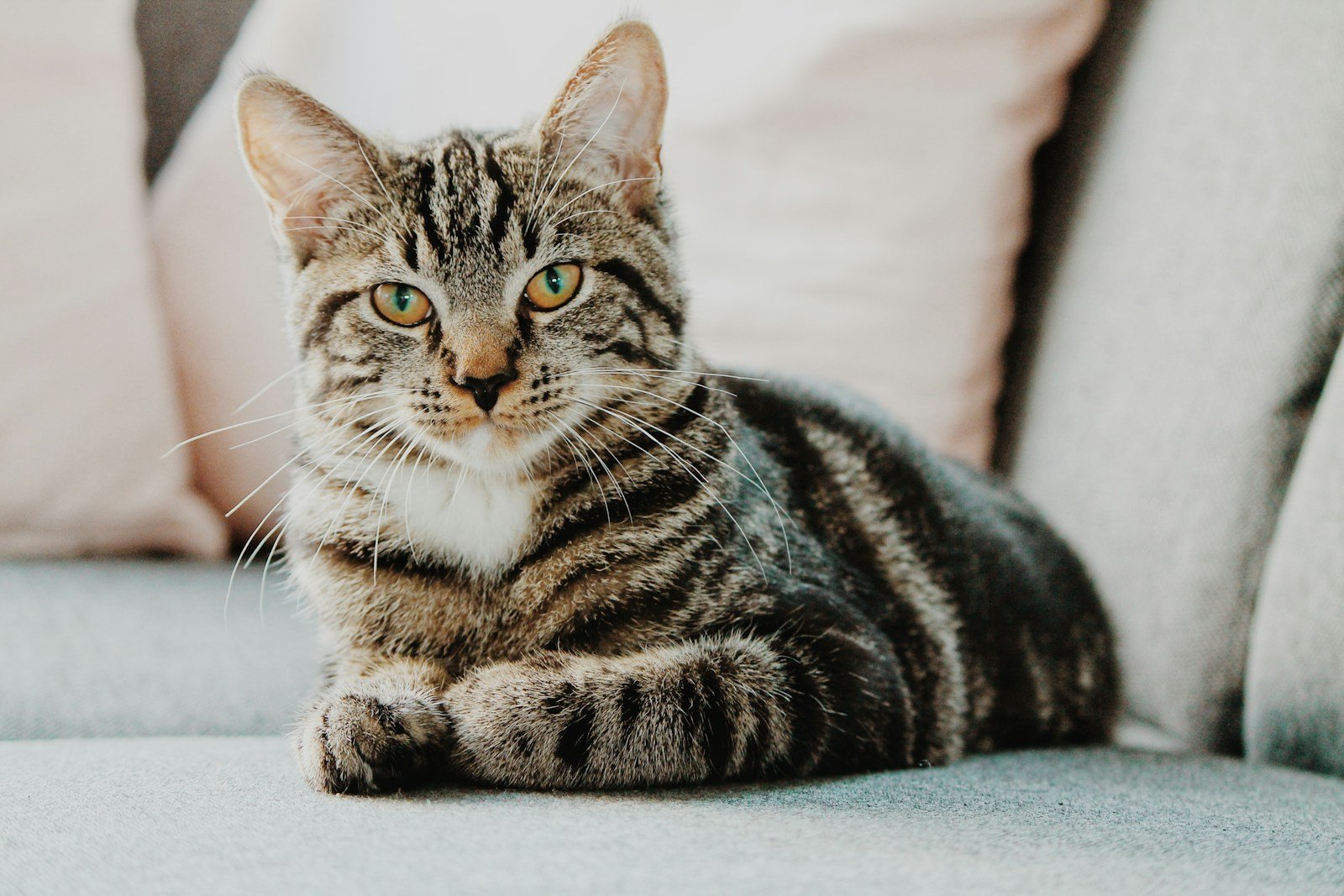
Cats are at their most vulnerable while sleeping, so they prefer to rest in areas where they feel safe and secure. Desirable resting areas are typically quiet, comfortable locations where they can escape from other members of the household. When your cat seeks out a corner no one bothers to walk past, they’re not sulking – they’re recharging.
A private retreat where no one disturbs them can lower stress and support emotional wellbeing. When your cat disappears into a favorite corner to sleep, they usually seek maximum security and alone time. Cats find comfort in silence and will often seek out quiet spots to rest – and because their hearing is far sharper than yours, they may avoid spots that seem quiet to you because they can detect something you simply cannot. Respecting that corner preference is one of the quiet kindnesses cat ownership asks of you.
Conclusion
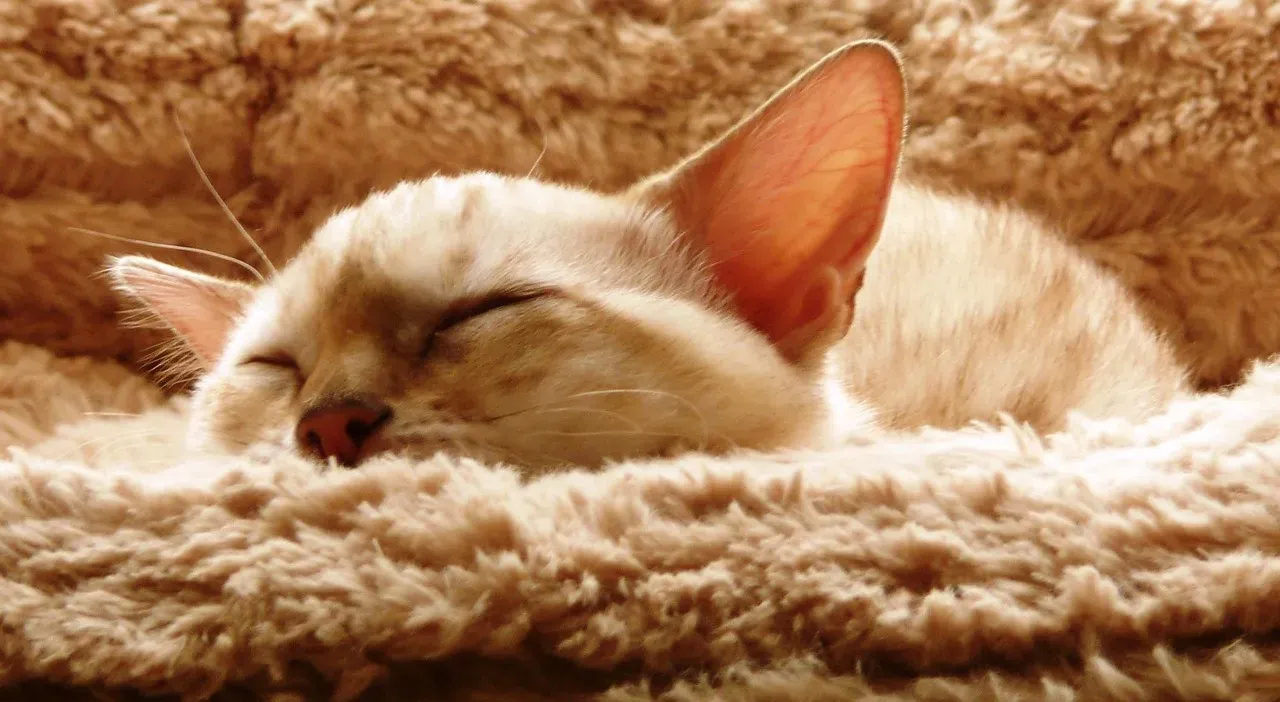
Your cat’s napping geography is, in a sense, a map of their inner life. Each spot they return to reveals something about how safe they feel, who they trust, what they need, and how they’re wired from generations of instinct. Changes in sleeping location or duration can indicate health issues or stress, so if your cat suddenly abandons favorite sleeping spots or sleeps significantly more or less than usual, it’s worth consulting your veterinarian.
Once you start noticing patterns in your cat’s sleeping spots, you can essentially study a map of their inner world – a cat that rotates between sunny windows, your lap, and cozy laundry piles is balancing warmth and social time, using each spot for a different mood or time of day. The more you understand those choices, the better you’ll understand the animal sharing your home – and the more you’ll appreciate just how much thought goes into what looks, on the surface, like a very long nap.
Kristina is a young writer from India. An arts graduate and an avid content creator, Kristina is passionate about animals and wildlife. She enjoys exploring topics related to pet care, animal behavior, conservation, and nature, combining thorough research with engaging storytelling.