There’s something quietly remarkable about the moment your cat walks over, settles beside you, and starts to purr – right when you needed it most. It doesn’t feel like coincidence, and increasingly, science suggests it isn’t.
Cats have long carried an unfair reputation as cold, indifferent creatures. The truth turns out to be considerably more interesting. While cats may have been unfairly represented as being oblivious to human emotions, studies have shown that cats can recognize human emotions and are able to alter their behavior depending on the emotions they perceive. What follows are nine real, research-backed reasons your cat always seems to know when you’re having a hard day.
1. They’re Watching Your Face More Closely Than You Think
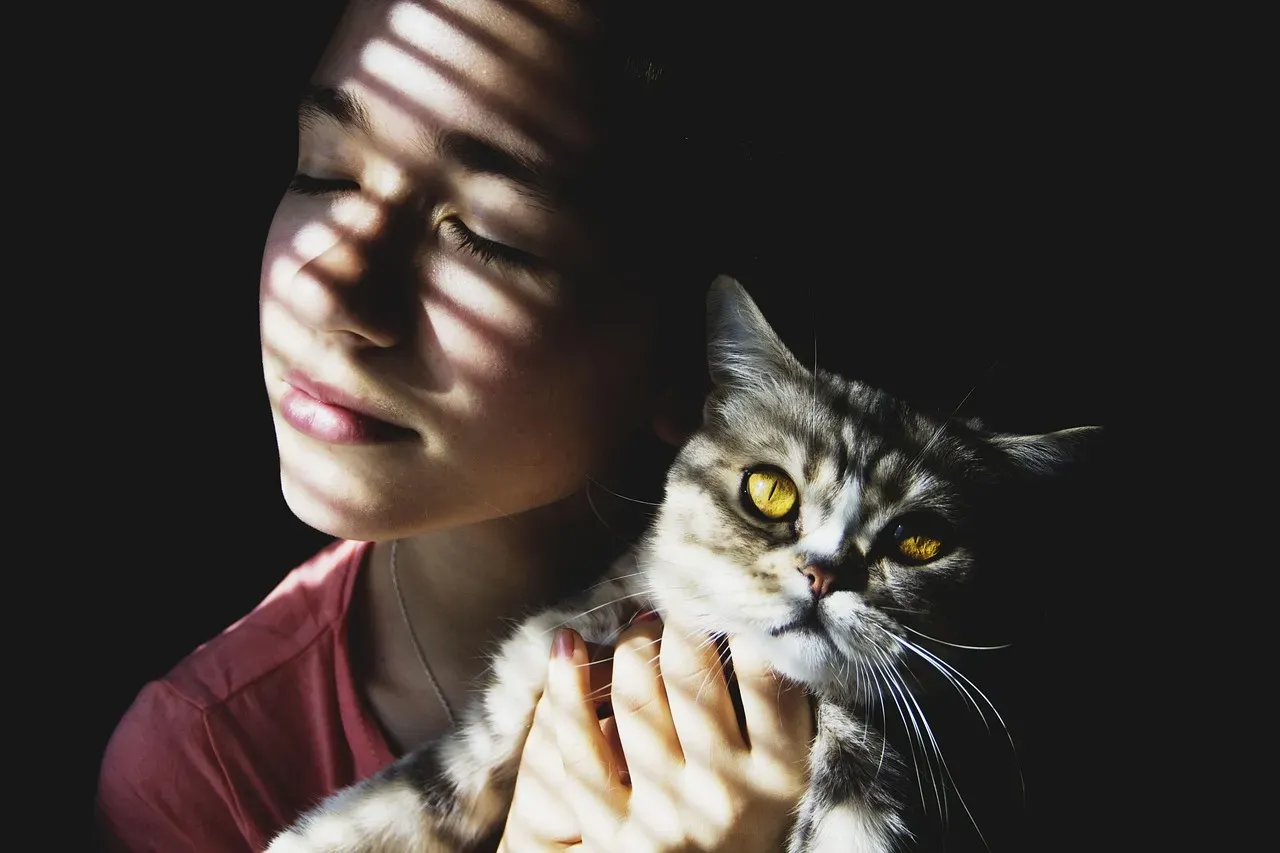
Cats are exceptional at reading visual signals, from the slump of your shoulders to the furrow of your brows. They can detect the subtle changes in your facial expressions that accompany sadness, such as downturned corners of the mouth or a furrowed brow. This isn’t accidental awareness – it’s a finely tuned observational skill.
Research by Oakland University researchers Jennifer Vonk and Moriah Galvan suggests that cats are more receptive to human emotions than previously assumed. Their study involved twelve cats and their owners and showed that felines behave differently based on whether their owners are smiling or frowning. During their study, researchers observed that cats exhibited more frequent positive behaviors – purring, rubbing, or sitting on their owner’s lap and spending more time with them – when their owner was smiling.
2. Your Voice Tells Them Everything
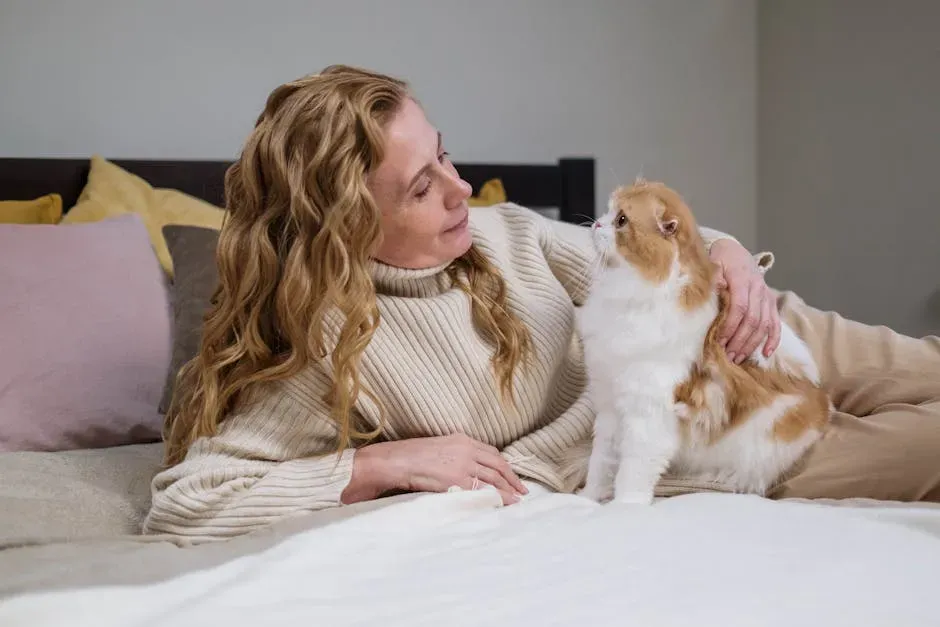
Tonal changes in your voice are a strong indication of how you’re feeling. Soft tones are comforting to cats, whereas louder, sharper tones will often cause them to run and hide. When your voice drops in pitch and slows down – as it naturally does when you’re sad – your cat registers that shift almost immediately.
Vocalizations also play a significant role in a cat’s ability to sense sadness. When sad, humans may speak in softer tones or sigh more frequently. Cats, whose hearing range is far superior to humans, can detect these changes in pitch and rhythm. A cat might tilt its head or move closer to the source of the sound, attempting to understand or respond to the emotional shift.
3. They Can Actually Smell Your Emotions
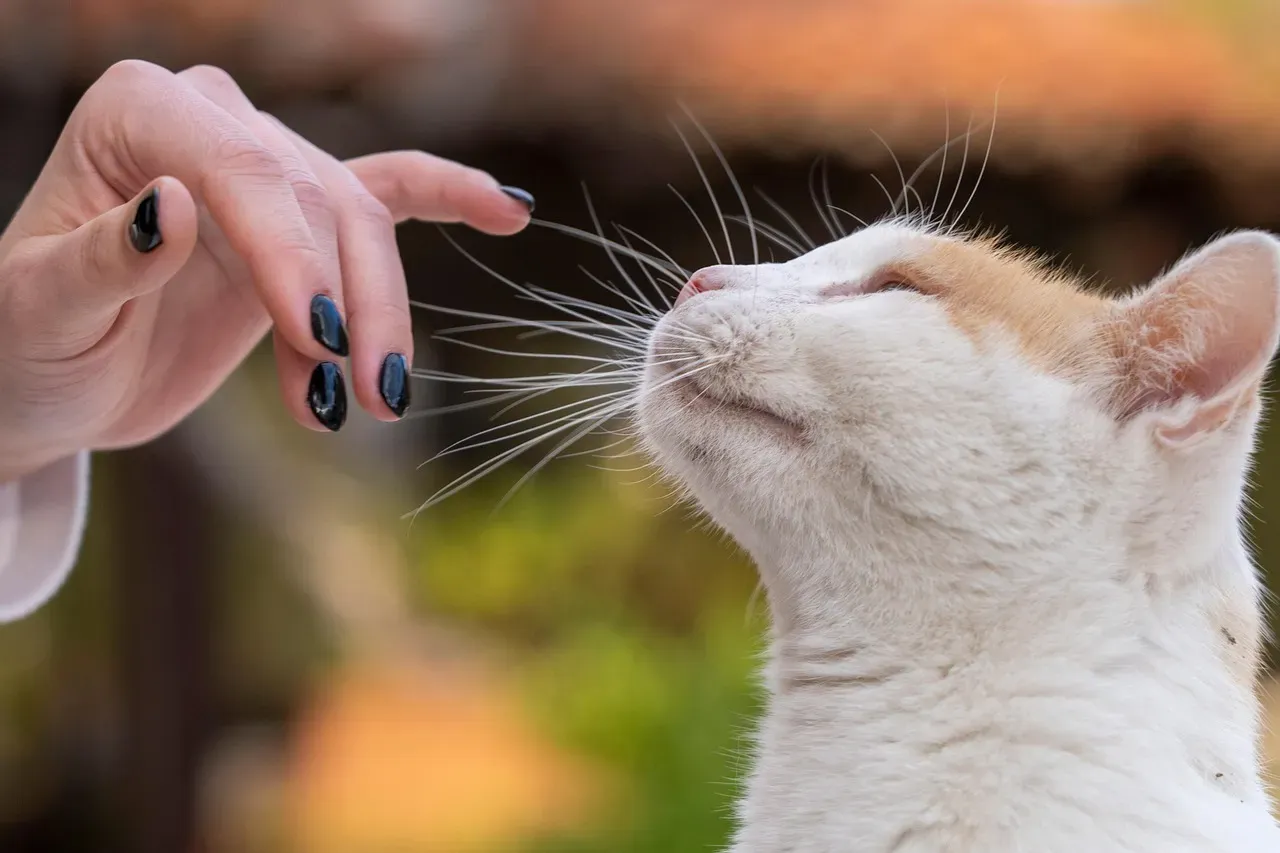
When a person experiences sadness, their cortisol levels rise, and cats, with their superior sense of smell – approximately fourteen times more acute than humans – can pick up on these biochemical markers. So while you might not feel any different on the surface, your body is broadcasting signals your cat’s nose can read.
Researchers from the University of Bari Aldo Moro in Italy explored this by examining how cats react to human odors associated with different emotional states. The study revealed that cats’ behaviors changed significantly based on the emotional odors presented, particularly fear-related scents. When exposed to the “fear” odor, cats exhibited more severe stress-related behaviors compared to when they were exposed to “physical stress” and “neutral” odors. The chemistry of your emotions, it turns out, is quite literally in the air.
4. They Practice Something Called Social Referencing
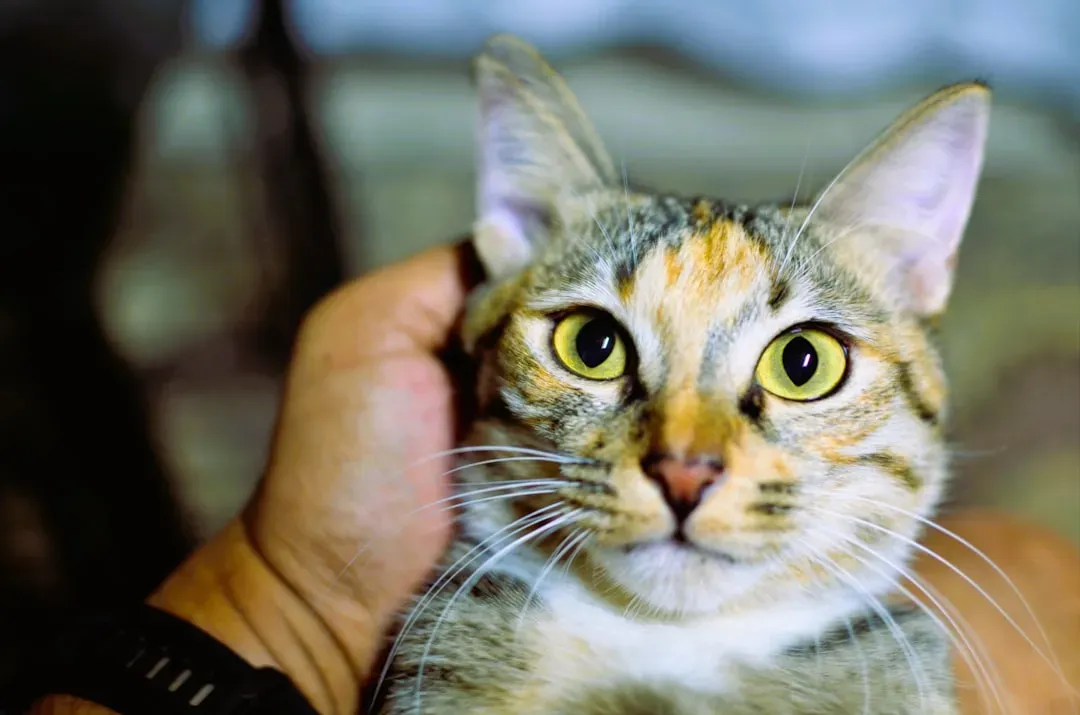
Research by Animal Cognition showed that cats are looking at their owners for signals, or what is known as “social referencing.” In one study, researchers invited a number of cat-and-owner pairs for a social experiment. They brought the pairs inside a room that contained fans with streamers tied on them, with the intention of bringing an element of anxiety and uncertainty.
It has been found that cats may base certain behaviors and reactions on their owners’ cues, in a form of social referencing. For example, cats spend more time with owners when shown positive cues but look for an exit when owners respond in a fearful way to a new object. In other words, when you’re uncertain or low, your cat looks to you for guidance – and reads your emotional temperature in the process.
5. They Integrate Sound and Sight at the Same Time
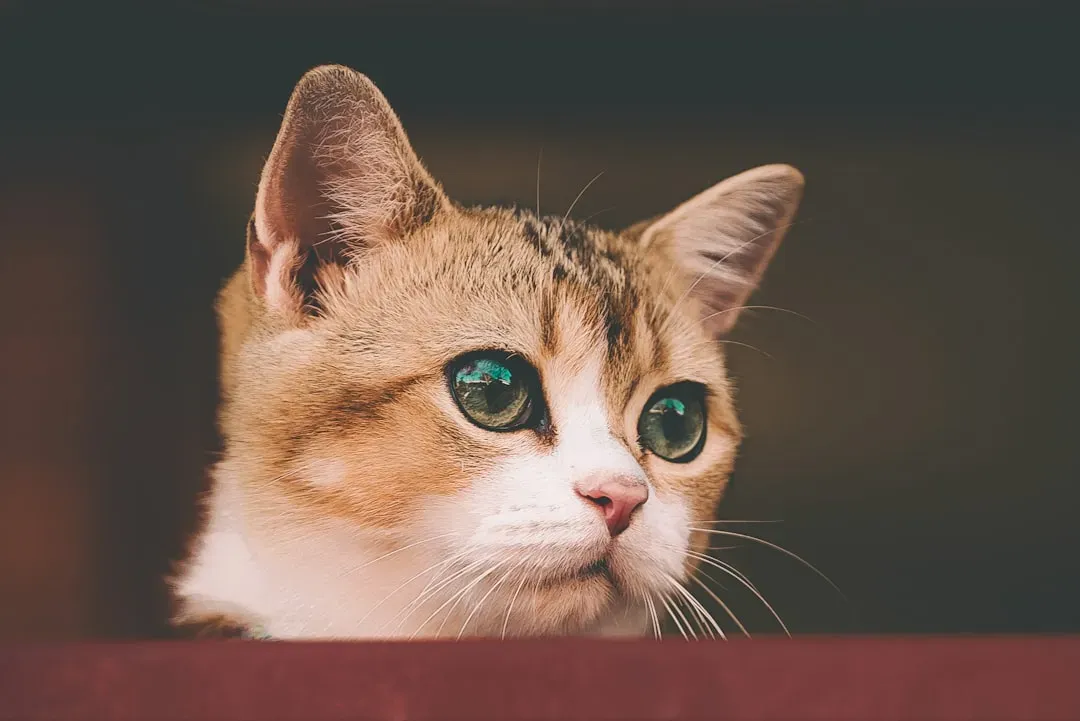
Research demonstrates that cats integrate visual and auditory signals to recognize human and conspecific emotions and appear to modulate their behavior according to the valence of the emotion perceived. It’s not just about seeing your sad face or hearing your quieter voice – they’re combining both signals simultaneously to build a fuller picture of your state of mind.
Contrary to previous assumptions that cat sensitivity to human emotional cues is restricted to their owner’s familiar emotional expressions, research has found that cats are able to recognize and interpret unfamiliar human emotional signals, suggesting that they have a general mental representation of humans and their emotions. This means your cat isn’t just reacting to habit – they’re genuinely processing emotional information the way more socially recognized animals do.
6. Your Body Language Gives You Away Every Time
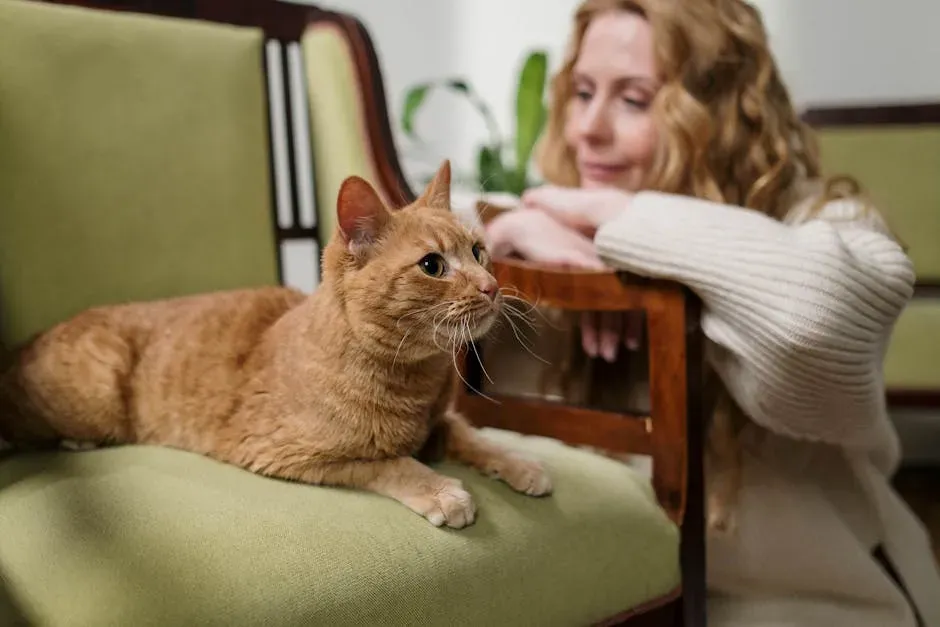
Cats are adept at recognizing the body language associated with low moods, such as a hunched posture or lack of energy. When you stop moving around the house with your usual rhythm, sink into the couch, or carry yourself differently, your cat picks up on that shift in posture and pace almost instinctively.
When you’re sad, your speech changes and you might make other noises like sniffling or crying. Your body language will also change and you may be less active, more hunched, and generally seem weighed down with life. Your cat can pick up on this information, as well as other observations like your facial expressions, and use it to interpret your mood. They’re not just watching – they’re connecting the dots.
7. They Notice When Your Routine Falls Apart
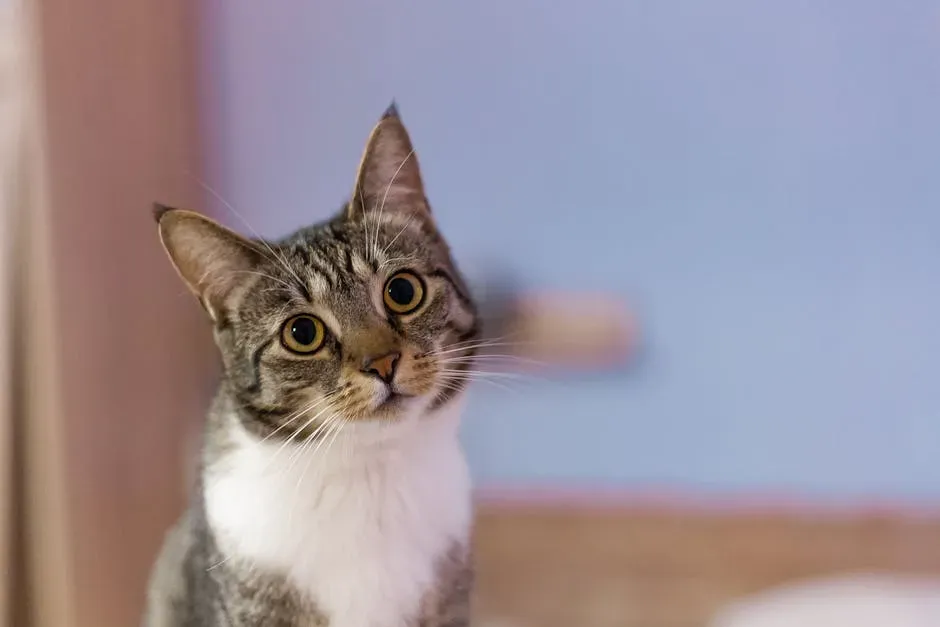
Cats are also creatures of habit, so if your routine is all off, they’ll definitely notice. They’re incredibly sensitive to their environments, so any shifts and they’ll wonder what’s going on. Sadness often disrupts the small daily patterns that cats rely on and quietly track – mealtimes, wake times, how often you move, even which rooms you spend time in.
Cats are sensitive to changes in physiological parameters, such as heart rate, breathing cues, and blood pressure, which can all be symptoms of depression, stress, and anxiety. They also are highly attuned to your schedules, with even small alterations to your daily routine noted by these clever furry friends. The moment your normal rhythm shifts, your cat is already aware that something is different about you.
8. Your Bond Deepens Their Emotional Sensitivity

The closer your bond is with your cat, the more likely they are to be in sync with you and understand your different moods. This isn’t just poetic – it reflects something real about how familiarity sharpens a cat’s ability to read you specifically. Cats who spend years with the same person develop a finely tuned understanding of that person’s emotional baseline.
Cats are learning all the time, so they may come to learn what you do when you’re feeling different emotions. For example, if you are sad and give them extra attention, they make the association between your behavior and actions with being in an emotional state. By creating a bond and spending more time with your cat, it will allow them to become more in tune to your behaviors and feelings. Over time, your cat will understand your routine and be able to tell how you’re feeling.
9. Their Purr Is a Form of Emotional Medicine
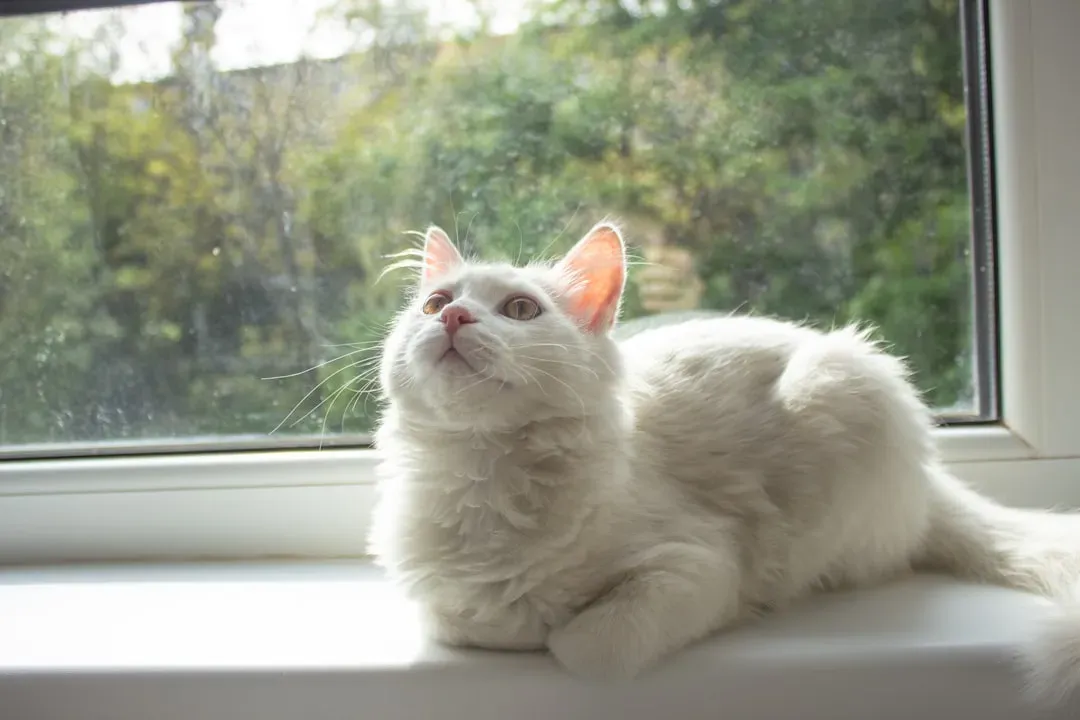
Petting a cat or listening to their purring triggers the release of oxytocin, a hormone that promotes happiness and reduces stress. This calming effect lowers cortisol levels – the stress hormone associated with high blood pressure – and can help alleviate pain, easing chronic discomfort. What your cat offers when it settles beside you and purrs is, in a measurable sense, therapeutic.
Research suggests that the frequency of a cat’s purring – typically between 25 and 150 hertz – could have therapeutic effects on the body and mind. A purring cat provides companionship that can help combat feelings of loneliness and depression. Studies have shown that petting a cat while listening to its purr can boost oxytocin levels, a hormone associated with trust and emotional bonding. So when your cat plants itself on your lap during a rough evening, it may genuinely be helping you heal.
Conclusion
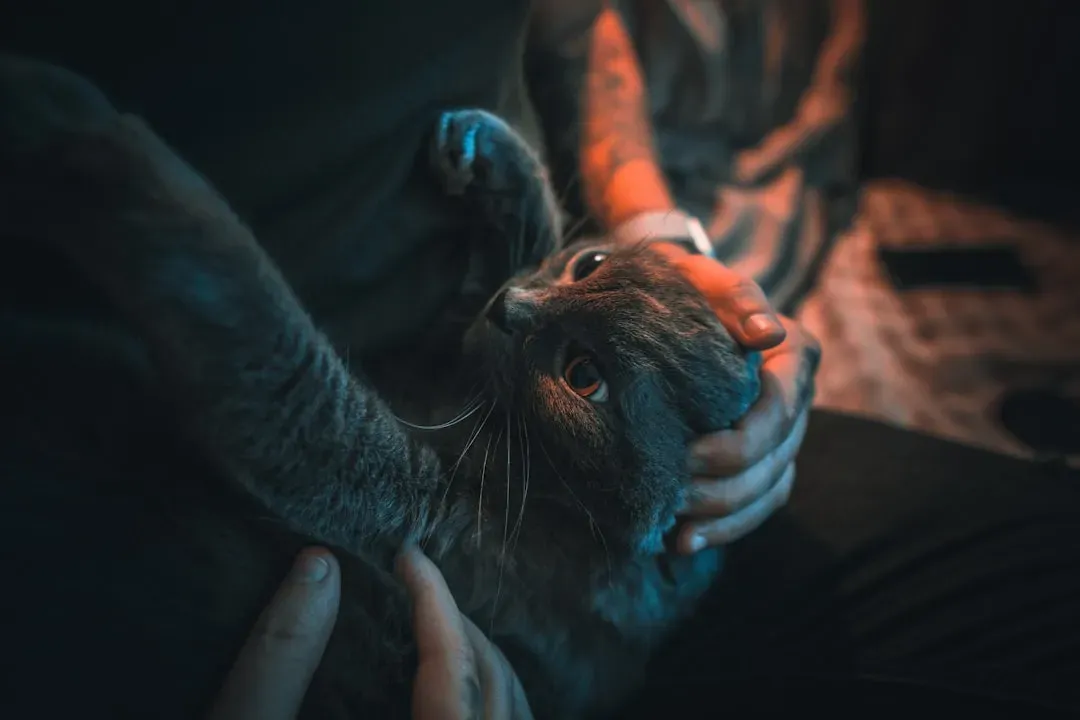
Cats don’t always rush over to dry your tears the way a golden retriever might. Their comfort tends to be quieter – a slow blink from across the room, a warm weight settling against your leg, a purr that fills the silence. While not experiencing sadness exactly as humans do, cats often provide comfort through physical presence, purring, and gentle behaviors that can help reduce stress and provide emotional support.
Cats do engage in social behavior and form an enduring bond with their humans, which is partly dependent on their human’s emotions. The findings demonstrate that as cats became domesticated, they developed cognitive and social skills in understanding humans’ emotions to be able to behave accordingly in response to human cues in communication and expressing emotions. They’ve had thousands of years to learn us. Perhaps it’s no wonder they’ve gotten rather good at it.
The next time your cat appears at exactly the right moment on exactly the wrong kind of day, trust what you’re feeling. That’s not coincidence. That’s a relationship – quiet, ancient, and genuinely attuned to you.
Kristina is a young writer from India. An arts graduate and an avid content creator, Kristina is passionate about animals and wildlife. She enjoys exploring topics related to pet care, animal behavior, conservation, and nature, combining thorough research with engaging storytelling.