You’ve probably seen it happen. Your cat suddenly freezes mid-step, their entire body goes rigid, and those eyes lock onto something outside the window. Within seconds, they’re pressed against the glass, tail twitching, making those bizarre clicking sounds at the birds fluttering just beyond reach. It’s almost like they’re under some kind of spell.
Why does this happen? What is it about birds that transforms your lazy, nap-loving feline into an intense, focused predator?
Their Ancestral Hunting Instinct Never Left
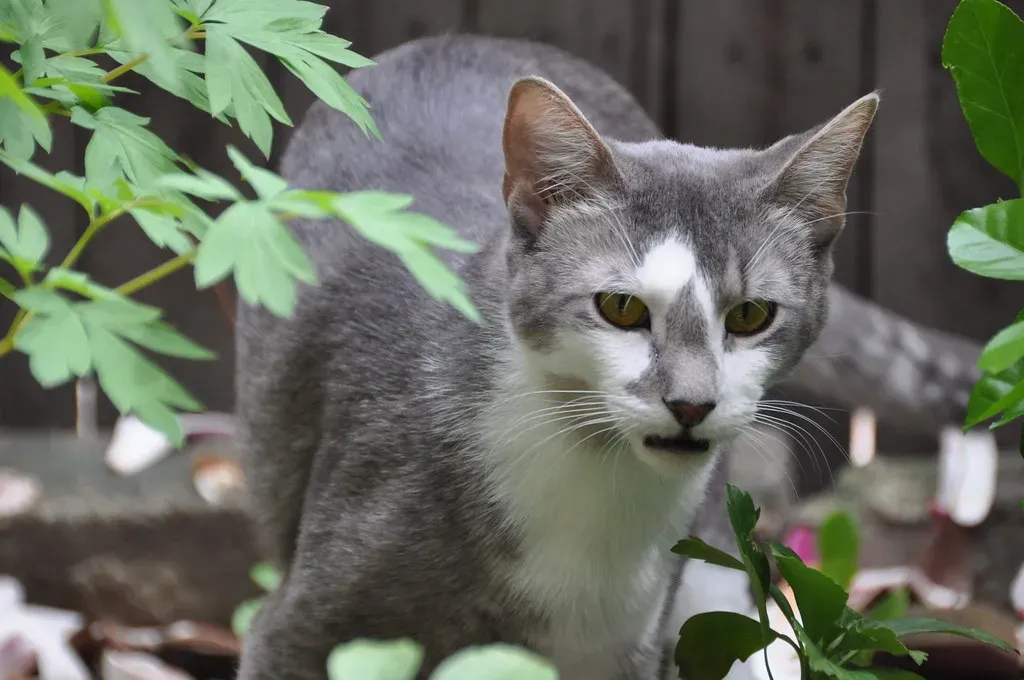
Cats are natural-born hunters, descended from wild ancestors who relied on small prey for survival. This isn’t something that disappeared just because your kitty now gets gourmet meals from a can. The urge to hunt isn’t tied to hunger, as cats in the wild hunt all the time, even if they are not hungry. Think about it: if wild cats waited until they were starving to start looking for food, they’d be too weak to catch anything.
Your indoor cat still carries that ancient programming in their DNA. Even cats that are well fed hunt less than those who have to hunt to survive, but the feeling of being full doesn’t cause a cat to give up hunting altogether. So when your cat stares at birds for hours, they’re not planning dinner. They’re simply doing what millions of years of evolution hardwired them to do.
Birds Trigger Visual Stimulation Like Nothing Else
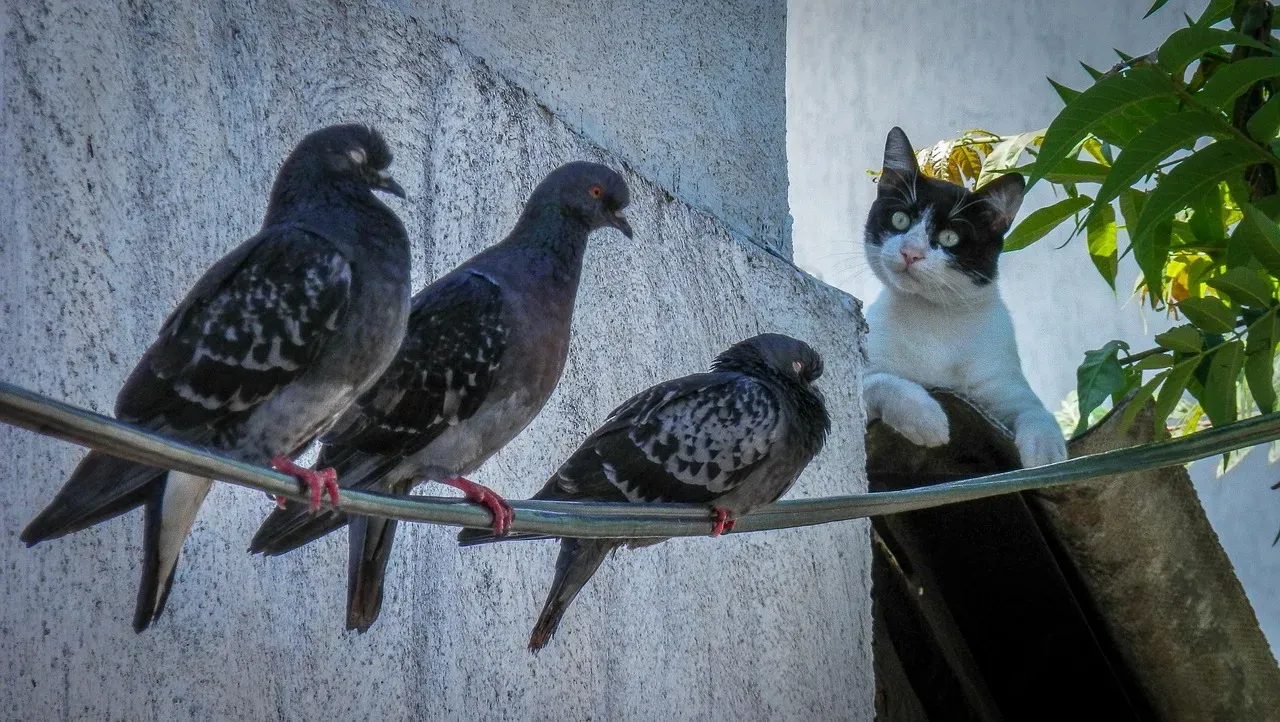
Cats have more rod cells in the retina than humans, and rods are responsible for detecting motion, even small movements at great distances. Birds don’t just sit still. They hop, flutter, dive, and dart around unpredictably. Because cats are natural hunters, their vision is cued by motion, and sudden erratic movements such as those of a bird are more likely to draw a cat’s interest.
It’s like watching an action movie designed specifically for feline eyes. Every wing flap, every quick head turn becomes irresistible visual candy. Honestly, birds couldn’t be more perfectly designed to capture a cat’s attention if they tried.
The Sounds of Birds Are Irresistible
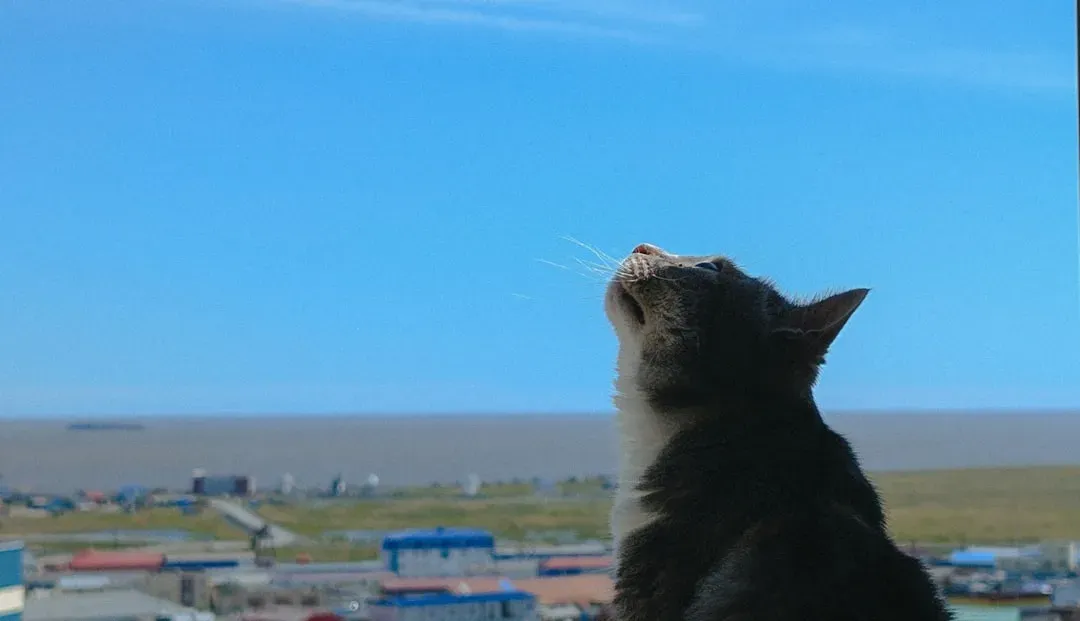
It’s not just what cats see. The high-pitched sounds birds make, whether chirping, squawking, or singing, draw a cat’s attention, and this combination of visual and auditory stimuli creates an engaging spectacle. Cats possess incredibly sensitive hearing that can pick up frequencies way beyond what we humans detect.
Cats possess an exceptionally broad hearing range, from 48 Hz to 85 kHz, making them sensitive to high-frequency sounds. When a bird chirps outside, your cat hears layers of sound you’re completely missing. The audio landscape is rich and complex to them. No wonder they become completely absorbed in watching and listening to these feathered creatures.
Bird Watching Provides Mental Enrichment
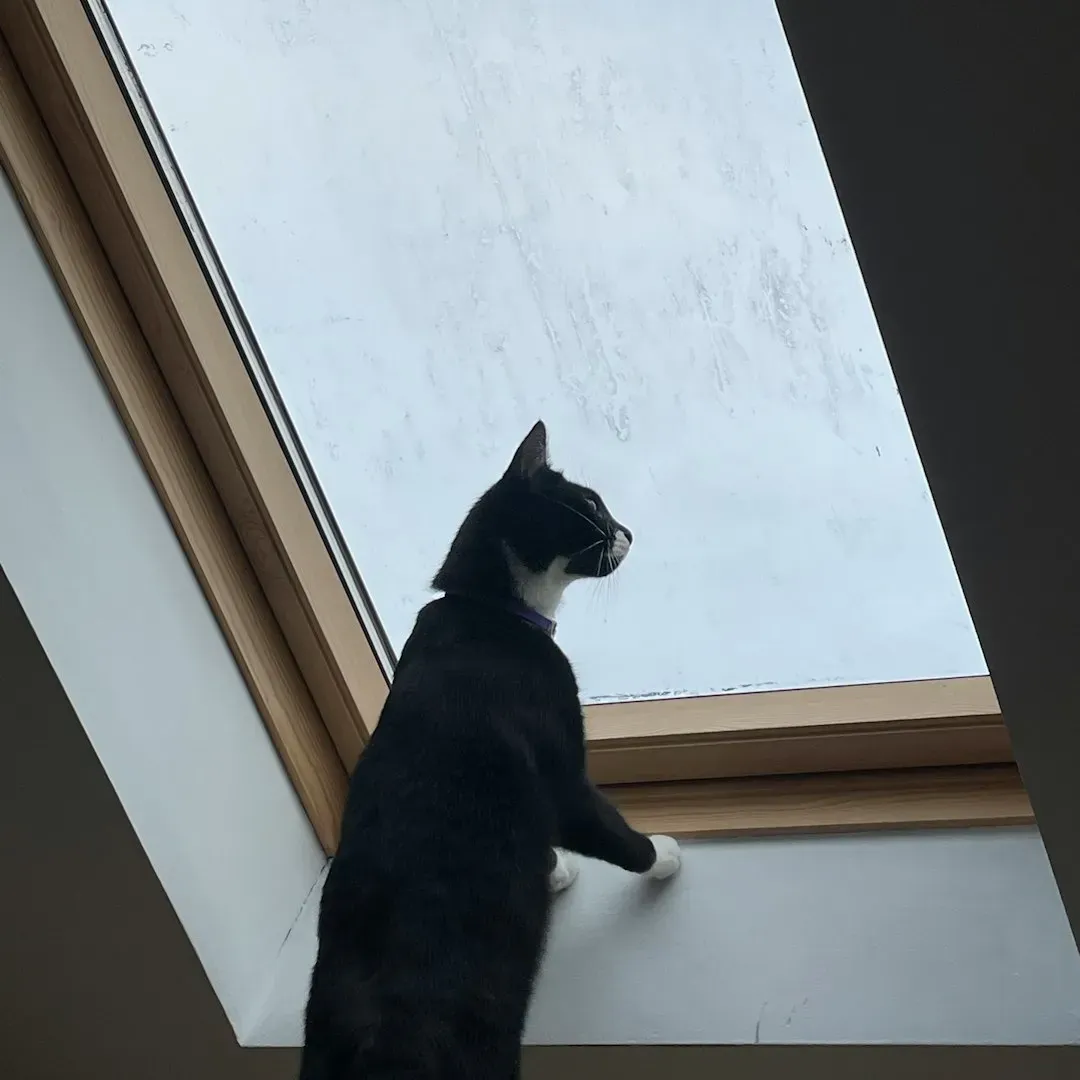
For indoor cats especially, watching birds offers environmental enrichment and entertainment, and in a domestic setting where opportunities for natural stimulation might be limited, observing birds provides mental and sensory stimulation. Let’s be real: your house isn’t exactly the Serengeti. Indoor cats need something to keep their minds sharp.
For indoor cats, bird-watching serves as a crucial form of environmental enrichment that provides mental stimulation and helps prevent boredom. Think of it as Netflix for cats, except actually beneficial. It gives them a sense of purpose, keeps their predatory skills engaged, and prevents the kind of boredom that leads to destructive behavior. When your cat watches birds, they’re not wasting time; they’re exercising their brain.
It Mimics the Hunting Experience Safely
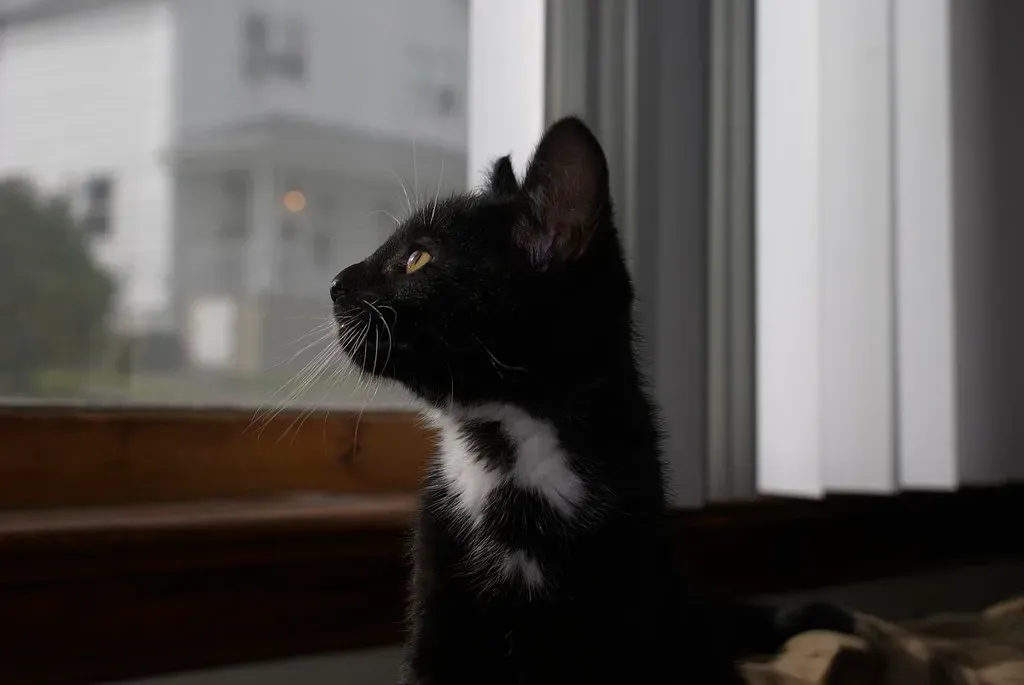
The act of watching birds serves as a simulation for hunting, offering a thrill without the necessity of physical pursuit, and cats experience a surge of adrenaline and excitement while observing birds. Your cat gets all the fun of the chase without any of the danger or effort. It’s kind of brilliant, actually.
They can practice their stalking posture, calculate distances, and mentally rehearse the pounce, all from the safety and comfort of your living room. The act of observing birds from a distance, coupled with behaviors like tracking and stalking, satisfies their predatory instincts. It’s like a training simulation that keeps their skills sharp even when they never actually catch anything.
Territorial Monitoring and Surveillance
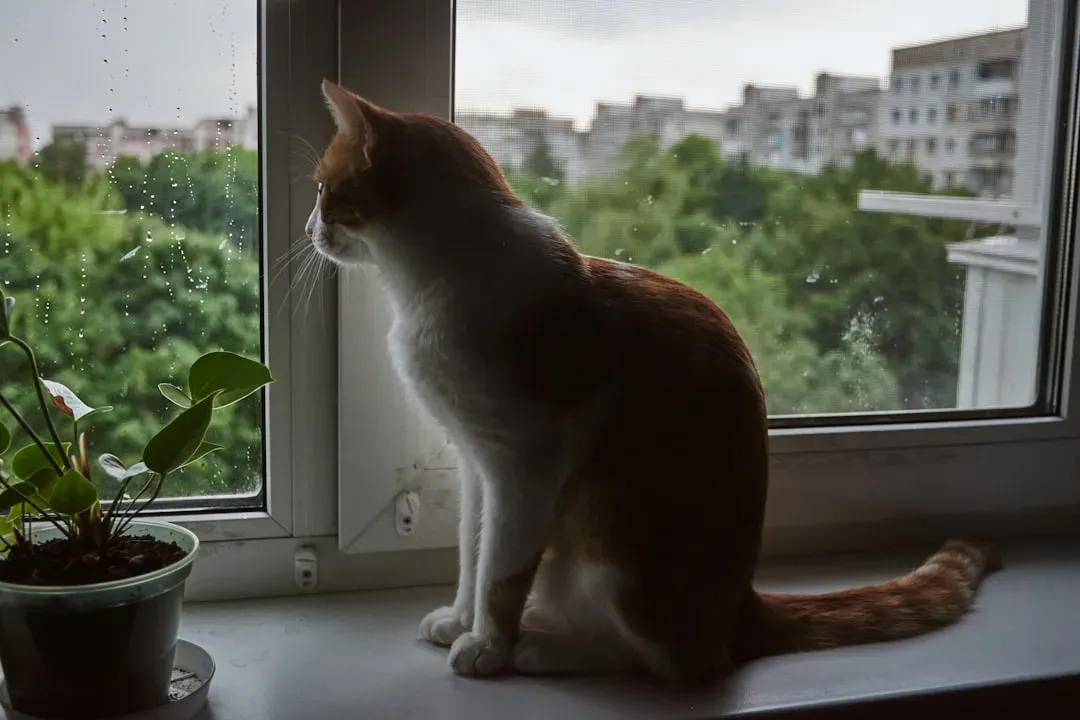
Cats are known for their territorial behavior, always on the lookout for potential threats or intruders, and watching birds from a safe distance allows cats to survey their surroundings and keep a close eye on any suspicious activity. Your cat might not be hunting at all. They could just be keeping tabs on what’s happening in their domain.
From your cat’s perspective, those birds outside are intruders in their territory. Even though they’re separated by glass, your feline friend feels a responsibility to monitor the situation. It’s about maintaining awareness and control over their environment. Sometimes that intense stare isn’t about hunger or play; it’s about being the vigilant guardian of their turf.
The Colors and Contrast Appeal to Feline Eyes
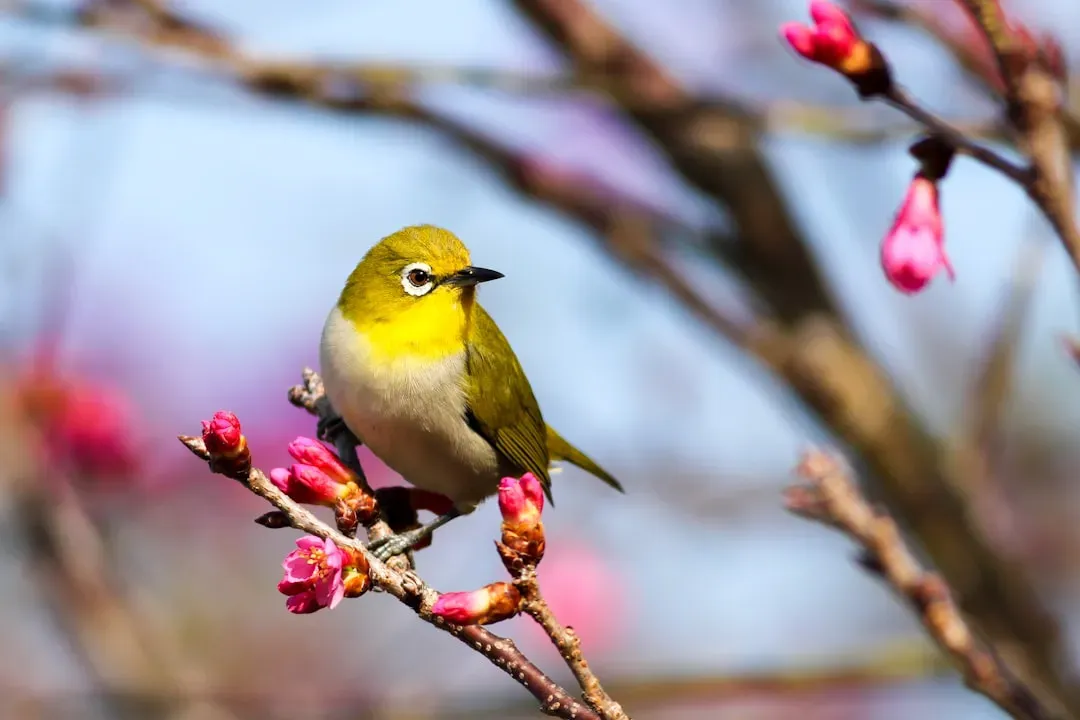
Cats do not appear to perceive the full range of colors that humans can, and some scientists believe that cats see only blue and gray, while others think they also see yellow. Most birds display plumage that includes blues, grays, and yellows, which are precisely the colors cats see best.
Additionally, birds often stand out against the sky or foliage in ways that create strong visual contrast. Even though your cat can’t appreciate the brilliant red of a cardinal the way you do, they can still detect the shape, movement, and contrast of that bird against the background. The way birds appear in a cat’s visual field makes them incredibly easy to spot and track.
Pure Entertainment and the Joy of the Unknown
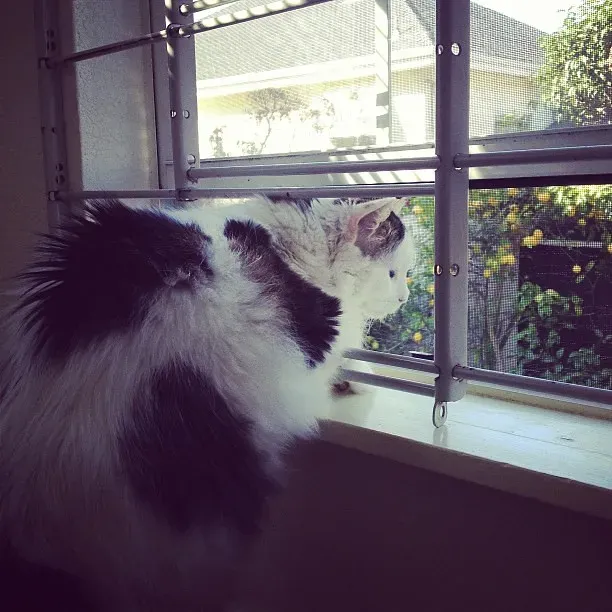
Sometimes, the answer is simpler than we think. In general, cats feel happy and interested when they look at birds, and fluffy friends often view the chirping creatures as easy prey. It’s fun for them. Period.
Your cat doesn’t need a complex psychological explanation for everything they do. Watching birds is genuinely entertaining and satisfying. It connects them to something primal and exciting. The unpredictability keeps them engaged. Will the bird fly closer? Will it land on the feeder? Each moment brings new possibilities, and your cat is absolutely captivated by the unfolding drama just outside the window.
Birds Move at the Perfect Speed for Cat Vision
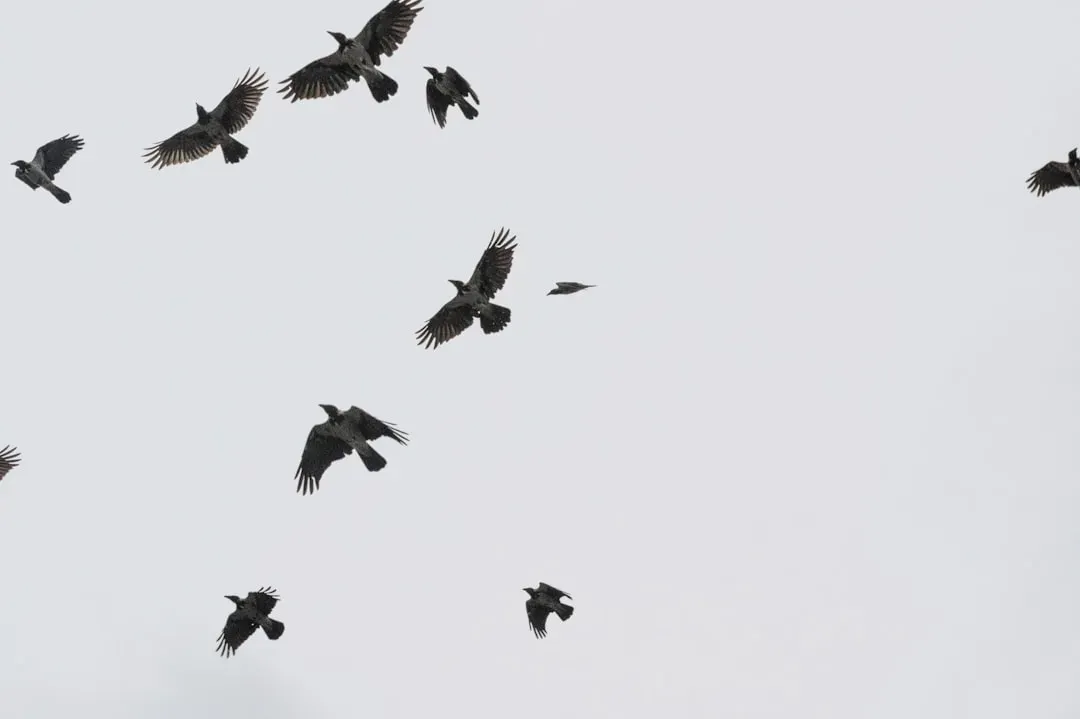
Here’s something fascinating: cats are much better at detecting certain types of movement than others. Dedicated brain cells analyze up and down, left to right, and diagonal movements, as well as brightening and dimming, which allows the most important parts of the image – the moving parts – to stand out. Birds happen to move in exactly the right way to trigger maximum interest. Though cats may be better at picking up the darting and scurrying of a frightened mouse, there are many slow-moving objects that humans can detect with their eyesight that look stationary to cats. But birds? They’re in the sweet spot. Fast enough to register as exciting prey, unpredictable enough to maintain attention. Your cat isn’t being silly; they’re responding to visual cues perfectly calibrated to their hunting vision.
Conclusion
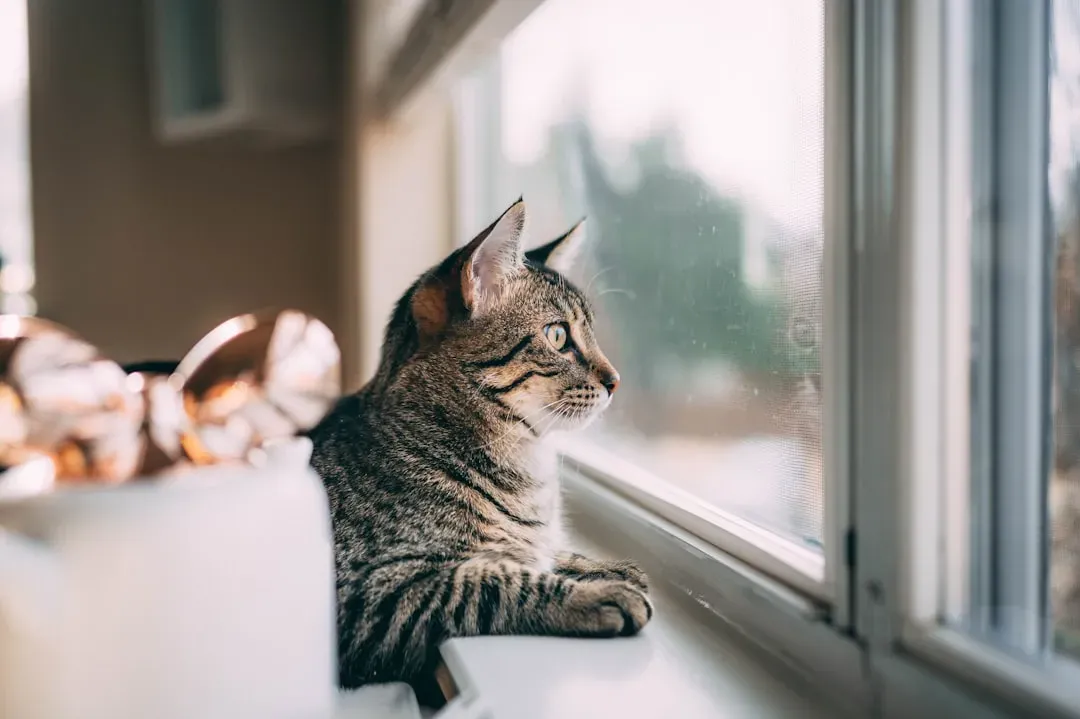
Your cat’s obsession with watching birds is so much more than a quirky behavior. It’s a beautiful combination of evolutionary instinct, sensory stimulation, mental enrichment, and pure joy. Every time your feline friend presses their nose to the glass and chatters at those feathered visitors, they’re connecting with millions of years of predatory heritage while also keeping their mind sharp and engaged. Rather than viewing it as a waste of time or a source of frustration for your cat, embrace it. Set up a comfortable perch near the window. Consider placing a bird feeder where your cat can get a good view. You’re not just entertaining your pet; you’re enriching their life in ways that matter deeply to them. What surprises you most about your cat’s bird-watching habits? Have you noticed any unique behaviors when they’re in full predator mode?