You find your cat on the couch one moment, and the next they’re completely gone. No sound, no trail, just silence. If you’ve ever experienced that mild panic of searching your entire home only to find your cat tucked into the most unlikely corner, you’re not alone.
There are several reasons cats hide, and most of them include hiding as a normal, healthy activity. Cats are both predators and prey in the wild, which means they’re instinctually driven to conceal themselves. That ancient wiring doesn’t disappear just because your cat now lives indoors with a full food bowl and a warm bed. Hiding places provide warmth, quiet, safety, and even a good vantage point to keep watch over their surroundings. The spots your cat chooses often reveal more about their personality than you might expect.
Inside Your Clothing Closet
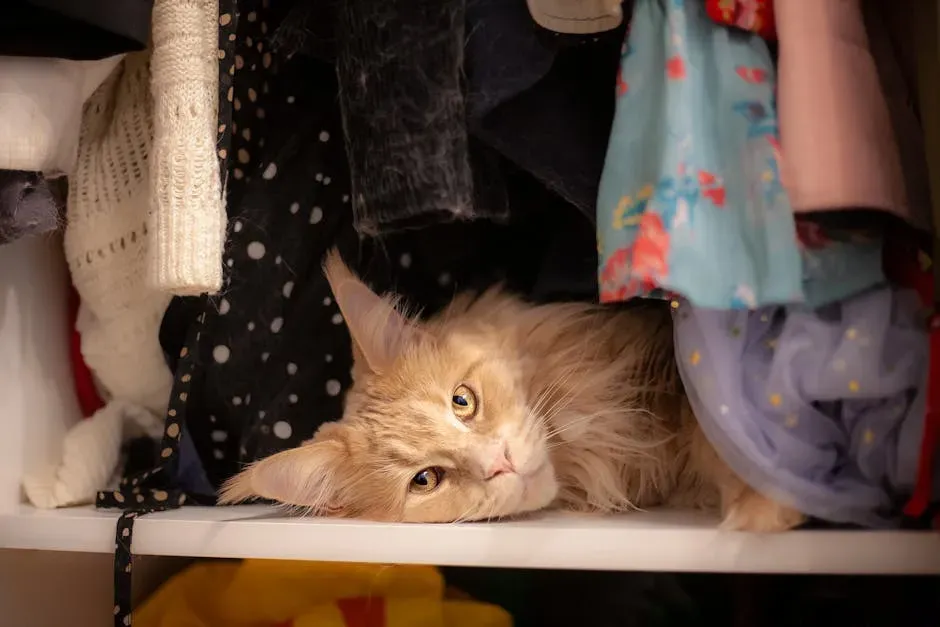
Your wardrobe closet is far more appealing to your cat than you’ve probably given it credit for. Cats love this space because it has sturdy, secure walls and an abundance of soft fabric to cuddle. The clothes also smell like you, and your scent can be a great feline stress buster. Another benefit of a closet is that the enclosed space blocks much of the sound from the rest of the home, so your kitty can get a good day’s sleep.
Cats find closets to be a treasure trove of hiding spots. The many options of clothing offer countless possibilities, each one a unique sanctuary. The soft fabric and secluded environment provide a sense of security, making it an ideal retreat from the chaos. If your closet door is ever left ajar, don’t be surprised to find your cat nestled quietly behind a row of jackets, completely at peace.
The Laundry Basket
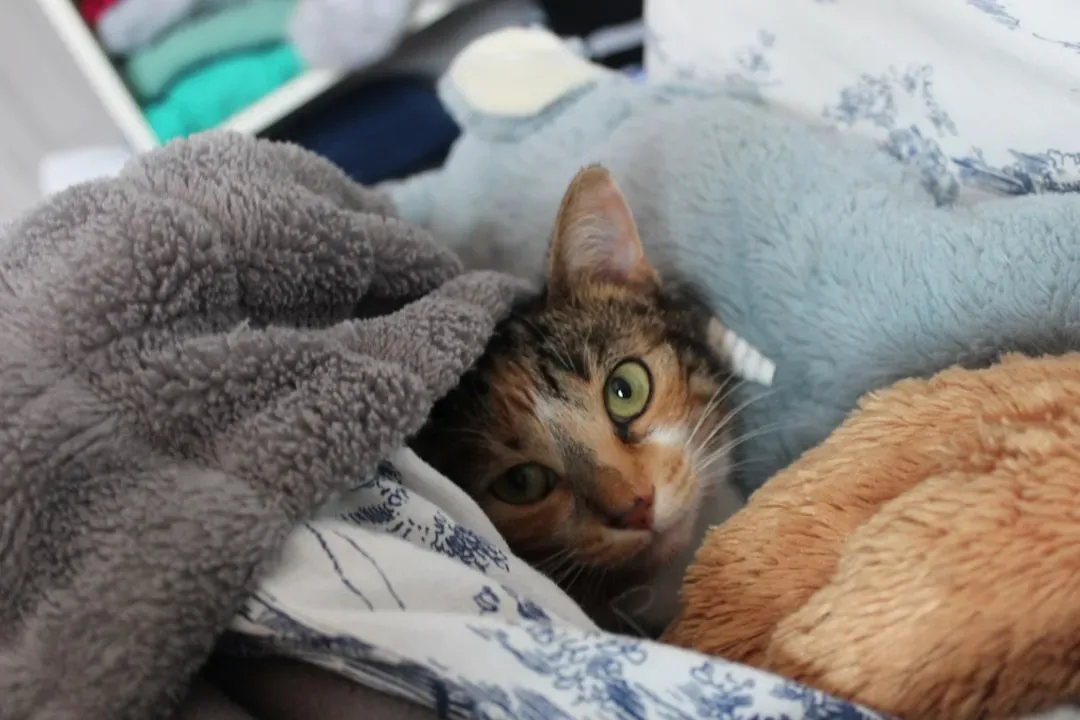
Your cat’s affection for lazing on your bed may transfer over to a love of laundry baskets, preferably filled with fresh-out-of-the-dryer clothes. Freshly dried laundry appeals to heat-seeking kitties. The combination of warmth, your familiar scent, and the soft texture of fabric makes this one of the coziest spots in the entire house from your cat’s perspective.
This behavior highlights your cat’s need for warmth and the familiar, making them feel close to their family even during rest. It’s a testament to their affectionate nature. So the next time you go to toss in your laundry, take a peek first. You might save yourself a surprise and save your cat an unwanted disturbance.
Behind or Beneath the Bathroom Sink
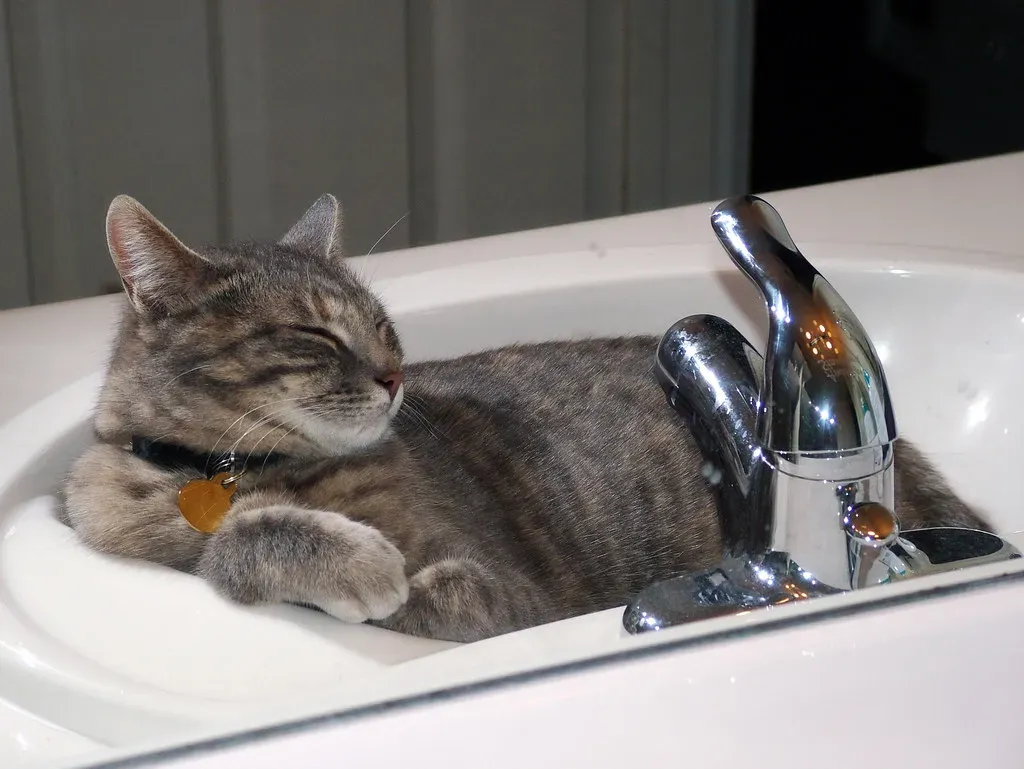
You may be taken aback the first time you catch your cat lounging in the bathroom sink, but it’s actually a pretty great spot. For starters, the average bathroom sink is just the right size to contain your furry friend, much like a cardboard box. Additionally, cats find the coolness of the sink comfortable. Bathrooms tend to be quieter rooms too, which only adds to their appeal as a retreat.
The cabinet space beneath the sink is another variation of this hiding spot worth knowing about. Enclosed spaces provide a sense of comfort that cats find irresistible. Cardboard boxes or cat houses, in particular, offer a warm, confined space that helps retain body heat, making them cozy retreats. A bathroom cabinet offers something similar, especially if it’s slightly dark and undisturbed for most of the day.
Behind Curtains and Drapes
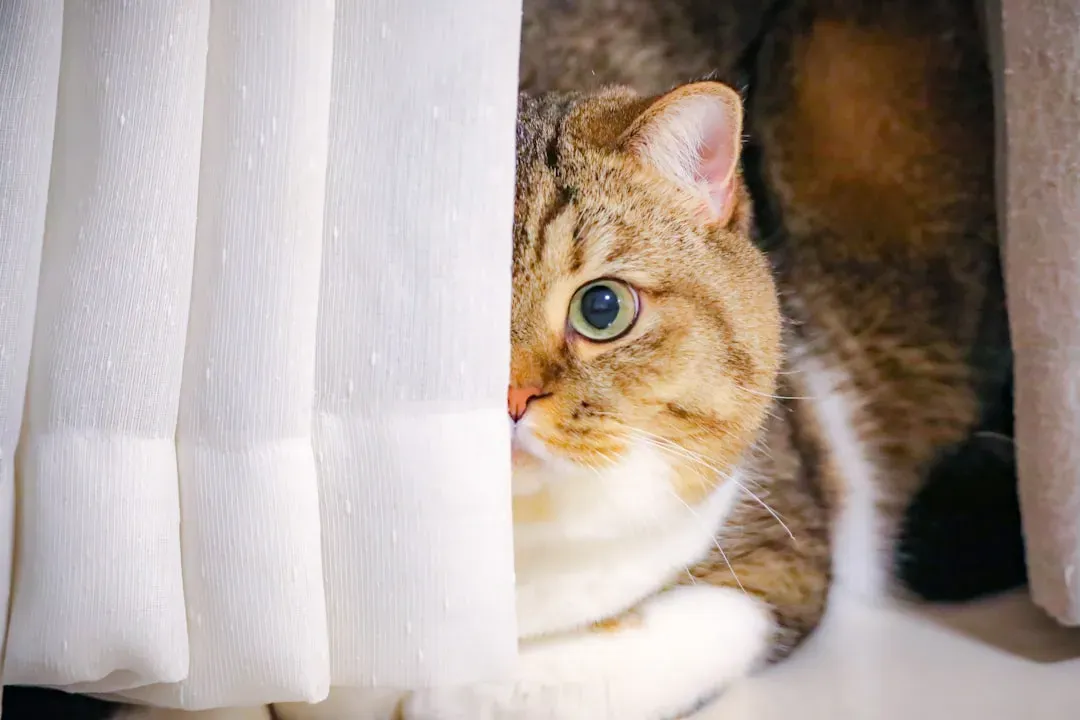
Curtains are a surprisingly popular destination for cats looking to disappear without actually going very far. Cats hide behind curtains because it feels private, safe, and similar to tall grass or bushes where they can watch without being seen. From your cat’s point of view, this is the ultimate tactical advantage: they can observe the room without being visible themselves.
Most hiding behind curtains is harmless and simply your cat expressing natural instincts. They might feel playful, curious, or relaxed. The filtered light and gentle fabric movement can also create a calming, sensory-friendly environment. It’s a spot that satisfies both the need for concealment and the urge to stay connected with what’s happening around them.
Inside a Cardboard Box
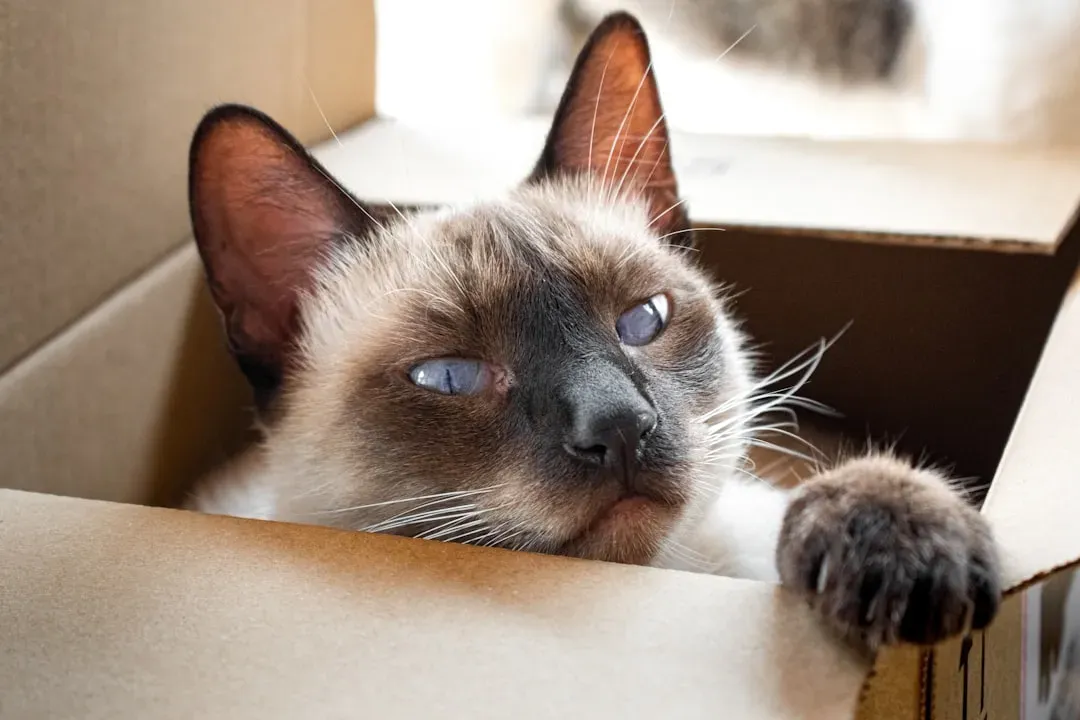
It’s one of the most well-known feline quirks, yet it still catches people off guard just how seriously a cat treats an ordinary cardboard box. In a small little cat cave, whether it’s a box, bag, under the bed, or tucked in a closet, a cat can quickly become familiarized with the small area, fill it with its own scent, and create a safe spot in which to relax. That process of scent-marking turns even a plain shipping box into something that feels like genuinely owned territory.
Beyond warmth, small spaces also help reduce sensory overload. The world can be a busy, chaotic place, especially in a household with children, other pets, or loud noises. A hidden spot allows cats to have a personal retreat where they can relax without being disturbed. A cardboard box costs nothing and delivers a level of contentment your cat’s fanciest bed might never match.
Beneath the Bed Frame
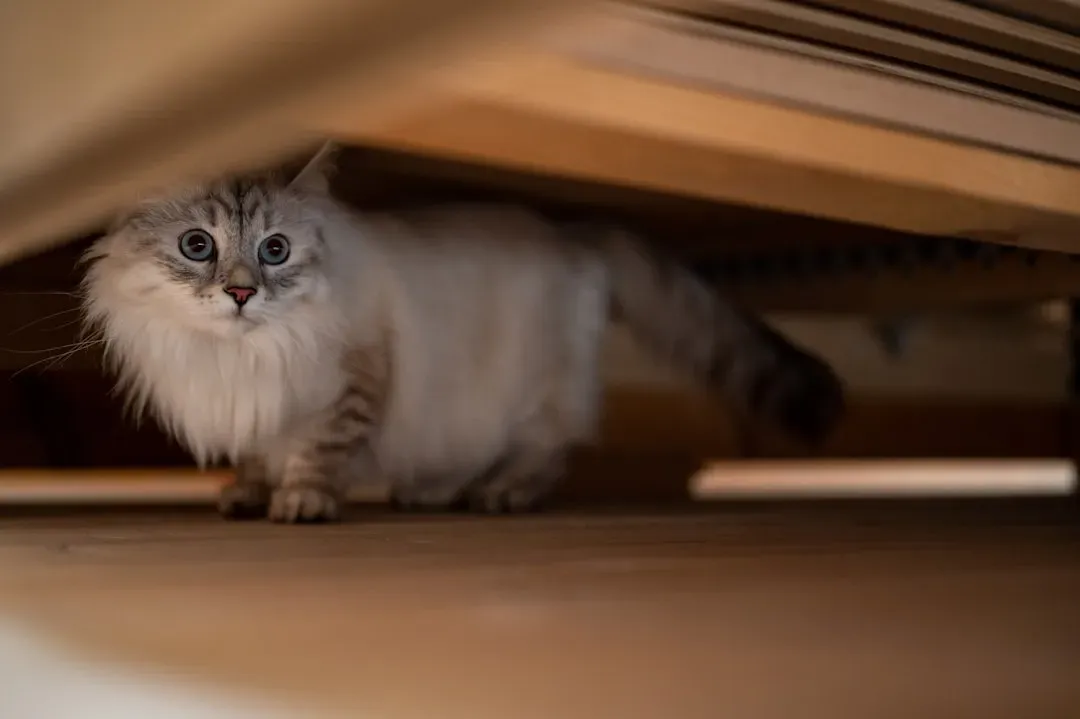
This is perhaps the most classic hiding spot of them all, and there’s good reason your cat keeps returning to it. The space under your bed is dark, quiet, and hard to reach. It’s a safe-feeling spot, especially if they’re anxious or overstimulated. The low clearance is actually part of the appeal: it creates a natural barrier that keeps the world at a comfortable distance.
If you’re hosting a party at your house and you don’t see your cat around, you may find them here because it’s dark, quiet, and too small to fit a human. In other words, it’s perfect for when your kitty feels shy and would rather not interact with your house guests. You also likely spend a lot of time in bed, so the general area may remind your cat of you, which can be comforting.
Near the Water Heater or Clothes Dryer
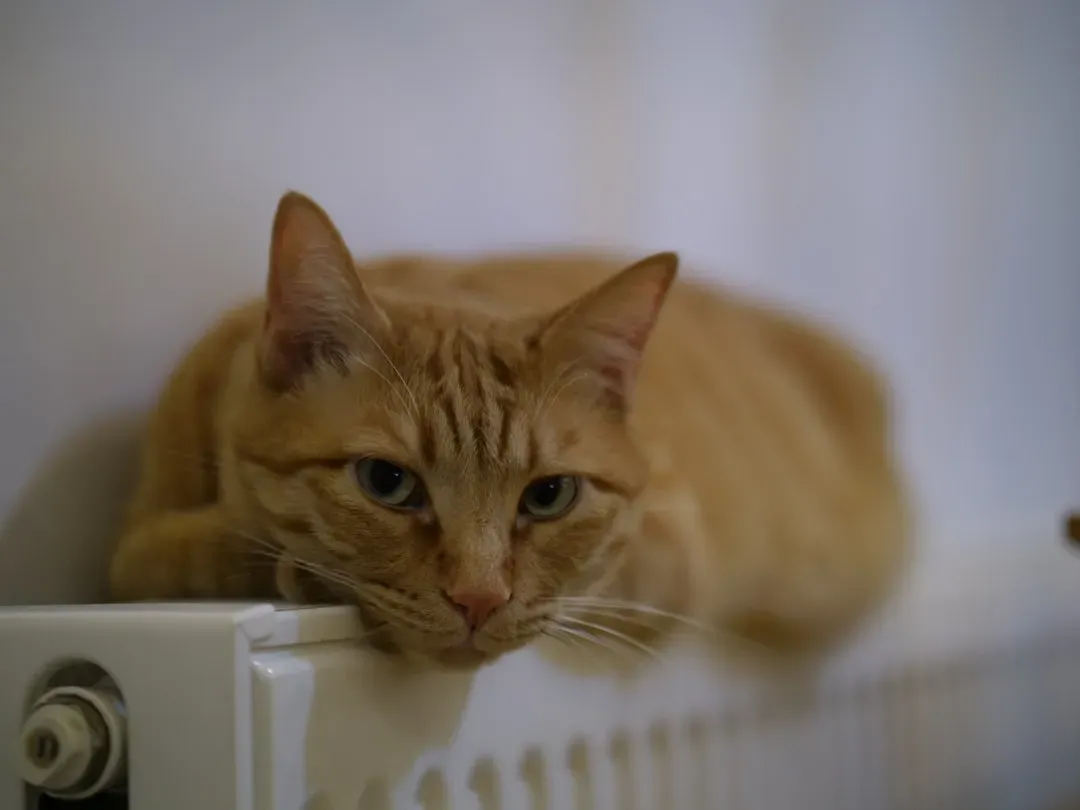
Your utility room or laundry area holds a particular magnetism for cats, especially during cooler months. If your cat regularly hides, they probably have a favorite spot, or their hiding is patterned, like settling near the water heater or clothes dryer in the colder months. The gentle hum of appliances and the radiant warmth they produce create an environment that’s hard for a heat-loving cat to resist.
Cats love warmth, so spots near heaters or furnaces are popular. But be careful: places like the dryer can be risky. Always check these areas before use. It’s worth developing a habit of glancing into your dryer drum before you load it, especially if your cat has shown any interest in that corner of the home.
Inside Paper Bags and Grocery Bags
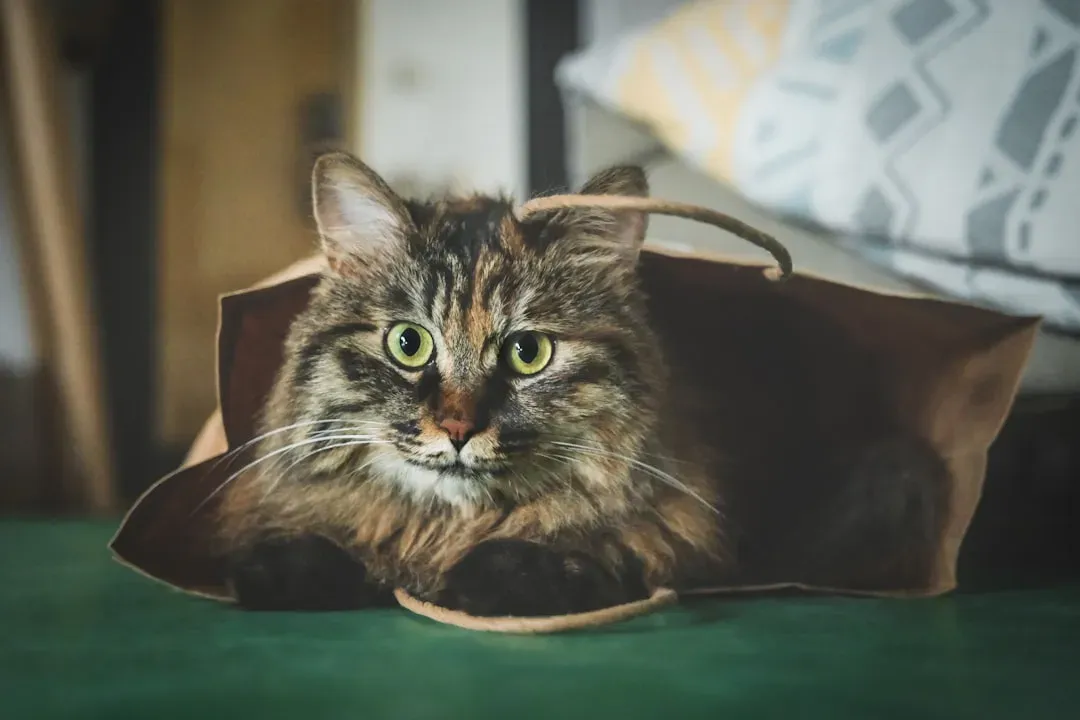
Leave a paper grocery bag on the floor for more than thirty seconds, and there’s a reasonable chance your cat will investigate it. Paper bags offer endless entertainment for cats. The crinkle of the paper sparks curiosity and excitement, making it a playful hideaway. The allure of the unknown inside the bag invites exploration, revealing their adventurous spirit. It’s a hiding spot that doubles as entertainment, which explains why it ranks so highly on the feline list of preferred locations.
The enclosed shape of a paper bag mimics the kind of snug, enclosed den that cats instinctively seek out. Beyond survival instinct, many cats hide simply to rest in peace and quiet. They may curl up in a warm laundry basket, slip into a cardboard box, or snooze under the bed where they feel undisturbed. These behaviors are usually harmless and can even be signs that your cat feels comfortable enough in your home to claim little hideaways as their own. If you use paper bags, always remove handles to prevent entanglement.
High Shelves and Elevated Cabinets
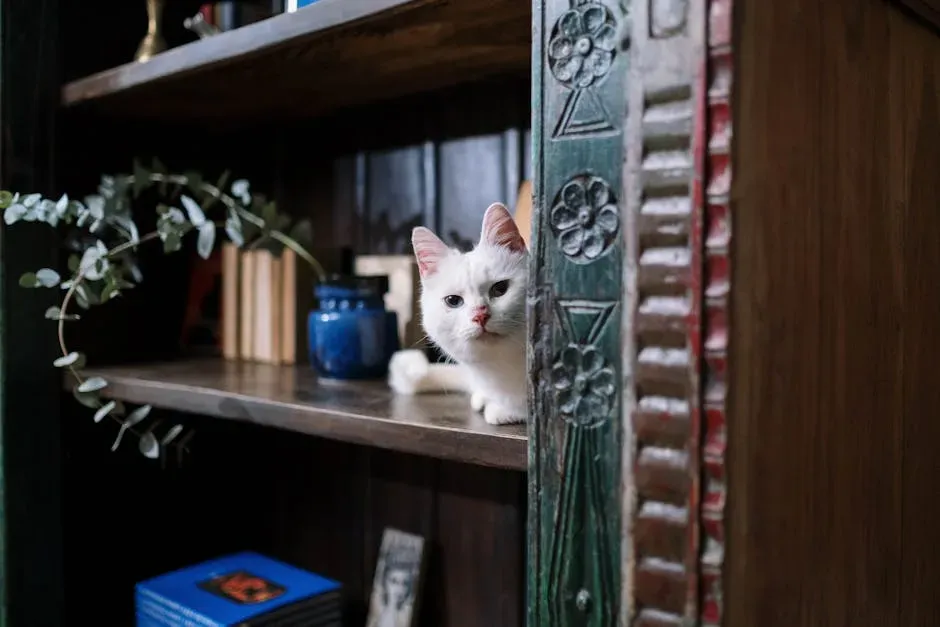
Not all cat hiding happens at floor level. Some cats are strongly drawn to elevated spots, where they can observe everything below while remaining largely invisible to those around them. Most cats prefer hiding spots that are dark, warm, and sufficiently closed off at the back. This instinctually offers them security from attacks from behind and below, while allowing them to watch what’s happening in front of and above them. A high shelf checks most of those boxes perfectly.
Creating a cat-friendly space with climbing trees, scratching posts, and cozy hiding spots can provide your cat with options for exploration and relaxation. Vertical spaces, such as shelves or cat trees, allow cats to observe their surroundings from a height, fulfilling their instinctual desire to survey their territory. If your cat has claimed the top of a bookcase or a kitchen cabinet as their private lookout, consider it a compliment. They’ve decided that particular vantage point is worth the climb.
Understanding What Your Cat’s Hiding Tells You
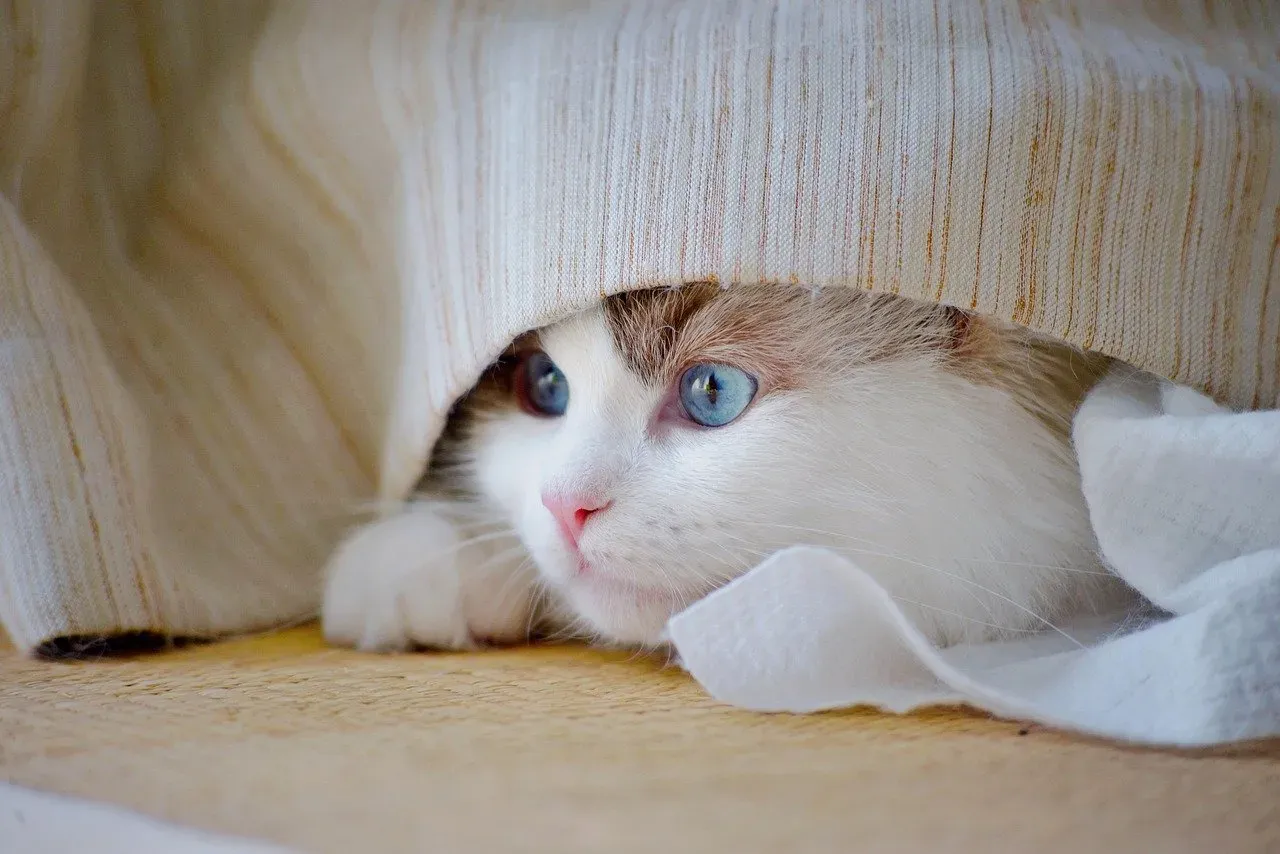
Your cat’s choice of hiding spot isn’t random, and it’s rarely cause for alarm. Research has found that cats who have hiding spaces available show lower stress hormone levels. Giving your cat a place to hide can actually make them less likely to be chronically anxious. In other words, supporting your cat’s natural urge to retreat is one of the kindest things you can do for their overall wellbeing.
That said, context matters. When a social cat suddenly starts hiding, or when your cat’s hiding behaviors abruptly change and hiding periods lengthen, you should take note. Sudden changes in behavior can indicate that your cat is experiencing stress, fear, discomfort, or a medical issue. Observing your cat’s body language while they are hiding can help you determine whether their retreat is playful and restful, or driven by anxiety. A calm cat may nap peacefully in a closet, while a stressed cat may crouch tightly under the bed with wide eyes.
The spots your cat chooses for peace and quiet say something honest about how they experience your home. Warm, dark, enclosed, scent-familiar: these are the qualities your cat returns to again and again. Giving them access to safe versions of these spaces isn’t indulging a quirk. It’s respecting a deeply wired need that has been part of feline nature far longer than any of us have been around to observe it.