Your cat could be curled up on your couch, belly full, completely safe from the outside world, and still launch into a full hunting sequence the moment a dust mote drifts past the window. That alone tells you something important about who you’re living with. Beneath the purring and the slow blinks, your cat is carrying a very old set of instructions, ones that were written long before cozy apartments and premium kibble entered the picture.
Domestication may have brought cats into our homes, but it hasn’t completely tamed their wild instincts. The hunting strategies of wild and domestic cats are strikingly similar, with both engaging in a careful dance of stalking and pouncing. What makes this so fascinating is that you don’t have to look far to see it. Every session of play your cat engages in is a window into something ancient, practical, and surprisingly well-preserved.
The Stalk Before the Pounce Mirrors Real Hunting Strategy
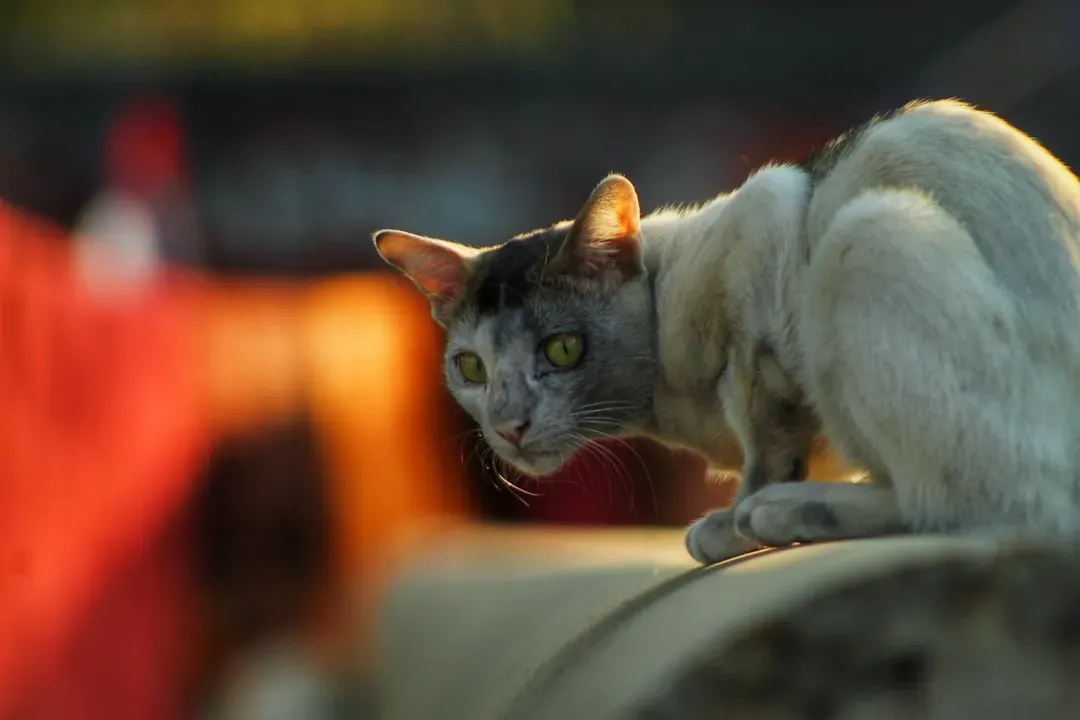
Watch your cat carefully the next time they notice a toy across the room. They don’t just sprint toward it. They freeze, lower their body, and begin a slow, deliberate approach that looks almost cinematic in its patience. When potential prey is spotted, the cat gets low to the ground and creeps toward it, trying to remain undetected. Once the cat believes it is within striking distance, or if the prey notices and bolts, the cat will give chase at full speed.
When cats encounter prey, they try to make themselves as quiet and as small as possible, to avoid their prey running from them. Before pouncing, they push their behinds up into the air and “shake” them with their head low to the ground and paws in front of them so that they can prepare to pounce at their prey. That little wiggle before the leap isn’t quirky behavior. It’s muscle preparation, balance calibration, and focus all happening at once.
Chasing Toys Isn’t Play. It’s Predatory Practice.
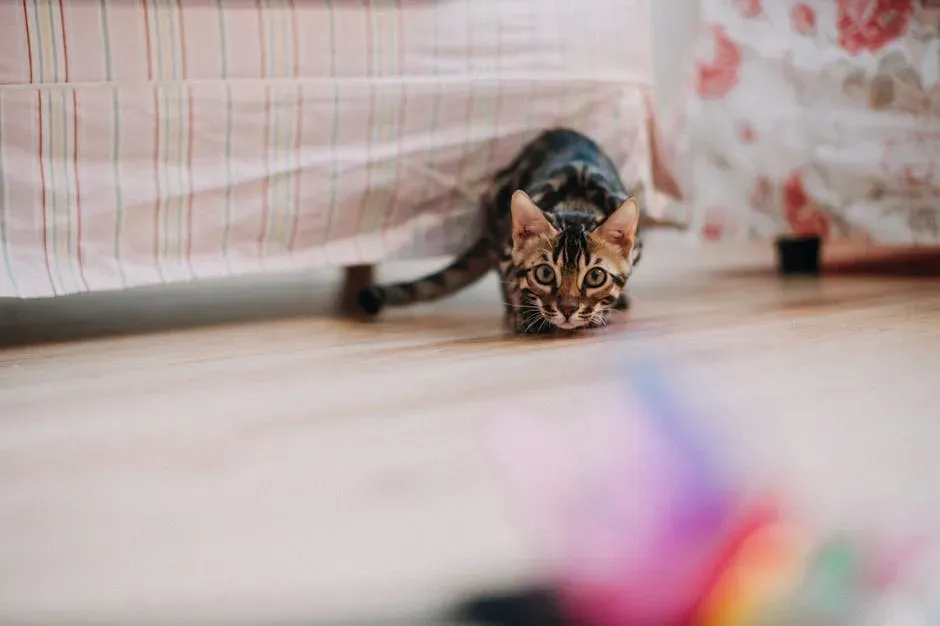
For your cat, play acts as a surrogate for hunting. When they chase a string or pounce on a toy mouse, they are not merely having fun – they are honing their instincts and keeping their skills sharp. This distinction matters more than most cat owners realize. Your cat isn’t playing at hunting. From their perspective, they are hunting, with a toy standing in for live prey.
Cats experience significant neurological stimulation associated with predatory behavior. It has been suggested that simply observing prey-like movements can trigger a dopamine release. So, it’s not the actual killing and consuming of prey, but the process – the searching, stalking and pouncing – that provides a satisfying mental and physical challenge. In other words, the chase is the reward, not the catch.
The Late-Night Zoomies Are a Crepuscular Survival Pattern
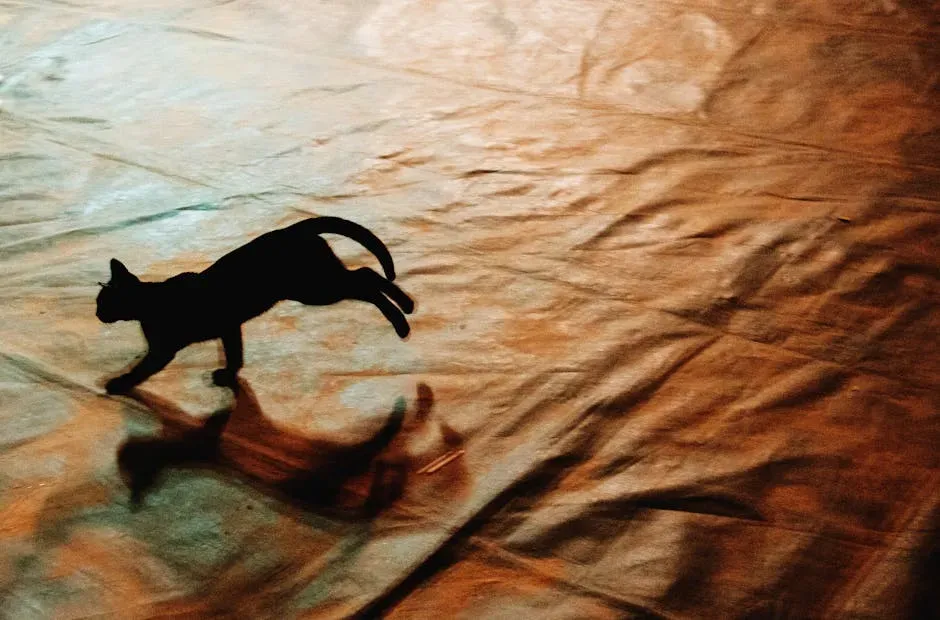
If your cat transforms into a small, chaotic tornado at ten o’clock at night, you’re witnessing something that has nothing to do with misbehavior. Cats are naturally crepuscular, meaning that they are most active at dawn and dusk. For a cat in the wild, this is the ideal time to stalk and hunt prey. Just because your house cat isn’t in the wild doesn’t mean they don’t have the same powerful instincts.
Cats are crepuscular by nature, meaning they’re most active during dawn and dusk. This evolutionary adaptation allowed their wild ancestors to hunt when there was enough light to see prey but enough darkness to remain concealed from larger predators. Your domestic cat’s internal clock is still hardwired for this activity pattern. When the house quiets down at night, your cat’s natural instincts kick in. So the next time they go sprinting down the hallway at midnight, know it’s their version of a perfectly timed hunting shift.
Playing With Prey Before “Killing” It Is an Ancient Risk Calculation
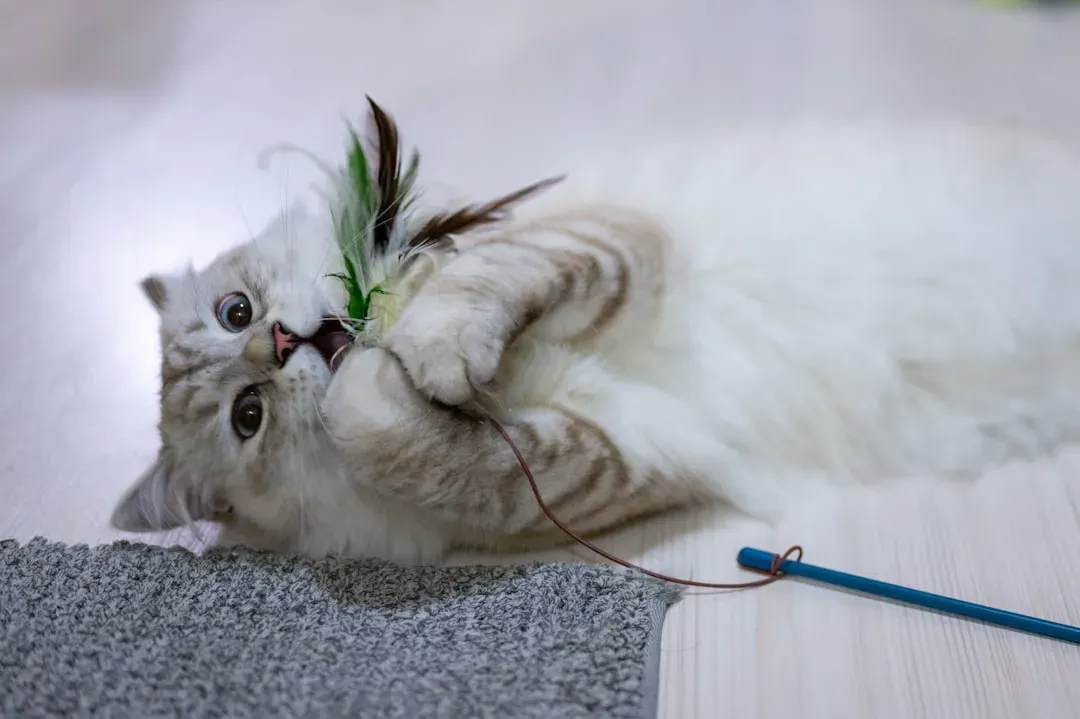
You may have noticed your cat batting a toy around endlessly without ever finishing the job. This isn’t indecision. “Toying” with prey is brought about by the conflict of needing to kill it, and the fear of being injured by the prey as a result. If the cat performs this behavior after they have killed the prey, it could simply be that they are not hungry enough to eat.
Cats often play with their food before they eat it, either because they are making sure the prey is weakened before getting in close for the kill, or because they are hunting for practice rather than due to true hunger. When your cat keeps releasing and re-attacking the same crinkle ball, they’re running through a sequence that once kept their ancestors alive. A cornered mouse can bite hard. Caution made sense.
Kneading Your Lap During Downtime Is Nest-Building in Disguise
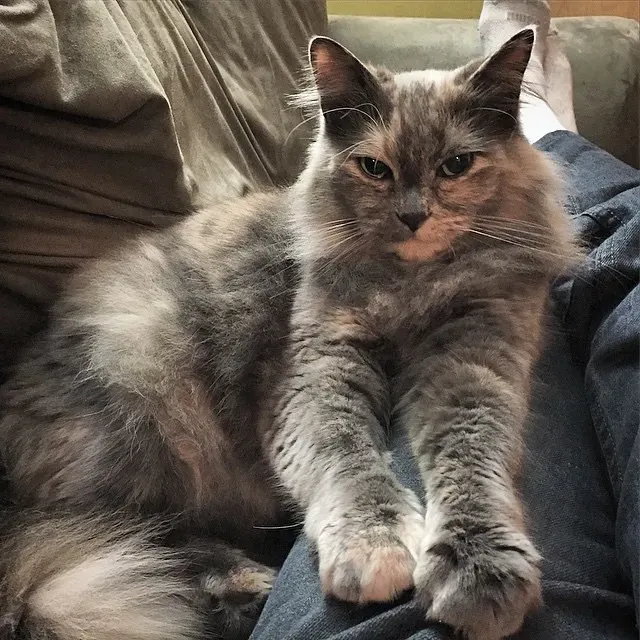
In the wild, cats would create nests or sleeping areas by patting down foliage or grass. These recurring movements helped to soften the ground, making it more comfortable for resting or giving birth. Over time, this behavior became ingrained in their instincts, even in the absence of such practical needs. When your cat kneads your lap, they’re essentially turning you into prime real estate.
Cats have scent glands located in the smooth pads of their paws, and by kneading, they release pheromones onto the surface they’re pressing against. These pheromones function as an aroma marker, letting other cats know that the area is claimed and helping create a sense of familiarity and security for the kneading cat. It’s territorial communication and comfort-seeking wrapped in one rhythmic, slightly claw-y gesture.
Your Cat Hunts Because Instinct Runs Deeper Than a Full Food Bowl
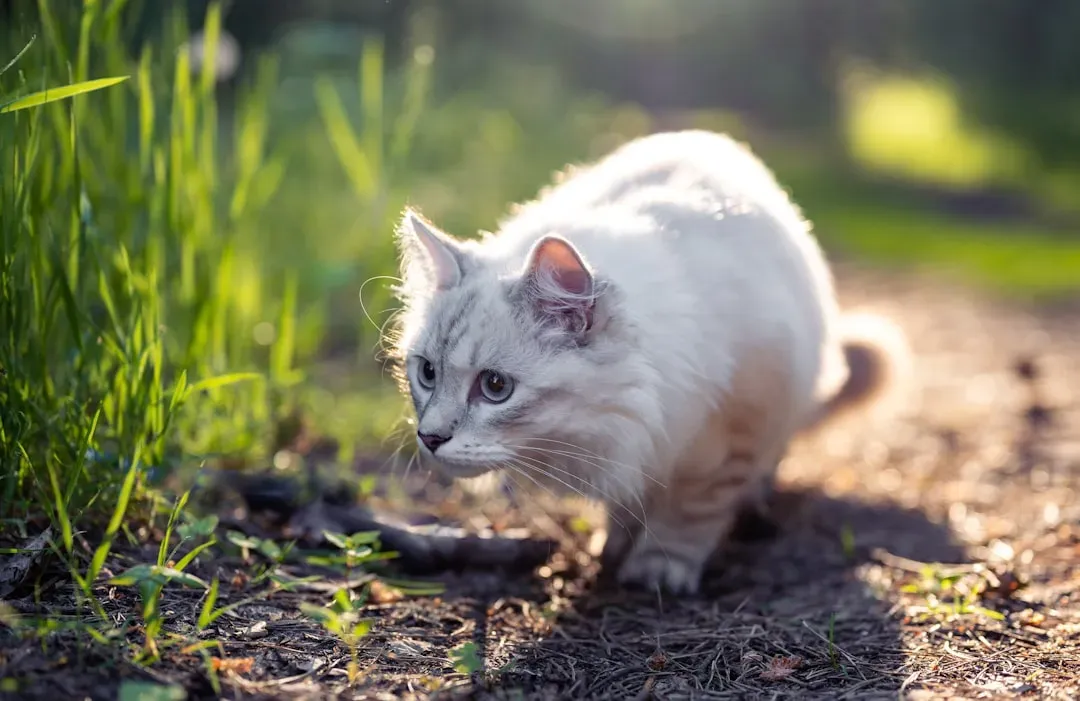
One of the most common misconceptions about cats is that a well-fed cat won’t feel the urge to hunt. The reality is considerably more complex. Because hunting behavior in cats is driven by instinct and not by hunger, feeding cats does nothing to stop them from hunting, even if the cats are overfed. This surprises many owners, who assume that a full bowl eliminates the urge to stalk.
Along with the urge to procreate and to defend their patch, the hunting instinct is one of the most distinctive behavioral patterns in cats. The desire to hunt is not governed by hormones and therefore does not diminish after neutering. When your cat attacks that feather wand with full intensity right after dinner, you’re seeing pure instinct at work, completely untouched by comfort or satiety.
Ambushing Your Feet Is a Refined Trapping Technique
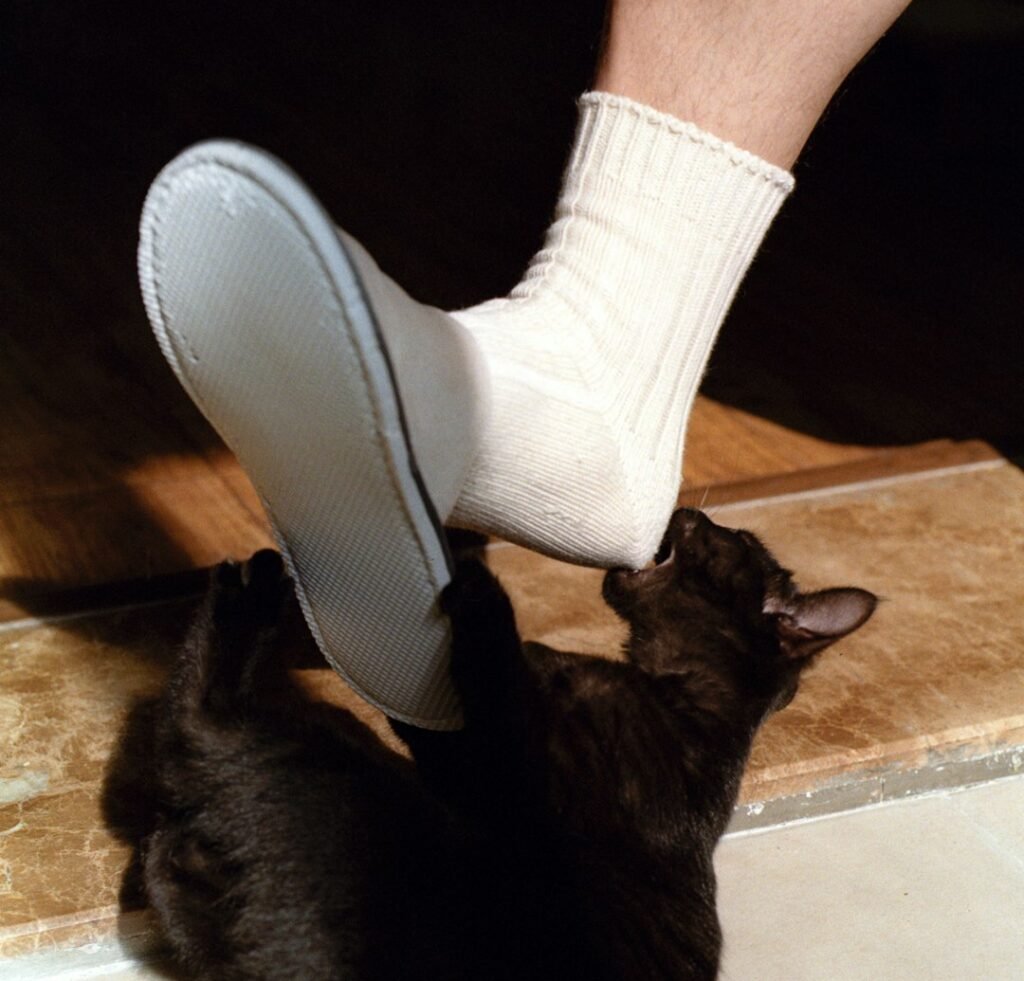
It might feel personal when your cat launches from behind the sofa to attack your ankles, but there’s a very structured logic behind it. If prey is cornered in a shed or under some branches, the cat will diligently root around, scratch, sniff, pounce, reach, and retrieve. Your feet moving under a blanket replicate the movement of small prey trying to escape from a confined space, and your cat’s brain registers that with remarkable reliability.
You’ll notice your cat stalking, pouncing, chasing, or even swatting at toys or objects. These activities are natural and necessary for their development and well-being, especially for kittens and young cats who are learning the skills they would need in the wild. Providing appropriate toys to redirect this ambush energy protects your ankles and gives your cat the real outlet they need.
Indoor Cats Show Even Stronger Predatory Play Drives
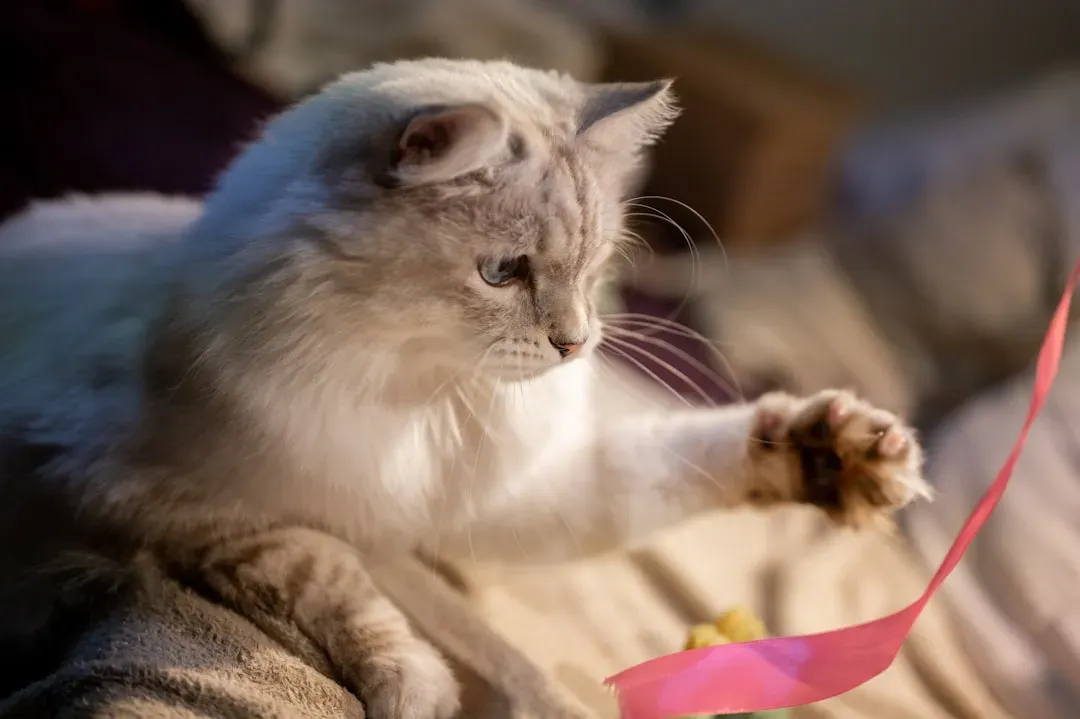
Here’s something that might genuinely surprise you. Cats who have never seen live prey outside a window often play harder with toys than cats who roam outdoors. Indoor-only cats were more interested in artificial stimuli that show more or less resemblance with prey, even though these cats have been completely deprived of experience with live prey. There are various theories that can explain these findings, including higher play drive because of the lack of stimulation, less refined prey recognition, or reduced fear due to lack of experience in indoor-only cats.
Indoor cats live safer, longer lives, but they miss out on natural hunting opportunities. That’s why interactive play is so important. It provides exercise, prevents boredom, and helps reduce unwanted behaviors like scratching furniture or nighttime zoomies. The predatory drive doesn’t disappear simply because real prey is absent. It simply looks for the nearest available substitute.
The Post-Play Wind-Down Reflects the Whole Hunting Cycle
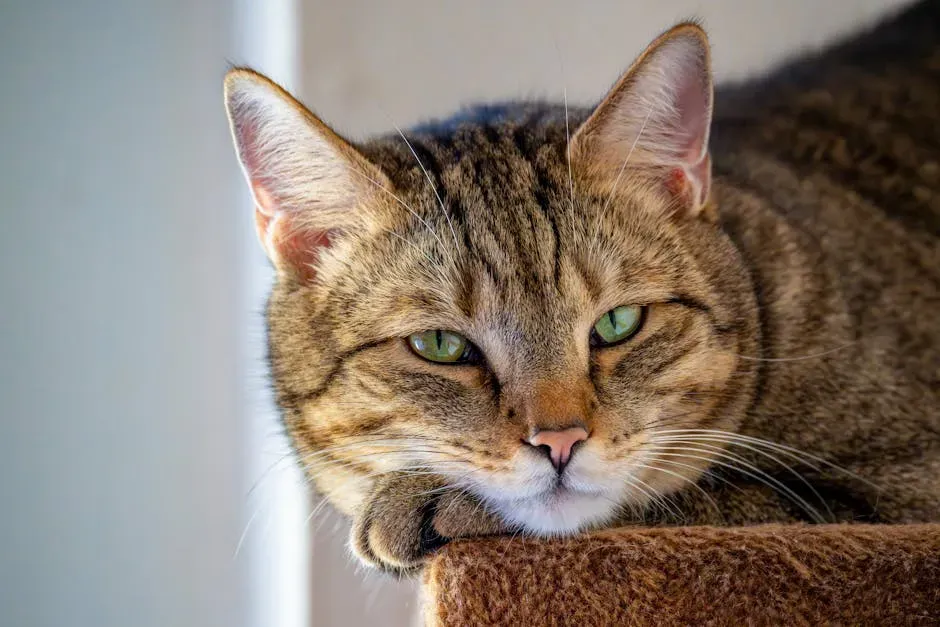
Notice what your cat does after an intense play session. There’s usually a quiet period, often accompanied by grooming and then rest. This isn’t random. Hunting behavior in cats can be divided into several phases, reflecting their predatory instincts perfectly. Typically, a cat undergoes phases such as locating prey, lying in wait, pouncing, and ultimately, killing. Studies suggest that cats may spend from three to ten hours a day engaging in these behaviors. A considerable portion of their waking hours is devoted to rehearsing their hunting techniques, whether through actual hunts or play.
In the wild, cats have to conserve energy and hunt at any opportunity, even if they are not hungry. Cats in the wild have the best chance to hunt after a nap, when they are well-rested. Even though your cat at home doesn’t have to hunt for its dinner, it still has this behavior imprinted into its daily routine. The nap, the hunt, the wind-down: it’s a cycle that runs on schedule, adapted but never truly retired.
Conclusion
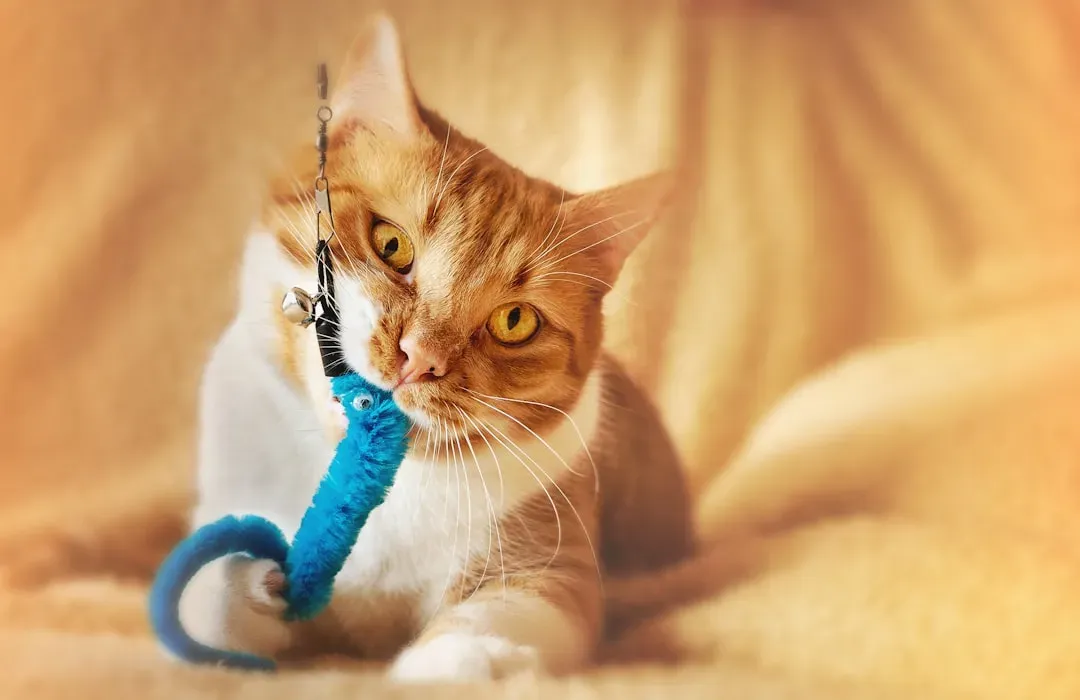
Every swipe of a paw, every calculated stalk across the living room floor, every ambush from behind a couch cushion tells a story that runs thousands of years deep. Your cat isn’t misbehaving during playtime. They’re being precisely what evolution shaped them to be: a careful, instinct-driven predator who happens to live in your home.
From an animal welfare perspective, it’s essential for owners to understand that cats do not need to hunt live prey to be happy or fulfilled. Instead, they require the opportunity to express natural hunting behaviors associated with the appetitive phase, meaning the searching, stalking and pouncing. Domestic cats that are well-fed can be positively mentally stimulated through experiencing a non-harmful alternative to satisfying their natural predatory behavior.
Understanding this changes how you see playtime entirely. It’s not just something to keep your cat busy on a rainy afternoon. It’s the one ritual that connects them, undeniably and elegantly, to something genuinely wild.
Kristina is a young writer from India. An arts graduate and an avid content creator, Kristina is passionate about animals and wildlife. She enjoys exploring topics related to pet care, animal behavior, conservation, and nature, combining thorough research with engaging storytelling.