
Throughout history, big cats have been admired for their power, grace, and majestic presence. From lions to tigers, these magnificent creatures have held significant symbolic meanings across various cultures. Ancient art and artifacts often depict these symbols, reflecting the unique roles big cats have played in religious, mythological, and cultural contexts. This article explores nine ancient symbols featuring big cats and delves into their multifaceted meanings.
The Lion: Symbol of Strength and Leadership
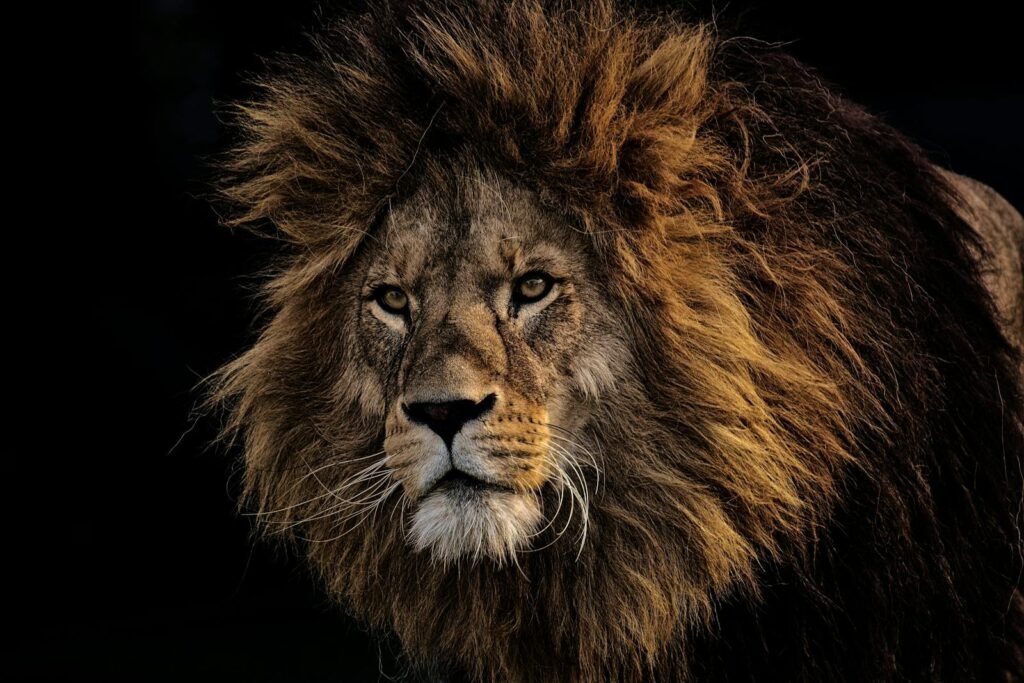
The lion is one of the most recognized symbols worldwide, admired for its strength, courage, and kingly demeanor. In ancient Egypt, the lion-headed goddess Sekhmet was a symbol of military prowess and divine protection. Similarly, the Greek Nemean Lion, defeated by Hercules, represented an insurmountable challenge, underscoring the might and perseverance required to overcome great obstacles.
The Panther: Emblem of Mystery and Transformation
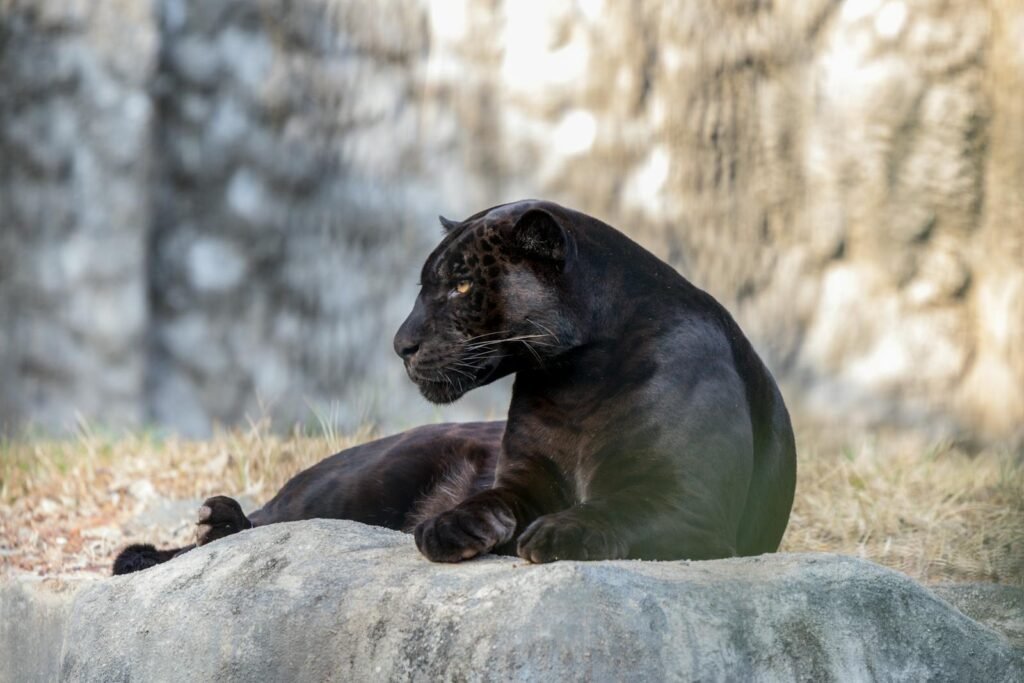
In many tribal cultures, the panther is an emblem of mystery and transformation. The panther has been revered in Native American mythology as a guardian figure, often associated with the night and the unknown, symbolizing a guide through darkness and a harbinger of change. Its ability to move unseen is indicative of a powerful, stealthy force in the spiritual realm.
The Tiger: Icon of Power and Vigor
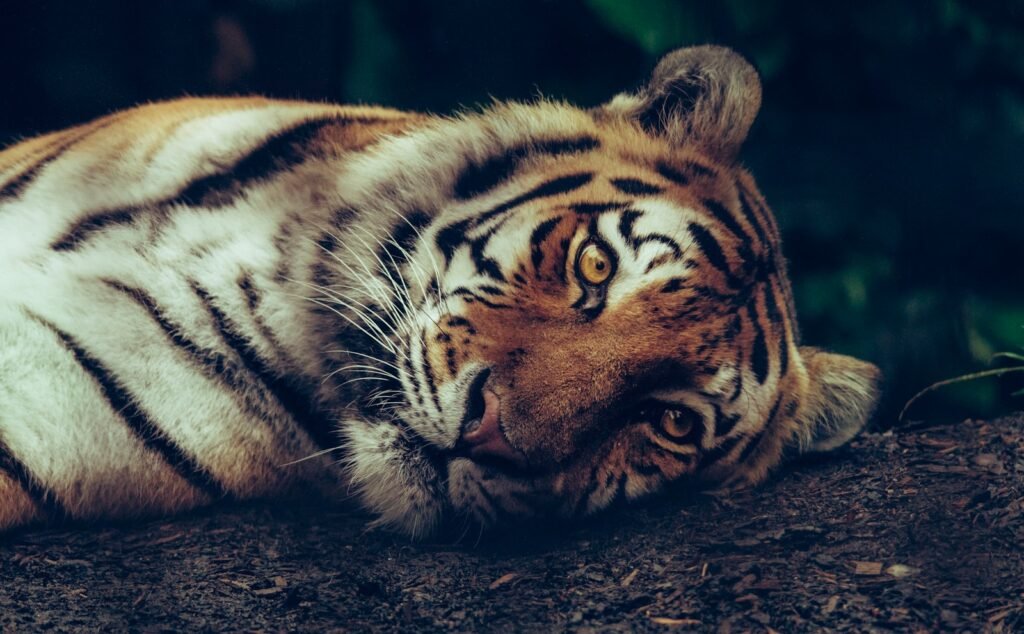
The tiger is celebrated throughout Asia as a symbol of power, courage, and authority. In Chinese culture, the tiger is one of the Four Symbols, representing the Western cardinal direction and embodying the virtues of strength and bravery. Tigers are also seen as protectors against evil spirits and are frequently portrayed on talismans and decorative art as guardians of homes and communities.
The Jaguar: Symbol of the Underworld and Fertility
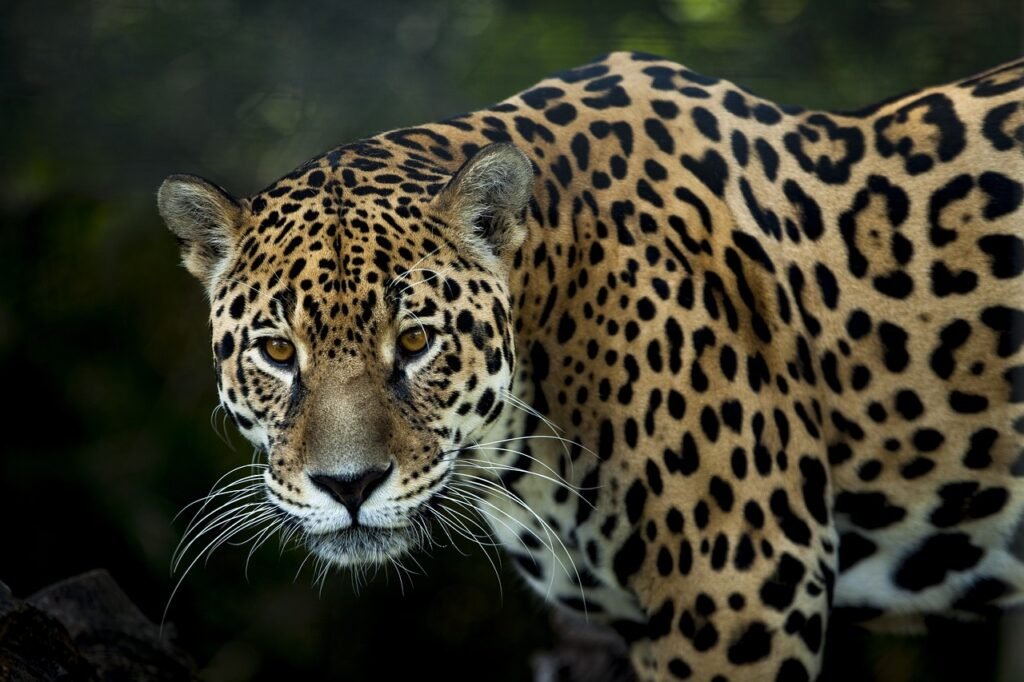
For the ancient Maya civilization, the jaguar was a significant symbol associated with the underworld, fertility, and the night. The Maya revered the jaguar as a powerful force of mythology, representing the cycle of life, death, and rebirth. Its prowess as a predator parallels its role as a spiritual guide in the afterlife, offering protection and safe passage.
The Cheetah: Representation of Speed and Focus
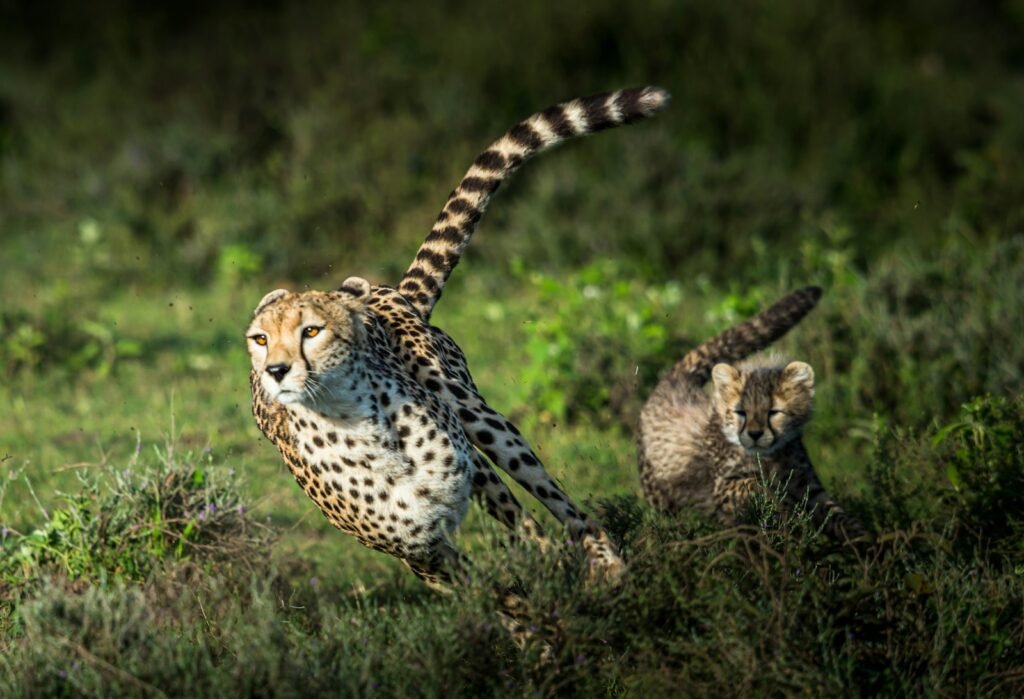
The ancient Egyptians revered the cheetah for its speed and agility, often associating it with the swift and focused nature of the divine. Cheetahs were kept as royal pets and appeared in art and hieroglyphics as symbols of protection and hunting prowess. Their ability to overtake prey with precision and speed reflects an unyielding focus and determination.
The Leopard: Sign of Nobility and Cunning
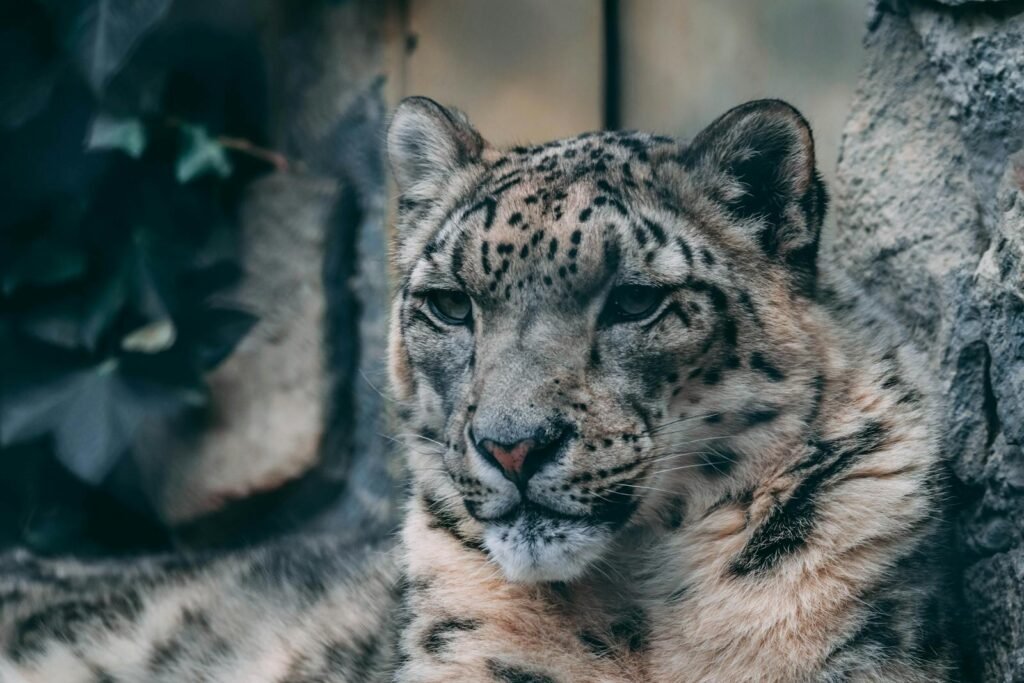
The leopard was seen as a symbol of nobility, intelligence, and cunning in various cultures. In ancient Greece and Rome, leopards were associated with Dionysus, the god of wine, reflecting their perceived grace and prowess. The leopard’s spotted coat symbolizes a balance between darkness and light, representing the dual nature of nobility and wildness.
The Lynx: Symbol of Vision and Intuition
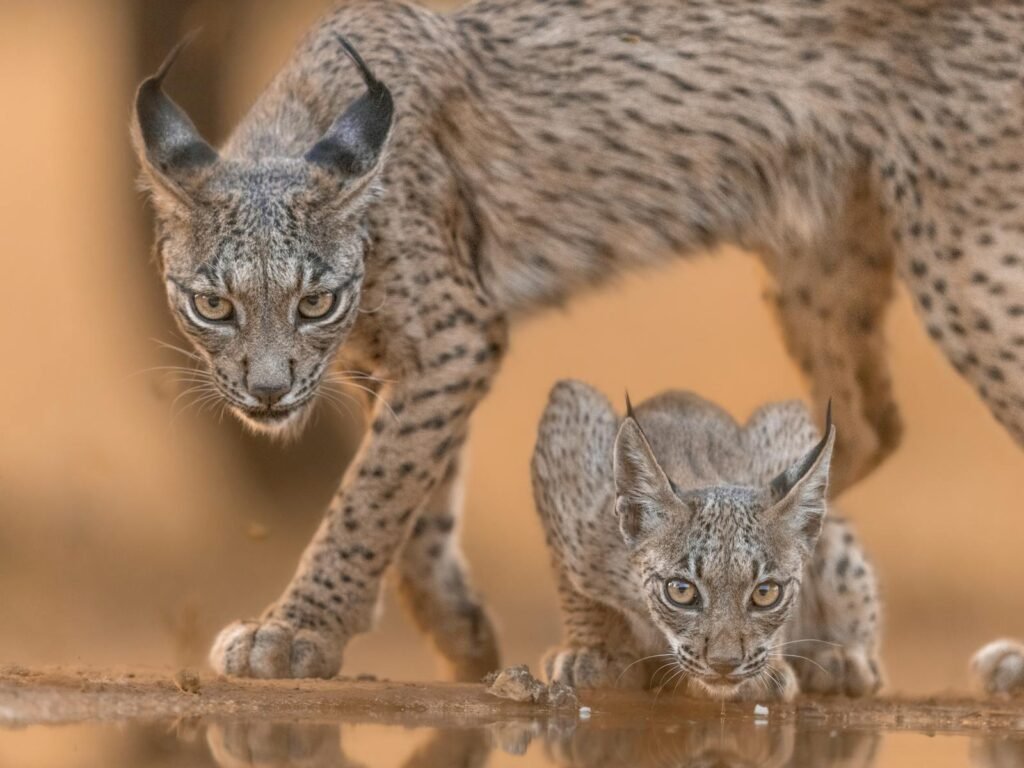
In many North American indigenous cultures, the lynx is revered as a mystical emblem of vision and intuition. Its keen eyesight and ability to perceive what others cannot make it a symbol of revelation and heightened awareness. The lynx is believed to possess secret knowledge and is often seen as a spirit animal guiding its followers through both physical and spiritual challenges.
The Sabre-Toothed Cat: Icon of Ancient Power
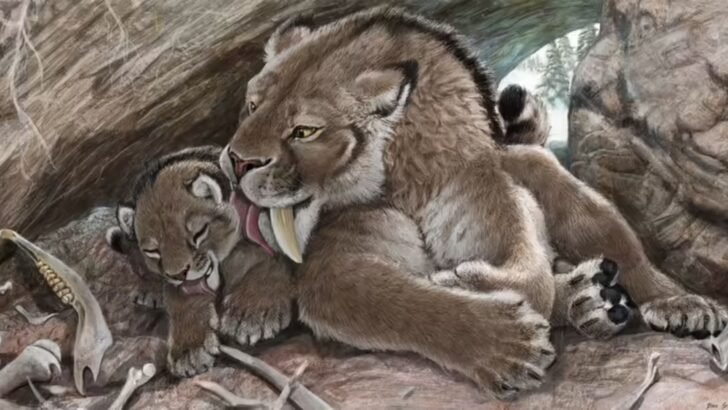
Although extinct, sabre-toothed cats like the Smilodon hold symbolic importance as icons of ancient power and prehistoric dominance. These formidable predators symbolize primeval strength and the ferocity required during their time. Fossilized remains and reconstructions in museums underscore their role in the prehistoric ecosystem and their enduring legacy in human imagination.
The Lioness: Emblem of Maternal Strength and Protection
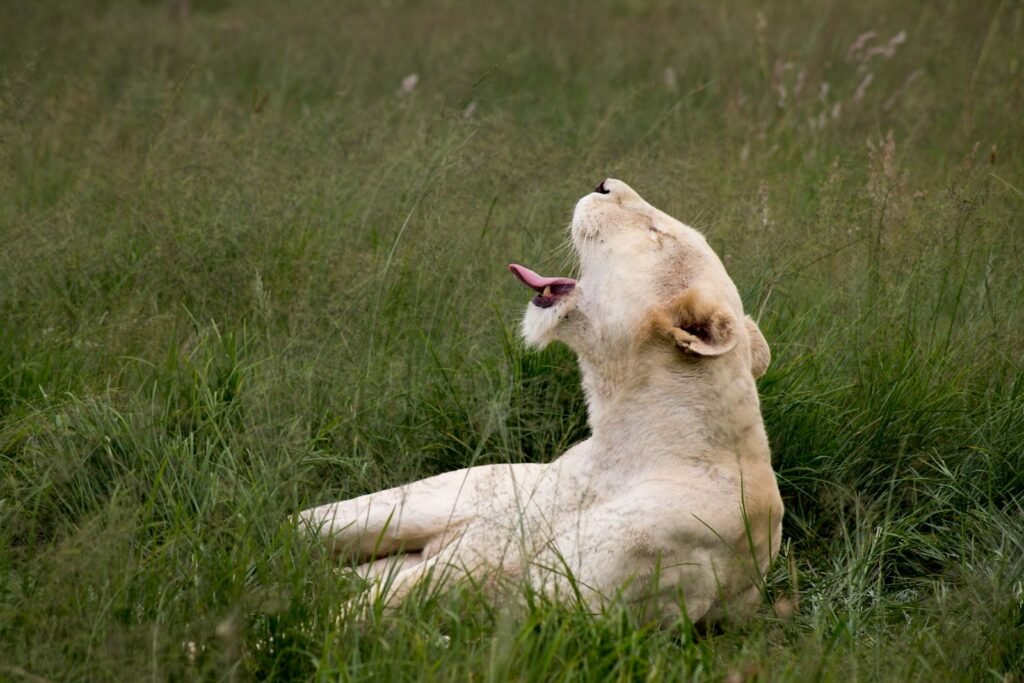
The lioness, often overshadowed by the lion’s grandeur, plays an equally significant symbolic role, particularly in Egypt, where it is a powerful symbol of maternal strength and protection. Lionesses are revered for their role as hunters and protectors of their pride, embodying the nurturing, fierce aspects of motherhood and community leadership.
Conclusion: Big Cats as Timeless Symbols
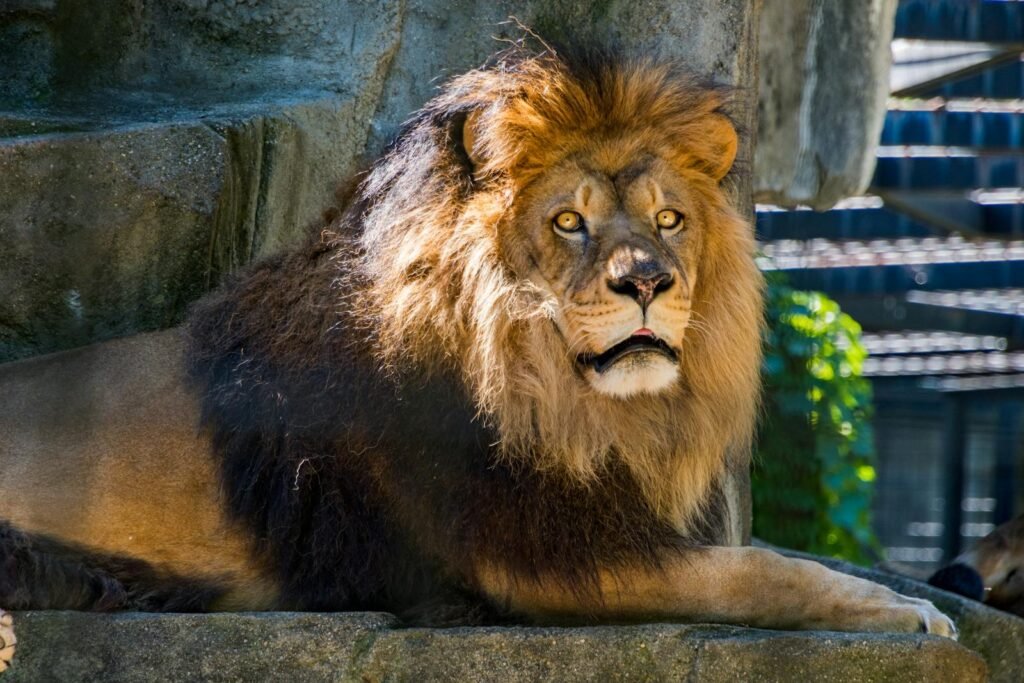
The enduring presence of big cats in ancient symbolism highlights the deep respect and fascination humans have for these majestic animals. Their roles as emblems of strength, mystery, power, and protection reflect a universal human inclination to admire and emulate their behaviors and attributes. Through their symbolism, big cats continue to influence and inspire cultures around the world, proving their timeless significance in our shared human heritage.
Suhail Ahmed is a passionate digital professional and nature enthusiast with over 8 years of experience in content strategy, SEO, web development, and digital operations. Alongside his freelance journey, Suhail actively contributes to nature and wildlife platforms like Feline Fam, where he channels his curiosity for the Feline into engaging, educational storytelling.
With a strong background in managing digital ecosystems — from ecommerce stores and WordPress websites to social media and automation — Suhail merges technical precision with creative insight. His content reflects a rare balance: SEO-friendly yet deeply human, data-informed yet emotionally resonant.
Driven by a love for discovery and storytelling, Suhail believes in using digital platforms to amplify causes that matter — especially those protecting Earth’s biodiversity and inspiring sustainable living. Whether he’s managing online projects or crafting wildlife content, his goal remains the same: to inform, inspire, and leave a positive digital footprint.