Have you ever looked into your cat’s eyes before a trip and felt that pang of guilt? That little flicker of confusion or worry on their face can tug at your heartstrings like nothing else. For many cat lovers, the thought of traveling is often tangled up with anxiety about their feline’s well-being. Cats are creatures of habit, and the smallest change can send ripples through their emotional world. But what if you could pack your bags without leaving your cat’s emotional safety behind? Let’s unlock the secrets to traveling while keeping your furry companion’s heart at ease.
Understanding Your Cat’s Emotional Landscape

Cats are masters of routine. They find comfort in the same sunny window, the same bowl at mealtimes, and even the same napping spots. When you prepare to leave, your cat may sense something is different, even if you haven’t packed a single suitcase yet. Their emotional landscape is delicate, and disruptions can cause stress, anxiety, or even health issues. Recognizing this is the first step in ensuring their emotional safety. If your cat becomes unusually clingy or hides more often, they’re signaling that they sense change. Tuning in to these signals helps you prepare in a way that soothes rather than unsettles your pet. The more attuned you are to their feelings, the better equipped you’ll be to keep their world stable, even when you’re not around.
The Power of Predictability

Imagine living in a world where breakfast, playtime, and cuddles all happen at the same time every day. That’s your cat’s comfort zone. When you travel, maintaining predictability is like giving your cat an emotional anchor. Try to keep their routine as consistent as possible, even in your absence. If someone else is caring for your cat, create a detailed schedule for feeding, play, and any medications. This way, your cat still gets the comfort of routine, and their world doesn’t feel like it’s spinning out of control. Predictability is the secret sauce for emotional stability when you’re away.
Choosing the Right Pet Sitter

Not all pet sitters are created equal. Your cat needs someone who understands more than just how to scoop a litter box; they need a friend who can read the subtle language of feline feelings. Look for a sitter who has experience with cats and, if possible, arrange for them to meet your pet before you leave. Watch how they interact. Does your cat approach them willingly? Are they gentle and patient? The right sitter will respect your cat’s boundaries and maintain their routine, providing emotional safety in your absence. Trust your instincts—if the fit isn’t right, keep searching.
Preparing Your Cat for Your Absence

Preparation is everything. Start making small changes a week or two before you leave. Introduce your cat to the pet sitter with short, pleasant visits. Leave for short periods, gradually increasing your time away so your cat gets used to it. Each time you return, greet your cat calmly and lovingly. This teaches them that you always come back, reinforcing their sense of security. Leave familiar items like your unwashed t-shirt in their favorite spot. Your scent is a comfort blanket for your cat, offering reassurance when you’re not there.
Keeping Familiar Scents Close
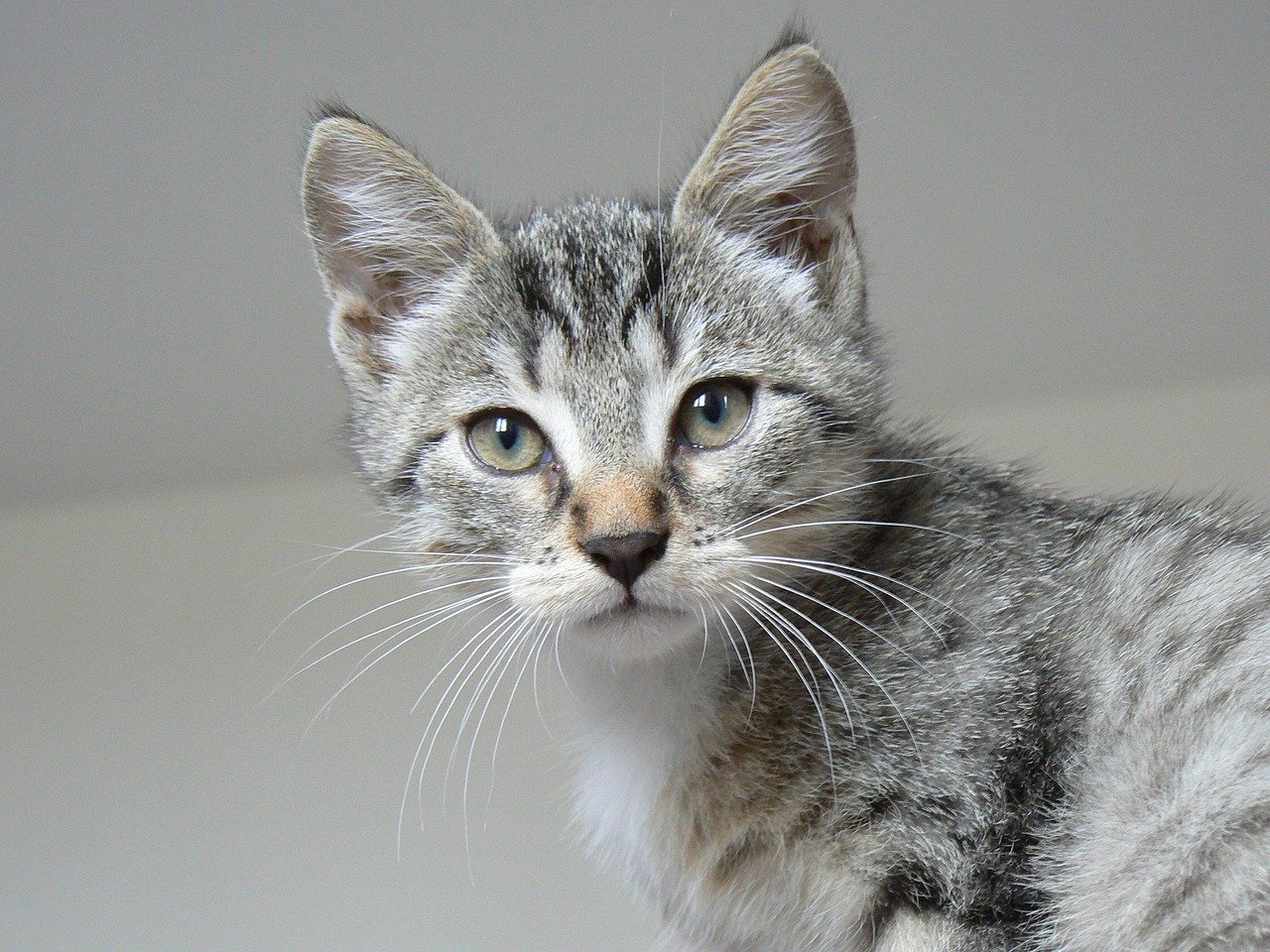
Never underestimate the power of smell. To your cat, your scent is like a gentle hug that lingers long after you’ve left the room. When you travel, leave behind items that carry your scent—like worn clothing, pillowcases, or blankets. Place them in areas your cat likes to relax. These familiar smells can be a soothing balm, helping your cat feel connected to you even when you’re miles away. This simple act can be surprisingly powerful in maintaining your cat’s emotional safety.
Creating a Safe Environment at Home

Your cat’s home is their sanctuary. When you travel, ensure their environment feels as safe and unchanged as possible. Avoid moving furniture or making big changes to their favorite rooms right before your trip. Double-check that all escape routes, like windows or doors, are securely closed. Keep their litter box clean and in the usual spot. A stable, familiar environment minimizes stress and helps your cat feel grounded, no matter how far you roam.
Interactive Toys and Comfort Items

Boredom can be as stressful as loneliness. Stock up on interactive toys that challenge your cat’s mind and body. Puzzle feeders, feather wands, and catnip mice can provide entertainment and distraction. Rotate toys to keep things fresh. Leave out cozy beds and blankets where your cat feels safe. These comfort items offer emotional support and help your cat stay busy while you’re away, turning your absence into an opportunity for play and rest.
Using Technology to Stay Connected

Thanks to modern technology, you can check in on your cat from anywhere in the world. Pet cameras let you watch, talk, and even toss treats to your furry friend. Some cameras have two-way audio, so your cat can hear your voice. This can be reassuring for both of you, bridging the distance with a familiar sound. Use these gadgets sparingly, though—too much interaction may confuse your cat. Think of it as a gentle reminder, not a replacement for your physical presence.
Soothing Soundscapes and Music

Silence can feel lonely, especially for a cat used to the sounds of your daily life. Leave on soft music or a radio set to a gentle station. Some playlists are designed specifically for cats, with calming rhythms and sounds. Background noise can create a sense of normalcy, masking unsettling outside noises and reducing anxiety. Experiment before you leave to see what your cat prefers, and make it part of their routine.
Managing Separation Anxiety

Some cats are more prone to separation anxiety than others. They might yowl, stop eating, or become destructive when you’re gone. If you notice these signs, talk to your vet about ways to help. Sometimes, pheromone diffusers or calming treats can take the edge off. Training your cat to be comfortable alone takes patience and practice. Start with short absences and build up, always rewarding calm behavior. Over time, your cat will learn that being alone isn’t so scary after all.
Communicating With Your Pet Sitter

Clear communication with your pet sitter is vital. Write out detailed instructions covering feeding times, favorite toys, hiding spots, and emergency contacts. Share information about your cat’s quirks, fears, and preferences. Encourage the sitter to send you daily updates—photos, videos, or texts—so you can see how your cat is doing. Open lines of communication give you peace of mind and help the sitter provide the best care possible.
Addressing Medical Needs Before Leaving

A healthy cat is a happy cat. Schedule a checkup with your vet before your trip, especially if your cat has ongoing health issues. Make sure vaccinations are up to date, and discuss any concerns about anxiety or behavior. Stock up on medications and write out clear instructions for your sitter. Leave the vet’s contact information in an easy-to-find location. Taking these steps ensures your cat’s medical needs are covered, so you can travel with confidence.
Traveling With Your Cat: When It’s Necessary
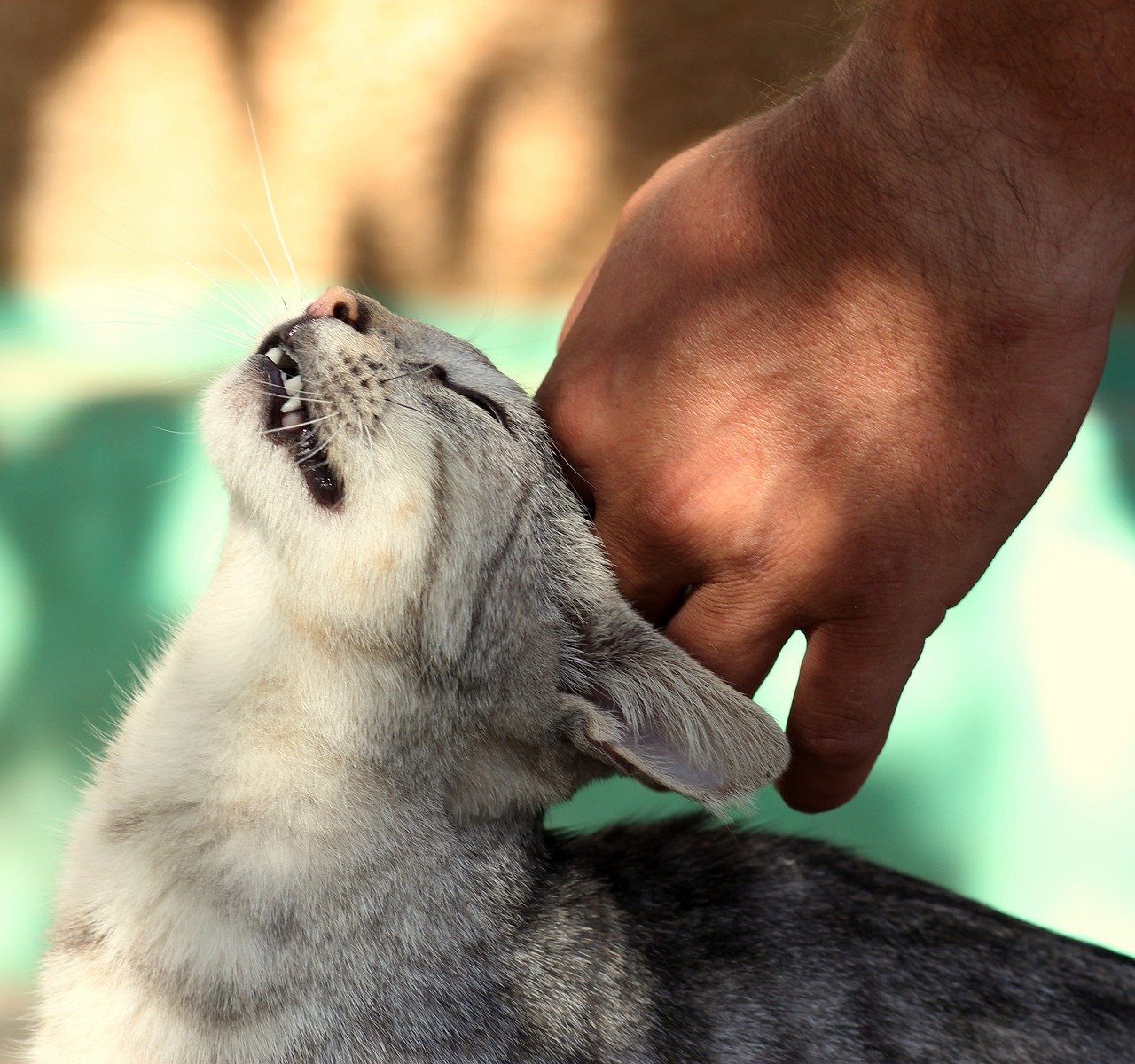
Sometimes, taking your cat with you is unavoidable. In these cases, preparation is key. Invest in a sturdy, comfortable carrier lined with a familiar blanket. Bring along favorite toys and treats to make the journey less daunting. Plan rest stops if you’re driving, and avoid opening the carrier in unfamiliar places. Keep your cat hydrated and never leave them alone in a car. The goal is to make travel as stress-free as possible, keeping your cat’s emotional comfort front and center.
Acclimating Your Cat to a New Environment

If your travels mean a temporary or permanent move, help your cat acclimate gradually. Set up a safe room with familiar items—litter box, food, water, and toys. Let your cat explore at their own pace, expanding their territory slowly. Spend extra time with them, offering reassurance through play and gentle affection. The unfamiliar will feel less intimidating when surrounded by the comforts of home. Patience is your best friend during this transition.
Enlisting Friends and Family for Support
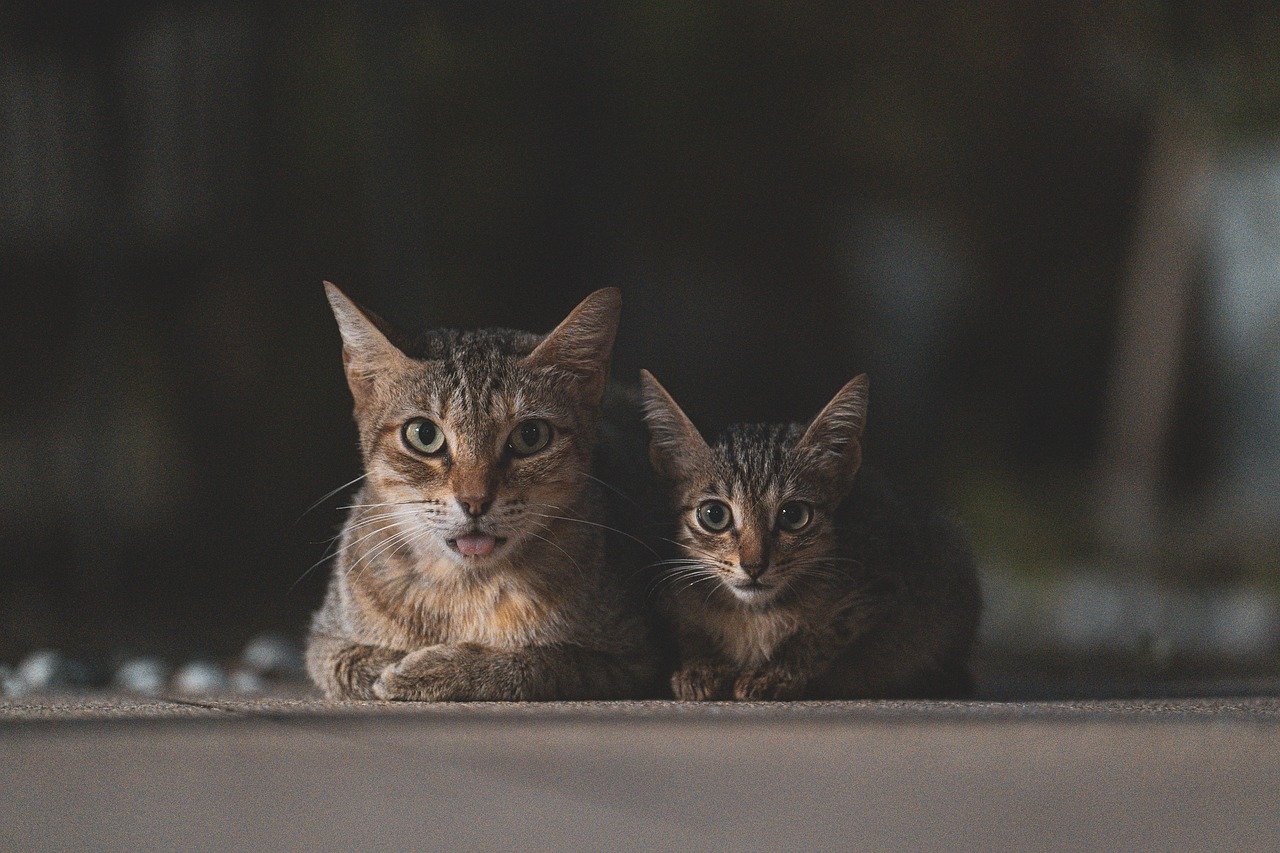
Sometimes, the best cat sitters are the people who already know and love your pet. If you have friends or family nearby, ask if they can help. A familiar face can be incredibly comforting to a cat, especially if they’ve bonded before. Arrange a few practice visits so everyone feels at ease. Having someone your cat trusts makes your absence feel less like a disruption and more like a temporary change in scenery.
Recognizing Signs of Stress in Your Cat

Cats express stress in subtle—and sometimes not-so-subtle—ways. Watch for changes in appetite, grooming, litter box habits, or social behavior. A normally outgoing cat who hides all day may be struggling emotionally. Likewise, excessive vocalization or destructive scratching can signal distress. By recognizing these signs early, you can take steps to address the problem before it escalates. Your cat’s behavior is their way of asking for help—be ready to listen.
Helping Your Cat Readjust When You Return

Homecomings are emotional, not just for you, but for your cat. Resist the urge to smother them with attention right away. Instead, let your cat approach you on their own terms. Re-establish your regular routines—meals, playtime, and quiet time together. If your cat seems anxious or withdrawn, give them space and extra patience. Their world is settling back into its familiar rhythm, and with a little time, so will their mood.
Special Considerations for Multi-Cat Households

Travel can change the dynamics in a multi-cat home. Cats may reestablish territories or hierarchies after a period of separation. Monitor their interactions closely when you return, watching for signs of aggression or stress. Provide multiple resources—food bowls, litter boxes, and resting spots—to minimize competition. Spend quality time with each cat to reassure them that they’re still an important part of your family. A harmonious home takes effort but pays off in peace for everyone.
When Professional Help Is Needed

Sometimes, despite your best efforts, your cat’s anxiety may feel overwhelming. If behavioral problems persist or worsen, don’t hesitate to seek professional help. Veterinary behaviorists and cat therapists are skilled at addressing deep-seated anxiety and can offer tailored solutions. They may recommend medication, behavior modification, or changes to your cat’s environment. There’s no shame in asking for help—your cat’s emotional safety is worth every effort.
Making the Most of Reunions

After time apart, reunions are a chance to rebuild your bond. Pay attention to your cat’s cues—some cats want cuddles, others prefer a quiet presence. Use play and treats to reconnect, but let your cat set the pace. Celebrate the small signs of affection—a purr, a head-bump, or just sitting near you. Your patience and understanding show your cat that, no matter where you go, their emotional safety is always your priority.

Hi, I’m Bola, a passionate writer and creative strategist with a knack for crafting compelling content that educates, inspires, and connects. Over the years, I’ve honed my skills across various writing fields, including content creation, copywriting, online course development, and video scriptwriting.
When I’m not at my desk, you’ll find me exploring new ideas, reading books, or brainstorming creative ways to solve challenges. I believe that words have the power to transform, and I’m here to help you leverage that power for success.
Thanks for stopping by, Keep coming to this website to checkout new articles form me. You’d always love it!