The Last Stronghold of Africa’s Most Elusive Pride

High in the mist-covered highlands of Ethiopia, a secret has been hiding for centuries. While most people think of lions roaming the savannas, there’s a population that has chosen the mountains as their home. These aren’t your typical African lions — they’re something far more extraordinary.
The Ethiopian lion represents one of the most isolated populations on the continent. Living at altitudes that would challenge most big cats, they’ve adapted to a world where the air is thin and the landscape is unforgiving. Their story is one of survival against incredible odds.
Ancient Bloodlines Written in DNA

Recent genetic studies have revealed something remarkable about these highland lions. They carry genetic markers that set them apart from their lowland cousins, suggesting a lineage that diverged thousands of years ago. This isn’t just about geography — it’s about evolution in action.
Scientists have discovered that Ethiopian lions show distinct genetic variations that reflect their unique environment. Their DNA tells a story of adaptation, isolation, and resilience that spans millennia. These findings have reshaped our understanding of lion evolution in Africa.
Mountain Giants with Different Rules
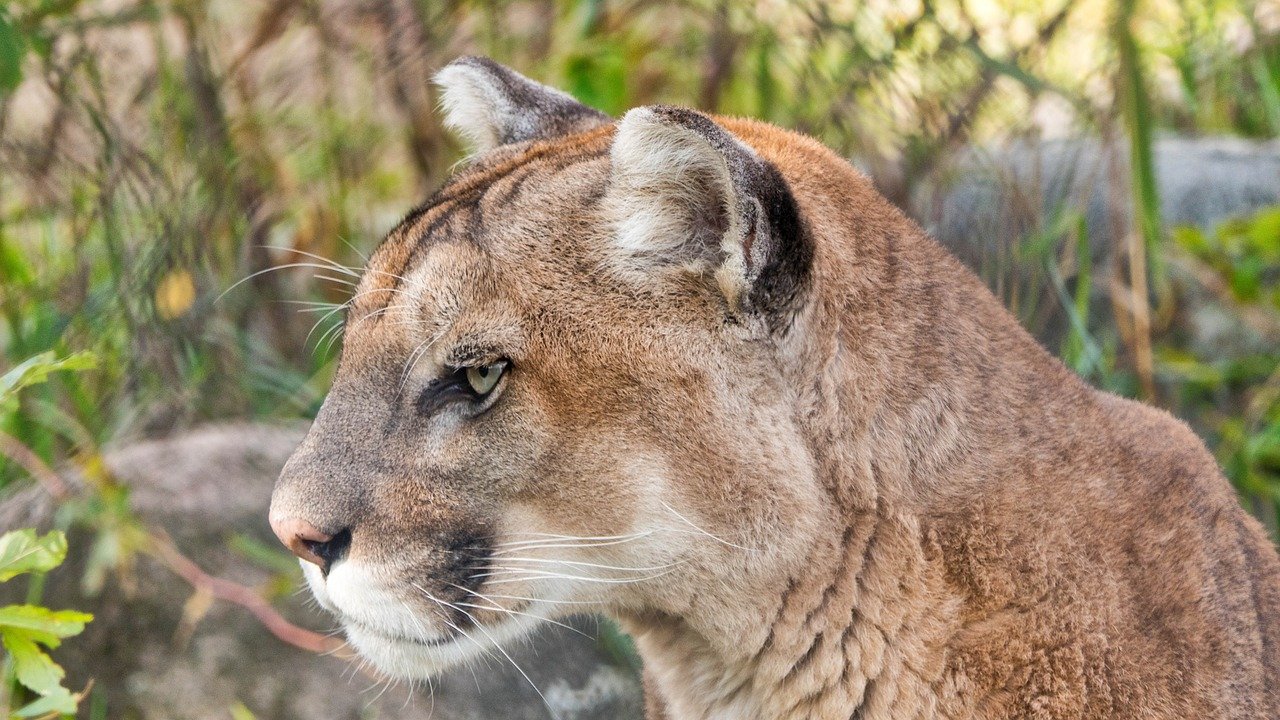
Ethiopian lions don’t follow the typical pride structure you’d expect. Living in harsh mountain terrain has forced them to develop different social behaviors. Their prides are often smaller, more flexible, and incredibly resourceful.
The challenges of mountain living have created lions that are more independent yet fiercely loyal to their small family groups. They’ve learned to navigate rocky terrain that would intimidate other big cats. Their hunting strategies have evolved to match their vertical world.
The Mysterious Mane Connection
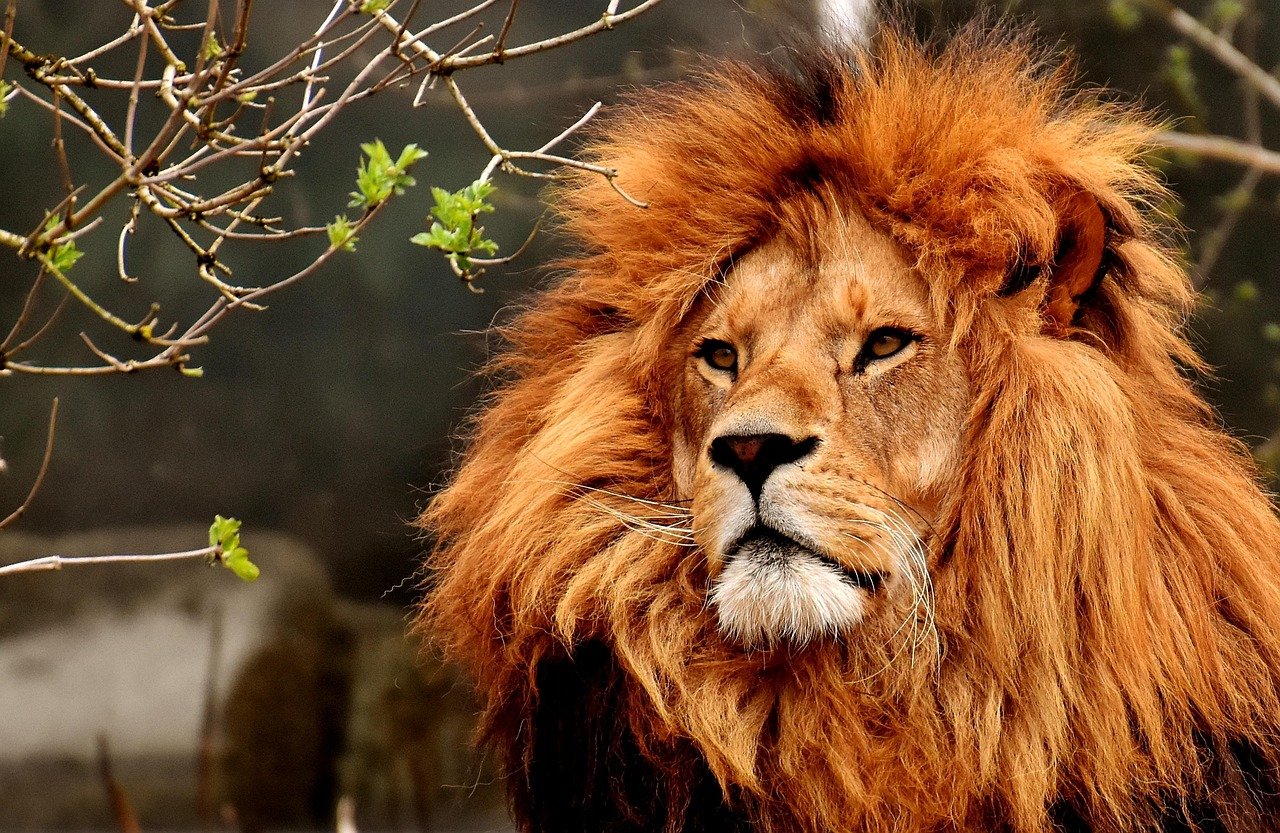
One of the most striking features of Ethiopian lions is their magnificent manes. Some researchers believe the cooler mountain climate has influenced mane development, creating some of the most impressive crowns in the lion world. These manes aren’t just for show — they serve as protection against the harsh highland winds.
The connection between altitude and mane development opens fascinating questions about how environment shapes physical characteristics. Ethiopian lions seem to prove that nature always finds a way to adapt, even in the most unexpected circumstances.
Hunting in the Clouds

Imagine stalking prey through morning mist at 10,000 feet above sea level. Ethiopian lions have mastered this art, developing hunting techniques that work in their cloud-kissed habitat. Their prey includes mountain nyala, an antelope species found nowhere else on Earth.
The thin air and rocky terrain create unique challenges that these lions have overcome with remarkable adaptability. They’ve learned to use the mountainous landscape to their advantage, turning what seems like a disadvantage into a hunting superpower.
Temperature Extremes and Survival
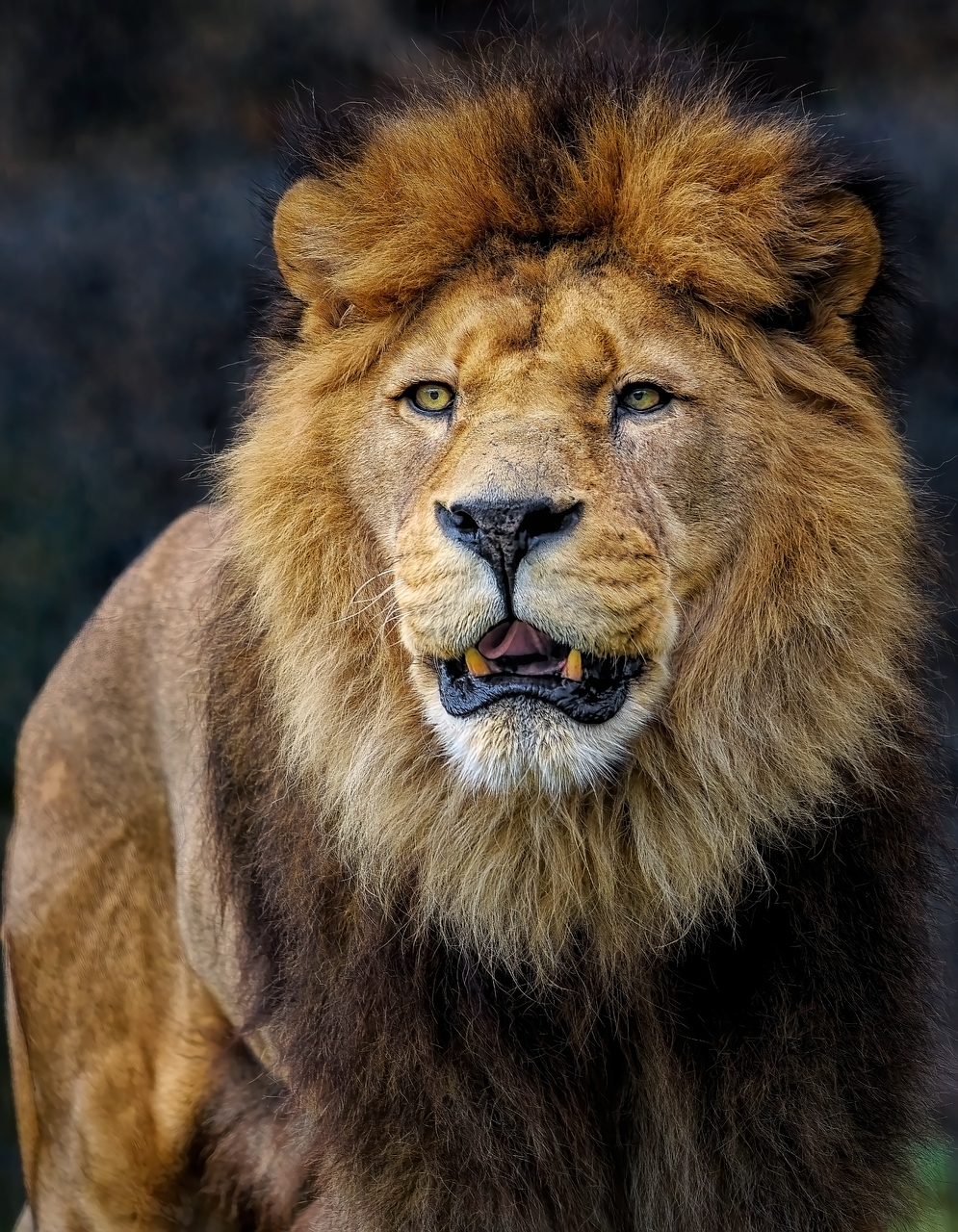
While most lions bask in consistent African heat, Ethiopian lions face dramatic temperature swings. Nights can drop to near freezing, while days can still reach uncomfortable highs. This temperature rollercoaster has shaped their behavior patterns and physical adaptations.
Their thick coats and robust build help them handle these extremes. They’ve developed different activity patterns compared to their savanna relatives, often being more active during midday when mountain temperatures are most favorable.
The Gelada Baboon Neighbors
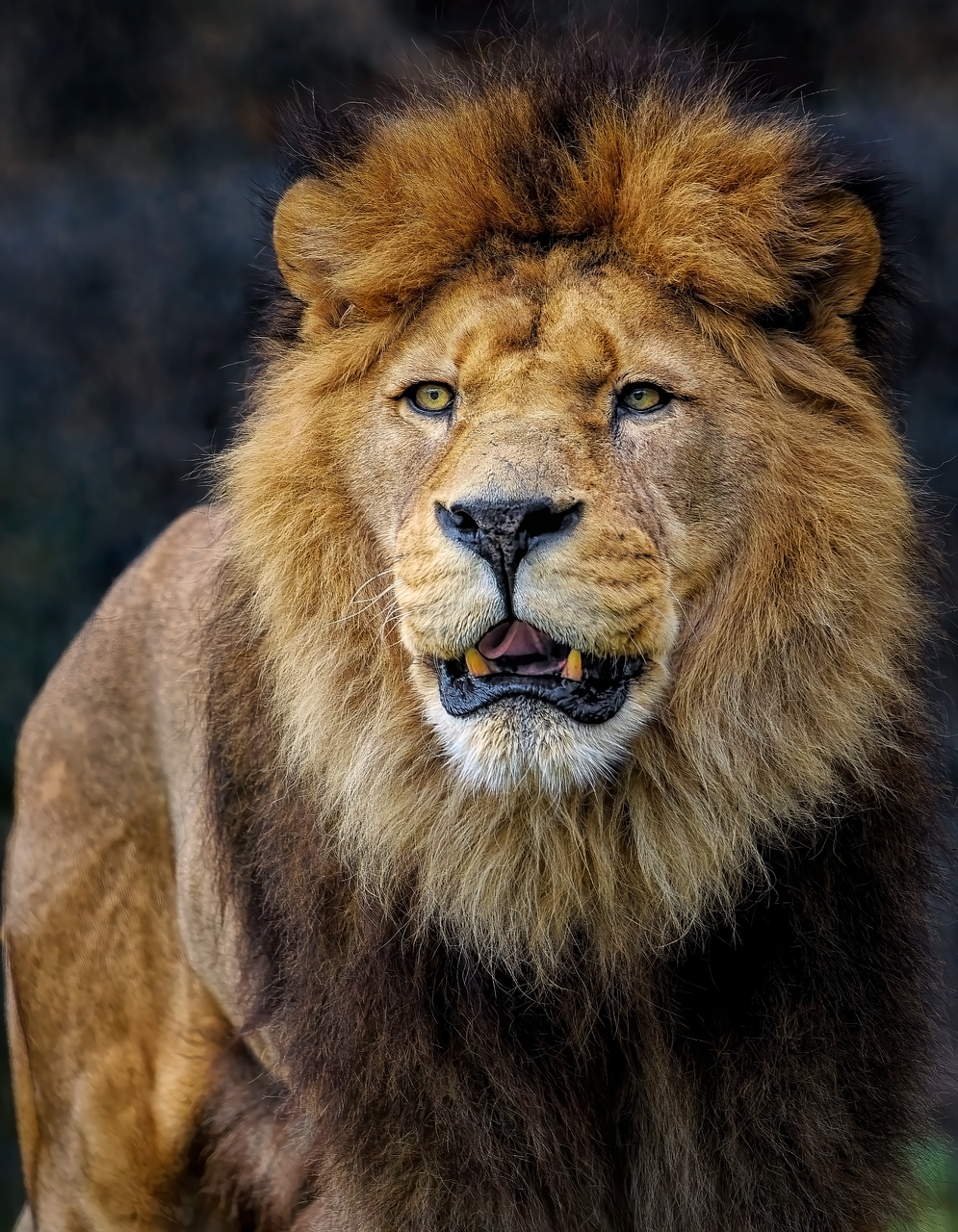
Ethiopian lions share their mountain home with gelada baboons, creating one of nature’s most unusual predator-prey relationships. These interactions have influenced both species’ behaviors in ways that scientists are still studying.
The complex relationship between these mountain dwellers adds another layer to the Ethiopian lion story. It’s a reminder that ecosystems are intricate webs where every species plays a crucial role in the survival of others.
Conservation Challenges at Altitude

Protecting Ethiopian lions presents unique challenges that don’t exist for their lowland cousins. The remote mountain locations make monitoring difficult, while human encroachment into highland areas threatens their habitat.
Local communities have coexisted with these lions for generations, but changing land use patterns are creating new conflicts. Conservation efforts must balance the needs of both human and feline mountain dwellers.
Camera Trap Revelations

Modern technology has finally allowed researchers to peek into the secret lives of Ethiopian lions. Camera traps placed throughout their range have captured behaviors never before documented, revealing the intimate details of their mountain existence.
These images show lions navigating terrain that seems impossible for such large predators. The footage has revolutionized our understanding of their capabilities and highlighted just how remarkable their adaptation has been.
The Rainfall Factor

Ethiopian highlands receive dramatically different precipitation patterns compared to typical lion habitat. The seasonal rains create lush green periods followed by harsh dry seasons, requiring lions to adapt their hunting and territorial behaviors accordingly.
These water cycles have influenced everything from prey availability to den site selection. Ethiopian lions have learned to read the mountain weather patterns like a survival manual written in clouds and rain.
Altitude Adaptations in Action

Living at high altitude affects every aspect of life, from oxygen availability to food digestion. Ethiopian lions have developed physiological adaptations that allow them to thrive where the air is thin and the living is tough.
Their cardiovascular systems work differently than lowland lions, pumping blood more efficiently to compensate for reduced oxygen levels. These adaptations represent thousands of years of evolutionary fine-tuning.
The Future of Highland Kings

As climate change alters mountain ecosystems worldwide, Ethiopian lions face new uncertainties. Their highland refuge, once stable for millennia, now experiences shifting weather patterns that could impact their survival.
The future of these remarkable cats depends on our ability to understand and protect their unique mountain ecosystem. Their story reminds us that nature’s solutions to survival challenges often come in the most unexpected forms.
A Living Testament to Adaptation
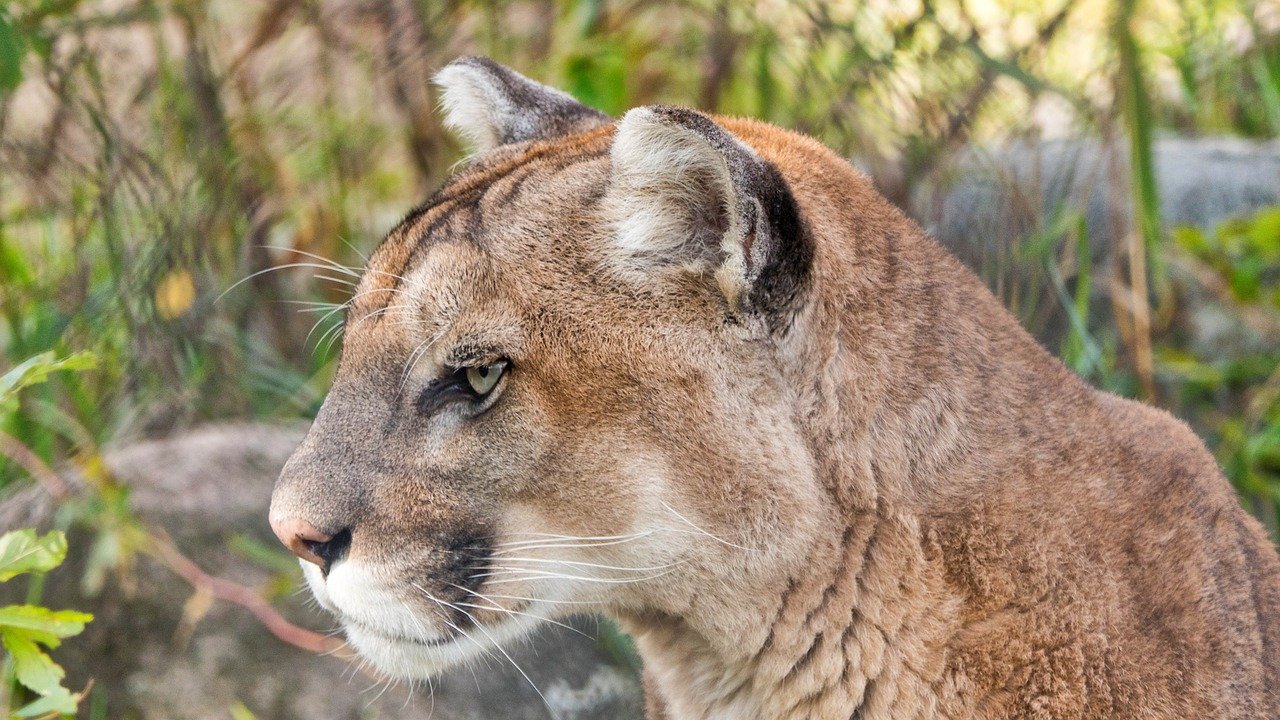
Ethiopian lions represent something profound about the natural world — the incredible ability of life to find a way in the most challenging environments. Their mountain kingdom serves as a testament to the power of adaptation and the importance of protecting Earth’s most unusual ecosystems.
These highland lions prove that wildness exists in forms we’re still discovering. Their story challenges our assumptions about where big cats can live and thrive, opening our eyes to the remarkable diversity of life on our planet.
Who would have thought that some of Africa’s most magnificent predators would choose to call the mountains home rather than the open plains?

Hi, I’m Bola, a passionate writer and creative strategist with a knack for crafting compelling content that educates, inspires, and connects. Over the years, I’ve honed my skills across various writing fields, including content creation, copywriting, online course development, and video scriptwriting.
When I’m not at my desk, you’ll find me exploring new ideas, reading books, or brainstorming creative ways to solve challenges. I believe that words have the power to transform, and I’m here to help you leverage that power for success.
Thanks for stopping by, Keep coming to this website to checkout new articles form me. You’d always love it!