Every cat owner knows that mysterious feeling when their feline friend fixes them with an intense stare across the room. That calculating look isn’t just your imagination running wild. Your seemingly innocent house cat might actually be planning their next strategic move against you. Let’s face it, cats are master manipulators wrapped in fluffy coats, and they’ve been perfecting the art of controlled chaos for thousands of years.
Understanding your cat’s secret language of mischief isn’t just entertaining entertainment. It’s survival knowledge for anyone sharing their home with these adorable little predators.
The Midnight Marathon Mode
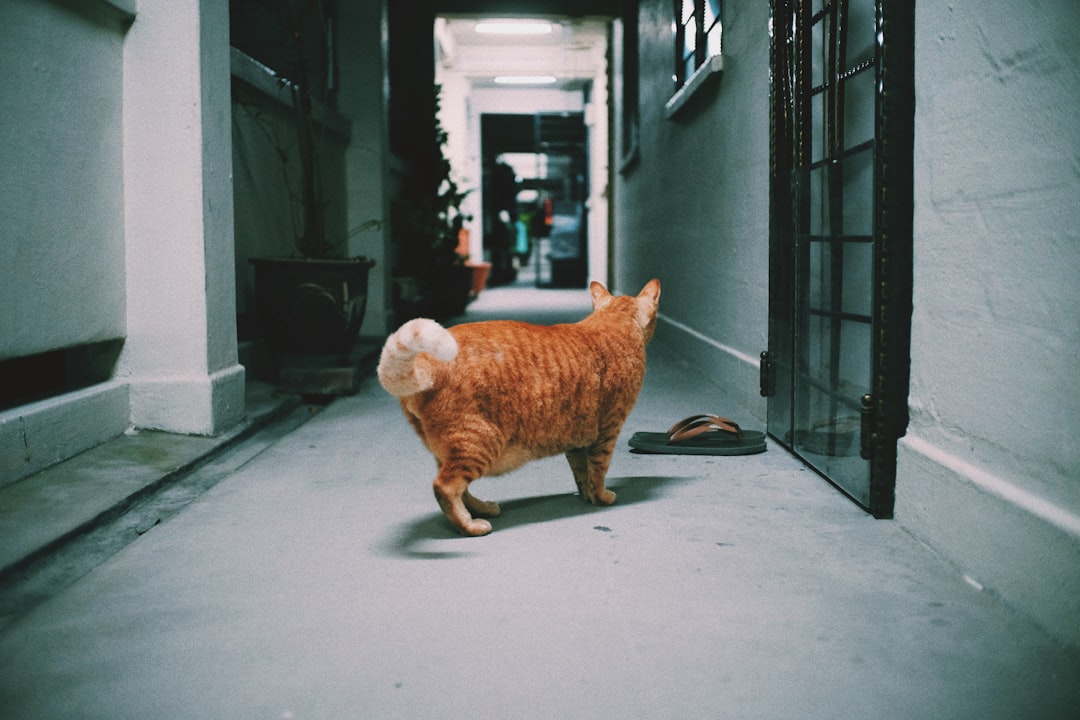
When your cat transforms into a furry tornado at 2 AM, racing through hallways like they’re training for the Olympics, you’re witnessing pure predatory instinct in action. Cats often get the zoomies to exert pent-up energy that they have from sleeping all day. Additionally, since cats are crepuscular (most active at dawn and dusk), their natural instincts are to hunt during twilight hours, which is another reason why your get will get more energetic after the sun goes down. These nighttime sprints aren’t random acts of insanity.
Since cats are crepuscular, meaning they are most active at dawn and dusk, it’s no surprise that many pet parents notice zoomies happening during the early morning or evening hours. Your cat has essentially been conserving energy all day like a coiled spring, and now they’re ready to unleash their inner hunter. The fact that you’re trying to sleep only adds to the entertainment value from their perspective.
Think of it this way: while you were busy working, your cat was plotting the perfect time to remind you who really runs the household. Even though our house cats don’t have to survive on hunting, they still have the instinct to be active and “hunt” at those times.
The Ankle Ambush Attack
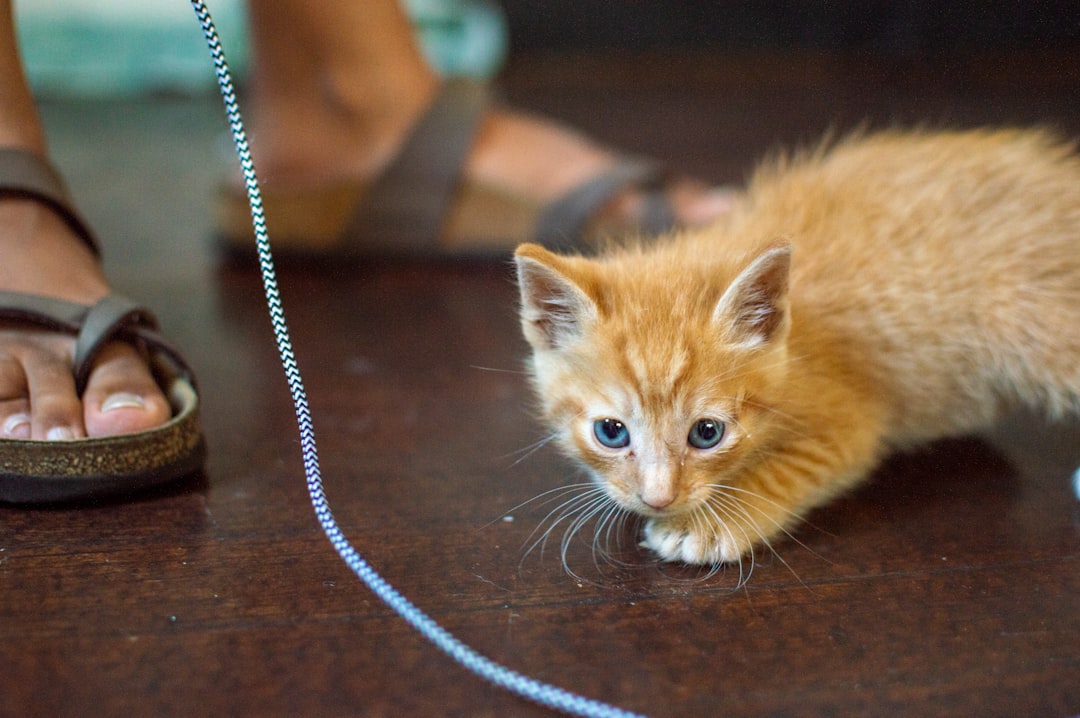
You know a cat is engaging in stalking behavior when you notice him walking and then suddenly crouching as he freezes midstep, ears flicked forward, tail twitching and eyes open wide with dilated pupils. Your innocent walk to the kitchen becomes a dangerous mission when your cat decides your ankles look particularly interesting today.
This isn’t just playful behavior. As ambush predators, cats need to stalk their prey and conceal their presence as best as possible to maximize the chances of success. Your moving feet trigger every hunting instinct they possess, transforming you into the perfect practice target.
A cat’s inability to carry out the predatory sequence often leads to trouble and I have seen my fair share of understimulated, bored cats who went through ankle ambushes, midnight zoomies, and general mischief. Make sure to therefore provide your cat with sufficient mental stimulation such as toys that simulate prey drive (feathers, strings, mice toys) and allow them to go through this sequence safely and satisfyingly.
The Calculated Stare
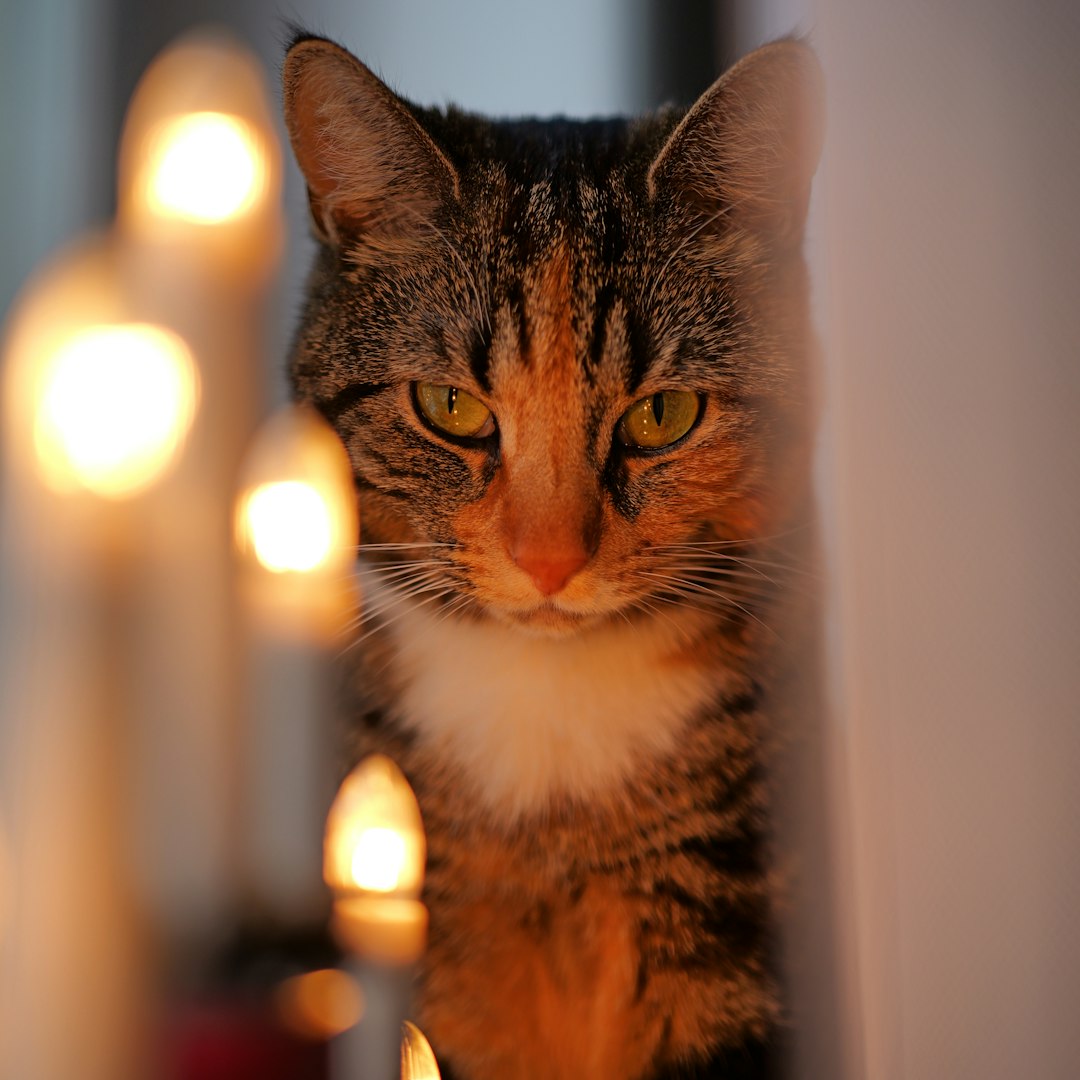
Cats will also stare intently at anything they perceive as a threat; this can be accompanied by a wide range of fearful or aggressive body language signs such as an arched back, erect fur, and flattened ears. When your cat locks eyes with you from across the room with that intense, unblinking gaze, they’re not just admiring your beauty. That stare is pure predatory focus.
Cats forecast their intentions and next moves by pointing their body in the direction they are likely to go. If those calculating eyes are pointed directly at you, congratulations – you’ve been marked as the next target for their entertainment. This isn’t the soft, loving gaze of a content kitty.
The dilated pupils and forward-positioned ears that often accompany this stare are dead giveaways. Your cat is essentially saying, “I see you, I’m watching you, and I’m planning something delightfully diabolical.” The longer the stare continues, the more elaborate their scheme is likely to be.
The Tail Telegraph System
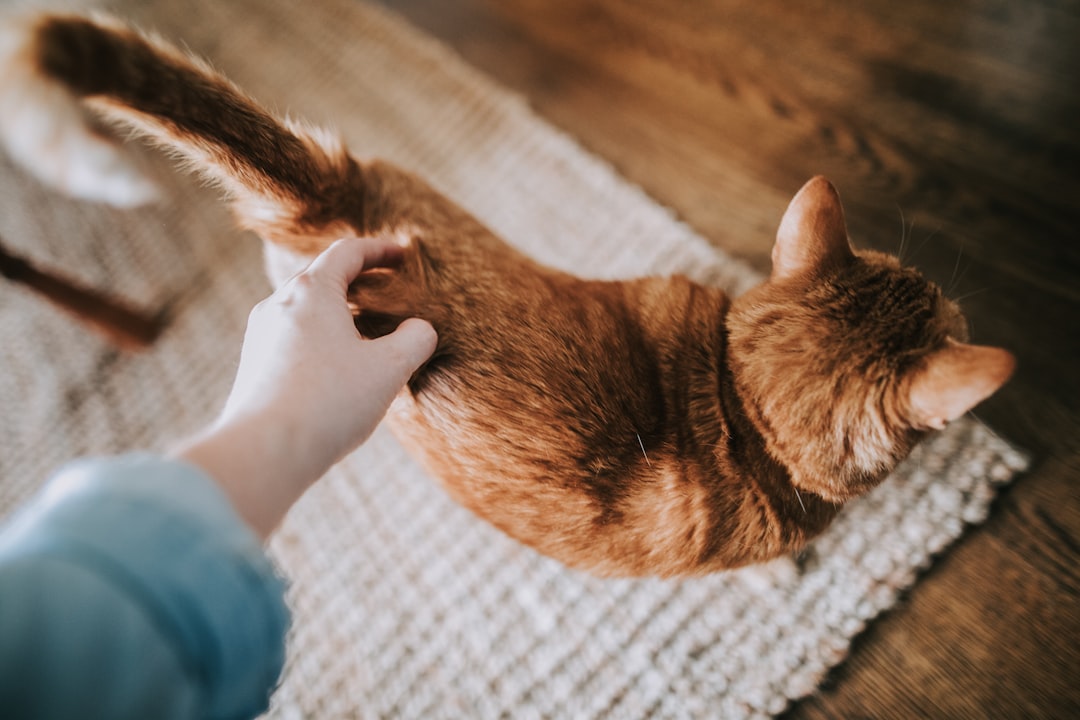
Cats who are engaged in hunting behaviors will often flick their tail from side to side as they watch whatever is captivating their attention. (However, a flicking tail when the cat is not stalking something most likely means that the cat is annoyed.) Your cat’s tail is like a mood ring that broadcasts their intentions to anyone savvy enough to read the signals.
The thrashing tail generally means ‘stop what you are doing or I am going to get angry and might bite you.’ She adds that when the tip of the tail is wagging, it is often a sign your cat is ready to pounce on their favorite toy, or perhaps on your leg. That innocent-looking tail twitch isn’t innocent at all.
When that tail starts swishing with increasing intensity, you’re essentially watching a countdown timer. The faster the movement, the closer you are to becoming the target of whatever mischievous plan is brewing in that furry little brain.
The Strategic Positioning Ploy
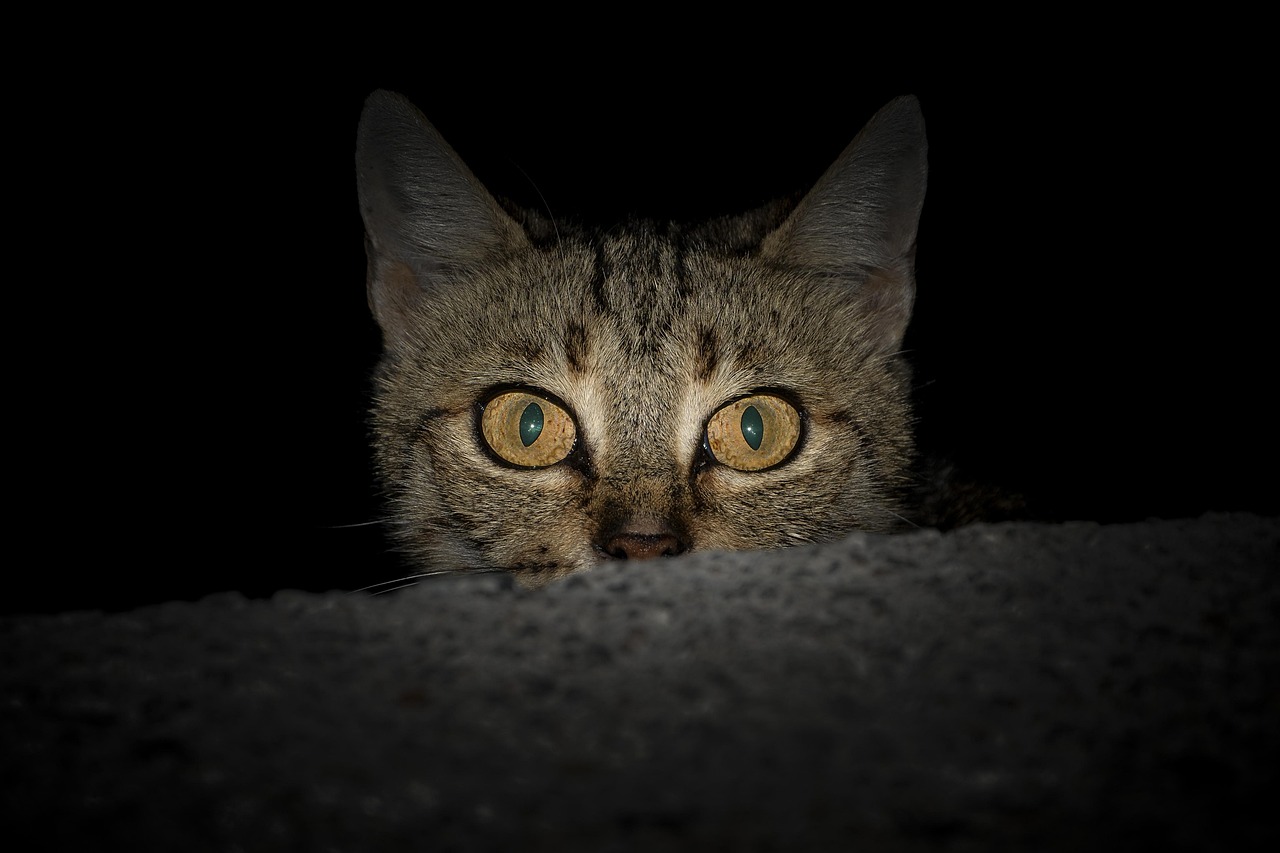
When a cat detects potential prey, his predatory sequence of behaviors starts with silent stalking, watching and waiting for the perfect moment to strike (his rear end might wobble from side to side and his tail might twitch). Notice how your cat always seems to appear in doorways, around corners, or under furniture at the most strategic moments? This isn’t coincidence.
Your feline mastermind has spent considerable time mapping out the perfect ambush points in your home. They know exactly which routes you take most frequently and where you’re most vulnerable to surprise attacks. That adorable cat hiding behind the couch leg isn’t just playing hide and seek.
If your cat is a tiger, he might be similar to a lion in his stalking behavior, but instead of hiding inside a dark play tunnel, this cat will more likely peer around corners and from behind furniture. Instead of a quick ambush, this kitty will slowly stalk up to their prey and then pounce from close by. Your living room has become their personal hunting ground, and you’re the main attraction.
The Chattering Conspiracy
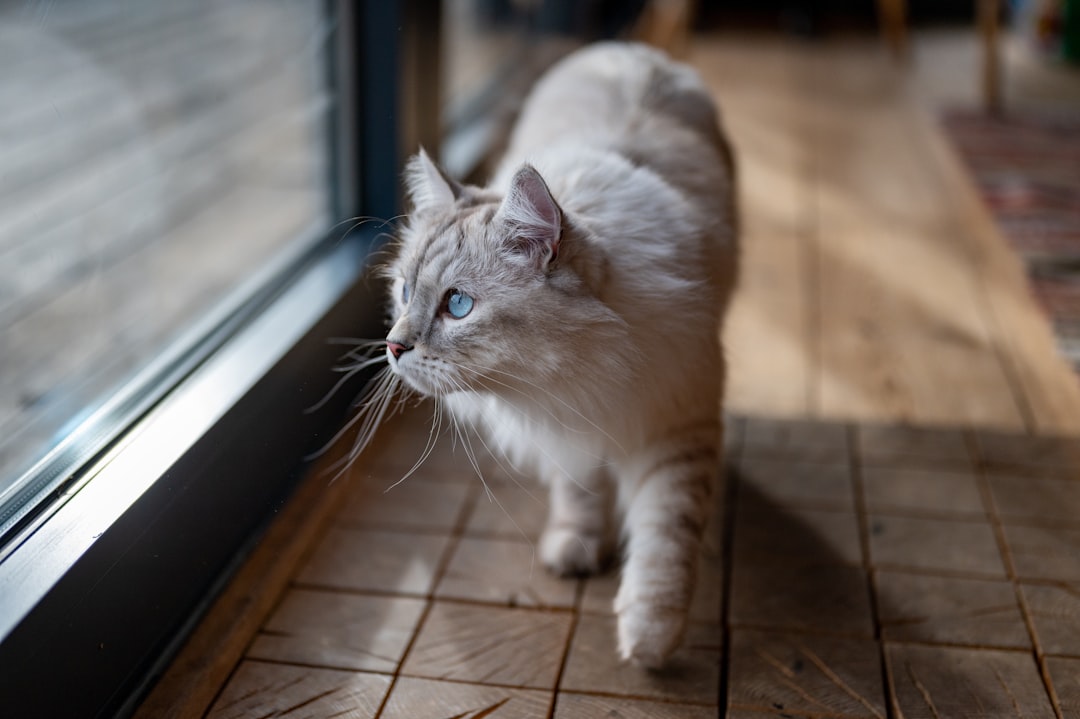
Chattering – This occurs when hunting or tracking potential prey. This consists of quick chirps made while the mouth vibrates. This behavior may be in response to a surge of adrenaline or may be caused by the anticipation of a pending hunt. When your cat starts making those strange chattering sounds while staring out the window or at you, they’re not just being talkative.
This vocalization is actually practice for the killing bite. Cats kill by biting the neck where the skull joins the spine, severing the vertebrae with the dagger-like canine teeth. They grasp the neck and use a “chattering” movement to position their bite accurately. In fact, cats frustrated in the hunt (i.e., watching from a window as squirrels play outside) often exhibit this chattering behavior which is actually the killing bite, in reaction to seeing out-of-reach prey.
So when your kitty chatters at you, they’re essentially rehearsing their hunting technique. It’s both fascinating and slightly terrifying to realize your beloved pet is mentally practicing their ancient killing moves while sitting on your windowsill.
The Ears of Evil Intent
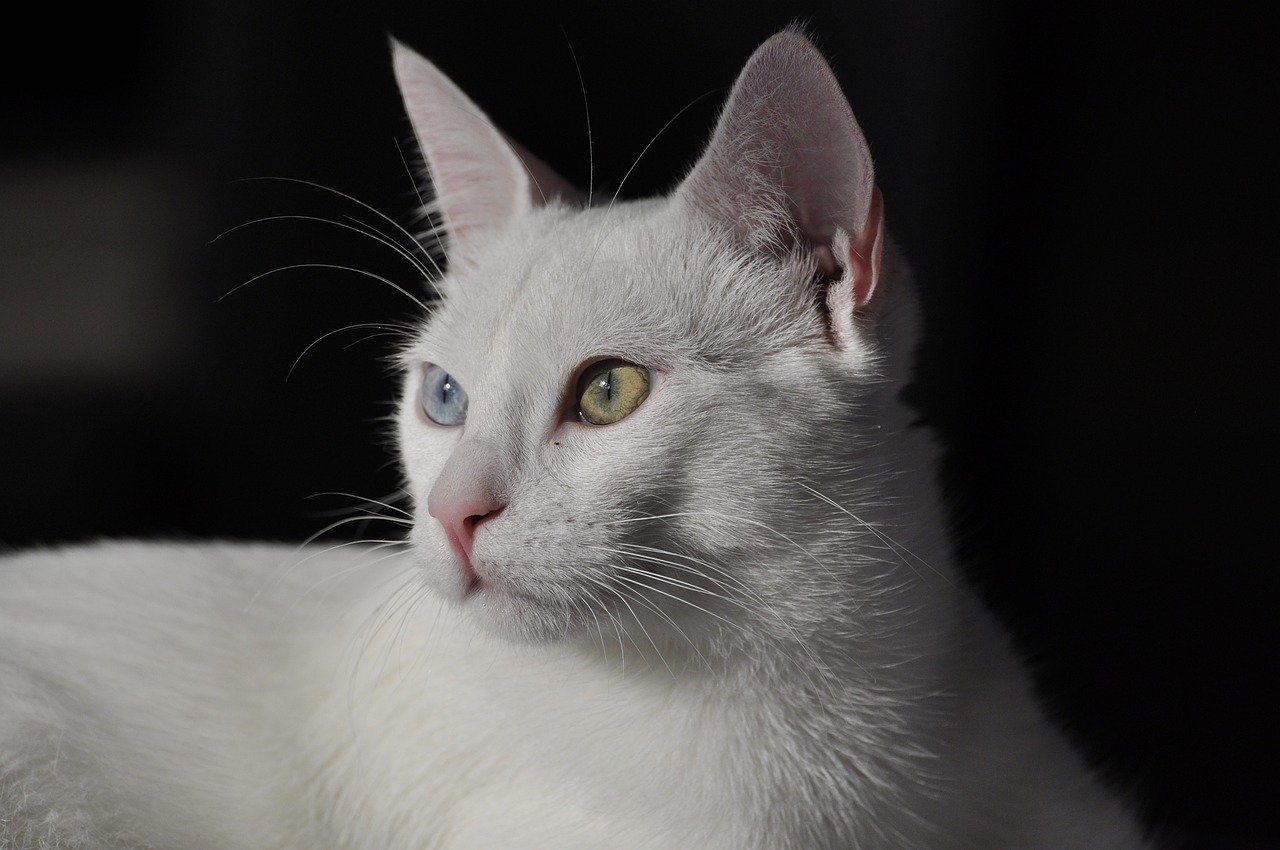
Ear position is another place to look for clues about a cat’s mood. Normal, forward ears indicate a cat that’s feeling confident, relaxed, or engaged. When a cat’s ears stand straight up, the cat is increasing their exposure, and you may be fooled into thinking it’s at ease; instead, sometimes the high, erect ear position indicates alertness or a desire to play. Those adorable pointy ears aren’t just for show – they’re sophisticated radar equipment.
When your cat’s ears swivel forward and lock onto you like tiny satellite dishes, they’re gathering intelligence. Did you know that a cat’s hearing is much more sensitive than your own, able to detect much higher frequencies? Their sensitive ears allow cats to distinguish how big or small a prey animal is and detect a wider range of species, predator and prey alike.
Forward-facing ears combined with dilated pupils and a low crouch means your cat is in full hunting mode. They’re calculating distance, timing, and the optimal angle of attack. Those ears have just locked onto their target, and unfortunately, that target might be you.
The Pounce Preparation Posture
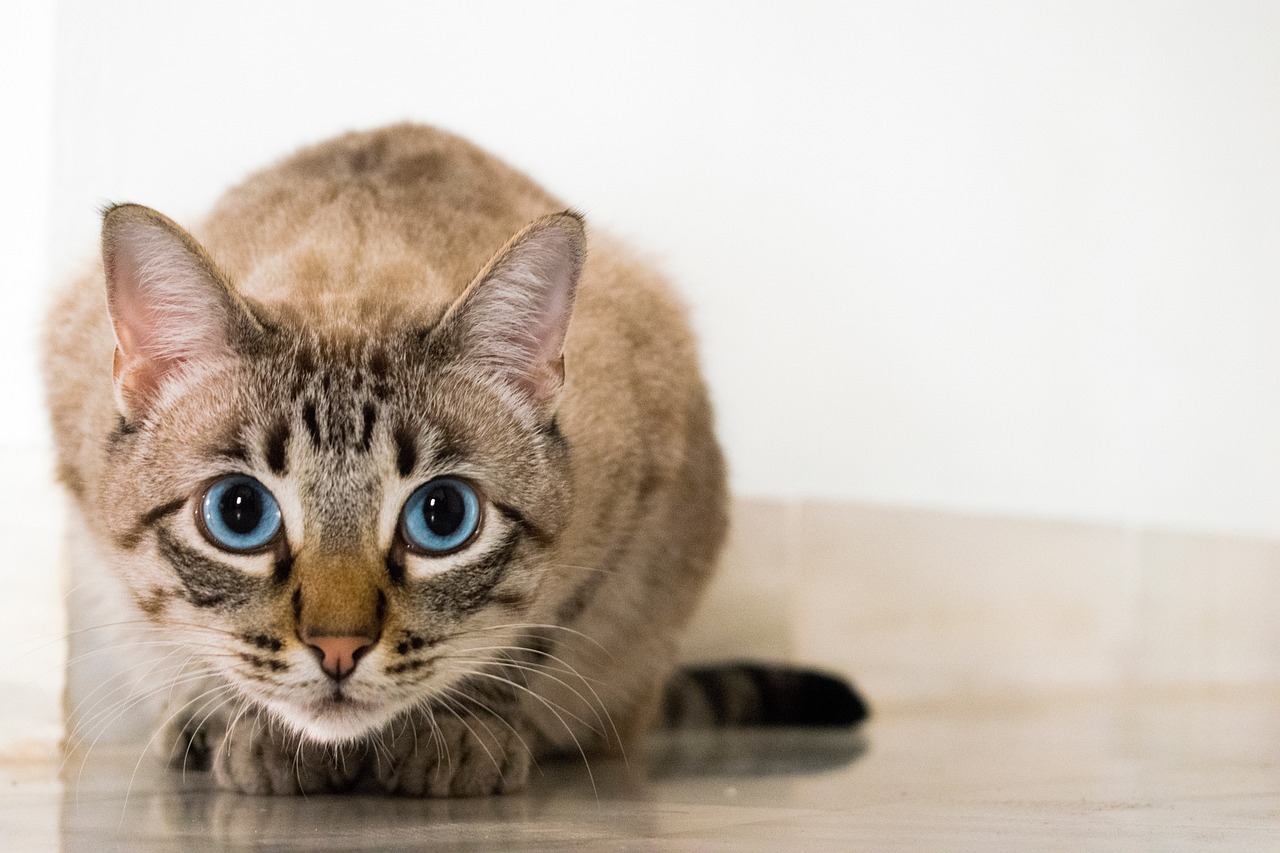
Playful cats’ pupils might dilate, and their eyes might get really wide. Their toes will spread apart – to gain traction for sudden movements – and their tail can get twitchy or flick from side to side, which can also be a sign that they’re annoyed or agitated. Watch for that telltale crouch where your cat lowers their body close to the ground while their hindquarters start doing a little wiggle dance.
This isn’t your cat getting comfortable for a nap. When they want to play, they may act like they are hunting by crouching down, wiggling their rear-end, and chasing, pouncing on, or grabbing hold of a toy. That wiggling motion is your cat calibrating their spring-loaded launch system for maximum impact.
The wider their pupils get and the more intense that wiggle becomes, the more spectacular their upcoming pounce will be. It’s like watching a tiny, furry missile preparing for launch, and you’re standing right in the target zone.
The Territorial Marking Mission
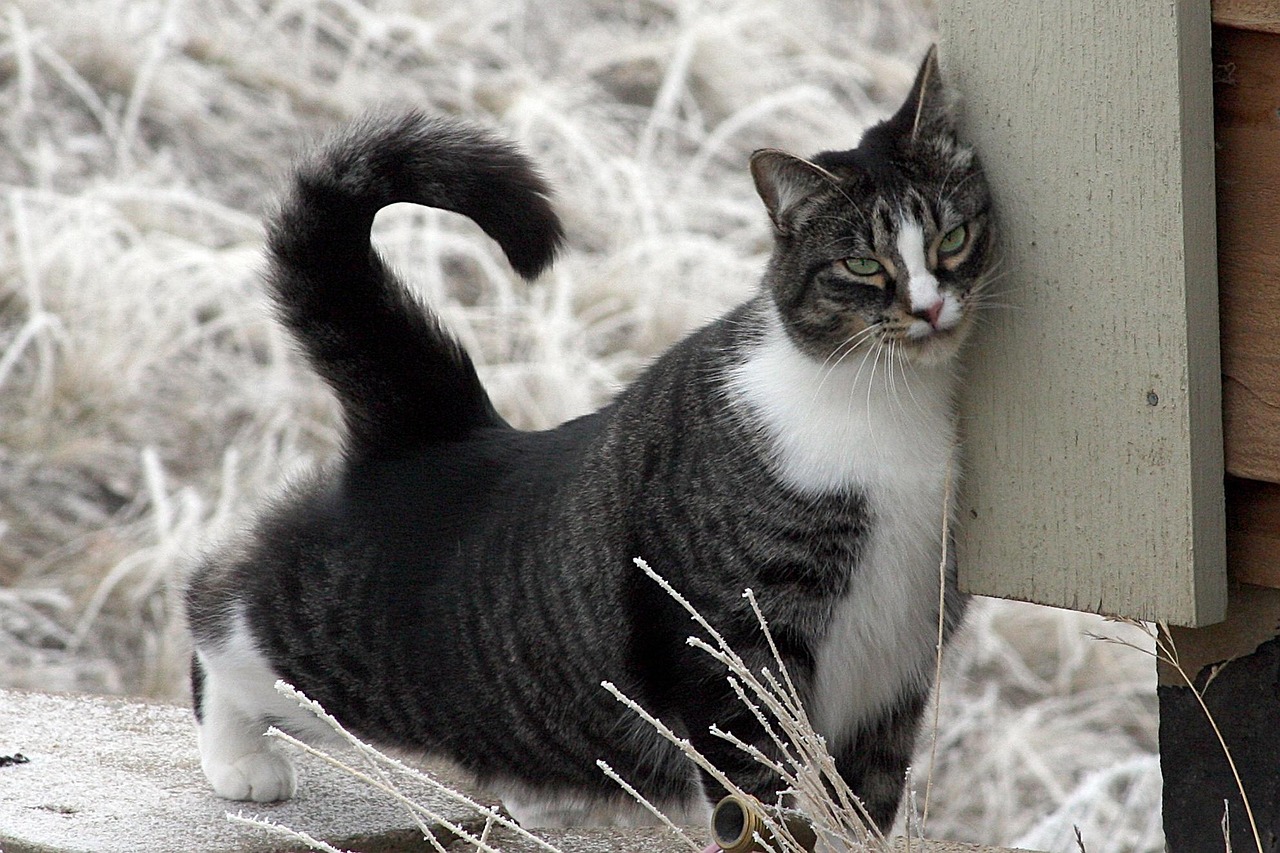
What they’re really doing is marking their territory. You’ll notice that they also rub the chair, the door, their toys and everything in sight. They’re telling everyone that this is their stuff, including you. When your cat rubs against you with that sweet, affectionate expression, don’t be fooled by the apparent tenderness of the moment.
This seemingly loving gesture is actually a calculated territorial claim. Your cat is essentially putting their scent signature all over you, marking you as their personal property. It’s like wearing a name tag that says “Property of [insert your cat’s name here].”
The more your cat rubs against you, the more they’re reinforcing their ownership claim. You’re not just a beloved human companion – you’re a prized possession in their expanding feline empire. Every head bump and cheek rub is another layer of “mine” being applied to your person.
The False Innocence Facade
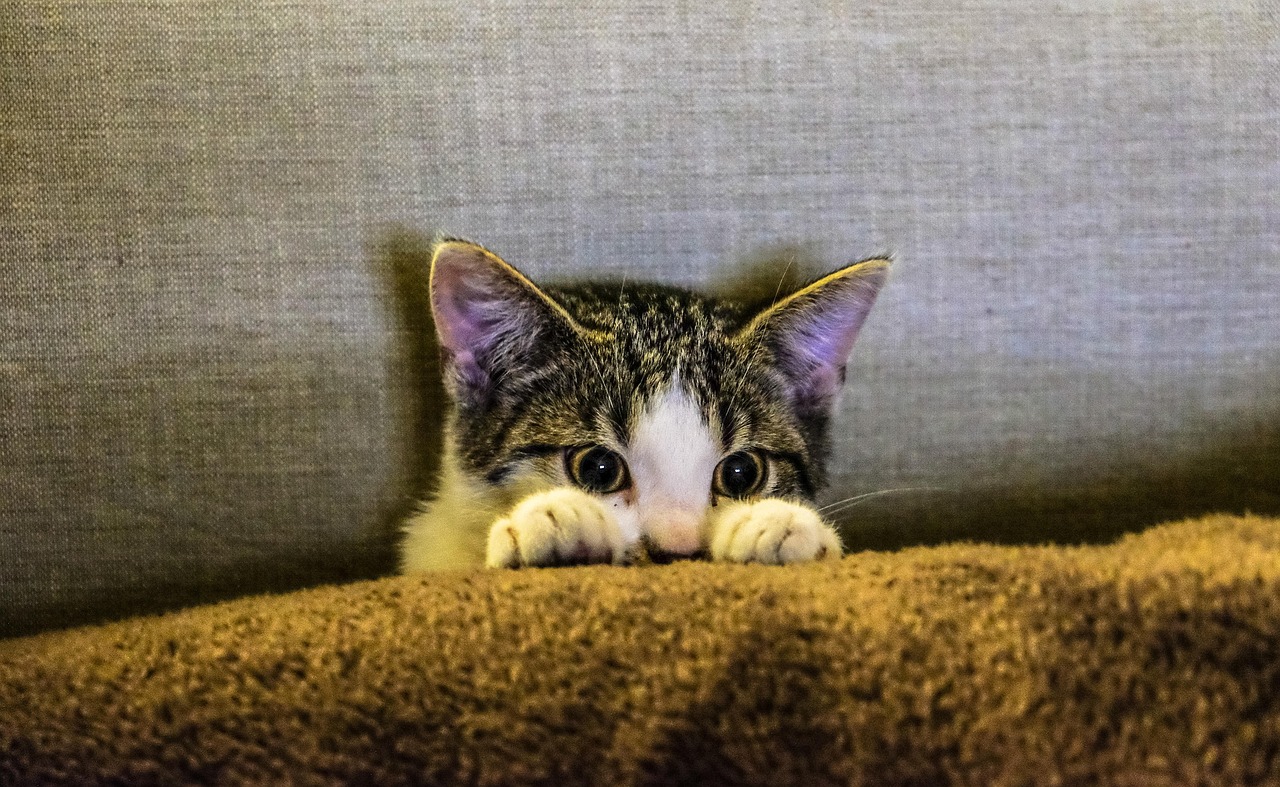
Unlike dogs, cats haven’t evolved to have lots of facial muscles, which means their faces aren’t as expressive as dogs. This is why it’s important to recognise even the smallest signs and changes in their body language because although they seem small, they say an awful lot. Your cat’s ability to look completely innocent while plotting maximum chaos is perhaps their greatest weapon.
That sweet, sleepy expression they wear right before launching into a full-scale assault on your curtains? Pure theatrical performance. But that shared DNA means your cute little kitty still has the instincts of a wild predator. You’d think that since your cat doesn’t need to stalk and hunt down prey to be fed, they would have lost the urge for the behavior, but it’s not that simple. Your cat’s body is built to be a stealthy predator, and their brain is naturally hardwired toward stalking, hunting, and pouncing.
Those half-closed, sleepy-looking eyes aren’t signs of contentment. They’re the eyes of a predator pretending to be harmless while calculating the perfect moment to strike. Your cat has mastered the art of looking like a cherubic angel right up until the moment they unleash their inner tornado.
Conclusion
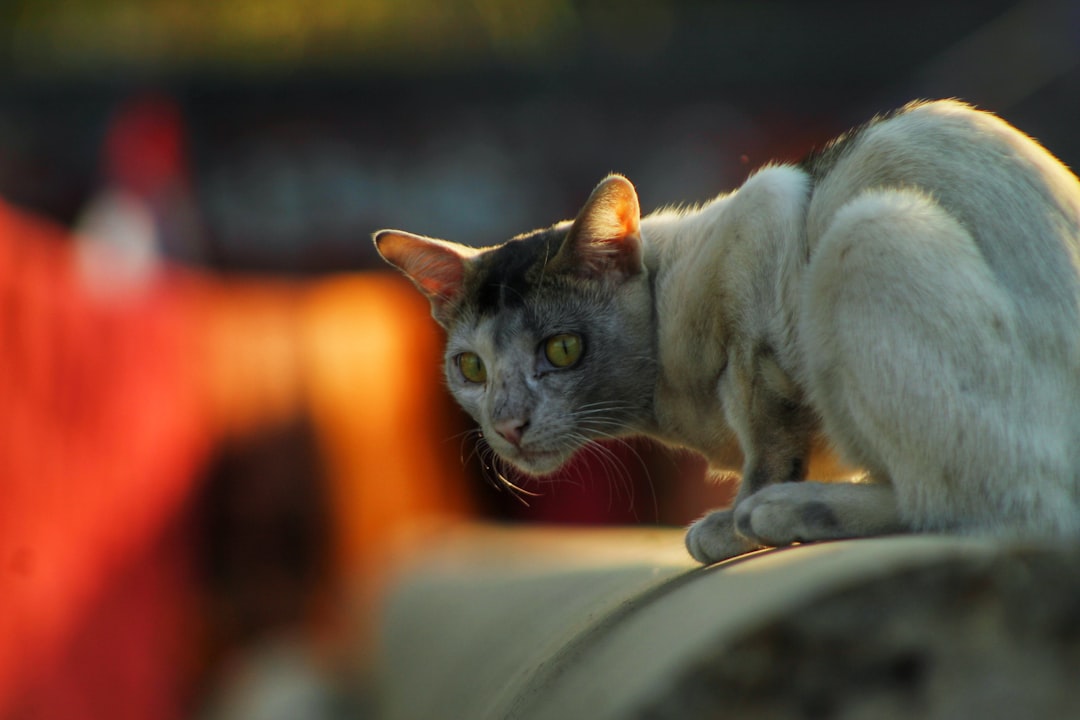
Understanding these subtle signals transforms you from an unwitting victim into a savvy participant in your cat’s elaborate games. Remember, While there are a few reasons that cats like stalking, the biggest reason is that it’s simply a part of their DNA. Since our domesticated kitties share so much DNA with big wild cats, stalking is an instinctive behavior they need to engage in. Your cat isn’t plotting against you out of malice – they’re simply following millions of years of evolutionary programming that tells them to hunt, stalk, and pounce.
The next time you catch your cat giving you that calculating stare or positioning themselves for the perfect ankle ambush, appreciate the magnificent predator sharing your home. These aren’t signs of aggression or hostility – they’re expressions of your cat’s natural brilliance and hunting heritage. By recognizing these behaviors, you can better engage with your feline friend’s needs and maybe, just maybe, avoid becoming the next victim of their midnight zoomies. What do you think – have you spotted your cat planning their next mischievous masterpiece?