Your cat remembers far more about you than you might realize. Despite their reputation for independence, cats possess remarkable memories that shape every interaction with their human companions. These memories form the invisible threads that bind your feline friend to you for life.
These memories aren’t just random bits of information stored away. They’re carefully curated experiences that determine how your cat views you, trusts you, and responds to your presence. Understanding what your cat remembers can transform how you bond with your furry companion.
Your Unique Scent Signature
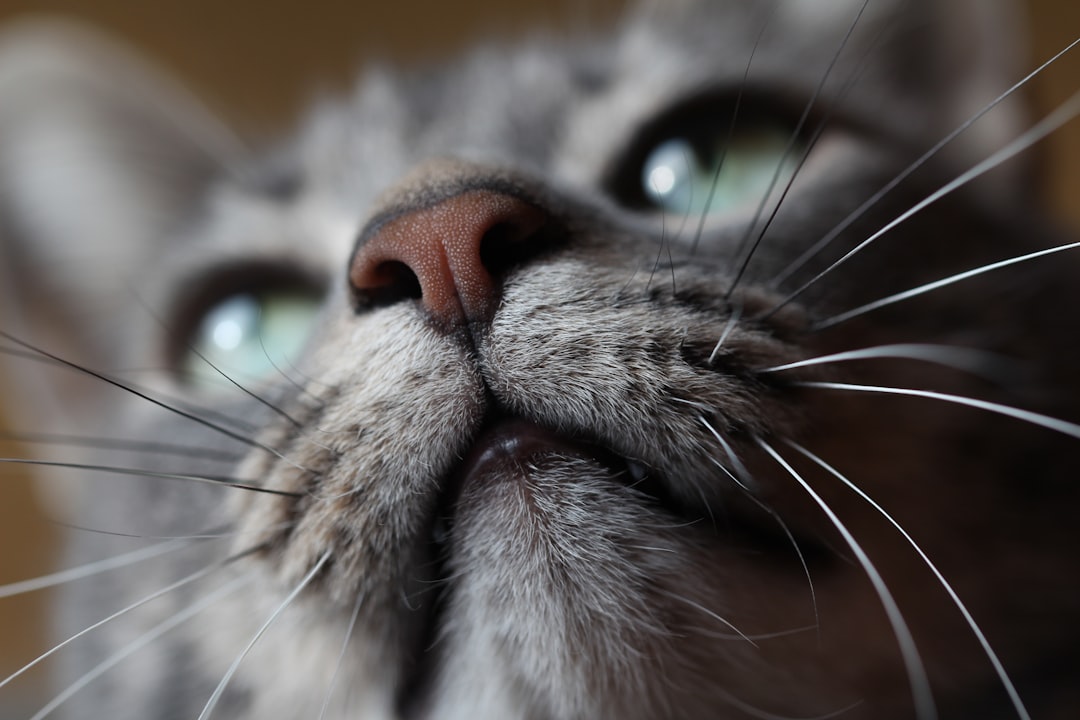
Cats have over 200 million odor receptors in their noses, while humans have about 6 million. This explains why cats rely heavily on their incredible sense of smell to understand their surroundings. Cats can detect a unique scent on human skin, which colognes or perfumes cannot mask. This means that as long as you are close enough for your cat to sniff you, they will recognize your scent.
Cats learn to recognize their owner’s voice, and human skin carries a unique scent to a cat, regardless of whether they’re wearing cologne. Your cat will leave its mark on you constantly. Every time your cat rubs its head or paws on you, it leaves a scent behind, marking you as a source of pleasure.
The Sound of Your Voice and How You Talk to Them
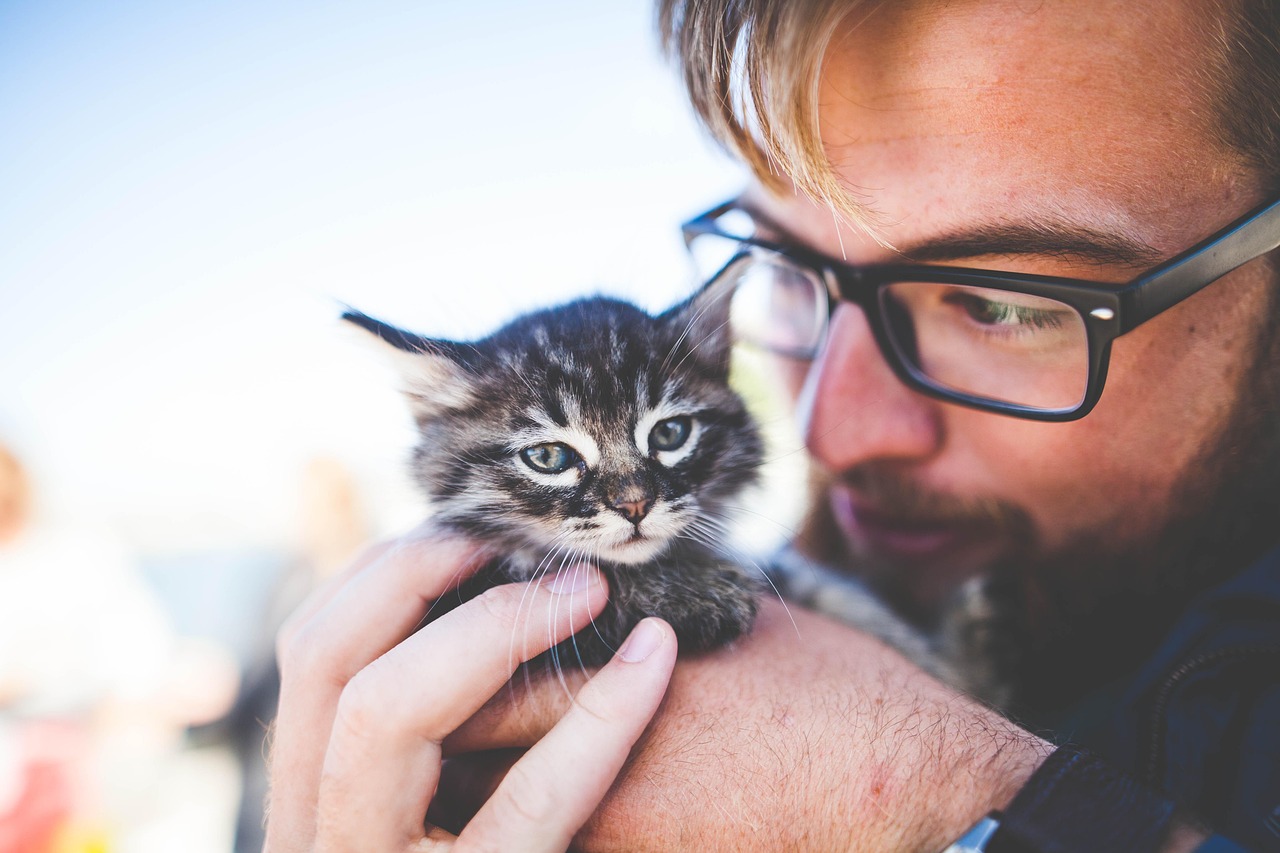
They can tell the difference between their owner’s voice and the voice of another person. A study in Animal Cognition has shown that cats can detect the subtle changes in their owner’s voice when they are talking to them, as opposed to having a conversation with another person. They are more likely to respond to this cat-directed speech.
When they heard a familiar voice, the felines responded in subtle but distinct ways, such as swishing their tails, pivoting their ears, and freezing while grooming. This indicated that the cats could recognize when their owners were talking to them, de Mouzon says. Research suggests that cats may respond to cat-directed speech – the high-pitched, affectionate tone many owners naturally use. This highlights how vocal memory strengthens human–cat bonds.
Your Daily Routines and Feeding Schedule
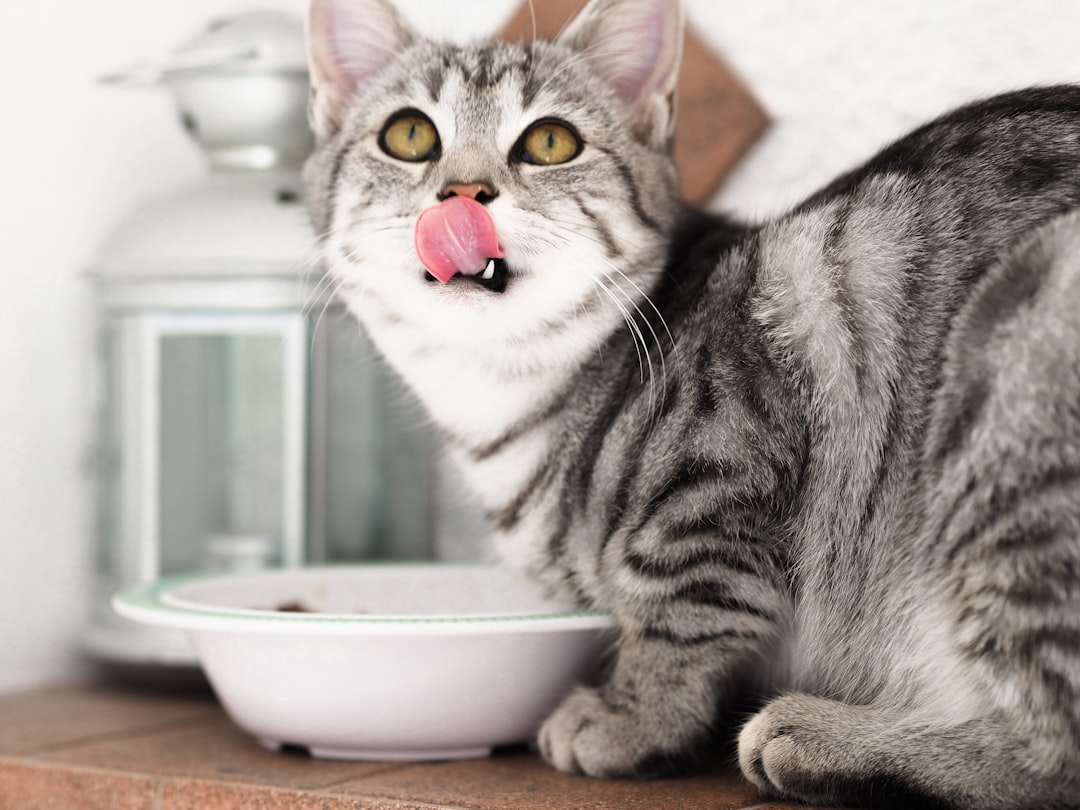
Cats often form strong associations with their feeding routine. For example, the sound of a can opener or the crinkle of a treat bag can signal mealtime, reinforcing their sense of predictability. The food bowl is filled at the perfect time. If it isn’t, we’re alerted and put in our place for not doing our job.
This is all due to their internal clock, which, oddly enough, adapts to the life you set forth for them. Cats thrive on predictability. Feeding, playtime, and bedtime at regular hours help them feel safe and reinforce positive associations with you. If you serve your cat a meal at a certain time of day, they are going to remember they are supposed to eat at that time.
Times When You’ve Comforted Them
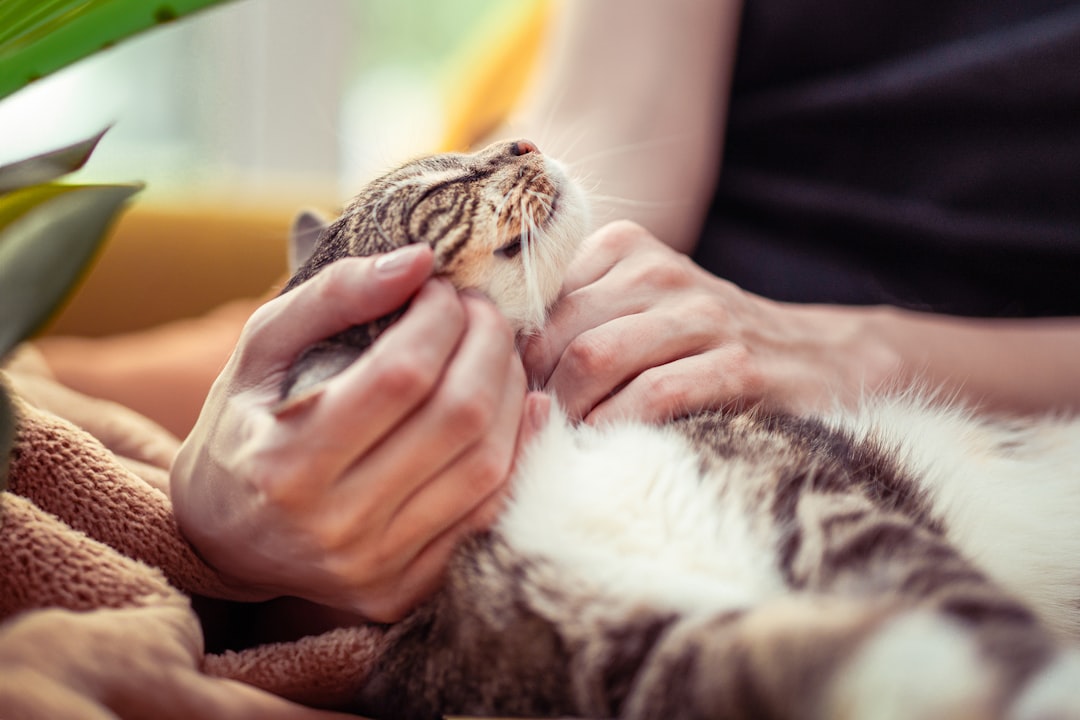
While limited studies have been done, they have shown that a cat’s memory is best when attached to a strong emotion. This emotion could be from the love they share with their family or even the role food plays in making their belly happy. When it comes to remembering happy memories, we first have to understand how cats register emotions. Research shows that cats are able to recognize and respond accordingly to certain human emotions like happiness and anger. With all this in mind, cats can remember the positive emotions they feel from their humans, and this only helps them to form attachments and encourages them to show their affection toward certain people.
Dr. Simon confirms this, saying that cats seek out human companionship and look to us for emotional security when they feel anxious or distressed. Being present – just hanging out around your cat – can serve to reduce your pet’s stress levels.
Your Touch and How You Pet Them
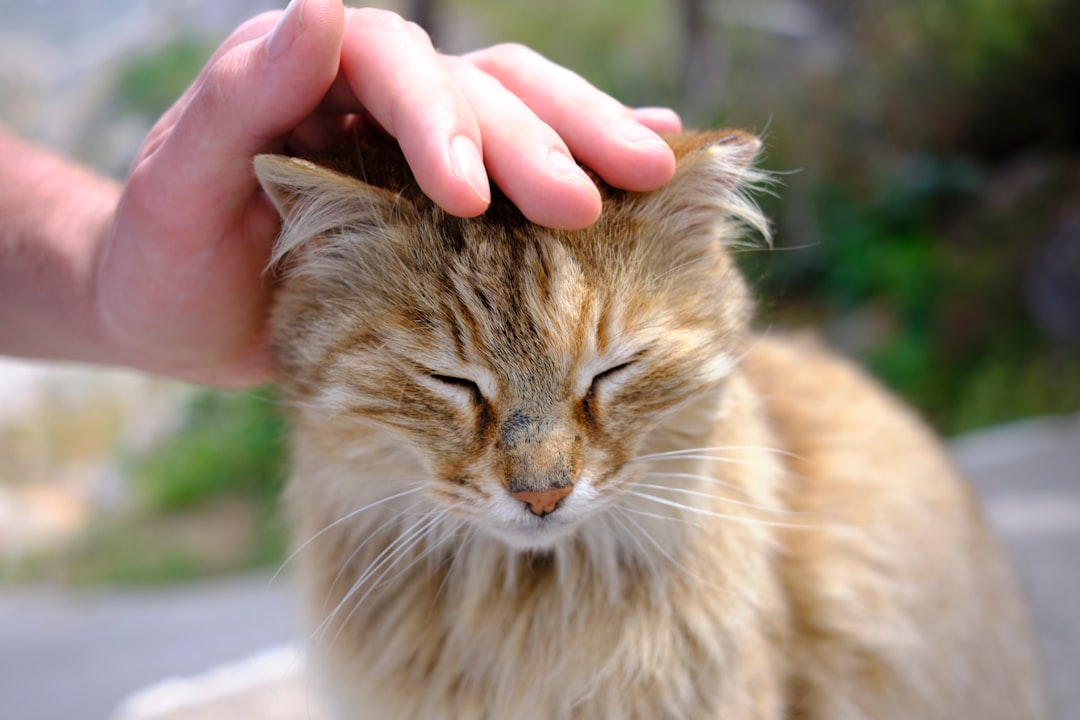
The way you pet, handle and interact with your cat can also be a unique identifier since cats can recognize the specific touch of different people. When you regularly play with your cat, they’ll start to associate your scent and voice with the positive bonding experience of playtime, and they’ll remember you for a long time.
As said, cats often reminisce about pleasant touches, warm food, feeding hands, and favorable hunting spots. Building a bond with your cat allows you to get to know their specific behaviors, and the more attention you devote to them, the more they’ll trust that they can rely on you. Every gentle stroke and affectionate pat becomes part of their emotional memory bank.
Places Where You’ve Played Together
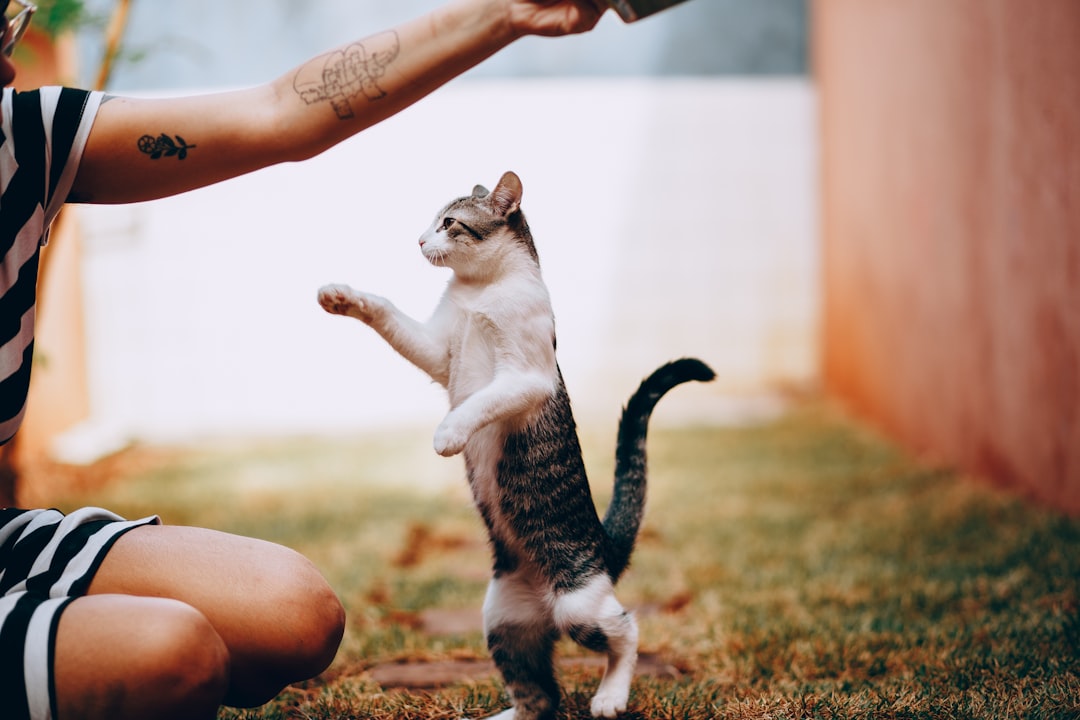
Cats have spatial memory, which allows them to remember the layout of their environment. They can also remember the location of objects and landmarks within their environment. This is why cats can navigate their way back home if they get lost. Cats have a good associative memory, which allows them to associate certain events or actions with rewards or punishments.
Thanks to their incredible spatial memory, cats are able to remember the layout of their environment, including the location of their litter box, favorite sleeping spot, and any potential hazards. They create mental maps not just of physical spaces, but also of the emotional experiences tied to those locations.
Past Emotional Experiences Both Good and Bad
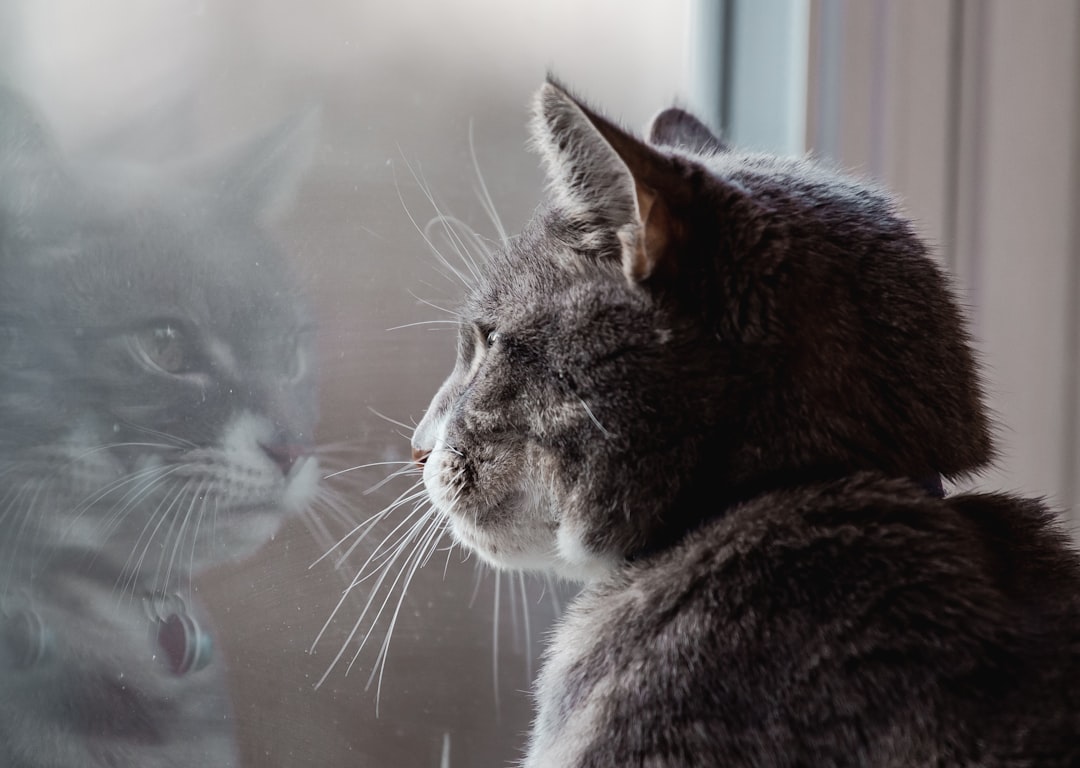
But it’s not just about forming positive associations – cats also have long-term memories that allow them to form bonds with their owners, remember past experiences, and even hold grudges. If a cat has been mistreated, they will often remember the experience for years and have difficulty trusting humans again.
For instance, cats never forget the person, place, or any event that traumatized them or made them overjoyed. Cats can recall every good and bad encounter, whether it’s with a person or an object. Emotions can also be associated with negative experiences, such as abuse or neglect. In this case, cats adopted years after these negative circumstances might use these bad memories to associate people with pain. This can cause a cat to be less trusting, skittish, or even reactive toward those experiences that jog negative memories.
Your Footsteps and Walking Pattern

Your voice is so familiar to your cat, but even the pace of your steps or the sound of your feet on the floor might help your cat identify you. Each of us has a different stride and weight, creating varying sounds as we walk. This creates a unique acoustic signature that your cat commits to memory.
Your cat knows the difference between your heavy morning trudge to the coffee maker versus your light evening tiptoe around their sleeping spot. They can distinguish your hurried departure for work from your relaxed weekend stroll. These subtle patterns become part of how they recognize your approach from rooms away.
Times When You Left and Returned

Your cat may not count the days you’re gone, but it notices your absence, misses your scent, and quietly adjusts its behavior until you return. When you do, its “cold then warm” reaction isn’t indifference – it’s proof that it remembers, and that it cares deeply. Even if you are going on a month-long vacation, your cat will remember you.
However, even if your pet doesn’t recognize you right away, many cats will re-establish their bond with a former owner after a little time. And, as you can see from these tear-jerking true stories, many cats can remember their owners after years of separation. Long-term memory in cats can last for several years, and they can remember things like their owners’ faces, voices, and smells for many years.
Special Moments and Celebrations

Some research suggests that cats may be capable of storing episodic-like memories. They’re also able to remember pleasant experiences. Episodic memory is a form of long-term memory where cats remember specific events in detail. This allows cats to recall both the “what” and the “where” when investigating scenarios, especially surrounding food.
Your cat remembers that birthday when you shared a tiny piece of cake, the quiet Christmas morning when they sat on your lap while you opened presents, or the cozy evening when you both fell asleep together on the couch. These moments become treasured memories that shape their emotional connection to you. Good memories are meaningful for your cat and benefit their happiness and well-being, and a cat’s memory span could be their whole lifetime. So, don’t be shy about showing affection to your cat, spoiling them with treats, and creating positive experiences. Your cat will certainly appreciate them in the moment and is likely to continue to remember them as time goes on.
Conclusion

In the end, a cat’s memory is more than just a biological function – it’s the foundation of the bond you share. The love, routines, and care you give today become the memories that sustain your cat for years to come. Your feline companion is constantly building a detailed emotional archive of your relationship, storing away each gentle moment and meaningful interaction.
Understanding what your cat remembers helps us appreciate the depth of their emotional intelligence and the lasting impact of our daily interactions. What memories are you creating with your cat today? Tell us about your most treasured moments together in the comments.