Have you ever watched your cat carefully dig in the litter box, do their business, and then meticulously cover it up like they’re burying buried treasure? This fascinating ritual might seem odd to us humans, but it reveals one of the most important survival instincts your feline friend still carries from their wild ancestors.
Your cat’s bathroom habits aren’t just about keeping things tidy. They’re participating in an ancient behavior that once meant the difference between life and death. Let’s dive into the mysterious world of feline waste management to understand what really drives this quirky yet essential behavior.
The Survival Instinct Behind Burying Waste
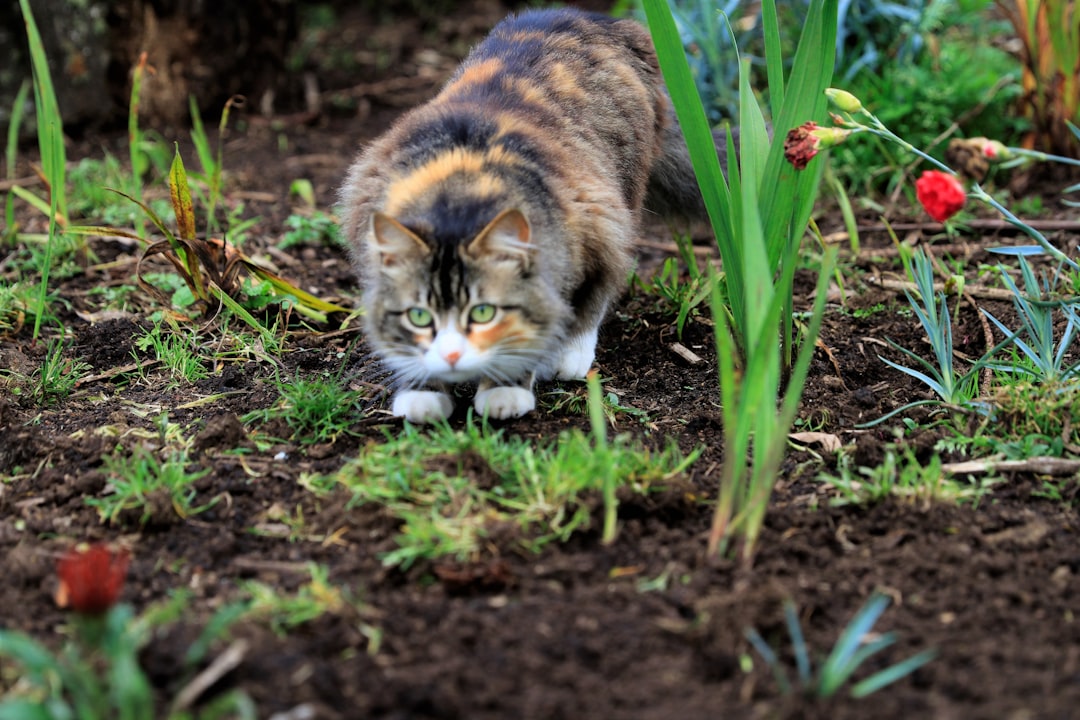
When your cat buries , they’re following an instinct designed to avoid attracting predators to themselves and their whereabouts. Your house cat may live in perfect safety, but their DNA still carries the wisdom of wild ancestors who faced real threats.
Wild cats were in the middle of the food chain, and burying their pungent cat poop was a protective behavior designed to conceal their whereabouts from larger predators such as leopards and other big cats. Think of it as nature’s version of covering your tracks.
Even though your living room doesn’t harbor any lions or tigers, domesticated indoor cats harbor the same strong, self-protecting instincts. Even though there are no predators in your home, your cat may not be so sure, and will bury its waste just in case. Your cat’s cautious nature has kept their species alive for thousands of years.
Maintaining Cleanliness and Hygiene
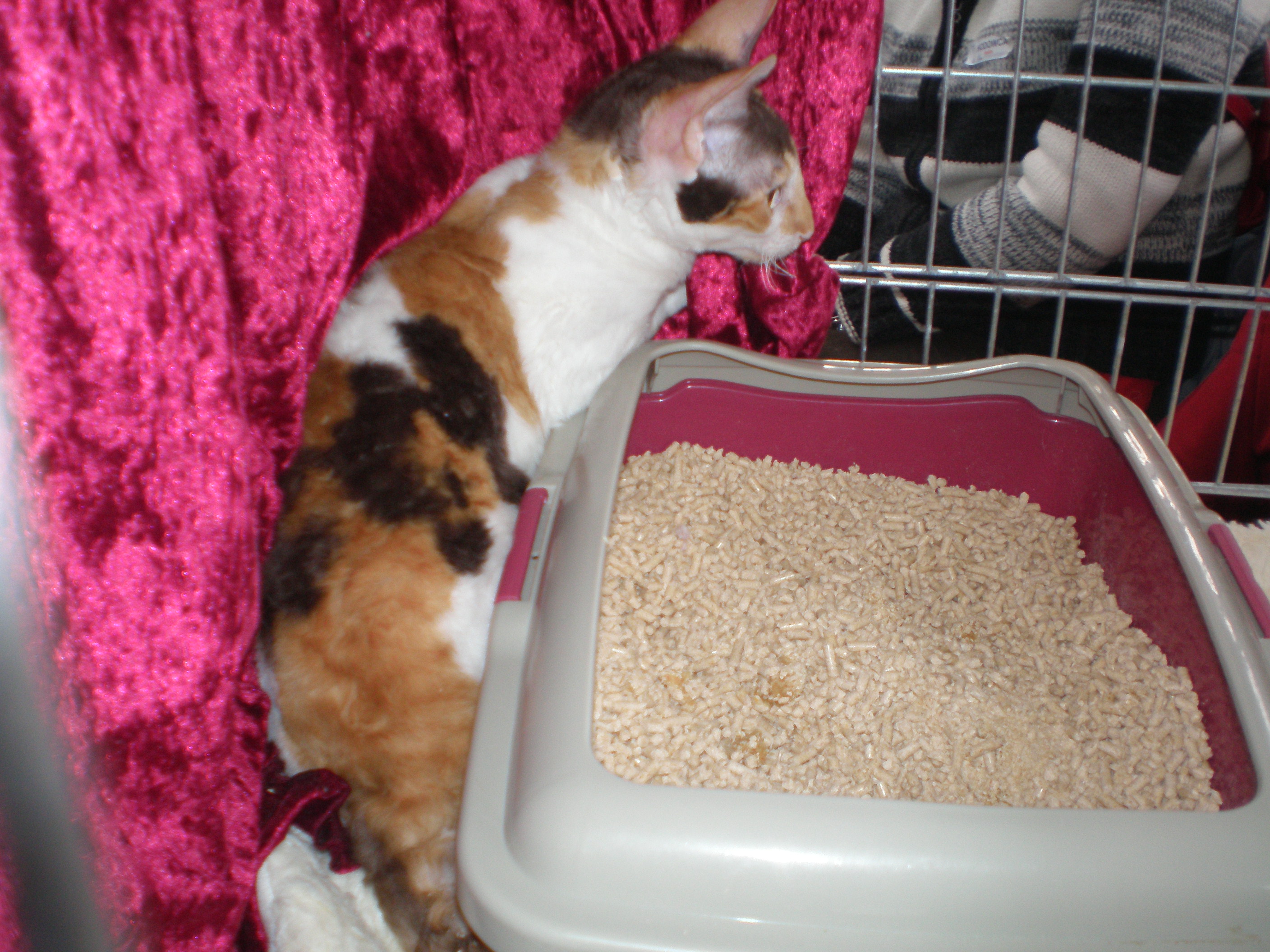
Cats are naturally fastidious creatures, and their waste-burying behavior serves important hygiene purposes. Burying poop is for hygiene. In the wild, leaving waste exposed can attract parasites and diseases. By burying it, cats reduce the risk of encountering these health hazards.
This behavior also keeps their living area clean, which is essential for a creature as meticulous as a cat. Your cat spends much of their day in their territory, so maintaining a clean environment directly impacts their comfort and well-being.
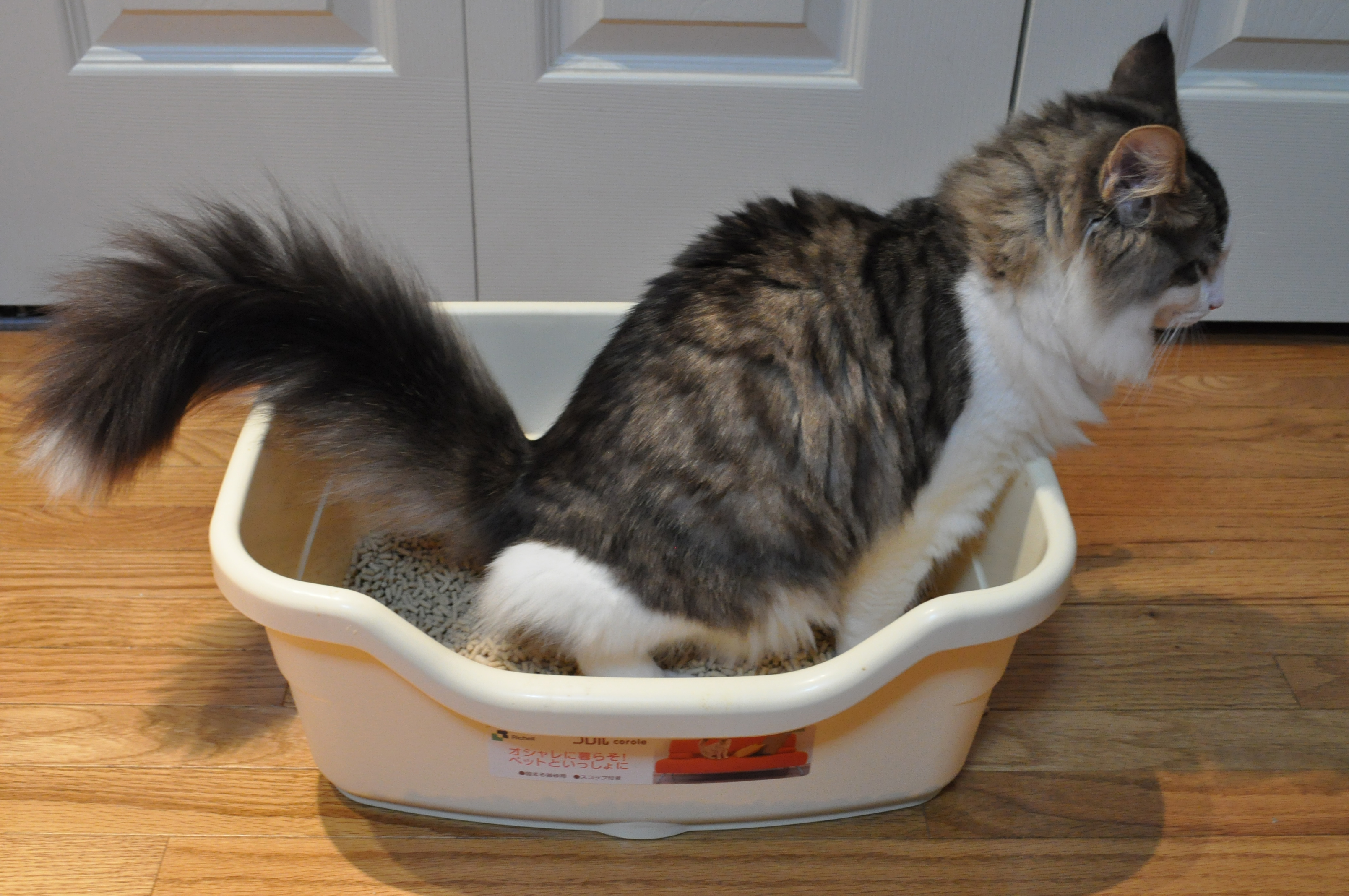
When cats poop, they tend to cover it well with litter to hide the smell. This allows them to carry out other behaviors around the home, such as eating, drinking, and playing, without the offending scent of feces in the air. It’s like having their own personal air freshener system.
Scent Communication and Territory Management
The act of meticulously burying their waste stems from cats’ long history of using urine and feces to mark their territory. Cat poop may all smell the same to us, but cats can tell their waste apart from another’s thanks to unique chemical scent markers called pheromones.
Your cat’s decision to bury or leave waste uncovered sends specific messages to other cats. Cats use scent in feces as a form of communication, and burying it often signals submission or a desire to avoid confrontation. It’s their way of saying they don’t want any trouble.
Poop is power in the animal kingdom. It carries scent markers packed with information: identity, health, and even emotional state. By burying it, cats reduce the risk of alerting rivals or predators to their presence. Your cat is essentially maintaining a low profile in their social world.
Dominance and Social Hierarchy
Not all cats bury their waste, and this behavior often reflects social dynamics. In the wild, dominant cats including those of the Panthera genus, such as lions, tigers, leopards and jaguars that are competing for territory often do not bury their excrement as a way of signaling that they want to claim a particular area. Smaller, weaker or more submissive wild cats bury their feces as a way of ensuring that dominant cats do not feel challenged.
In your home, similar dynamics play out. In cases where a cat wants to express dominance and claim territory, he may choose not to cover his poop as a signal to other individuals that he doesn’t feel threatened, and that the territory belongs to him. This might happen when you’re introducing a new cat to the household.
Your cat’s careful burying habits are also Fluffy’s way of saying that she recognizes you as the dominant “cat” of the house. In an undisturbed home, all domestic cats see themselves as subordinates of their human owners, so under normal circumstances, all domestic cats use litter trays or bury their feces in the garden.
Multi-Cat Household Dynamics
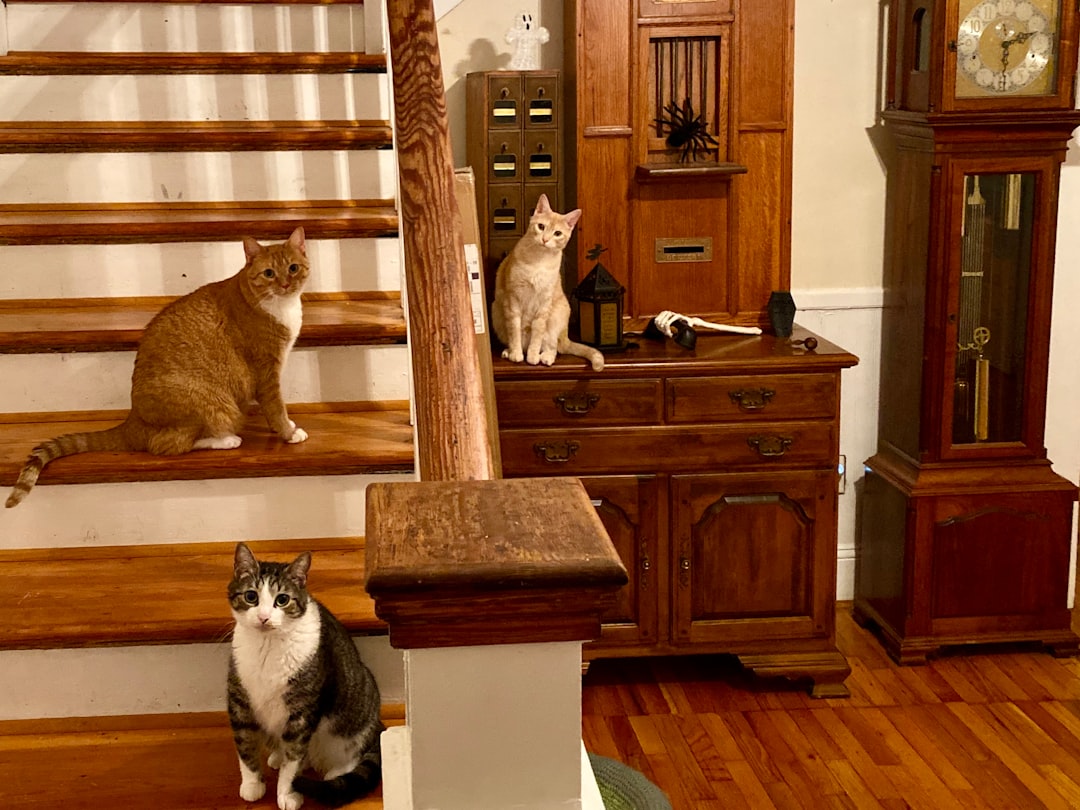
If you have multiple cats, you might notice different burying behaviors among them. In single-cat households, most cats will instinctively bury unless something is wrong. In multi-cat homes, however, things can get complex. If one cat always leaves their waste exposed, it could be asserting dominance. Meanwhile, the others may consistently cover theirs to avoid drama.
Litter box real estate becomes a key battleground for status, territory, and comfort. Experts recommend having at least one litter box per cat, plus one extra, to prevent turf wars. This setup gives each cat their own space while reducing territorial conflicts.
In multi-cat households, especially those with mostly indoor cats, this can be particularly relevant, as dominant cats can keep others away from the litter box. If you have a new cat, think carefully about the placement of the litter box – make sure there are enough boxes for all cats and that they are positioned somewhere with some privacy.
Health and Medical Influences
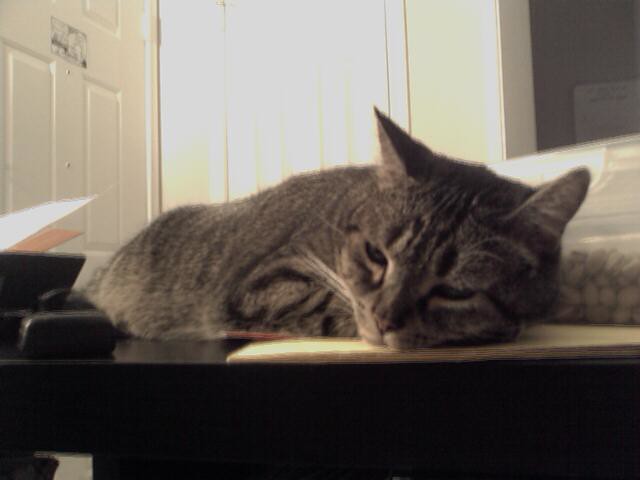
Changes in your cat’s burying behavior can signal health issues. Cats may also stop burying if they aren’t feeling well. This can happen during a variety of illnesses, from digestive diseases that cause diarrhea and vomiting to upper respiratory infections that may make your cat feel too tired to bother with the task. Cats in pain may also be too uncomfortable to bury well.
In some cases, abnormal toileting habits are a sign of a medical issue. For example, a cat suffering from arthritis may be in too much pain to climb into the litter box, and a cat with a paw injury may stop burying her poop. In addition, many major medical problems can cause inappropriate elimination, including hyperthyroidism, diabetes, kidney disease and more.
Elderly cats may also stop covering due to discomfort from arthritis or due to the cognitive decline that can happen with geriatric kitties (those older than 12 years). Regular veterinary checkups become increasingly important as your cat ages.
Environmental Factors and Litter Box Preferences
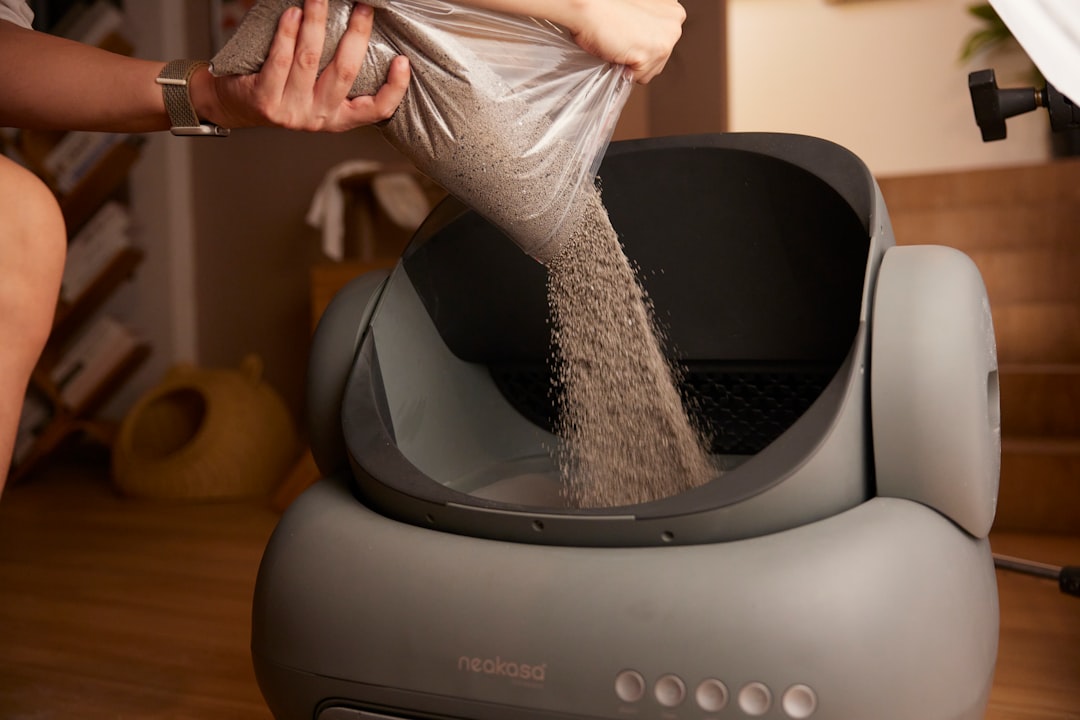
Your cat’s burying behavior heavily depends on their litter box experience. Cats like a clean litter box, so be sure to clean your cat’s tray at least once a day. Some cats may deposit right in front of the litter box if it’s not an appealing setup but they’re trying to get as close to it as possible.
Veterinary experts recommend that the litter box should be at least 1.5 times the length of your cat for her to fit comfortably. Johnson-Bennett notes that your cat may find a particular litter texture to be uncomfortable on her paws. The wrong setup can discourage natural burying behaviors.
If your feline friend has suddenly stopped covering , the reason might be related to their environment – specifically, their litter box. Factors like location, cleanliness, litter type, and box size all influence your cat’s comfort level and willingness to perform their natural burying ritual.
Understanding Your Cat’s Message

When your cat suddenly changes their burying habits, they’re trying to tell you something important. If your cat suddenly stops burying , don’t dismiss it as laziness. It could signal: Territorial assertion: Your cat may feel dominant or be reacting to a new pet. Medical issues: Painful conditions such as arthritis can make digging uncomfortable. Litter box aversion: Too small, too dirty, or scented litter might deter your cat from burying . Stress: Changes in routine or environment can disrupt normal behaviors.
When cats are experiencing a stressful situation, they may stop performing normal behaviors, including covering . Major life changes, new household members, or environmental disruptions can all trigger these behavioral shifts.
Sometimes, changes in this instinctive behavior can indicate stress or health issues. If your cat suddenly stops burying its poop, it could be a sign of discomfort or a medical problem. It’s important to pay attention to these changes, as they can be subtle indicators of your cat’s health and well-being.
Your cat’s poop-burying behavior represents millions of years of feline evolution packed into one simple daily ritual. Whether they’re following ancient survival instincts, maintaining their reputation as the cleanest animals on the planet, or communicating complex social messages, your cat’s bathroom habits reveal the sophisticated creature behind those innocent eyes. The next time you see your feline friend carefully covering their business, remember you’re witnessing one of nature’s most enduring survival strategies in action. What do you think about your cat’s mysterious bathroom rituals? Share your observations in the comments below!