There’s a particular kind of quiet that settles over you when you’re having a rough day. You might be curled up on the sofa, staring at nothing, and within minutes your cat is there. Not demanding food. Not knocking something off the shelf. Just there, pressed gently against your side. It doesn’t feel like coincidence, and according to a growing body of research, it probably isn’t.
Cats have long been miscast as indifferent companions, the supposedly self-serving counterpart to a loyal dog. Yet science has been quietly dismantling that reputation for years. Recent research suggests that cats may be more attuned to human emotions than previously thought, showing that they react to their owners’ visual and vocal signals and adjust their behavior based on human emotions. The picture that’s emerging is genuinely fascinating, and it says a lot about the depth of the bond you share with your cat.
The Science Behind Your Cat’s Emotional Radar
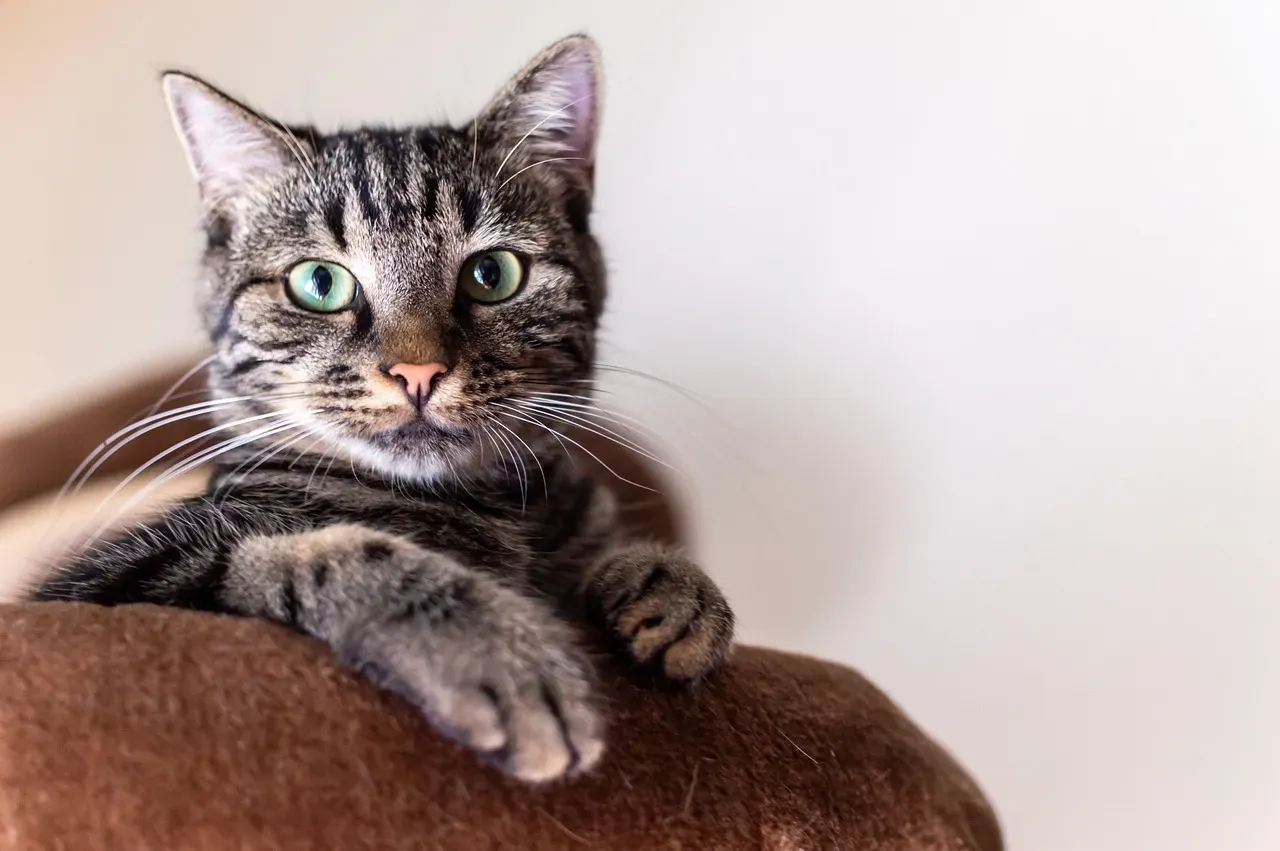
Based on a study regarding emotion recognition in cats, it was demonstrated that cats are able to recognize both feline and human emotions through auditory and visual observations. This isn’t a vague or anecdotal claim. It’s been tested, observed, and documented across multiple research settings. Your cat is paying more attention to you than you might have realized.
While cats don’t experience emotions exactly like humans, they have developed sophisticated mechanisms for emotional recognition. Their ability to detect sadness is not pure empathy but a learned response developed through years of social interaction with humans. Think of it as a form of emotional literacy that your cat has built specifically around you, your moods, and your patterns.
How Your Cat Picks Up on Scent Cues
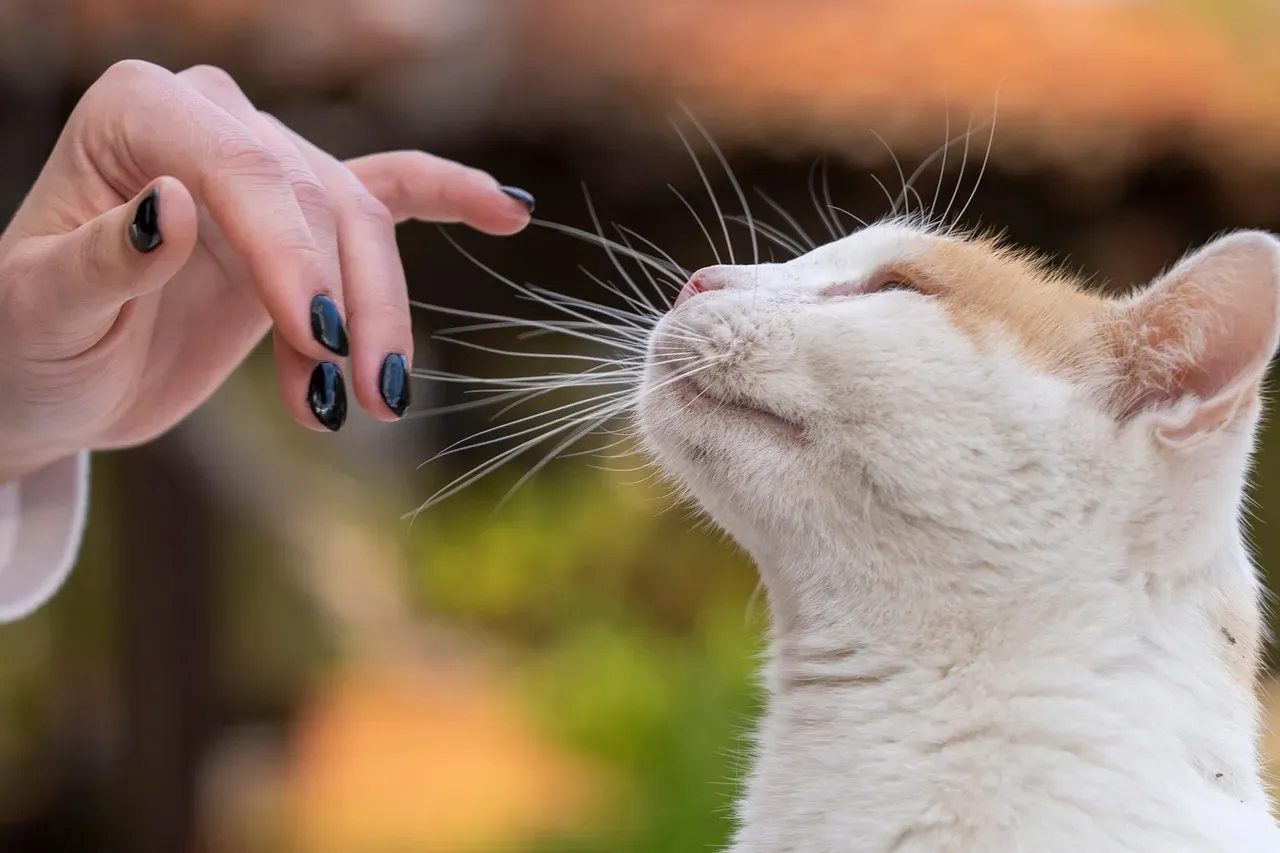
Odor plays a central role in the social behavior of domestic cats, and researchers from the University of Bari Aldo Moro in Italy explored this by examining how cats react to human odors associated with different emotional states, including fear, happiness, physical stress, and neutral. The findings were striking. Your cat isn’t just watching you; they’re literally smelling how you feel.
Cats relied on their right nostril more when displaying severe stress behaviors while smelling “fear” and “physical stress” odors. Since the right nostril connects to the right hemisphere of the brain, responsible for processing arousal and intense emotions, this suggests that these odors trigger a higher emotional response in cats. In practical terms, this means that when your body chemistry shifts under emotional distress, your cat registers that shift on a biological level.
Reading Your Face and Voice
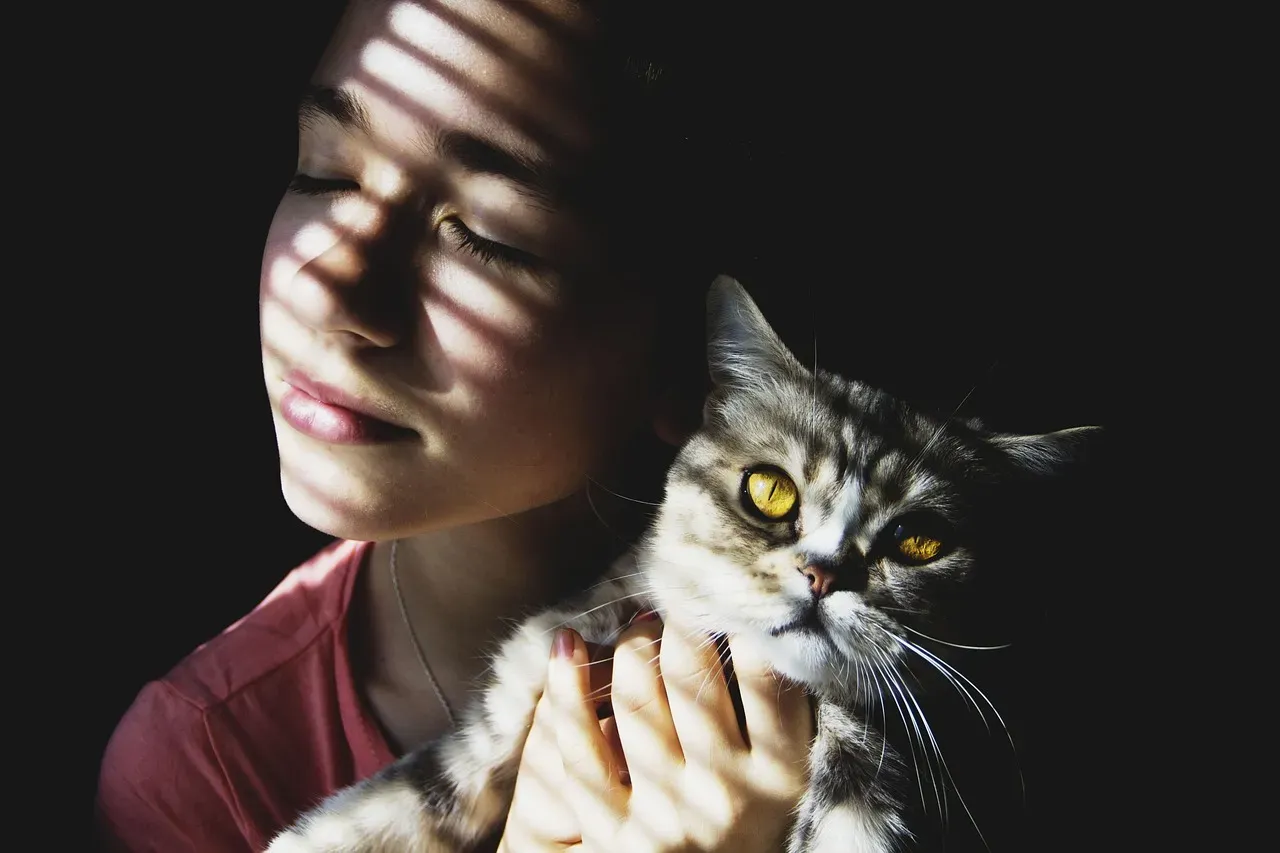
Cats are highly attuned to the subtle nuances of their environment, relying on a combination of senses to navigate the world around them. Their ability to detect and sense human emotions is a testament to their evolutionary adaptation as domesticated companions. Through keen observation of facial expressions, body language, and vocal cues, cats can discern when their owners are experiencing sadness or distress.
Tonal changes in your voice are an indication of how you’re feeling. Soft tones are comforting to cats, whereas louder, sharper tones will often cause them to run and hide. Crying noises will be interpreted as distress, which they may respond to by comforting you or instead choosing to hide away from. Your cat is essentially reading the same emotional signals that humans use to understand each other, just filtered through feline perception.
The Role of Body Language and Routine Changes
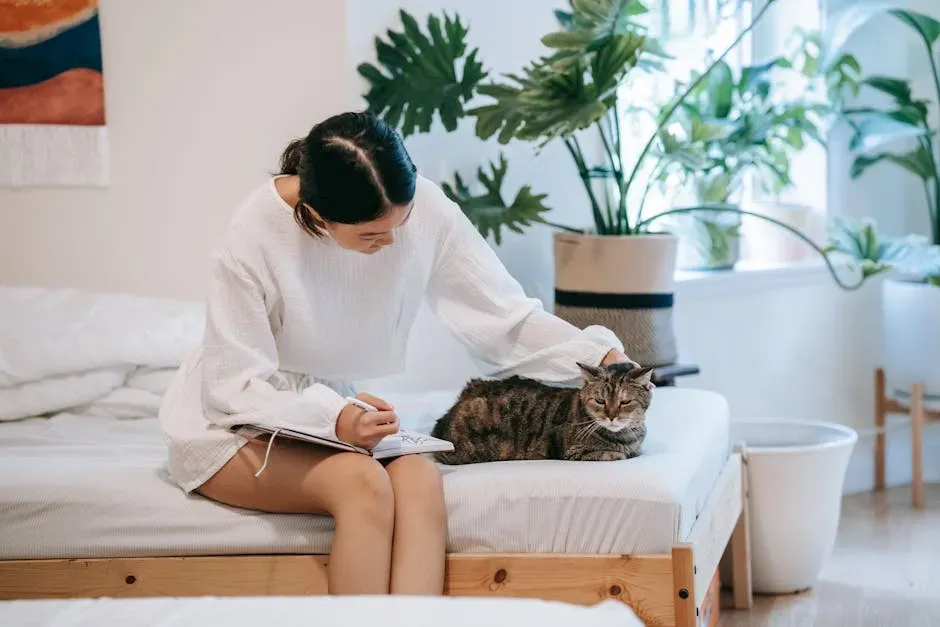
You carry yourself differently when you’re sad. You may be quieter, smaller, as you slump or curl up, and more open to calming behaviors like gentle petting. All of these are an invitation for your cat, and less intimidating than you running around getting things done. Your cat doesn’t need to read your mind. Your posture alone tells a clear enough story.
When your normal routine changes, your cat will notice. If you spend more time sleeping or lounging on the sofa, your feline friend is sure to join you for a comforting cuddle. Cats are creatures deeply tuned to patterns, so when yours breaks, they register it. A day when you don’t get up at the usual time, or when you stay still for far too long, is a meaningful signal in their world.
Social Referencing: Looking to You for Cues
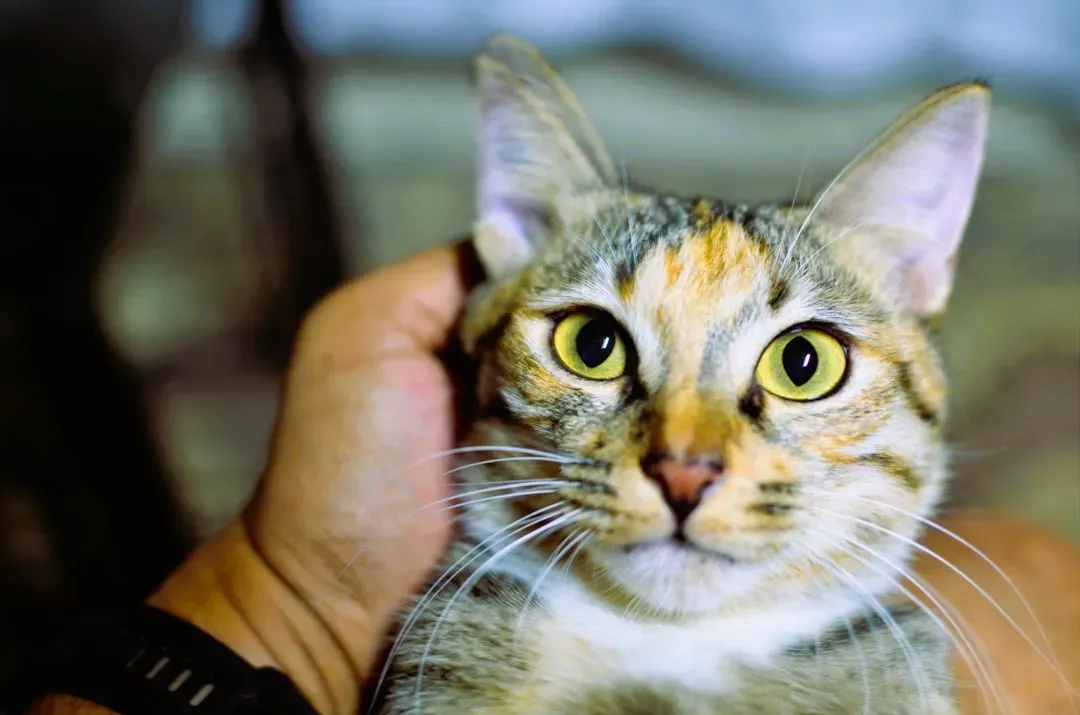
Research by Animal Cognition showed that cats look at their owners for signals, in what is known as “social referencing.” In one study, cat and owner pairs were brought inside a room containing fans with streamers tied on them, with the intention of introducing an element of anxiety and uncertainty. The result was revealing. Most cats turned to their owners’ expressions to decide how to react to the unfamiliar object.
Most cats, around 79 percent, exhibited referential looking between the owner and the object, and also changed their behavior in line with the emotional message given by the owner. When cats encounter strange objects and do not know what to do, they can read the human’s facial expression or lead the human’s gaze to objects. Your emotional state, in other words, is a navigational tool your cat actively uses.
Proximity and the Urge to Stay Close
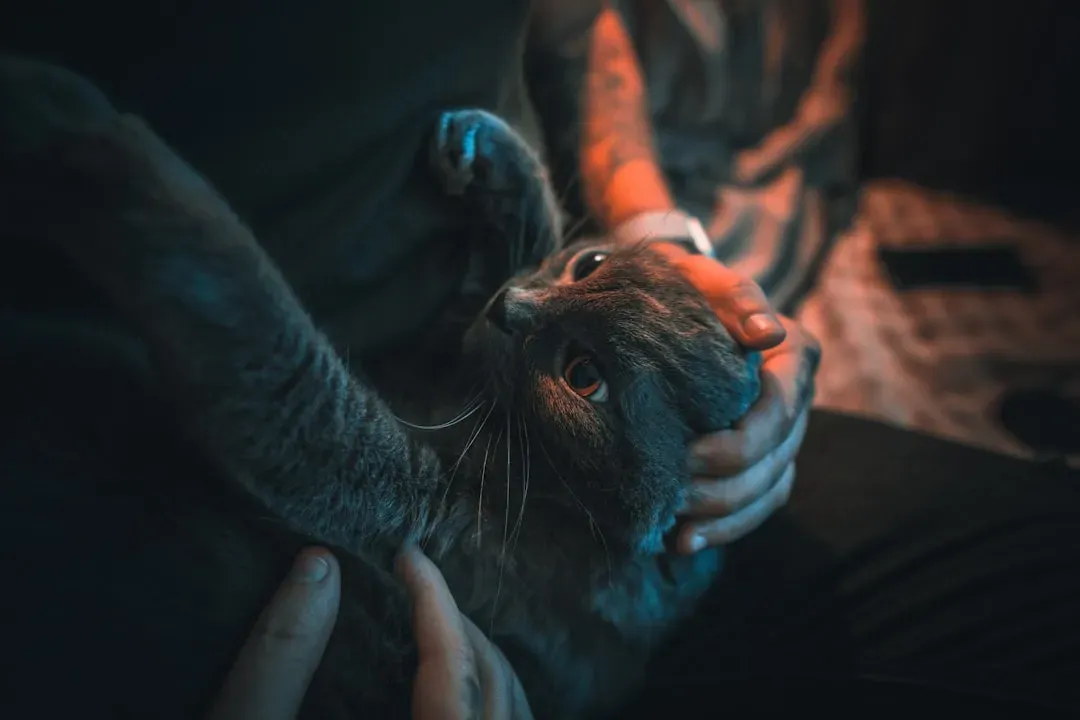
Cats tend to engage and interact more with their owners when they are depressed or showing negative emotional states like sadness, grief, or loneliness. This is a subtle change in behavior, but if you’re sad, you might notice that your cat seems to be around more. Rather than being clingy, they’re probably just trying to reassure you and be there for you in their own way. Plus, if they’re nearby, they’ll be ready if you decide you want to fuss or stroke or cuddle them.
When humans are feeling down or anxious, cats may become more clingy, following their owners around or seeking physical contact, such as curling up next to or on their owner’s lap. This behavior can soothe the cat’s own emotions and convey a sense of security and support to humans. The closeness isn’t random. It’s a considered, instinctive response to something they’ve sensed in you.
Physical Gestures of Comfort: Head Bumps, Kneading, and Purring
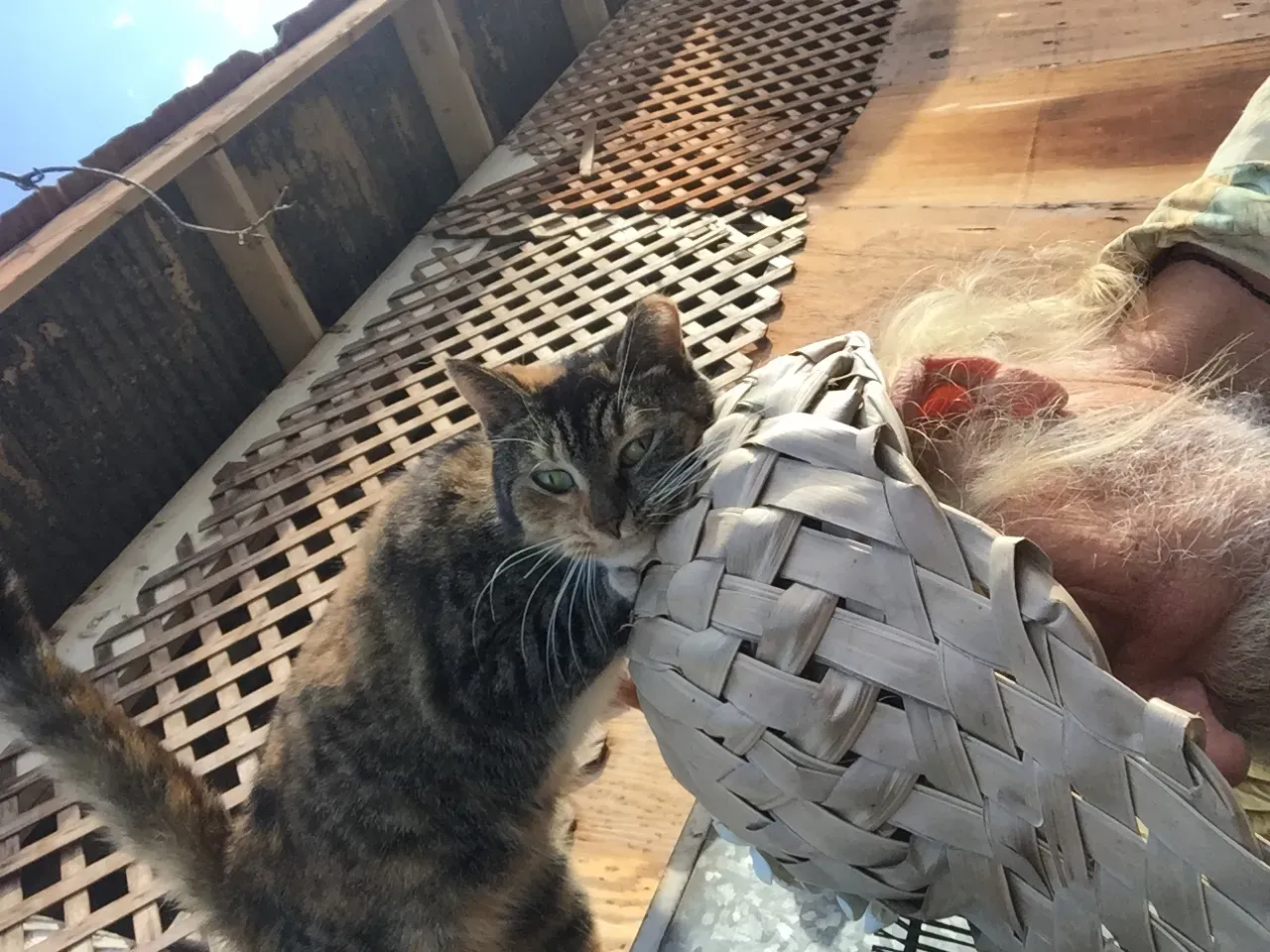
Cats know that physical contact can help make you feel better. When you’re feeling sad, your cat may try to comfort you through physical exchanges like head-butting, kneading, and sitting on your lap. They may also try to get you to engage in play by bringing you a toy or playing by attacking your feet. Each of these gestures carries meaning within feline communication, and redirecting them toward you is a form of genuine engagement.
Cats use their eyes and eye movements to communicate with each other, and research suggests they also use a slow blink to communicate with trusted humans. Cats use narrowed eyes and slow blinks to communicate positive emotions. When you cry, your cat may make eye contact and narrow their eyes at you to try and comfort you. Slow blinking is a way for cats to tell their owners they love and care for them. If you’ve ever received one of those long, gentle blinks from your cat during a hard moment, you now know what it means.
The Healing Power of a Purring Cat
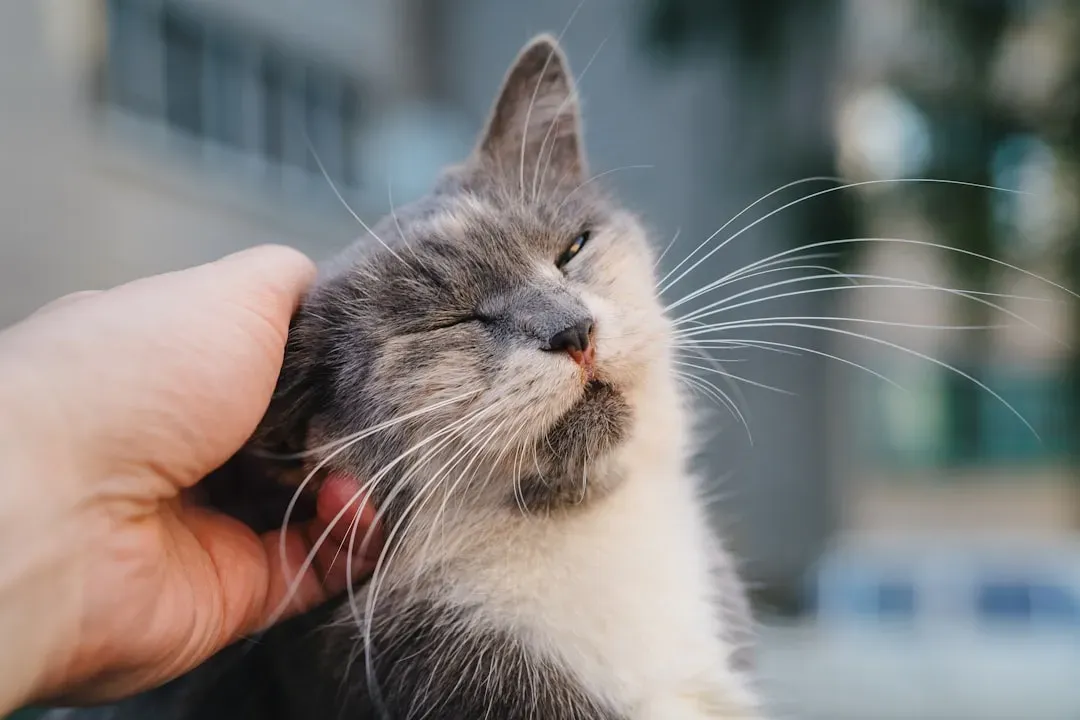
Petting a cat or listening to their purring triggers the release of oxytocin, a hormone that promotes happiness and reduces stress. This calming effect lowers cortisol levels, the stress hormone associated with high blood pressure, and can help alleviate pain, easing chronic discomfort. The physical act of being near a purring cat isn’t just emotionally comforting. It has measurable biological effects on your body.
Frequencies in the 25 to 150 Hertz range are known to help promote the healing of bones, reduce inflammation, and improve joint mobility. This means that people recovering from injuries or dealing with chronic pain conditions may benefit from spending time with a purring cat. The soothing sound of a purr has been shown to stimulate the parasympathetic nervous system, which helps the body to rest, digest, and restore itself, counteracting the fight-or-flight response. This response is known to reduce cortisol, thereby lowering blood pressure and heart rate.
The Depth of Attachment: Why Some Cats Respond More Than Others
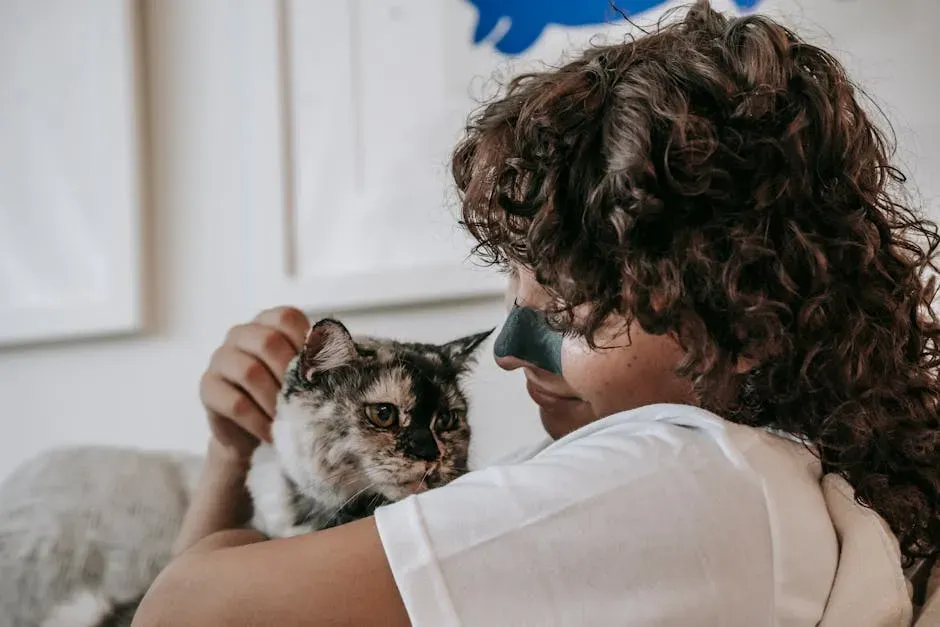
The closer your bond is with your cat, the more likely they are to be in sync with you and understand your different moods. This matters, because not every cat will rush to your side the moment you cry. Your emotional state will have an impact on your cat, but how they respond varies from cat to cat. Some cats might find the change in their owner’s emotional state distressing, so they’ll become distant or hesitant. On the other hand, other cats will be even friendlier and try to cheer you up.
An Oregon State University study found that pet cats form attachments with their human owners that are similar to the bonds formed by children and dogs with their caretakers. The majority of cats use their owner as a source of security. By creating a bond and spending more time with your cat, it allows them to become more in tune to your behaviors and feelings, and over time your cat will understand your routine and be able to tell how you’re feeling. The relationship is genuinely reciprocal, and it deepens over time.
Conclusion
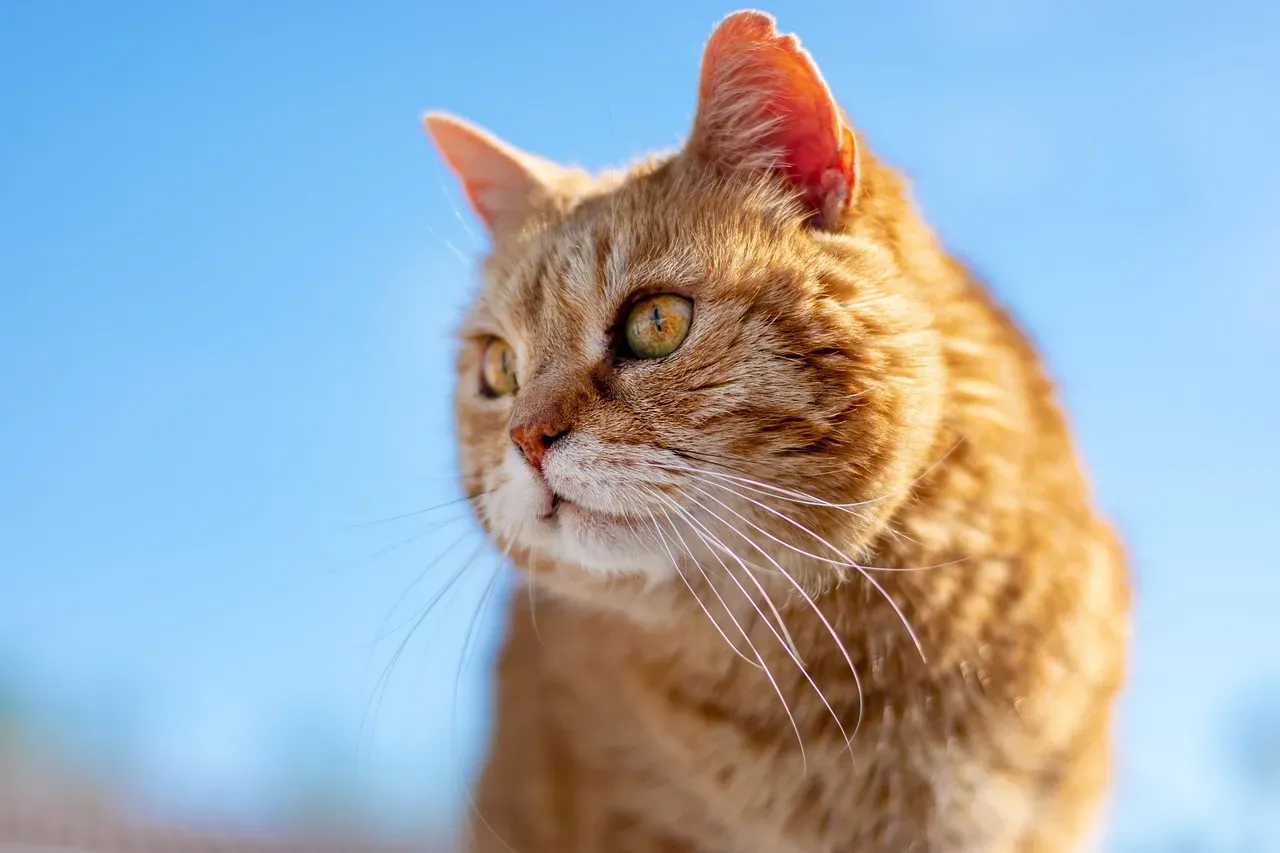
The idea that cats are emotionally detached has never quite matched what cat owners actually experience. Science is now catching up to what many people have quietly known for years: that the animal curled next to you during a hard afternoon is not there by accident. These findings challenge the stereotype of cats as indifferent to human emotions. While they may not express their attachment in the same overt ways as dogs, cats are clearly tuned into the emotional states of their humans.
The tendency for cats to comfort their crying owners demonstrates the remarkable depth of the human-feline bond. While each cat may show comfort differently, their desire to support us during emotional moments reflects their capacity for empathy and the strength of their attachment to us. The next time your cat settles beside you uninvited on a difficult day, it’s worth considering that they didn’t wander over by chance. They noticed, in their own way, and they came anyway. That’s not nothing. That might be everything.
Kristina is a young writer from India. An arts graduate and an avid content creator, Kristina is passionate about animals and wildlife. She enjoys exploring topics related to pet care, animal behavior, conservation, and nature, combining thorough research with engaging storytelling.