5 US States With the Most Lynx Sightings
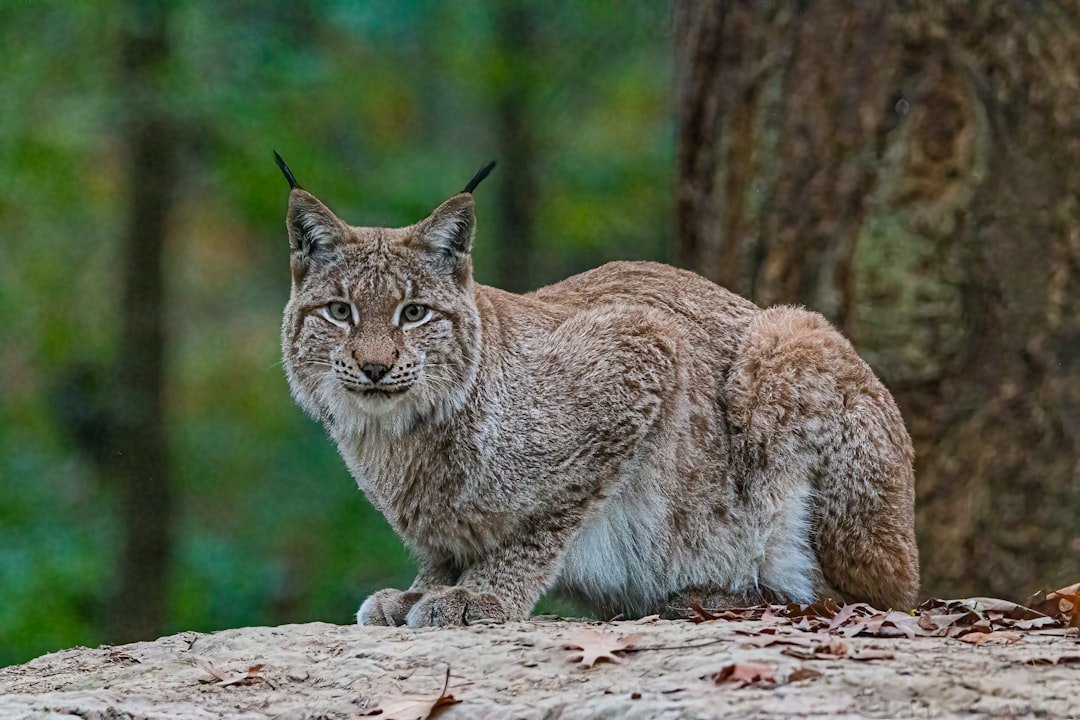
You've probably heard whispers about these elusive, mysterious wild cats prowling through America's northern forests. The Canada lynx, with its distinctive tufted ears and oversized paws, remains one of the continent's most fascinating and rarely spotted predators. Though these magnificent felines once roamed across much of the northern United States, their numbers have dwindled dramatically over the past century, leaving only pockets of viable populations scattered across a handful of states.
If you're hoping to catch a glimpse of one of these snow-adapted wildcats, you'd better know where to look. Let's be real, your chances of spotting a lynx are slim - these cats are masters of stealth, preferring dense boreal forests where they can hunt their primary prey, snowshoe hares, under the cover of darkness. Still, some states offer better odds than others, and understanding where these populations persist can help wildlife enthusiasts appreciate just how special these creatures truly are. So let's dive in and discover which five American states host the most significant lynx populations and sightings.
Maine Leads the Lower 48 States
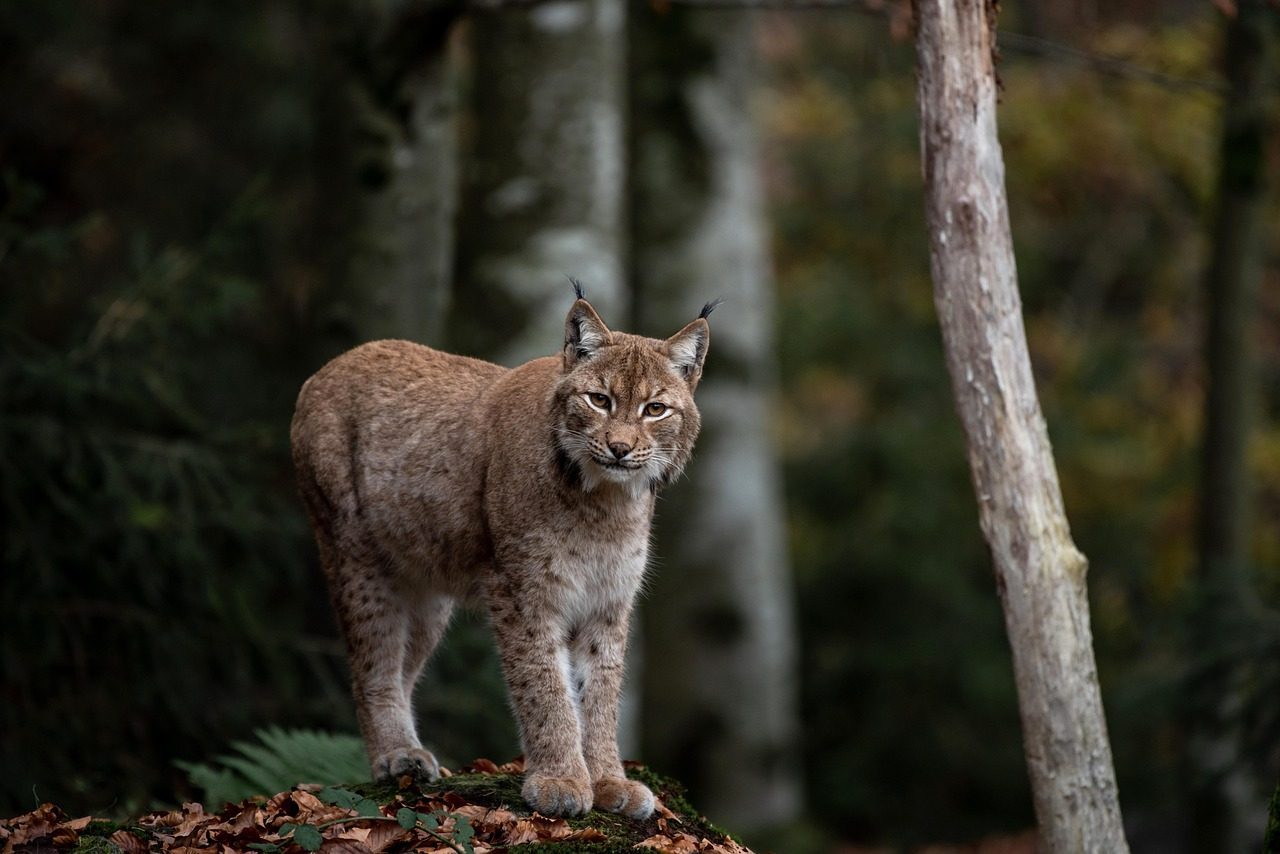
Maine holds the distinction of being the only state in the Northeast with a resident breeding population of lynx, and is home to the largest lynx population in the lower 48 states. The Pine Tree State represents something of a conservation success story for this threatened species. A joint twelve-year study revealed that extensive cutting of spruce and fir forests in the 1970s and 1980s following an insect outbreak actually benefited lynx populations 25 to 35 years later, as the abundance of young dense conifer forest became ideal habitat for snowshoe hare, the principal food source for lynx.
Through the 1990s, lynx populations increased and population estimates now suggest more than 1,000 adult lynx likely occupy northern and western Maine spruce and fir flats. These wildcats frequent the young spruce and fir boreal forests in remote northern and western regions of the state. The dense woodland offers them ample cover, making sightings rare but incredibly rewarding for those lucky enough to witness one. Lynx have been observed in New Hampshire and Vermont including female lynx with kittens, suggesting lynx are expanding into former parts of their historic range.
Montana's Mountain Lynx Population
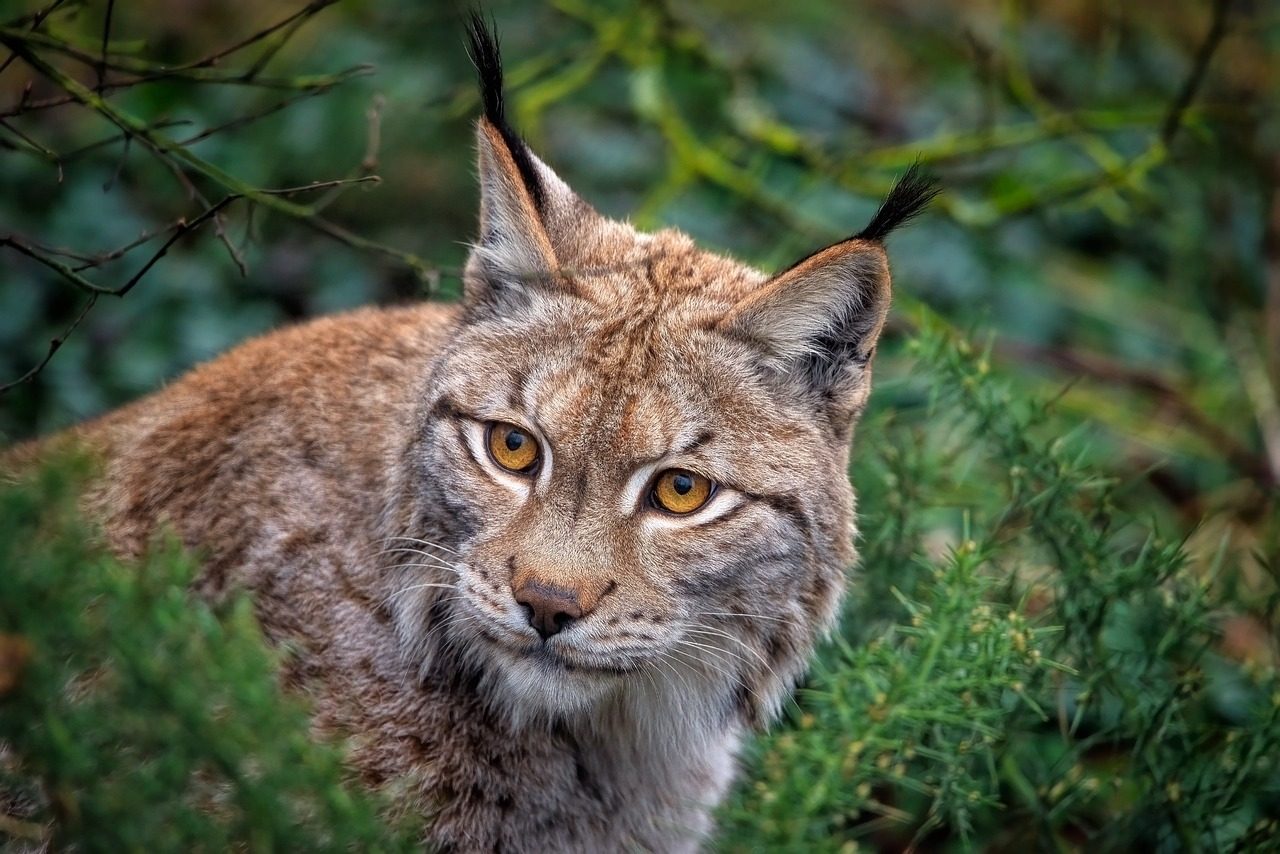
Montana offers some of the most expansive lynx habitat in the American West. These cats are adapted to cold climates and primarily found in boreal forests, and in Montana, the lynx's range spans the Lolo and Flathead National Forests and adjacent forested areas where they find both the dense cover and prey needed to survive. The state's remote forests and rugged terrain create an ideal environment for this iconic species, though they face ongoing conservation challenges.
The U.S. Fish and Wildlife Service can confirm the presence of stable lynx populations in Montana, making it one of the core areas for the species in the contiguous United States. Montana's vast wilderness areas host what researchers estimate to be a relatively substantial population, though exact numbers remain difficult to determine due to the lynx's elusive nature. The mountainous regions provide the deep snow conditions these cats need to maintain their competitive hunting advantage over other predators.
Minnesota's Northern Forest Lynx
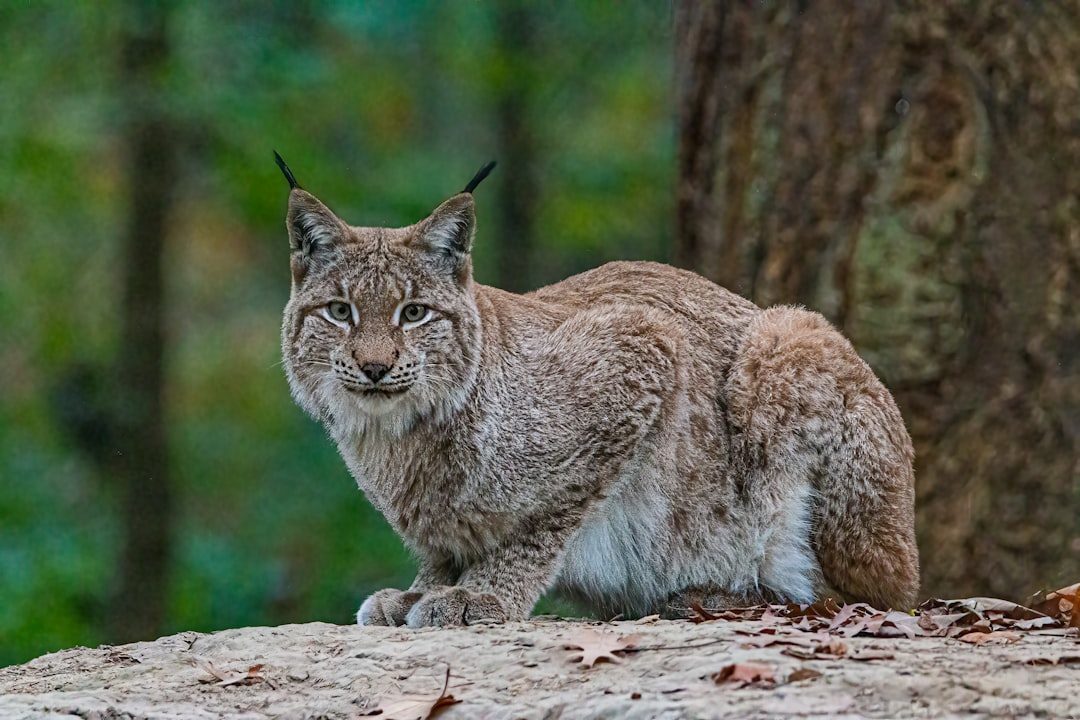
Lynx sightings have been compiled by the Minnesota DNR's Natural Heritage and Nongame Research Program since the Canada Lynx was federally listed as threatened in March 2000. The Canada lynx is a rare wildcat in Minnesota, and is most likely to occur just after the population of their main prey, snowshoe hare, crashes in Canada. This cyclical pattern means sightings can vary dramatically from year to year, depending on prey availability across the border.
Lynx live in dense forests across northern Minnesota, particularly in areas bordering Lake Superior. The state represents the southern extent of a larger cross-border population that extends into Ontario and Manitoba. The vast majority of observations are the product of incidental encounters, and as such, reports tend to cluster along roads and other places frequented by observant and interested people, which tells us something about where lynx are, but absolutely nothing about where lynx aren't. Minnesota's lynx population remains vulnerable to habitat fragmentation and climate change impacts.
Washington's Cascade Range Lynx
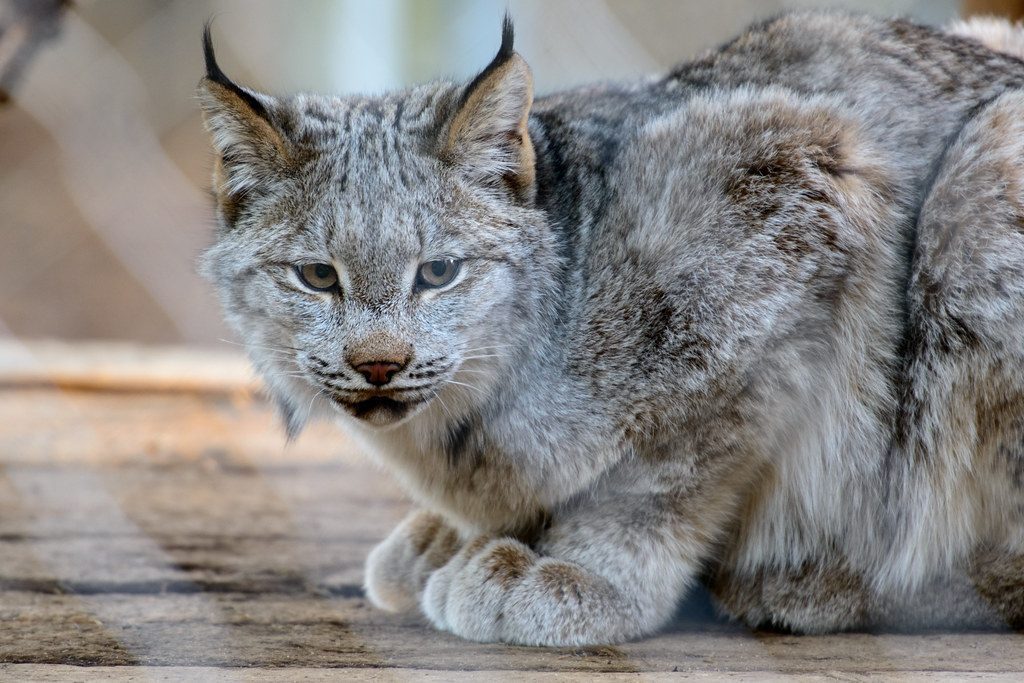
Canada lynx once occurred throughout the northern counties of Washington, but they are now largely restricted to a single area that encompasses western Okanogan, northern Chelan, and eastern Whatcom and Skagit counties. Washington's lynx population is estimated to between 50 and 100 individuals, making it one of the smaller but still significant populations in the lower 48 states.
A systematic lynx DNA collection effort between 2018 to 2023 documented 73 individual lynx in north central Washington. This unit is directly connected to lynx habitats and populations in southern British Columbia, Canada, and lynx in this unit represent the southern extent of a larger cross-border population, most of which occurs in Western Canada. The state's temperate rainforests and Cascade Mountains provide unique habitat, though extensive wildfires over the past two decades have reduced carrying capacity in some areas. Washington remains committed to lynx conservation through collaborative efforts with federal agencies and indigenous tribes.
Colorado's Reintroduction Success Story
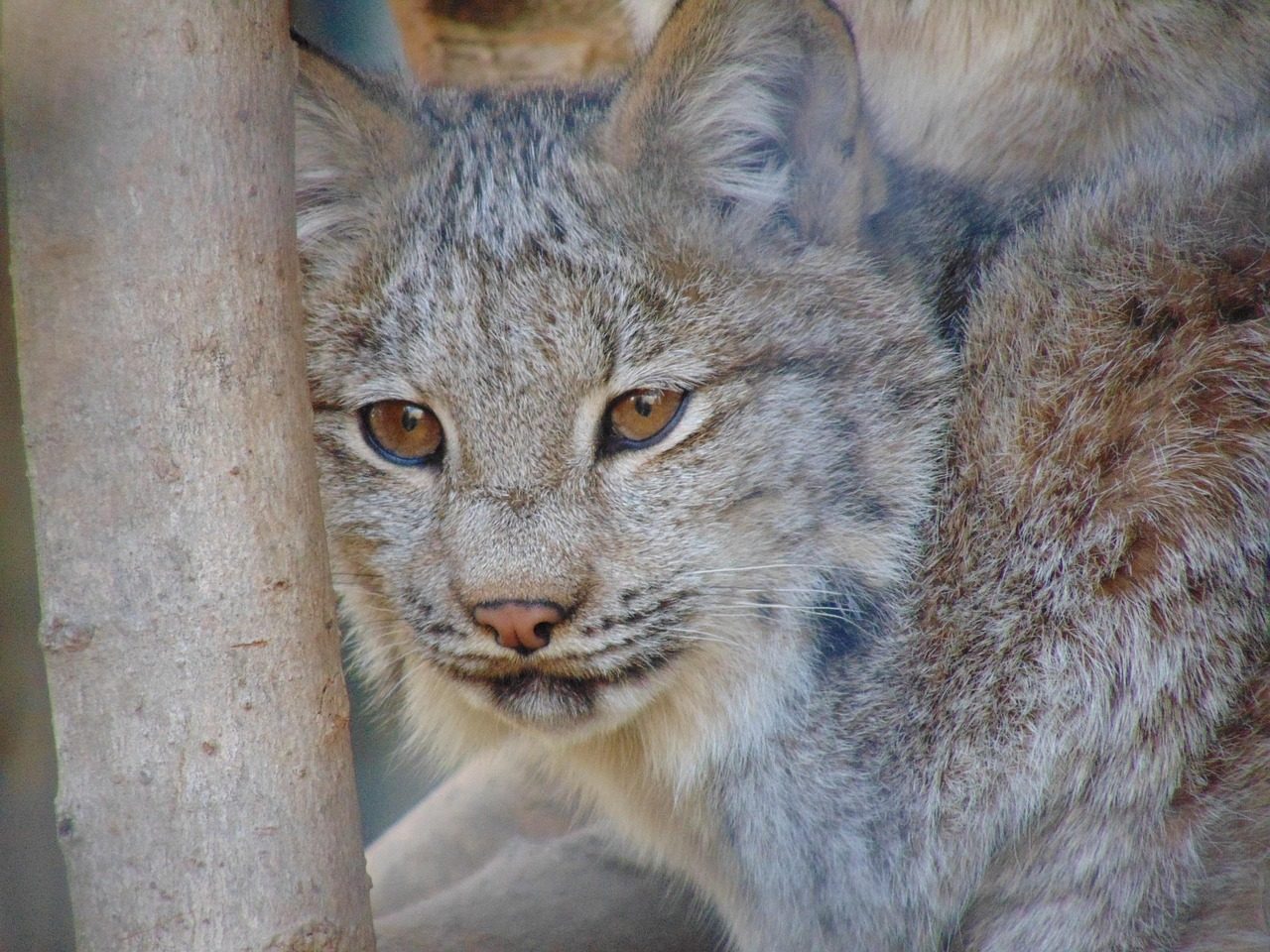
The lynx was successfully reintroduced in Colorado starting in 1999, after being extirpated from the state in the 1970s. This represents one of the most ambitious and successful large carnivore reintroduction programs in American conservation history. Starting in 1999, the reintroduction project released a total of 218 lynx and then stopped moving animals in, and from that original number, the cats began breeding on their own and no further reintroductions were required.
The initial introduction was in the San Juan Mountains in southwestern Colorado, but self-sustaining populations were established throughout the south-central Colorado Rockies as far north as Summit County. Colorado's high-elevation forests now support a thriving lynx population that continues to expand its range. A 2017 study reported increasing numbers in many areas in the United States, with Colorado being a prime example of successful habitat restoration and species recovery. The Rocky Mountain state demonstrates that with proper planning and dedication, even locally extinct populations can be brought back from the brink.
Understanding the Bigger Picture
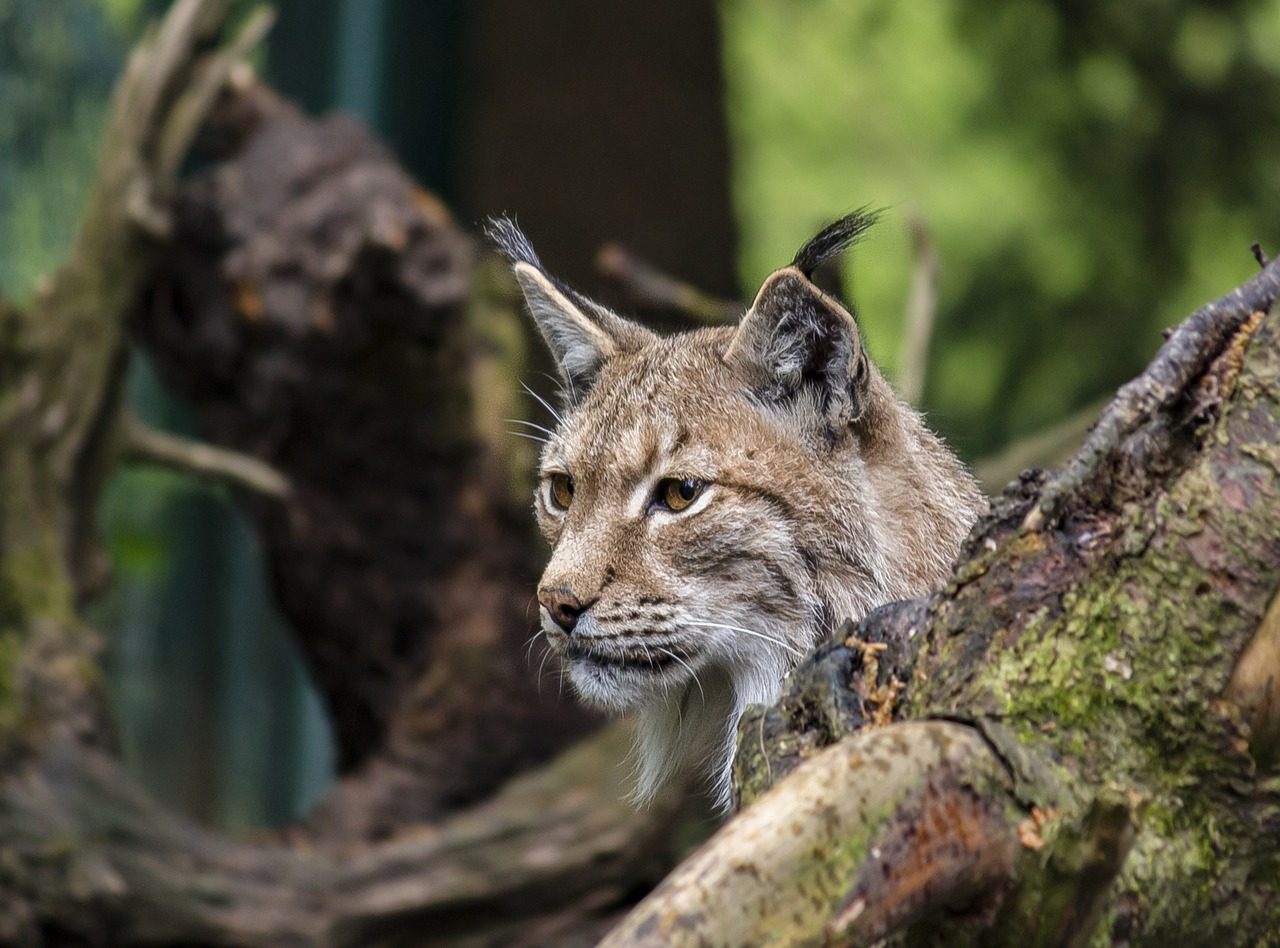
The Canada lynx's story in the United States reflects broader challenges facing wildlife in an increasingly developed landscape. In the contiguous United States, Canada lynx were designated as a distinct population segment and listed as threatened under the Endangered Species Act in 2000, due solely to the inadequacy of regulatory mechanisms on federal public lands, where most potential lynx habitat occurs. Conservation efforts have made significant strides, yet these magnificent cats remain vulnerable to climate change, habitat fragmentation, and human activities.
What makes the lynx particularly fascinating is their extreme specialization. The Canada lynx is a specialist predator and depends heavily on the snowshoe hare for food. The lynx kills an average of one hare every two or three days. This tight ecological relationship means lynx populations rise and fall in sync with hare numbers, creating dramatic population cycles that make conservation planning challenging. Roads, logging practices, and recreational developments all fragment the continuous forest habitat these cats require for hunting and denning.
The five states highlighted here represent the last strongholds for this iconic species in the lower 48. Each faces unique conservation challenges, from Maine's ongoing efforts to maintain forest connectivity, to Washington's struggle with catastrophic wildfires, to Colorado's continued monitoring of its reintroduced population. Montana and Minnesota serve as critical links to Canadian populations, allowing genetic exchange and natural dispersal. Understanding where lynx persist helps us appreciate not just the cats themselves, but the intact wild forests they represent.
Did you expect these specific states to harbor the most lynx? What surprises you most about their distribution patterns? Share your thoughts about these remarkable wildcats and their uncertain future in our changing world.