What's the Real Reason Your Cat Ignores You (Then Demands Attention)?
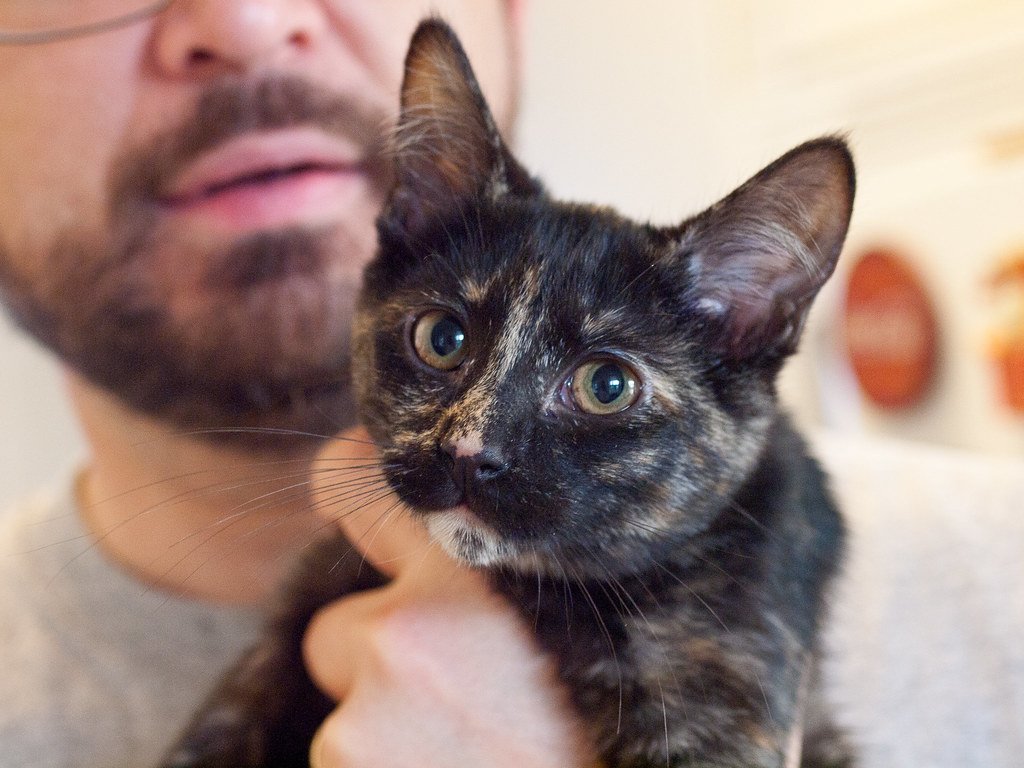
You call your cat's name. Nothing. You try again, louder this time. Still nothing. She's sitting right there, maybe five feet away, staring out the window like you don't exist. You've tried treats, you've tried toys, you've even resorted to that embarrassing baby voice you swore you'd never use. Crickets.
Then, three hours later, when you're finally settled into bed or deep into a work deadline, she's suddenly on your chest, pawing at your face, meowing like the world is ending. You're confused, maybe a little annoyed, and definitely wondering what's going on in that furry little head. Here's the thing: your cat isn't broken, manipulative, or plotting your demise. There's actually fascinating science behind this maddening hot and cold routine.
They're Wired for Independence, Not Rudeness
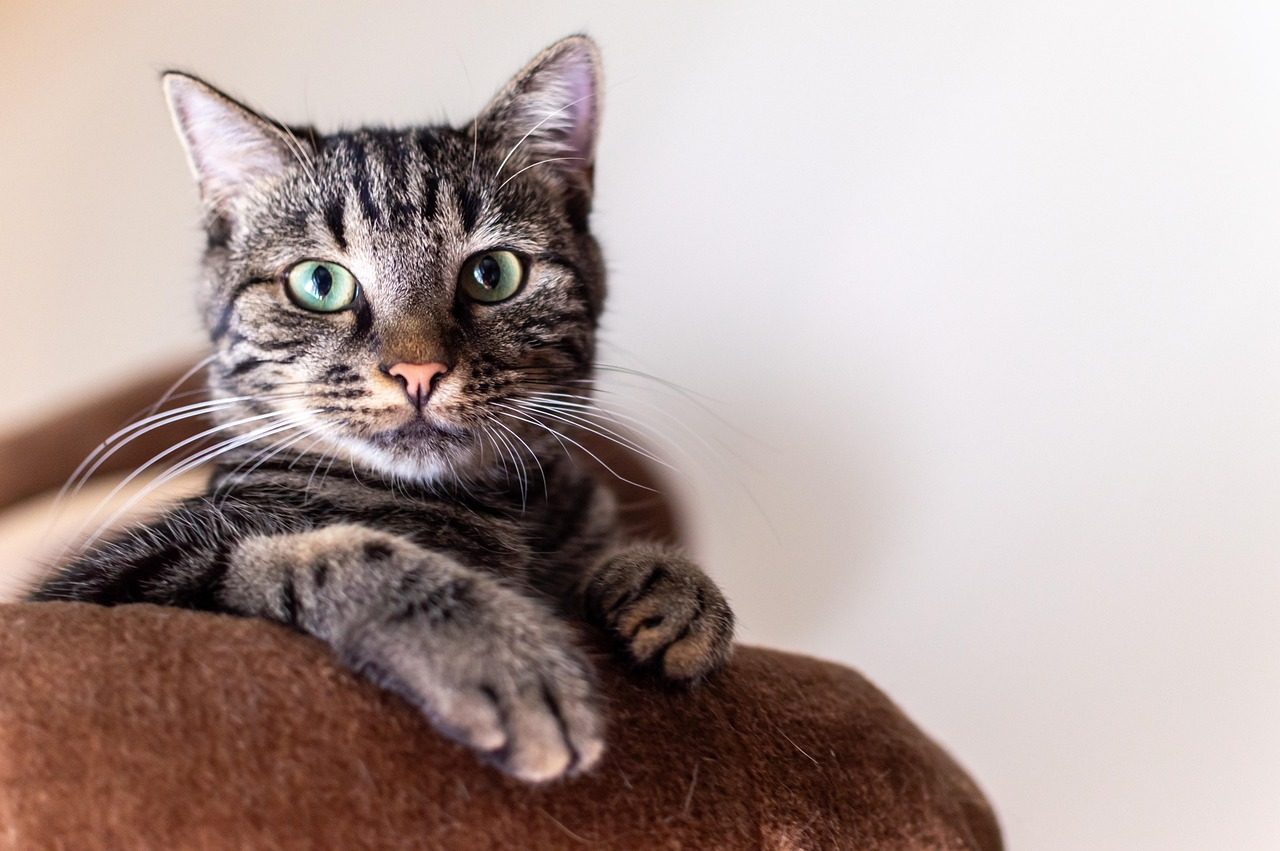
Cats are much more independent than dogs, and they seek social interactions on their own terms and usually don't beg for attention. This isn't them being aloof jerks. Cats evolved as solitary hunters rather than pack animals like dogs, meaning they're naturally equipped for self-sufficiency and don't rely on social groups for survival or emotional support.
Think about it like this: dogs were bred to work alongside humans, to follow commands, to please us. Cats? They basically domesticated themselves by hanging around human settlements because we had mice. While cats can survive in the solitary state, social groups are formed whenever there are sufficient food resources to support a group, and they are a social species. They're capable of deep bonds, sure, but they didn't evolve to need constant validation from a pack leader.
Your Timing Is Off, Not Theirs
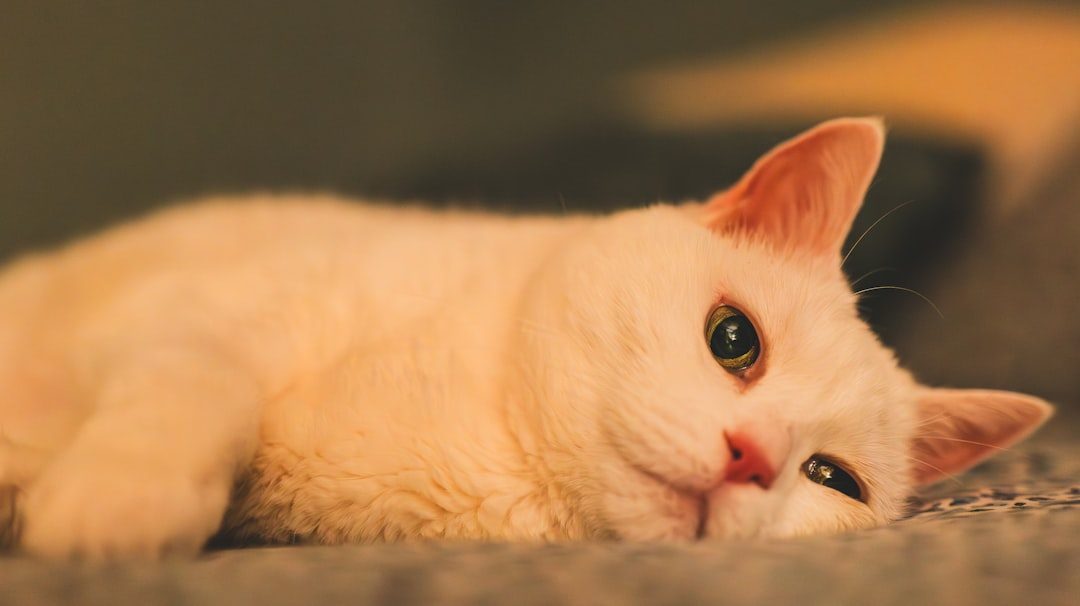
The simplest reason your cat seems to ignore you is that they simply aren't in the mood right now, as cats are independent creatures with their own emotions and moods. You know how you sometimes just want to be left alone with your coffee and your thoughts? Same deal with your cat.
Cats are creatures of habit, deeply invested in their personal routines including eating, sleeping, playing, and self-grooming, and when engaged in such rewarding activities, they enter a state of focused contentment. If your cat is grooming, watching birds, or enjoying a sunbeam, interrupting them is like someone tapping your shoulder during the best part of a movie. They're not ignoring you out of spite. They're just busy living their best life.
You're Actually Too Interested (And That's Threatening)
Let's be real, this one stings a little. Cats find life less stressful when they feel in control of their environment, and they feel safest when they are not actively sought after, hence their natural inclination to seek out the person who seems least interested in them.
When you're calling them, following them around, trying to pick them up, your cat might perceive that as pressure or even a threat. Cats value autonomy and may show affection on their own terms, and ignoring a cat can actually make them feel more secure and confident while reducing stress. Think of it as feline reverse psychology. The more you chase, the more they retreat. The moment you stop caring, suddenly they're all over you.
They Remember When You Wronged Them
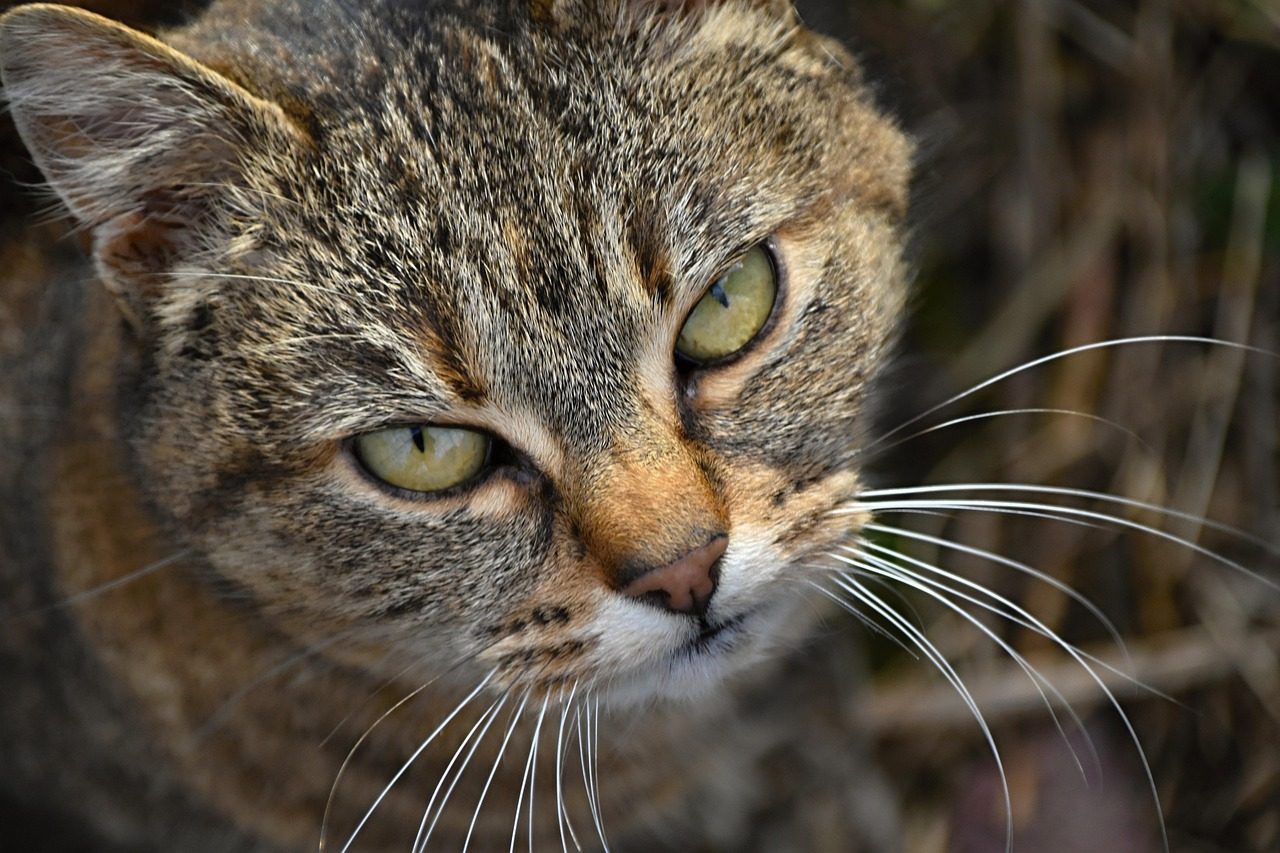
Your cat doesn't know if your intentions are good or bad, so they try to ignore you, and sometimes simply accidentally stepping on your cat is enough to trigger the cold-shoulder reaction. Cats have long memories, and a spray with the water bottle may be remembered weeks and months into the future.
Maybe you accidentally sat on them when they were napping under a blanket. Maybe you took them to the vet last week. Maybe you didn't refill their food bowl fast enough yesterday. Whatever it was, they haven't forgotten. Cats can hold grudges, or at least maintain a cautious distance until they're sure you're not going to repeat whatever offense you committed. Give them space, offer some gentle scratches or treats, and they'll usually come around.
Their Senses Aren't What They Used To Be
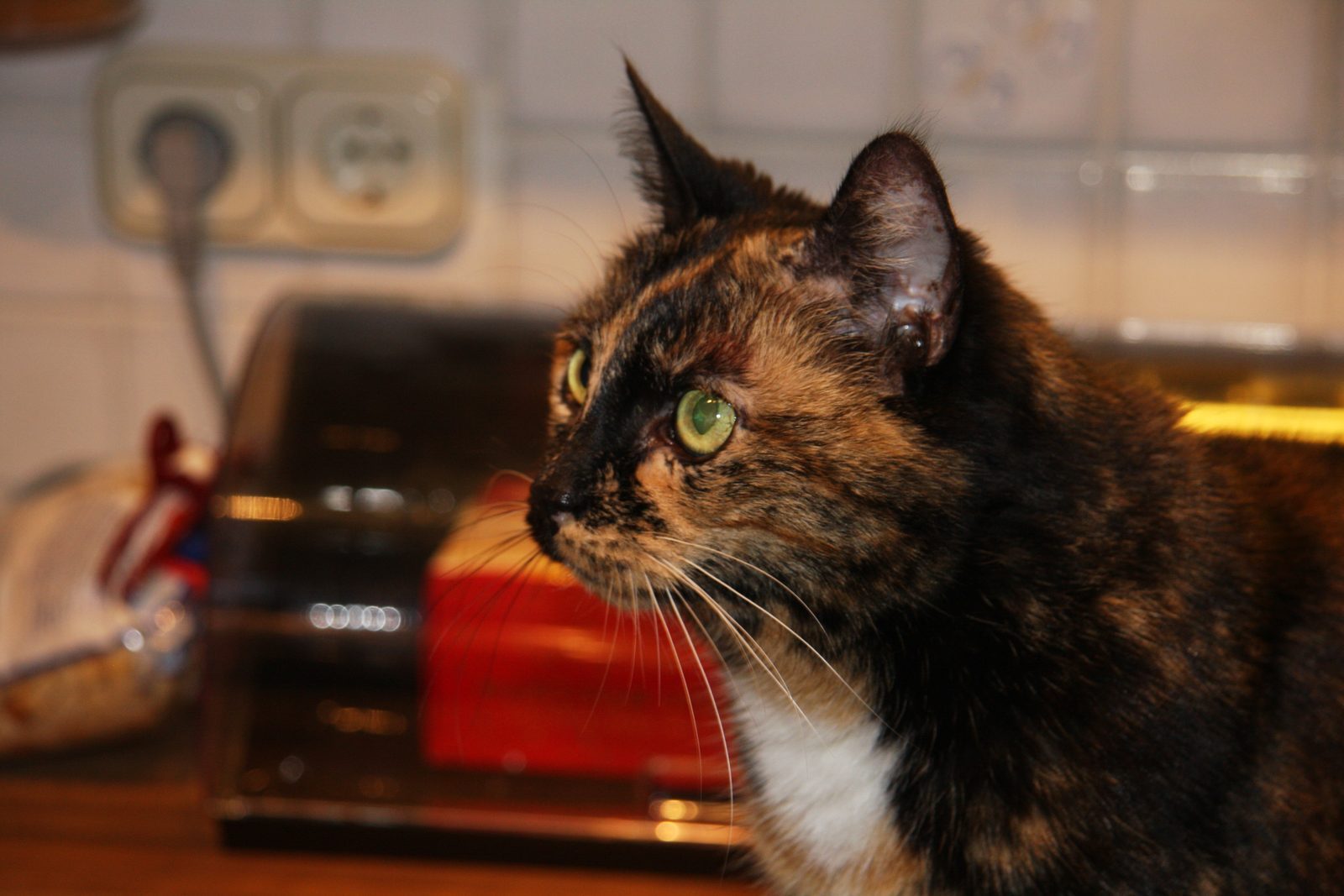
If your cat has gotten older, there's a chance they aren't hearing or seeing quite as well as they used to, and they simply haven't yet clued in to the fact that you are trying to interact. This is particularly common in senior cats who might genuinely not realize you're calling them.
Older cats are more likely to lose their sense of hearing and sight, and if this is the case, they physically can't hear or see you to interact with you, and older cats are more prone to cognitive dysfunction that affects how they socialize with their owners. If your previously social cat suddenly starts ignoring you more frequently, especially if they're getting up there in years, it's worth a conversation with your vet.
Attention-Seeking Is a Learned Behavior
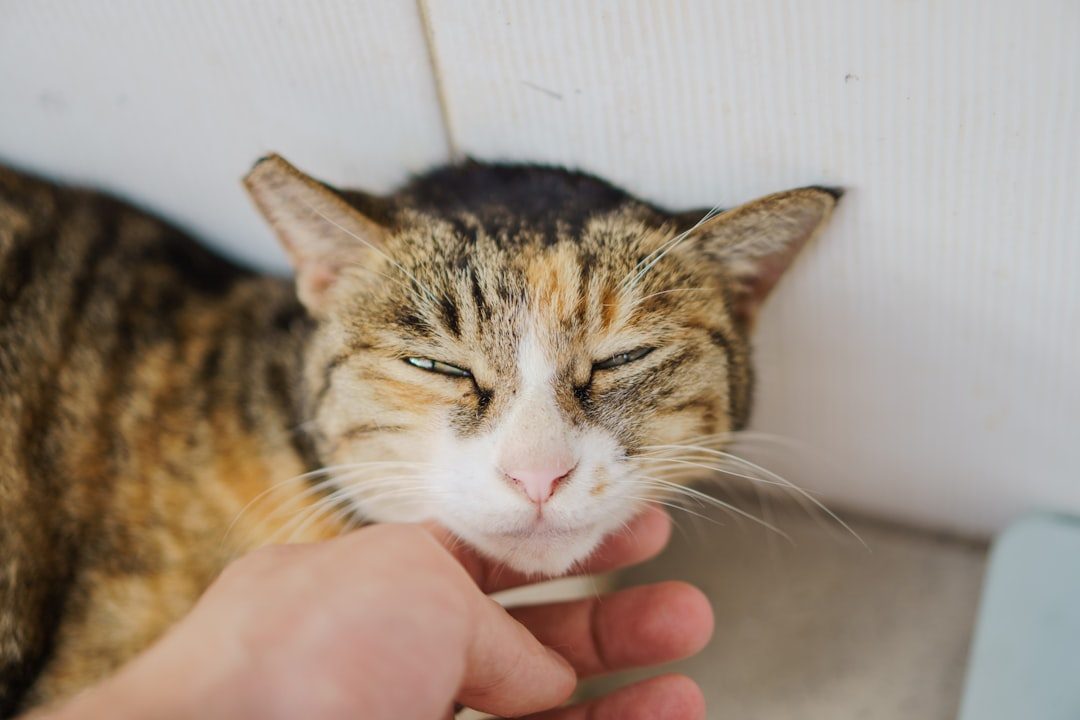
Here's where it gets interesting. Many cats demand attention when there's no stress, but they like to be petted, talked to and played with, and if a cat discovers that the behavior brings them what they want, they'll increase it to get more attention. Meowing is what cats do the most for attention, and it doesn't take many calories to meow, so they can do it for a really long time.
If your cat has learned that ignoring you gets no response, but jumping on your laptop or knocking things off the counter results in immediate attention (even if it's you yelling), guess which behavior they'll repeat? Because you've rewarded a cat intermittently, they have a high ratio of demand to reward, and they think if three meows don't get them what they want, they'll try twenty-five. You've accidentally trained them in the art of strategic manipulation.
They Might Actually Be Sick or Stressed
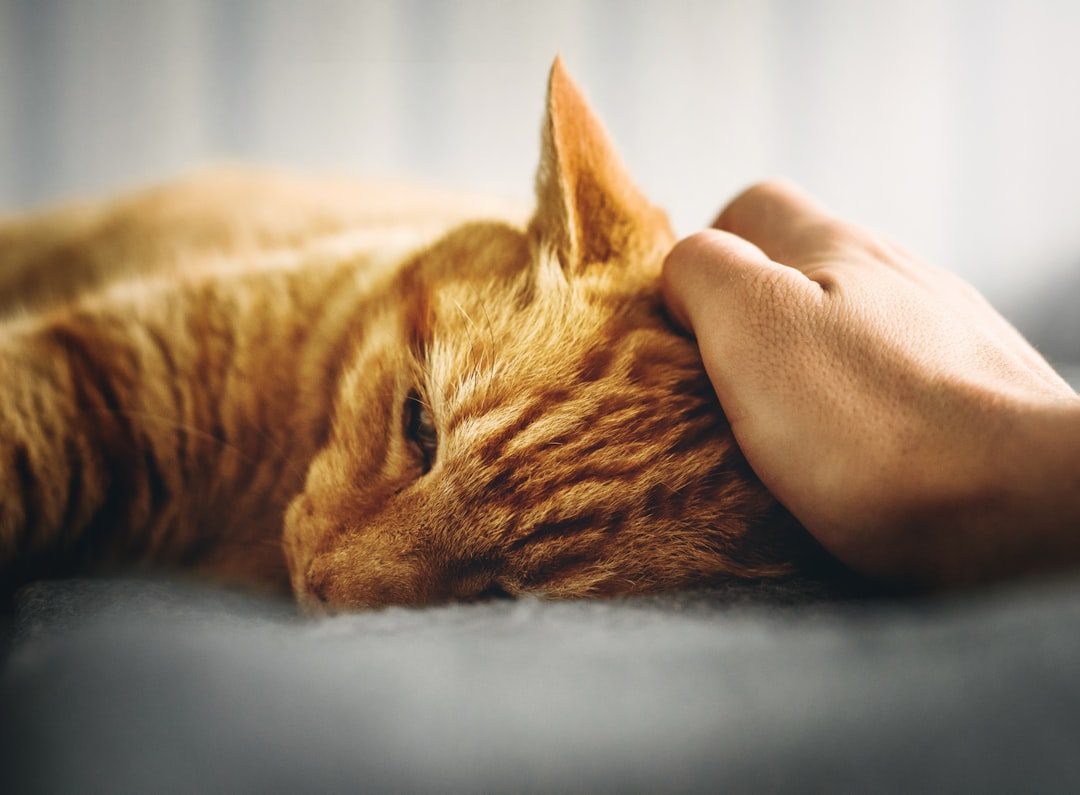
It is not unusual for cats to become more reclusive if they are not feeling well, and cats can develop a form of cognitive dysfunction similar to Alzheimer's disease in humans. Sick cats often act detached and withdrawn, behaviors that might seem like they are ignoring you, especially if they've started ignoring you all of a sudden when they weren't always like this.
Other reasons for the cold shoulder might be that your cat is scared, is feeling sick or is upset, so run through possible scenarios that might have triggered this behavior, such as a new pet or baby in the house, or medical problems could be the reason. If your cat's behavior has changed dramatically, if they're hiding more, eating less, or acting lethargic, don't wait. Get them to a vet.
It's Actually a Sign They Love You (Just Differently)
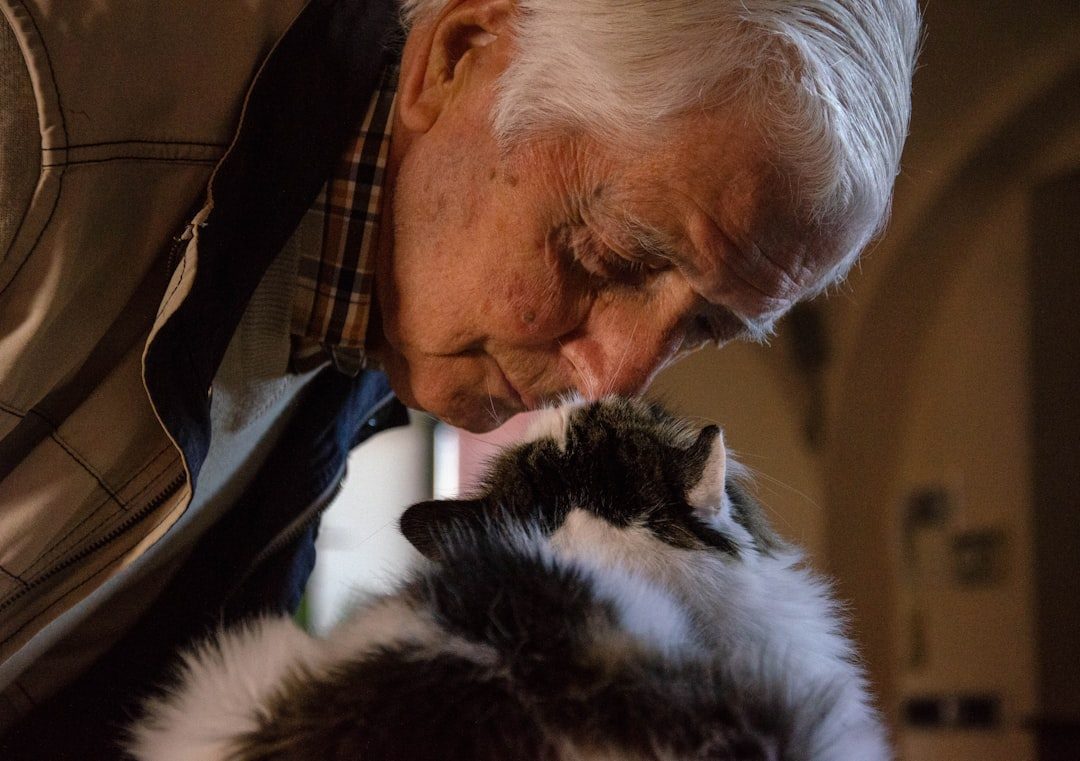
Perhaps surprisingly to those who think cats don't care about us, roughly 64 percent of felines were identified as secure, while 26 percent were avoidant and 10 percent were ambivalent (anxious). Results of studies with cats showed that cats have a similar capacity for secure attachment to their guardians as human children do to their parents.
The ignoring and demanding cycle isn't rejection. It's actually how many securely attached cats interact with their favorite humans. Cats with secure attachment greet their pet parents upon reunion but return to normal behaviors shortly after, while avoidantly attached cats stay away from their caregivers, and anxiously attached cats remain glued to their pet parent's side. If your cat feels safe enough to ignore you, then demand attention when they need it, that's actually trust. They know you'll be there when they want you.
Conclusion
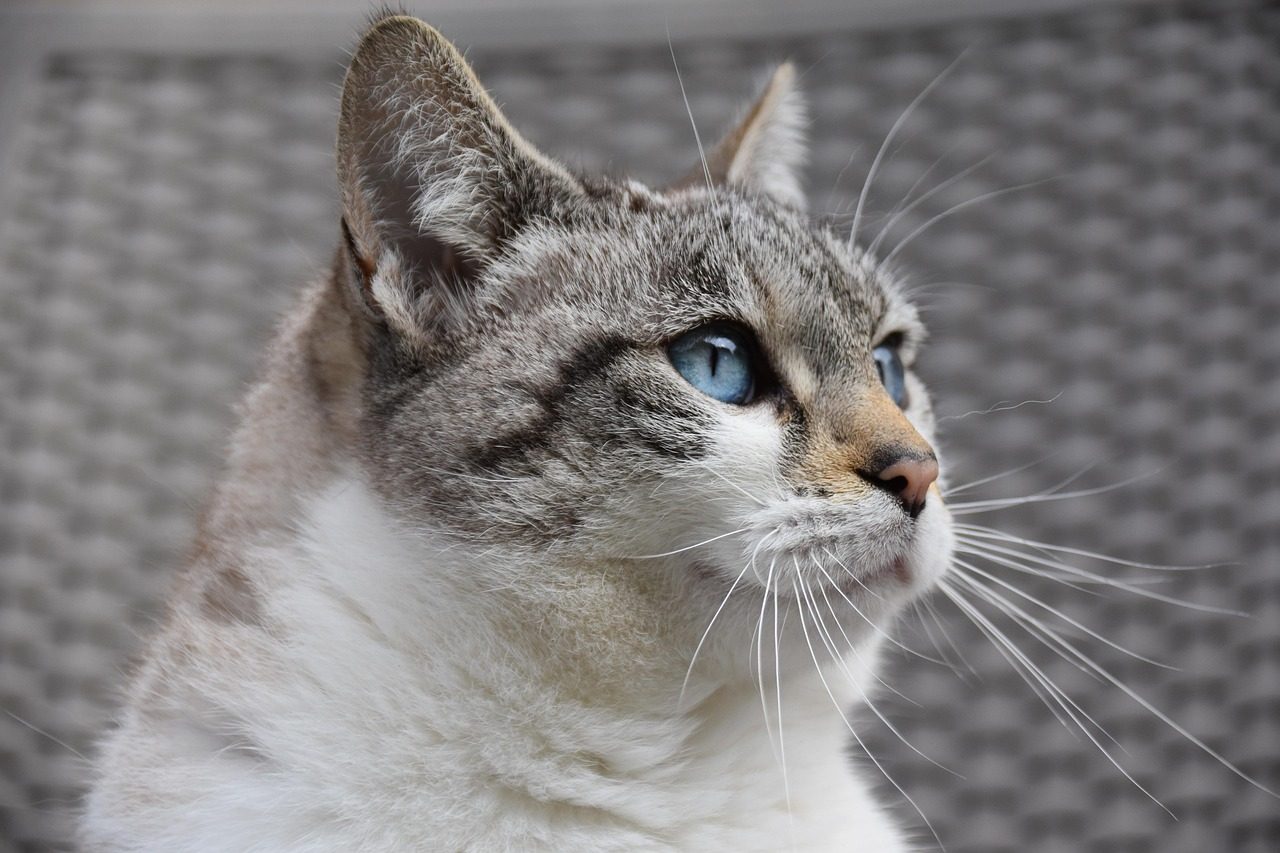
The truth is, your cat's confusing behavior isn't so confusing once you understand they're operating on an entirely different social wavelength than dogs or humans. They're not being difficult on purpose. Cats are semi-social, meaning they have the potential to be independent or to form genuine attachments with people and other pets, and often your efforts will dictate whether your furry friend views you as its safe hub.
The ignoring and demanding cycle is just your cat being, well, a cat. They want connection, but only when it suits them. They crave your presence, but need their space. Learning to read their body language, respecting their boundaries, and understanding that their version of love looks different from unconditional canine devotion will make living with them so much easier. What weird thing does your cat do that drives you crazy? Share in the comments.