You’ve probably noticed that not all cats behave the same way. Some follow you around like shadows while others seem perfectly content observing life from a distance. It’s fascinating how certain feline personalities lean heavily toward independence, preferring quiet corners and peaceful observation over constant interaction. Honestly, if you’re the kind of cat owner who appreciates a companion that respects personal boundaries as much as you do, understanding these breed-specific traits becomes incredibly important.
Here’s the thing though. This isn’t about cats being aloof or unloving. These breeds simply value their alone time differently. They’ve evolved with temperaments that allow them to entertain themselves, find comfort in solitude, and recharge their batteries without needing your constant presence. So let’s dive into which breeds truly embody that independent spirit.
Russian Blue: The Elegant Observer
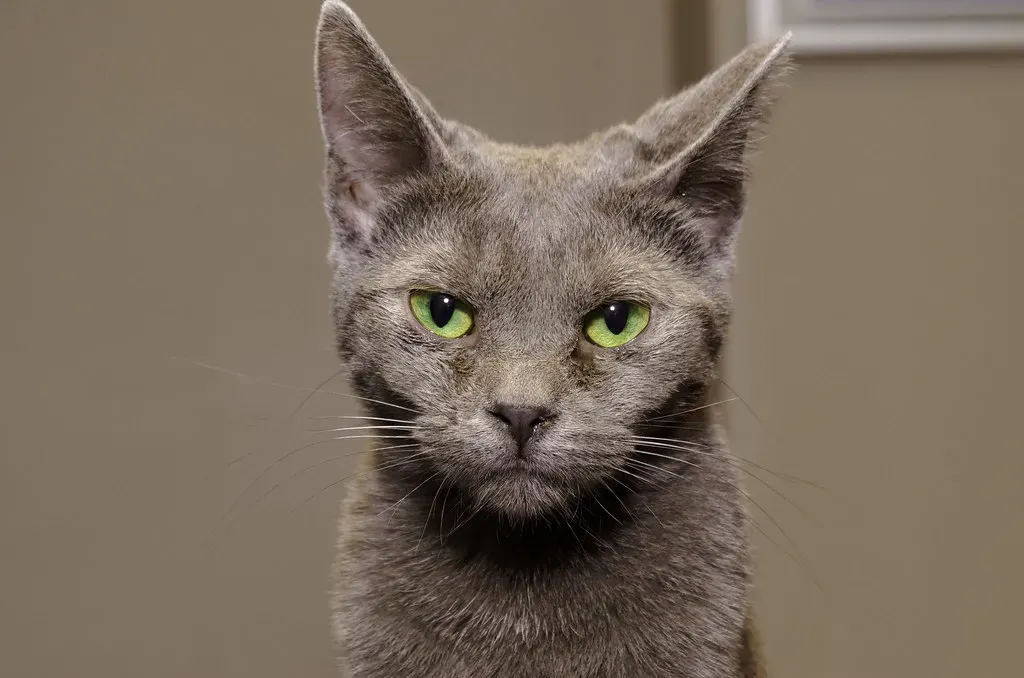
The Russian Blue stands out with its striking blue coat and emerald eyes, forming deep yet selective bonds with owners while enjoying considerable alone time. These cats actively seek quiet, private nooks for sleep and don’t mind much if you’re away at work all day. What’s remarkable is how they balance affection with independence so gracefully.
Russian Blues aren’t clingy despite being sweet-natured; they’re independent cats who tend to be shy and reserved around new guests, preferring to be alone. With a strong sense of self-worth, they’re smart and curious without being overly demanding or destructive. Think of them as sophisticated roommates who appreciate you but don’t need to be in your lap constantly.
Norwegian Forest Cat: The Gentle Giant
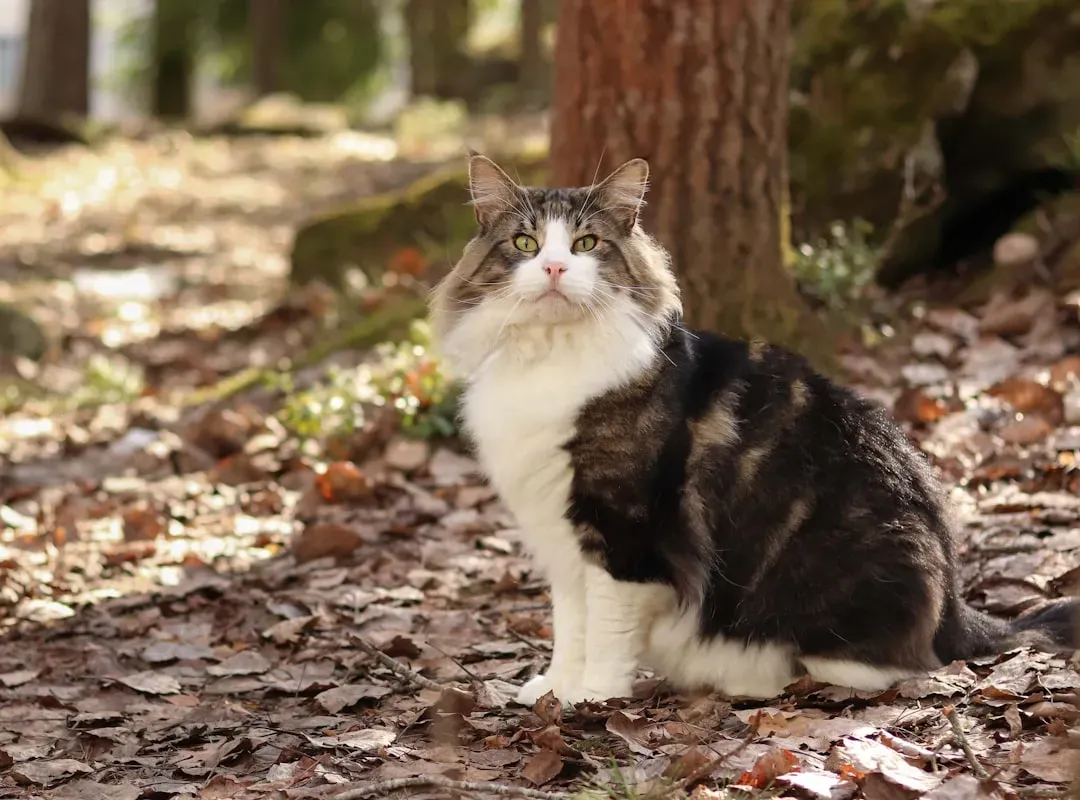
Norwegian Forest Cats display gentle, affectionate, and independent personalities, never demanding constant attention and happily having me-time when you’re busy. They adapt easily to many homes and while highly social, they’re known for being independent, preferring to come and go rather than cuddle in a lap all day. Their size might intimidate, but their temperament is surprisingly mellow.
These cats are quite independent, so if you’re looking for a cat that doesn’t need lots of direct attention, this breed fits perfectly as they happily entertain themselves. Norwegian Forest Cats are gentle and friendly but not constantly demanding of attention, happy to entertain themselves if no one is home. Let’s be real, they’re like having a low-maintenance companion who still greets you warmly when you return.
Persian: The Serene Companion
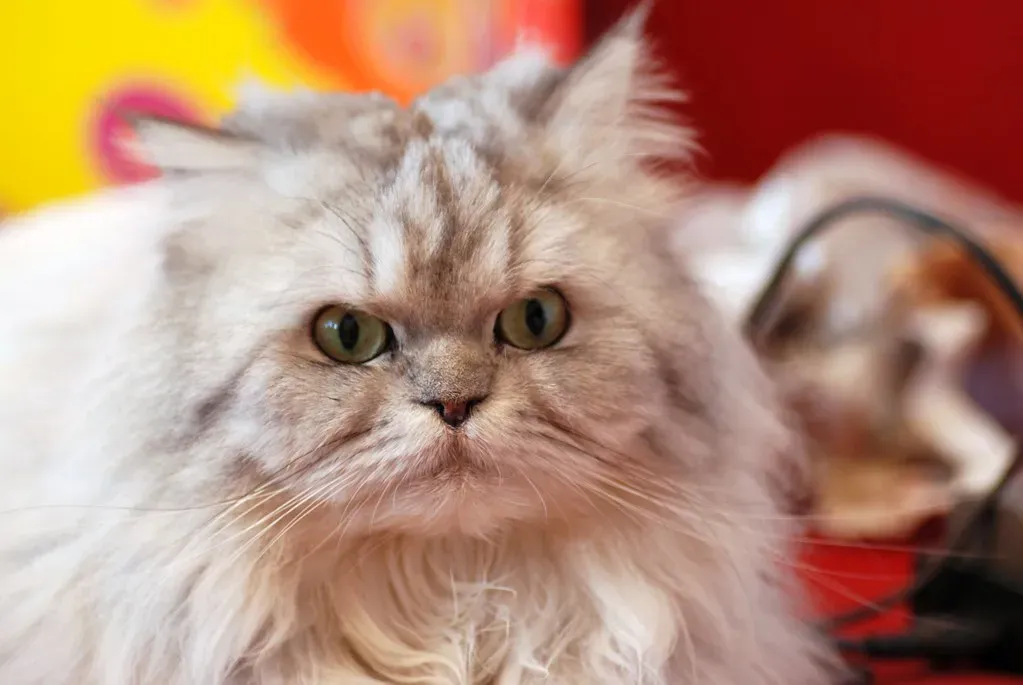
The Persian is an ancient breed that copes more than adequately with little attention during the day, and though very affectionate with owners, they tend to be slightly shy towards strangers. Persians have been sought-after for years thanks to their stunning appearance and mellow temperament; they’re low-energy, quiet, and calm, preferring not to climb.
These fluffy felines are like the couch potatoes of the cat world, loving to lounge around and take it easy, preferring a more sedentary lifestyle. I know it sounds lazy, but honestly, their calm demeanor makes them perfect for quieter households. Their tranquil nature makes them great companions for those who prefer a peaceful environment.
American Shorthair: The Easygoing All-American
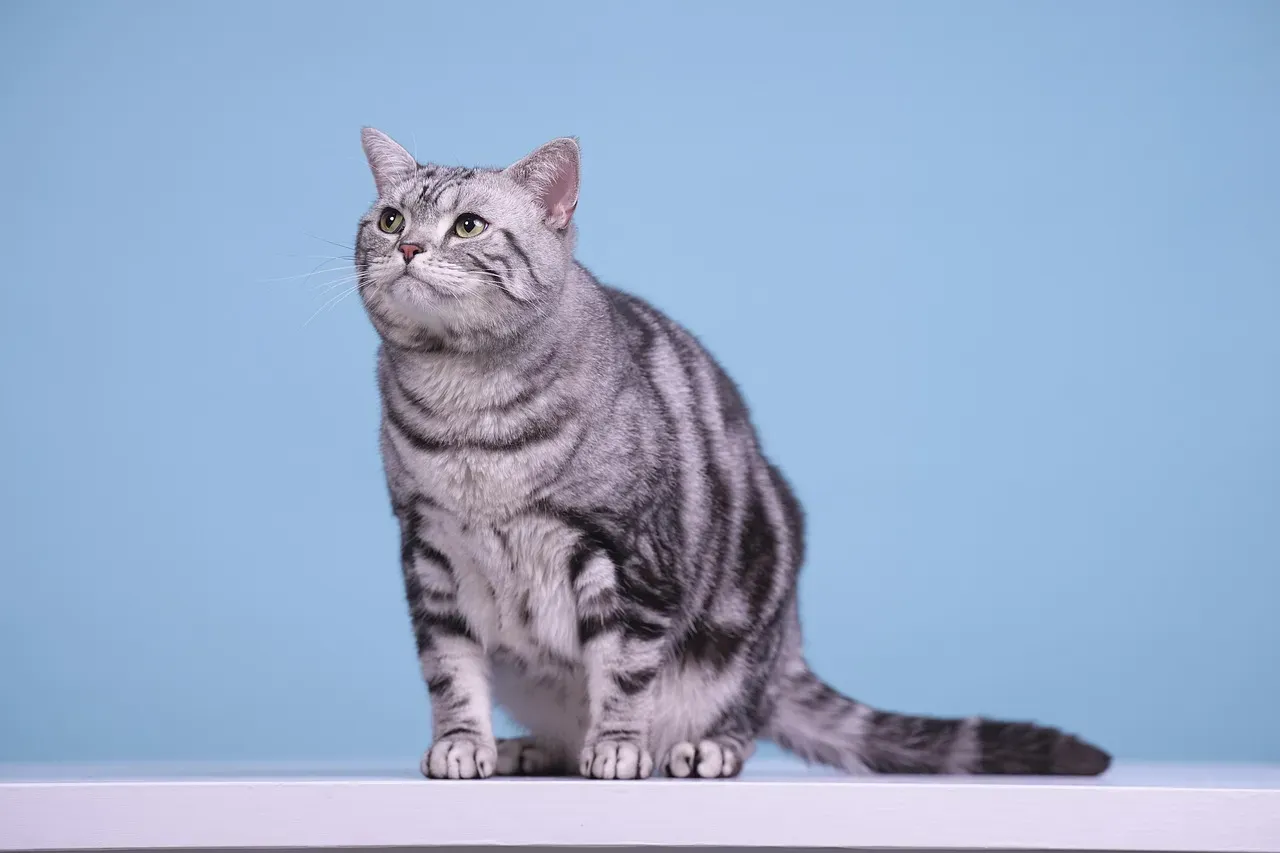
American Shorthairs boast a long lifespan and are notably low maintenance, while their independent nature means they’re happy in their own company. These cats tolerate being left alone, spending time just sleeping in the sun while remaining affectionate, making them wonderful, quiet companions. They’re basically the ideal cat for working professionals.
Despite being social kitties, American Shorthairs have an independent streak and don’t insist on constant attention. They’re independent enough to amuse themselves while owners are away at work, and given their high intelligence, these cats are easily trainable. Their balanced personality makes them incredibly adaptable to nearly any living situation.
British Shorthair: The Dignified Introvert
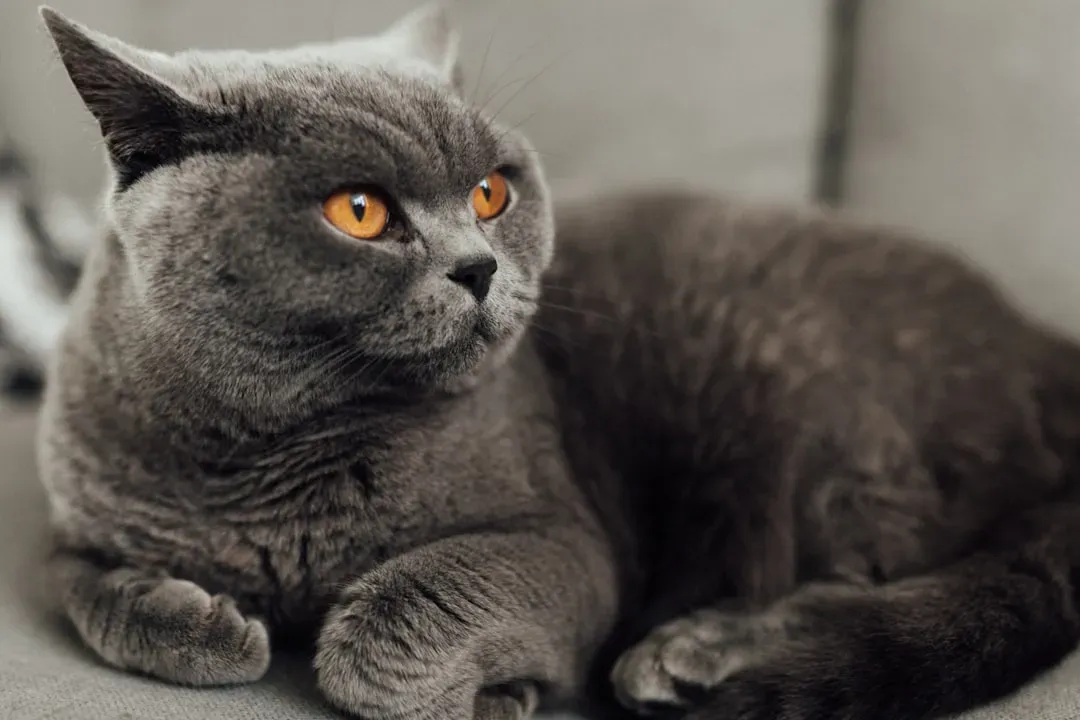
The British Shorthair is an independent cat breed with a laid-back, easygoing personality, often sporting a beautiful blue-gray coat though they come in other colors too. Even when awake, British Shorthairs are content to hang out by themselves when alone and will gladly warm your lap when you come home, being affectionate but never demanding.
Their temperament strikes a perfect balance between companionship and solitude. They won’t follow you everywhere demanding attention, but they’ll certainly appreciate your presence when you settle down. It’s hard to say for sure, but they might just be the most effortlessly independent breed on this list.
Scottish Fold: The Quiet Independent
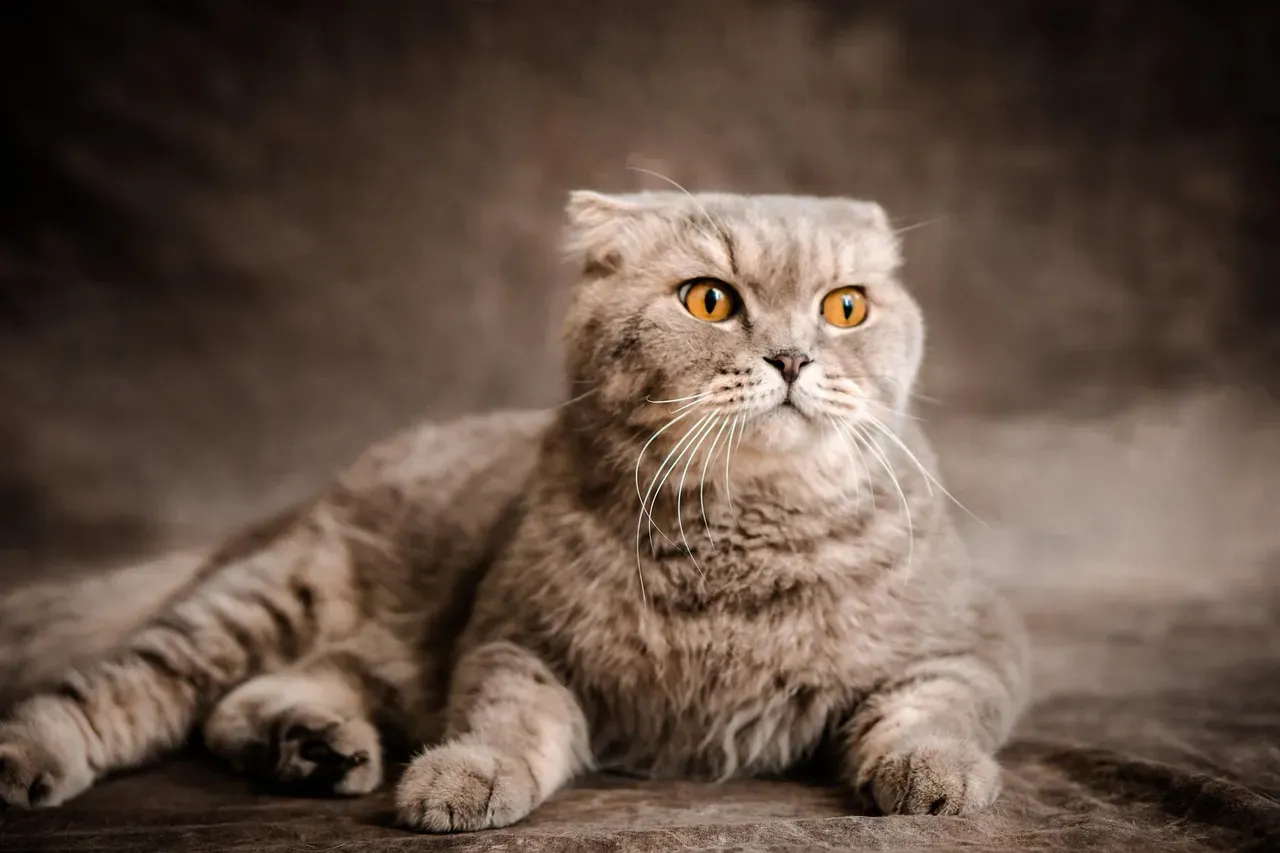
Now, Scottish Folds present an interesting case. With their distinctive folded ears, Scottish Folds have a gentle and calm disposition, acting as independent thinkers who enjoy lounging and exploring at their own pace. They choose to retreat to a quiet spot for some alone time to relax, and this breed is not particularly active or sporty.
While incredibly loyal and often bonding deeply with one person, they have a streak of independence allowing them to entertain themselves and explore their environment, balancing companionship with personal space. However, it’s worth noting that Scottish Folds don’t do well being left alone for long periods due to their sociable personality, so they need a different kind of independence than some other breeds.
Maine Coon: The Self-Sufficient Gentle Beast
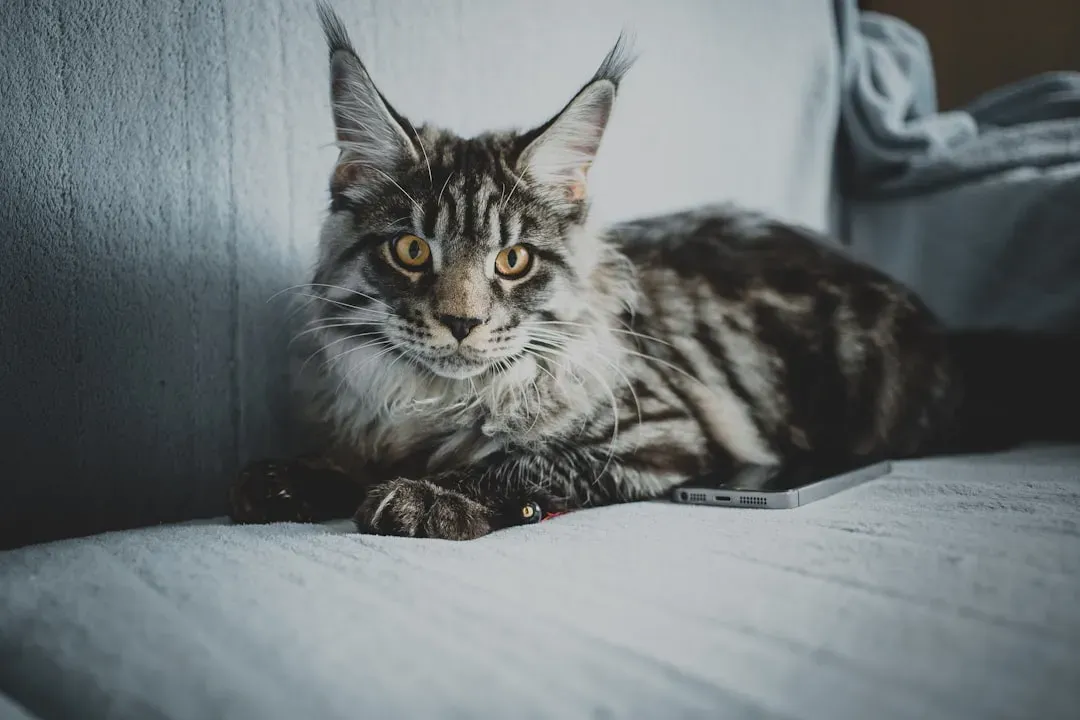
Maine Coons are quite independent and don’t mind spending time alone, which is perfect for people who have busy schedules or need some alone time. These majestic cats with bushy tails were farmer cats in the past, and their hunting instincts remain sharp, so they won’t mind stalking prey or toys while you’re at work.
Despite their massive size, Maine Coons possess a remarkably self-sufficient nature. Their adaptability is one of their best qualities, easily adjusting to different living situations whether in a small apartment or large house. They’re like teddy bears who happen to be completely fine doing their own thing when you’re busy, yet always ready for interaction when you’re available.
Understanding Your Cat’s Space Needs
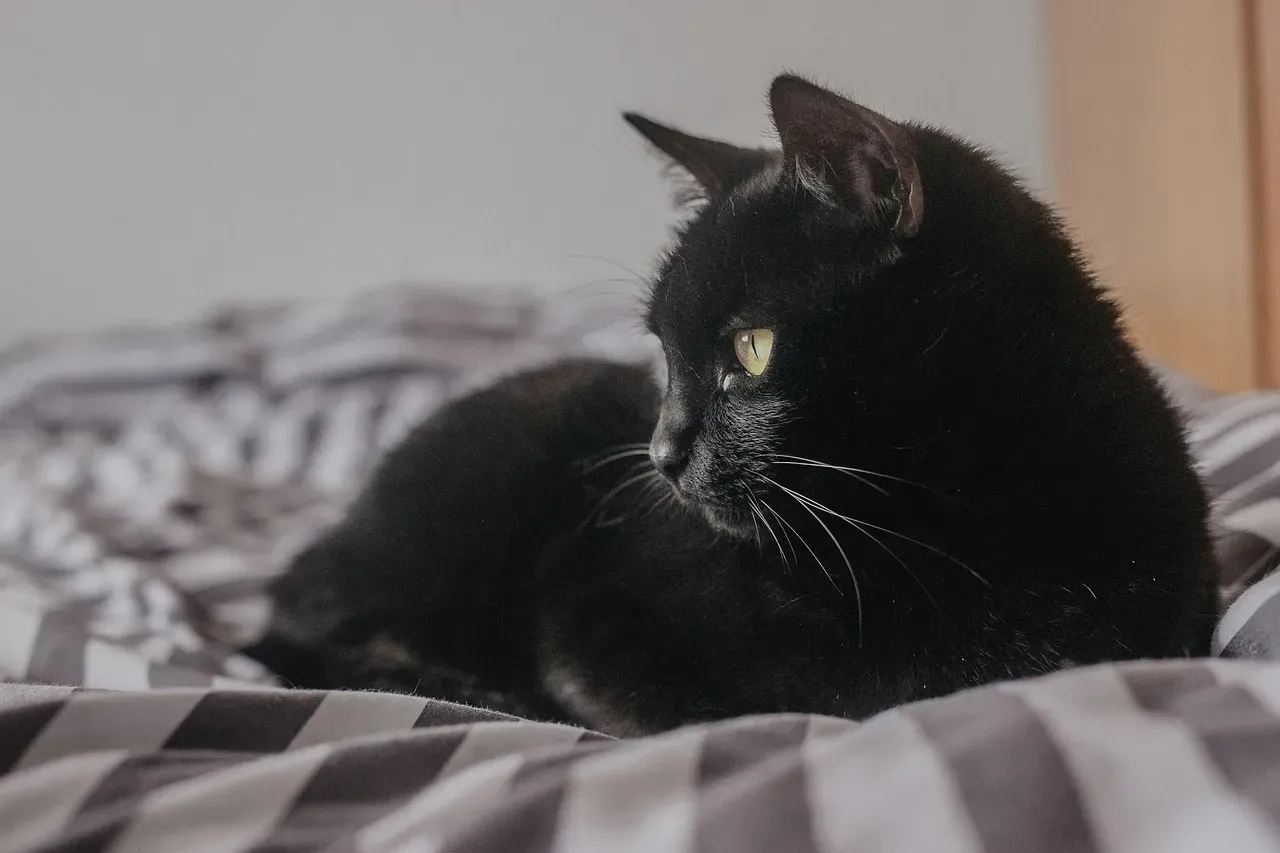
Independent cats are typically low-maintenance and don’t become anxious when left alone for a few hours, though they still need daily love, care, attention, and enrichment to be happy. While all cats occasionally need some TLC, some breeds cope better with spending time alone, and there are breeds that cope better being alone in the house than others.
The key takeaway? Respecting your cat’s need for solitude doesn’t mean they don’t love you. These breeds have simply evolved to appreciate their personal space just as much as they appreciate your companionship. Embracing an independent cat breed means welcoming a companion that respects personal space while still offering affection on their terms, thriving in environments where their need for solitude is honored.
Creating a harmonious home with these breeds means understanding that independence isn’t rejection. Provide them with enrichment, respect their boundaries, and you’ll find they offer loyalty and affection in their own unique ways. They might not be glued to your side, but they’ll certainly claim their spot in your heart.
What’s your experience with independent cat breeds? Have you noticed how your feline friend balances their need for space with their affection for you?