You love your cat. Truly, you do. You cherish those quiet moments of companionship, the soft purring, the gentle head bumps. Then the clock strikes three in the morning, and suddenly your sweet feline transforms into a wailing banshee who seems determined to wake every neighbor within a three-block radius. That desperate, guttural yowling, the kind that makes your chest tighten and your eyes snap open in alarm, is what’s known as caterwauling. If you’re reading this at dawn, exhausted and desperate for solutions, know you’re not alone in this nocturnal nightmare.
Let’s be real. Those sleepless nights take a toll. Maybe you’ve tried earplugs, white noise machines, even begging your cat to please, just this once, let you sleep. Yet night after night, the caterwauling continues, leaving you bleary-eyed at work and wondering what on earth your furry companion is trying to tell you. Here’s the thing: your cat isn’t doing this to spite you or drive you to the edge of sanity. They’re communicating something vital, something they desperately need you to understand. The good news? Once you decode the message behind those midnight yowls, you can finally start reclaiming your sleep.
Understanding What Caterwauling Actually Means
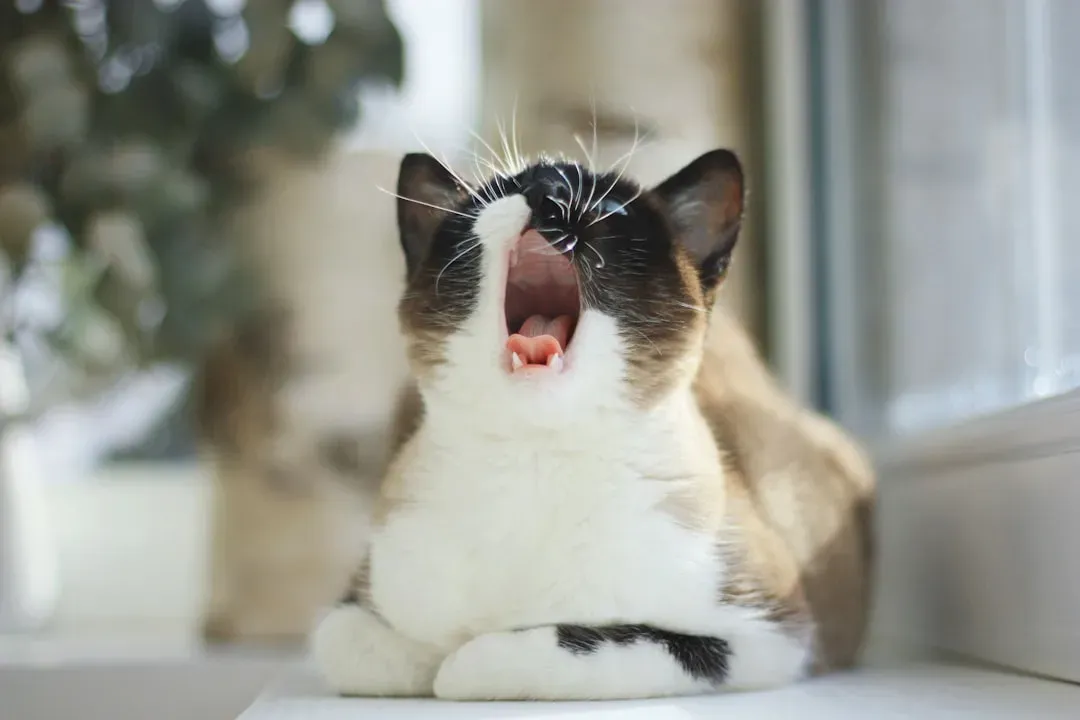
Caterwauling is a repeated, long yowling sound. Unlike your cat’s typical meow, which might be a sweet request for breakfast or a gentle greeting when you walk through the door, caterwauling is loud, prolonged, and frankly unsettling. It’s that dramatic, drawn-out vocalization that seems to echo through your home with an urgency that’s impossible to ignore.
A cat yowling at night has something to say and wants to say it right now. Think of it as your cat’s emergency broadcast system. While a regular meow is polite conversation, caterwauling is their way of shouting from the rooftops. It’s hard to say for sure, but this behavior often signals distress, confusion, or an unmet need that your cat finds absolutely pressing in that moment.
The Medical Reasons Behind Nighttime Yowling
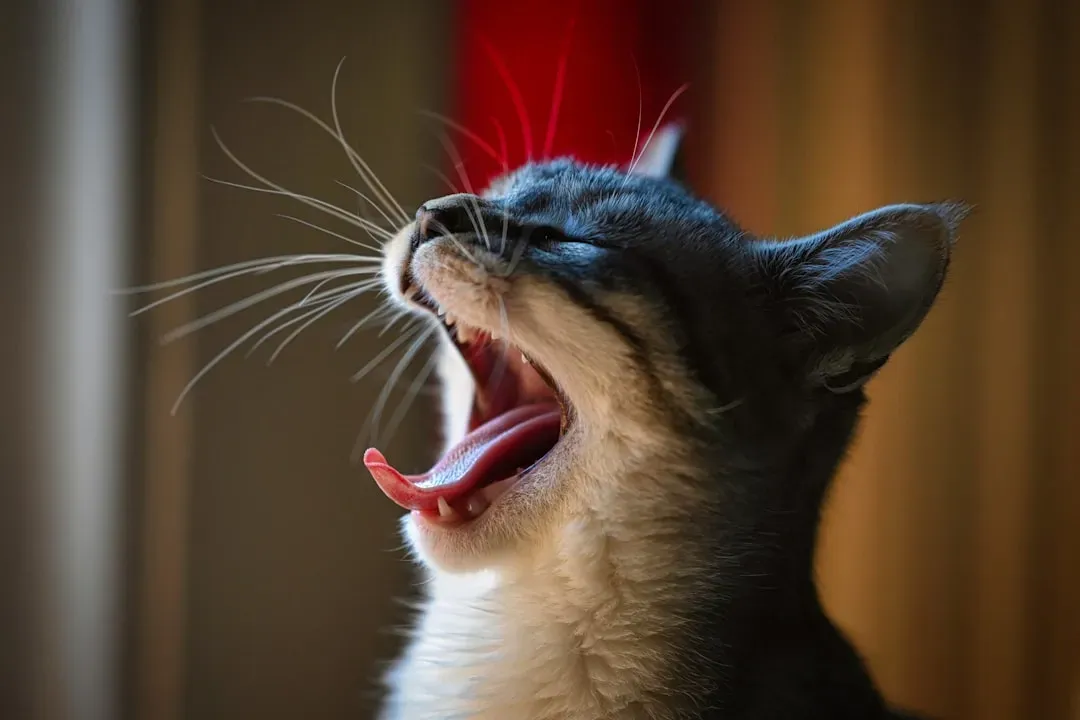
Cats that are in pain will often make noise, and if their tummy hurts, or they have arthritic joints, or they are injured, they frequently vocalize. Physical discomfort is one of the most common culprits behind excessive caterwauling, particularly in older cats. Your cat might be experiencing dental pain, urinary tract issues, or the ache of arthritis that becomes more pronounced when they’re trying to settle down for the night.
Cats with systemic medical problems like thyroid disease or kidney malfunction may howl, too, and any number of ailments can cause caterwauling. Hyperthyroidism, which revs up your cat’s metabolism and leaves them feeling anxious and restless, is particularly notorious for causing nighttime vocalization. As cats age, they, too, experience health issues that can cause insomnia, including hyperthyroidism which revs a cat’s metabolism, making them anxious and ravenous. This isn’t something you can diagnose at home, which is why a veterinary visit should always be your first step.
Cognitive Dysfunction and Senior Cat Confusion
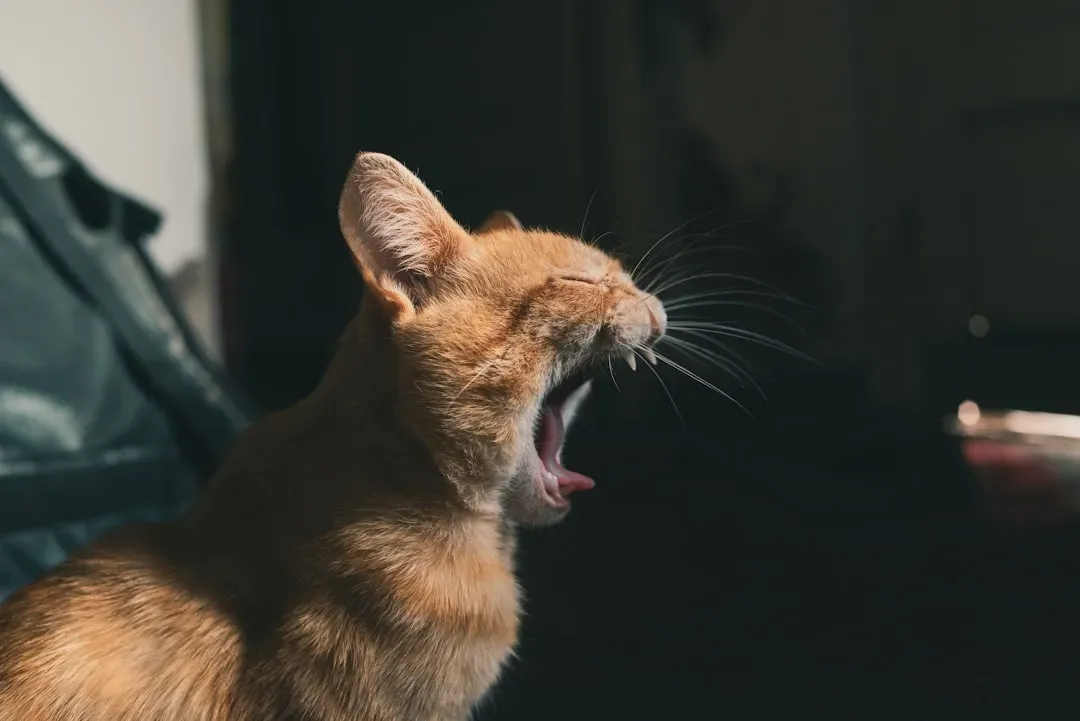
Your kitty’s sleep cycle can be affected by neurological conditions like cognitive dysfunction, which can occur in cats older than 10 years old, and loud midnight meowing out of nowhere can be indicative of dementia. Just like humans can develop Alzheimer’s disease, cats can experience cognitive decline as they age. This condition, often called feline dementia, can be absolutely heartbreaking to witness.
The majority of owners reported that the main cause of their cat’s vocalisation appeared to be disorientation or attention seeking, followed by seeking a resource such as food, and pain. Imagine waking up in the middle of the night feeling completely lost in your own home. That’s what many senior cats with cognitive dysfunction experience. Some age-related issues like diminishing hearing and vision can cause increased anxiety and yowl-inducing frustration. The world becomes confusing, scary even, and your cat vocalizes that distress through caterwauling.
When Hormones Are the Hidden Culprit
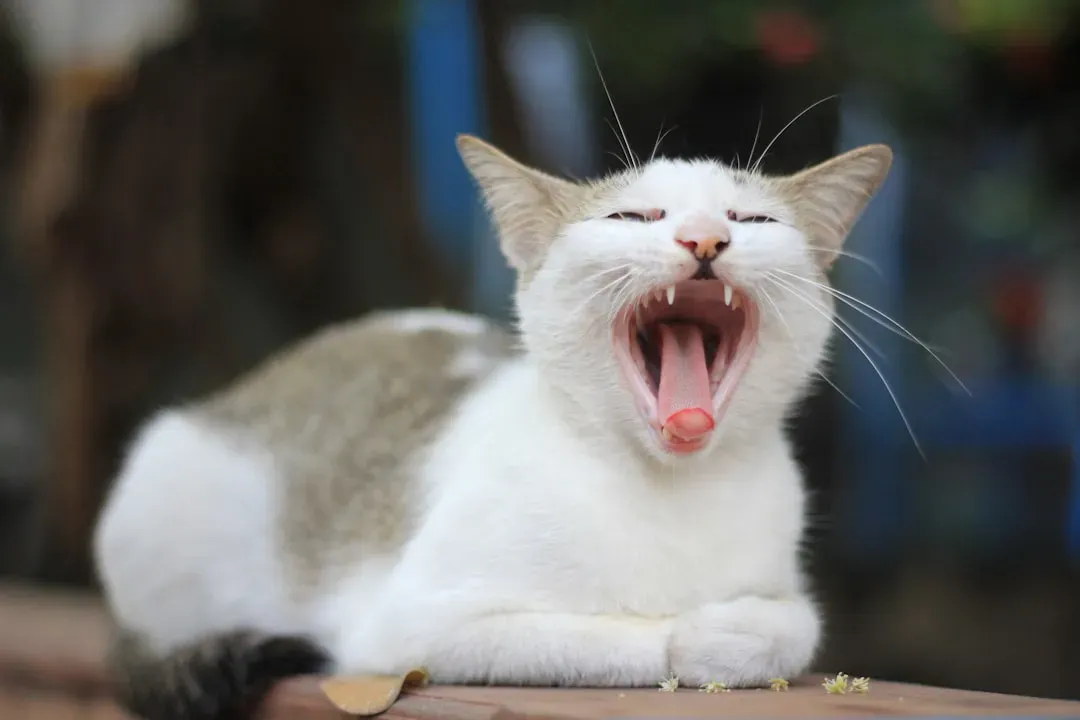
If your cat isn’t spayed or neutered, they could go into heat as early as four months of age, and when in heat, female cats make loud, unusual sounds like yowling while males respond with equally loud yowls. Honestly, if your cat hasn’t been fixed, this might be the simplest explanation for all that nighttime noise. The mating instinct is powerful, and cats in heat can be relentlessly vocal about it.
If your cat’s caterwauling is hormonal in nature, get him or her fixed, as female cats should be spayed before their first heat cycle and male cats should also be neutered at an early age. This isn’t just about stopping the yowling. Spaying and neutering prevents unwanted litters, reduces certain health risks, and generally makes for calmer, happier cats. The decision to fix your cat can eliminate this particular source of caterwauling almost immediately.
Territorial Troubles and Intruder Alerts
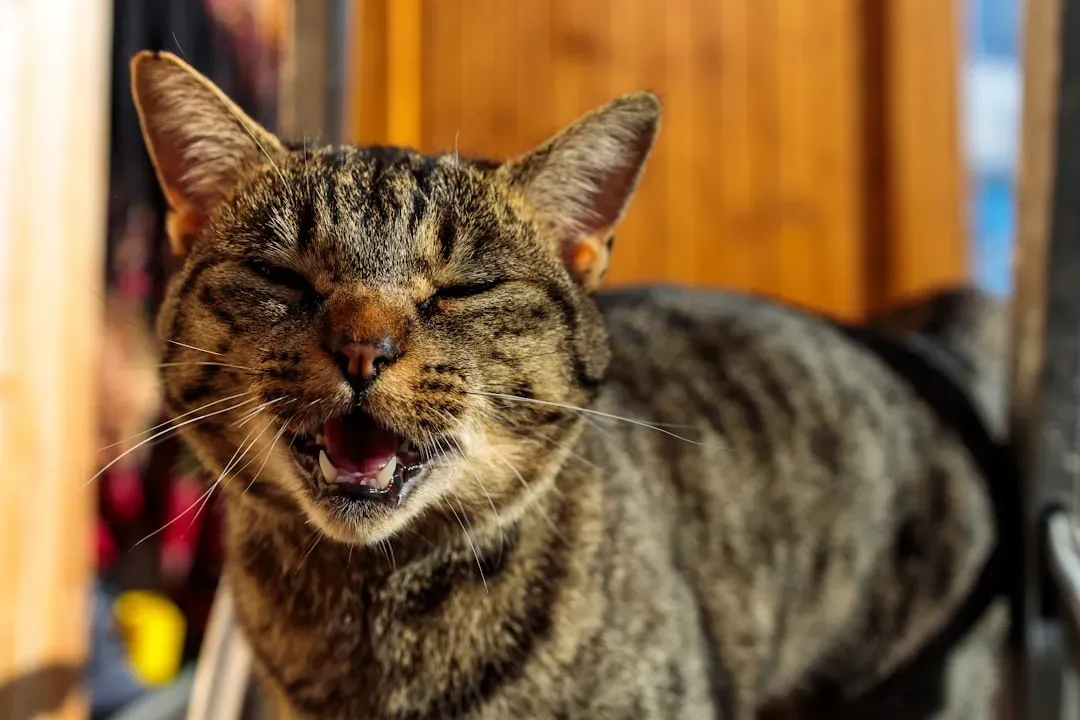
Yowling at night could be a warning to other cats, non-feline animals, or humans that they’re invading her space, and the intruder could be outside your home or inside like a new pet. Cats are fiercely territorial creatures, despite often appearing aloof or indifferent. If there’s another cat prowling around your backyard at night, or if a neighbor’s dog has been leaving scent marks near your property, your cat knows about it.
Cats are territorial and protect their turf, and if a stranger comes inside their protected perimeter, they may caterwaul, even if the intruder stays outside. This defensive vocalization serves as both a warning and a stress release. Your cat might spend the day blissfully napping, but when darkness falls and those outdoor animals become more active, the territorial alarm system kicks into high gear. Sometimes closing curtains or blocking window views at night can help reduce this anxiety-driven caterwauling.
Understanding Your Cat’s Crepuscular Nature
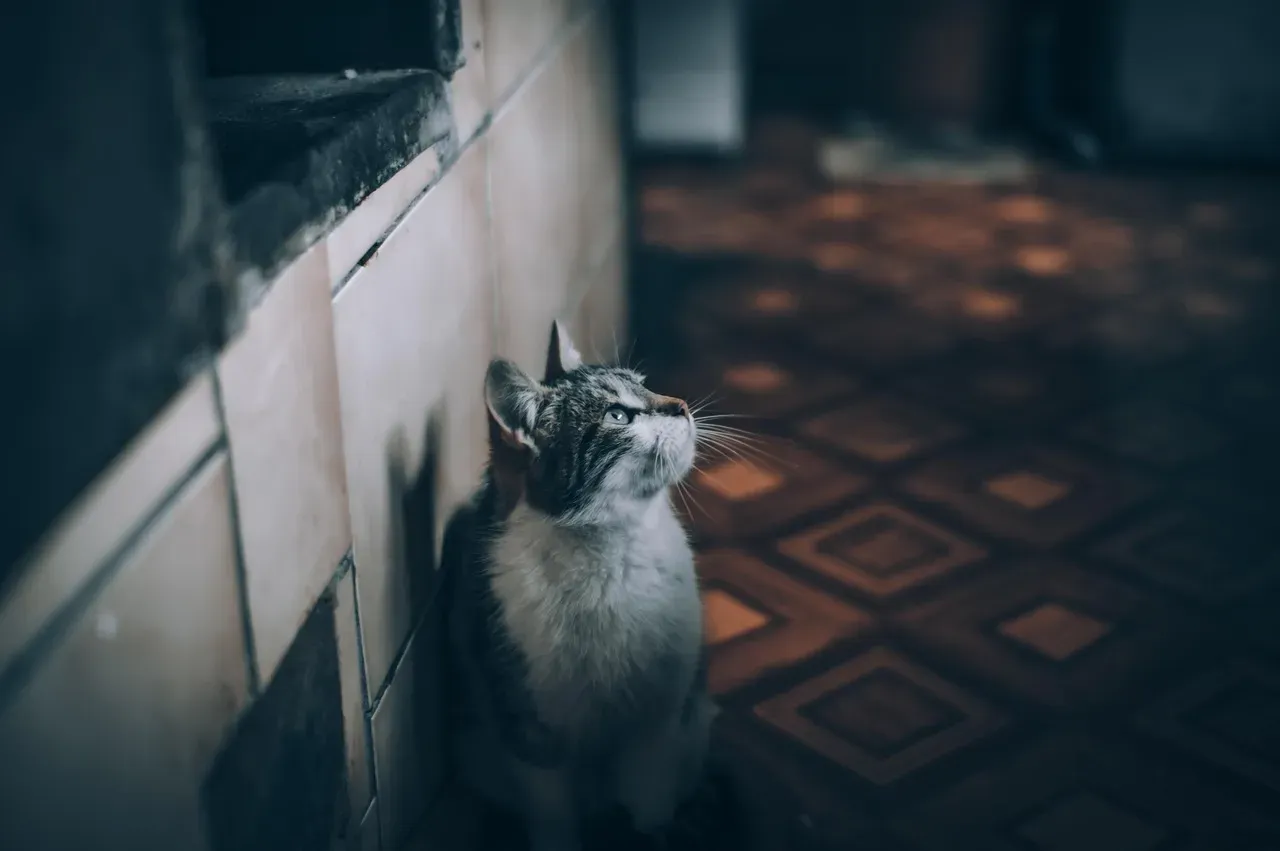
Cats are crepuscular, active at dawn and dusk, and nocturnal, active at night. Here’s where things get interesting. Your cat isn’t necessarily being difficult by staying awake while you’re trying to sleep. They’re simply following their biological programming, honed over thousands of years of evolution.
Cats are crepuscular creatures, meaning they are most active at dusk and dawn. Those twilight hours, when light is fading or just beginning to return, are prime hunting time in the wild. Your domesticated house cat still carries those instincts deep within. So while you’re settling into your third REM cycle, your cat’s internal clock is screaming that it’s time to hunt, play, and yes, vocalize. Let’s be real, this natural rhythm clash between humans and cats causes a whole lot of sleep disruption in households everywhere.
Attention-Seeking Behavior That Actually Works
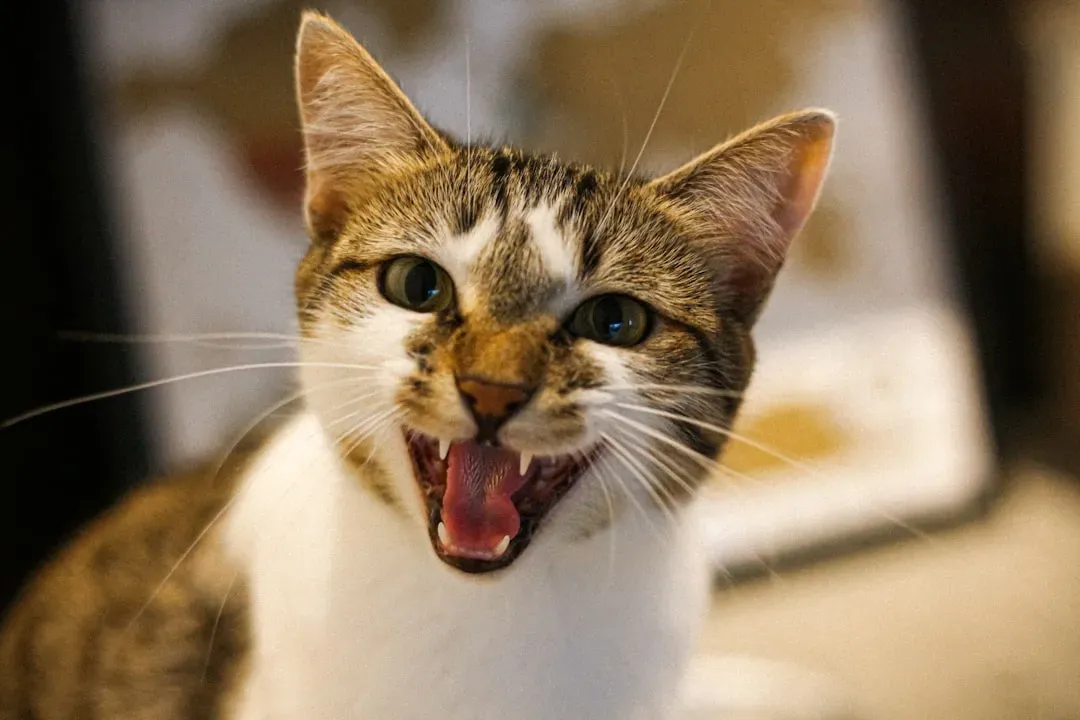
Don’t reward caterwauling, as it’s okay to lavish your cat with attention to prevent caterwauling, but not to stop the caterwauling, otherwise your cat will quickly recognize that caterwauling gets them what they want. I know it sounds crazy, but you might actually be training your cat to yowl at night without even realizing it. Every time you stumble out of bed at four in the morning to feed your cat or give them attention, you’re reinforcing the behavior.
Think about it this way: your cat experiments with different behaviors to get what they need. When caterwauling successfully produces food, playtime, or cuddles, your cat files that information away for future use. The cat has now been richly rewarded for the behavior, and rewarded behaviors become fixed behaviors. Breaking this cycle requires patience and consistency, which admittedly feels nearly impossible when you’re exhausted and just want five more minutes of sleep. Yet this is one of the most crucial steps in stopping nighttime caterwauling for good.
Loneliness, Boredom, and Understimulation
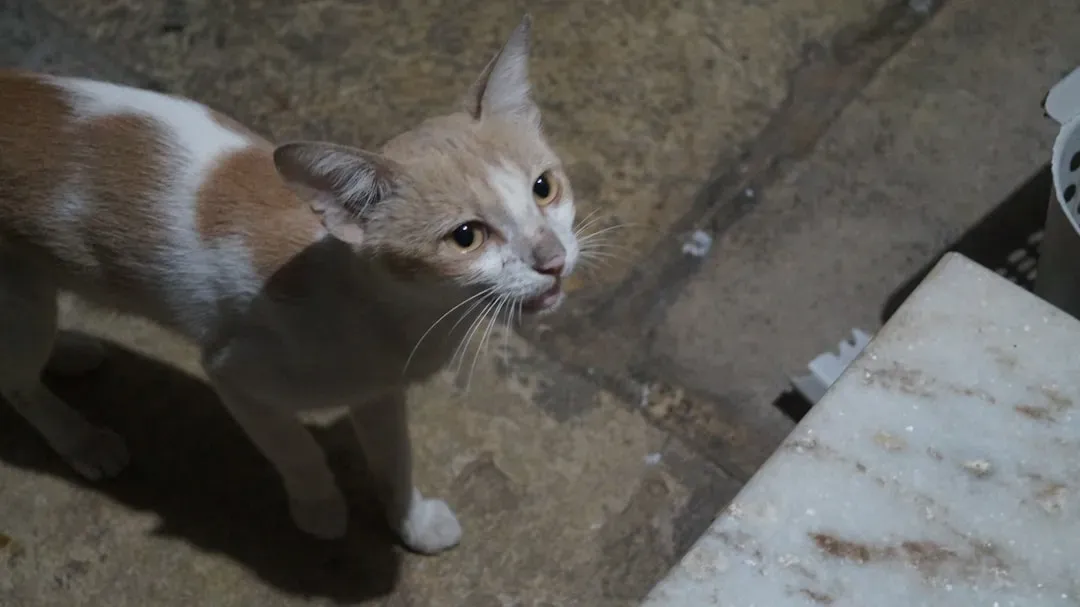
Your cat might meow at night because they feel bored, unstimulated, lonely or just want to go outside. Cats need mental and physical stimulation throughout the day, not just whenever we happen to remember to wave a feather toy in their direction for thirty seconds. If your cat spends most of their day sleeping while you’re at work, they’re going to have a whole lot of pent-up energy come nightfall.
Cats can definitely get bored, especially if their environment doesn’t allow them to explore or express natural behaviors, such as hunting, stalking, and climbing. Your cat isn’t being needy or demanding. They’re simply trying to meet their basic needs for engagement and activity. Nighttime activity may be a form of social play and attention seeking behavior, and the first consideration is whether the cat is getting sufficient amounts of social interaction and social play during the daytime. An enriched environment with puzzle feeders, vertical spaces to climb, and regular play sessions can work absolute wonders for reducing nighttime caterwauling.
Practical Solutions to Stop the Nighttime Noise
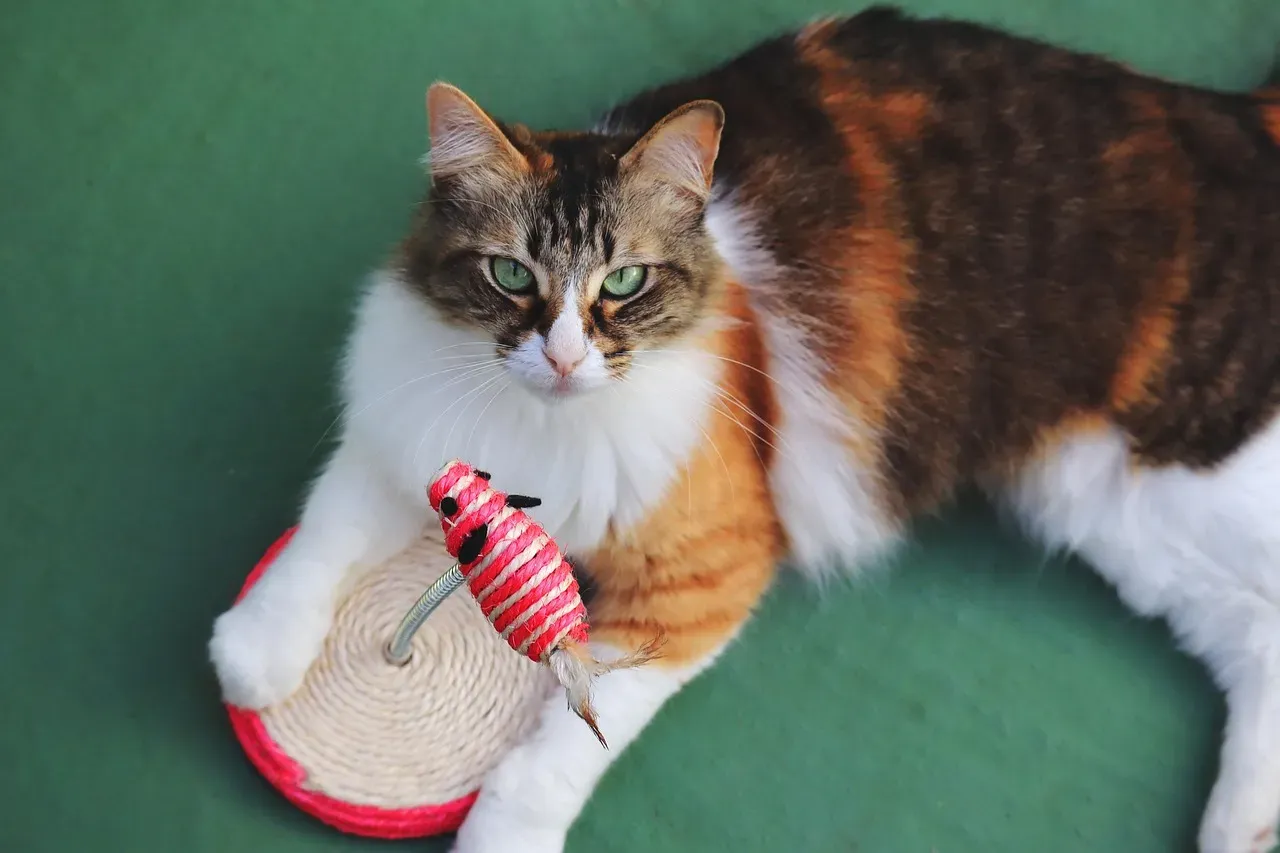
If your cat stays awake at night and naps all day, you may need to adjust their biological clock by encouraging your cat to stay awake during the day by providing entertaining toys and engaging them in active play before nightfall to tire them out. Resetting your cat’s schedule takes time and patience, but it’s absolutely doable. The key is making daytime exciting and nighttime boring.
To reset it to evening, use a wand toy to play with your cat in the evening before bedtime, and it can take several days of this strategy before you start to notice any effect. Schedule a vigorous play session about an hour before your bedtime. Get your cat running, jumping, and pouncing until they’re genuinely tired. Follow this with a small meal, mimicking the natural hunt-catch-eat-groom-sleep cycle that cats instinctively follow. Make sure they are not hungry or thirsty, give extra attention, and stay within the cat’s visual range, which may mean having them sleep in your room. However, never reward the actual caterwauling itself with attention.
Finding Peace for Both You and Your Feline
It’s not always easy to understand why your cat has become chattier or is keeping you up at night with her yowls, and recognizing what might be causing her assertive nighttime chats is the first step towards keeping your cat happy and healthy, and getting back to a peaceful night of sleep. The journey to quiet nights starts with patience, observation, and a willingness to see the world from your cat’s perspective. Remember, your cat isn’t trying to torture you with their nighttime concerts.
Every cat is unique, carrying their own personality quirks, health history, and emotional needs. Some cats respond quickly to environmental changes and routine adjustments. Others require veterinary intervention, medication, or long-term behavioral modification. Whatever the trigger for your cat’s nocturnal yowls, you shouldn’t ignore the crying, as your cat is trying to tell you something, and as always, the first port of call should be the vet’s office.
Those sleepless nights don’t have to be your forever reality. With the right approach, combining medical care when needed, environmental enrichment, and a consistent daily routine, you can help your cat feel secure, content, and yes, quieter during those precious nighttime hours. Did you think your cat’s caterwauling was unfixable? What changes are you willing to try tonight?