You’ve probably always thought that when your cat purrs, everything’s right in their world. That soft, rumbling vibration seems like the ultimate sign of feline contentment, right? Well, here’s the thing. Sometimes that familiar purr isn’t telling you your kitty is happy at all.
It’s hard to say for sure, but cats are incredibly complex creatures who use purring for far more than just expressing joy. They’re masters at hiding discomfort, and their purr can actually be a cry for help disguised as happiness. Understanding when your cat’s purr signals distress rather than delight could make all the difference in catching health issues early.
When Your Cat Purrs During a Vet Visit or Stressful Situation
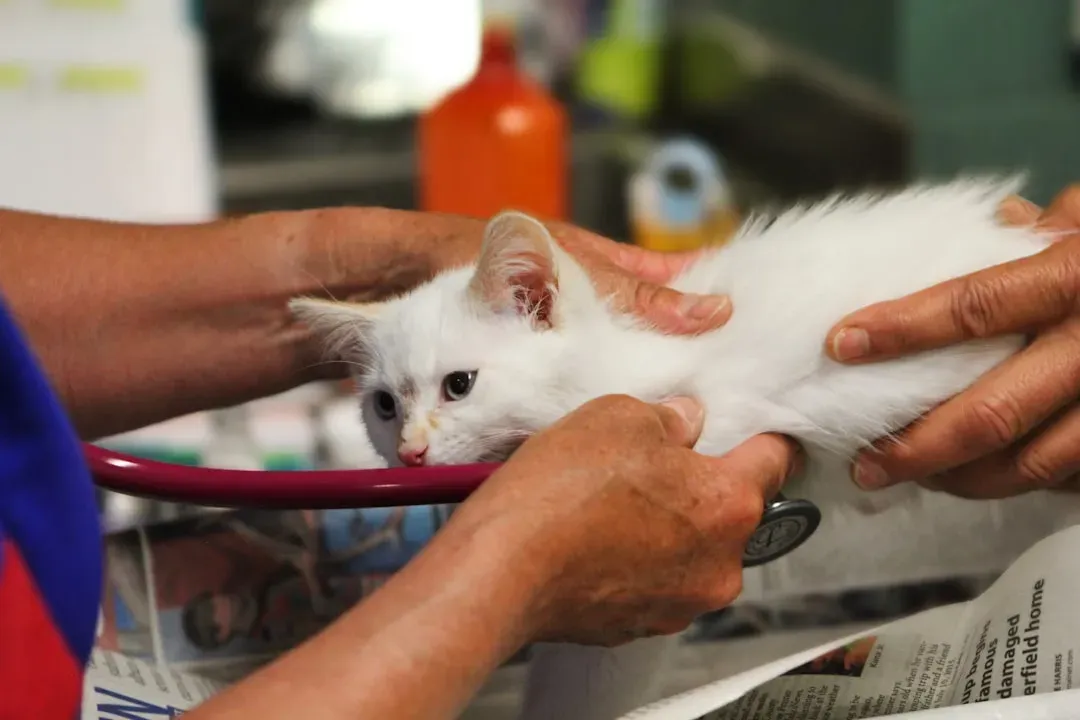
Let’s be real, if your cat is purring at the veterinary clinic while their body language screams terror, something’s off. A stress purr often sounds higher pitched than normal, particularly when your cat is in an uncomfortable environment. Think about it like this: humans might nervously laugh during awkward situations, and cats do something similar with purring.
Purring serves as a form of self-soothing that can help a cat calm down when they’re anxious or frightened. You might notice other telltale signs accompanying this type of purr. Watch for a tense or hunched posture, flattened ears, dilated pupils, or signs of distress. The context matters enormously here.
What should you do? First, recognize that your cat needs reassurance, not just assumption of happiness. Create a calm environment by speaking softly and avoiding sudden movements. If you’re at the vet, ask the staff if they can give your cat a few moments to decompress. If your cat is acting scared during a veterinary visit, they need help from you or the veterinary professionals to reduce fear and anxiety.
The Pain-Related Purr That Fools Most Owners
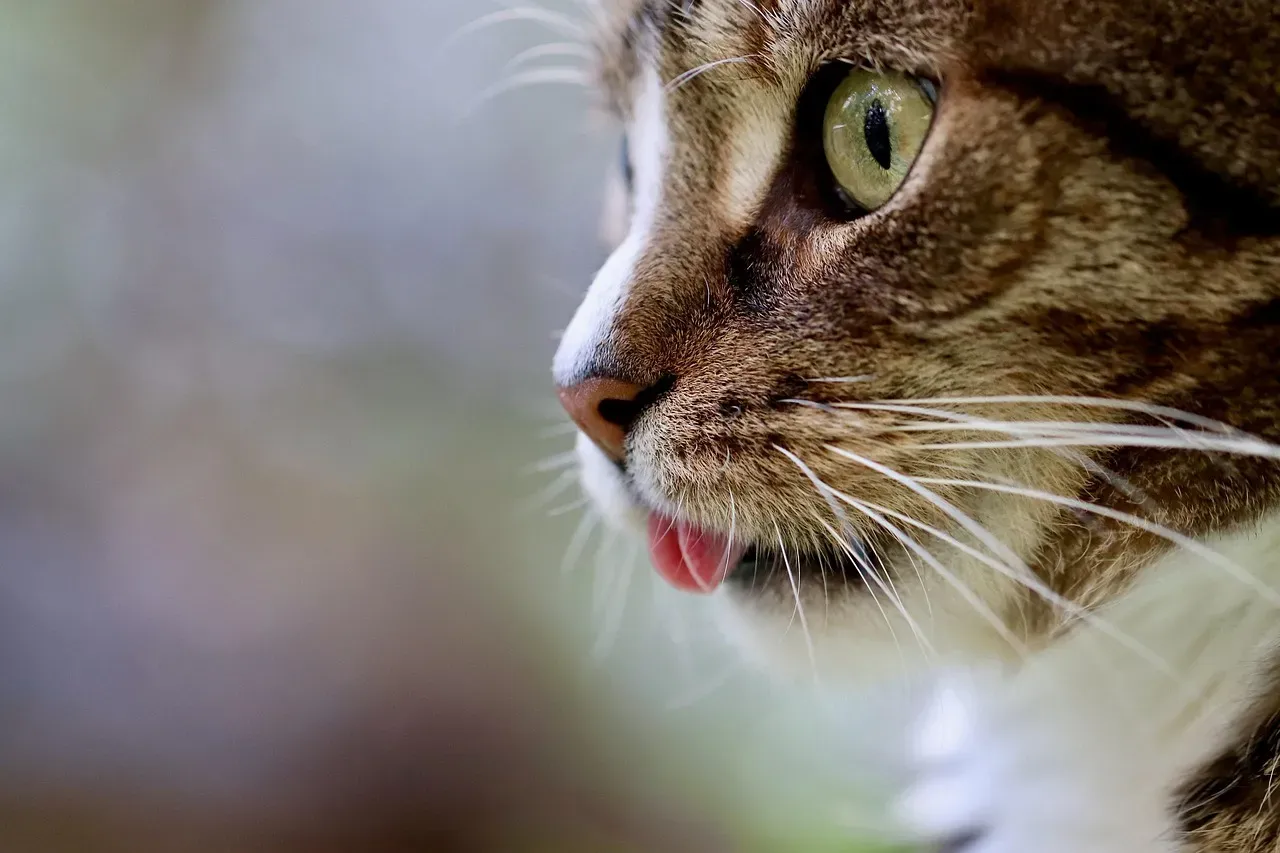
This one surprises people the most. Purring may actually increase in a cat experiencing pain, which seems completely counterintuitive. Your cat could be suffering from an injury, dental issues, or internal discomfort while purring away on your lap. The reason? Studies have shown that purring helps with the cat’s stress levels and may help them feel more reassured and even have healing properties.
The key is watching for accompanying symptoms. If your cat is purring while showing other signs of pain, you need to investigate further. Look for changes like squinting eyes, decreased appetite, reluctance to move, or hiding behavior. Purring can be a sign that a cat has severe pain, though experts still don’t fully understand why cats engage in this behavior.
Take action by monitoring your cat closely. If the purring seems out of context or is paired with unusual behavior, don’t wait. Contact your veterinarian to help determine what’s causing the pain and the best ways to treat it. Never assume purring automatically means everything’s fine.
When Purring Accompanies Obvious Illness Symptoms
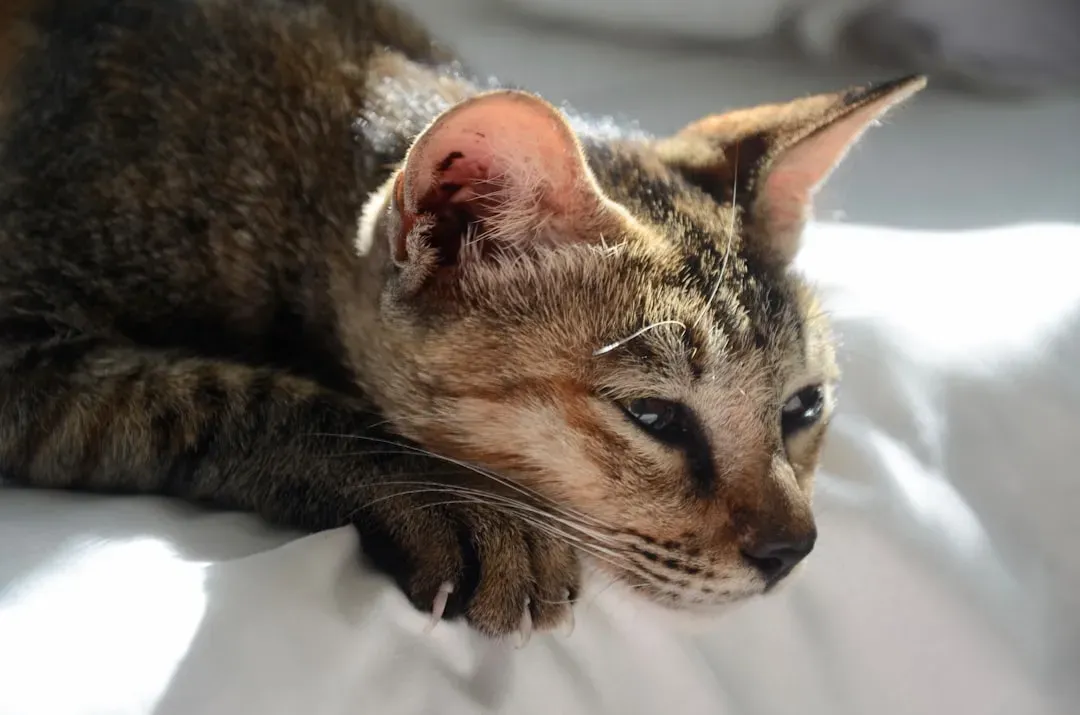
Sick cats often lie quietly in a hunched position, neglect grooming, and may be purring. It’s an unsettling sight when you really think about it. Your cat might be battling nausea, fever, or digestive issues while producing that familiar rumble you’ve always associated with wellness.
Picture this scenario: your cat hasn’t eaten in over a day, they’re lethargic, and yet they’re purring when you approach. Cats can purr when they are sick or in pain, and by purring, the cat may be asking for care. It’s almost like they’re trying to communicate their need for help in the only way they know how.
What to do here is straightforward but crucial. Look for warning signs like changes in appetite, behavior, toileting, or physical health that accompany the purring. Document what you’re seeing and get your cat to a veterinarian promptly. Don’t let the purr lull you into a false sense of security. Cats are brilliant at masking illness, and by the time symptoms become obvious, they may have been suffering for quite some time.
The Self-Soothing Purr During Labor or Injury Recovery
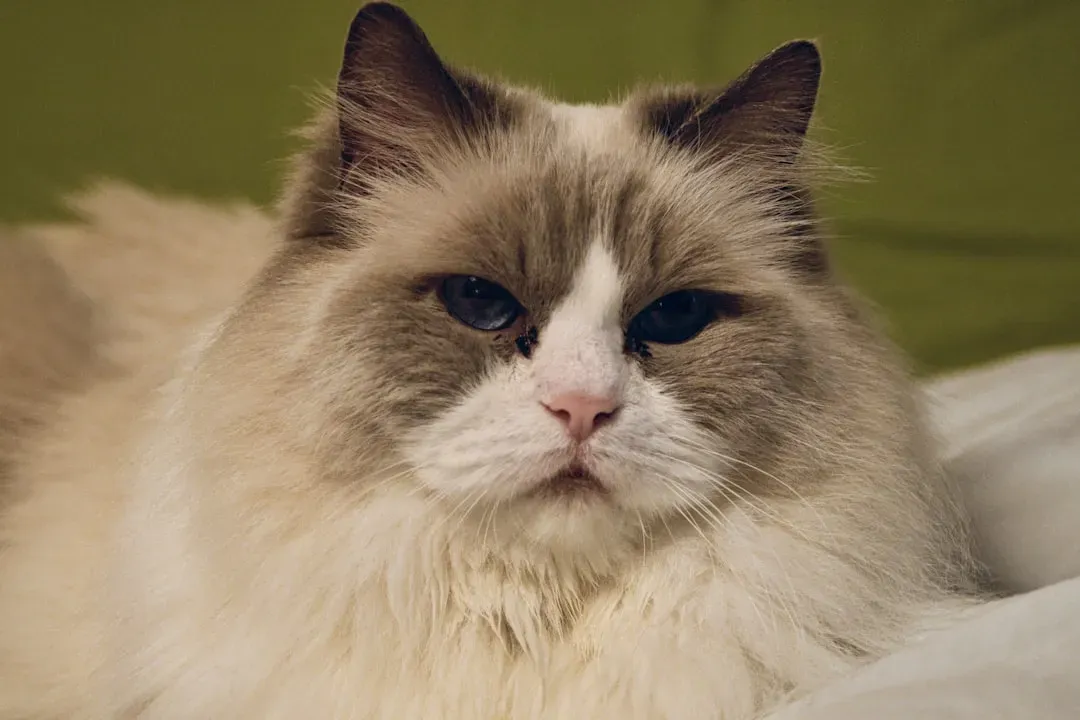
Mother cats often purr while in labor, and it’s believed this serves as a form of self-medication. The same goes for cats recovering from surgery or traumatic injuries. While this might seem like a positive coping mechanism, and in some ways it is, it also signals that your cat is going through something physically demanding or painful.
The vibrations produced during purring occur at specific frequencies. The frequency of those vibrations ranges from 20Hz up to 150Hz and is thought to promote bone growth. Some researchers believe this explains why injured cats purr as they heal. Still, just because it might help doesn’t mean your cat isn’t struggling.
Your role is to provide supportive care. If your cat is recovering from surgery or injury, ensure they have a quiet, comfortable space away from other pets and household chaos. Talk with or visit your veterinarian any time you think your cat may be in pain. Monitor the healing process closely and never hesitate to reach out to your vet if something seems off, even if your cat is purring.
When Purring Signals End-of-Life Distress
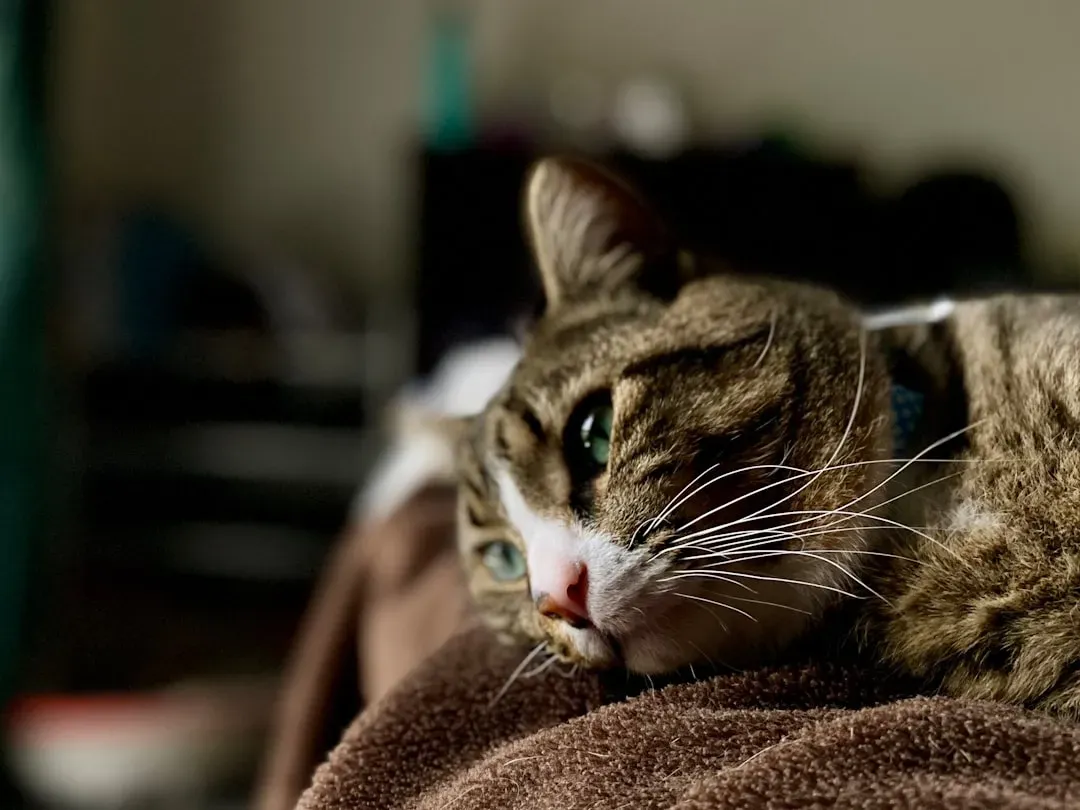
This is perhaps the most heartbreaking reality to face. Some cats may even purr before they die, and the purring sound may potentially be a comforting sound for them. Elderly or terminally ill cats sometimes purr as a way to self-comfort during their final hours or days. It’s their instinctive attempt to soothe themselves through profound discomfort.
You might observe your senior cat purring while exhibiting other concerning signs like extreme lethargy, refusal to eat or drink, labored breathing, or withdrawal from family members. Cats may purr when nervous, sick, in pain or even when close to death. The purr in these situations isn’t joyful – it’s a coping mechanism for profound distress.
What can you do? First, consult with your veterinarian about your cat’s quality of life and whether palliative care or other interventions might help. Make sure your cat is as comfortable as possible with soft bedding, easy access to food and water, and minimal stress. Sometimes the kindest thing we can do is recognize when our beloved companion is suffering and make difficult but compassionate decisions about their care. The purr doesn’t always mean “I’m okay” – sometimes it means “I need you now more than ever.”
Conclusion
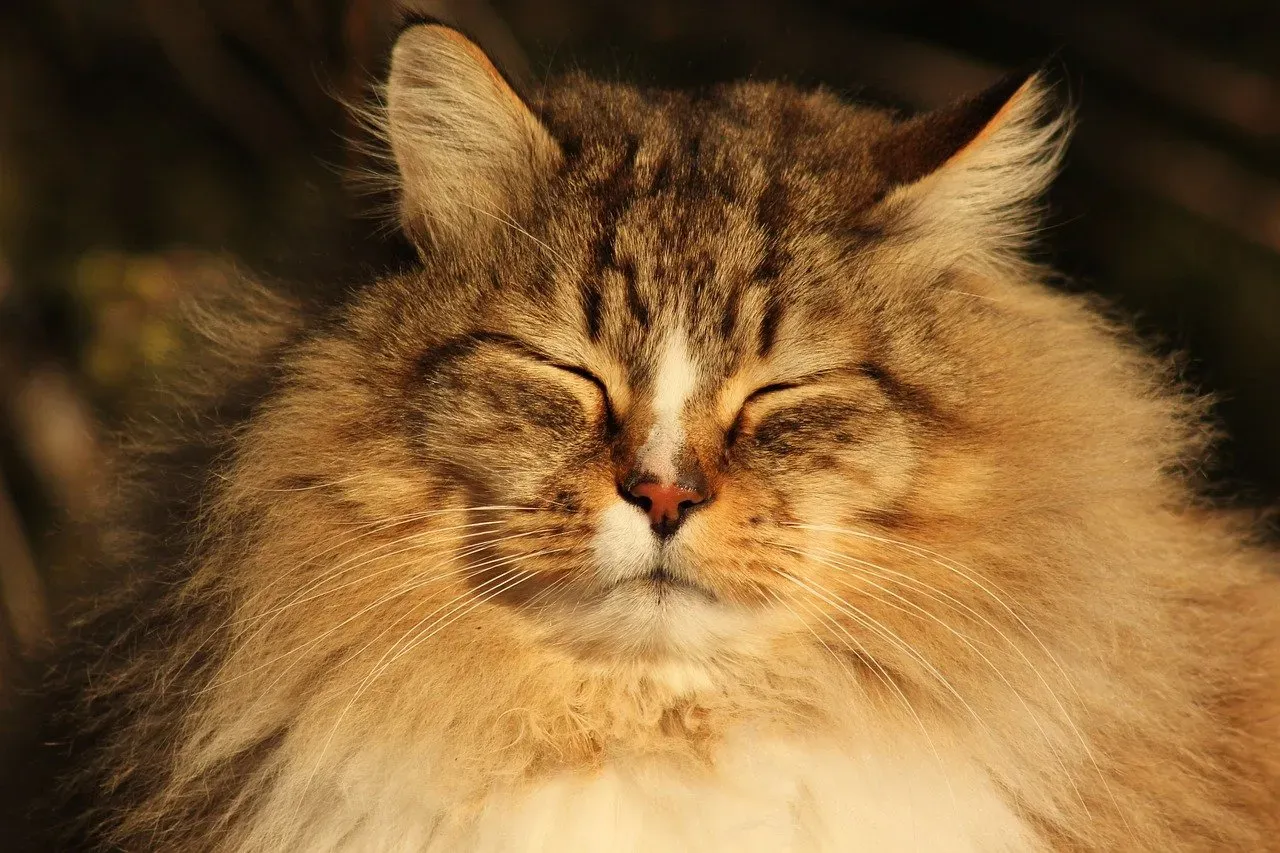
Your cat’s purr is more complex than you probably ever imagined. While it often signals contentment and happiness, it can also be a red flag for pain, stress, illness, or fear. The key is learning to read the whole picture – body language, context, and other behavioral changes – rather than relying on the purr alone.
Stay observant and trust your instincts. If something feels off, even when your cat is purring, investigate further. Your cat depends on you to recognize when that rumbling motor sound is actually a distress signal in disguise. What signs have you noticed when your cat purrs? Share your experiences in the comments below.