You’ve seen your cat curl up by the radiator, seeking every bit of warmth available. Winter brings unique challenges for our feline companions, yet many of us unknowingly put them at risk. Let’s be real: cats might act like tiny, invincible predators, but cold weather can be just as dangerous for them as it is for us. Maybe even more so, because they can’t exactly tell us when something’s wrong.
Here’s the thing. Most cat owners believe they’re doing everything right when temperatures drop, yet certain mistakes keep cropping up year after year. These oversights aren’t born from neglect but from misinformation or simply not knowing what cats truly need during harsh weather. What follows might surprise you, especially since some dangers lurk where you’d least expect them.
Letting Them Stay Outside Too Long
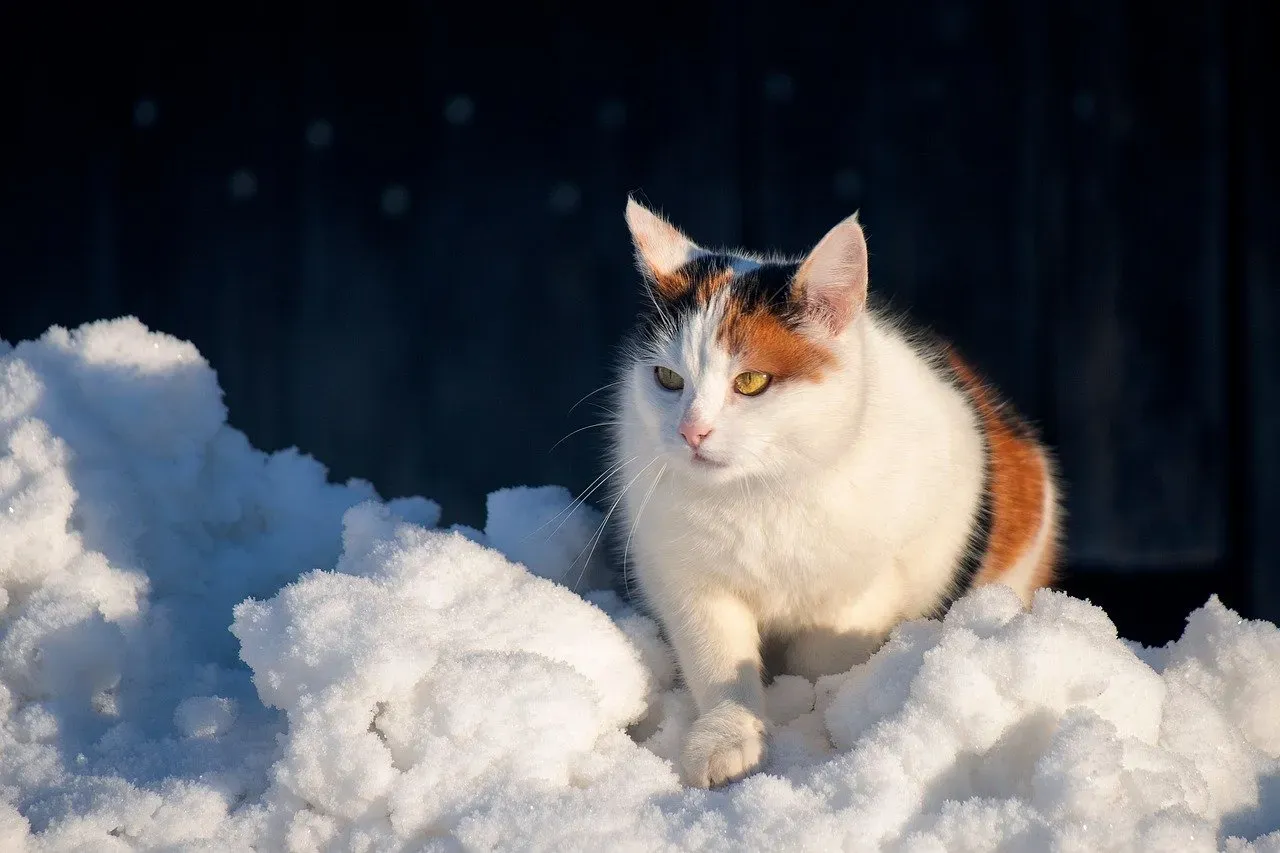
Temperatures below 45 degrees Fahrenheit are generally uncomfortable for most cats, yet many owners assume their pets can handle much more. Your cat might meow to go out, seeming insistent, but that doesn’t mean prolonged exposure is safe. Domestic house cats accustomed to climate control can face fatal consequences when left outside in freezing temperatures.
Think about it this way: if you need a jacket to step outside, your cat probably shouldn’t be out there either. Outdoor cats face higher risks of hypothermia and frostbite, while indoor cats who accidentally escape can be especially susceptible since they’re not used to it. Even cats with thick fur coats struggle when wind chill factors in.
Assuming Fur Equals Warmth
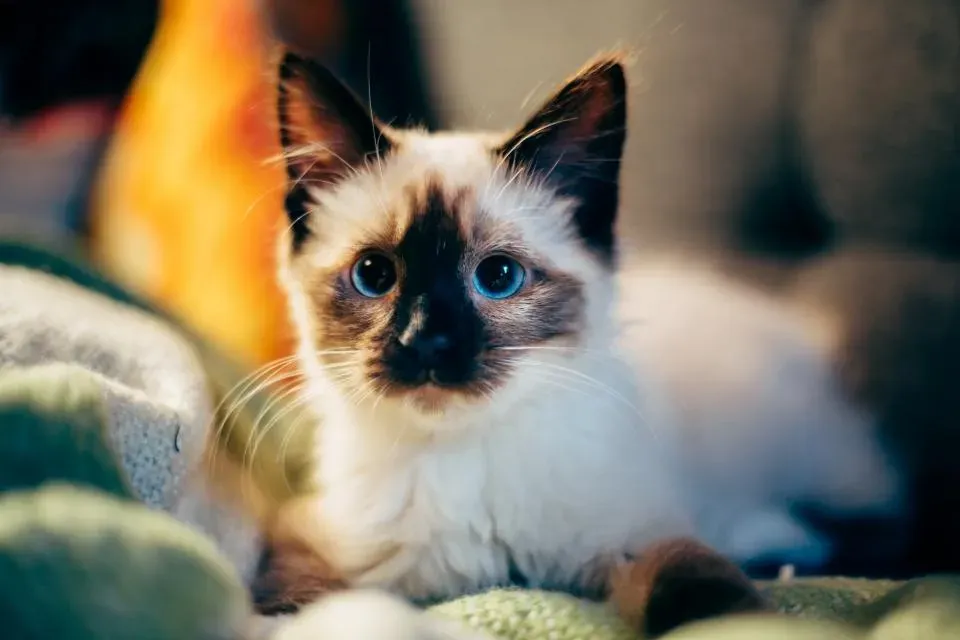
That fluffy coat might look cozy, but it’s not foolproof protection. Cats’ smaller body size and lack of thick fur in many breeds mean they can get cold quickly. Senior cats, kittens, and those with health issues are particularly vulnerable.
Short-haired and hairless breeds feel the cold even faster than their fluffier counterparts. Plus, there’s another factor most people forget: if their fur gets matted or wet, it can’t trap heat as efficiently as it should. A wet cat in winter isn’t just uncomfortable; they’re in genuine danger.
Neglecting Frozen Water Sources

Water bowls freeze faster than you’d think. Cats can get easily dehydrated even in winter, and water left outside can freeze over. When water isn’t available, cats may seek other sources that could be contaminated.
Cats may drink less water when it’s cold, which can lead to dehydration. This creates a vicious cycle where they need hydration but won’t seek it out as actively. If you care for outdoor cats, checking their water supply multiple times daily becomes essential. Electrically heated cat bowls sense when water is too cold and automatically rewarm it, providing a reliable solution when temperatures plummet.
Ignoring Antifreeze Dangers
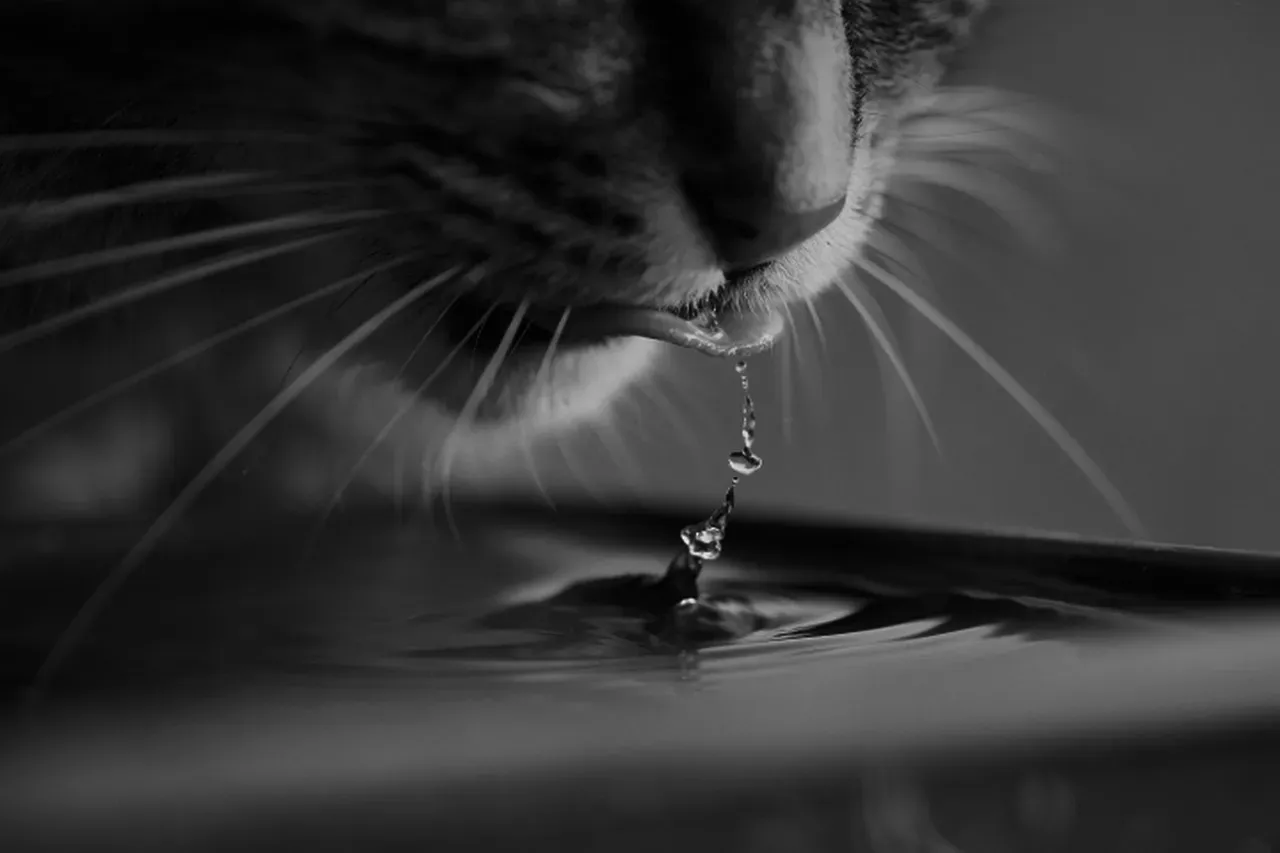
Antifreeze is the worst winter chemical spill, as even a small amount leaking from a car’s radiator is dangerous for cats. Cats are drawn to antifreeze because it has a sweet taste, making it particularly lethal.
Antifreeze poisoning is more common in cats than in dogs because cats can roam freely and may enter sheds and garages. You might not even see your cat consume it. Antifreeze is highly poisonous and even lethal to cats, who would mistake it for sweet water and drink it if they’re thirsty. Routinely check for leaks around your car and storage areas.
Forgetting to Check Under the Car Hood
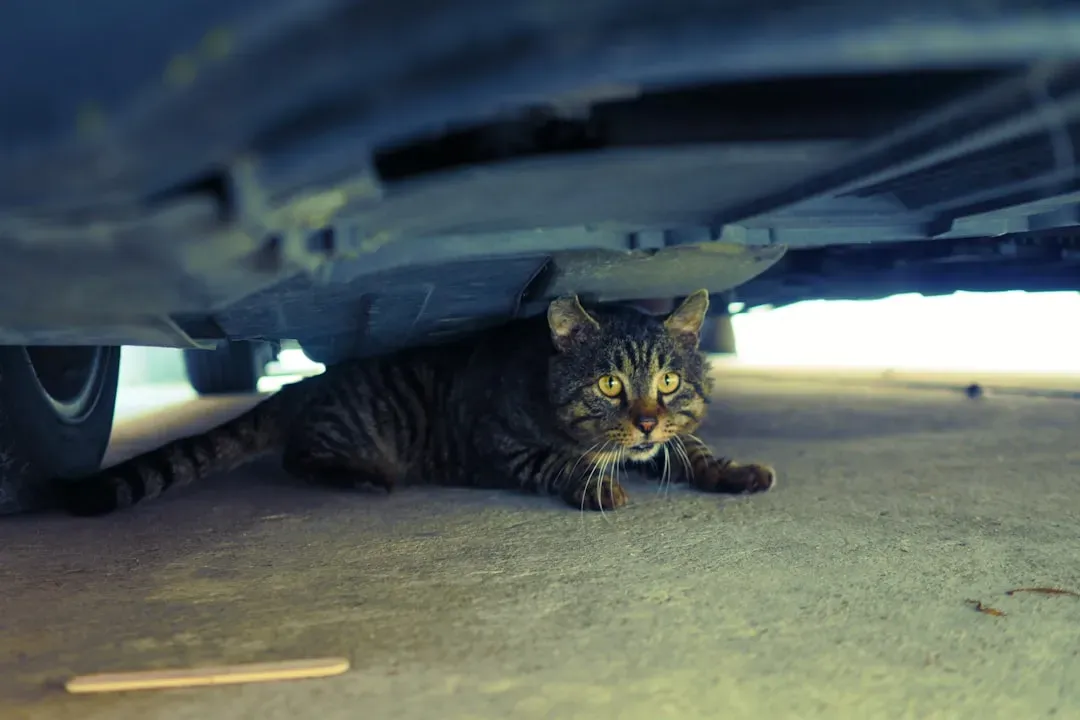
Car engines generate heat, and outdoor cats constantly seeking warmth can be injured when they hide in wheel wells or engine compartments, and owners unknowingly start their cars. This happens more often than you’d imagine during winter months.
A simple solution can prevent tragedy. Before starting your vehicle, honk your horn or bang on the hood to prompt any cats sheltering there to leave. It takes only seconds but could save a life. Cats seeking warmth don’t think about the danger; they just know your engine is the coziest spot in the neighborhood.
Over-Grooming or Bathing in Winter
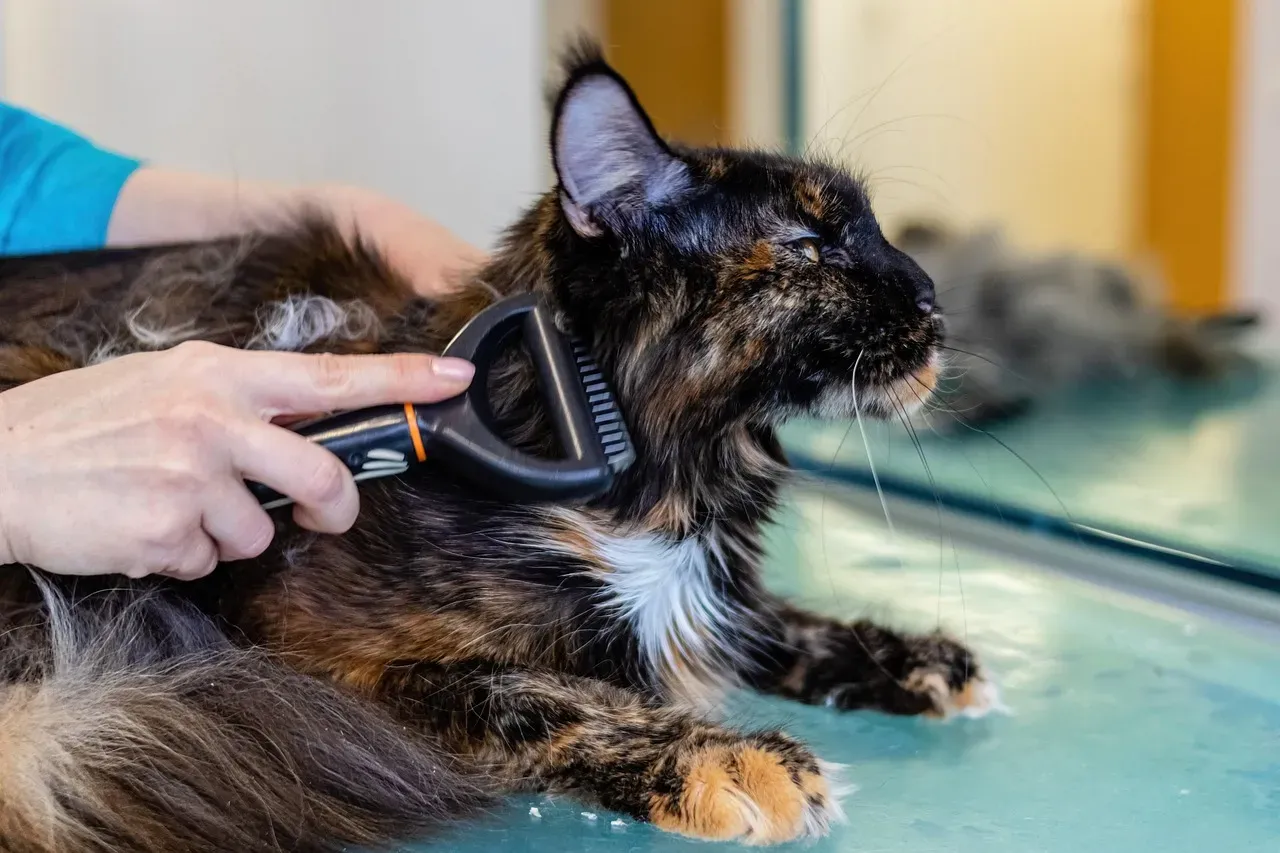
A cat’s coat has two layers, and if you shave or groom your kitty in winter or bathe them too often, they lose the natural oils in the fur that repel moisture. Those oils are their built-in weatherproofing system.
Regular brushing helps, especially for longhaired cats who might get snowballs matted into their belly fur. Yet there’s a balance. Strip away too much of their natural coat or oils, and you’ve essentially removed their winter jacket. Proper grooming is essential in winter to ensure your cat’s coat works effectively to keep them warm, since a matted or dirty coat won’t insulate properly.
Not Providing Adequate Indoor Warmth
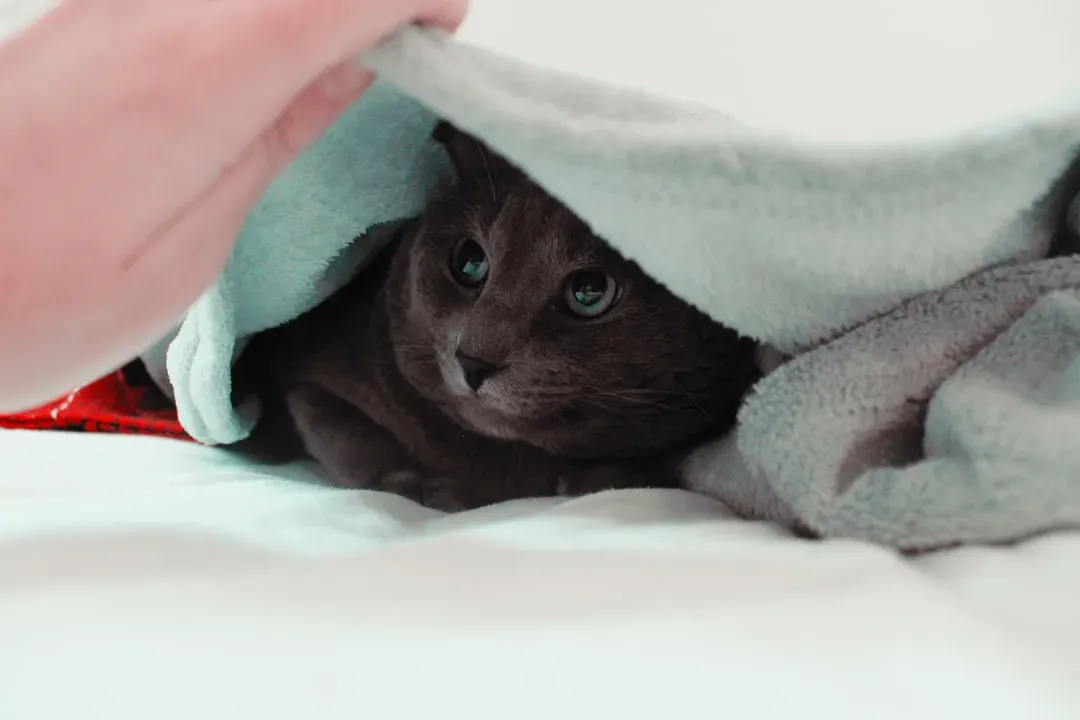
A home that’s too cold can be uncomfortable for your cat, especially if they are young, elderly, hairless, or dealing with chronic illness, as these factors make them more sensitive to low temperatures. Just because you can tolerate a chilly house doesn’t mean your cat can.
Cats naturally seek out the warmest spots, whether that’s a heat vent, sunny window, or your lap. If you notice your cat constantly burrowing under blankets or shivering, your home might be too cold. Providing heated beds or ensuring they have access to warm areas becomes crucial during severe cold snaps.
Increasing Food Without Consulting a Vet
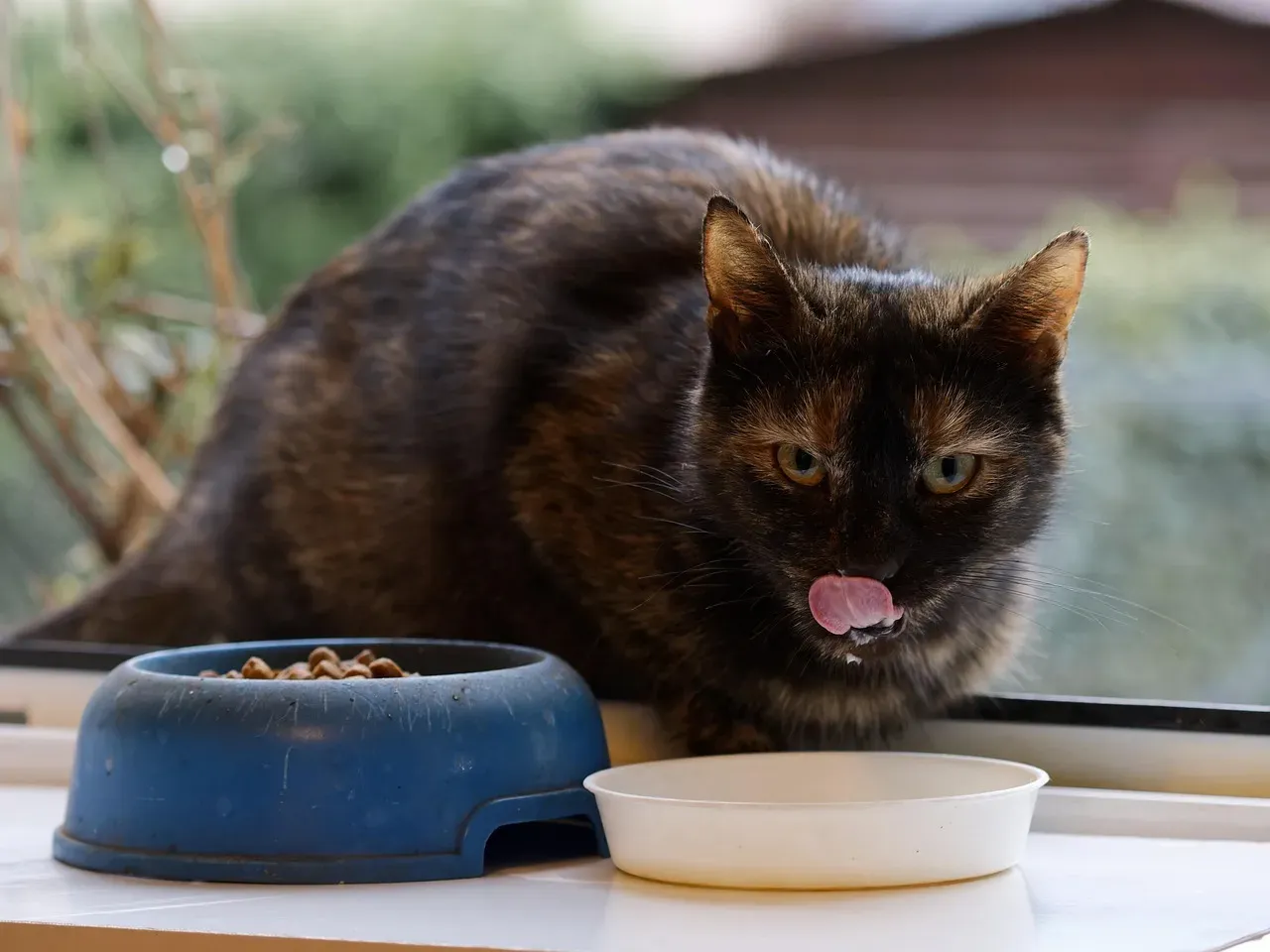
Cats burn more calories to stay warm in winter, so feeding them a bit more than during warm weather months helps them avoid losing weight. That sounds straightforward, right? Well, not exactly.
Animals’ caloric needs can increase during colder months, but this mainly applies to outdoor pets who need extra energy to maintain body heat; indoor cats might need more calories, but always check with your veterinarian first to avoid overfeeding. Without professional guidance, you could easily cause weight gain and health problems. The line between helpful and harmful is thinner than most realize.
Overlooking Signs of Hypothermia and Frostbite
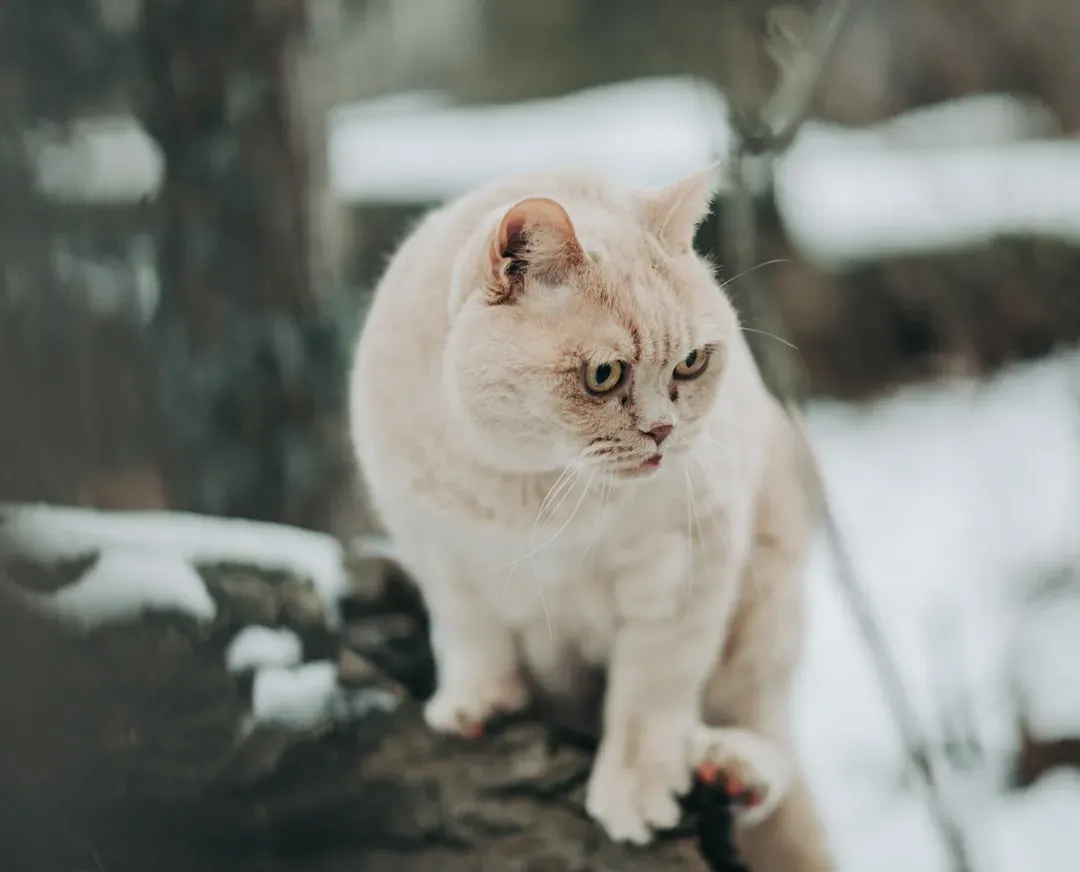
The two most significant cold-weather medical emergencies are hypothermia and frostbite. Many owners don’t recognize the warning signs until it’s too late. The nose, ears, tail, and digits are the most affected areas in cats when frostbite occurs.
Frostbite may not be evident for several days or weeks after exposure, making it especially tricky to catch early. If your cat has been outside during freezing weather, watch for pale or discolored skin, excessive shivering, or lethargy. Cats who feel cold may curl into a tight ball, stay on heat vents, or show signs like being cool to the touch, shivering, or decreased appetite.
Failing to Provide Proper Outdoor Shelter
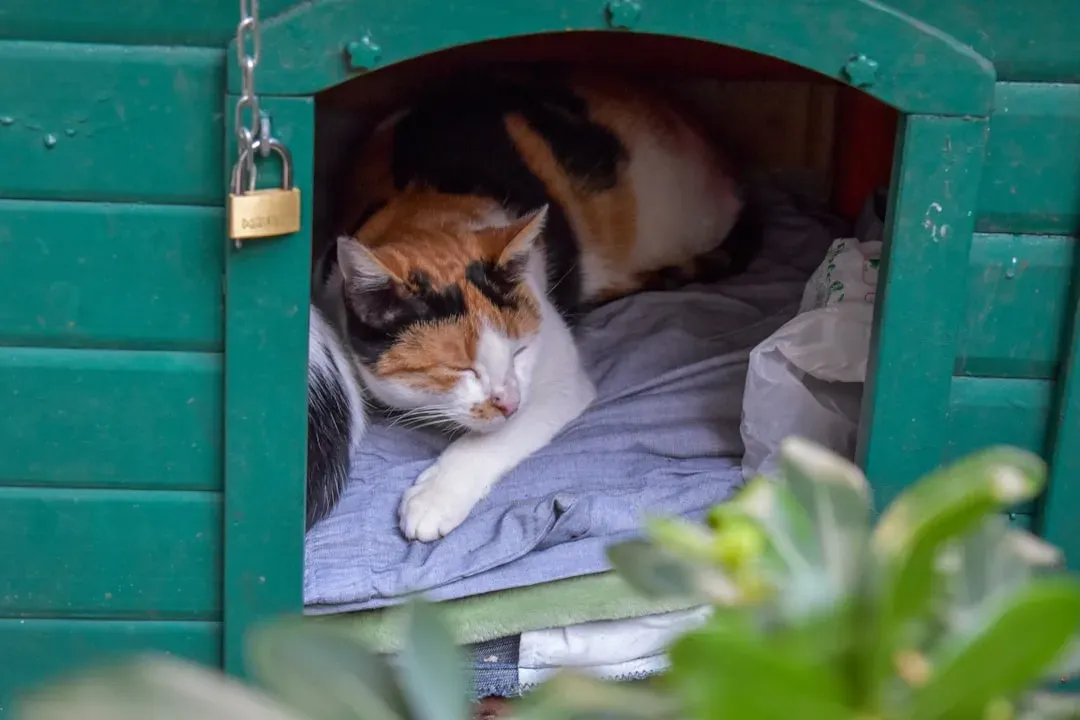
If you care for community cats or your cat spends time outdoors, shelter becomes critical. Insulate shelters with straw to repel moisture, and do not use hay or things like blankets and towels as they soak up moisture like a sponge and make the shelter wet and cold. This mistake is incredibly common.
Don’t put towels or blankets in the shelter box, as these will pull heat away from your cat rather than insulating them, and they also hold moisture. The shelter should be elevated off the ground and face away from the wind. If you’re caring for an outdoor cat, making sure they have shelter and a safe environment is essential year-round, but especially in winter; consider a heated cat house which provides warmth and safety.
Conclusion
Winter doesn’t have to be dangerous for your cat if you know what to watch for. The mistakes outlined here happen to caring owners who simply didn’t realize the risks. From frozen water bowls to antifreeze dangers, from inadequate shelter to misunderstanding their nutritional needs, these oversights can have serious consequences.
Your cat depends on you to recognize what they can’t communicate. Keep them indoors when possible, monitor their behavior closely, and never assume they’re tougher than the elements. With the right precautions, your feline friend can stay safe, warm, and healthy all winter long. What surprised you most about these cold weather risks?