Watching your beloved feline companion slowly fade is honestly one of the most gut-wrenching experiences you’ll ever go through. Cats are masters at hiding their discomfort, which makes recognizing when they’re truly struggling even harder. Here’s the thing though: knowing what to look for can help you provide the comfort and care your furry friend deserves in those final moments.
While every cat’s journey is unique, certain telltale signs emerge when they’re holding on by a thread. These symptoms can be subtle at first, but understanding them allows you to make informed decisions about your pet’s quality of life. So let’s dive into the seven clear indicators that your cat is clinging to life, and what you can do to support them through this difficult time.
Their Appetite Has Completely Vanished
When your cat stops eating and drinking entirely, it’s often one of the most obvious signs that their body is shutting down. You might notice them turning away from their favorite treats or even the most tempting wet food you can find. Loss of appetite may be one of the earliest indicators that something serious is happening.
This isn’t just pickiness or a temporary upset stomach. Even cats who are still eating might experience dramatic weight loss as they approach the end of life, as their body loses the ability to digest protein properly. You might try warming their food or offering different options, but if they consistently refuse for more than a day or two, it’s a red flag that shouldn’t be ignored.
Breathing Becomes a Struggle
Your cat may develop an abnormal breathing pattern, with their respiratory rate speeding up and slowing down randomly, and they might even stop breathing for short periods before starting again. Let’s be real, this is terrifying to witness. Signs like open-mouth breathing, stretching their head and neck out straight, and strong abdominal movements indicate they’re struggling to get oxygen.
A healthy cat’s heart rate is usually around 160 to 200 beats per minute, with roughly 20 to 30 breaths per minute, but if your cat is breathing heavily with obvious effort or with their mouth open, something is seriously wrong. This labored breathing often signals that vital organs are beginning to fail and your cat desperately needs veterinary attention.
They’re Hiding and Withdrawing From Everyone

Cats approaching their final days might start isolating themselves or become less active, often hiding or seeking solitude in unusual places. I know it sounds crazy, but this behavior is actually deeply instinctual. Your once social and affectionate companion might suddenly want nothing to do with you, preferring dark corners or spots they’ve never shown interest in before.
In the early stages of illness, often the only thing you may notice is that your cat has become quiet and withdrawn, which unfortunately means they may be very sick before you realize something is wrong. This reclusiveness reflects their need to conserve energy and find a safe space as their body weakens. Pay attention to sudden changes in their social behavior, as it’s often one of the earliest warning signs.
Complete Loss of Grooming and Personal Hygiene
A cat that is feeling severely ill or in significant pain may stop grooming itself entirely, and you’ll start noticing matted fur or similar problems. Cats are naturally fastidious creatures, so when they abandon this basic self-care, it speaks volumes about how awful they’re feeling. Their once shiny coat becomes dull, greasy, or tangled with clumps of loose hair everywhere.
Cats that are not feeling well typically don’t groom themselves properly, resulting in a messy or greasy coat, mats of fur, clumps of loose hair, and sometimes a difference in the coat’s shine or increased dandruff. You might also notice they’ve stopped cleaning themselves after using the litter box, which is completely out of character. This neglect is a clear sign they simply don’t have the energy or physical ability to maintain their usual standards.
Loss of Bladder and Bowel Control
A lack of bladder or bowel control in cats may be due to a treatable medical condition, but it can also be a sign that your cat is approaching the end of their life. You might find accidents around the house or notice your cat lying in their own waste without attempting to move. It’s hard to say for sure, but this loss of control often happens when the body’s systems are failing.
Vomiting, diarrhea, or incontinence are physical symptoms that can indicate a cat is nearing its final breath. Your cat might also avoid their litter box entirely, either because it’s too painful to get there or because they’ve lost awareness of their bodily functions. If you see any blood in their urine or feces, that’s an even more urgent concern requiring immediate veterinary attention.
Dramatic Temperature Changes and Cold Extremities
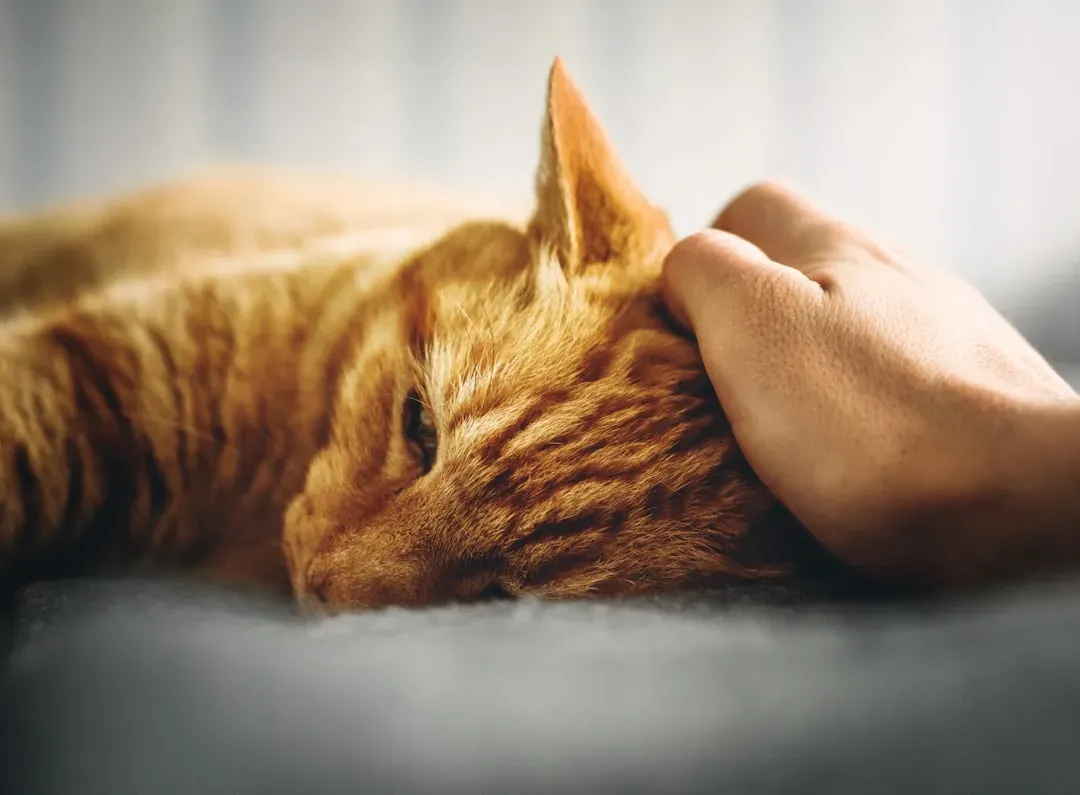
Cats usually have a fairly high resting body temperature and often seek warm spaces, but a drop below 100 Fahrenheit is very concerning and can indicate extreme debilitation or serious illness. You might notice their ears, paws, or nose feeling unusually cold to the touch. Toward the end of their life, a cat is prone to shivering and needs a warm and comfortable bed, preferably one in the sun.
Sunken eyes, pale gums, or cold body temperatures are physical symptoms of a cat in decline. When you gently press on their gums, the color should return quickly, but in a dying cat, the gums might appear white or bluish, indicating poor circulation. These temperature changes happen because the body can no longer regulate itself properly as organs begin shutting down.
Severe Lethargy and Loss of Responsiveness
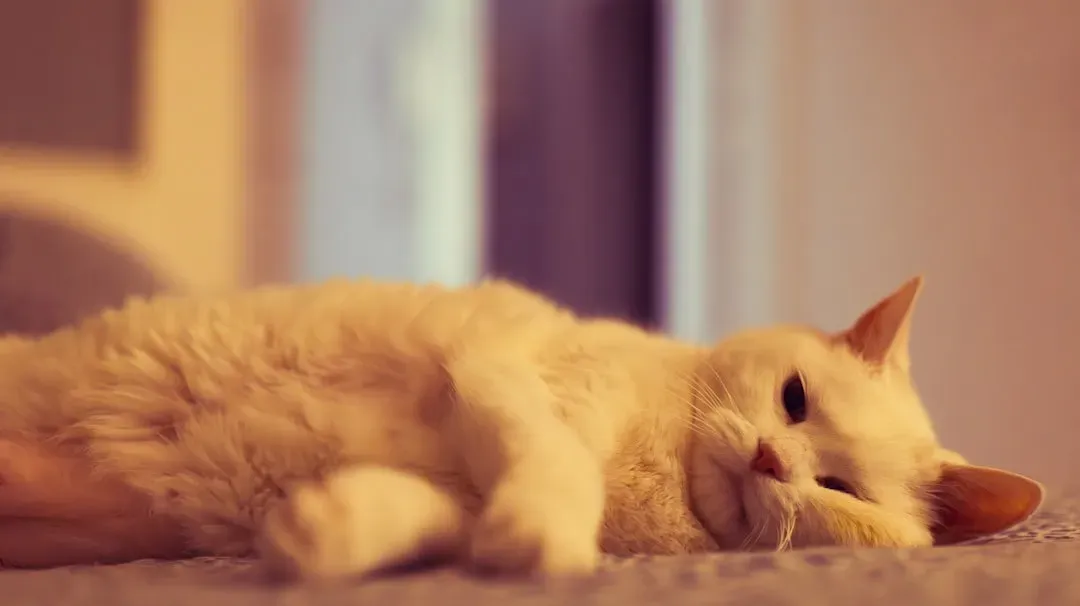
Lethargy, a decline in alertness, and becoming less reactive and responsive are common signs a cat is dying. Your cat might sleep almost constantly, barely lifting their head when you enter the room. Physical decline like lethargy and being unresponsive to stimuli can signal the body is shutting down, with your cat seeming detached and ignoring toys, treats, or even your affection.
They might not react to their favorite toy being dangled in front of them or ignore the sound of a treat bag being opened. Part of that dying process happens when the body starts to shut down and those mental faculties go away, making these dying cats less reactive and responsive. This profound exhaustion isn’t something that improves with rest. It’s their body conserving every ounce of remaining energy as it prepares to let go.
Providing Comfort in Their Final Days
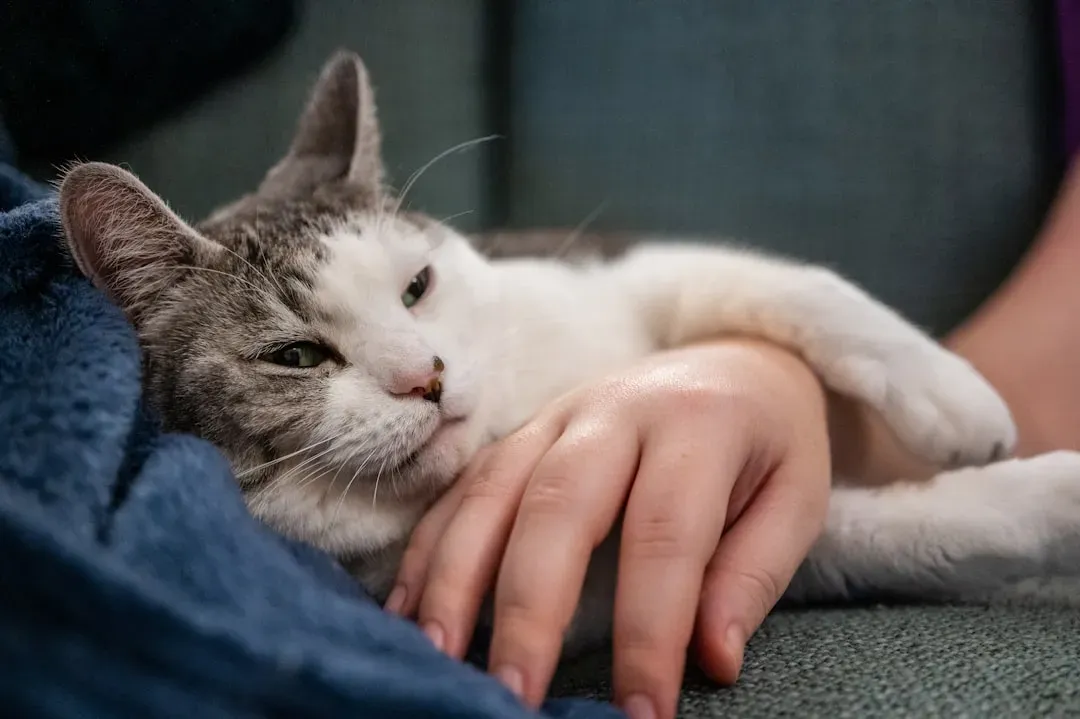
Recognizing these signs is just the beginning of your journey together. If your cat is diagnosed with a terminal illness, you can make their final days comfortable with palliative care, which may include creating comfortable warm bedding, providing pain control, adjusting the litter box for easier access, and supporting hydration and appetite. This is your opportunity to show them the same unconditional love they’ve given you throughout their life.
Pet hospice care focuses on making a pet’s final days or weeks more pleasant with proper pain medications, dietary strategies, and human interaction, with a participating veterinarian teaching you how to provide intensive home care while you work with your veterinary team to ensure their life ends comfortably. Contact your veterinarian as soon as you notice these signs. They can help you navigate difficult decisions about quality of life and whether it’s time to consider humane euthanasia to prevent unnecessary suffering.
Every moment you have left with your cat is precious. What signs have you noticed in your beloved companion?