You’ve probably heard it countless times. Dogs are loyal companions, devoted friends who greet you at the door with wagging tails and boundless enthusiasm. Cats, on the other hand? Well, they have a reputation for being aloof, self-centered creatures who only tolerate humans for food and shelter. Let’s be real, this stereotype couldn’t be further from the truth.
Cats have unique ways of expressing affection that are often subtle and easily misunderstood. While your dog might knock you over with excitement, your cat is busy perfecting a different language of love. It’s quieter, more sophisticated, and deeply meaningful once you learn to read the signals. So let’s dive in and discover why your feline friend might actually be the ultimate love expert.
They Form Deep Attachment Bonds With You
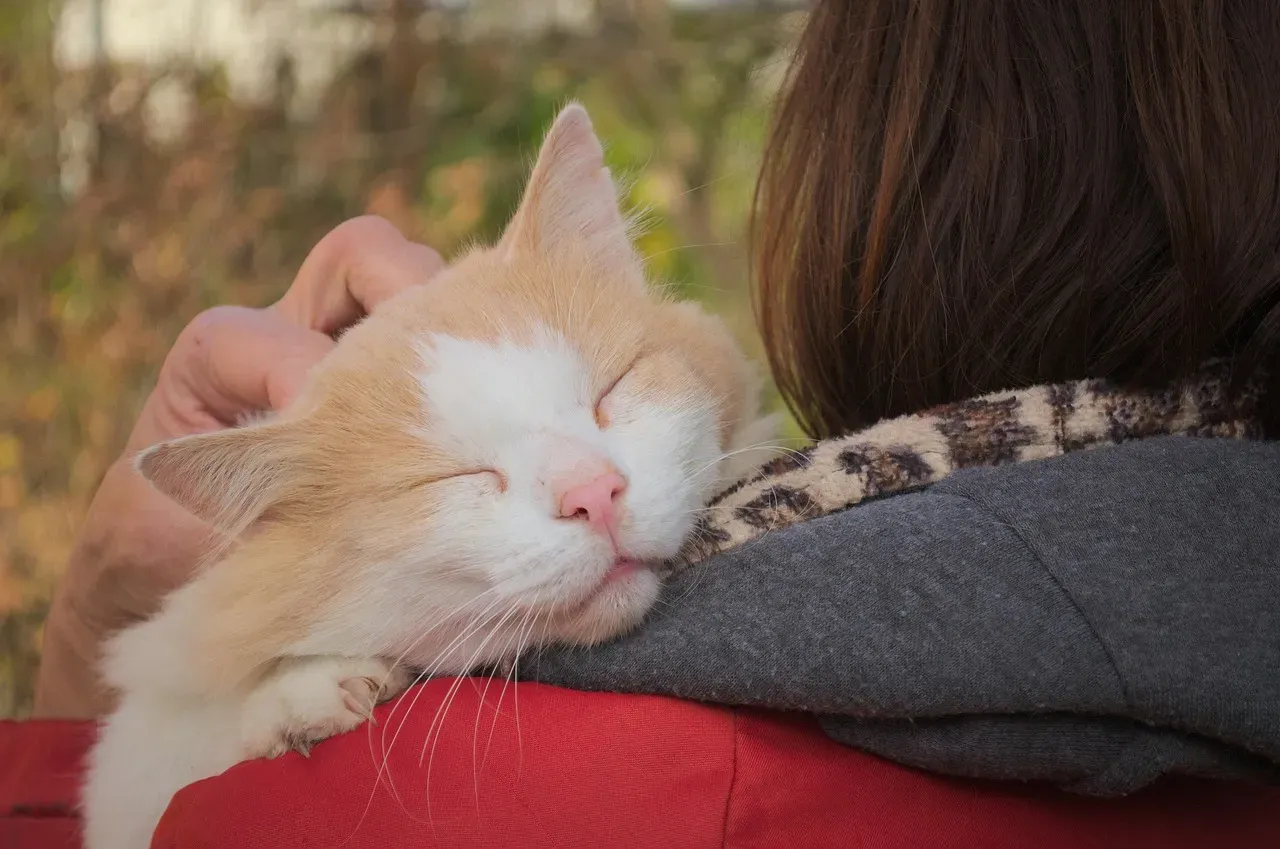
Research shows that about 65 percent of both cats and kittens form secure attachments to their people. That’s right, scientists have actually studied this using behavioral criteria similar to those used with human infants. Your cat isn’t just hanging around for the kibble.
Cats form attachment bonds with their owners, leading to certain behavioral patterns which add up to the secure base effect, where the cat uses their owner as a source of comfort and security. Think about how your cat acts when you come home after a long day. They might seem indifferent at first glance, but that’s just their way. Honestly, the depth of connection runs much deeper than surface observations suggest.
The Slow Blink Is Their Version of “I Love You”
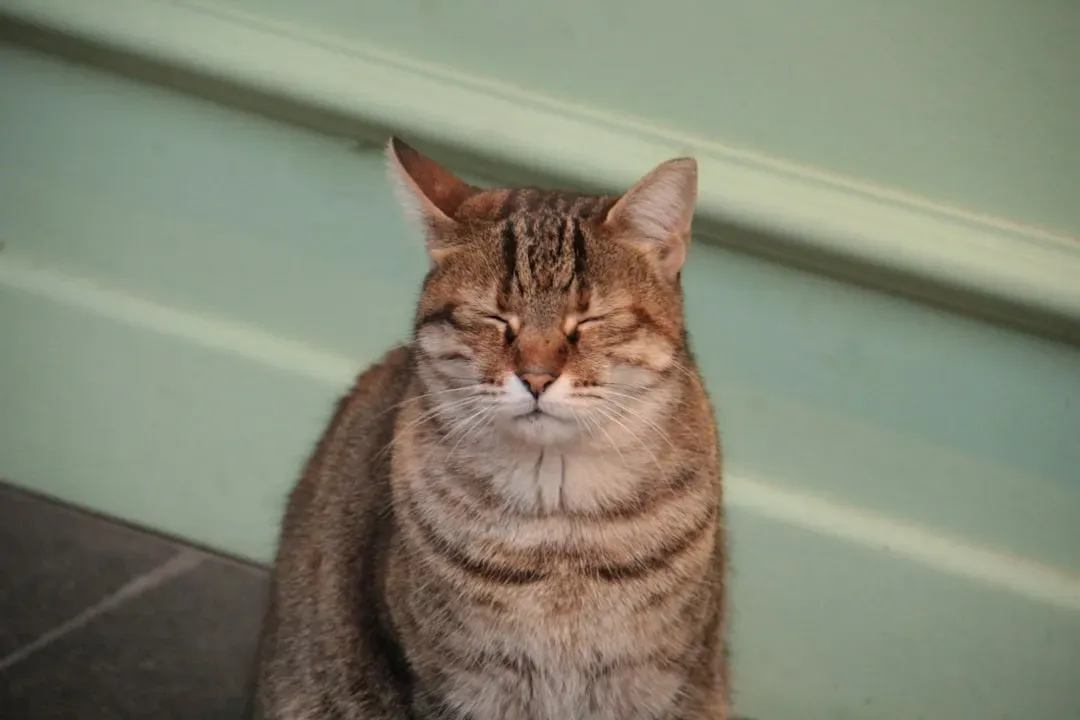
Here’s the thing about cats. They won’t jump up and down screaming their affection from the rooftops. Instead, when your cat looks at you with half-closed eyes and deliberately blinks slowly, they’re expressing complete comfort and love in your presence, and you can reciprocate this gesture by returning the slow blink.
Scientists confirmed through observations of cat-human interactions that this simple gesture makes cats more likely to approach and engage with humans. It’s basically a cat kiss, a moment of pure trust. Your cat is vulnerable when they close their eyes around you, which means they feel safe enough to let their guard down completely.
Head Bunting Means You’re Family
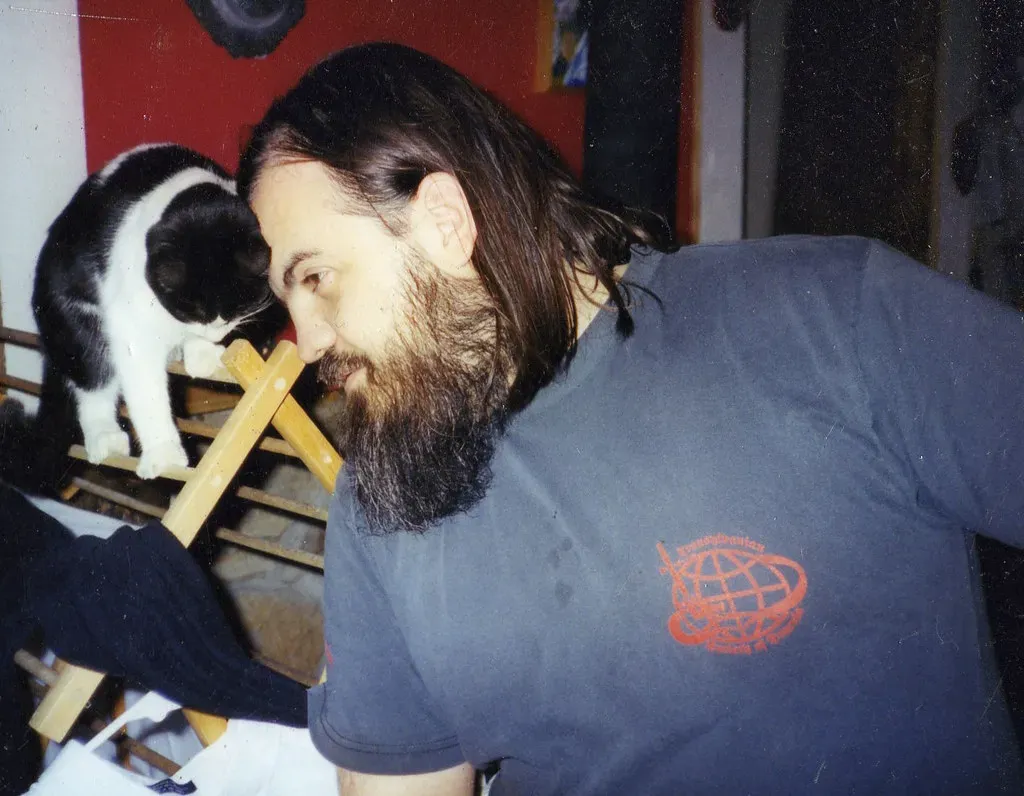
Ever notice how your cat rams their head into your leg or face at random moments? By head butting you, your cat is leaving pheromones on you to let everyone else know that you belong to them. This behavior, called bunting, is reserved for special individuals in their life.
The act of bunting releases pheromones from their head onto you, marking you as their territory and indicating a high level of trust and comfort. They’re literally claiming you as part of their family unit. It’s not just affection, it’s acceptance into their inner circle. Can your dog say that with such chemical precision?
They Release Oxytocin When They’re With You
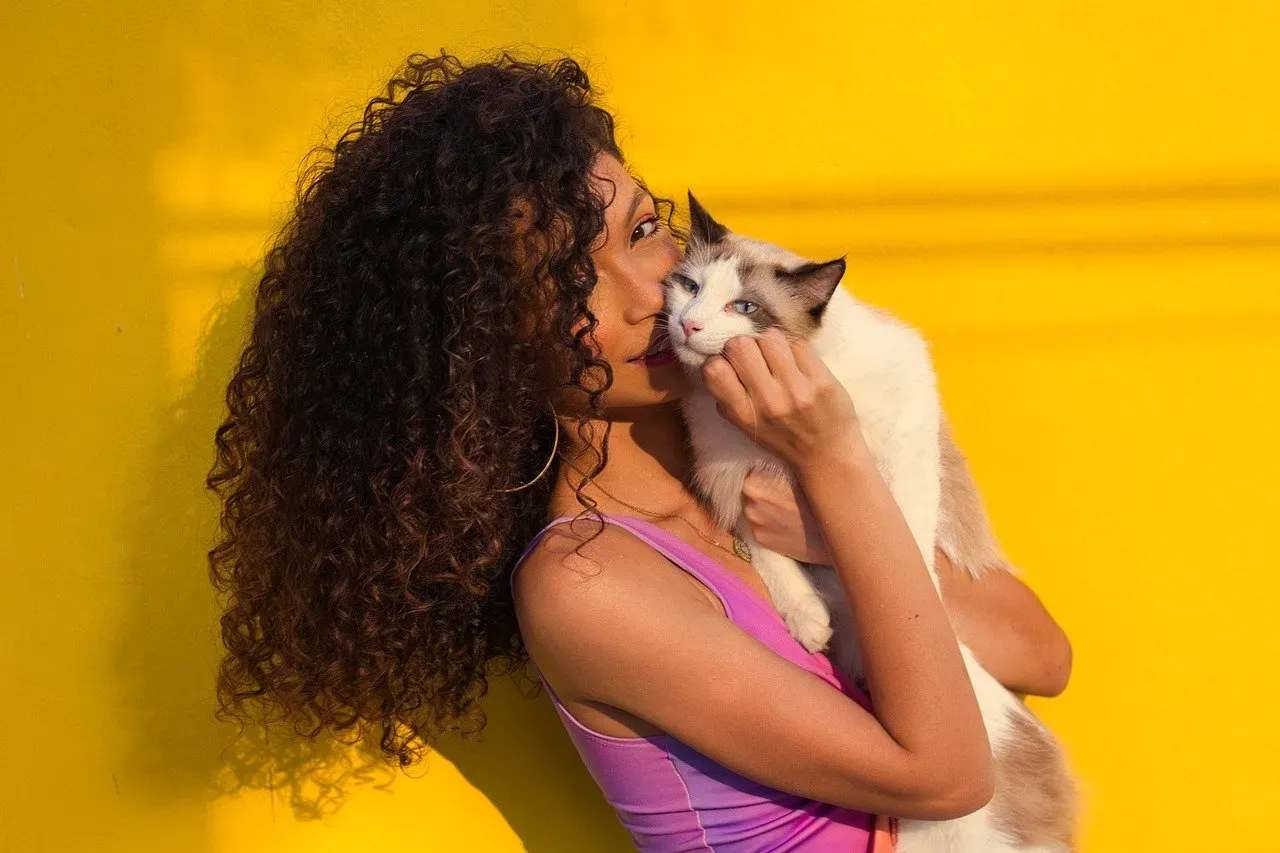
Cats have been found to release the love hormone oxytocin when they interact with each other and with humans. That warm, fuzzy feeling you get when cuddling your cat? They’re feeling it too, on a biochemical level. This is the same hormone that bonds mothers to their babies.
When owners engaged in relaxed petting, cuddling or cradling of their cats, the owners’ oxytocin tended to rise, and so did the cats’ if the interaction was not forced on the animal, with securely attached cats who initiated contact showing an oxytocin surge. The key here is mutual respect. When you let your cat come to you on their terms, the love hormone flows freely for both of you.
Their Purring Is More Than Just Background Noise
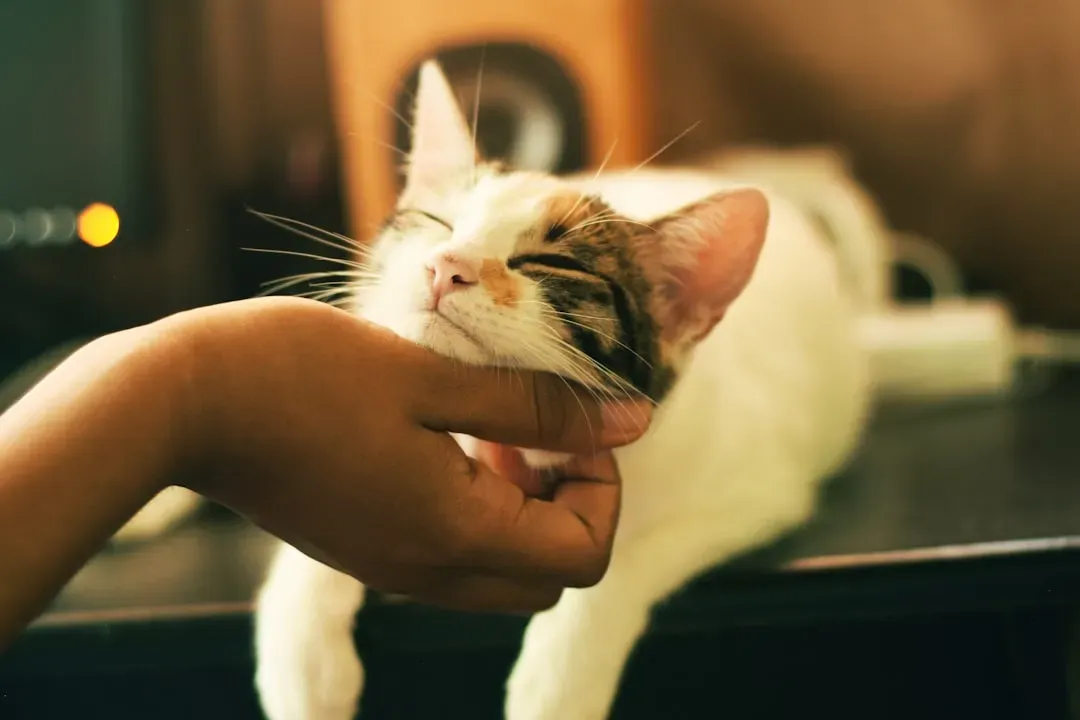
Most people assume purring means a happy cat, but there’s actually so much more going on. Purring is a great way for cats to communicate relaxation, trust, and affection, and they use it to convey more than just contentment. Sometimes cats purr when they’re stressed or sick as a self-soothing mechanism, but the majority of the time? They’re telling you they love you.
The low-frequency rumble of a cat’s purr has been linked not only to healing in cats themselves, but also to calming effects in humans, as listening to purring can lower heart rate and blood pressure. Your cat is basically a living, breathing relaxation machine. They’re sharing their comfort with you in real time.
Kneading You Means You’re Their Safe Space
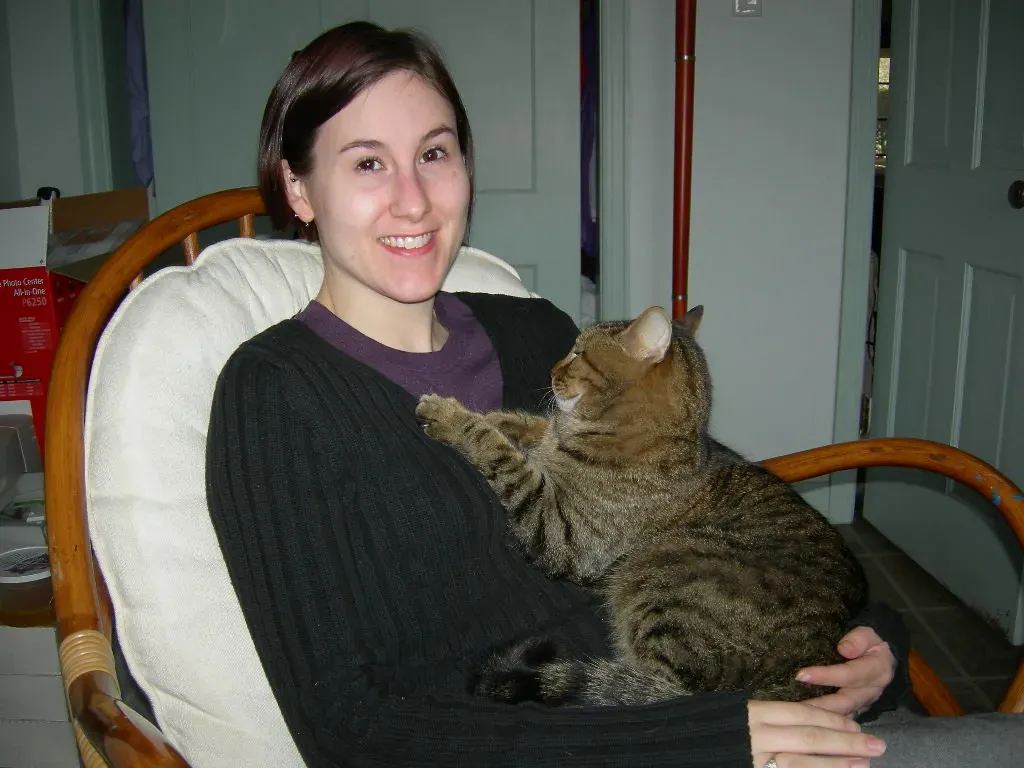
Those little paws pressing rhythmically into your lap, sometimes complete with claws? When your cat kneads you, she’s being very clear that you make her feel loved and comfortable. This behavior goes way back to kittenhood, when they would knead their mother to stimulate milk flow.
Since the motion is associated with happiness for the cat and they know they won’t get milk from you, it’s a surefire way to know they love you. It’s hard to say for sure, but it seems like they’re reverting to that primal sense of safety and nurturing. You’ve become their comfort zone, their place of peace in a chaotic world.
Following You Around Is Their Declaration of Devotion
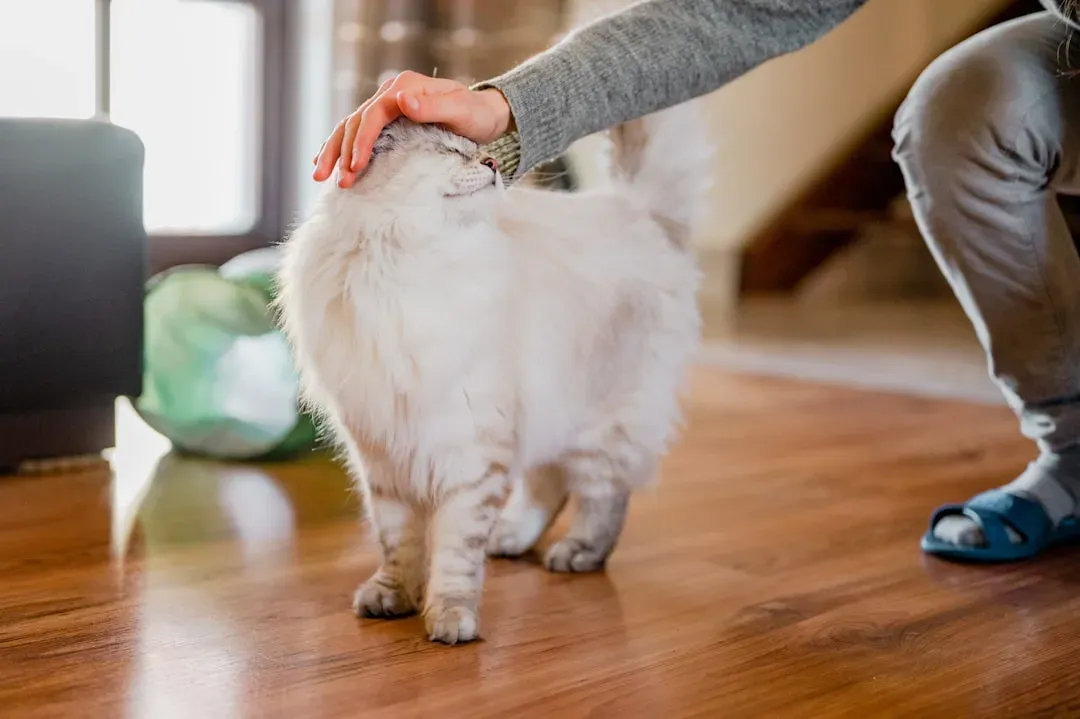
Does your cat shadow you from room to room, even into the bathroom? If your cat follows you from room to room or maintains close proximity throughout the day, they’re showing their desire to be near you, indicating strong emotional attachment and trust in your relationship. They’re not being clingy, they’re being loyal.
A cat that enjoys your company and feels comfortable around you is going to follow you around the house and cling to you like glue. This is their way of saying they choose you. Out of all the places they could be, all the cozy spots for napping, they want to be where you are. That’s devotion in its purest form.
Their Unique Love Language Deserves Recognition
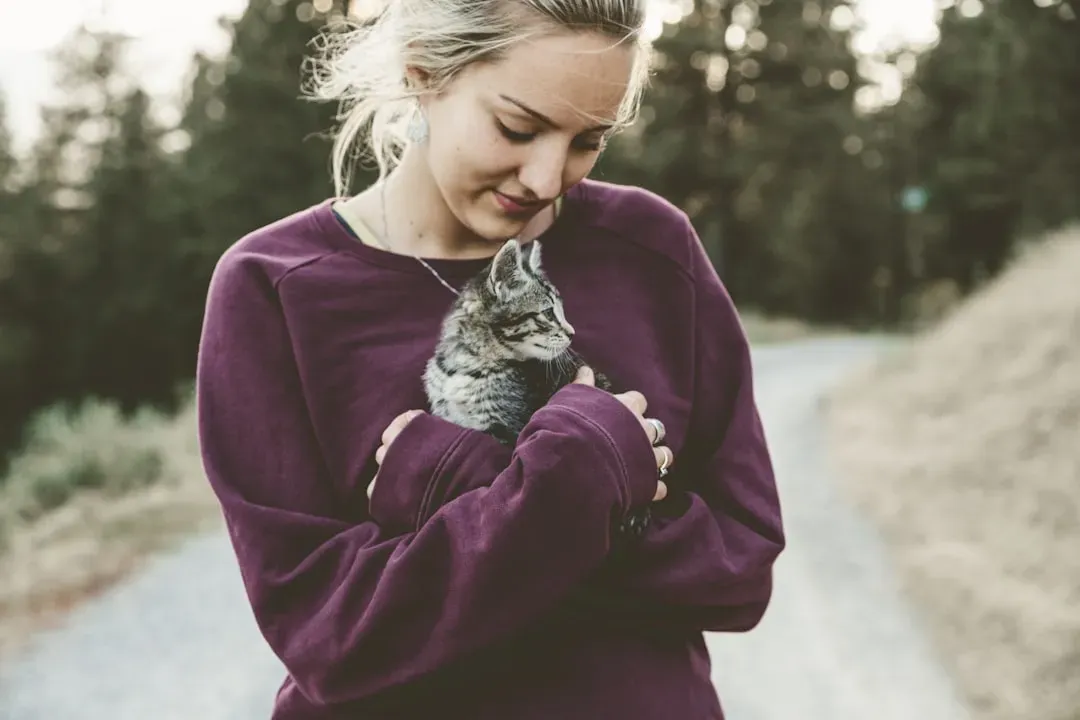
Unlike dogs, cats have unique ways of expressing affection that are often subtle and easily misunderstood, and since cats express their affection in ways very different from people and other pets, it makes sense that we often miss these precious moments. The problem isn’t that cats don’t love us. The problem is we’ve been measuring their love using the wrong ruler.
Research has shown cats can form secure attachments to their owners, like infants with caregivers and they recognize human emotions, read tone and gesture, and exhibit behaviors linked to empathy and social awareness. Your cat understands you better than you might think. They’re reading your emotional state, responding to your needs in their own quiet way, and building a relationship that’s just as meaningful as any canine companionship.
The truth is, unconditional love doesn’t have to look loud or obvious to be real. Sometimes it’s in the slow blink across the room, the gentle head bump when you’re feeling down, or the warm purring body curled beside you at night. Your cat has been showing you love all along. Maybe it’s time we started seeing it for what it truly is.
What do you think? Has your cat been secretly showering you with affection this whole time?