You’ve probably witnessed it countless times. You buy your cat an expensive, plush bed, complete with soft cushions and ergonomic support. They sniff it once, walk away, and within minutes, they’re curled up inside the cardboard box it came in. Honestly, it’s hard to say for sure, but there’s something deeply fascinating about this quirky behavior. Let’s be real, your cat isn’t being difficult or ungrateful. What looks like a simple preference for cardboard is actually the result of millions of years of evolutionary programming. Your feline friend is responding to ancient instincts that once meant the difference between life and death in the wild. So, let’s dive in and explore why your cat can’t resist the allure of boxes.
The Security Blanket They Never Outgrow
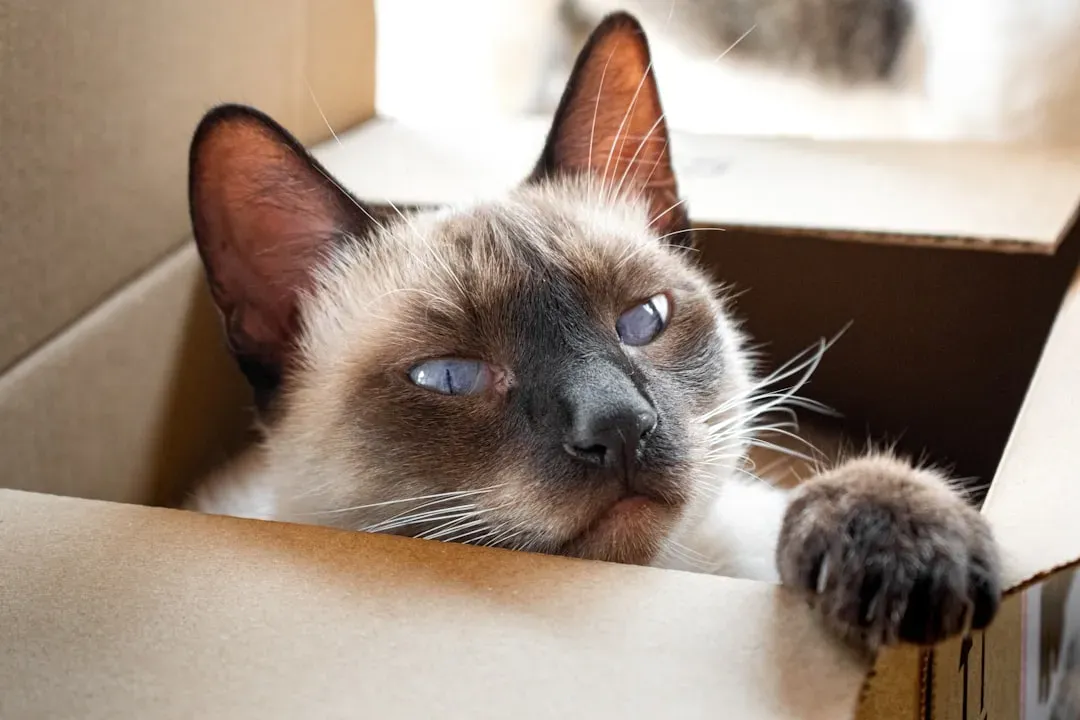
When your cat squeezes into a box, they’re tapping into a primal need for safety. In the wild, small, hidden spaces protect cats from predators, and a box is essentially a secure, enclosed environment that triggers their natural instinct to find a safe den where they can keep watch while feeling hidden and safe. Think of it like a tiny fortress where all sides are protected. Your cat can monitor what’s happening around them without being seen, which gives them complete control over their environment.
The confined environment of a box also reduces visual stimuli, allowing cats to deeply relax and feel more secure. In a busy household with kids running around, dogs barking, or even just the hum of daily activity, that box becomes a sanctuary. It’s their personal retreat from the chaos of modern living, and it serves the same function as those natural burrows and tree trunks their wild ancestors used.
Ancient Hunters Still Living in Your Home
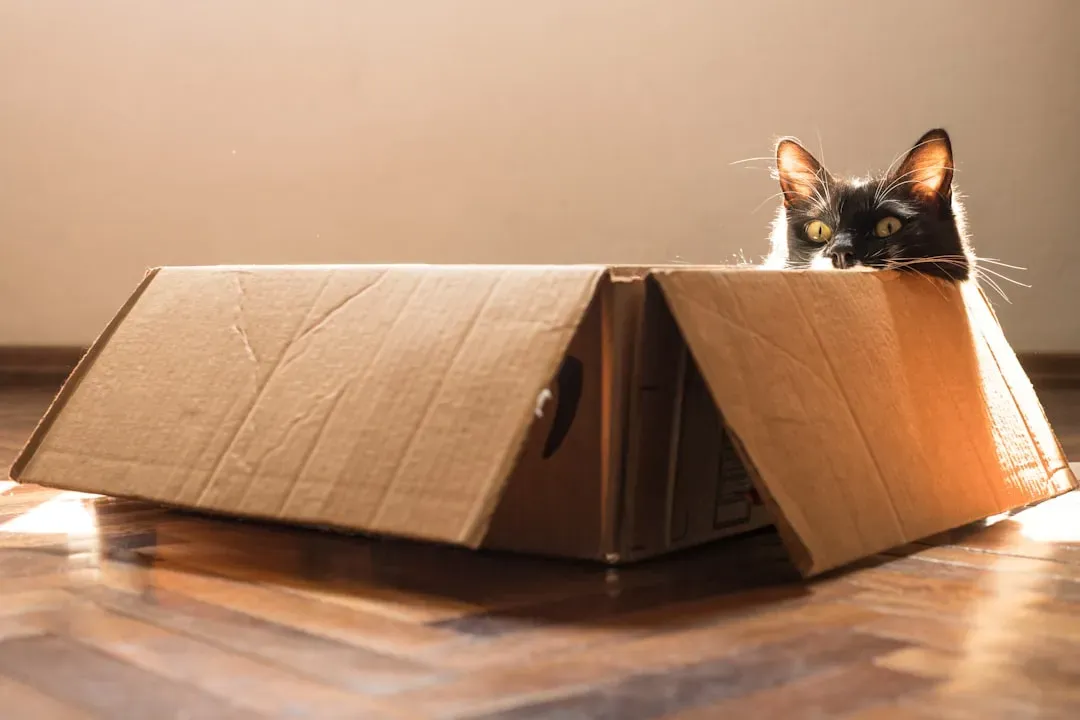
Cats are ambush predators, which means they hide until their prey passes by. Even though companion cats don’t need to hunt for survival, boxes provide a confined place where they can pretend they are in the wild, hiding while they prepare to pounce on their prey. Your unsuspecting feet walking by or a fellow feline housemate becomes the target of this age-old hunting strategy.
I know it sounds crazy, but this behavior is hardwired into every cat, regardless of how pampered they are. Boxes serve as ideal stand-ins for the natural nooks outdoor cats use when hunting, providing instinctual advantages with protection on the sides, mystery from above, and a perfect vantage point for a surprise pounce. The hunting instinct never really goes away. It just gets redirected toward toys, shadows, and occasionally your ankles.
Stress Relief in Cardboard Form
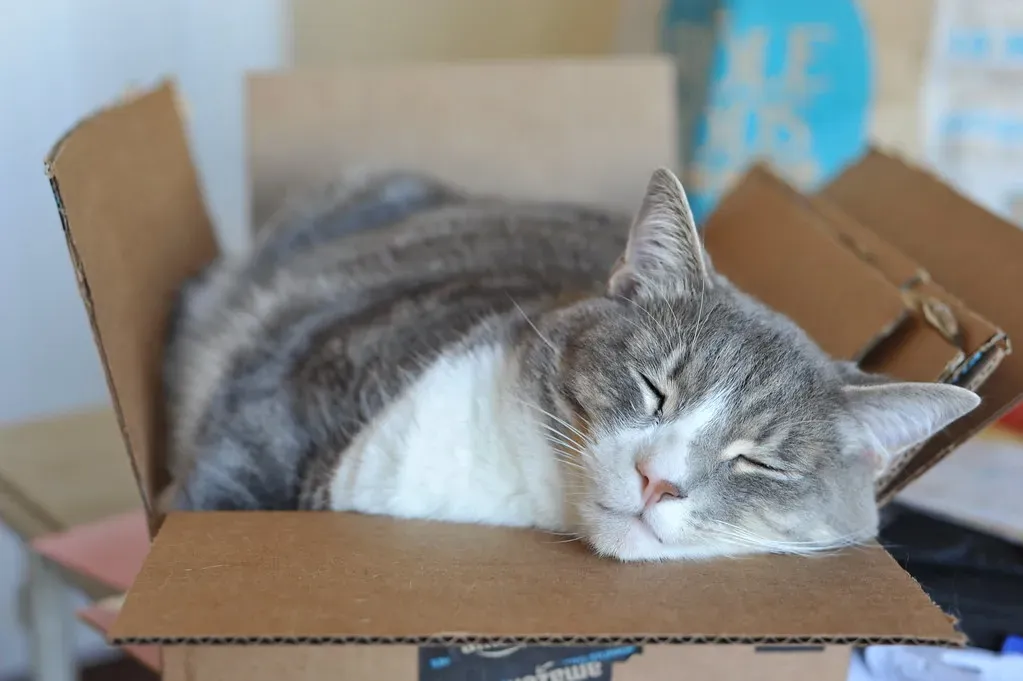
Here’s the thing: life can be stressful for cats, even when they appear to spend most of their day sleeping. Studies have shown that hiding boxes decrease stress in shelter cats, at least in the short term. That’s a real, measurable reduction in stress levels, folks.
Research found a significant difference between cats with hiding boxes and those without on observation days three and four, with cats that had the hiding box able to recover faster in their new environment. The implications are profound. If boxes can help cats in the incredibly stressful environment of an animal shelter, imagine what they’re doing for your cat at home when the vacuum cleaner comes out or when you have guests over.
The Temperature Connection You Didn’t Know About
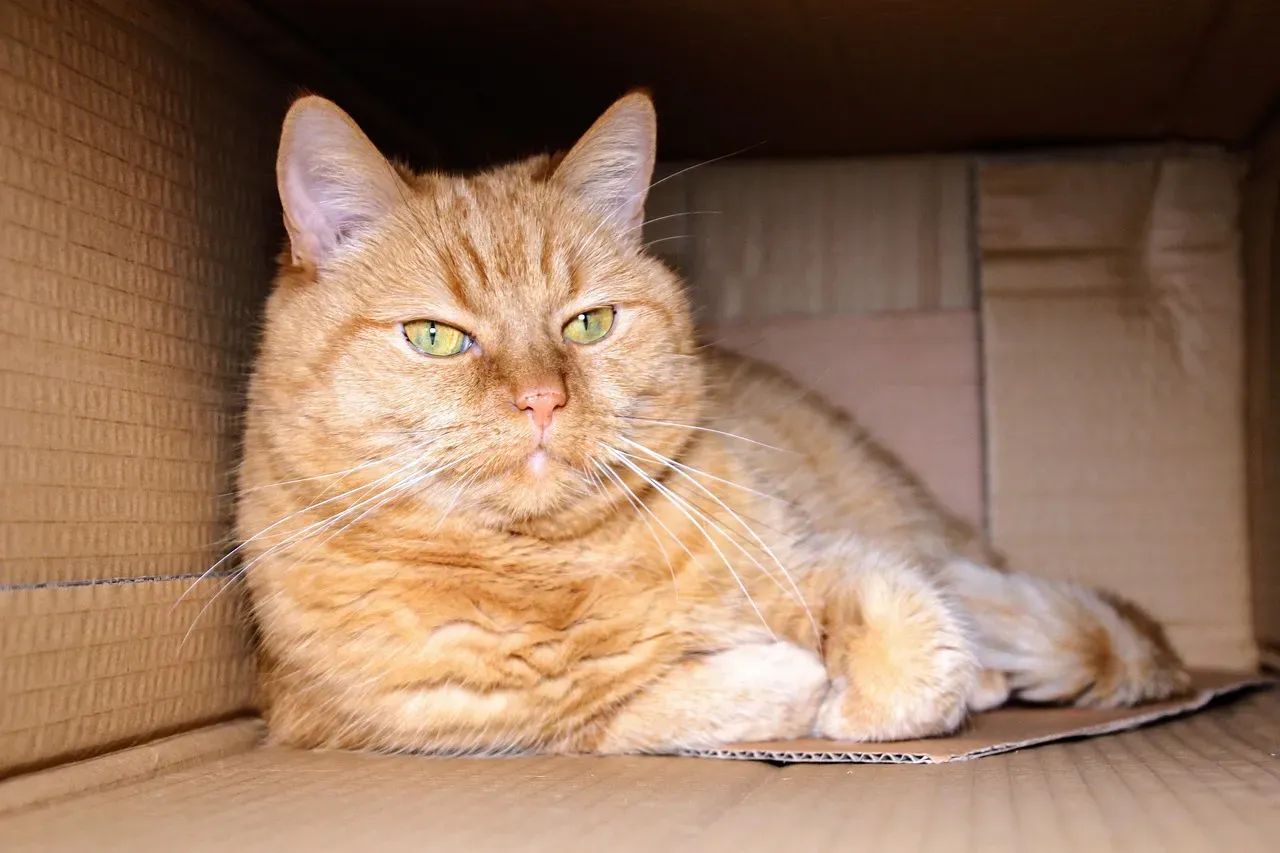
According to a study by the National Research Council, cats are most comfortable in temperatures between 86 and 97 degrees Fahrenheit. The cardboard acts like a cozy blanket, trapping the cat’s body heat and acting as an insulator. Most homes are kept around 72 degrees, which is significantly cooler than what cats naturally prefer.
So when you see your cat squeezed into that Amazon box, they’re not just hiding. They’re warming up. Boxes help retain body heat, which is important for cats who enjoy warm, snug spaces. It’s essentially a free heating pad that also doubles as a security system. Pretty clever when you think about it.
Both Predator and Prey
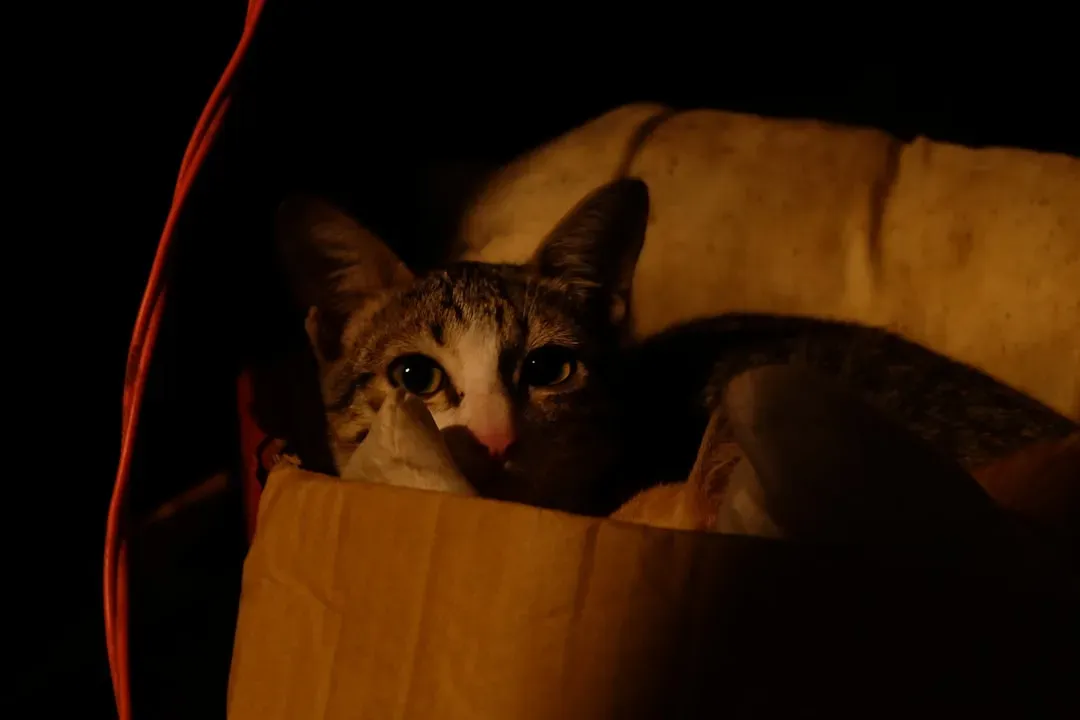
Cats that roam free outside occupy a delicate midpoint in the neighborhood food chain, where they are both predator and prey. As they hunt for birds or insects, outdoor cats look for hiding spots like bushes or nooks that can conceal them from being noticed by their prey or any potential predators, such as hawks or foxes. This dual existence shapes every instinct they have.
Even your indoor cat, who has never faced a predator in their life, carries this awareness. In the wild, felines use dense vegetation, caves, and small burrows to hide from larger predators while they rest, which is why even in a domestic setting, cats gravitate towards enclosed spaces like boxes, which mimic the protective shelters they would use in the wild, providing a 360-degree defensive barrier. Your living room may be safe, but instinct doesn’t care about logic.
The Science of the Perfect Hideout
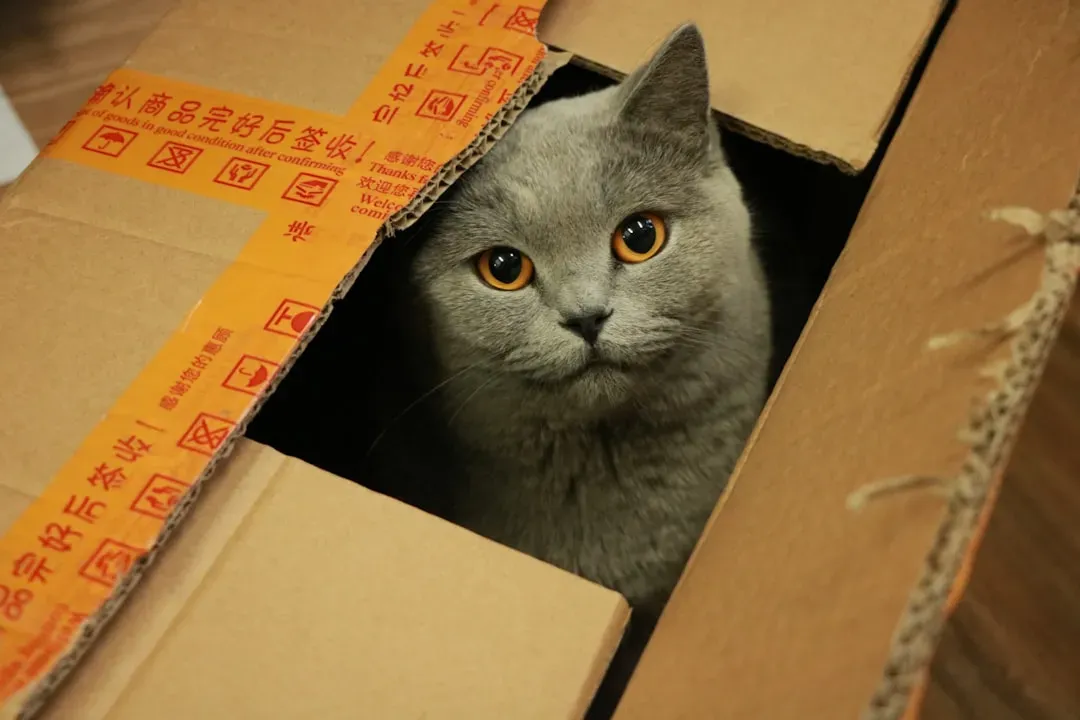
University of Utrecht research found that cats with boxes showed significantly lower Cat-Stress-Scores on days 3 and 4 and reached low stress levels around day 3, while those without took until day 14. That’s faster recovery, better appetite, and improved willingness to interact with humans. That’s faster recovery, better appetite, and improved willingness to interact with humans.
Cats love boxes due to thigmotaxis, an instinct to seek enclosed contact for safety. Being hugged by a box tells a cat’s brain that they are protected from predators on the rear and sides, allowing them to focus entirely on what is in front of them, which lowers their stress levels. There’s even a scientific term for it. Your cat isn’t weird; they’re exhibiting textbook thigmotaxis.
More Than Just Cardboard Containers
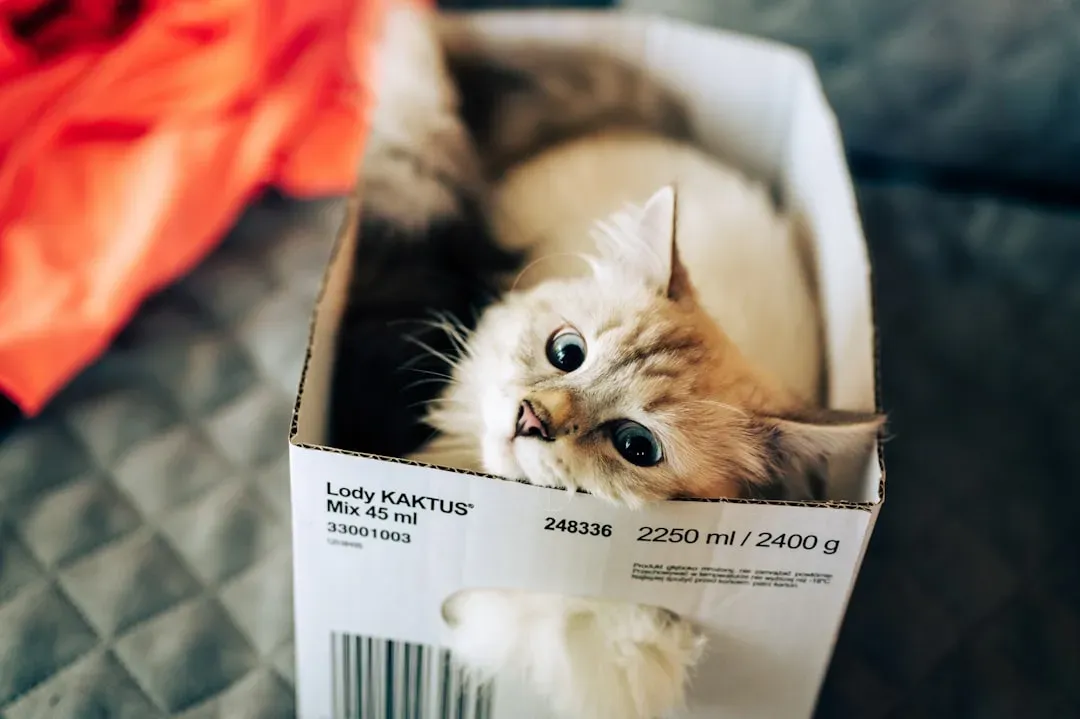
Paper bags, baskets, and even small spaces between furniture can evoke the same behaviors in cats. The shared characteristics of these objects – confined, safe, and protective – make them equally appealing to cats. So don’t be surprised when your cat claims a laundry basket, a shopping bag, or even a drawer you left open.
The common thread is enclosure. Cats don’t necessarily love cardboard specifically; they love anything that creates boundaries around them. This urge, at times affectionately dubbed if I fits I sits, isn’t limited to 3D boxes. Photos on social media revealed that simply taping the outlines of squares onto floors could prompt cats to step inside. Even an illusion of a box works because their brains are so attuned to seeking these safe spaces.
Territorial Control and Ownership
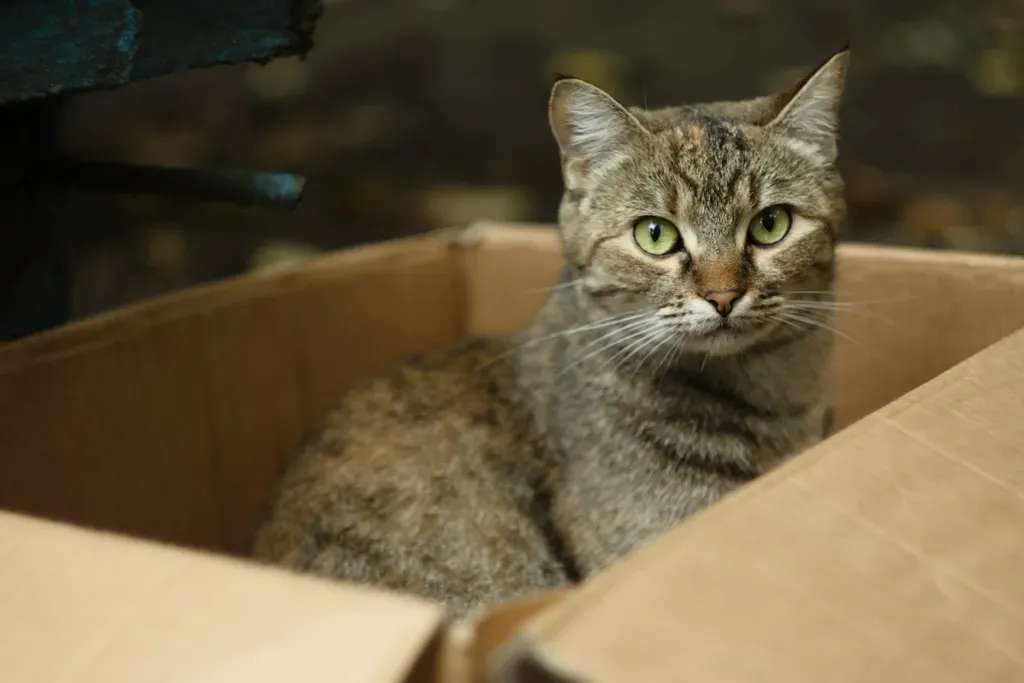
When a cat enters a box, it leaves its scent behind, effectively claiming the box as its own territory. This behavior is a way for cats to assert control over their environment and create a familiar, secure space within their territory. It becomes theirs. Not yours, not the dog’s, not your other cat’s. Theirs.
Boxes provide a sense of comfort and control that is vital for cats, who are territorial by nature. In multi-pet households especially, having designated safe zones reduces conflict. When your cat has a box to retreat to, they’re less likely to develop anxious or destructive behaviors because they have control over at least one small part of their world.
From Kittenhood to Adulthood

A mother cat will seek out a quiet area to birth her kittens, and their first experience will be a safe, enclosed space. Right from the start, boxes mean safety and comfort. That association is formed before kittens even open their eyes, making it one of the most fundamental preferences they’ll carry throughout their lives.
Veterinary behaviorists explain that hunkering down in small, enclosed spaces is a kind of swaddling behavior left over from cuddling up with their moms and littermates when they were kittens. It’s nostalgic in a way. That box isn’t just shelter; it’s a reminder of warmth, security, and the safety they felt as babies.
Why Your Expensive Cat Bed Doesn’t Stand a Chance
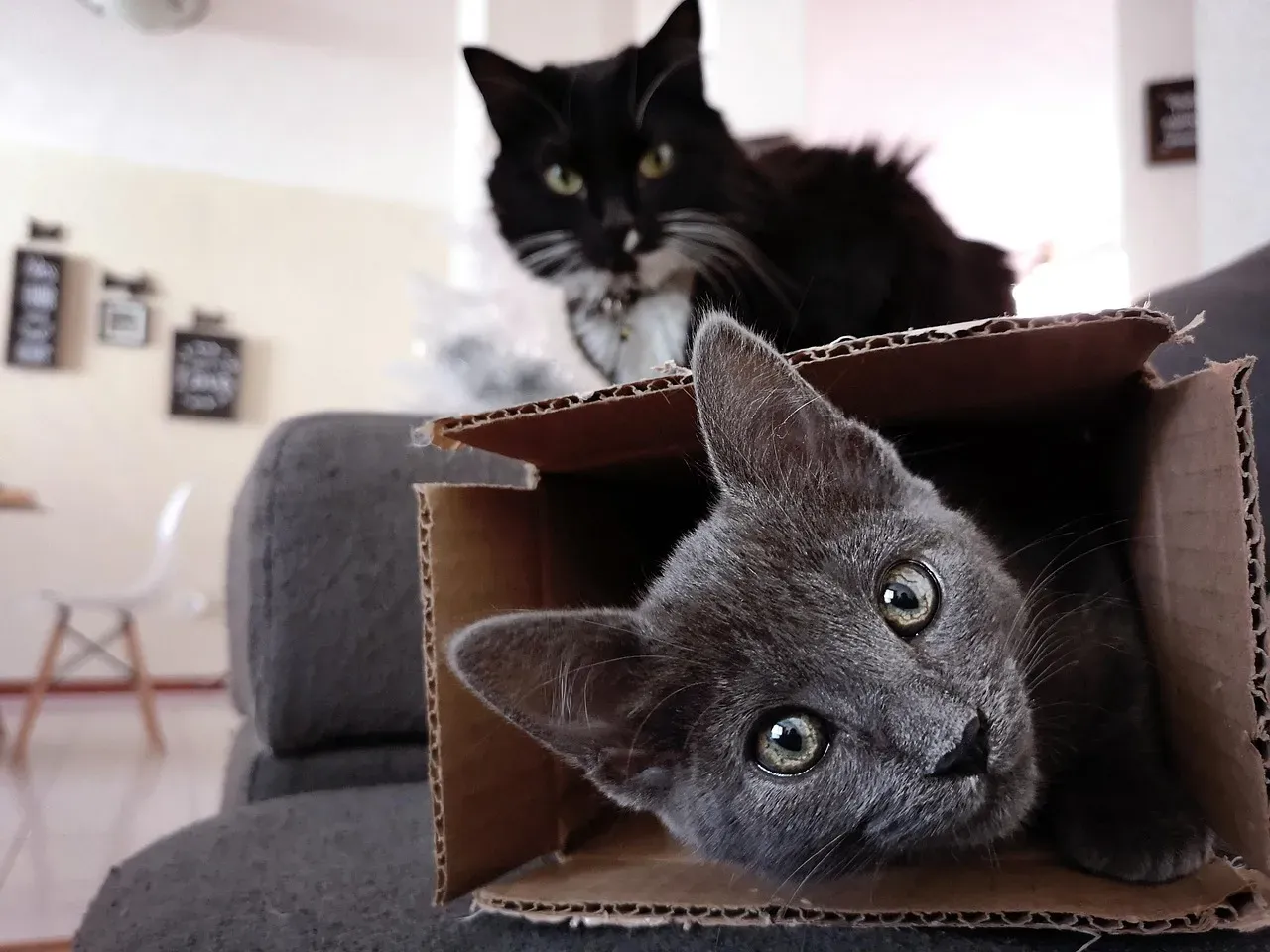
Even if you buy the most luxurious toys or beds, your cat might still choose a simple box because boxes cater to their natural instincts for security, warmth, and playfulness in ways that most manufactured items cannot. Unlike toys, boxes allow for self-guided exploration, scratching, and even lounging, making them an all-in-one solution for a cat’s needs. That designer bed you spent a fortune on? It’s missing the walls. It’s too open, too exposed.
Cats want boundaries. They want to feel hugged by their environment. The plush material and soft cushioning mean nothing if there aren’t sides to protect them. The humble cardboard box offers everything in one simple package: walls for security, insulation for warmth, and the perfect ambush spot. No wonder it wins every time.
Conclusion: Respect the Box
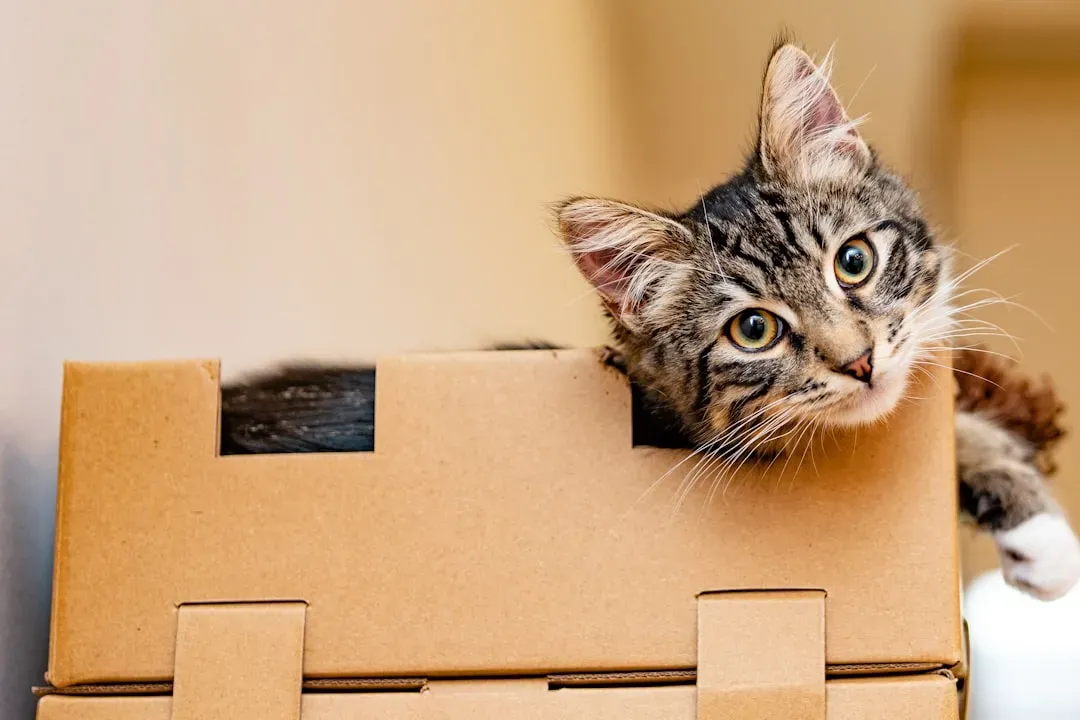
Your cat’s obsession with boxes is far from silly or random. It’s a beautiful expression of evolutionary wisdom that has kept their species alive for millions of years. Your cat’s fascination with boxes is not just a silly quirk. It is evolution at work. Boxes give cats a sense of control, a spark of adventure, and a reliable refuge from stress.
Next time a delivery arrives at your door, think twice before tossing that box into the recycling bin. It might just be the best gift you can give your feline friend. Understanding this behavior helps us provide better environments for our cats, reducing their stress and improving their overall wellbeing. What do you think about your cat’s box obsession now? Does it make you see their behavior in a new light?
Kristina is a young writer from India. An arts graduate and an avid content creator, Kristina is passionate about animals and wildlife. She enjoys exploring topics related to pet care, animal behavior, conservation, and nature, combining thorough research with engaging storytelling.