Have you ever caught your feline friend wandering through your home at 3 a.m., meowing to seemingly no one? Maybe you’ve heard your cat chirping and trilling while sitting alone in a sunbeam, as if having a full conversation with the dust motes floating past. It’s a behavior that makes us laugh, puzzle over, and sometimes even worry about.
Let’s be real, cats are mysterious creatures, and their tendency to vocalize when they appear to be completely alone is one of their most curious habits. Some people have observed their cats walking around the house meowing to themselves. What’s going on in those furry little heads, and is this behavior something you should understand better? The truth might surprise you more than you think.
The Evolutionary Backstory of Cat Vocalizations
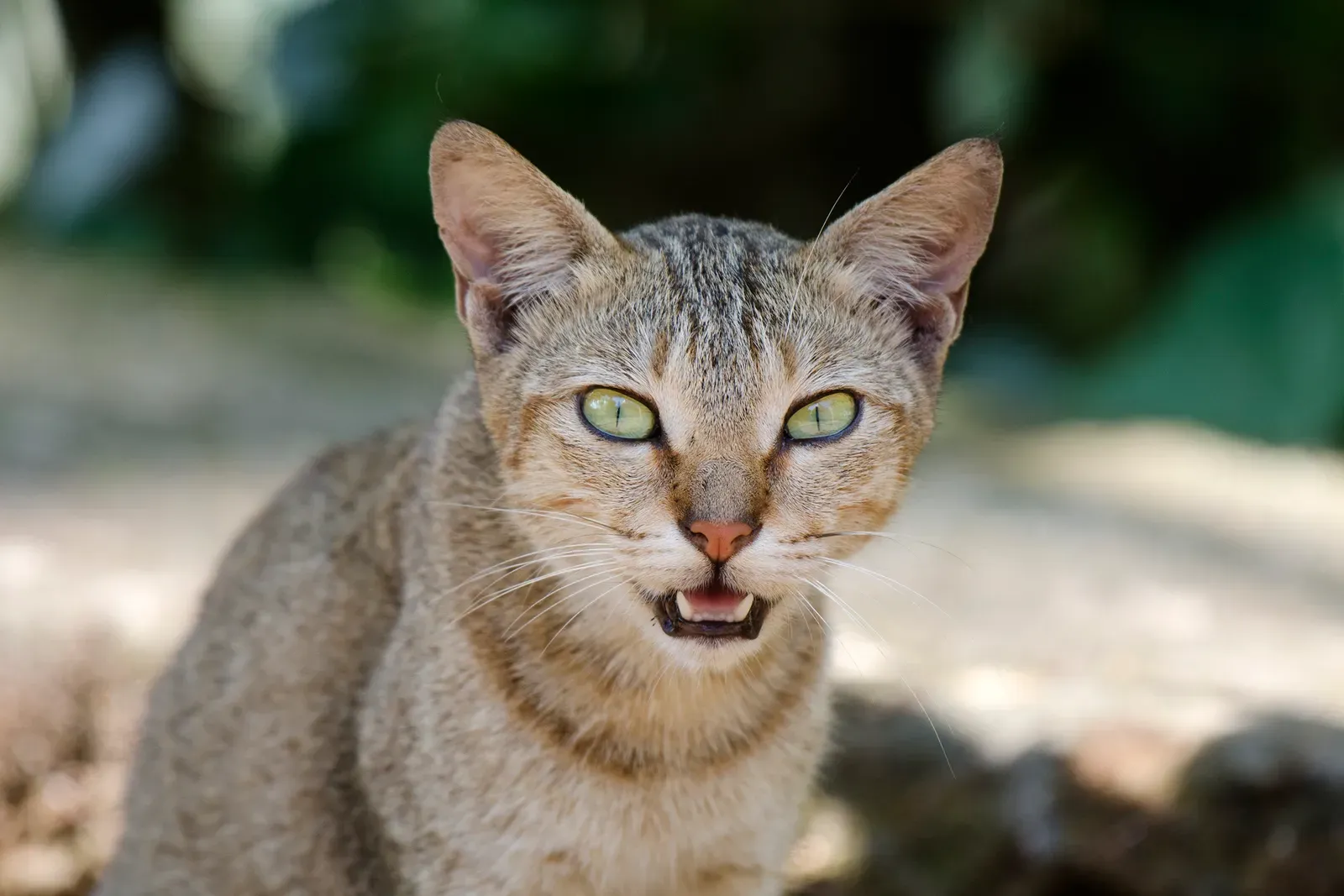
Cats didn’t always talk this much. Wild cats rarely vocalize and typically only verbally communicate with other cats. Their wild ancestors used body language, scent marking, and visual cues far more than sounds to get their point across. It’s hard to say for sure, but this shift happened as cats became domesticated and learned to live alongside humans.
It’s been found that domestic cats have learned how to use their voices more because they share their lives with us, a very vocal species! Think about it like this: we humans are chatterboxes, constantly using our voices to express every thought and feeling. Cat communication methods have been significantly altered by domestication, and studies have shown that domestic cats tend to meow much more than feral cats. They basically figured out that if they wanted to get through to us, they’d need to speak our language, at least in their own feline way.
They’re Practicing Their Human Communication Skills
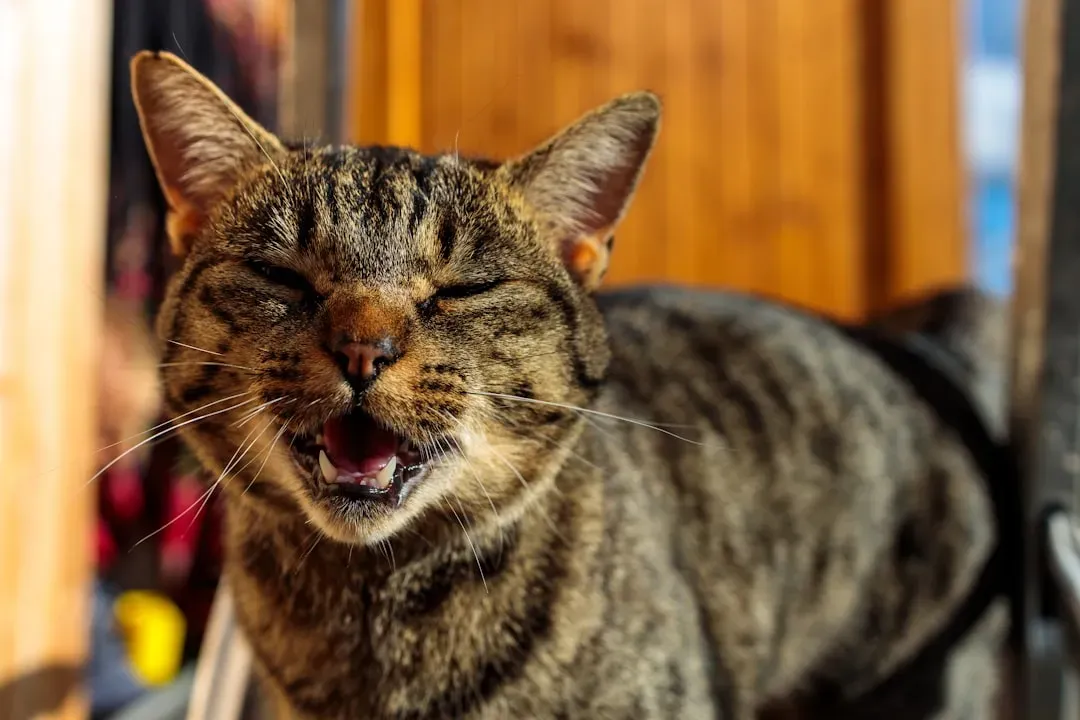
Here’s something fascinating: They rarely meow to communicate with fellow cats or other animals. Your cat has essentially developed a special language just for you. When you hear your cat meowing alone, they might be rehearsing or practicing vocalizations they’ve learned get your attention. It’s like vocal exercises, but for cats.
Cats will also even meow to themselves much as humans may talk to themselves. Some researchers believe this self-directed speech serves a similar function as when we think out loud. Your cat might be processing information, working through feelings, or simply entertaining themselves. The vocalization itself becomes a self-soothing or organizational tool, even when no audience is present.
Boredom and Loneliness Drive Solitary Chatter
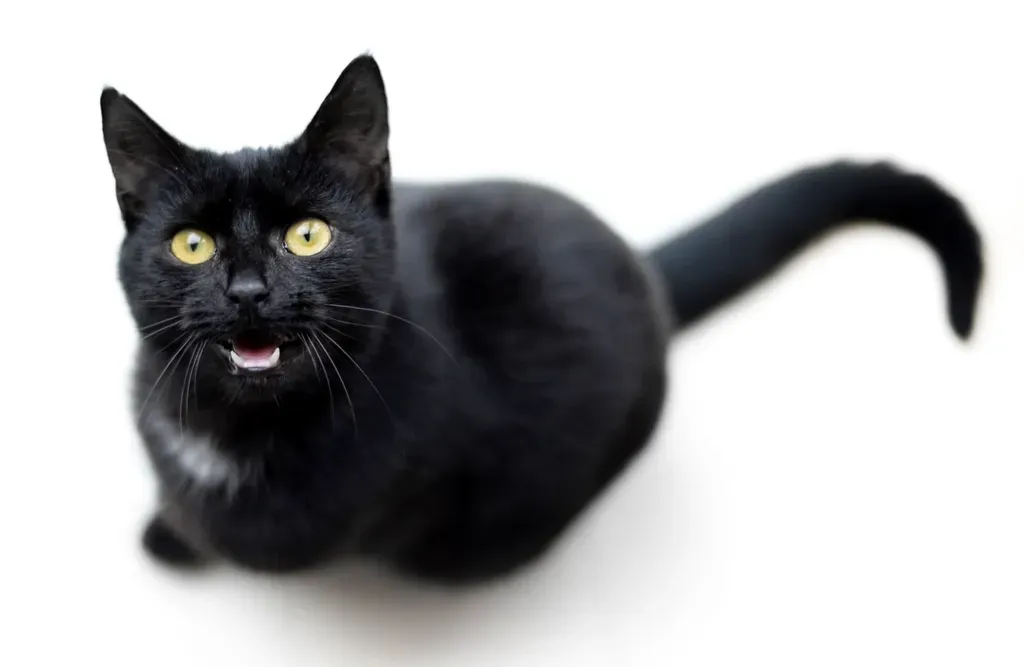
Many cats may be lonely or bored and spend long hours alone at home with little to do. If your cat is vocalizing to themselves frequently, especially during times when they’re alone for extended periods, it could be their way of coping with isolation. The sound of their own voice might provide comfort or stimulation when their favorite human isn’t around.
Your cat may be lonely, and if they’re alone in your house for many hours during the day, consider getting another cat they can spend time with. Honestly, cats are more social than many people give them credit for. While they might have a reputation for being aloof, domestic cats genuinely crave interaction and mental stimulation. When they don’t get it, they sometimes create it for themselves through vocalization.
Emotional Processing and Self-Soothing Behavior
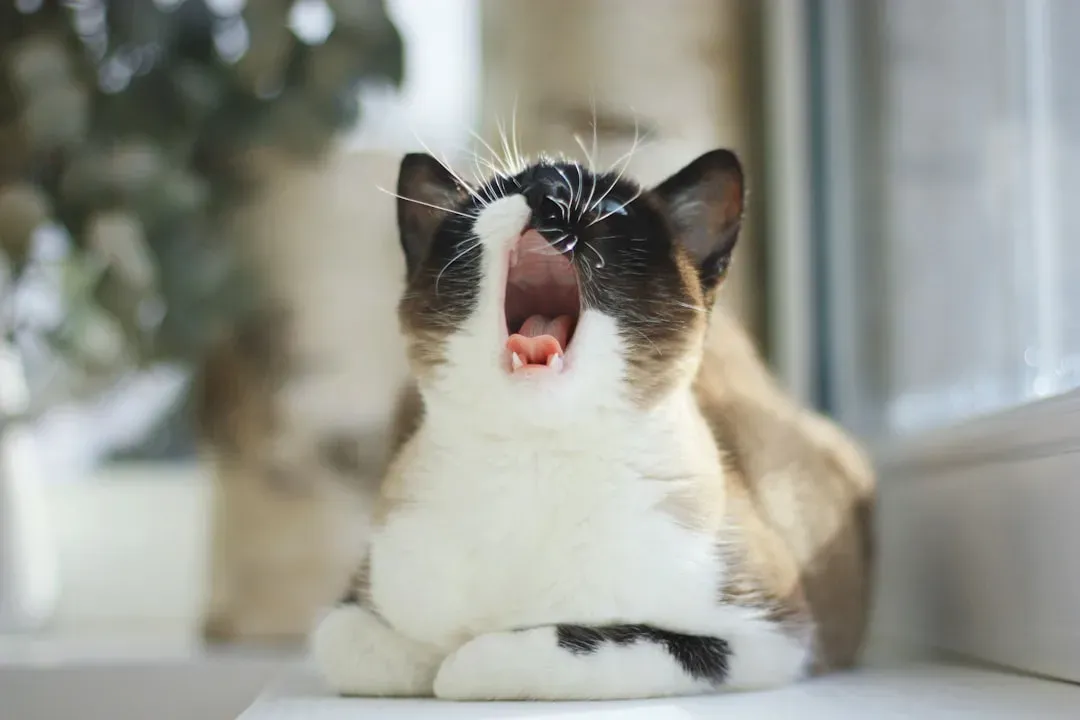
Cats that are going through stress often become more vocal, as a new pet or baby, a move or changes to the home, an illness, or the loss of a loved one can turn your cat into a talker. When cats experience emotional upheaval, talking to themselves can be a coping mechanism. The act of vocalizing helps them process complex emotions they can’t otherwise express.
Just like humans might talk themselves through a stressful situation, cats do something similar. The vocalization provides a sense of control and comfort during uncertain times. If you’ve recently moved, brought home a new family member, or changed your routine, don’t be surprised if your cat suddenly becomes more talkative, even when alone.
Age-Related Cognitive Changes and Confusion
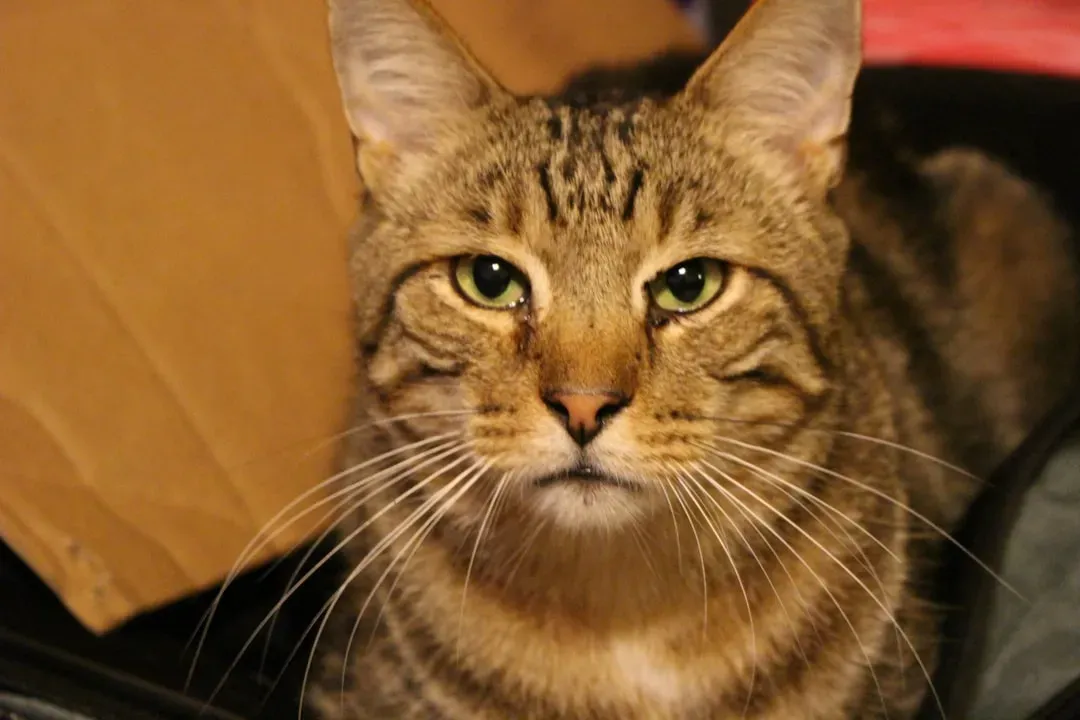
Cats can also become increasingly vocal as they age, and two possible reasons for this are age-related dementia and deteriorating eyesight. A cat who feels anxious or confused may meow to seek reassurance. Senior cats sometimes lose their bearings, and vocalizing helps them orient themselves in their environment or signal distress they’re experiencing.
Hearing loss can also cause a kitty to vocalize louder than usual because they can’t determine their volume. Elderly cats might genuinely not realize they’re being loud or that they’re alone. The combination of sensory decline and cognitive changes can make them more vocal overall, including when no one else is in the room. If your older cat is suddenly chattering away to themselves, it’s worth a vet visit to rule out medical concerns.
Breed-Specific Talkativeness and Personality
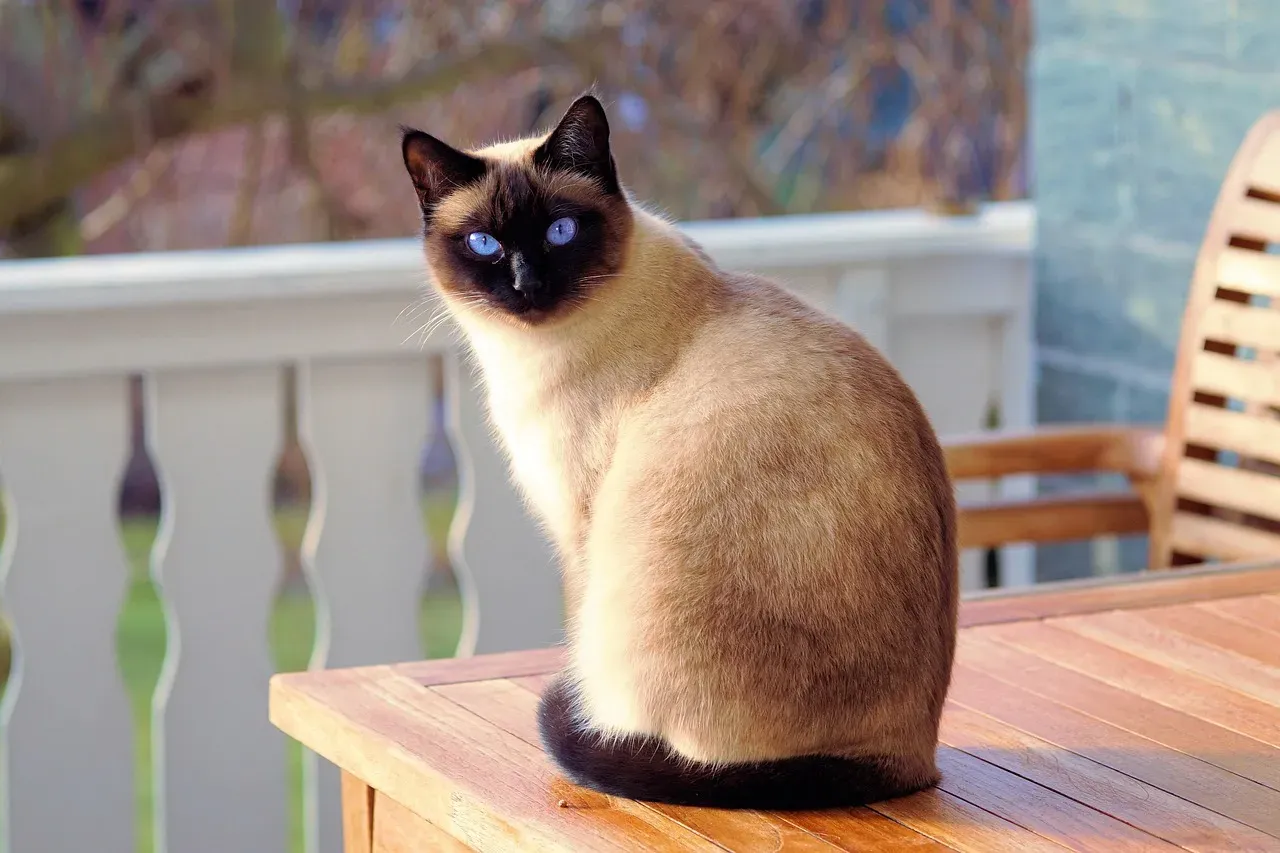
Some cat breeds tend to be more vocal than other cat breeds, and Siamese cats are probably the best known “talkers” of the cat world. Certain breeds are genetically predisposed to being chatty. If you have an Oriental breed or a cat with that heritage, their solo vocalizations might simply be part of their personality blueprint.
Each cat is unique and the amount of meowing or “conversations” a cat might have with its humans could be a result of several factors. For example, kittens who have been well socialized with people might turn into more vocal adults. There are also certain cat breeds (such as Siamese, Burmese, Siberians, and Abyssinians) that are talkative by nature and might display more meowing with their people. Some cats are just born to chat, and that includes talking to themselves when the mood strikes.
Hunting Instincts and Prey-Driven Sounds
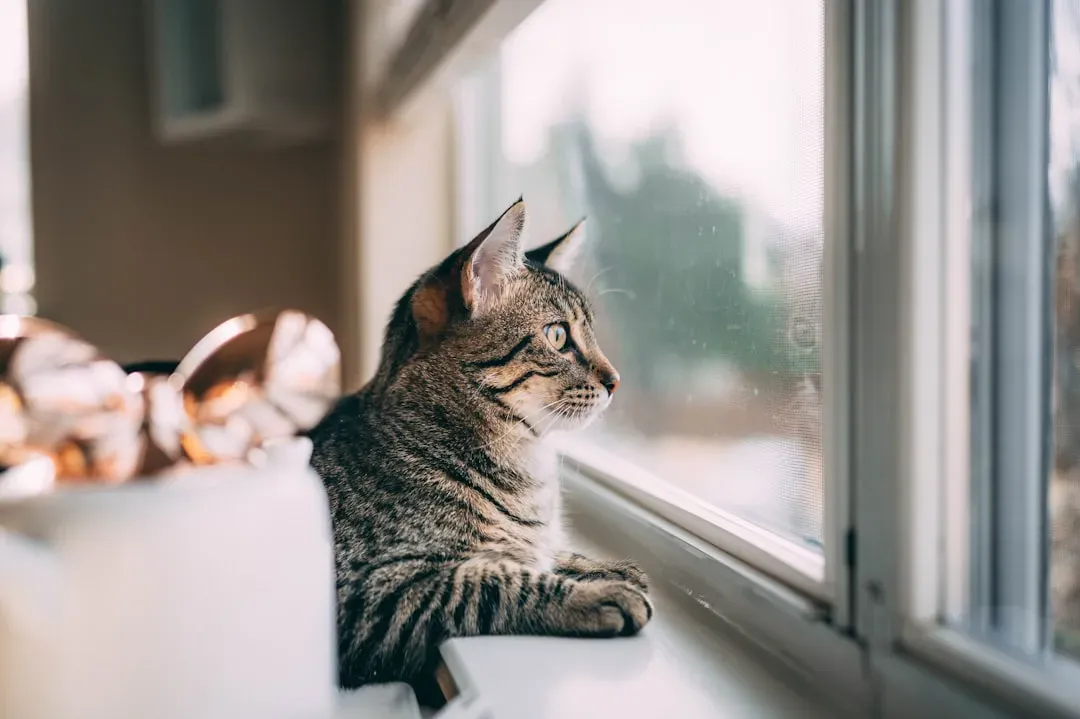
It’s triggered by excitement and resembles bird’s vocalization, and it seems that cats are able to elicit sounds when their attention is caught by an insect or a bird. When your cat is alone and you hear that distinctive chattering or chirping sound, they’re probably watching prey through the window or have spotted something that triggers their hunting drive.
Chattering, chittering or twittering are the noises your cat makes when they’re sitting in the window watching birds or squirrels. These aren’t really self-directed vocalizations in the traditional sense. They’re more like involuntary expressions of frustration or excitement about prey they can’t reach. Still, to the casual observer, it looks like your cat is having an animated conversation with themselves.
Medical Issues Signaling Through Vocalization
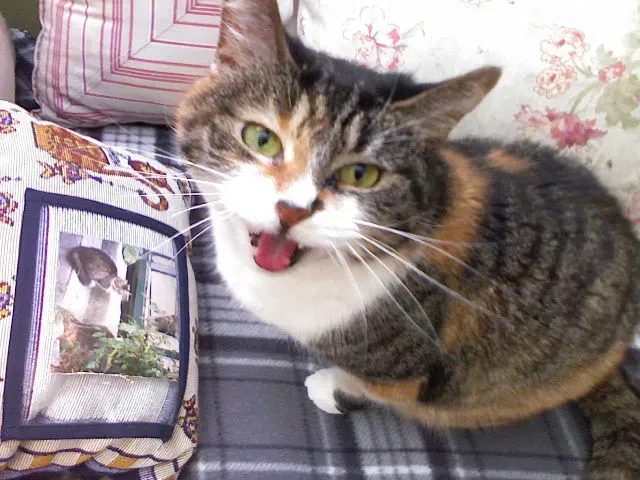
Hyperthyroidism, an overactive thyroid gland common in older cats, may cause increased hunger, wakefulness, and excitability, making your cat meow more. Sometimes cats vocalize to themselves because something physically doesn’t feel right. Medical conditions can increase vocalization dramatically, and what looks like harmless self-talk might actually be a cry for help.
Elderly cats that are hard of hearing may become louder and more vocal if they simply can’t hear themselves talk! Pain, discomfort, thyroid issues, high blood pressure, and various other medical conditions can manifest as increased vocalization. If your cat’s self-directed talking is a new behavior or has suddenly increased in frequency or intensity, don’t dismiss it. A checkup with your veterinarian is the responsible next step.
Attention-Seeking Behavior That’s Been Reinforced
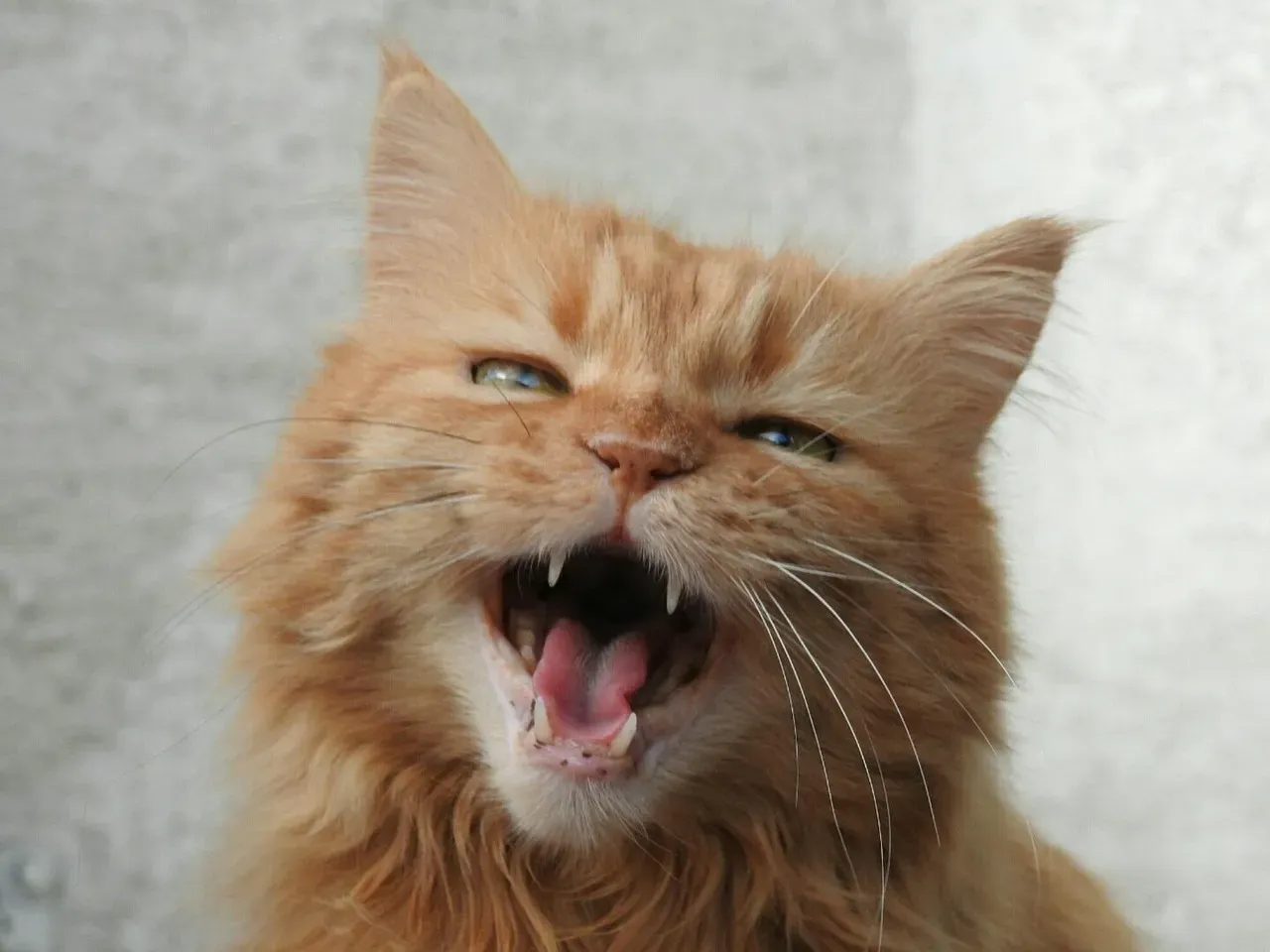
Most chatty cats just want your attention, and a cat will learn that if she meows long enough, you will feed her, play with her, or wake up and let her into your bedroom. Even when you’re not in the room, cats sometimes vocalize out of habit because it’s worked for them before. They’ve learned that making noise equals getting what they want.
The behavior can become self-reinforcing over time. Your cat might meow in the hallway when you’re sleeping, and even though you’re not responding immediately, they remember all the times this strategy paid off. It’s like leaving a voicemail, hoping you’ll call back. They’re essentially talking to themselves while simultaneously hoping you’ll eventually hear and respond.
The Complex Vocal Repertoire Cats Possess
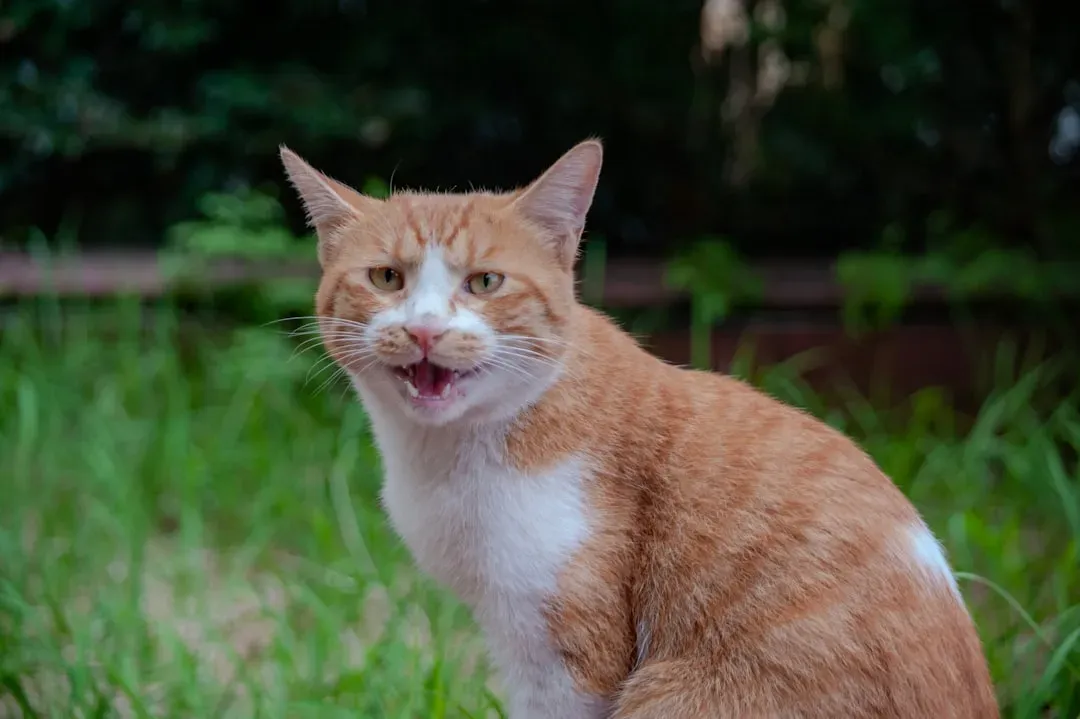
The vocal repertoire of the cat is wide and up to 21 different vocalizations have been described in the literatures. Cats have an incredibly sophisticated communication system. When they’re vocalizing alone, they might be cycling through different sounds for different purposes, from trills to chirps to full meows.
Up to 21 different cat vocalizations have been observed. Each sound serves a potential function, and cats don’t necessarily need an audience to produce them. Some vocalizations might be involuntary expressions of internal states. Others are more deliberate. The sheer variety means your cat has plenty of options when they feel like having a solo conversation, whether it’s meaningful communication or just vocal exploration.
Understanding When to Worry and When to Smile
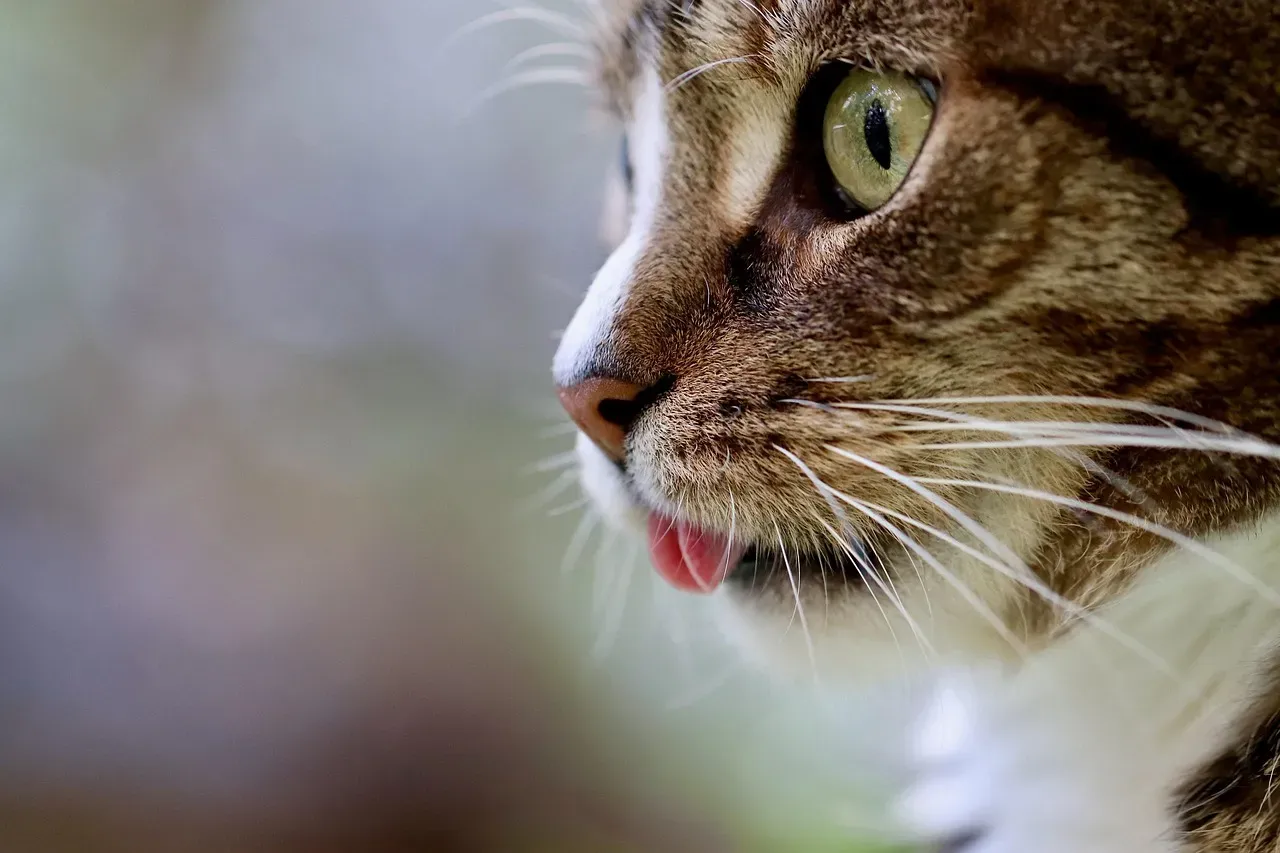
Most of the time, cats talking to themselves is completely harmless and even endearing. It’s just another quirky cat behavior that makes them the entertaining companions they are. Any pronounced behavior change should trigger a trip to the vet to make sure your cat isn’t ill or in pain. The key is knowing when it’s normal feline eccentricity and when it signals something more serious.
Watch for patterns. Is your cat’s self-talk accompanied by other behavioral changes? Are they eating normally, using the litter box properly, and maintaining their grooming routine? If your cat seems happy and healthy aside from their chattiness, you can probably relax and enjoy their monologues. If something feels off, trust your instincts and consult your veterinarian. Your cat’s solo performances might just be their way of staying entertained, processing emotions, or simply being the wonderfully weird creature they were born to be. What do you think your cat is really saying during those midnight conversations? Let us know in the comments.
Kristina is a young writer from India. An arts graduate and an avid content creator, Kristina is passionate about animals and wildlife. She enjoys exploring topics related to pet care, animal behavior, conservation, and nature, combining thorough research with engaging storytelling.