Milwaukee – In the bustling aisles of a local pet store, one employee found herself drawn to a cat whose past hardships masked a gentle spirit waiting to emerge.
An Unlikely Attraction Amid Daily Duties
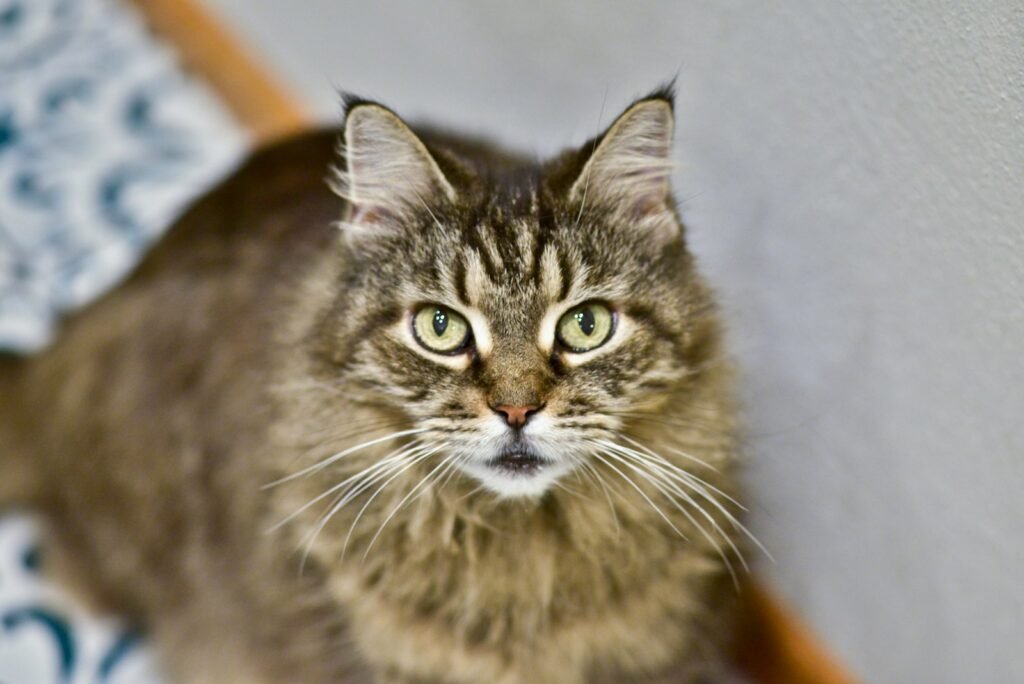
For over a year, Jennica tended to cats from a nearby shelter housed in the store’s condos, but none captured her attention quite like Sasha, a six-year-old Maine Coon who arrived after younger kittens found homes. Sasha’s striking green eyes stood out immediately, even behind her initially grumpy expression shaped by a history of multiple owners, including one who had mistreated her. Employees and volunteers cared for the animals daily, yet Sasha’s presence marked a shift in Jennica’s routine. She approached the cat with patience, undeterred by the wary demeanor that hinted at deeper scars.
Day by day, small interactions revealed Sasha’s potential for warmth. The cat began to respond positively, emerging from her hiding spots to engage more openly. This gradual openness transformed what started as casual observation into a meaningful connection, highlighting how persistence can bridge the gap between caution and companionship.
Fostering a Growing Affection
As weeks passed, Sasha’s behavior toward Jennica evolved noticeably. The Maine Coon started rubbing her face against her caregiver and the cage bars, a sign of emerging trust. Headbutts followed, accompanied by resounding purrs that filled the quiet moments between store tasks. These gestures signaled a bond forming, one that went beyond routine care and into genuine affection.
Jennica recognized the depth of this attachment and decided to act. She submitted an adoption application through the shelter’s online system, hopeful yet realistic about Sasha’s needs. The process moved quickly, and soon a phone call confirmed her approval, allowing her to bring the cat home within days. In a quiet moment at work, Jennica shared the news with Sasha, who seemed to sense the change in the air.
Transitioning to a New Chapter
The day of departure arrived after a full shift, and Jennica carefully loaded Sasha into her carrier for the journey home. There, the cat met her new family members: a rescue bunny named Barristan and a one-and-a-half-year-old tabby called Khaleesi. To ease the adjustment while honoring her original name, Jennica chose Asha, a similar-sounding alternative that Sasha might recognize.
Integration proved challenging at first, given Asha’s age and background. The lively tabby tested boundaries, and Asha displayed some lingering fears from her past. Still, progress emerged steadily over the two months since the adoption. Jennica focused on creating a safe environment, watching as Asha grew less startled by daily sounds and movements.
Navigating Challenges with Patience
Addressing behavioral quirks required consistent effort, especially between Asha and the younger cat. Early tensions gave way to tentative explorations, with Asha venturing further into shared spaces. Jennica celebrated these small victories, knowing they built toward a stable routine. The bunny, meanwhile, observed from afar, adding a layer of calm to the household dynamic.
Here are key steps Jennica took to support Asha’s adjustment:
- Provided quiet hiding spots to reduce initial stress.
- Introduced family members gradually through scent swapping.
- Maintained a feeding schedule to foster security.
- Monitored interactions closely for signs of distress.
- Consulted shelter resources for tailored advice.
Key Takeaways
- Older cats like Asha often thrive with patient, understanding adopters.
- Renaming thoughtfully can preserve a pet’s sense of familiarity.
- Early bonds in shelter settings can lead to lifelong partnerships.
This adoption story underscores the rewards of giving senior animals a second chance, turning a pet store encounter into a foundation for healing and joy. As Asha continues to settle in, her journey reminds us that every cat deserves a home where trust can fully bloom. What experiences have you had with adopting older pets? Share in the comments below.
Kristina is a young writer from India. An arts graduate and an avid content creator, Kristina is passionate about animals and wildlife. She enjoys exploring topics related to pet care, animal behavior, conservation, and nature, combining thorough research with engaging storytelling.