Seoul – South Korea’s decision to outlaw bear bile farming at the start of 2026 marks a pivotal shift in the nation’s approach to animal welfare, though the fate of around 200 captive bears hangs in the balance.
A Cruel Practice Draws to a Close
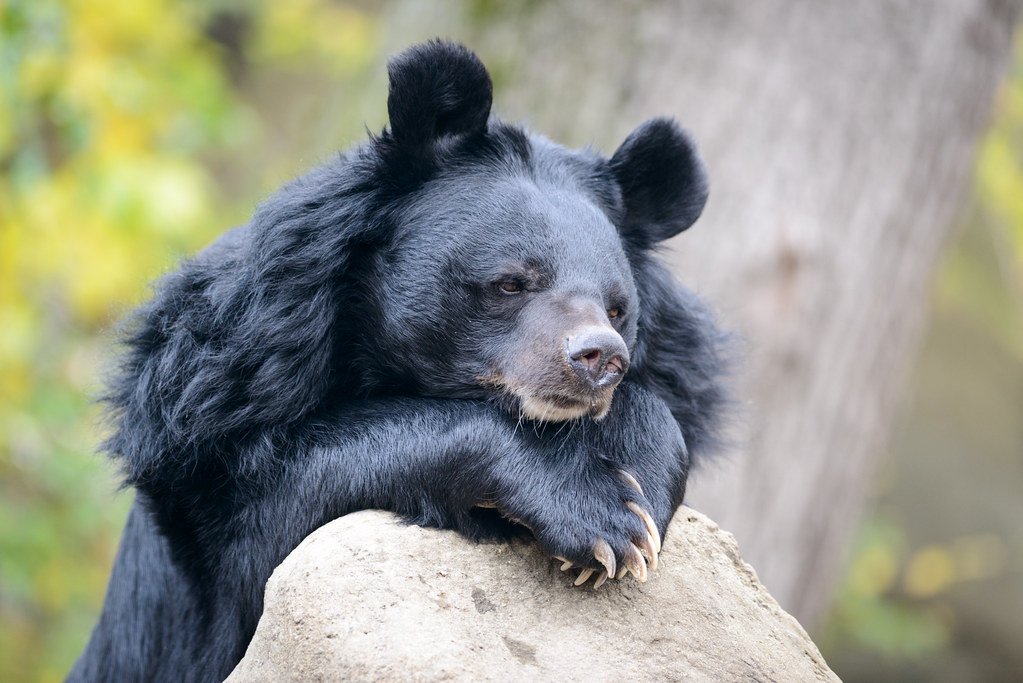
The bear bile industry, which targeted Asiatic black bears also known as moon bears, involved extracting bile from their gallbladders for use in traditional medicine. This practice persisted for decades despite growing international criticism. Authorities implemented the ban through revisions to the animal protection law, effective January 1, 2026. Violators now face severe penalties, including prison terms of up to five years. The move stemmed from a 2022 agreement among government officials, farmers, and advocacy groups aimed at phasing out the sector entirely.
Once a niche but persistent element of South Korea’s agricultural landscape, the industry supplied products believed to promote health benefits like vitality. However, scientific scrutiny eroded its credibility over time. Public sentiment shifted as awareness campaigns highlighted the inhumane conditions on farms. By late 2025, only 11 facilities remained operational, down from a peak in the 1980s when hundreds of bears endured confinement.
The Hidden Toll on Moon Bears
Moon bears suffered immensely under the farming system, often confined to cramped cages that restricted natural movement. Extraction methods ranged from invasive surgeries to catheter insertions, leading to chronic pain and infections. These bears, native to East Asia and listed as vulnerable by conservationists, faced shortened lifespans in captivity. The ban addresses this long-standing cruelty, but immediate relief remains elusive for the animals still held.
Advocacy efforts intensified in recent years, with organizations like Animals Asia and local groups pushing for reform. Their campaigns exposed the ethical and health concerns, contributing to the industry’s decline. Fewer consumers sought bile products as synthetic alternatives emerged on the market. This combination of factors accelerated the push toward prohibition.
Challenges in Rescuing the Remaining Bears
As the ban took effect, approximately 200 bears occupied the final farms, prompting urgent relocation initiatives. In 2025, authorities purchased and transferred 21 bears to a government sanctuary in southern Jeolla province. Similar efforts continue, but disputes over compensation for farmers have slowed progress. Animal rights groups shoulder much of the responsibility for rehoming, coordinating with experts to ensure safe transitions.
The process involves veterinary assessments and habitat preparation to mimic natural environments. Sanctuaries provide space for foraging and socialization, a stark contrast to prior conditions. Yet, logistical hurdles persist, including funding and facility capacity. Full liberation could take months, underscoring the complexity of dismantling such operations.
Broader Implications for Wildlife Conservation
South Korea’s action aligns with global trends toward stricter animal welfare standards. The country joins nations like Vietnam in curbing bear farming, potentially influencing regional policies. Conservationists view the ban as a model for balancing cultural traditions with modern ethics. It also bolsters efforts to protect wild moon bear populations threatened by habitat loss.
Key drivers behind the policy’s success included collaborative dialogues and public education. Farmers received support through buyout programs, easing economic transitions. The Ministry of Climate, Energy and Environment oversaw implementation, ensuring compliance from day one. This structured approach minimized resistance and maximized animal outcomes.
- Declining demand due to unproven medicinal claims.
- Rise of affordable synthetic substitutes.
- Increased awareness of animal suffering via media and campaigns.
- International pressure from wildlife organizations.
- Government incentives for farmers to exit the industry.
Key Takeaways
- The ban prohibits breeding, possession, and bile extraction starting 2026.
- Around 200 bears require relocation to sanctuaries for rehabilitation.
- Penalties include up to five years in prison for violations.
This historic ban represents a triumph for compassion over commerce, offering moon bears a chance at freedom after years of exploitation. As South Korea charts this path, it inspires similar reforms worldwide – what steps can other nations take to end such practices? Share your thoughts in the comments.
Kristina is a young writer from India. An arts graduate and an avid content creator, Kristina is passionate about animals and wildlife. She enjoys exploring topics related to pet care, animal behavior, conservation, and nature, combining thorough research with engaging storytelling.