Why Tigers May Soon Return to Central Asia
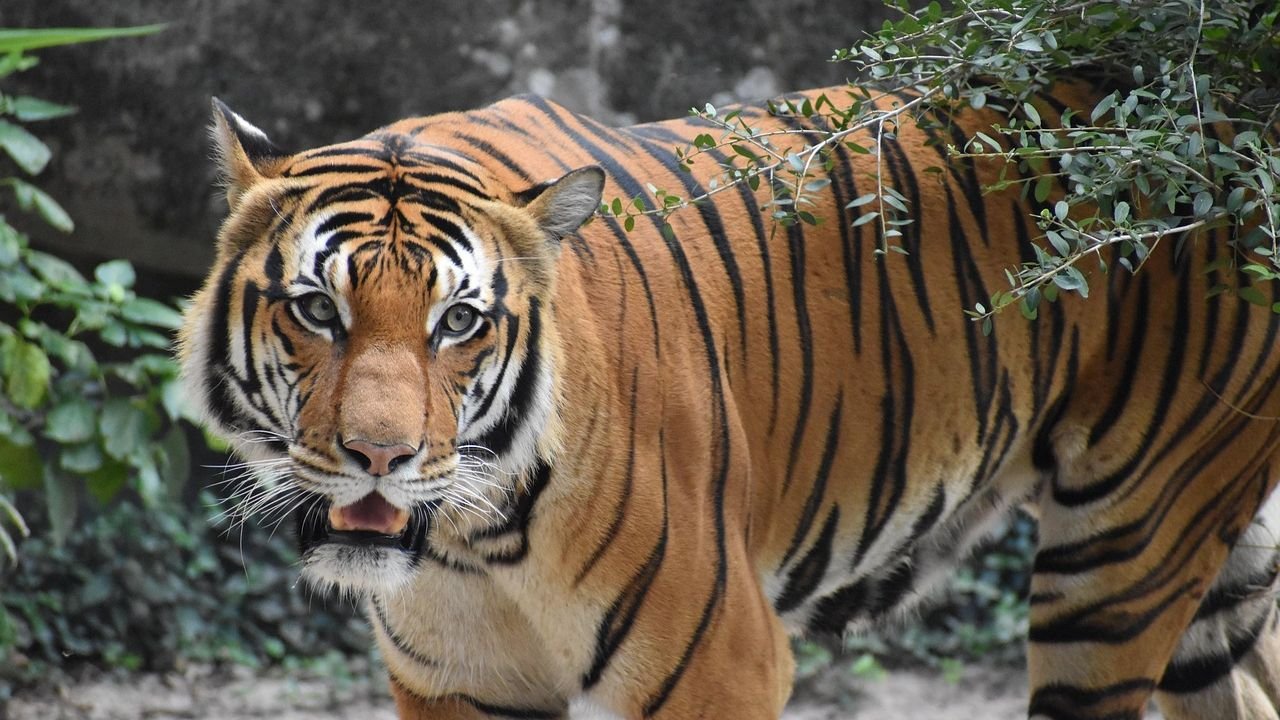
Picture this. A massive, striped predator prowling through reed beds along a vast river delta, its amber eyes scanning the horizon for wild boar. Now imagine that same scene vanished for nearly eight decades. The Caspian tiger once ruled the waterways and forests of Central Asia, from Turkey all the way to China. Then humanity wiped them out.
Yet something remarkable is happening right now in Kazakhstan, something that could rewrite the story of one of the world's most iconic apex predators. Tigers are coming back, not as ghosts of the past, but as living, breathing symbols of what conservation can achieve when science, governments, and communities align. Let's dive into why this audacious plan might actually work.
The Ghost of the Caspian Tiger
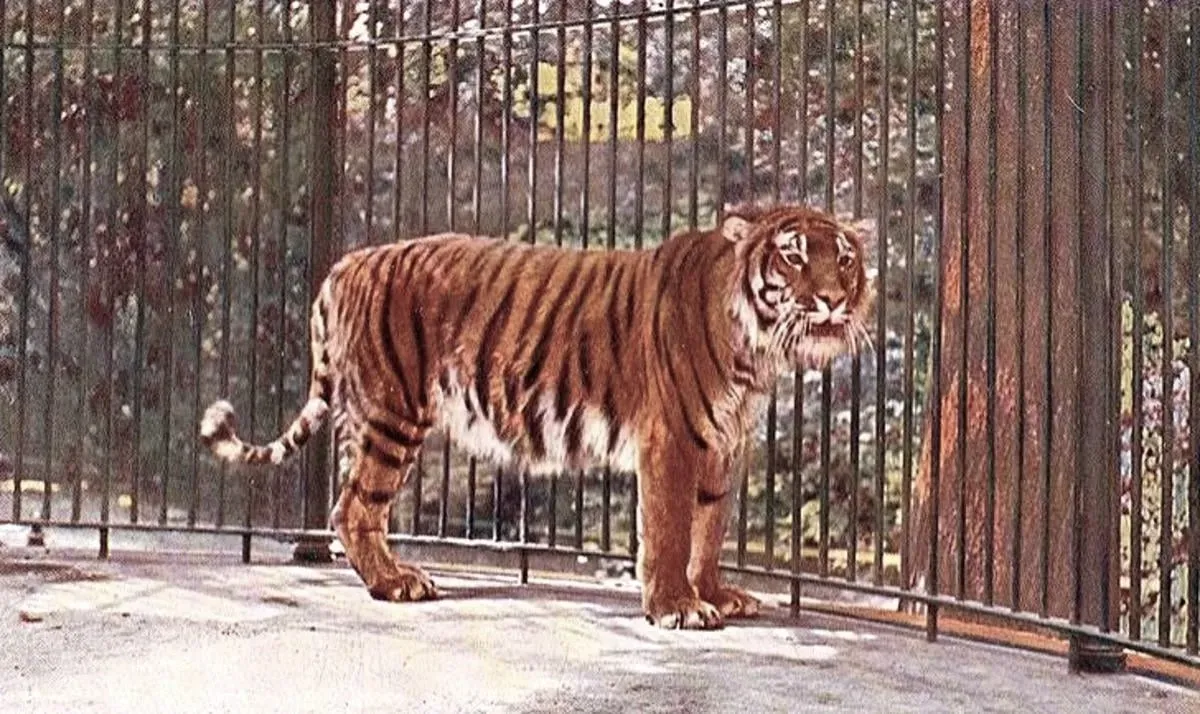
The last Caspian tiger was recorded in Kazakhstan in 1948, near the Ili River in the Lake Balkhash region. Think about that for a moment. Nearly 80 years without a single tiger prowling those ancient hunting grounds. The demise began with Russian colonisation during the late 19th century, as tigers were killed by sportsmen and military personnel who also hunted their prey species.
The main causes of the predator's disappearance were targeted extermination, uncontrolled hunting of ungulates, and habitat destruction due to irrigation projects. It's hard to say for sure, yet the sheer speed of the collapse tells you everything. Within just a few decades, a subspecies that had thrived for millennia was completely eradicated.
A Scientific Breakthrough Changes Everything
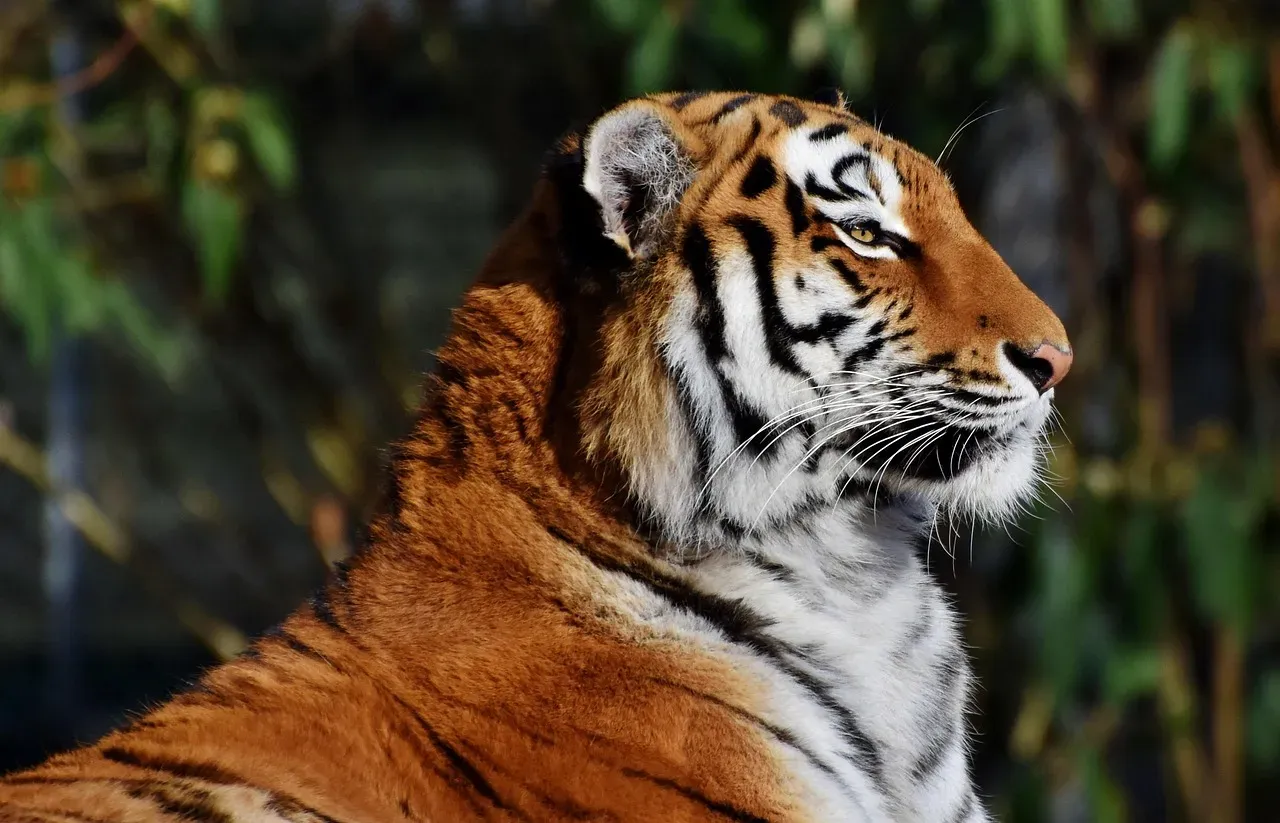
Here's where the story takes an unexpected turn. In 2009, genetic research revealed that DNA samples from Central Asian museum collections showed the Turan and Amur tiger populations are identical. Remarkably, the extinct Caspian tiger and the living Amur tiger from Russia's Far East are essentially the same at the genetic level.
Caspian tigers carry a major mtDNA haplotype differing by only a single nucleotide from the haplotype found across all contemporary Amur tigers, suggesting less than 10,000 years ago their common ancestor colonized Central Asia via the Gansu Corridor from eastern China. This discovery opened a door that conservationists thought had been permanently sealed. The Amur tiger could serve as a genetic substitute for its extinct cousin.
Kazakhstan Steps Up With an Audacious Plan
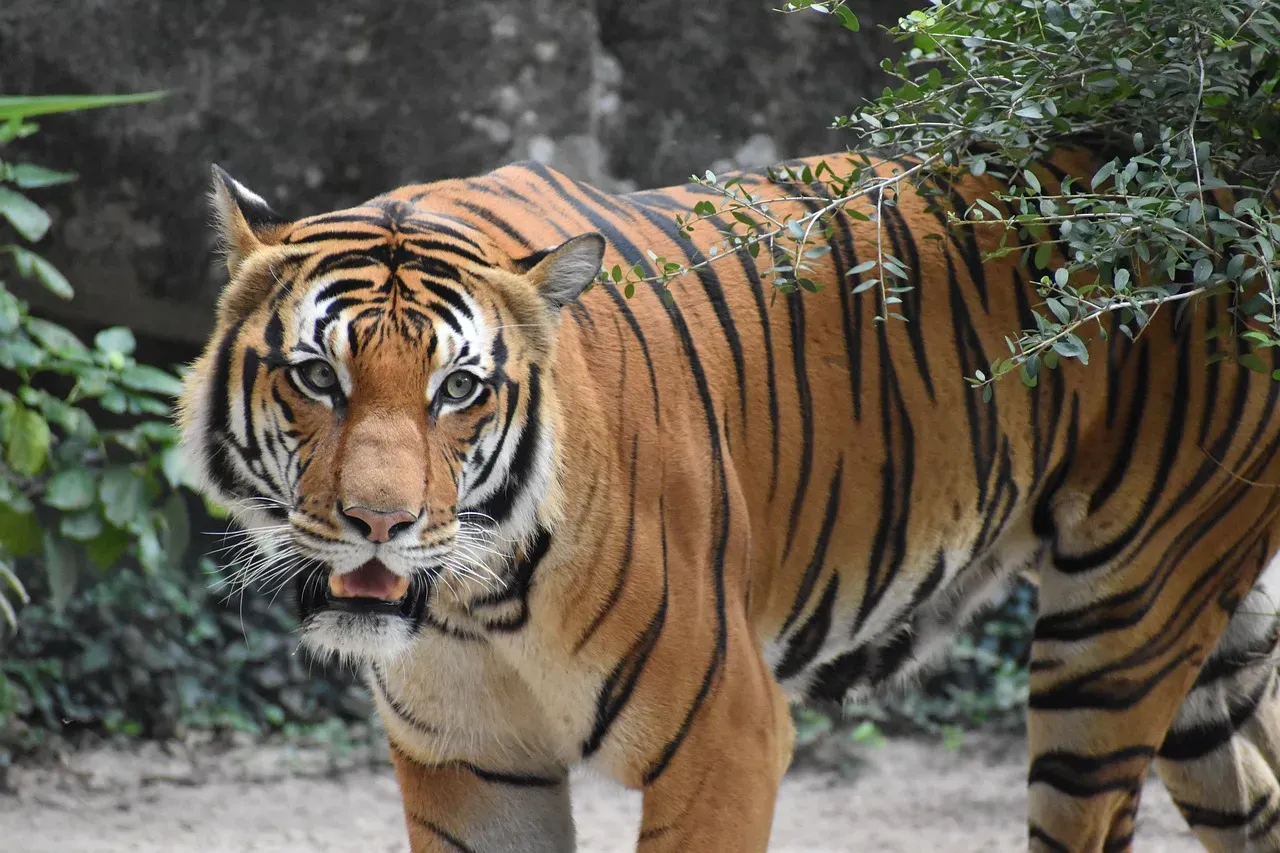
The Ile-Balkhash State Nature Reserve was established in 2018, covering 415,000 hectares. This wasn't just about setting aside land. The Kazakhstani government, working alongside WWF and the United Nations Development Programme, launched one of the most ambitious rewilding projects ever attempted.
If successful, Kazakhstan will become one of the first countries in the world to bring back the tiger to a region where it was completely eradicated more than half a century ago. Let's be real, this is unprecedented. Previous tiger relocations have only happened within existing tiger range countries. This project aims to restore an entire ecosystem that has functioned without its apex predator for generations.
The First Tigers Have Already Arrived
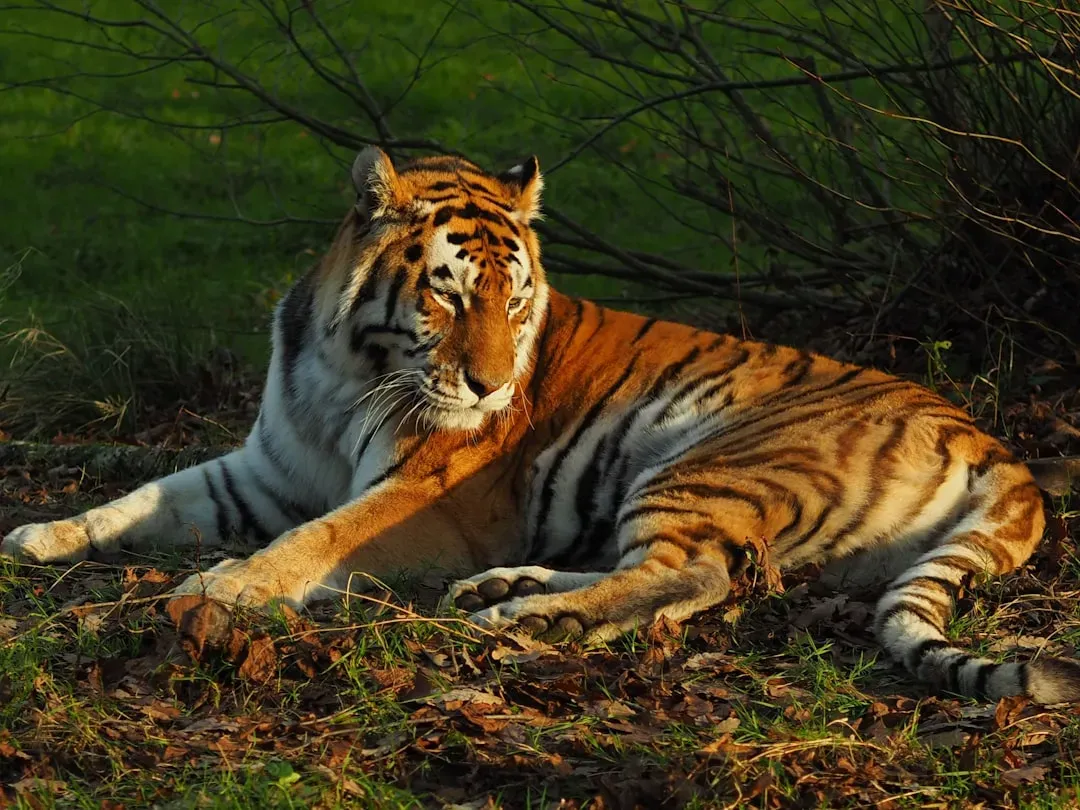
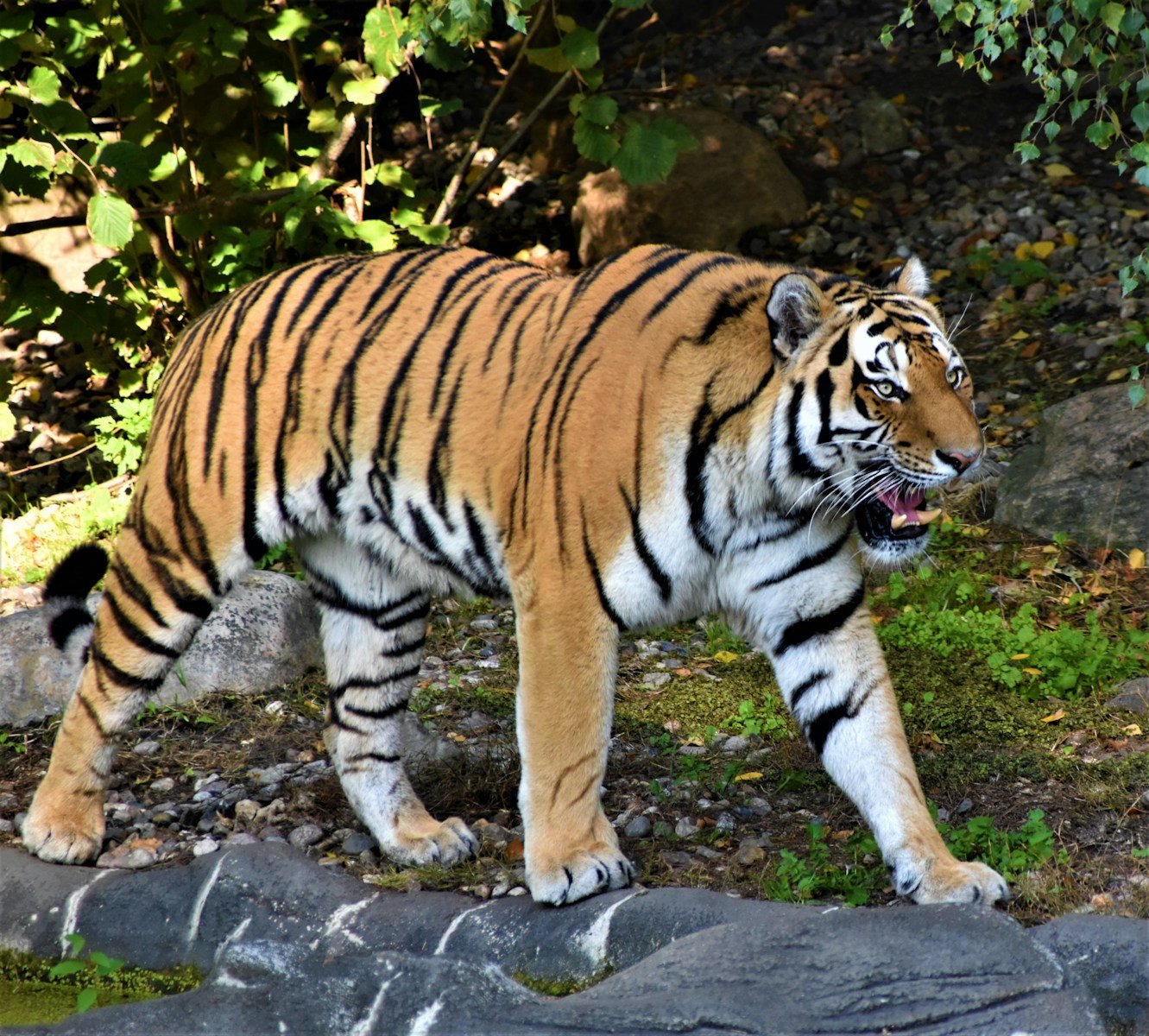
In September 2024, two adult Amur tigers from the Netherlands, a 12-year-old female named Kuma and a male named Bogdan, were relocated to the Ili-Balkhash Nature Reserve. They're currently housed in a specially designed enclosure complex under close monitoring. This wasn't a quick decision; years of preparation went into creating the right conditions.
The first group of Amur tigers from Russia will arrive in Kazakhstan in the first half of 2026 as part of a joint conservation effort, with three to four tigers expected between January and June. These successive waves of tigers will help build genetic diversity and establish a breeding population.
Rebuilding an Entire Ecosystem From the Ground Up
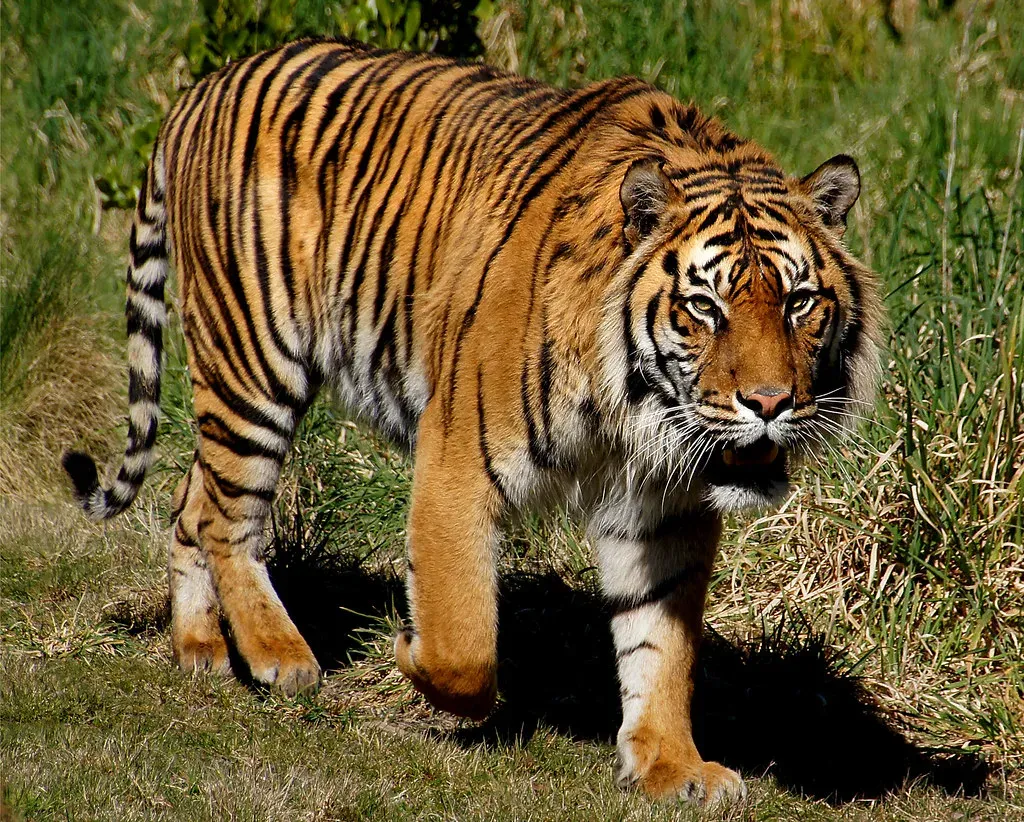
You can't just drop tigers into a landscape and hope for the best. Establishing a protected area, increasing the prey base to 25 individuals per 1000 hectares, and reforesting at least 10,000 hectares of riparian forest are all underway. The area needs to support wild boar, deer, and other ungulates that form the tiger's diet.
Since 2018, wild boar density has more than tripled to 15 boar per 1000 hectares, and 150 Bukhara deer have been reintroduced since 2019. Honestly, this kind of ecological restoration takes patience and precision. Every piece of the puzzle matters. The prey populations are rebounding, forests are being replanted, and water sources are being protected.
Why the Ili-Balkhash Region Is Perfect
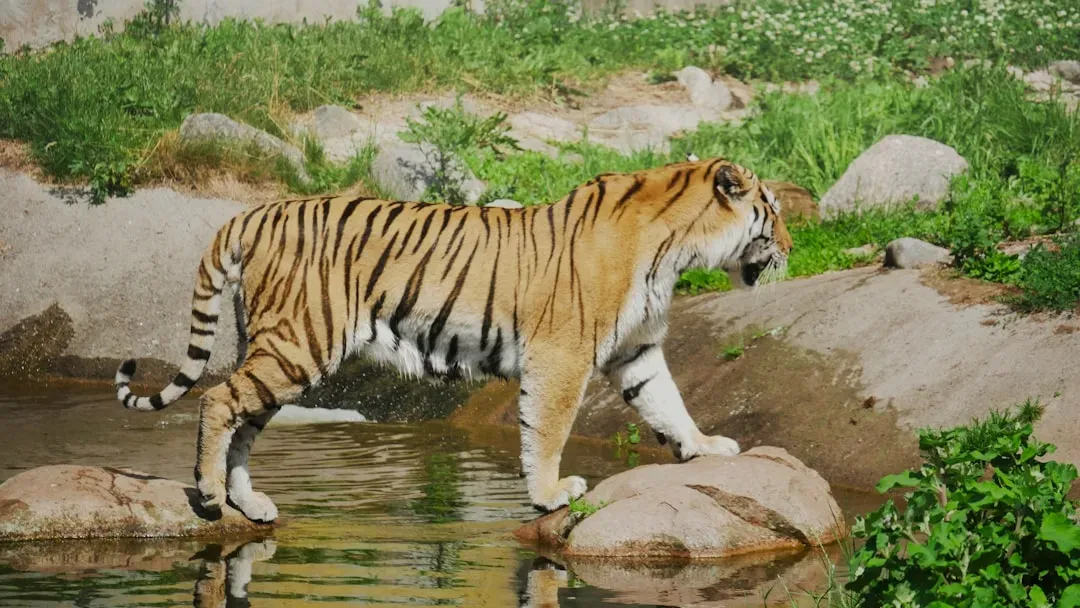
The Ili River Delta is the largest remaining natural delta on an inland lake in Central Asia, supporting permanent inland delta, freshwater lake, and rivers with seasonal wetlands. The landscape features vast reed beds, riparian forests, and wetlands that mirror the habitat Caspian tigers once thrived in.
The area has capacity to support 120 tigers if there is sufficient prey, with models suggesting it could support 64 to 98 tigers within 50 years. That's not a small number. This single landscape could become a significant global tiger site, potentially hosting nearly a hundred tigers in coming decades.
Local Communities Are the Real Key

Local communities around Ile-Balkhash Nature Reserve have been closely involved from the beginning, with small grants from WWF enabling them to develop small businesses and create village jobs. This isn't just about wildlife. It's about people too. Communities need to see tangible benefits, not just risks.
Consulting with communities throughout the process, developing prevention mechanisms for potential human-wildlife-conflict issues, and preparing compensation mechanisms in the event that any cattle are lost to tigers are all part of the strategy. I think this community engagement piece is actually what will determine whether the project succeeds long-term. Local support isn't optional; it's essential.
Overcoming the Genetic Bottleneck Challenge
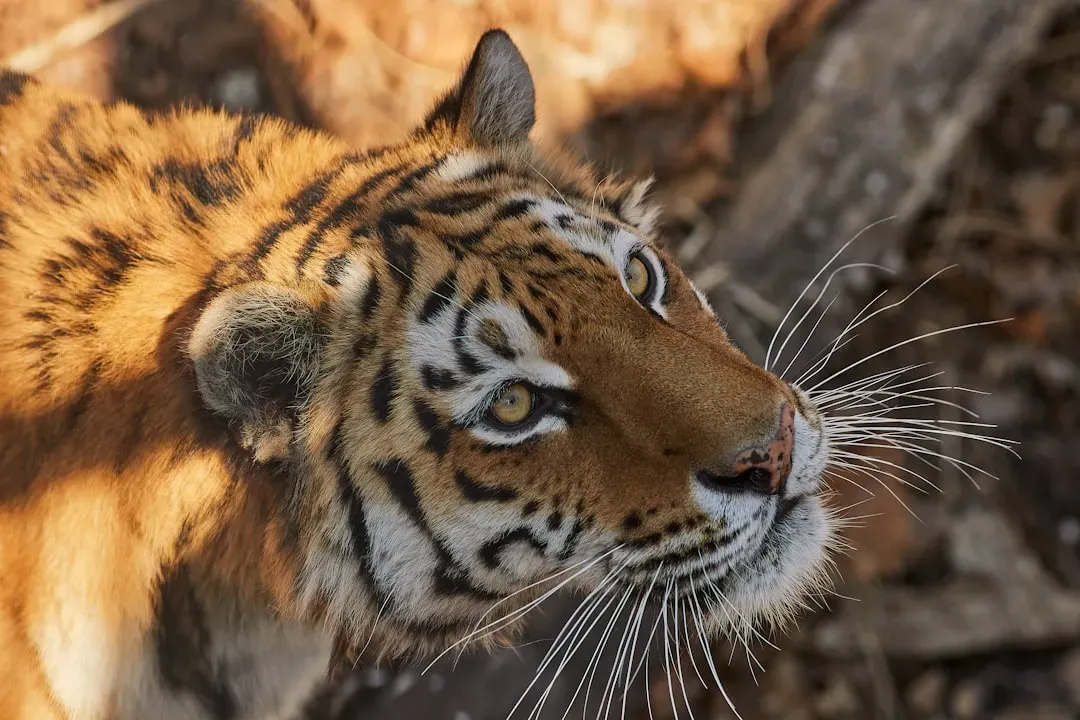
Due to their evolutionary propinquity, living Amur tigers offer an appropriate genetic source should reintroductions to the former range of the Caspian tiger be implemented. The genetic similarity is so close that some scientists argue the Caspian and Amur tigers might have been synonymous subspecies all along.
The translocation of these tigers is the first of several planned in the coming years, with a goal to build a healthy population of about 50 wild tigers by 2035. Multiple waves of tigers from different sources will help maintain genetic diversity and avoid inbreeding. The captive Amur tiger population can serve as a reservoir of genetic variation.
What Success Would Mean for Global Conservation
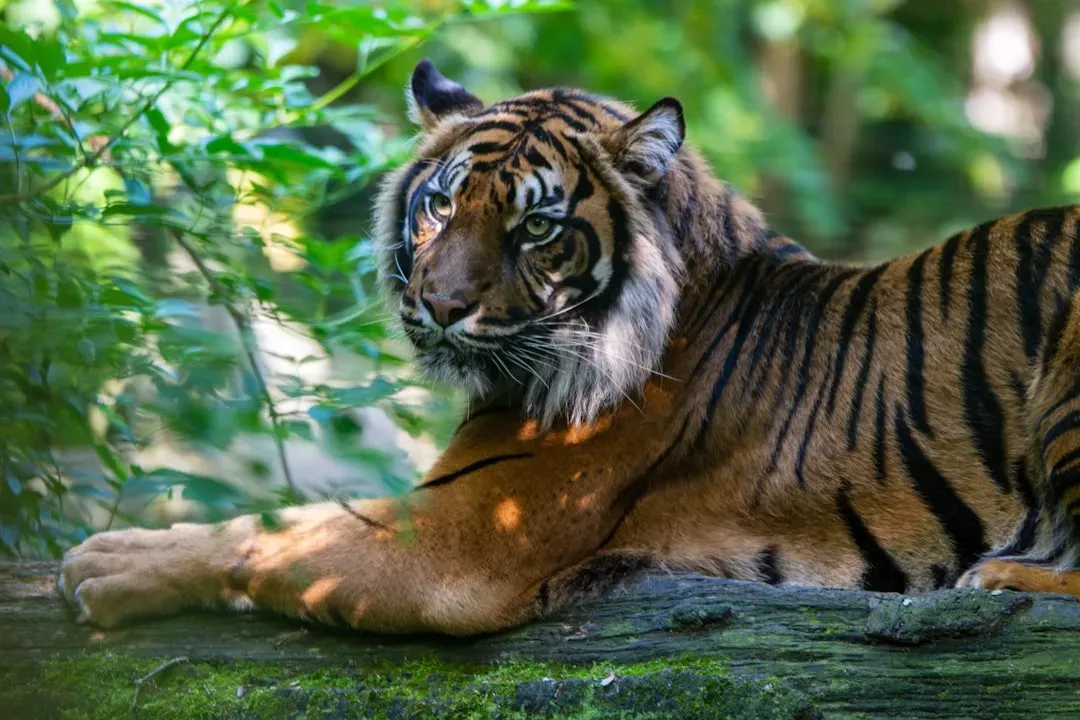
This tiger reintroduction project, led by the Kazakhstan Government beginning in 2018, could be the first-ever international reintroduction of tigers. If it works, the implications ripple far beyond Central Asia. It would prove that we can reverse even seemingly permanent extinctions.
A recent WWF paper highlighted the potential to recover 1.7 million square kilometers of additional suitable landscapes where tigers could return, more than twice the current tiger range, with multiple expanses in Central Asia. Suddenly, landscapes written off as lost forever become possibilities. The blueprint created in Kazakhstan could be applied elsewhere.
The Road Ahead Is Long But Promising
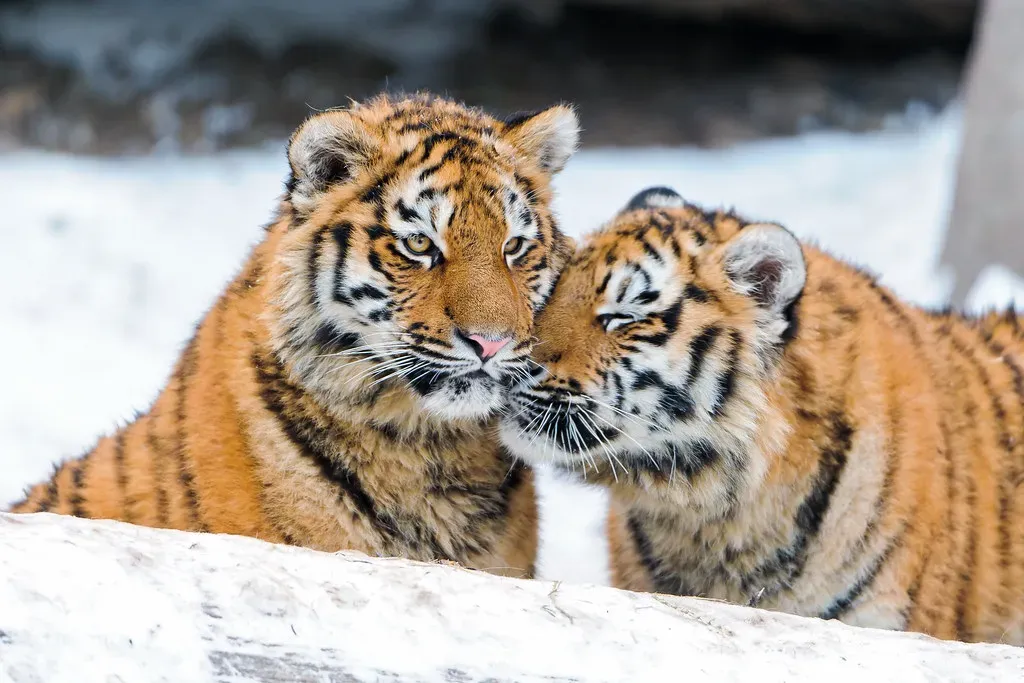
If the pair successfully breed, their offspring will be released into the wild once ready to leave their mother, followed by an intensive monitoring period and more wild Amur tigers to ensure genetic diversity. This is a multi-generational commitment. Success won't be measured in months or even years, yet in decades.
Kazakhstan and Russia have held two meetings of a bilateral working group in 2025 under a memorandum of cooperation, with Russian specialists training Kazakhs to manage conflicts between humans and predators. International cooperation, scientific rigor, and community involvement are all aligning. The pieces are falling into place.
Conclusion: A New Chapter for an Ancient Predator
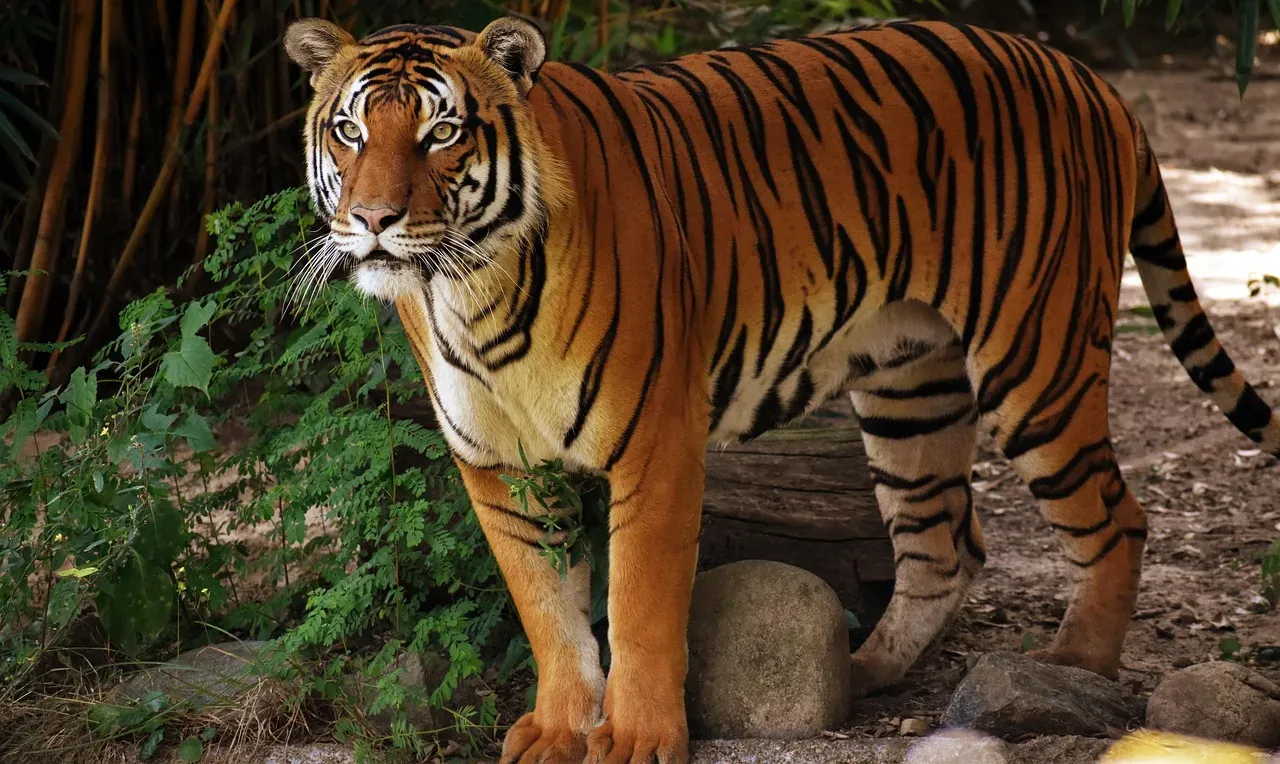
The return of tigers represents more than just ecological restoration. It's a statement about our capacity to heal the wounds we've inflicted on the natural world. After disappearing from Kazakhstan in 1948 and from Central Asia by the 1970s, tigers are now being given a second chance more than 70 years later.
The challenges are real. Climate, prey availability, human conflict, and genetic diversity all pose ongoing concerns. Yet for the first time in nearly eight decades, tiger cubs might soon be born in the wild along the shores of Lake Balkhash. That alone makes this one of the most exciting conservation stories unfolding right now.
What do you think? Can we truly bring back what was lost, or are we merely creating something new under an old name? Either way, the roar of a tiger in Central Asia would be a sound worth celebrating.