You think your cat is the picture of confidence, lounging on the couch like royalty or prowling through your house with that signature feline swagger. Here’s the thing though, underneath that cool exterior lies a surprisingly sensitive creature whose world is filled with sounds that humans barely notice. Your furry companion experiences everyday life in a completely different auditory dimension, one where certain household noises can trigger genuine distress.
Let’s be real, understanding what frightens your cat isn’t just about satisfying curiosity. These reactions are rooted in their biology and survival instincts. So let’s dive into the seven common household sounds that might be secretly terrorizing your whiskered friend.
The Roaring Monster: Vacuum Cleaners

The vacuum cleaner consistently ranks as one of the top sound offenders for cats, not just because of its noise level, but because it moves around the house like a predator chasing them. Think about it from your cat’s perspective: this massive, growling machine suddenly appears in their territory, invades their safe spaces, and follows them from room to room. The combination is nothing short of overwhelming.
Vacuums create a sensory overload with their loud noise, scary sights, and unusual smell, all of which can be overwhelming for cats’ sensitive hearing. The imposing size combined with the sudden appearance of this loud machine in their territory feels threatening, particularly as it appears to follow them from room to room. Honestly, if you were only a fraction of the size and something that loud started rolling toward you, you’d probably hide under the bed too.
Kitchen Appliance Chaos: Blenders and Food Processors
Your morning smoothie routine might be wrecking your cat’s peace of mind. Blenders and food processors create shrieks and whirs that overlap with a cat’s most sensitive hearing ranges, and the unpredictability of these appliances makes cats dart away the moment the blender lid clicks shut. The sudden transition from silence to an ear-splitting whir is jarring for creatures who rely on predictability.
Hairdryers, blenders, and coffee grinders all share similar characteristics, with their sudden start-and-stop sounds combined with mechanical whirring easily overwhelming a cat’s finely-tuned hearing. Picture waiting in a quiet space and then suddenly being hit with a noise that feels ten times louder than what you’d experience. That’s essentially what your cat goes through every time you fire up that blender for your breakfast shake.
Storm Terror: Thunder and Lightning

Thunder is low, deep, and often felt as much as heard, and when combined with lightning flashes and gusting winds, a storm becomes an overwhelming sensory event for felines. What makes thunderstorms particularly distressing is that your cat can often sense them coming before you do. Cats can sense changes in barometric pressure, which may explain why they often appear unsettled even before the first rumble of thunder.
Generations of wild ancestors passed down the instinct to fear sudden storms, since they often brought flooding, falling trees, or predators on the move, and even cozy indoor cats can’t quite shake that inherited caution. This deep-rooted survival instinct means that storm anxiety isn’t something your cat can simply “get over.” It’s hardwired into their evolutionary programming.
The Intruder Alert: Doorbells and Slamming Doors
The doorbell is the ultimate intruder alert for cats, signaling disruption, strangers, and possibly danger entering their territory. Your cat has likely learned to associate that cheerful chime with their space being invaded by unfamiliar people, voices, and smells. Even if the visitor is perfectly friendly, your cat’s territorial instincts kick into high gear.
A slamming door sends vibrations through the floor and walls that signal approaching danger, and these abrupt, out-of-place sounds flip a feline’s mental switch from relax mode to prepare for trouble. The sudden bang isn’t just loud, it’s unpredictable. Cats thrive on routine and consistency, so these unexpected auditory jolts can keep them on edge throughout the day.
Hissing Horrors: Aerosol Cans and Steam

In a cat’s world, hissing is never followed by anything good, and the sharp spray of an aerosol can or steam valve triggers an instinctive reaction because hissing is the universal animal signal for “back off”. Whether it’s your air freshener, hairspray, or the radiator releasing steam, these sounds tap directly into your cat’s primal warning system.
In the feline brain, these sounds are hardwired to mean danger. I think it’s fascinating how deeply ingrained these responses are, no matter how domesticated our cats become. That innocent spritz of room spray might seem harmless to you, but to your cat, it sounds like an imminent threat is present in the room.
High-Pitched Electronic Frequencies
Here’s something many cat owners don’t realize: High-frequency sounds from electronic devices such as televisions, computer screens, and fluorescent light bulbs can cause irritability and annoyance in cats, becoming a source of chronic stress. Cats’ hearing range extends up to 85,000 Hz compared to a human’s 20,000 Hz, which means your cat is detecting sounds you don’t even know exist.
Cats can hear up to 84,000 Hz, which is inaudible to the human ear, and continual exposure to sounds of this frequency can cause irritability and annoyance. Those electronic devices humming away in your home create a constant background noise that you’re completely unaware of but that might be driving your cat quietly insane. It’s like living next to a construction site that only you can hear.
Loud Human Voices and Music
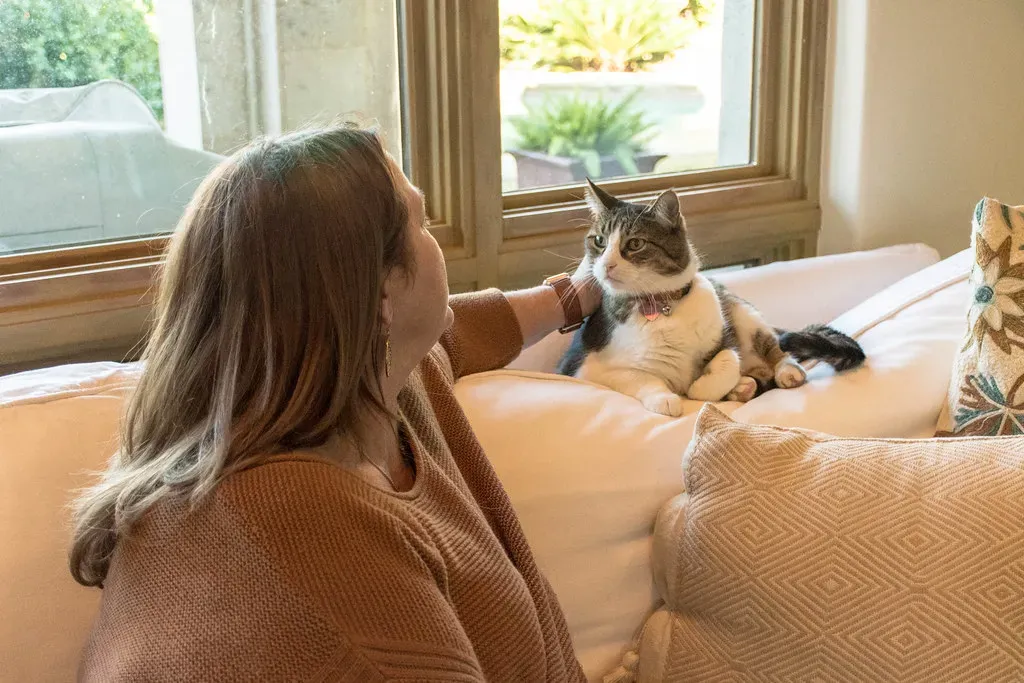
Loud noises are signs of an unsafe environment to cats, and raised voices from arguments, cheering, or booming movie soundtracks can unsettle them quickly. Your movie night with the surround sound cranked up might be entertainment for you, but for your cat, it’s acoustic chaos.
Higher pitches in loud music can sound like distress calls, and while some cats will nap through soft classical or gentle jazz, pounding bass or shrieking guitars overlap with distress calls cats use among themselves while the thumping vibrations unsettle them. Loud music may not only annoy your cat, it can cause them to associate gatherings or parties with stress. So if your cat disappears whenever you have friends over, now you know why.
Conclusion
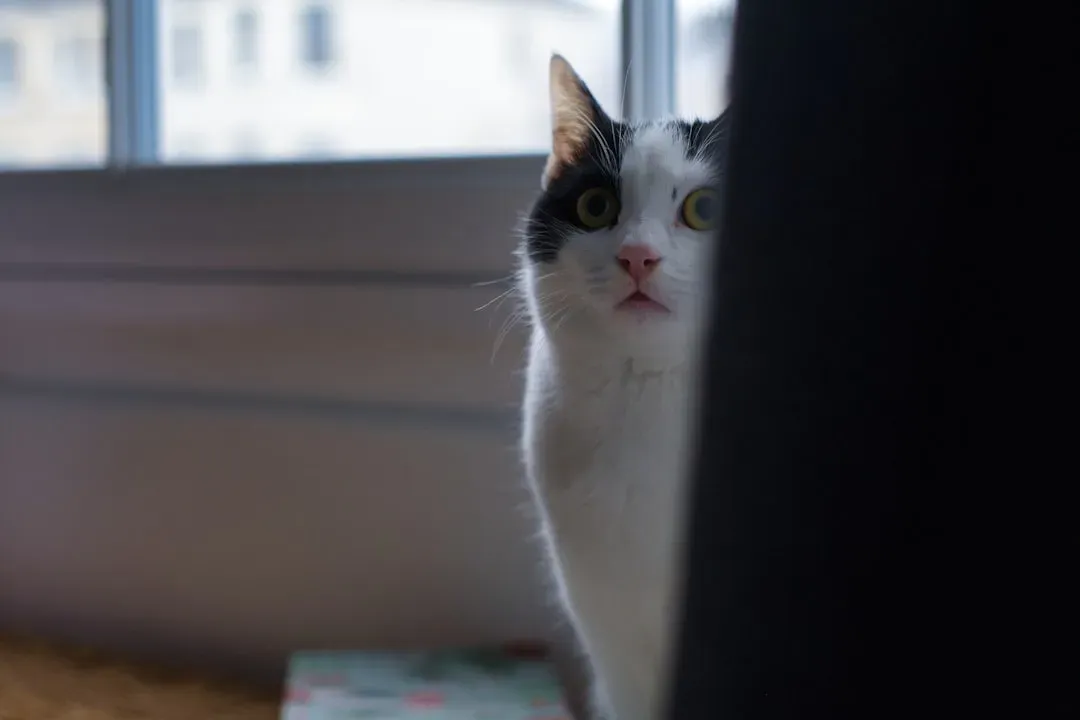
Your cat’s world is filled with sounds that you barely register but that can trigger genuine fear and anxiety for them. Cats possess one of the broadest hearing ranges among mammals, extending from 48 Hz to 85 kHz, which means they’re navigating a sonic landscape far richer and more intense than our own. Understanding these sound sensitivities isn’t about coddling your pet, it’s about respecting their biological reality and creating a home environment where they feel safe and secure.
The good news is that with patience and gradual exposure, many cats can learn to tolerate some of these sounds better. Simple changes like providing safe hiding spots, maintaining consistent routines, and minimizing unnecessary noise can make a real difference in your cat’s quality of life. Does your cat bolt at the sound of the vacuum or hide during thunderstorms? What everyday sounds have you noticed frighten your feline friend?