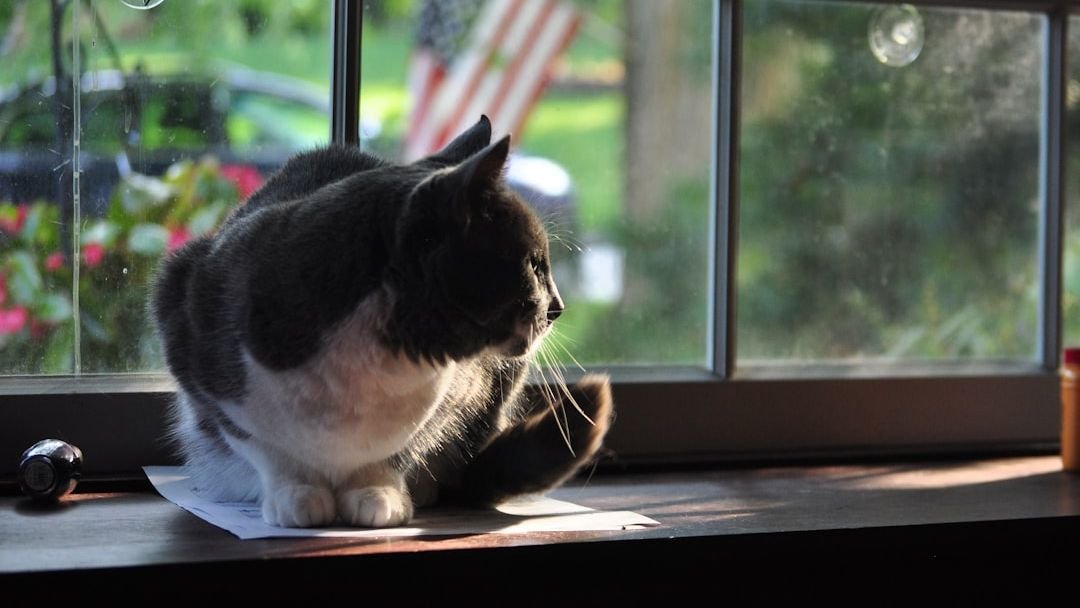
Have you ever caught your cat sitting motionless at the window, staring intently at something you can’t quite see? Maybe you’ve wondered if they’re watching ghosts or just daydreaming about their next meal. Let’s be real, that hypnotic stare can feel a bit mysterious.
The truth is, your feline companion is engaged in one of their favorite activities, one that’s far more complex than it might appear at first glance. Window watching isn’t just idle entertainment for your cat. It’s actually a deeply ingrained behavior that taps into their ancestral hunting instincts, satisfies their territorial nature, and provides essential mental stimulation that keeps them happy and healthy.
So what exactly are they seeing out there? Why do they seem so captivated by that particular patch of yard or street? The answers might surprise you, because what appears to be simple lounging is actually your cat’s version of both television and work. Let’s dive in and uncover the fascinating world your cat experiences through that glass barrier.
The Ancestral Hunter Within Your Domestic Cat
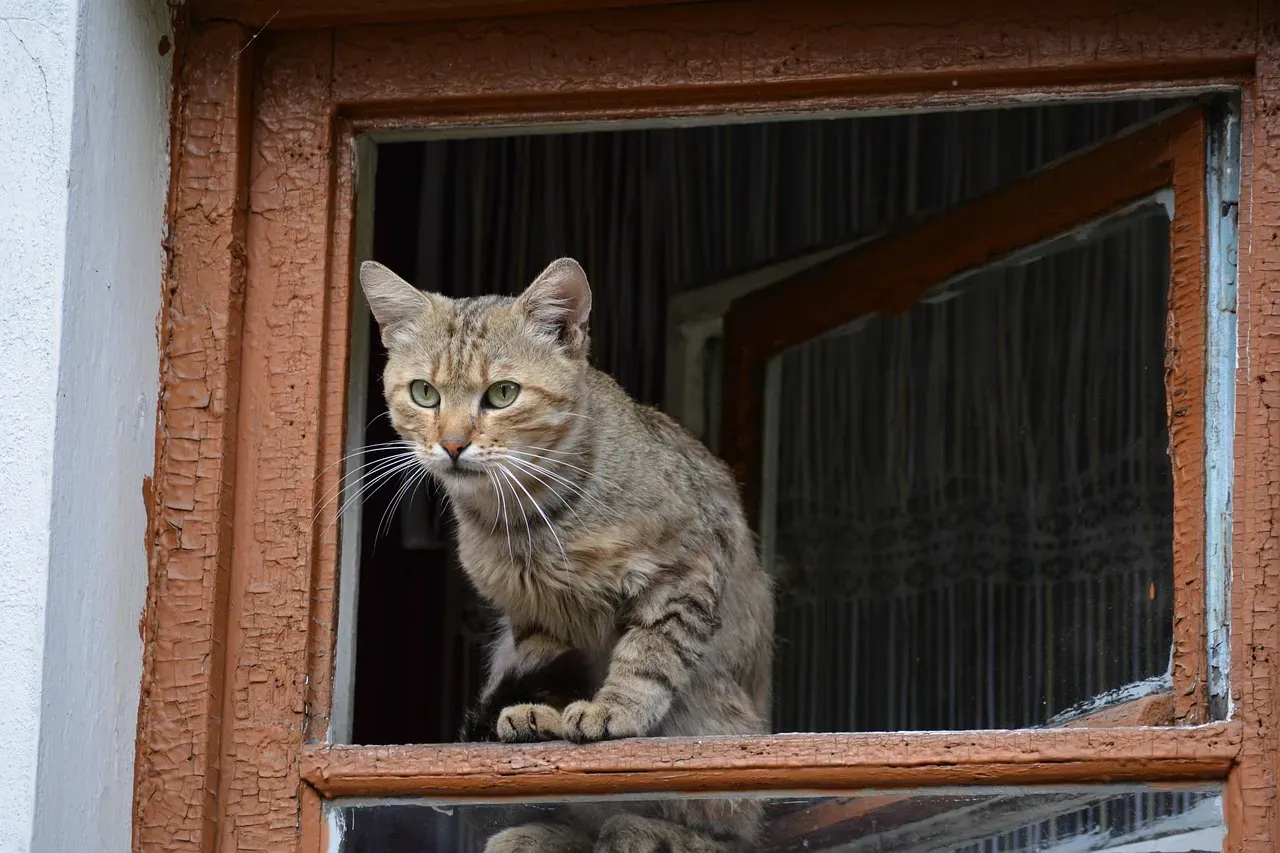
Your cat’s fascination with the window stems largely from their high prey drive, which remains so strong that even a well-fed cat may still hunt birds for sport. This instinct didn’t disappear just because your kitty gets regular meals from a bowl. As obligate carnivores and natural predators, this hunting instinct isn’t a switch they turn off and on; it’s always running in the background, even when they’re acting relaxed or playful.
When your cat watches birds fluttering past or squirrels scampering across the lawn, their brain lights up with predatory focus. Cats focus almost solely on the pursued prey during hunting, which explains why they can sit for hours tracking a single bird’s movements. Looking out a window at “cat TV” can be as entertaining to them as watching TV is to you. Honestly, it’s their version of an action movie, except every scene involves potential prey.
Those Specialized Eyes See Motion Like No Other
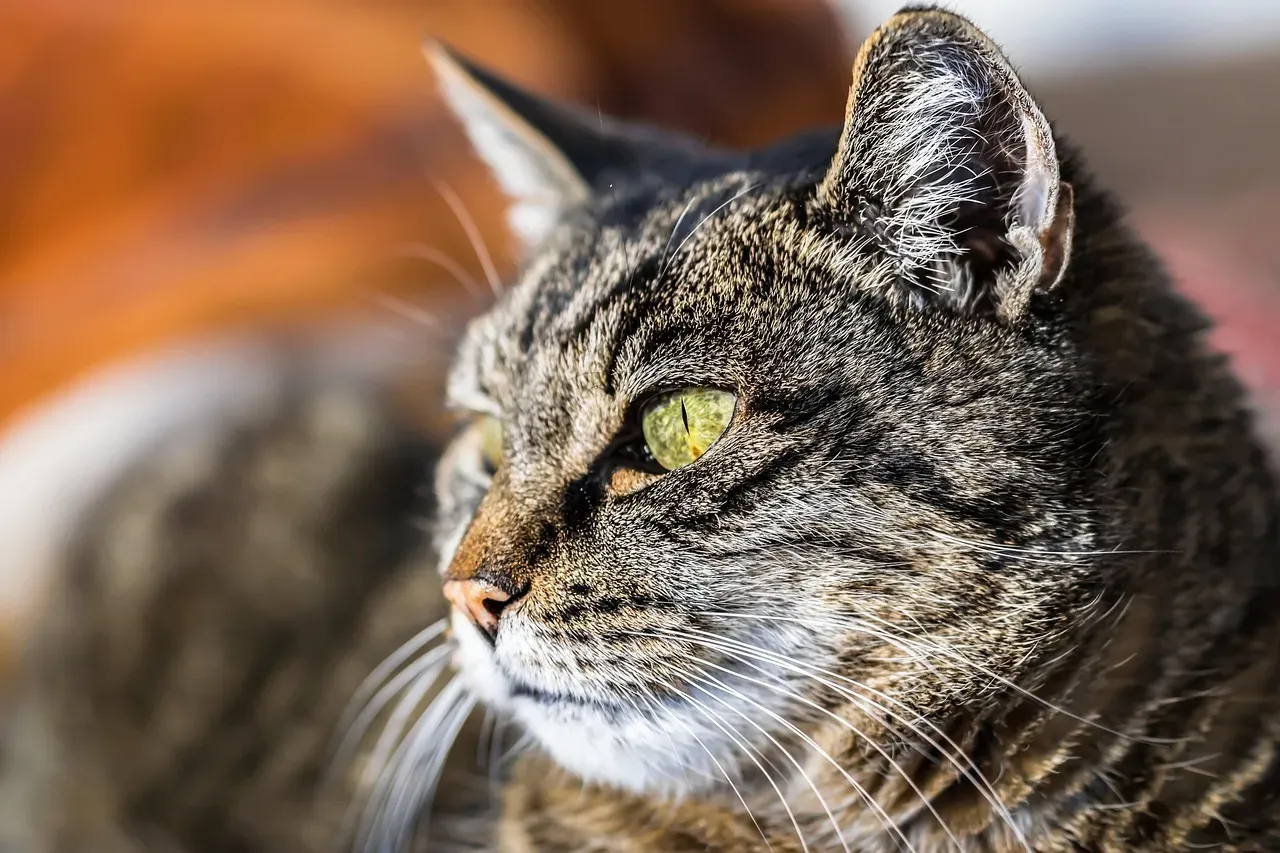
Cats have a high concentration of rod cells in their eyes, which are sensitive to changes in light intensity and movement. This gives them a massive advantage when it comes to detecting even the slightest flutter outside your window. Their eyes are particularly good at detecting motion, so anything flitting by will help preoccupy their minds.
Cats have a wider field of view – about 200 degrees, compared with humans’ 180-degree view. That means they can see more of what’s happening without even moving their head. However, there’s a trade-off here. Cats are less good at perceiving static objects, and if something is not moving, a cat may not notice it at all. This explains why they often only respond to moving toys or prey, ignoring stationary objects that we’d easily spot.
Territorial Surveillance From the Perfect Vantage Point
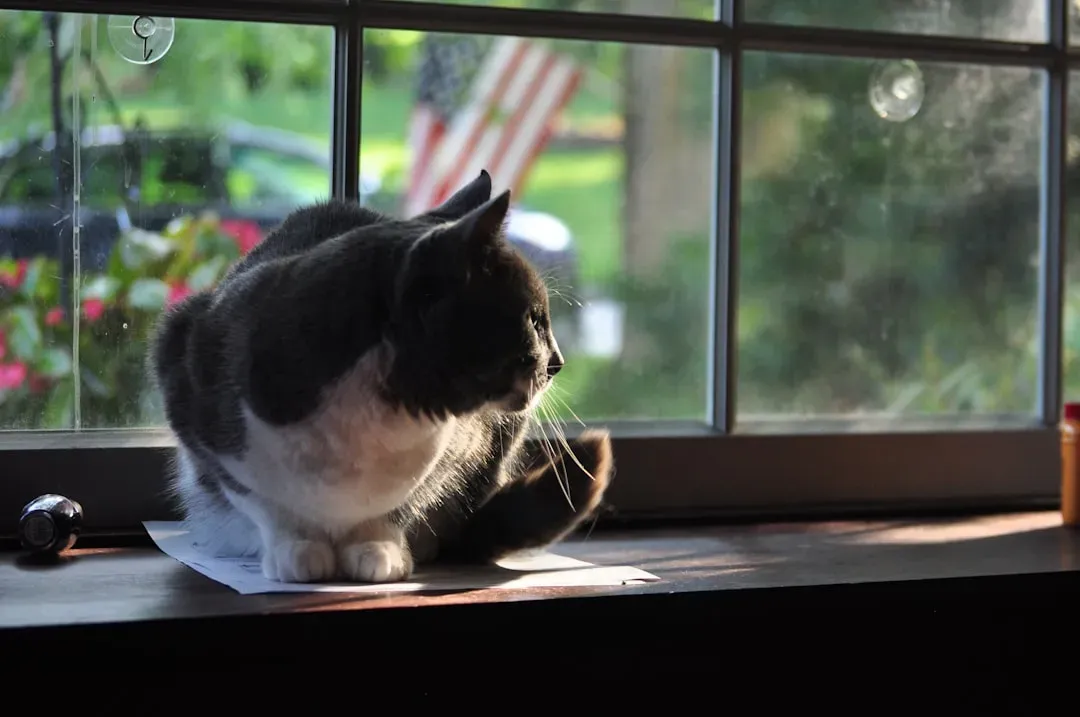
Cats are a territorial lot, and there’s no better spot to monitor their territory than from a nice, safe vantage point, keeping an eye out for any intruders. Your home and the surrounding area are your cat’s personal kingdom, whether you realize it or not. Sitting next to a window is a way for them to monitor and watch their territory, like them taking notes about the world around them: potential threats, new neighbours.
When there are street dogs roaming around your house or you have other cats in the neighborhood, your cat might just be worried and will try to protect her territory and constantly be watching her so-called intruders. Think of your cat as a security guard on duty, except this guard gets paid in treats and expects you to handle any actual threats. The moment a neighborhood cat crosses onto their turf, believe me, they’ll know!
Mental Stimulation That Prevents Feline Boredom
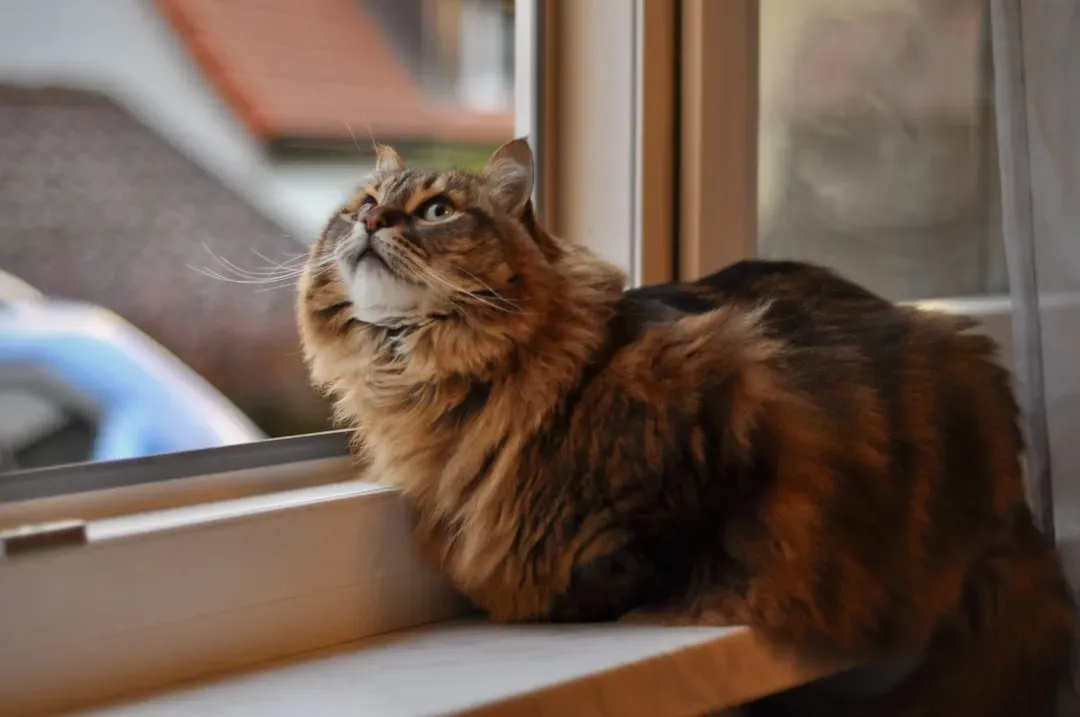
All of the sights outside are entertaining for cats, like us watching a safari documentary or other part of nature that we don’t get to experience in our environment, and this environmental stimulation prevents boredom, which supports emotional health and reduces stress-related behaviors such as over-grooming or destructive scratching. For indoor cats especially, this is crucial stuff.
The sights, sounds, and even the smells that waft through a slightly opened window can provide cats with vital mental stimulation. This environmental enrichment is essential for their wellbeing and helps prevent boredom from setting in. It’s hard to say for sure, but I think many behavioral problems in indoor cats could be reduced if we just gave them better access to interesting windows. Sometimes the simplest solutions are the most effective.
That Warm Sunbeam Is Absolutely Irresistible
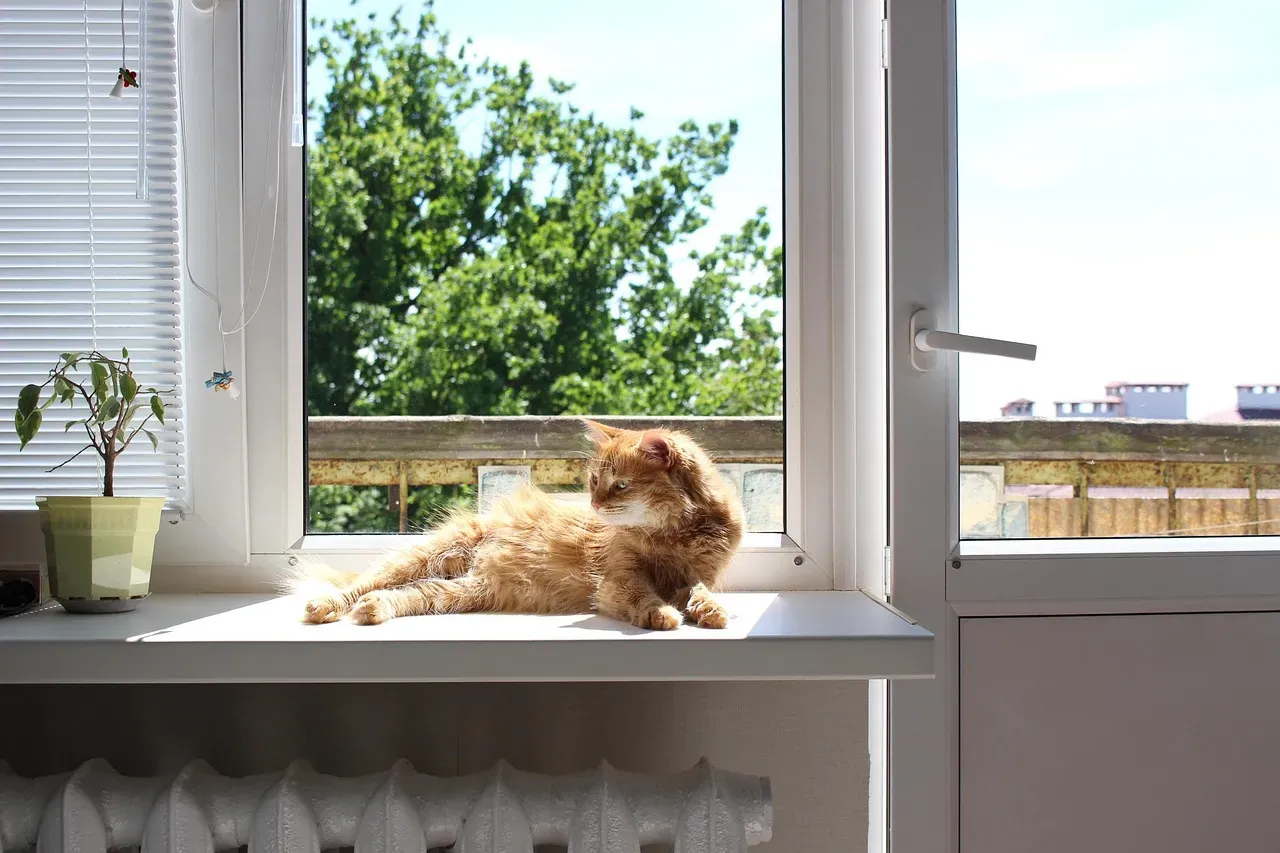
Windowsills often become cats’ favorite napping spots, especially when the sun is shining, as they’re a great place for capturing warmth, enabling them to bask and relax, all while enjoying the view. Morning sunshine will give her a comfy warmth while they sleep peacefully near the window.
Let’s face it, cats are masters of comfort. They’ve perfected the art of finding the coziest spot in any room, and a sunny window is basically a jackpot. The warmth helps them regulate their body temperature, and since cats typically have higher body temperatures than humans, they’re constantly seeking out heat sources. That sunny spot by the window? It’s their personal spa.
The Chattering Sound and What It Really Means
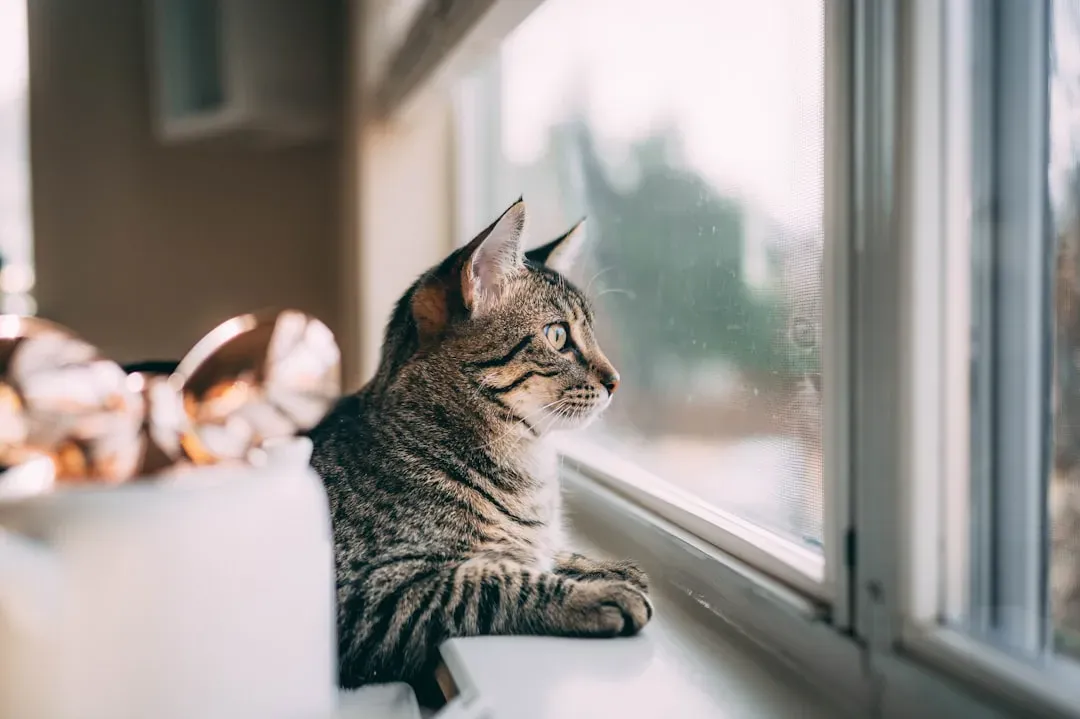
You might catch your cat making a chattering sound as they watch little creatures streak by, which can be a mix of excitement and frustration as they can’t get at their prey. This peculiar vocalization has puzzled cat owners for years. Some experts believe it’s a hunting technique, while others think it’s pure frustration.
This state is known as “barrier frustration,” and it can cause your cat to lash out, unable to reach the bird, they might redirect that pent-up energy. If you notice your cat becoming particularly agitated while watching birds, with a twitching tail and tense body, they might be experiencing this frustration. It’s the feline equivalent of watching your favorite show through a window at someone else’s house.
Nighttime Window Watching Reveals Different Mysteries
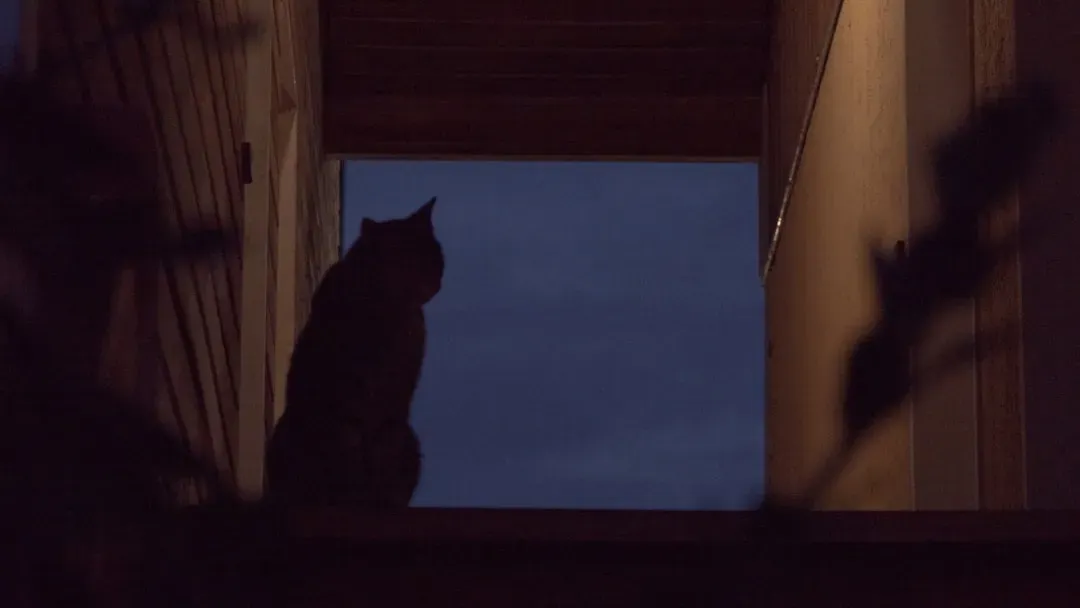
A cat looking out of the window at night may have the same reasons as daytime watching, but the stimuli are a little different, as your cat is becoming stimulated by different things, like bright lights, nocturnal animals or shadows. Cats have good night vision, and your cat can see things pretty clear even if all you can see is pitch darkness.
Other prey, such as mice and rodents, may be active at night, and your cat will stare out of the window as it hears or scents this possible prey. Their superior night vision gives them access to a whole world of activity that’s invisible to us. Nocturnal animals, moving shadows, and even insects attracted to outdoor lights become fascinating entertainment for your cat during those late hours.
Watching for You to Come Home
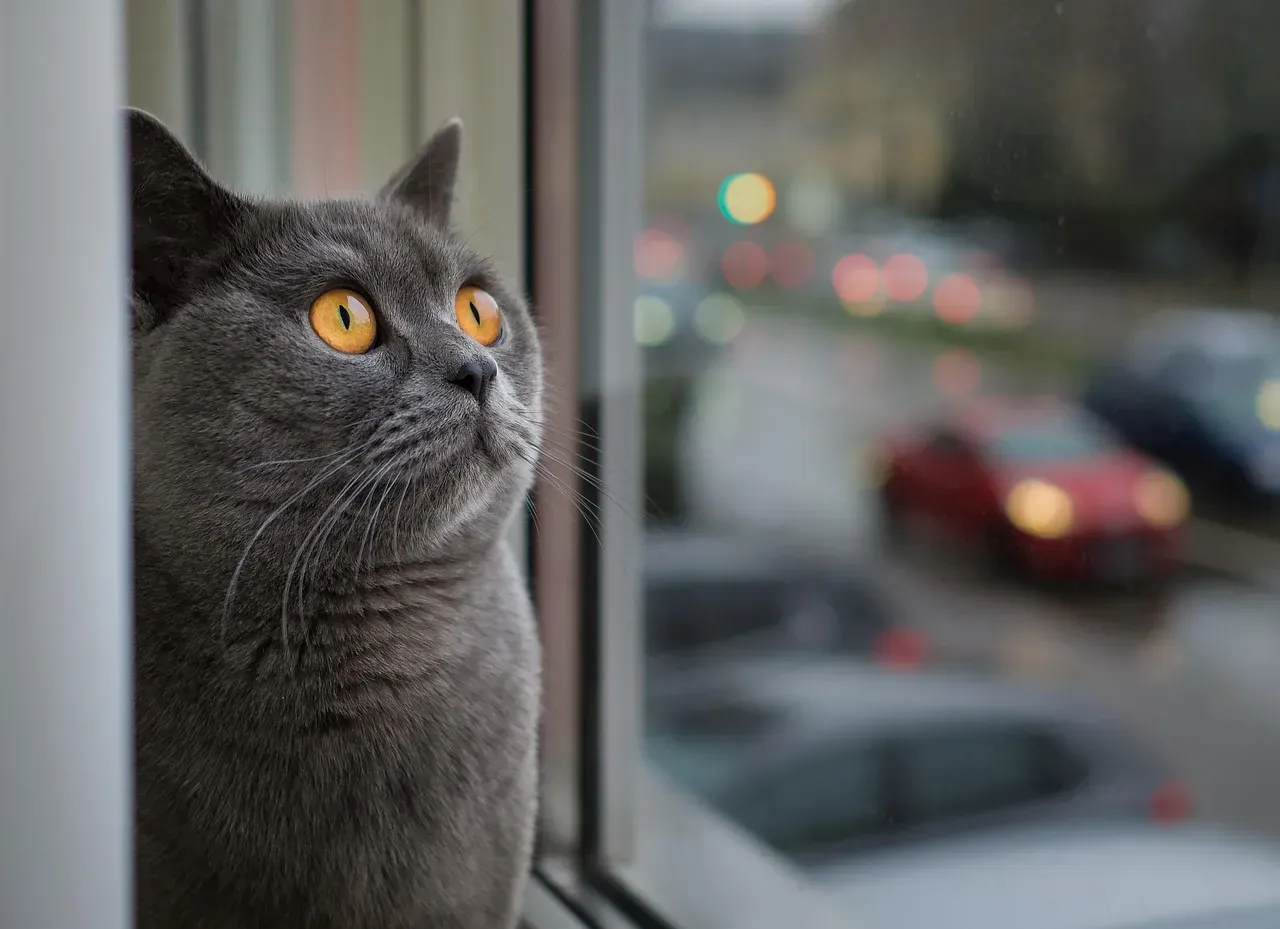
Here’s the thing: despite their aloof reputation, cats actually form strong bonds with their human companions. Cats may enjoy their solitude, but they love having their human parents in the home with them, so if you often see your cat looking out the window when you pull into the driveway, she may be watching for you to come home.
Cats pick up on routines, and your arrival time might be a part of hers. One of the reasons for this kind of behavior is they love to see you as soon as possible after you head over to your work. So that vigilant stare might not always be about birds and squirrels. Sometimes, your cat is actually waiting for the most important thing in their world – you.
When Window Watching Becomes a Problem
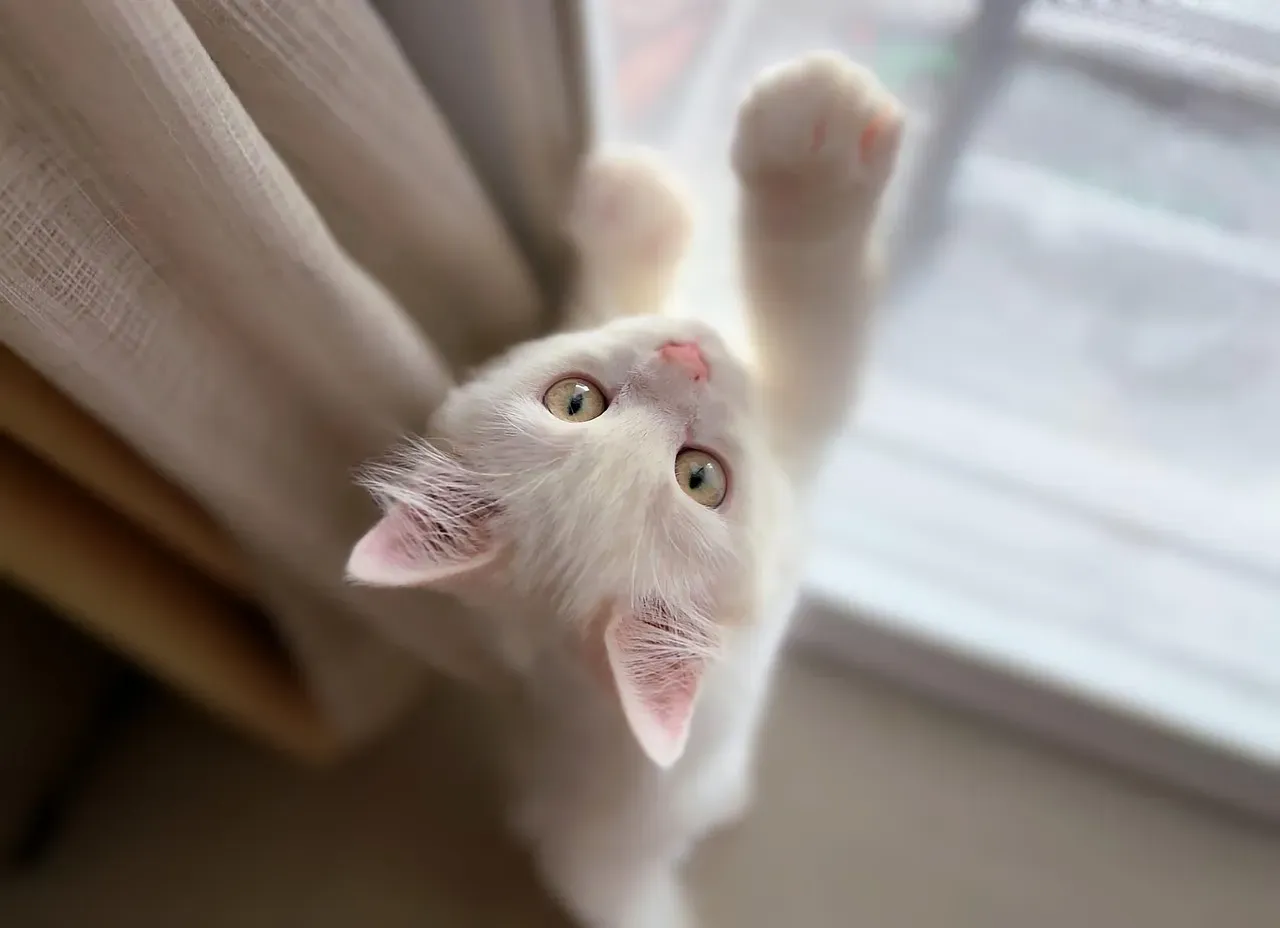
You should always keep a close eye on your cat’s behavior, and if you find your cat is being stressed for the presence of other cats and dogs, you might actually want to draw curtains and remove her window porch. Sometimes outside cats can cause significant stress to your indoor cat, leading to territorial anxiety.
A cat spending too much time looking out of the window or doing any other activity to an obsessional level can indicate mental health problems, so always chat to your vet if you’re concerned. Watch for signs like excessive meowing, aggressive behavior toward other pets in the house, or attempts to escape through the window. These behaviors suggest your cat’s window time has shifted from healthy enrichment to stressful obsession.
How to Enhance Your Cat’s Window Experience
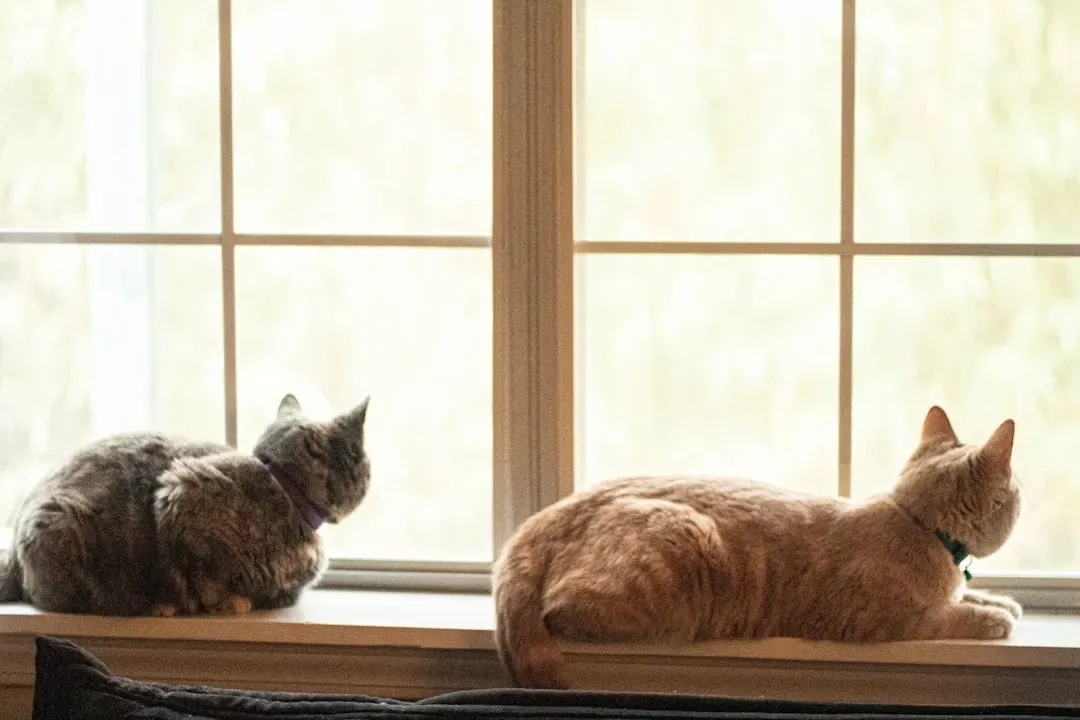
If the window is too high to reach for your feline furball, place a cat condo or a cat tree near the window so that they can climb there easily, and install a cat window perch and place her favorite bedding on it so that your cat can also sleep if they decide to doze off. Making the viewing area comfortable transforms it from a casual interest into a beloved retreat.
Set up a bird feeder or birdbath in front of the windows to keep your cat from getting bored. You can also create multi-sensory experiences by occasionally opening the window slightly to let in sounds and scents (always with secure screens, of course). Provide soft window hammocks or place a cat tree near the window for maximum comfort. Trust me, your cat will appreciate the upgrade from the hard windowsill.
The Science Behind Your Cat’s Window Obsession
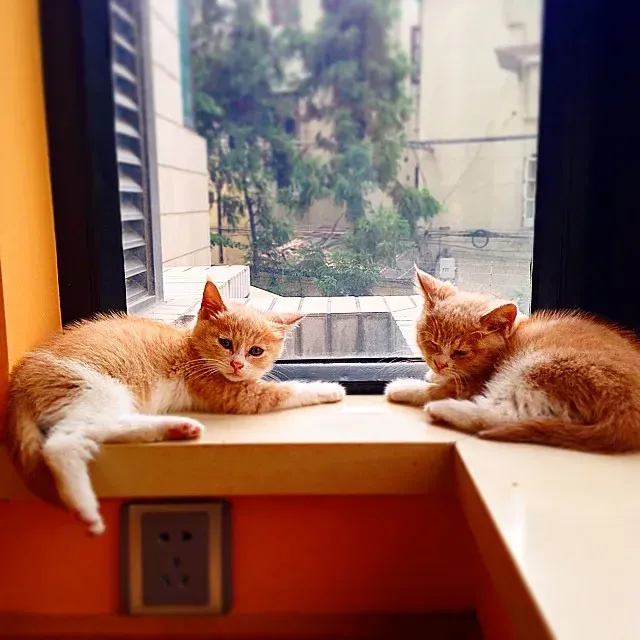
Window watching isn’t just idle behavior; it serves genuine biological and psychological needs. Research in feline behavior consistently shows that visual stimulation is crucial for a cat’s mental wellbeing, as cats are visual hunters by nature, and having access to watch birds, squirrels, and even passing cars provides essential mental stimulation.
Windows are referred to as essential lifestyle enrichment by experts in feline medicine. The constantly changing outdoor environment keeps your cat’s cognitive functions sharp and prevents the mental decline that can come with insufficient stimulation. Think of it as your cat’s daily brain training app, except it’s free and comes with live entertainment. What’s not to love about that arrangement?
So the next time you see your cat glued to the window, you’ll know they’re not just spacing out. They’re engaging in complex behaviors that satisfy deep evolutionary needs, from hunting simulations to territorial monitoring. That window is their portal to a rich sensory world, their entertainment center, and sometimes even their waiting spot for you. Did you expect that your cat’s simple stare could mean so much?