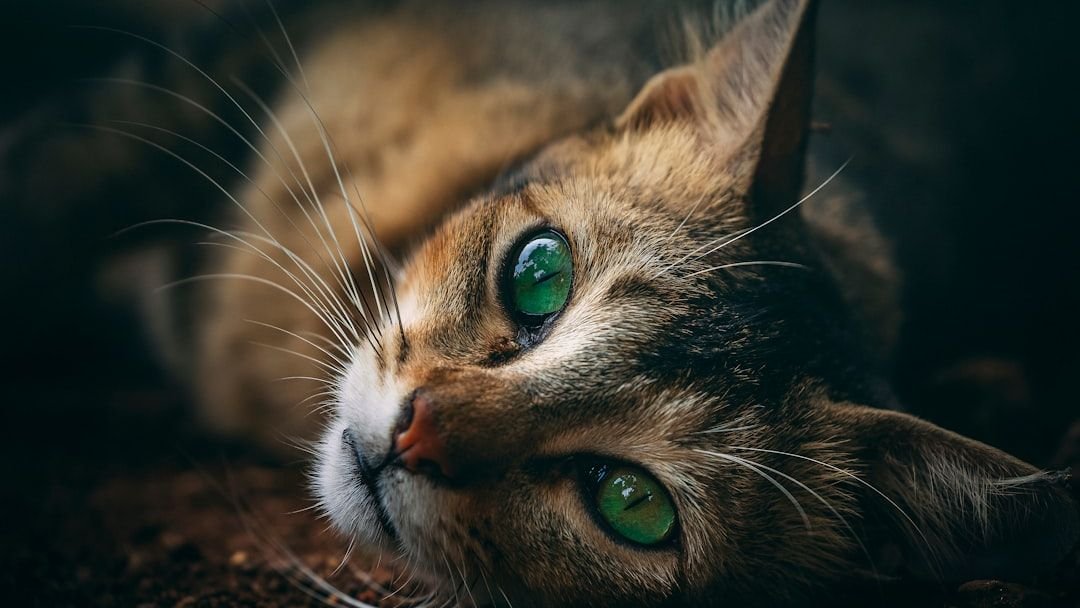
You might think your pampered house cat, lounging on the couch with a full food bowl nearby, has little in common with wild felines. Yet beneath that domesticated exterior, your pet is still very much a creature of instinct. Honestly, it’s kind of fascinating when you start to notice these behaviors playing out in your living room.
Your cat was domesticated roughly 10,000 to 11,000 years ago, yet so many of their ancestral patterns remain intact. These instincts aren’t just quirks or amusing habits. They’re deeply ingrained survival mechanisms that connect your fluffy companion to their wild roots. Understanding them can help you create a better environment for your feline friend and might just explain some of those mysterious behaviors you’ve been puzzling over. So let’s dive in.
The Irresistible Urge to Hunt
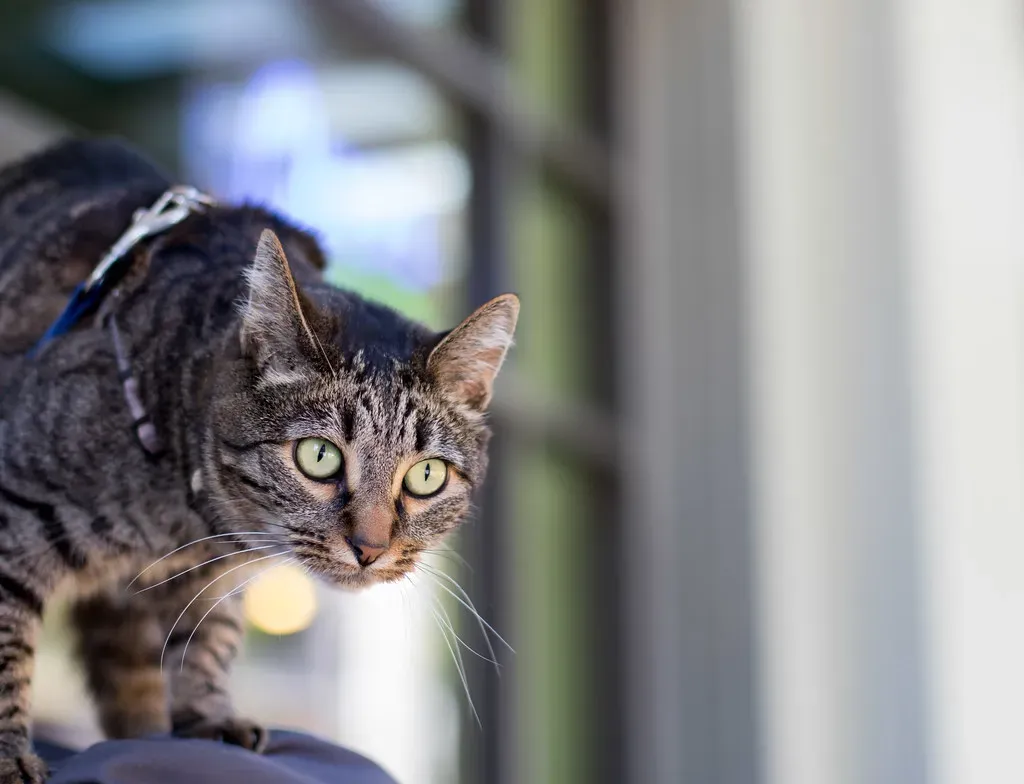
Your cat evolved as a solitary hunter of small mammals and birds, and that drive hasn’t faded one bit. Hunting comes as naturally to a cat as eating and sleeping, and the urge to hunt isn’t tied to hunger. You’ve probably seen this firsthand when your well-fed cat still pounces on toys, stalks imaginary prey, or brings you unfortunate “gifts” from outdoors.
Hunting behavior is hard-wired into your cat’s DNA, developed by their wild ancestors over millions of years of stalking and chasing prey. Even indoor cats who’ve never set paw outside retain this powerful instinct. The prey and hunting behavior is instinctual, so it is seen in even domestic cats who have the privilege of fresh food in their bowl daily. It’s why interactive toys that mimic prey movement are so effective at keeping your cat engaged and satisfied. This hunting practice provides crucial mental stimulation and physical exercise that contributes to your cat’s overall wellbeing.
Stalking and Ambush Tactics
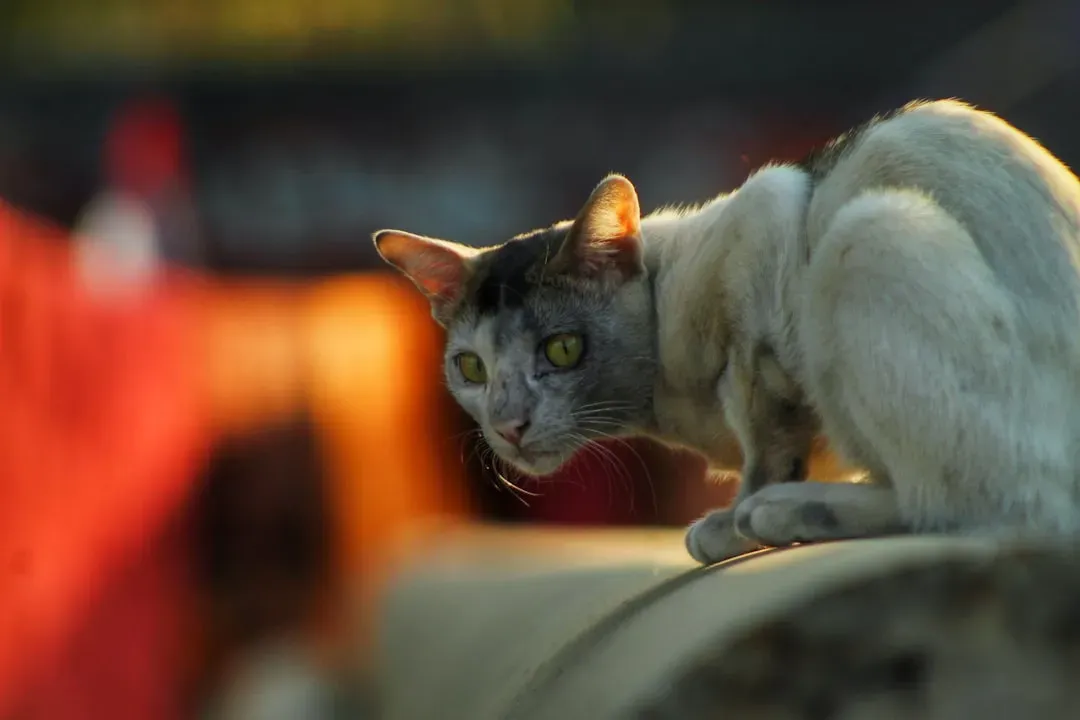
Let’s be real, your cat doesn’t chase things down like a dog would. Domestic cats share about 95.6% of their DNA with tigers, and as natural ambush predators, cats use stalking as their primary hunting strategy to approach prey stealthily and maximize their chances of a successful catch. Watch closely next time your cat crouches low, wiggles their hindquarters, and creeps forward with deliberate, calculated movements.
Cats prefer ambush tactics, either sitting next to small mammal burrows waiting for them to emerge or quietly creeping up and pouncing on their prey, an approach that increases their chance of success while limiting energy expenditure. This strategy made perfect sense in the wild where energy conservation was crucial for survival. Your cat might be stalking a toy mouse or your unsuspecting ankles, yet they’re still following that ancient blueprint. The patient observation, the silent approach, the explosive pounce – it’s all there, hardwired into their behavioral patterns.
Kneading Behavior from Kittenhood
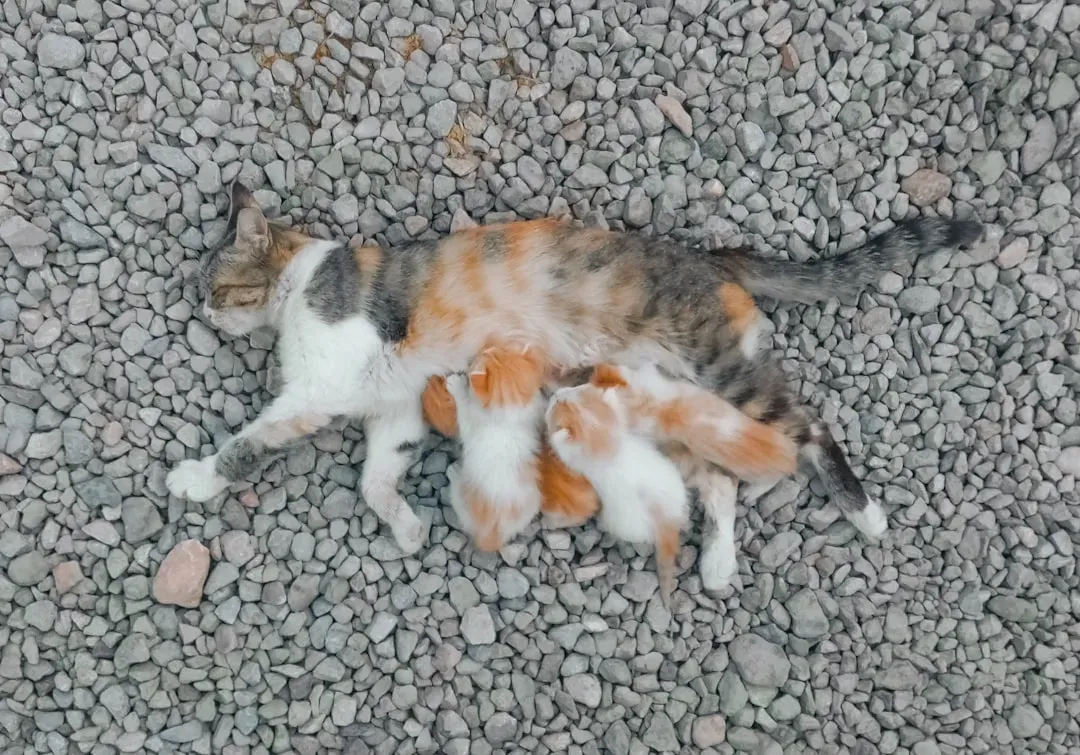
That adorable action where your cat pushes their paws rhythmically into your lap, a blanket, or a cushion? Kittens knead the breast while suckling to stimulate lactation in the mother, and cats carry these infantile behaviors beyond nursing and into adulthood. Many people call it “making biscuits,” which honestly captures the motion perfectly.
There’s more to it than just nostalgia, though. Kneading may have an origin going back to cats’ wild ancestors who had to tread down grass or foliage to make a temporary nest in which to rest, or it may be a remnant of a newborn’s kneading of the mother’s teat to stimulate milk secretion. Many researchers believe that this instinct to knead, even as an adult, indicates that the cat has found a safe and comfortable place, meaning your cat is happy and feels safe. When your cat kneads you specifically, it’s expressing deep trust and affection, essentially treating you like family. I think that’s pretty special, even if those claws do dig in sometimes.
Territorial Marking Through Scent
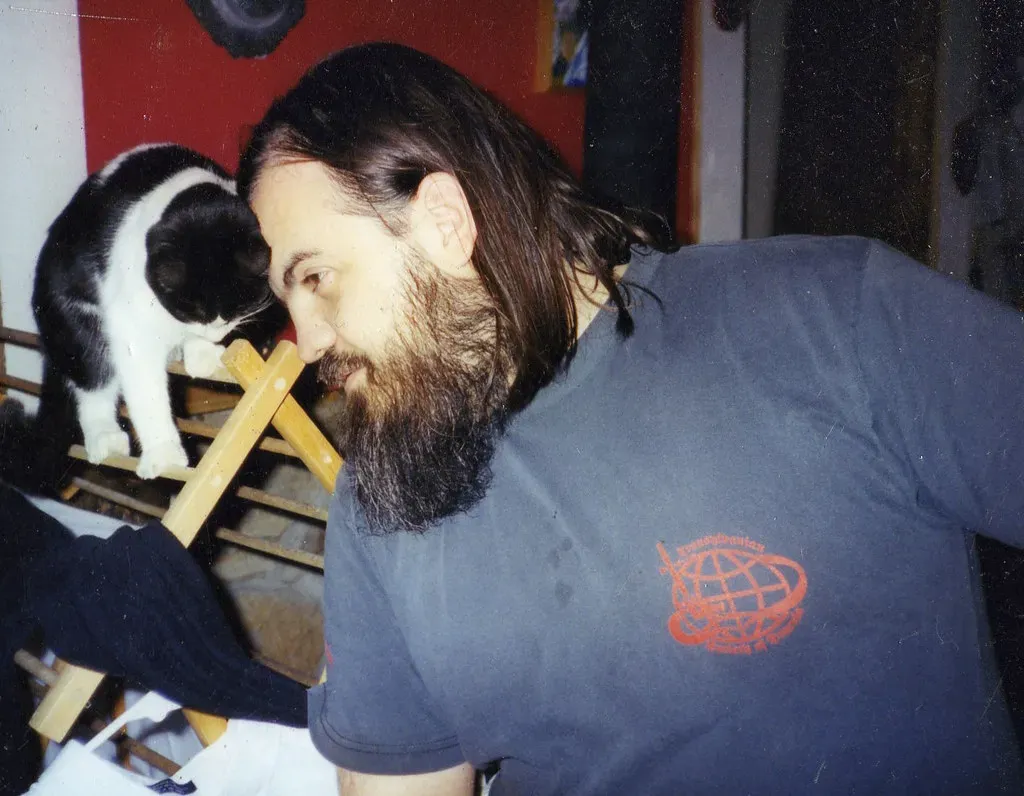
Many pet cats will rub on their owners as a greeting by bumping their head or pushing their cheeks into your hand, and while this behavior is certainly enough to melt your heart, cats rub their scent onto those they love and will regularly rub against each other to claim their family and partners. This isn’t just affection – it’s also about ownership and security.
Cats have scent glands in several locations on their bodies, including their cheeks, face, and paws. Cats can be incredibly territorial, and one way your cat marks territory is by leaving a scent behind via scent glands in the cheeks, face, and paws, essentially leaving behind a message that says this is mine. When your cat head-bumps you or kneads your lap, they’re depositing their unique scent signature on you. In multi-pet households, this behavior helps establish boundaries and social hierarchies. It’s a sophisticated communication system that we humans can barely detect with our limited noses, yet it means everything to your cat’s sense of security and belonging.
Seeking Small, Enclosed Spaces
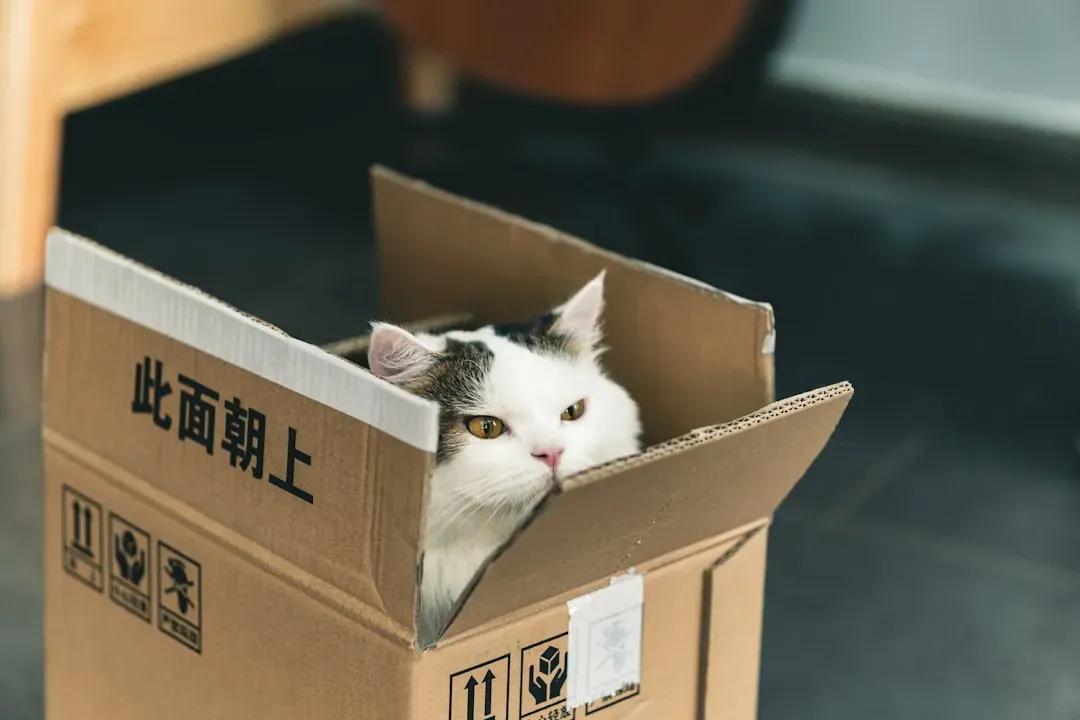
There is some ancestral instinct that makes cats attracted to boxes and small spaces because cats in the wild like to seek shelter where they feel safe and protected from predators, and when a cat can squeeze into a small space, it knows that all sides are covered and it can remain hidden, making the smaller area feel safer. If you’ve ever purchased an expensive cat bed only to find your cat prefers the cardboard box it came in, you’ve witnessed this instinct in action.
This behavior serves multiple purposes beyond just feeling protected. Felines have a natural instinct to ambush, and by hiding in small tiny spaces they are able to watch and observe their surroundings from a distance. It’s both defensive and offensive – a safe retreat and a strategic hunting perch rolled into one. This explains why cats love everything from shoe boxes to laundry baskets to that tiny gap behind the washing machine. Providing appropriate hiding spots for your indoor cat isn’t spoiling them; it’s meeting a fundamental psychological need that helps them feel secure in their environment.
Scratching to Mark Territory
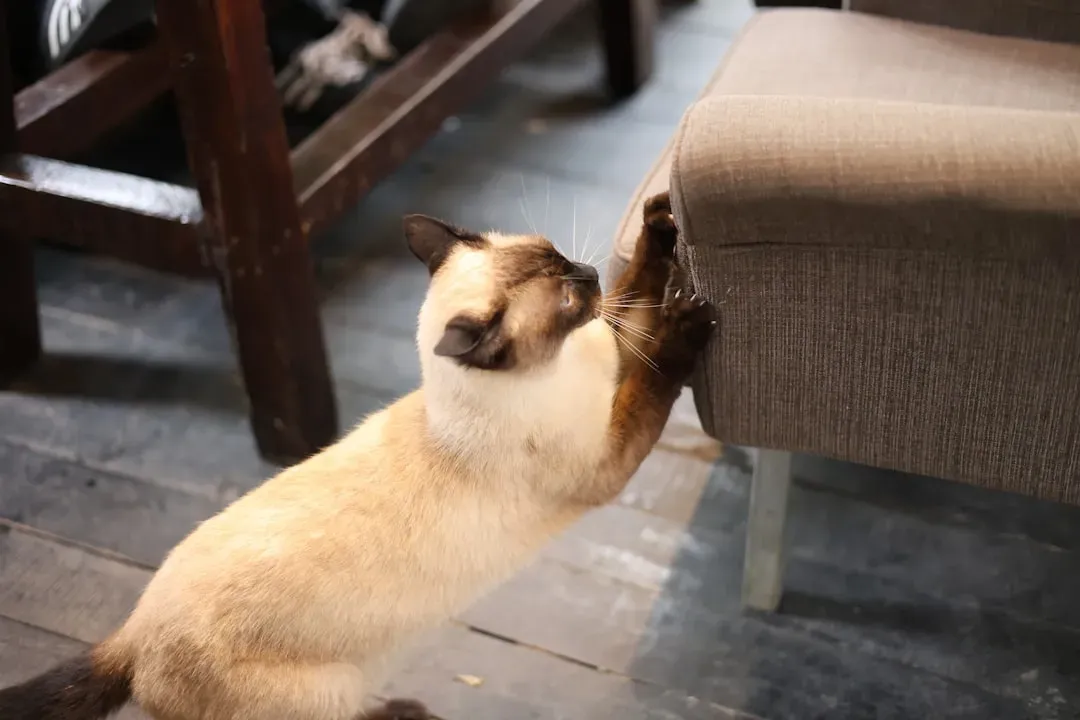
Both male and female cats put their markings on trees to tell other cats in the area more about themselves, with the wider and taller scratches indicating a bigger cat, and this behavior is hard-wired into domestic cats, which is why even declawed cats will scratch. Your furniture might bear the evidence of this ancient communication method.
Scratching is a natural feline behavior that helps cats stretch their muscles, mark their territory, and maintain their claw health. It’s a multifunctional behavior that addresses physical, territorial, and emotional needs all at once. Wild cats scratched trees at crucial points in their territory, leaving both visual marks and scent signals from glands in their paws. Your domestic cat is doing exactly the same thing, just on your couch instead of a tree trunk. Providing appropriate scratching posts in various textures and orientations isn’t optional – it’s essential for your cat’s wellbeing. They’re going to scratch something; you might as well give them acceptable options.
Nocturnal and Crepuscular Activity Patterns
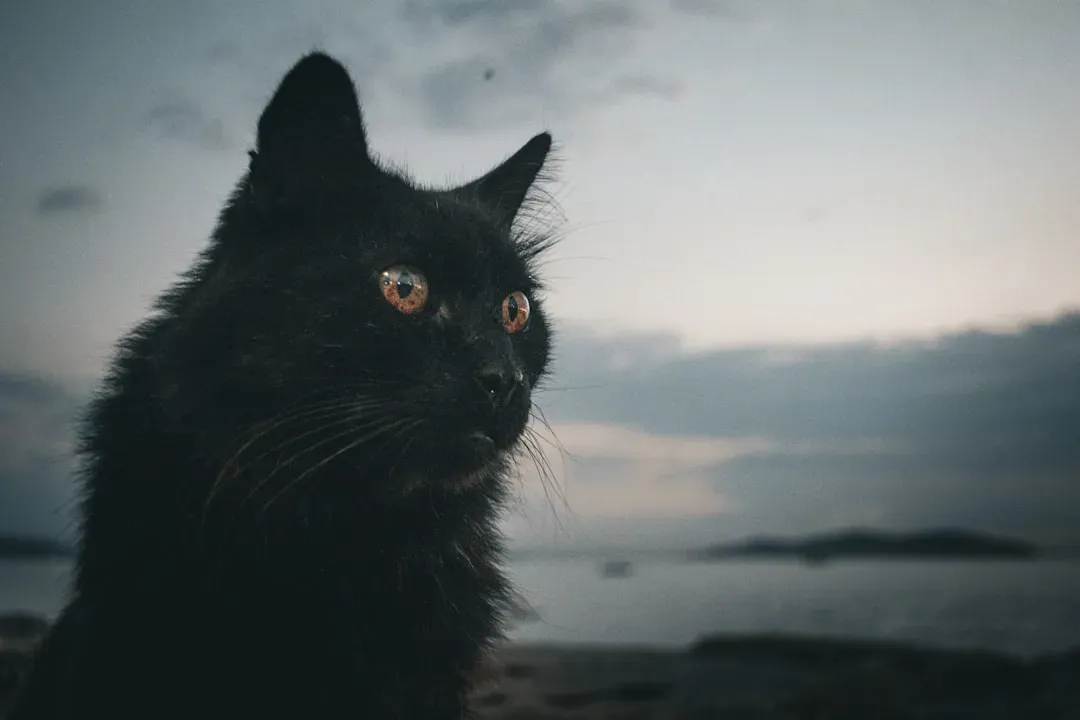
Most house cats have an enormous amount of energy that is pent up during the day, and this combined with their nocturnal instincts to hunt during the night may wreak havoc on your sleep. Those three in the morning zoomies aren’t your cat being difficult – they’re following deeply ingrained biological rhythms.
Cats are crepuscular, meaning they’re most active at dawn and dusk. This timing made perfect sense for wild cats whose small prey were most active during these twilight hours. Your indoor cat still operates on this schedule, which explains the sudden bursts of energy when you’re trying to sleep or just waking up. I know it sounds crazy, but from your cat’s perspective, they’re just following their natural schedule for peak hunting times. Regularly exercising your cat during the day and providing engaging activities can help redirect some of this nocturnal energy into more human-friendly hours.
Burying Waste to Avoid Detection
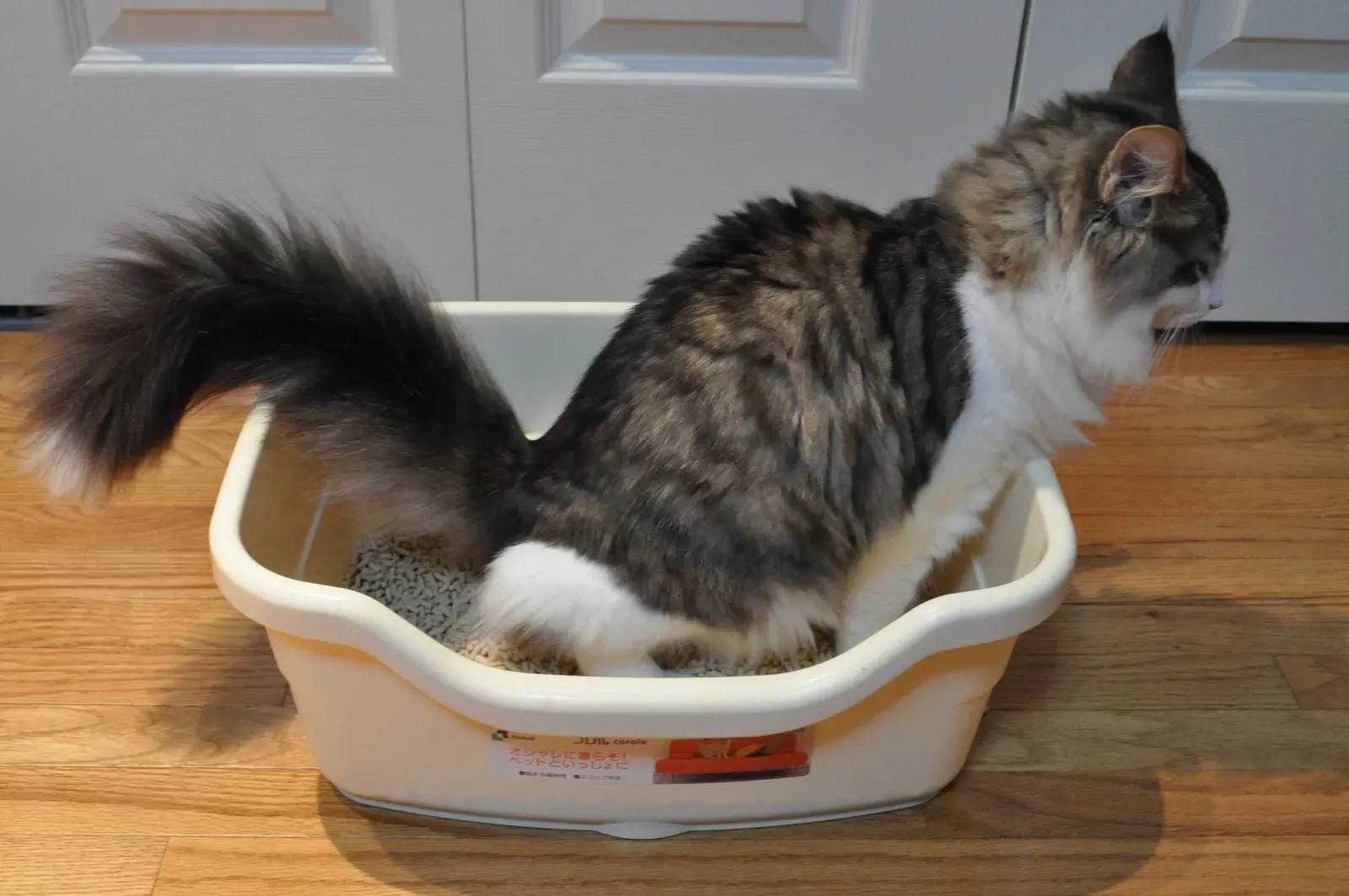
Cats don’t really need to be potty trained because they will instinctively use their litter box and cover up their droppings with the litter because wild cats had to cover their tracks to avoid being found by predators, and they leaned towards soft dirt or sand to use the bathroom because it was easier to cover. It’s one of those behaviors that makes cats relatively easy pets compared to other animals that require extensive house training.
This instinct is all about survival and stealth. In the wild, leaving waste uncovered could alert predators or larger competitors to your cat’s presence. The instinct to seek out soft, sandy material and then carefully bury their waste is so strong that most kittens do it automatically with minimal guidance. This is why your cat might kick litter all over the floor after using their box – they’re being thorough about concealing evidence of their presence. It’s also why some cats will reject a litter box that doesn’t have enough substrate to properly bury their waste. This ancient protective instinct remains remarkably intact in your modern house cat.
Conclusion
These eight instincts reveal that your domestic cat is still very much connected to their wild heritage. From hunting behaviors to territorial marking, from seeking safe hiding spots to following crepuscular activity patterns, your cat is constantly responding to ancient impulses that once meant the difference between survival and death. Understanding these instincts helps you provide better care, create a more enriching environment, and appreciate the complex creature sharing your home.
Here’s the thing – these behaviors aren’t problems to be eliminated but natural needs to be respected and channeled appropriately. When you provide scratching posts, interactive toys, hiding spaces, and appropriate litter boxes, you’re not spoiling your cat. You’re acknowledging and honoring their evolutionary heritage. What do you think? Does your cat display all eight of these ancient instincts, or are some more prominent than others?