You love your cat. You spoil them with cozy beds, engaging toys, and endless affection. Yet when it comes to filling their food bowl, the seemingly simple choice between wet and dry food can spark genuine confusion. Walk down any pet food aisle and you’ll see countless options promising everything from shinier coats to better digestion.
Should you stick with crunchy kibble or switch to those savory cans? Maybe a mix of both makes sense? Let’s be real, every cat owner has wondered if they’re making the right feeding choice. Your feline friend can’t exactly tell you what’s best for their health, so you’re left trying to decode ingredient labels and conflicting advice. Let’s dive in and unpack this debate once and for all.
Understanding the Moisture Content Difference

The fundamental distinction between wet and dry cat food comes down to water content, with dry food containing roughly ten percent moisture while wet food boasts around seventy percent. Think about that gap for a moment. It’s massive.
When your cat munches on kibble, they’re essentially eating concentrated nutrition with minimal hydration. Wet food typically contains between seventy-five and eighty percent water, while dry varieties hold less than five percent. This difference isn’t just a technicality on a nutrition label. It fundamentally changes how your cat’s body processes their meal and how satisfied they feel afterward.
The Hydration Factor Your Cat Can’t Ignore
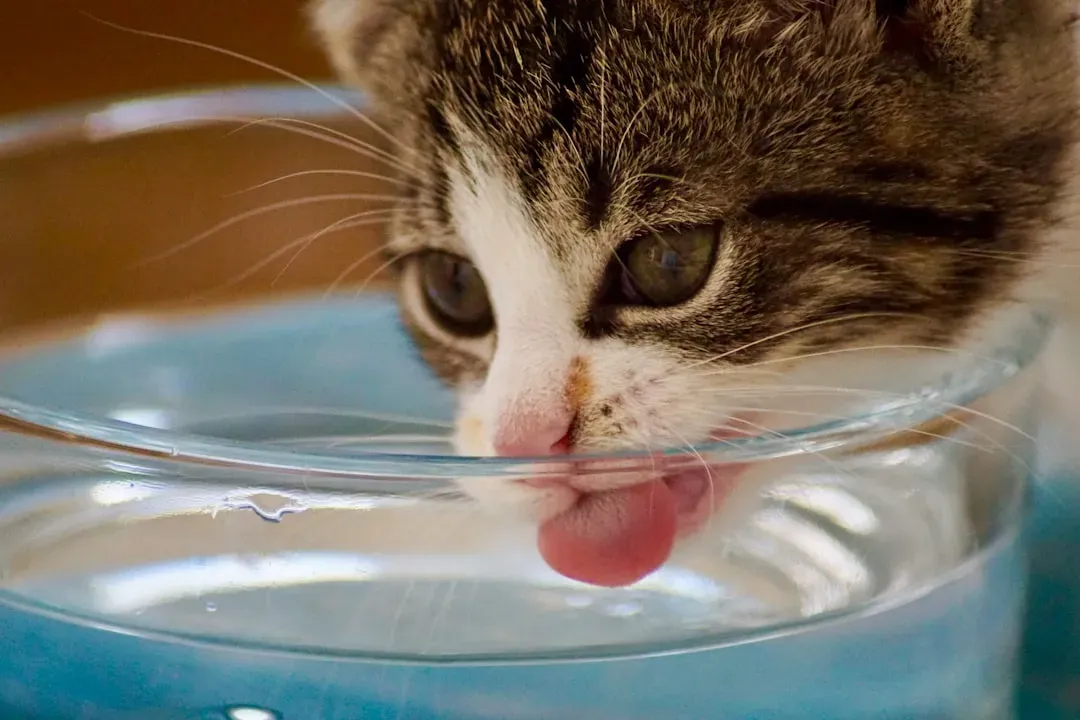
Here’s the thing about cats: they’re not exactly enthusiastic water drinkers. Cats evolved by getting most of their hydration from prey, and since animal bodies are mostly water, this strategy worked well in their natural habitat. Your modern house cat still carries those ancient instincts.
Most cats naturally meet their daily hydration needs through their diet, making wet food particularly valuable for preventing constipation and maintaining healthy urine output. If your cat primarily eats dry food, they need to drink significantly more water to compensate. Some cats manage this just fine. Others? Not so much.
High moisture diets help maintain proper hydration essential for digestion, temperature regulation, and urinary tract health, while also diluting urine to reduce crystal formation risks. For cats prone to urinary issues or kidney problems, this moisture boost can be genuinely life-changing.
Protein, Carbs, and What Your Carnivore Really Needs
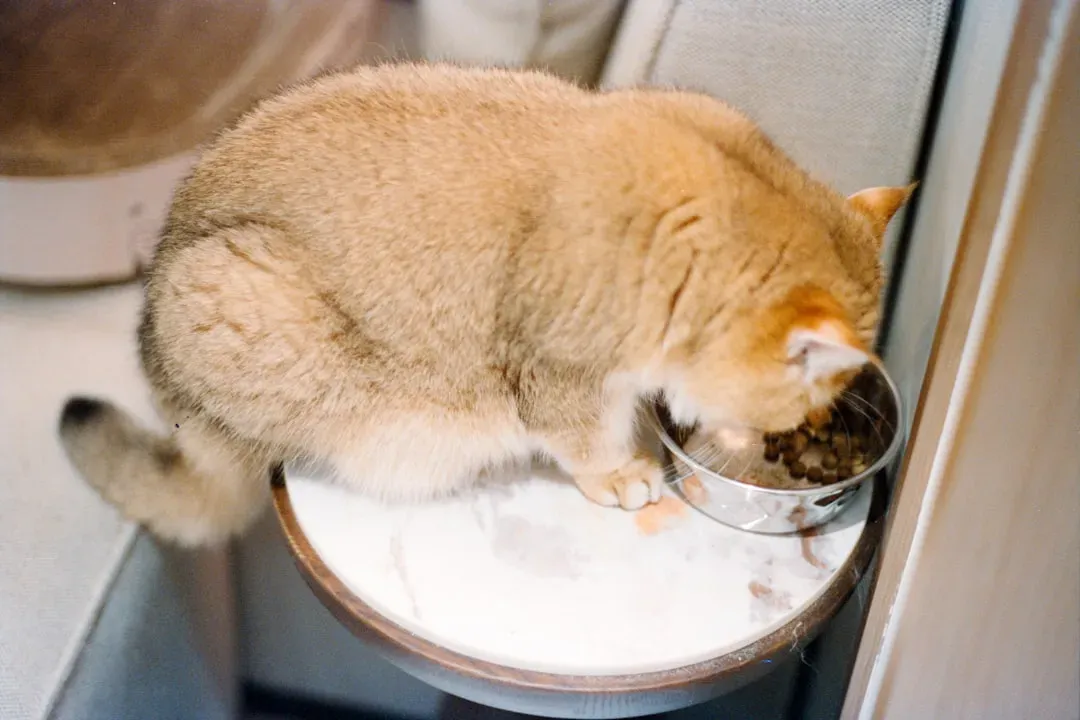
Wet cat food generally packs higher protein and fat levels with lower carbohydrates compared to dry options. Remember, cats are obligate carnivores. Their bodies are designed to thrive on meat-based diets.
Dry foods tend to contain higher fiber and carbohydrates due to their texture and processing methods. Those carbs aren’t necessarily harmful in moderate amounts, yet they’re not exactly what nature intended for your little predator. Kibble contains more carbohydrates than canned food, and since cats aren’t efficient at breaking down these nutrients, some nutritionists believe this contributes to obesity and diabetes.
The Dental Health Myth You’ve Probably Heard
Let’s address the elephant in the room. You’ve likely heard that dry food cleans your cat’s teeth like some magical edible toothbrush. Veterinary dental specialists actually call this a myth, explaining that most standard kibble is too small and brittle to provide meaningful abrasion.
Research shows cats fed dry diets tend to have slightly less tartar and gum inflammation than those eating exclusively wet food, likely due to kibble’s mild abrasive effect and less sticky residue. Still, the benefit is modest at best. Both wet and dry-fed cats develop plaque and dental disease without proper care. Daily brushing remains the gold standard, though specialized dental kibbles with larger pieces might offer some advantage.
Weight Management and Portion Control Reality
Because dry food contains little water, it packs more calories per volume than wet food, making portion control absolutely essential to prevent overfeeding and weight gain. That innocent-looking quarter cup of kibble might contain significantly more calories than a full can of wet food.
Wet food has decreased calorie density thanks to its high moisture content, allowing cats to eat larger volumes with fewer calories, which makes them feel fuller without overeating. This can be particularly helpful for indoor cats who aren’t burning calories chasing birds outdoors. Cats typically feel fuller on fewer calories with wet food, which helps prevent obesity, currently the leading health problem in domestic cats.
The Convenience and Storage Battle
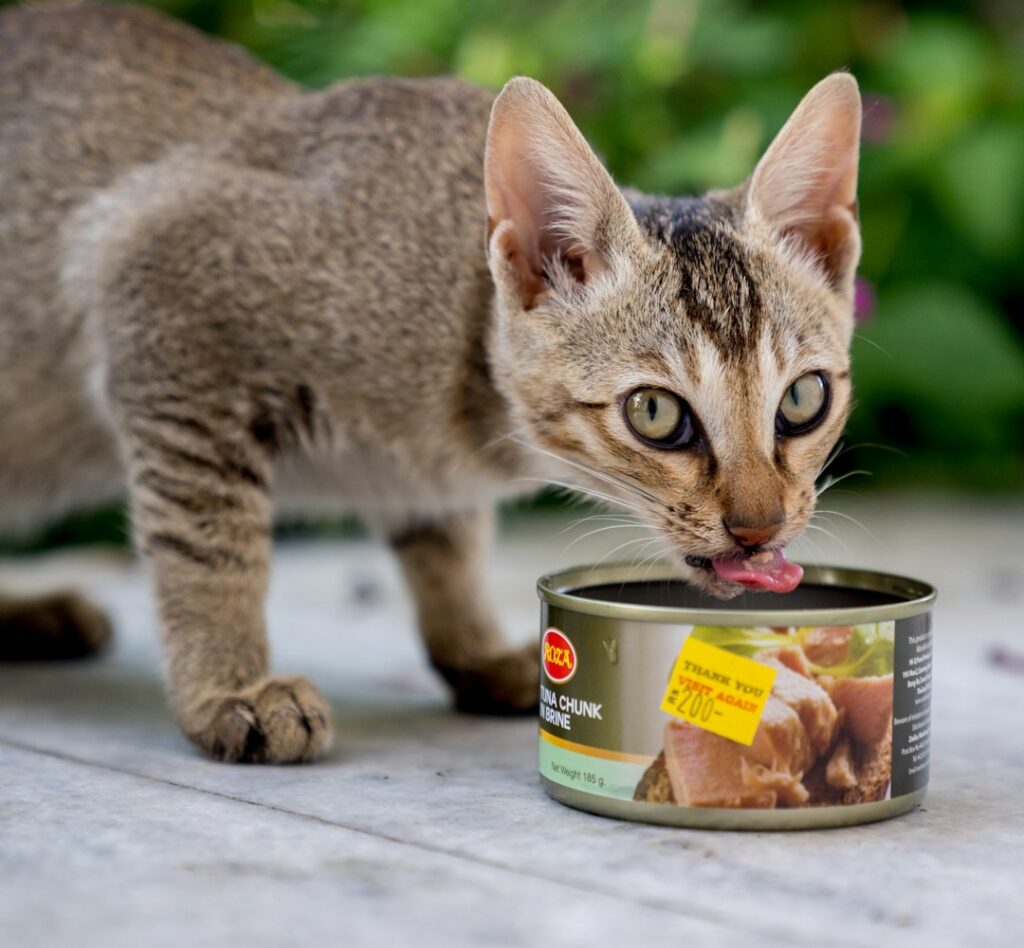
Dry cat food costs less than canned food, making it attractive for those on strict budgets or feeding community cats. You can leave kibble out all day without worrying about spoilage. It’s simple and straightforward.
Wet food demands more attention. Once opened, canned food lasts just twenty-four hours refrigerated, and leaving it out for more than a few hours risks contamination and gastrointestinal upset. You can’t just pour it in the morning and forget about it. Wet food shouldn’t sit out for more than thirty to sixty minutes at room temperature to prevent bacterial growth. Honestly, it requires more planning and cleanup.
Cost Considerations That Actually Matter
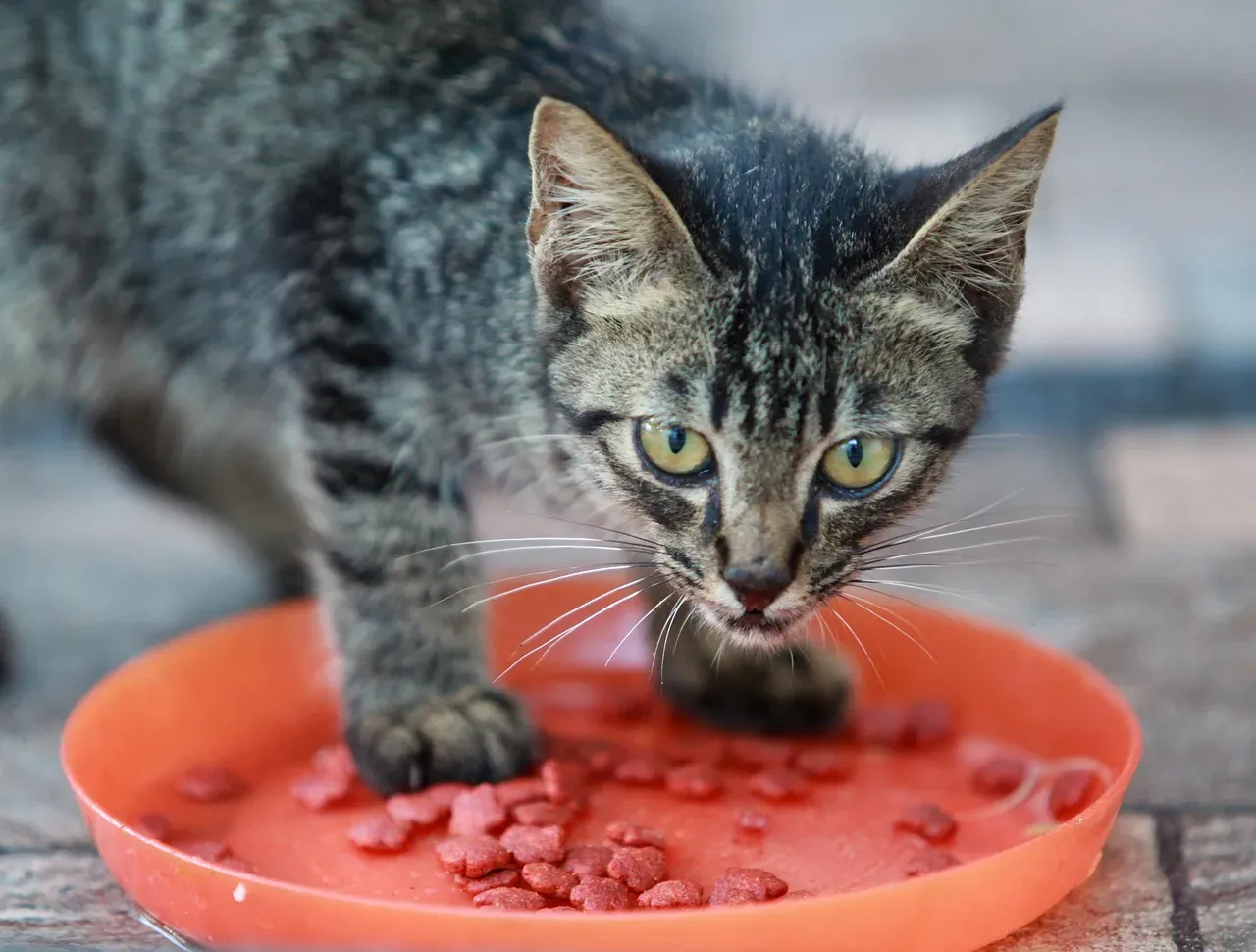
Daily feeding costs for a typical cat range from twenty-three cents to nearly six dollars for equivalent calories, with even the priciest dry foods costing less per day than the cheapest canned options. That’s a substantial difference when you’re budgeting for the long haul.
On average, expect to spend anywhere from twenty to sixty dollars monthly on cat food, with costs rising for premium or specialized diets. Canned food runs much more expensive than dry food on a calorie basis, plus cat foods generally cost more than dog foods due to higher protein and fat content. It’s worth crunching the numbers for your specific situation.
The Best of Both Worlds Approach
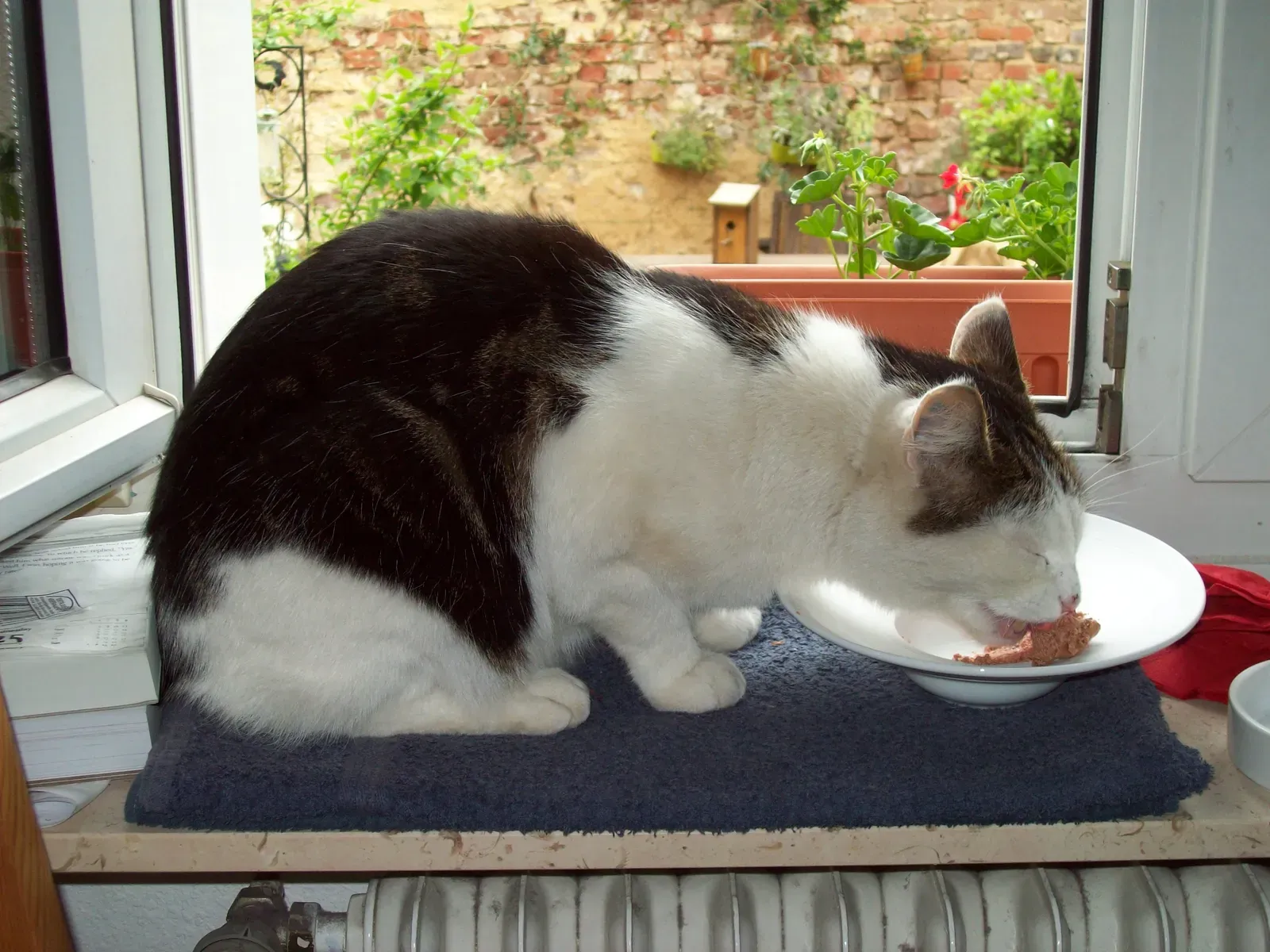
Many nutritionists recommend feeding a combination of wet and dry food to ensure adequate moisture intake plus the dental benefits of kibble, while adding variety to keep cats interested. Cats are actually neophiliacs, meaning they appreciate trying new things.
With proper feeding approaches, cats can benefit from diets containing both dry and wet foods. Combining both types is generally acceptable and offers nutritional variety, though you must proportionally divide daily feeding amounts to prevent overfeeding. The key lies in calculating total calories and adjusting portions accordingly. Your vet can help work out the math.
Special Health Conditions That Change Everything
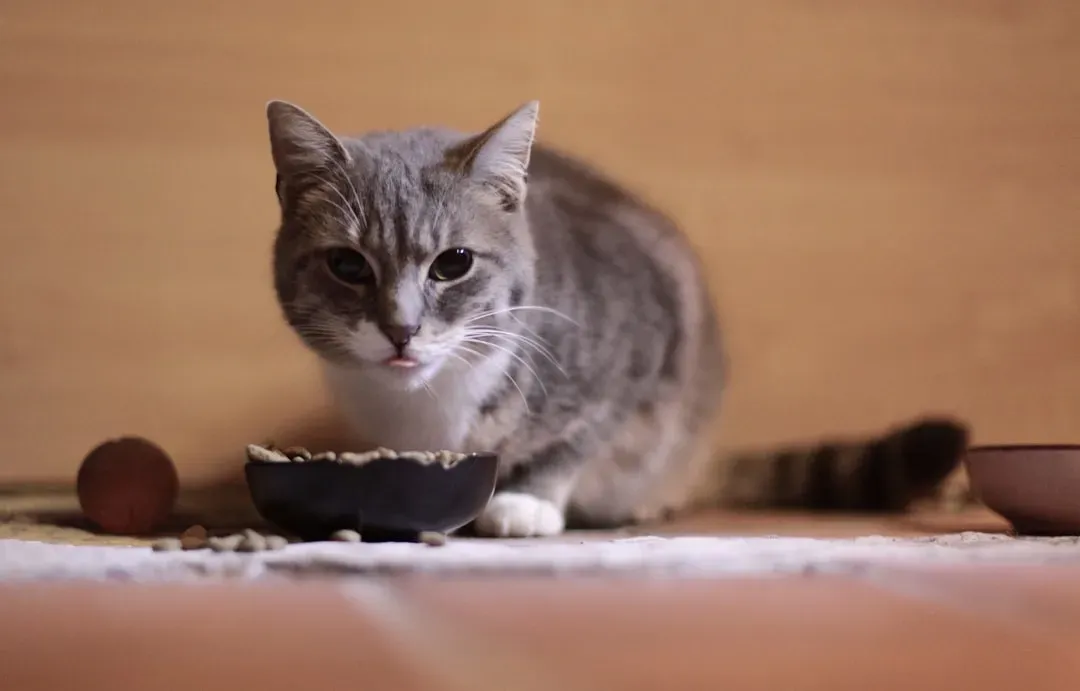
Cats with certain health conditions requiring higher water intake, such as kidney disease, diabetes, or lower urinary tract disease, may particularly benefit from wet food’s additional moisture. For these cats, the food choice isn’t just about preference; it’s medical necessity.
Cats eating only dry food as kittens often grow attached to that taste and texture, which can create problems if they later develop health issues best managed with wet food diets, as they may refuse to switch. The easiest prevention strategy involves feeding some canned and some dry food every day throughout life. This keeps your cat flexible and adaptable.
What Your Cat’s Preferences Actually Tell You
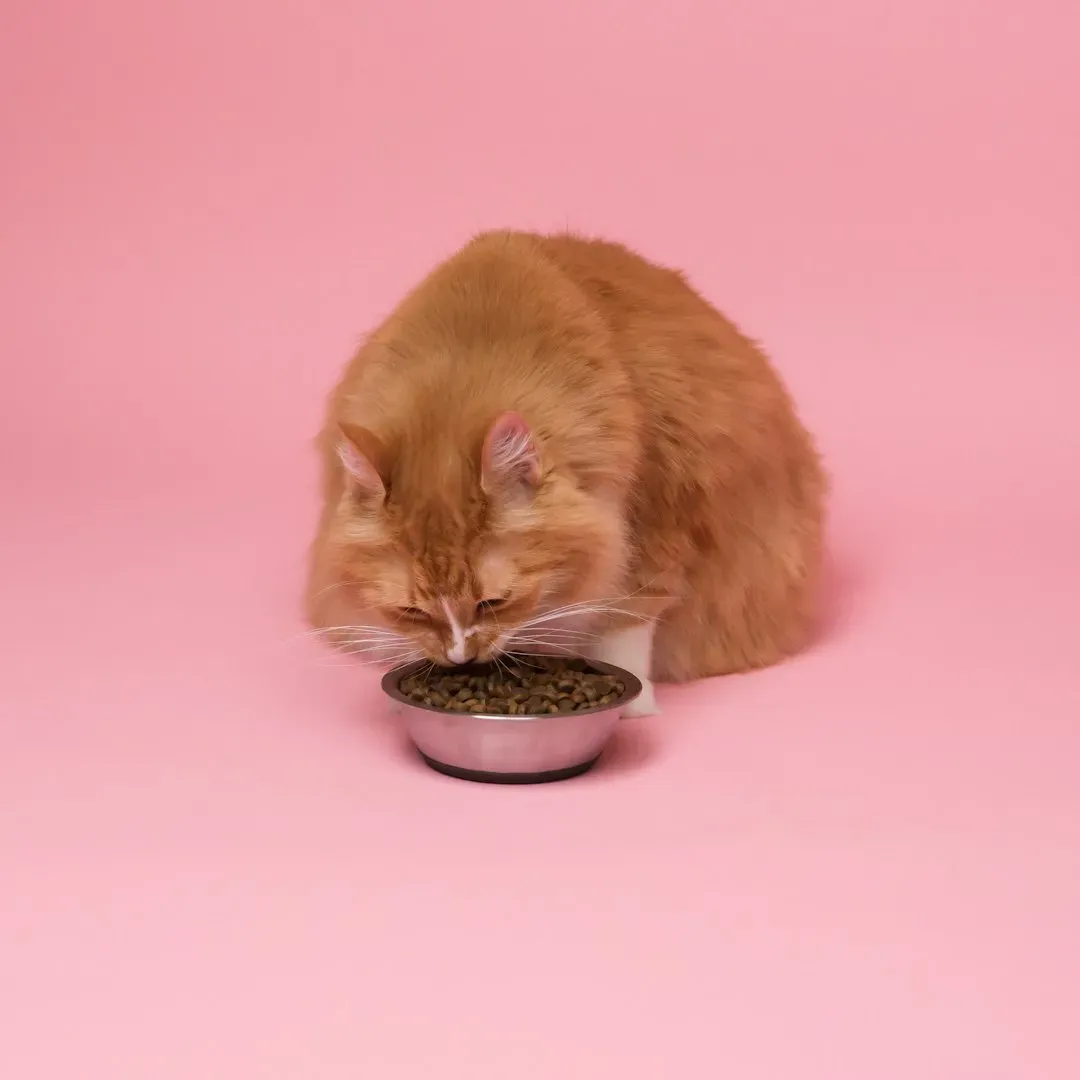
Canned food tends to be highly palatable, and some cats strongly prefer it over dry food, particularly picky eaters. Wet food’s stronger aroma from higher moisture and animal protein content proves enticing to cats, plus it typically offers wider flavor variety.
Sometimes your cat makes the decision for you. Some cats are incredibly picky and will only eat dry or only eat wet food. You can try gradually transitioning them, yet certain felines simply won’t budge. At that point, you work with what you’ve got and focus on choosing the highest quality option within their preferred category.
Making Your Decision With Confidence
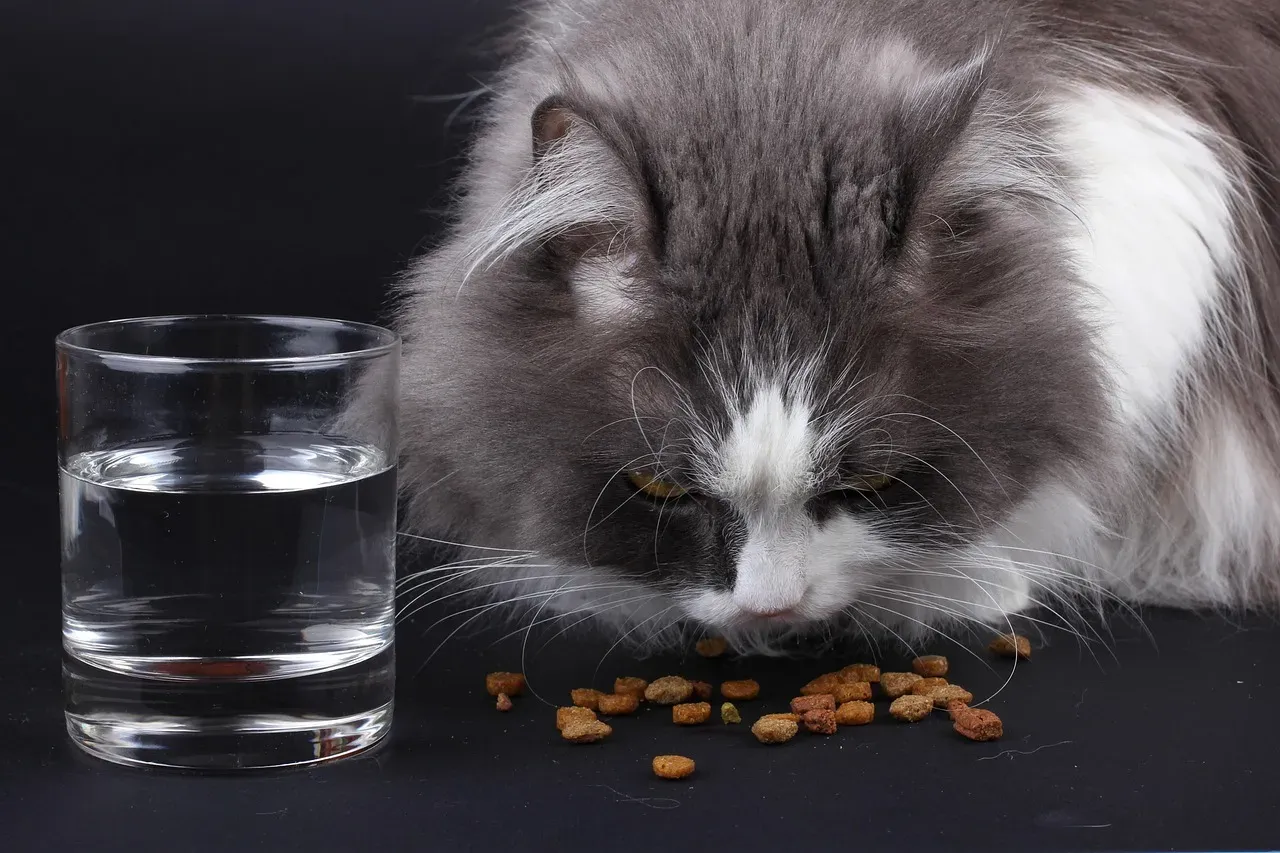
Ultimately, feeding wet or dry food comes down to cat or owner preference, as one format isn’t nutritionally superior to the other, though both provide unique benefits. Your veterinarian can help you decide whether to feed dry, canned, or a mixture to provide the best health for your cat.
Select diets that fit comfortably into your family budget, as there’s a good quality diet available at nearly every price point for a healthy cat. Don’t let marketing hype or expensive packaging fool you into thinking pricier automatically means better. Focus on complete and balanced nutrition appropriate for your cat’s life stage and health status.
The wet versus dry debate doesn’t have a single right answer. Your individual cat’s health needs, your budget, your schedule, and yes, your cat’s own stubborn preferences all factor into the equation. Many cats thrive on dry food alone. Others do better with wet. Plenty flourish on a thoughtful combination of both. What matters most is that you’re feeding a complete, balanced diet and paying attention to how your cat responds. Watch their energy levels, coat condition, litter box habits, and overall happiness. Those daily observations tell you more than any internet debate ever could. What’s working best for your feline friend right now?
Kristina is a young writer from India. An arts graduate and an avid content creator, Kristina is passionate about animals and wildlife. She enjoys exploring topics related to pet care, animal behavior, conservation, and nature, combining thorough research with engaging storytelling.