Why Your Cat's Purr Isn't Always a Sign of Contentment: The Hidden Meanings
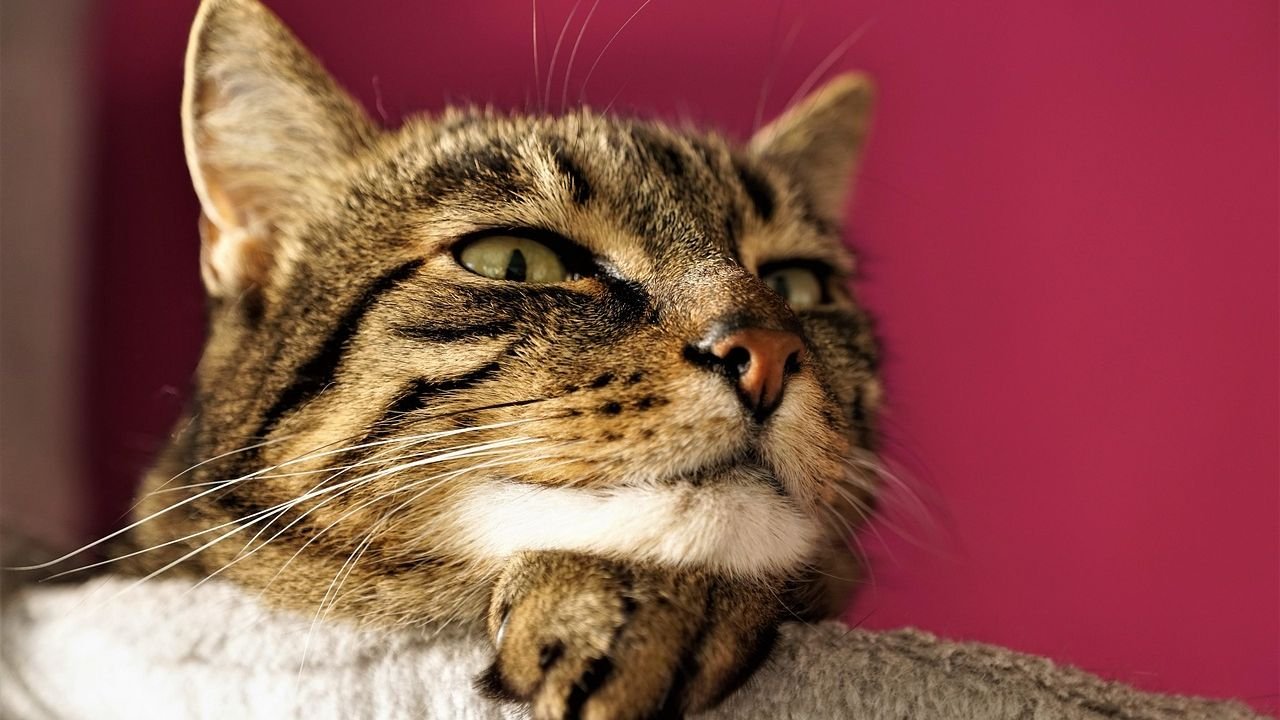
You've probably felt it a hundred times. Your cat settles into your lap, that familiar rumble starts in their chest, and you instantly relax, thinking all is well in your feline's world. It's comforting, right? That soft vibration seems to say everything's perfect. Only here's the thing: your cat might be telling you something entirely different. Let's be real, that purr you've always interpreted as pure happiness could actually be masking anxiety, pain, or even fear. Surprising? Maybe. True? Absolutely. So let's dive in and discover what your cat is really communicating when they fire up that internal motor.
The Science Behind the Purr Reveals Complex Origins
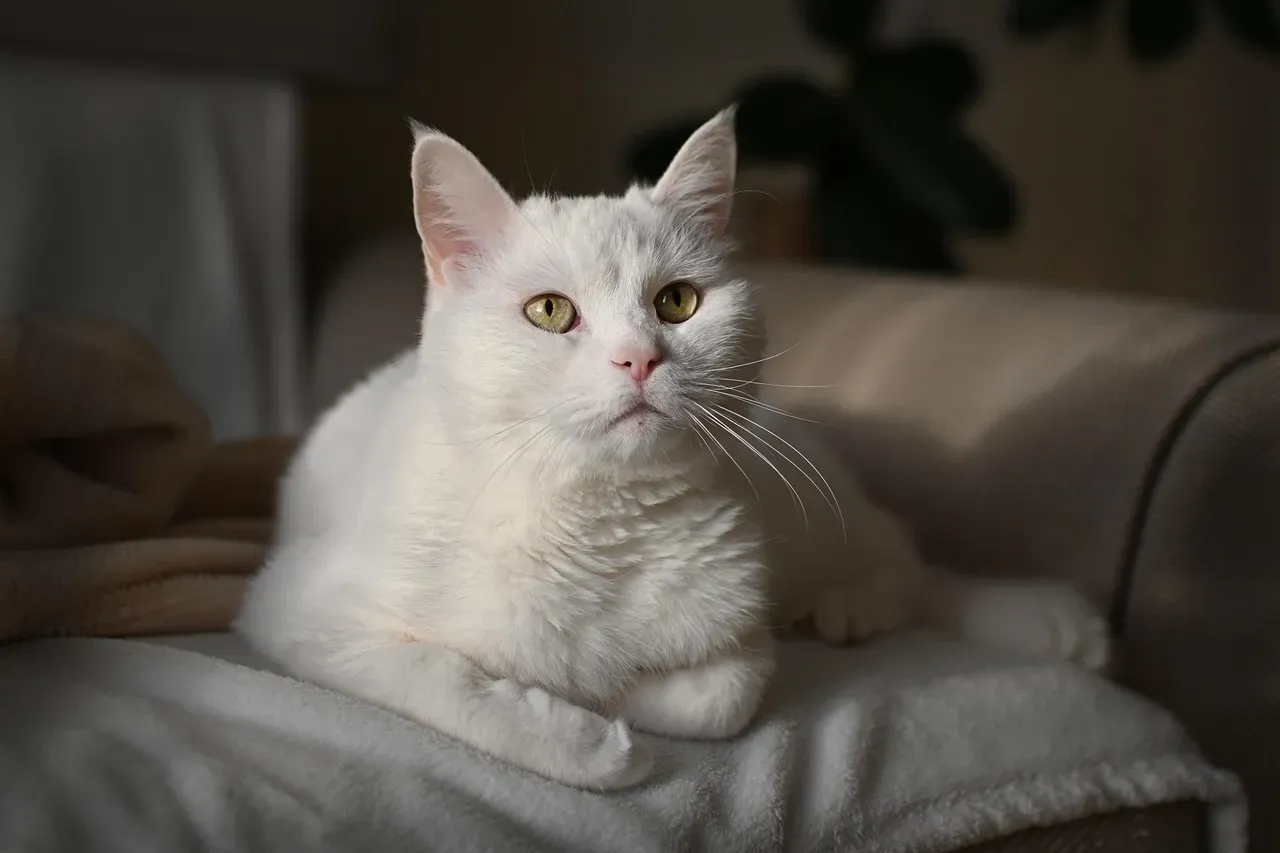
Purring happens when cats vibrate their laryngeal muscles, forcing air over the glottis in rapid cycles that open and close between twenty and forty milliseconds. Recent research discovered that domestic cats possess pads embedded within their vocal cords, adding fatty tissue that allows them to vibrate at low frequencies. Think about it like this: your cat's voice box has built-in cushioning that creates those soothing tones we find so irresistible.
Cats purr during both inhalation and exhalation with a consistent frequency between 25 and 150 Hertz. What's fascinating is that the larynx doesn't appear to need any input from the brain to produce purring. It's almost like an automatic response, which tells us something important about why cats do it in the first place.
Your Stressed Cat May Be Self-Soothing Through Purring
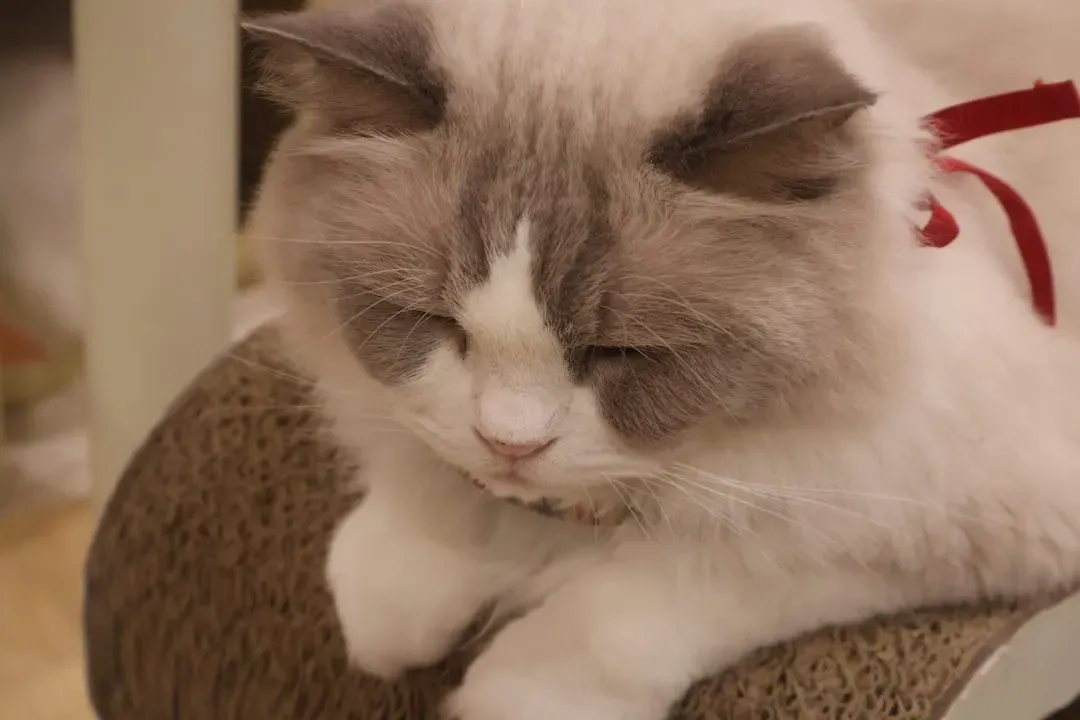
Veterinary science confirms that anxious purrs exist, with cats purring to self-soothe, as the vibration frequency helps them manage severe pain, fear, or even the process of dying. If you're at the groomer or vet clinic, the purr is likely because your cat is stressed, especially if it sounds higher pitched than normal. I've seen this firsthand with cats who purr frantically in their carriers during car rides.
This is considered a form of self-soothing, but it is easily misunderstood as the cat being more relaxed than they actually are, with cats purring when they are injured, ill, or in pain. A purring cat crouched down with ears pulled slightly to the side may not be feeling well. Context matters more than the sound itself.
Pain and Illness Often Trigger Purring Behavior
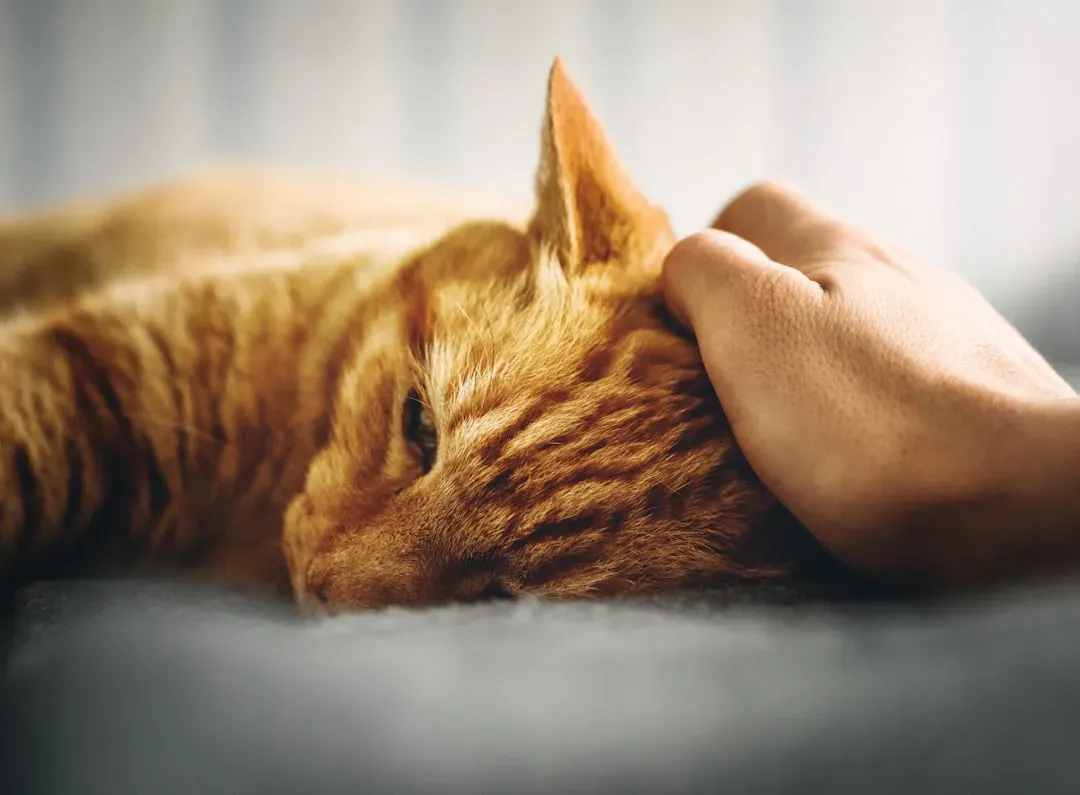
Cats can purr when they are sick or in pain, and by purring, the cat may be asking for care. Sick cats purr to self-soothe severe pain, and if your cat is lethargic, this is a red flag for internal illness, not contentment. It's hard to say for sure, but many vets report treating injured cats who purr continuously during examinations.
Cats purr when they are in pain because they want to soothe themselves and try to relieve some of the pain, with some studies showing purring may help a cat's body heal faster. Some cats may even purr before they die, as the purring sound may potentially be a comforting sound for them. Never assume a purring cat is necessarily a happy cat.
The Healing Frequencies Hidden in Purr Vibrations
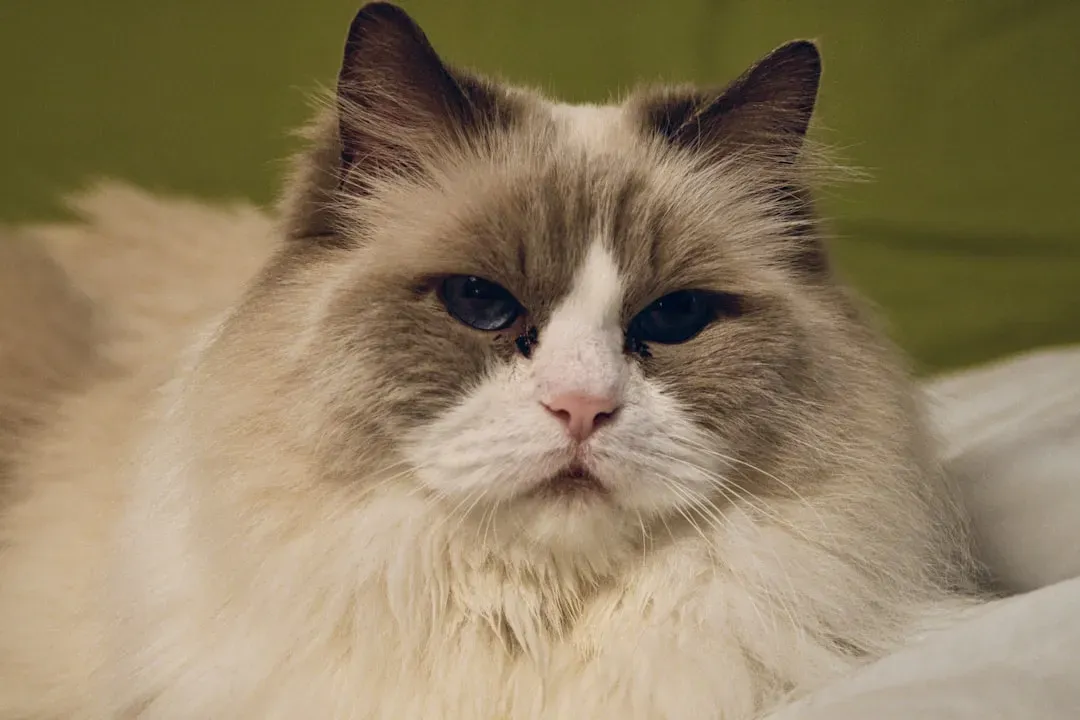
Sound frequencies in the range of cat purrs can improve bone density and promote healing, with the association between purr frequencies and improved healing of bones and muscles potentially providing help for some humans. Research has shown that frequencies between 20 and 50 Hz increase bone density. Your cat might literally be healing themselves when they purr after an injury.
The low frequency vibrations of a cat's purr are suspected to promote bone and tissue growth and lessen pain and swelling. The vibrations produced during purring occur at a frequency of 25 to 150 Hertz, which has been shown to promote healing and tissue regeneration and is known to positively affect bone density and tendon and muscle repair. This internal healing mechanism would be advantageous for cats who spend so much time resting.
Pitch Changes Reveal Your Cat's Emotional State
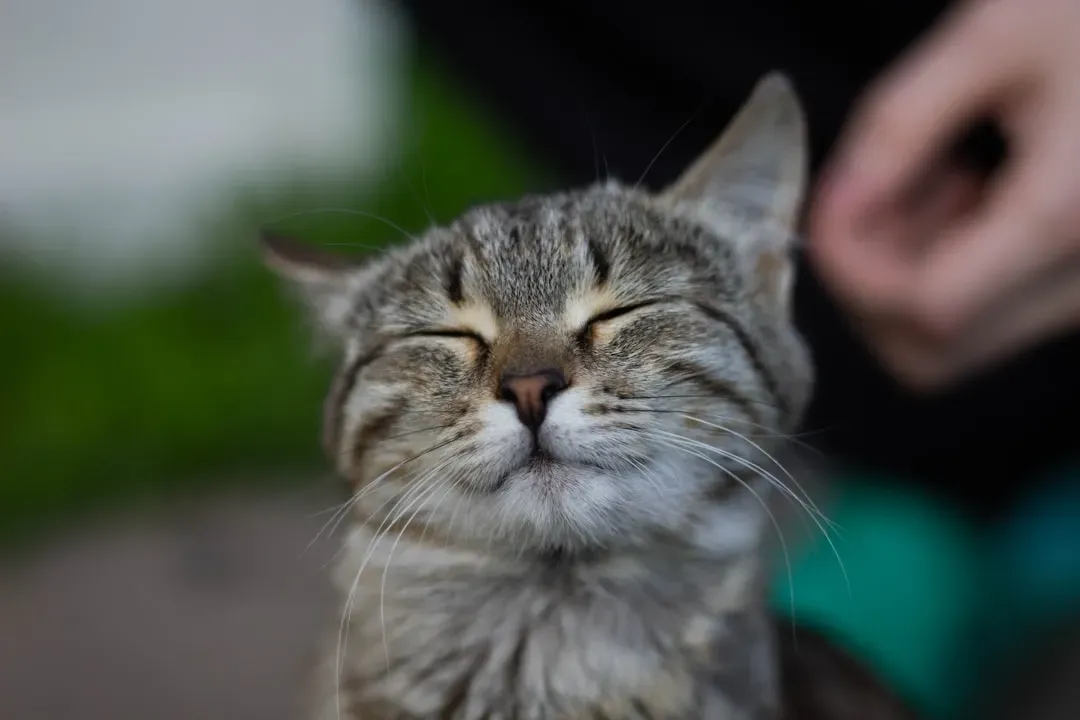
When cats are purring out of happiness, the purr tends to be lower pitched, while a stressed-out cat might have a higher-pitched purr. Listen carefully next time. Does your cat's purr sound different at the vet versus at home on the couch? The difference might shock you.
Solicitation purrs have a high-frequency component not present in other purrs, and these are called solicitation purrs when the cat is seeking a result, which are distinguishable to humans from non-solicitation purrs. Humans regularly judged the solicitation purrs as less pleasant and more urgent than the non-solicitation purrs. Your cat is smarter than you thought, manipulating the pitch to get what they want.
Body Language Tells the Real Story Behind the Purr
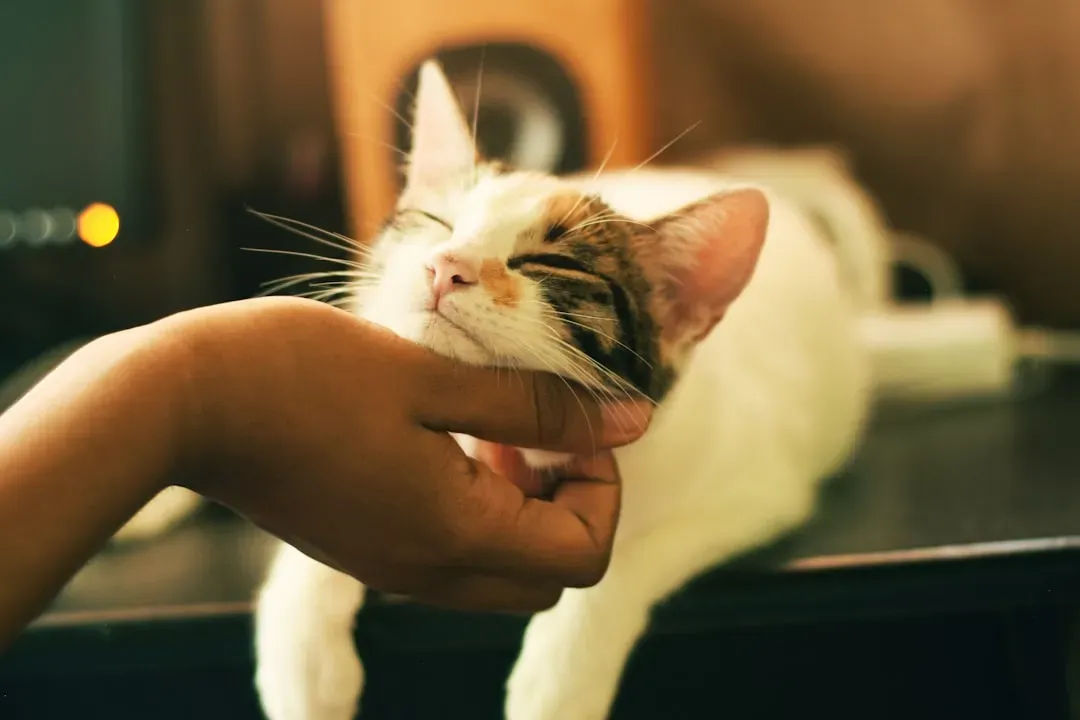
When a cat is purring, look at their body language and the situation to determine why, as a purring cat that approaches you with their tail held up may be greeting you, but if the cat is crouched down with their ears pulled slightly to the side while purring, they may not be feeling well. Ears back? Tense posture? That's not contentment, no matter how loud the purr.
Stress purring is often accompanied by tense body language, dilated pupils, and flattened ears. If they're shut in their carrier in the car, hiding under the bed from a visiting dog, or recovering from a veterinary operation, the purr is much more likely to be a form of self-soothing in a stressful situation. Always consider the bigger picture when interpreting your cat's sounds.
Mother Cats Use Purring for Bonding and Communication
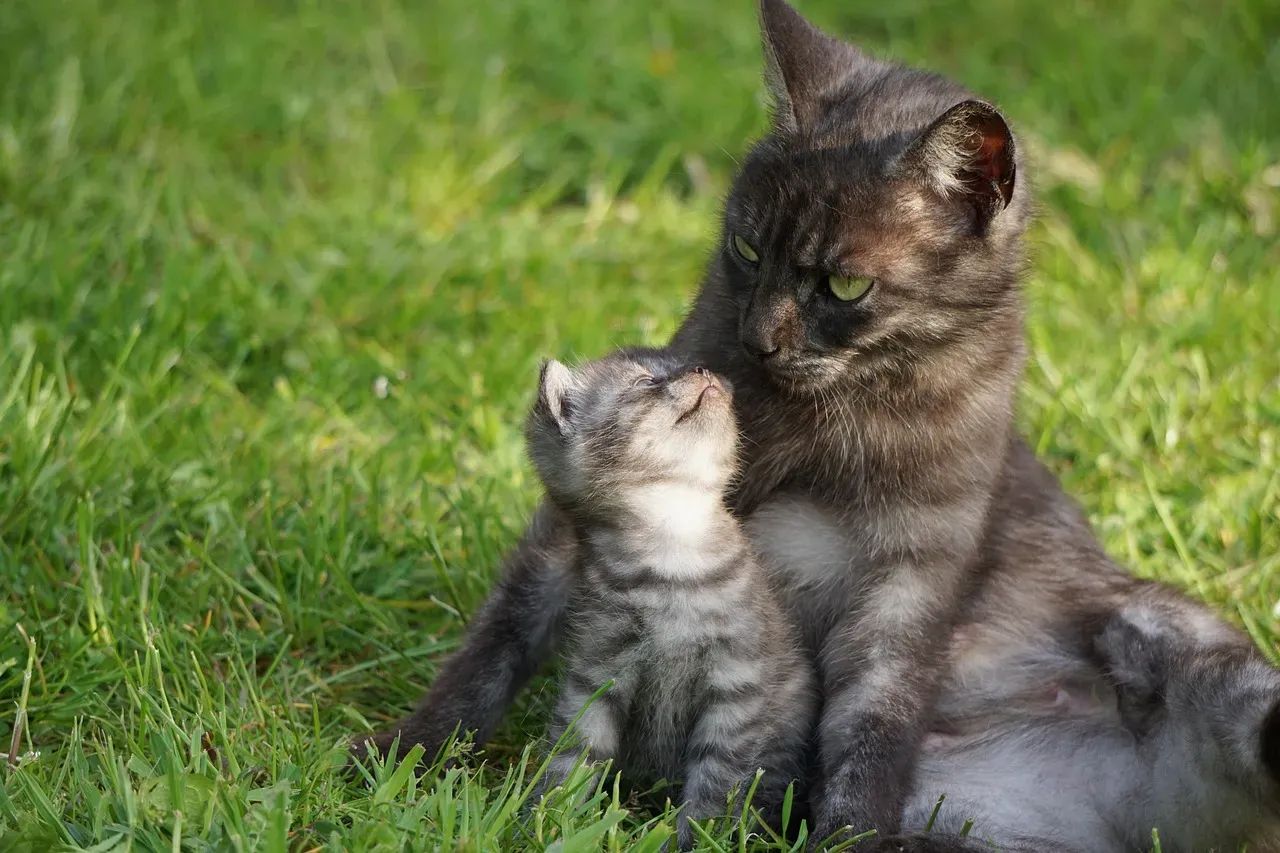
Kittens can purr as young as 2 days of age, purring when they are nursing from their mother and only stopping long enough to swallow. Kittens learn how to purr when they are a couple of days old, and veterinarians suggest that this purring tells mom that they are okay and indicates a bonding mechanism between kitten and mother. It's one of the earliest forms of feline communication.
Mother cats purr to connect with their kittens, with the sound and feeling of a mother cat purring helping kittens relax and calm down. This behavior creates a foundation for how cats use purring throughout their lives. Honestly, it's pretty remarkable how this simple sound serves so many purposes from birth onward.
Anxiety and Nervousness Trigger Purring Responses
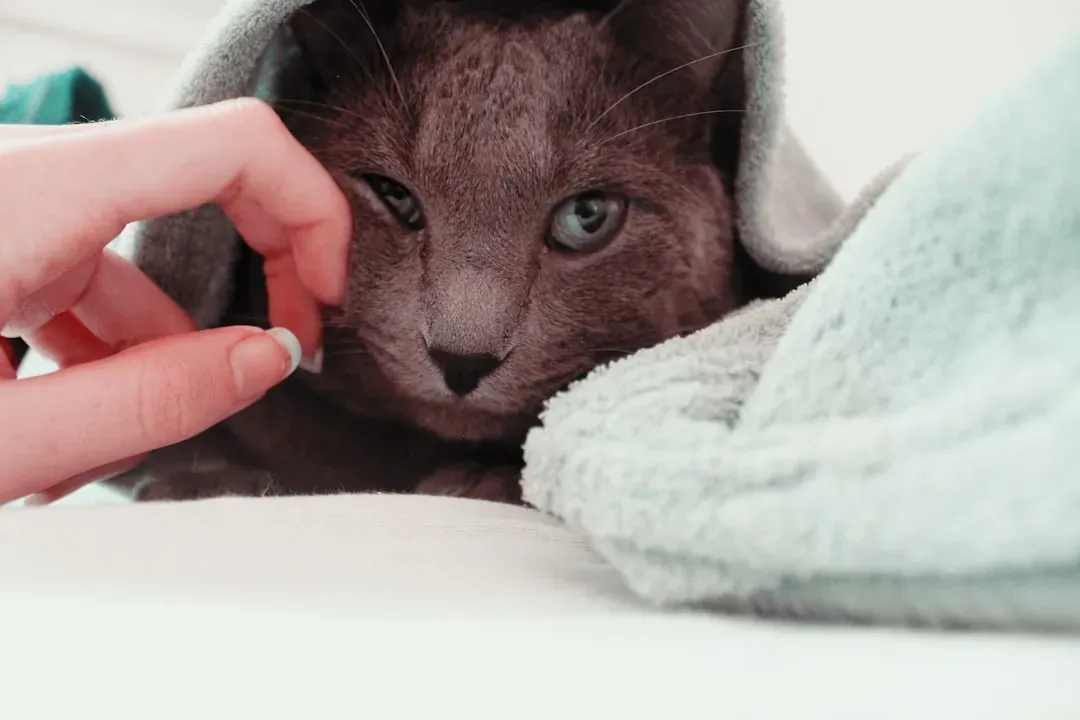
Some cats purr to soothe themselves when they feel anxious or nervous, and it can be difficult to tell when your cat is nervous if they are the type to purr about it, with human family members of nervous cats typically assuming purring is always positive and therefore not noticing when purring may indicate anxiety instead. This is probably the most dangerous misconception cat owners have.
Cats may purr during stressful times to self-soothe, and when faced with stressful situations like a trip to the vet or a new pet in the house, a cat may begin to purr, with this rhythmic rumble believed to trigger the release of endorphins. If your cat is purring in a typically stressful situation, it's likely a self-soothing behavior rather than contentment. Pay attention to when the purring happens, not just that it happens.
Solicitation Purrs Manipulate Humans Into Action
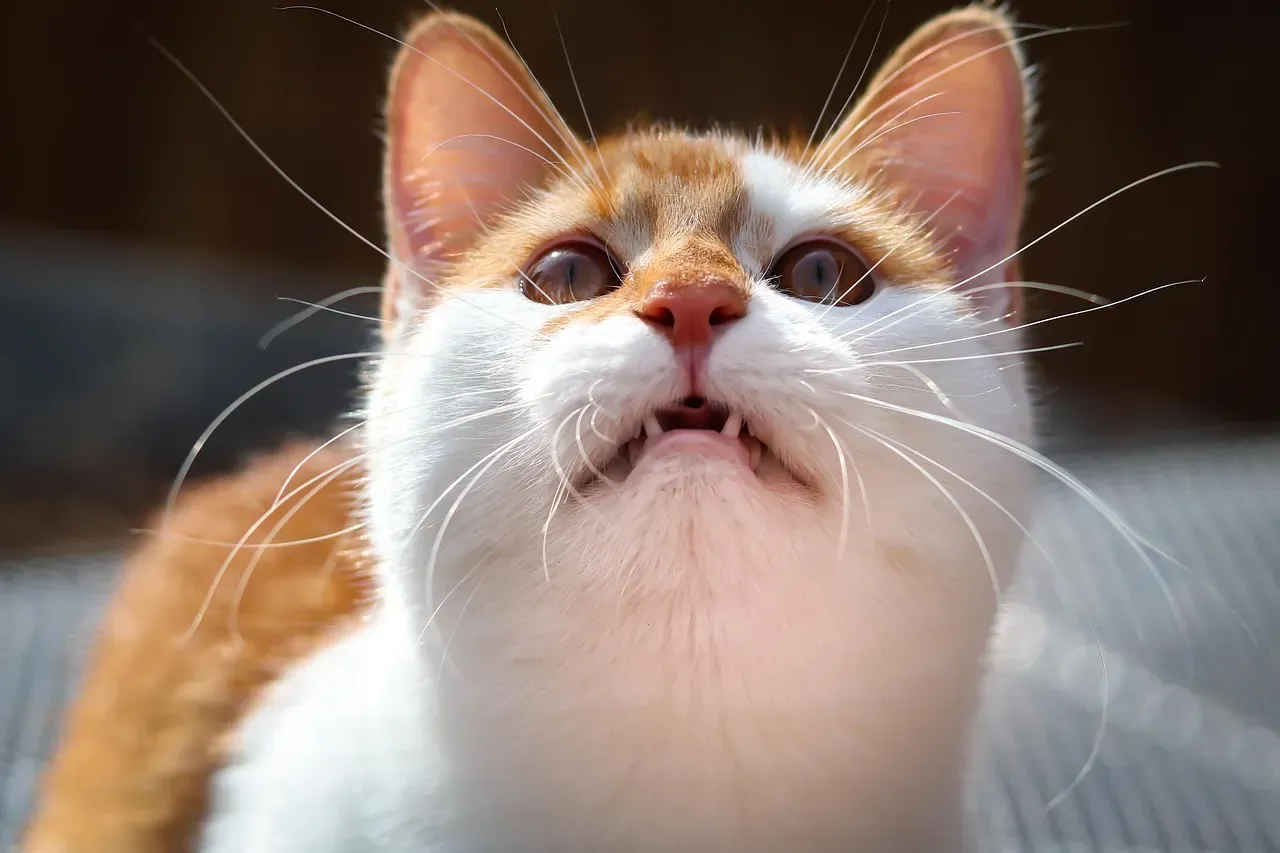
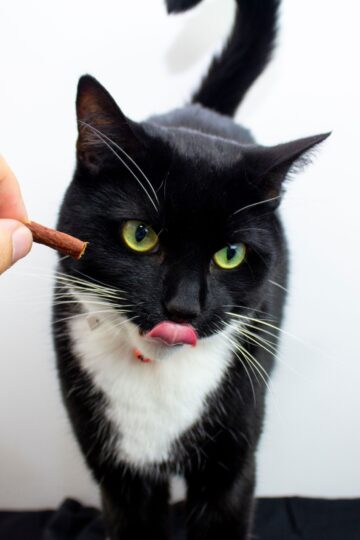
Some cats begin purring when they want something, most commonly when cats beg for food or treats from their human family members, as cats quickly learn that they get attention and sometimes get food when they purr at their humans. You've been played, basically. Your cat figured out that turning on the purr motor gets results.
Researchers have identified a solicitation purr as a specific type that includes a high-frequency element, similar to a baby's cry, designed to grab the attention of people and elicit a response, such as feeding. It's actually kind of genius when you think about it. Your cat has evolutionarily hacked your parental instincts.
Not All Cats Purr the Same Way or at All
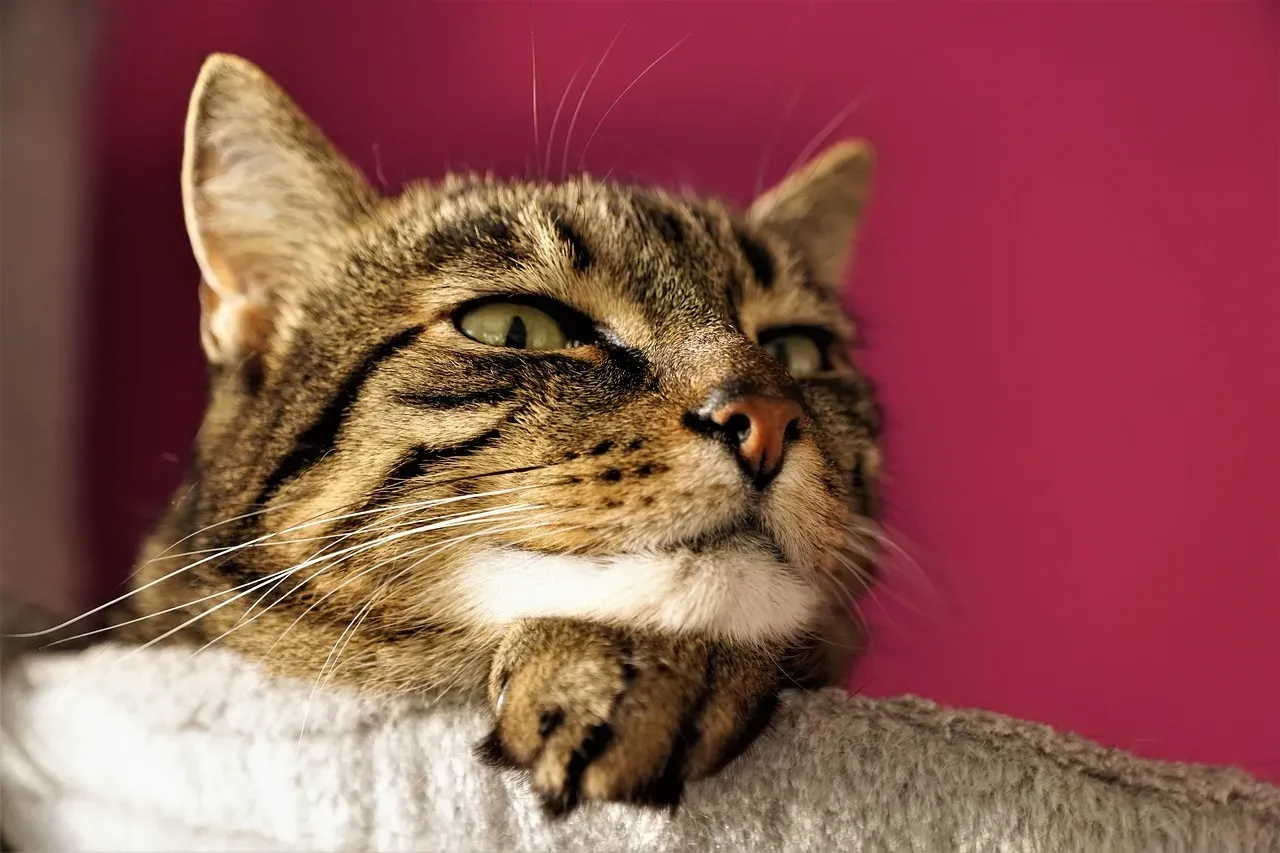
While purring is a common behaviour for cats, not all cats will purr, as all cats are different and some may prefer to communicate their feelings in other ways, such as via meows or their body language. Not all cats purr the same way, and the sound and intensity of a cat's purr can vary greatly between individuals, with some cats having a loud, rumbling purr while others have a softer, more subtle purr.
If your cat used to purr and has suddenly stopped, or if they don't normally purr and have suddenly started, this could show that they are unhappy or unwell. Changes in purring patterns deserve your attention. They might signal something medically wrong or a shift in your cat's emotional wellbeing that you shouldn't ignore.
Conclusion: Understanding Context Makes All the Difference
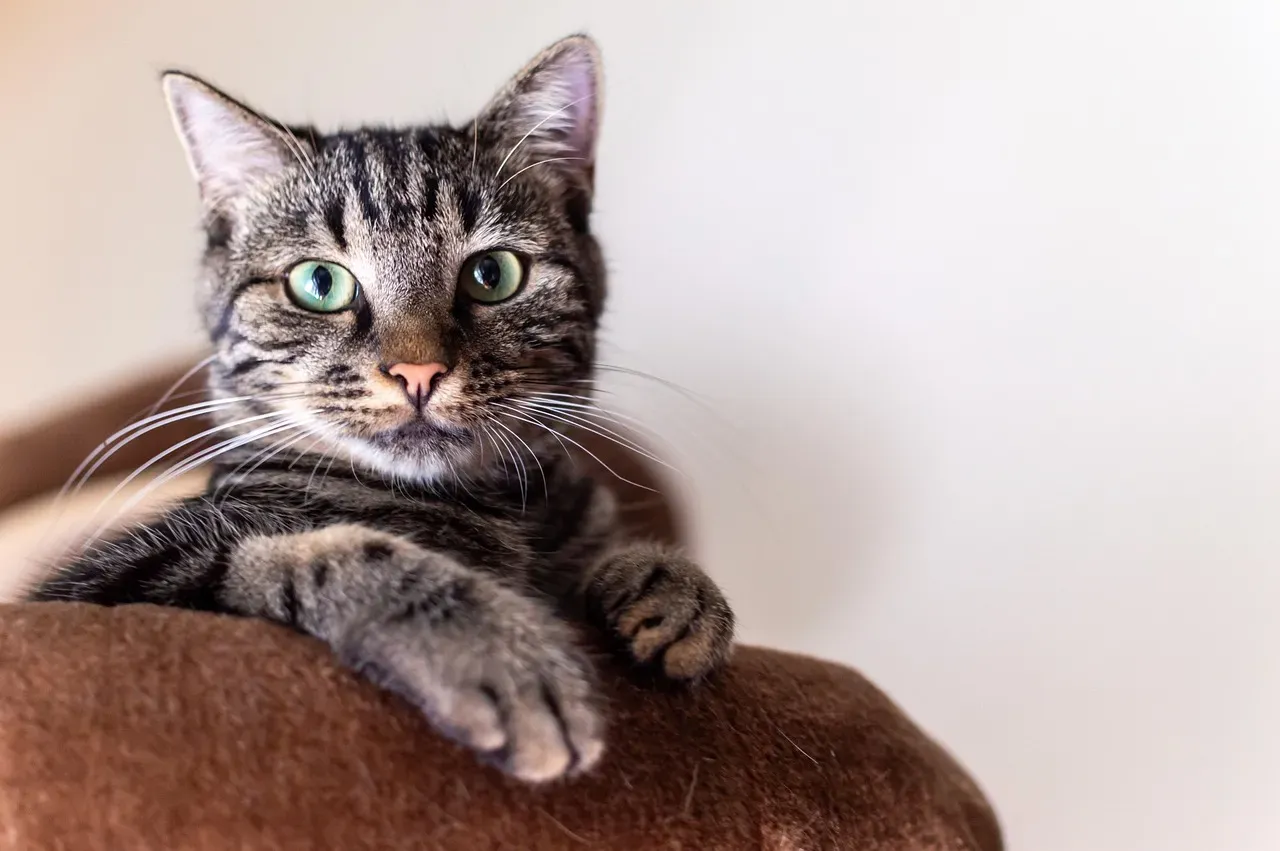
Many pet parents might assume a cat's purring is a sign of happiness, but purrs can actually be produced when a cat is either in a positive or a negative emotional state, with cats purring when being pet by their favorite human but also purring when not feeling well. The sound itself doesn't tell the whole story. You need to observe your cat's entire demeanor, the situation they're in, and any other behavioral cues.
If a cat is purring but refuses to engage, play, or move, assume they are in pain, not happy, and never let the sound of a purr delay your trip to the vet. Your cat's purr is complex, multifaceted, and sometimes deceptive. Learning to decode it properly strengthens your bond and might even save your cat's life. So what's your cat really saying when they purr? Now you know it's not always what you thought. What hidden messages have you been missing?
- Animal Cognition Says Cats Track Where Their Owners Are by Listening From Another Room
- Animal Cognition Says Cats May Remember the Location of Hidden Objects Even After They Disappear From View
- Animal Cognition Says Cats Can Learn Which Human Gestures Lead to Food Faster Than Many Owners Realize
- 12 Ways Cats Say "I Miss You" After You Leave Home