Cats Choose Their Food Wisely: Why Different Breeds Have Different Palates
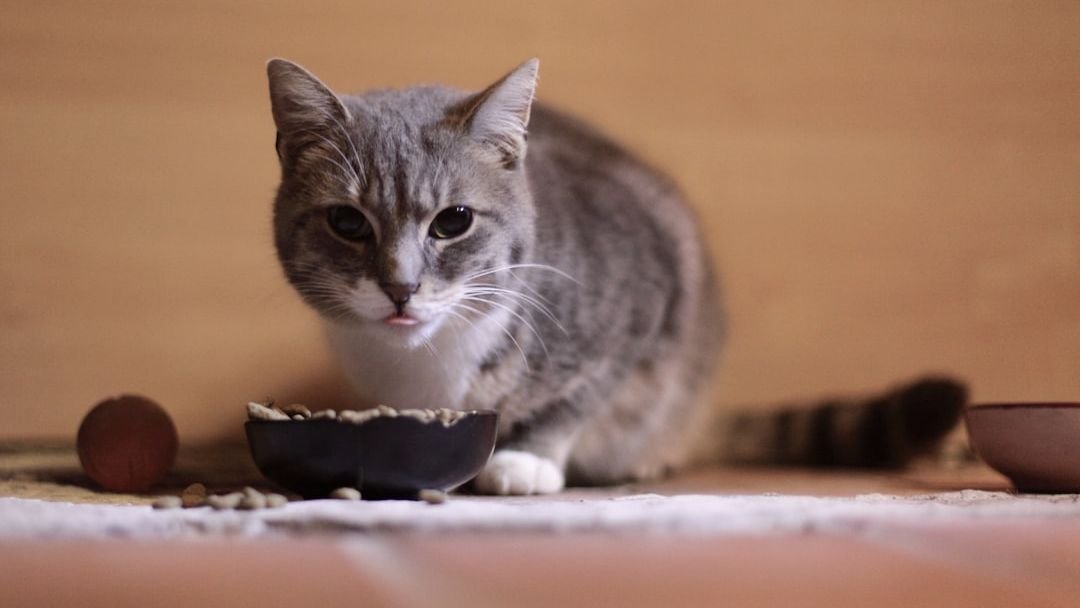
If you share your home with a feline friend, you've probably experienced the classic scenario. You place a new food bowl down with confidence, only to watch your cat sniff, pause, and walk away with absolute disdain. Meanwhile, your friend's cat devours the same brand like it's gourmet dining. What gives?
Cats aren't just being difficult for the sake of it. There's actual science behind their picky behavior, and it might surprise you to learn just how sophisticated your cat's palate really is. From the number of taste buds they possess to the evolutionary quirks that shape their preferences, feline food selection is a fascinating blend of biology, behavior, and even a bit of learned experience. Let's dive in.
Your Cat's Taste Buds Are Radically Different From Yours
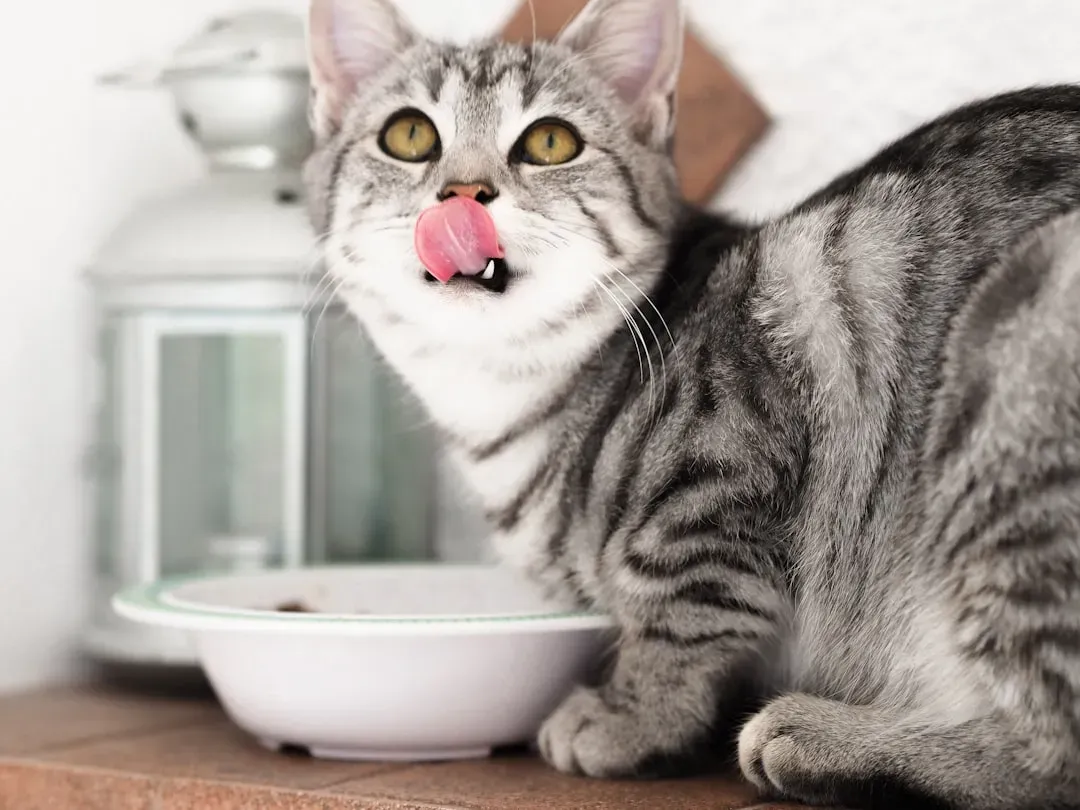
Here's the thing. Cats have around 470 taste buds compared to our 9,000, which might make you think they're less sensitive to flavor. Actually, it's more complicated than that. They detect four basic tastes: sour, bitter, salty, and umami, but they're missing one crucial receptor.
Cats have a broken version of the gene Tas1r2, which works with another gene to enable sweetness detection, meaning they cannot produce the protein needed to form a receptor for sweetness on their taste buds. So when your cat ignores that sweet treat you thought was irresistible, it's because they literally can't taste it. Evolution shaped them this way because, let's be real, wild cats hunting mice don't need to detect sugar.
Smell Matters More Than You'd Ever Imagine
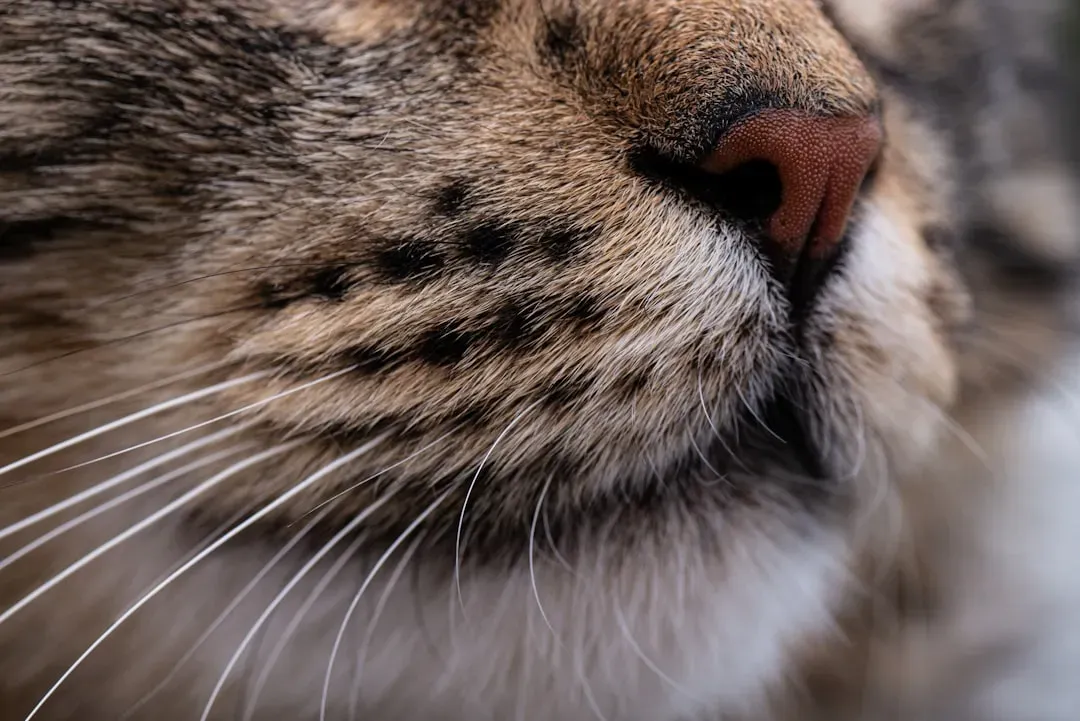
Cats use their heightened sense of smell to determine if a particular morsel is worth eating, with a sense of smell 14 times that of humans. This explains why your finicky feline might reject food straight from the refrigerator but gobble it up once warmed. Temperature releases aroma molecules, making the food far more enticing to their powerful noses.
Odor perception is very important for cats and plays a key role in choosing whether to eat a food item or not, helping them perceive toxic substances. Honestly, it's kind of brilliant when you think about it. Your cat is basically conducting a full chemical analysis before taking a single bite.
The Umami Obsession Is Real
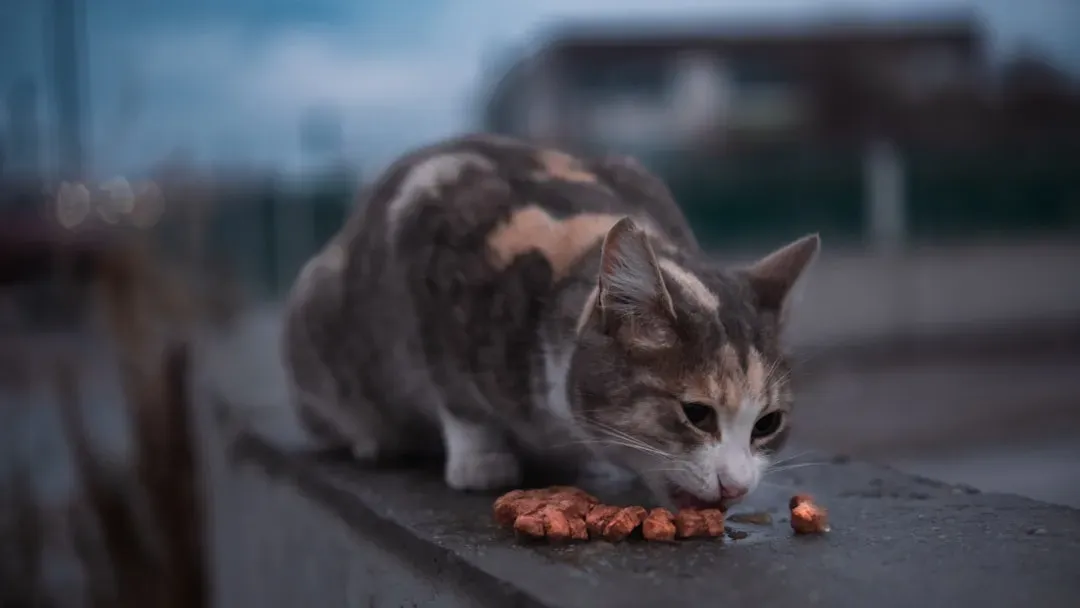
Cats can taste umami, which is the savoury flavour found in meat, making protein-rich foods their top choice. If you've ever wondered why your cat goes absolutely wild for certain meaty foods, this is your answer. Research published in 2023 shows that umami is by far the strongest taste preference for cats.
Think of umami as the rich, meaty flavor you find in aged cheese or slow-cooked broth. Cats express genes necessary to form umami receptors on their taste buds, which plays an important role in enabling them to taste compounds present in meat. It's hard to say for sure, but this might explain why some cats turn their noses up at plant-based fillers in commercial food.
Texture Can Make Or Break Mealtime
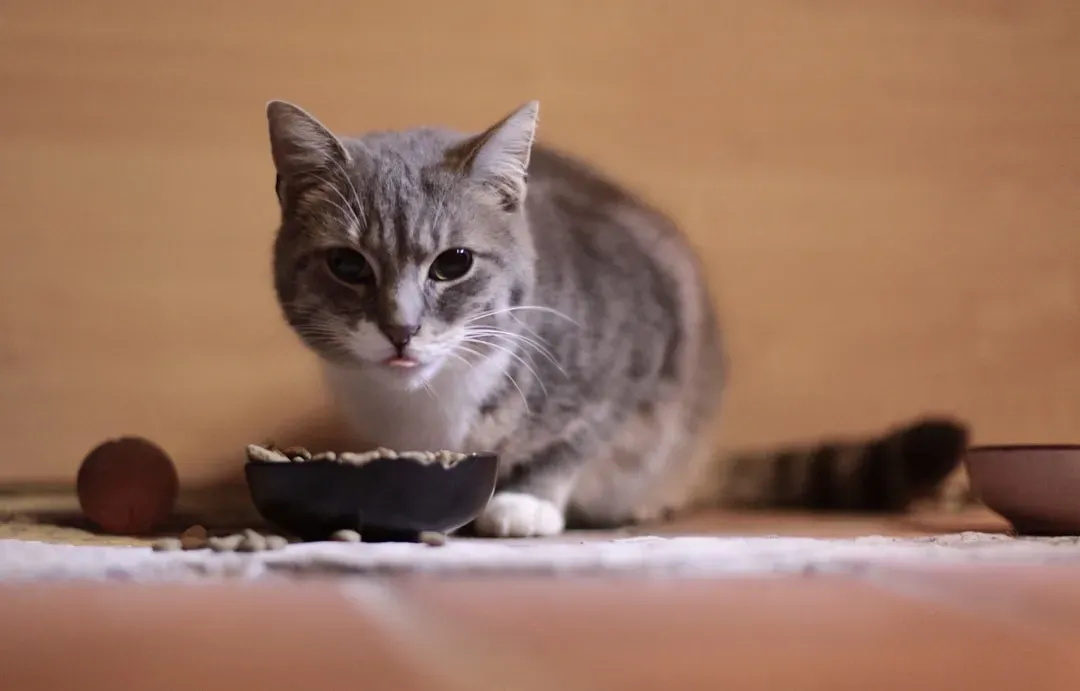
Cats are generally pickier on texture and mouthfeel than dogs, and crunch and low-density easy-to-break pieces are appreciated in dry food since they don't have jaw movements for grinding kibbles. Your cat's teeth evolved to rip and tear prey, not to chew like we do. So when they reject a particular kibble shape or consistency, they're not being difficult. They're just responding to what feels natural.
Both cats and dogs prefer moist food at room temperature or slightly higher over dry food since this form releases a stronger odor and taste they highly appreciate. This is why many cats seem far more enthusiastic about wet food. It hits multiple preference buttons at once: temperature, moisture, aroma, and texture.
Early Experiences Shape Adult Preferences
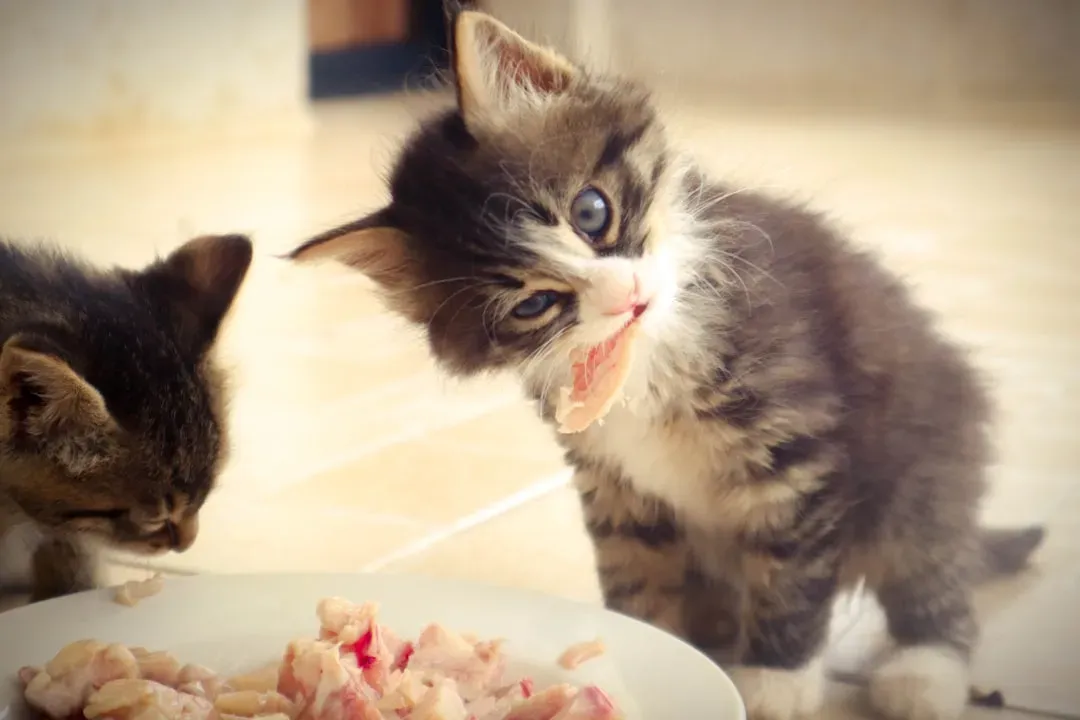
Different cats have different preferences towards specific dietary flavours and individual variation in the type of diet given to kittens contributes to differences in diet selection when they reach adulthood. If your cat was raised on a varied diet, they're likely to be more adventurous eaters. Kittens exposed to different textures and flavors during their early weeks tend to be less finicky later in life.
Adult cats show a preference for their rearing diet in what's called the primacy effect, influenced not only by foods and flavors kittens experience from weaning until six months of age, but also by the diet itself. This learned component means that what you feed your kitten genuinely matters for shaping their long-term eating habits.
Bitter Sensitivity Is Their Built-In Safety Mechanism
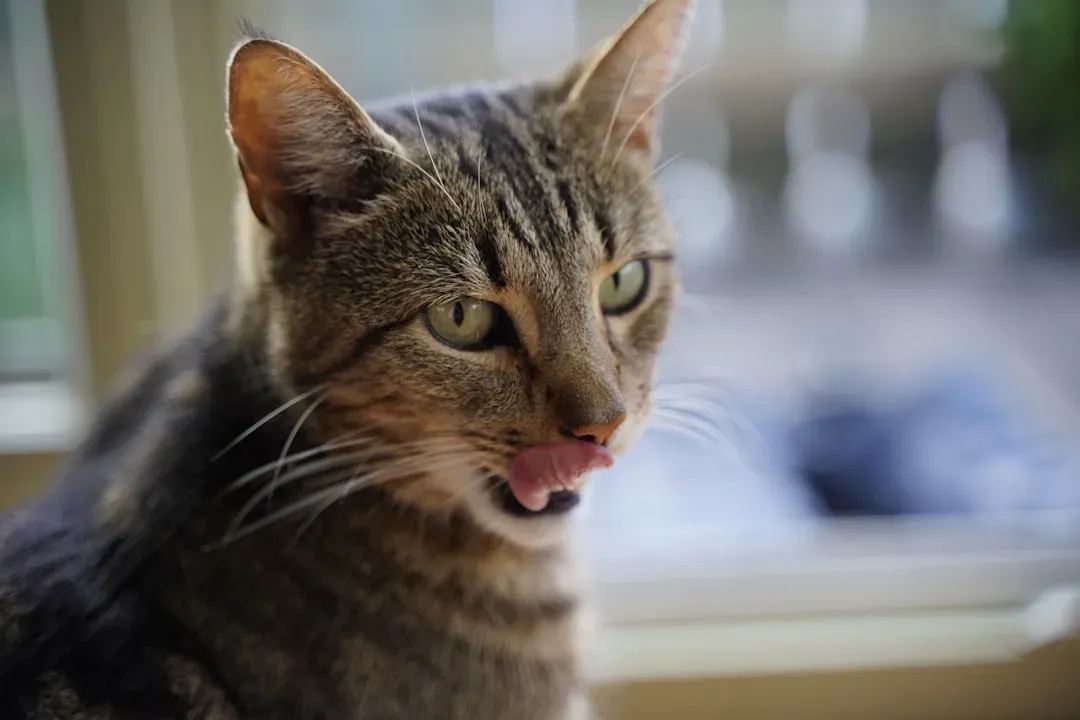
Some cat taste receptors are especially sensitive to bitter compounds and even more sensitive to denatonium than the same receptor in humans. This heightened sensitivity isn't an accident. Avoiding acidic and astringent tastes serves to protect cats from eating spoiled meats or gobbling a toxic morsel.
I know it sounds crazy, but this is why hiding medication in your cat's food often backfires spectacularly. If you hide a bitter-tasting pill in food, cats may detect it and become suspicious of any food offered, potentially developing a food aversion. Their survival instincts kick in, and suddenly they're treating every meal like a potential poison.
Your Cat Actually Balances Their Own Nutrition
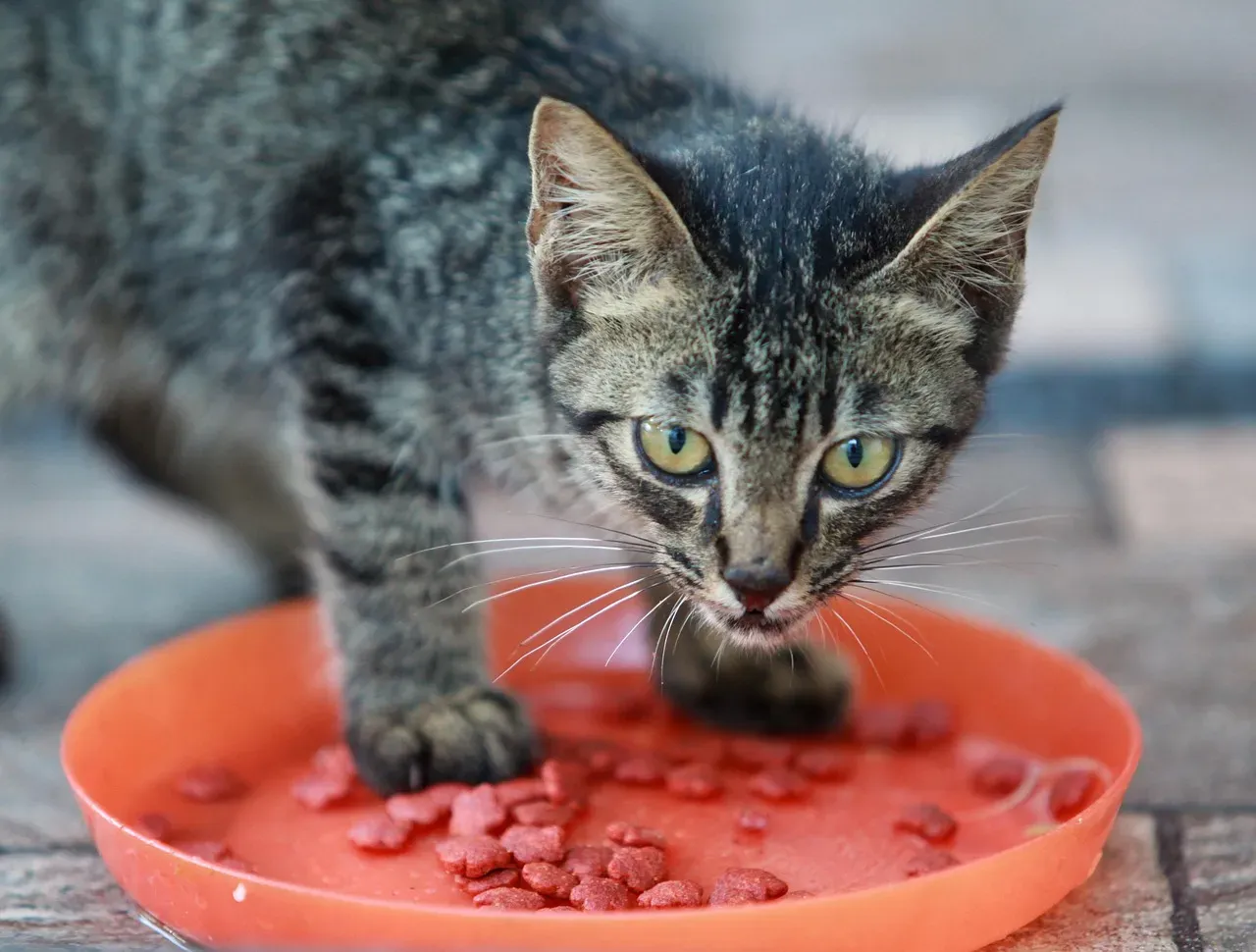
Researchers demonstrated that cats have an intake target that equates to approximately 52% of their daily calorie intake from protein, 36% from fat and 12% from carbohydrate. What's fascinating here is that cats don't just eat randomly. They instinctively select foods that help them hit these targets.
Cats distinguish between flavors added to foods, preferring fish over rabbit and avoiding orange flavor in the short term, but in the long term cats select similar protein and fat intake regardless of flavor, suggesting macronutrient balancing is a key driver. So even if a food tastes amazing initially, your cat will eventually choose based on nutritional needs rather than pure flavor.
Do Different Breeds Actually Need Different Foods?
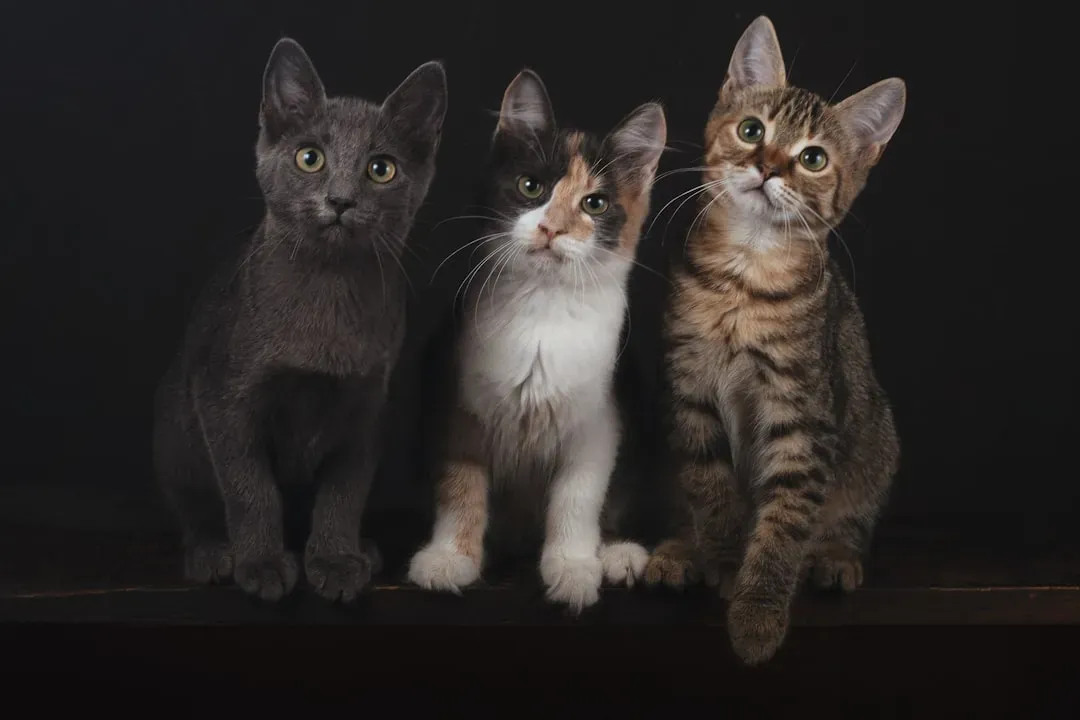
All cats, from long-haired breeds such as Persians and Maine Coons to short-haired cats like Siamese and Abyssinians, need the same healthy diet. Here's where the pet food industry might have you fooled. Despite the marketing claims about breed-specific diets, the truth is far simpler. A Siamese is no different from a Persian or Maine Coon when considering optimal dietary composition, as no matter the breed, the cat is still an obligate carnivore.
That said, Different breeds have different body shapes, coat lengths, activity levels and propensity to certain diseases, with diets now available for some common breeds designed specifically with the individualities of the breed in mind. So while the basic nutritional needs remain constant, certain breeds might benefit from tailored approaches. For instance, Siamese cats are known to eat very quickly and are prone to regurgitating food, so their diets often have kibble shaped to help slow eating.
Individual Factors Play A Bigger Role Than Breed
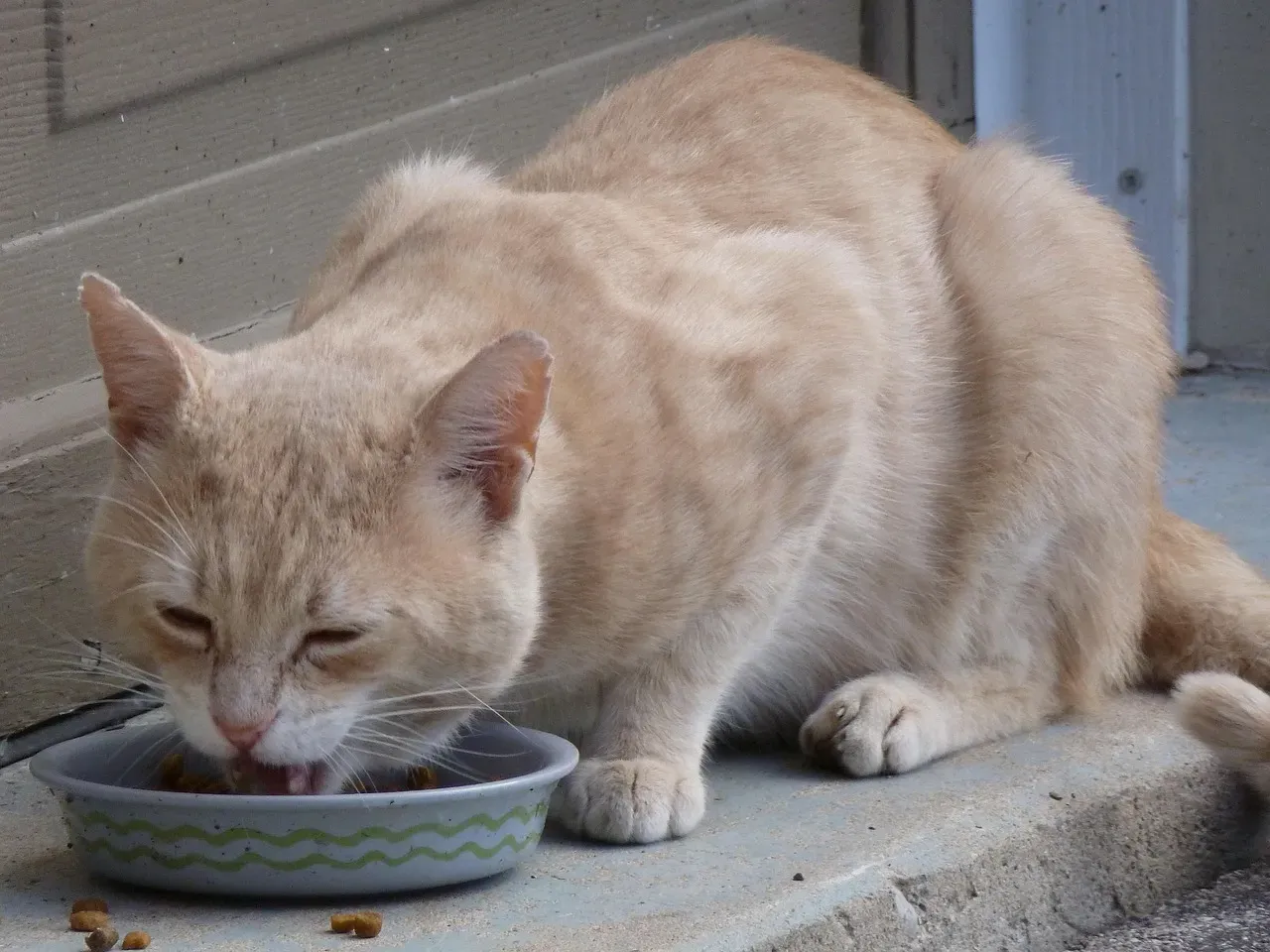
Body weight, sex, season, and nutritional factors may affect food preferences in domestic cats, with excesses in mineral components like calcium, phosphorus, and ash, as well as crude fiber, having a negative effect. Let's be real, your individual cat's preferences might have more to do with their weight, age, and even the season than their breed label.
During the cold season, animals, especially females, display higher food intake, whereas hot seasons increase male cat preferences for palatable diets. Temperature and environmental factors genuinely influence what your cat finds appealing. This variability means you might notice your cat's preferences shifting throughout the year, which is completely normal.
The Bottom Line: Respect Your Cat's Choosiness
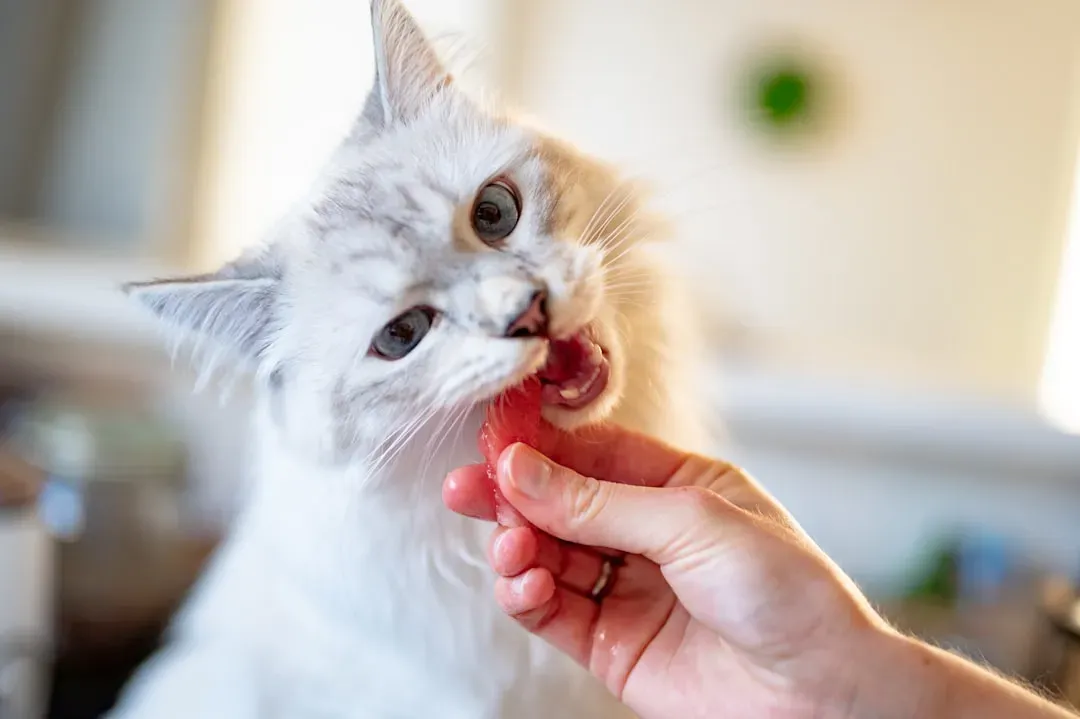
Cats spend time sniffing and evaluating palatability, taking small bites up to the roof of the mouth where a sensitive smell organ is located before they choose what to eat, and they can just as easily change their minds and try a different food. This deliberate process isn't stubbornness. It's intelligence and self-preservation working together.
Your cat's pickiness is actually a sophisticated blend of evolutionary biology, learned experience, and nutritional wisdom. Rather than fighting their preferences, try offering variety in both texture and protein sources during their early months. Keep food fresh and at the right temperature. Pay attention to what they're actually telling you through their choices. Did you expect that your cat was secretly a nutrition expert all along? What would you have guessed was behind all that fussiness?