If you’ve ever lived with multiple cats, you know it’s like hosting your own reality TV show. There are alliances, there are feuds, and sometimes there’s a lot of drama over who gets to nap on the favorite chair. Living in a house with several feline personalities teaches you things that single-cat owners simply can’t grasp.
The truth is, managing multiple cats is a unique adventure filled with unspoken rules, subtle power plays, and surprisingly tender moments. You’ll witness behaviors that seem bizarre at first but make perfect sense once you understand the complex social world your cats navigate daily. Let’s dive into the fascinating realities that only multi-cat households truly understand.
The Silent Hierarchy That Rules Your Home
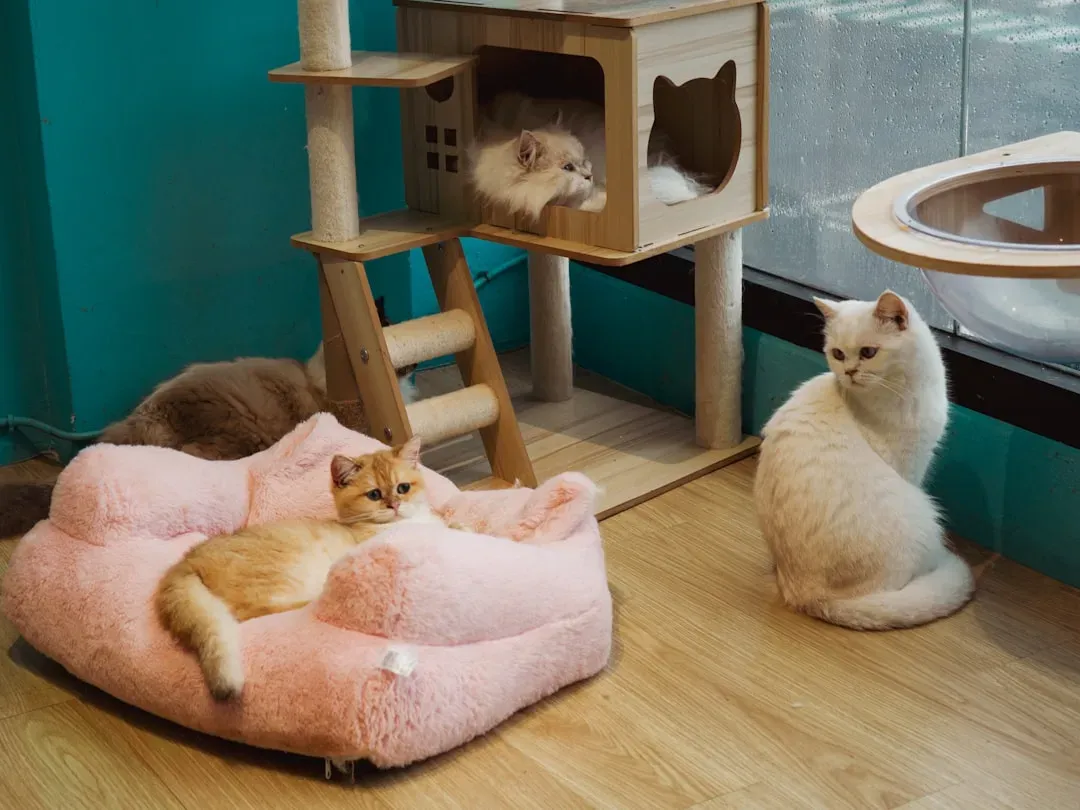
Your cats have already figured out who’s in charge, even if you haven’t noticed yet. Domestic cats can actually have a well-defined hierarchy within their social groups, with cats sometimes establishing a pecking order to maintain social and territorial order. The other cats within the group will defer to the alpha cat and allow it to eat first or take the best sleeping spot.
What makes this fascinating is how subtle the whole system can be. One cat might simply give another a long stare, and suddenly the second cat changes direction. Another might position themselves in a doorway, and everyone else just accepts that hallway is temporarily off limits. Not all cats within a social group will have a clear position in the hierarchy, with some cats being more laid back and content to let others take the lead, while others may be more assertive.
The Resource Guarding Game You Didn’t Know You Were Hosting
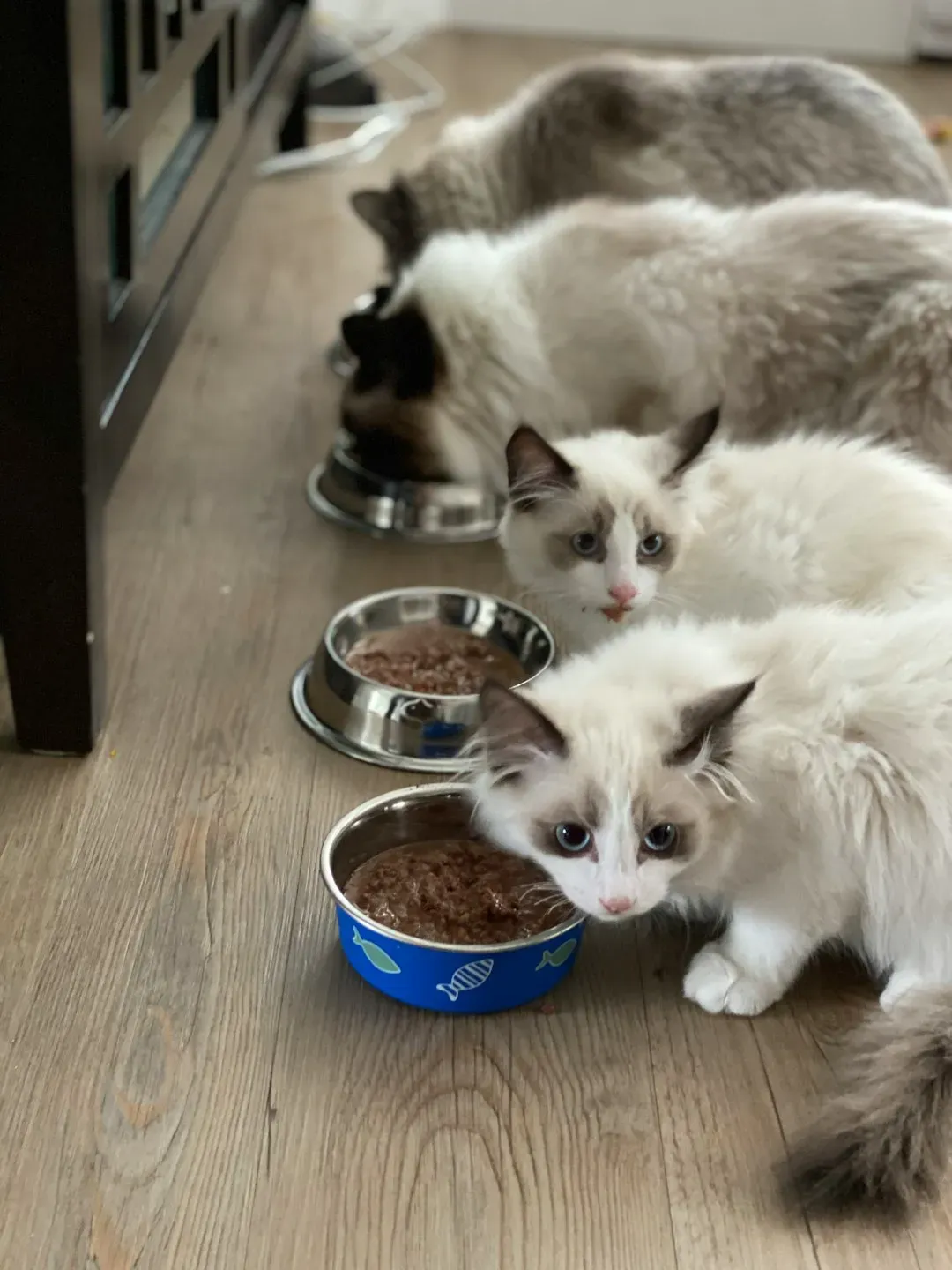
Let’s be real, you thought buying multiple food bowls would solve everything. The ‘n+1’ rule is a golden standard: for every ‘n’ number of cats, provide ‘n+1’ resources, which ensures each cat has access to necessities while reducing competition and stress. Even with all those resources scattered around, one cat might still decide to claim the water bowl nearest the window as their exclusive territory.
Cats are most likely to regard other cats, especially those that they do not regard as being a part of their social group, as potential rivals and as competition for important resources, especially food. You’ll catch yourself strategically placing litter boxes in different rooms, setting up multiple feeding stations, and wondering if you need to install a third cat tree. Honestly, it feels a bit like you’re running a feline hotel sometimes.
The Mystery of Cats Who Were Best Friends Yesterday
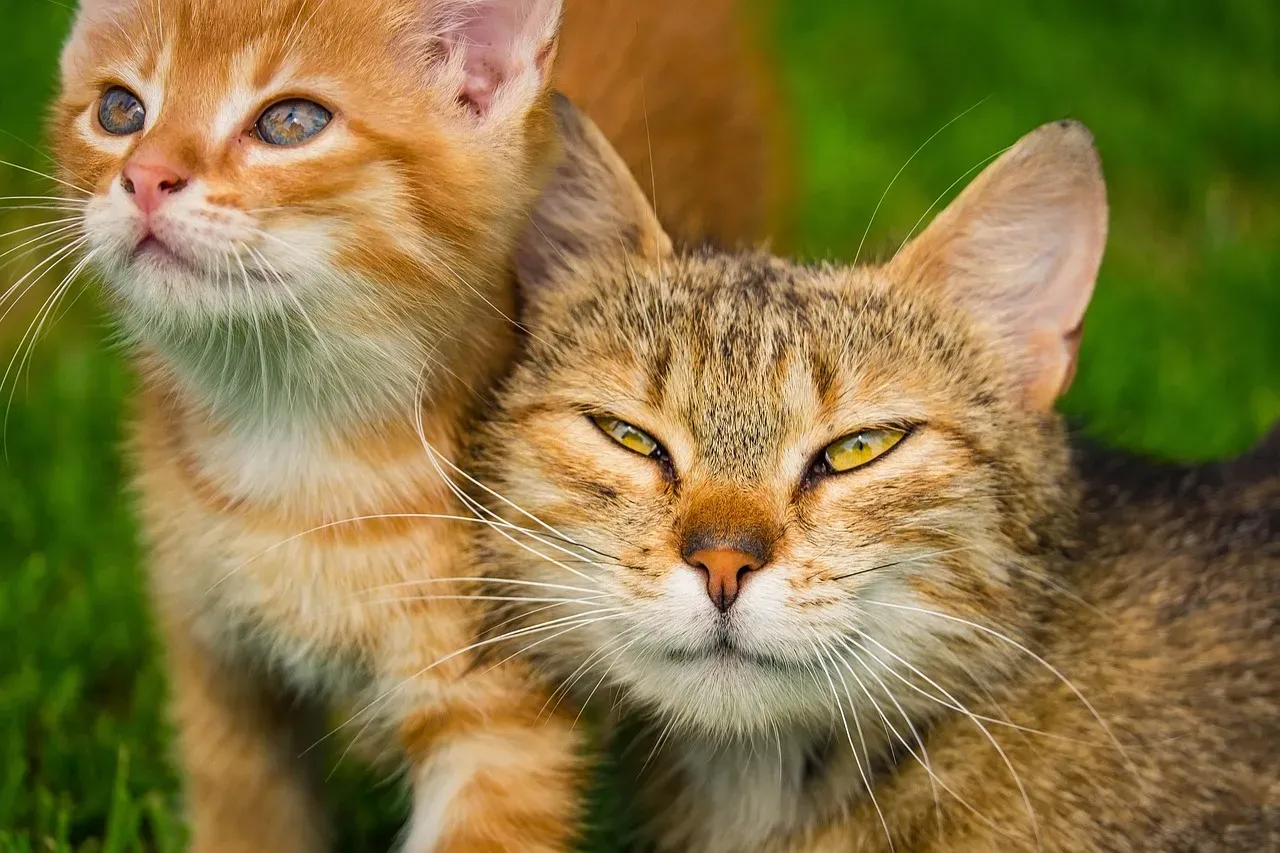
Here’s something that’ll drive you crazy: your cats can go from grooming each other to avoiding entire rooms in what seems like seconds. Cats that are familiar can also find a reason to hate one another. Maybe one cat came back from the vet smelling weird, or perhaps an outdoor cat walked past the window and triggered some redirected aggression.
In some cases, cats get along just fine until something scary or unpleasant becomes associated with the other cat, and in other cases, relationships change as the cats mature, with social maturation potentially being a factor if one cat reaches the age of one to three years old. You’ll spend weeks trying to figure out what went wrong, playing detective with cat behavior. The hardest part? Sometimes they work it out on their own, and sometimes they need your help to rebuild that friendship.
The Art of Reading Subtle Cat Communication
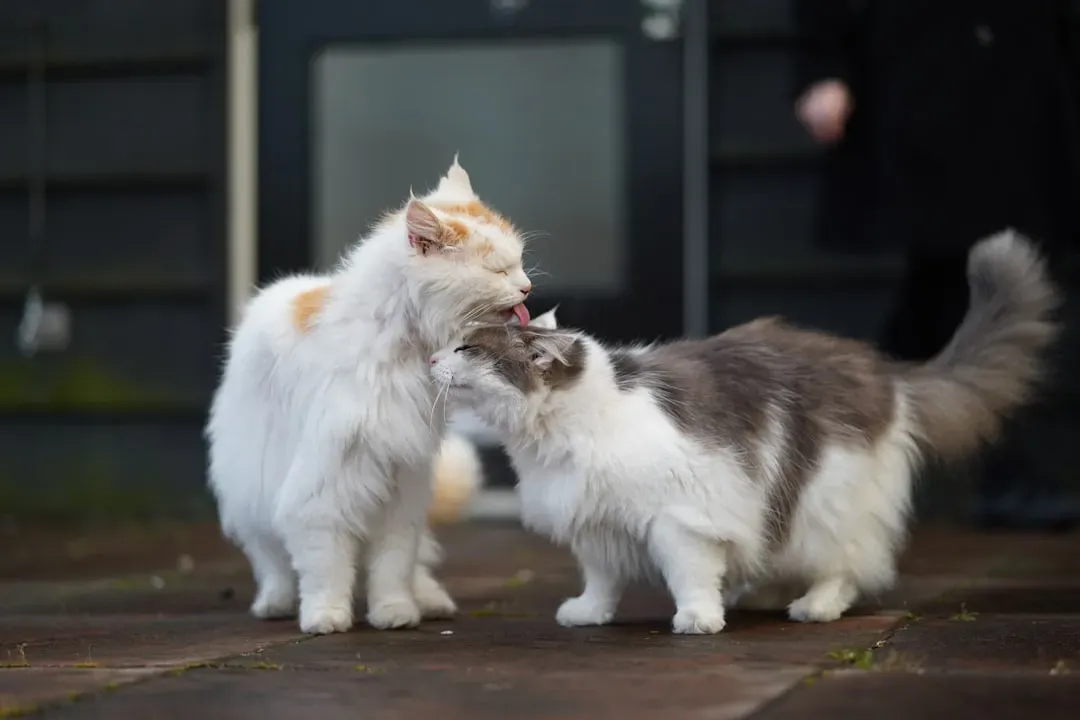
Single-cat owners might miss the incredibly nuanced language happening right under their noses. You’ve become an expert at spotting the tiniest ear flick, the slight narrowing of pupils, or that almost imperceptible tail twitch that signals someone’s about to get swatted. Communication among cats involves a mix of body language, vocalizations, and scent marking.
What’s wild is how much communication happens without any sound at all. Two cats can have an entire conversation just by positioning their bodies in certain ways or exchanging long, meaningful stares. You’ve learned that a slow blink can mean affection, while an unblinking stare might spell trouble. Blocking may be done subtly, for instance, with just a stare, or it may be more overt, with a growl or lunge. It’s like learning a whole new language, except your teachers are furry and refuse to explain themselves.
When Play Fighting Crosses Into Real Territory
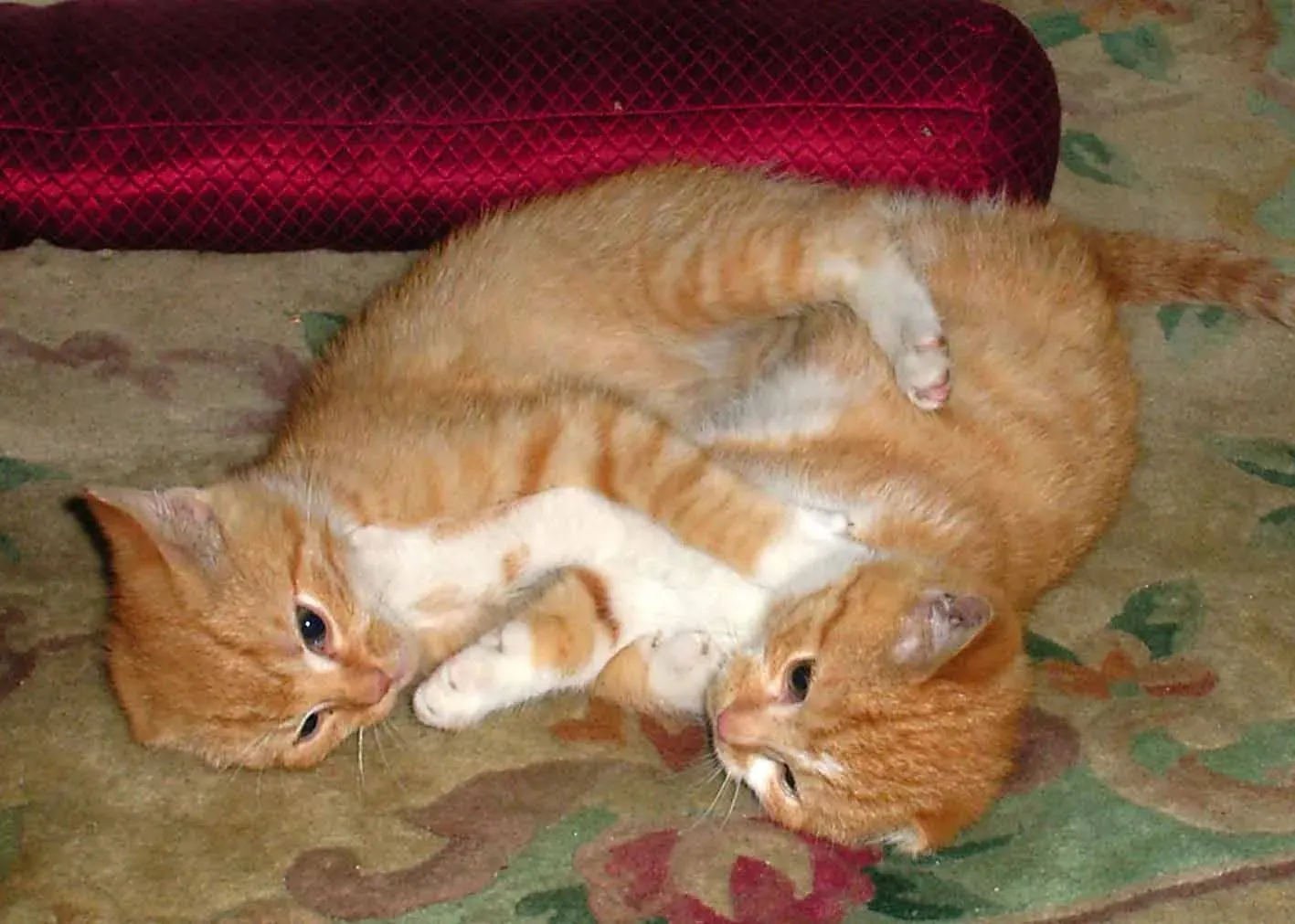
This might be the trickiest thing you’ve had to figure out. It’s common for kittens and young cats to engage in rough, active play because all feline play consists of mock aggression, with cats stalking, chasing, sneaking, pouncing, swatting, kicking, scratching, ambushing, attacking and biting each other all in good fun, and if they’re playing, it’s reciprocal.
Then there are moments when things shift. The ears go back flat instead of forward, the vocalizations change from playful chirps to genuine hisses, and suddenly you’re wondering if you need to intervene. During fighting, claws are extended and bites are less likely to be inhibited, and vocalizations such as hissing, growling and shrieking may be heard. You’ve probably developed your own system of distraction techniques, whether it’s rattling the treat bag or strategically deploying a favorite toy to redirect that energy.
The Invisible Boundaries That Divide Your House
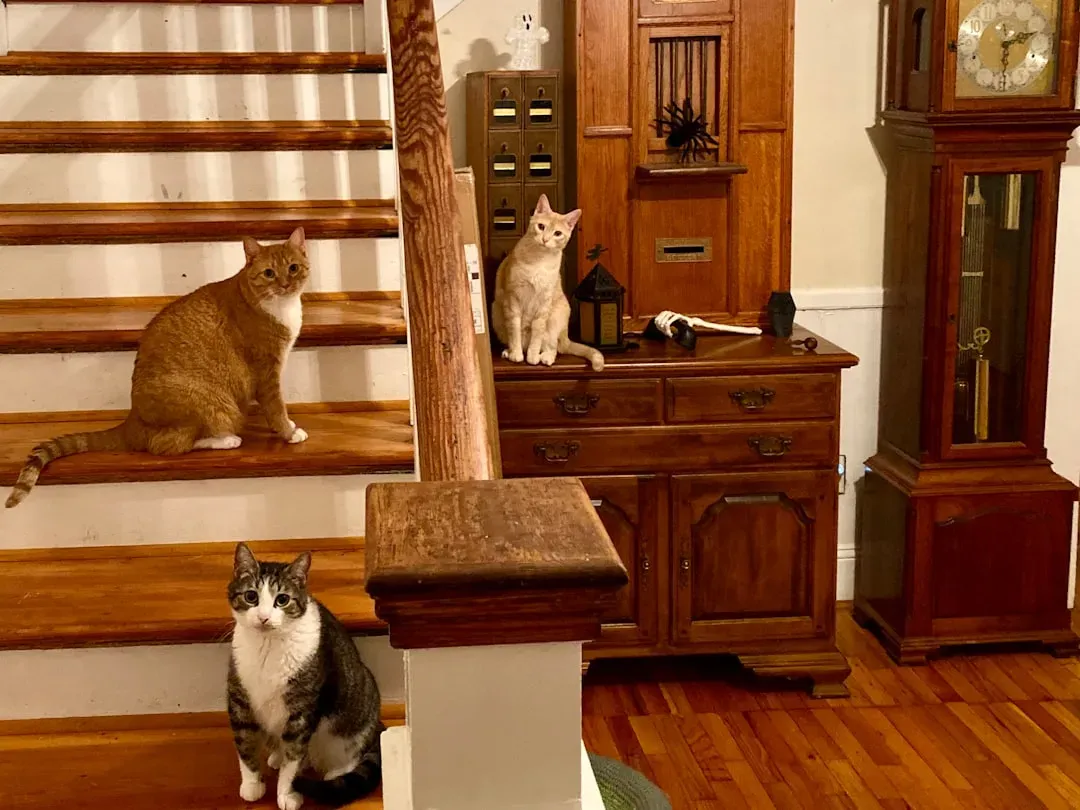
Each cat’s home environment comprises three areas: home range, territory, and core territory, and ideally, each social group should have its own core territory containing essential resources such as food and water stations, safe places, and play areas. You might think you own this house, but your cats have already carved it up into invisible territories you’re only beginning to understand.
One cat considers the upstairs bedroom their domain, while another has claimed the sunny spot by the living room window. Walk through your home and you’ll notice these patterns. Territory plays a significant role in group dynamics, with each cat needing its own space to feel secure. What’s interesting is that these boundaries can be flexible, with some cats sharing spaces at certain times of day while being more possessive at others. You’ve become a master at creating vertical spaces and multiple pathways so everyone can navigate without confrontation.
The Bonded Pairs Who Prove Cats Aren’t Always Solitary
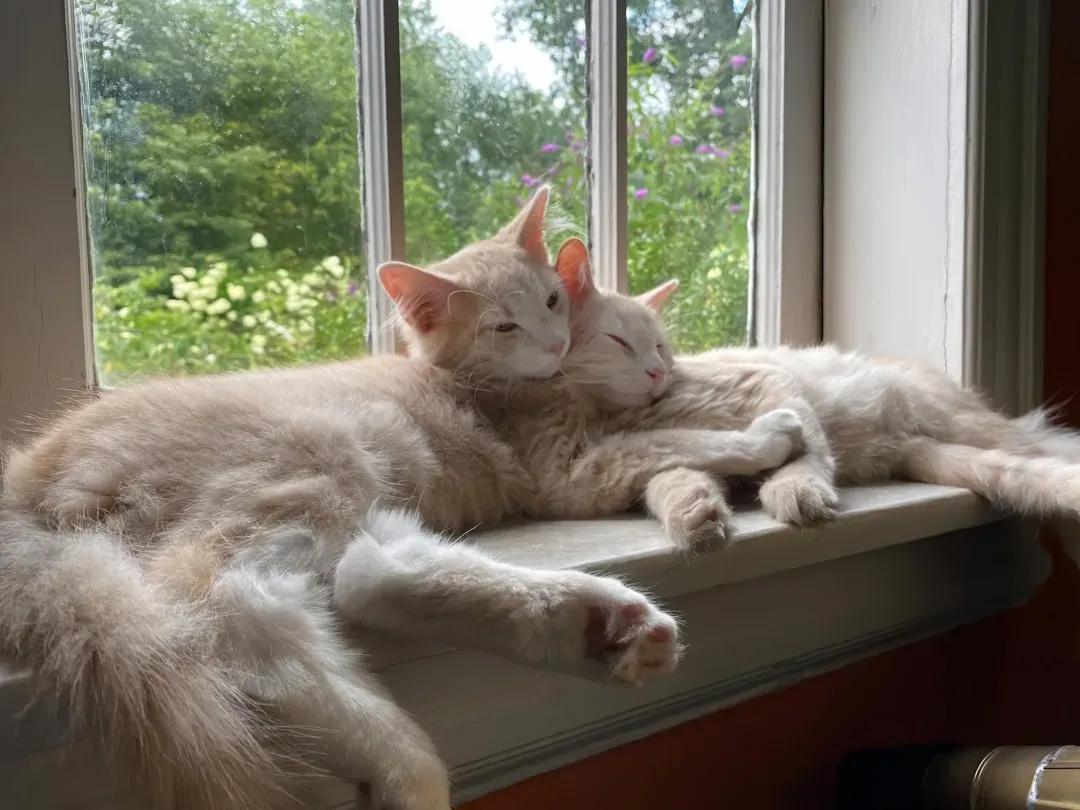
Despite everything you’ve heard about cats being loners, you’ve witnessed genuine friendship in action. Cats in a social group show affiliative behaviours such as mutual grooming, rubbing against one another, sleeping in close proximity, or playing together. When you see two cats curled up together, grooming each other’s heads, or playing tag through the house, it’s absolutely heartwarming.
Cats are capable of forming unique, long lasting, and close relationships with other cats. These bonds might develop between siblings, between cats introduced young, or sometimes between unlikely pairs who just clicked. You’ve probably taken countless photos of your bonded cats sleeping in adorable positions, knowing that these moments represent real feline friendship. Given the right circumstances and plentiful resources, cats can often co-exist peacefully with their own kind and some may even become good friends.
The Exhausting Reality of Reintroducing Feuding Felines
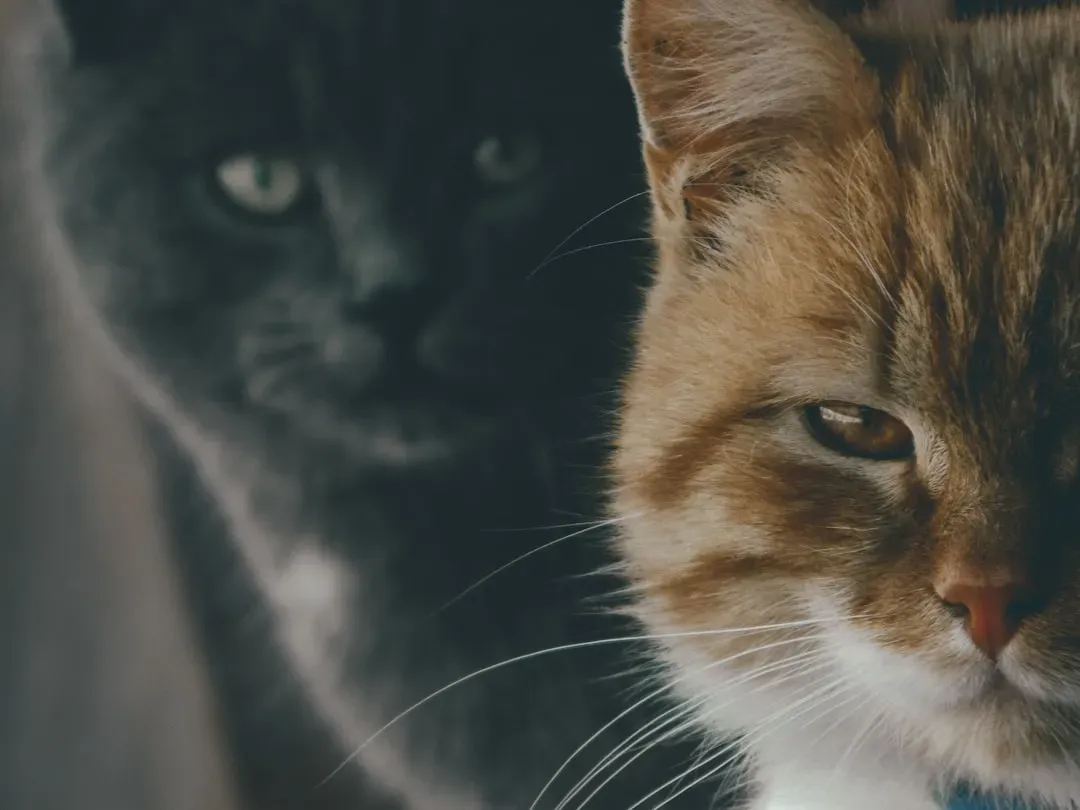
If you’ve ever had to separate cats and start from scratch, you know this is not for the faint of heart. Placing the cats’ food bowls on opposite sides of a closed door encourages them to be close together while doing something that makes them feel good, with each day having the cats switch rooms so they both experience variation and get access to each other’s scents.
The process requires patience that you didn’t know you possessed. You’ll spend weeks feeding them near closed doors, gradually cracking those doors open inch by inch, and celebrating tiny victories like two cats eating in the same room without hissing. Because cats are so territorial and don’t establish firm dominance hierarchies, they won’t be able to work things out as dogs sometimes do, and the more often cats fight, the worse the problem is likely to become. It’s hard to say for sure how long it’ll take, but when you finally see those cats coexisting peacefully again, you’ll feel like you’ve accomplished something truly remarkable.
Conclusion

Living with multiple cats means navigating a complex world of feline social dynamics that constantly keeps you on your toes. You’ve learned to read body language most people would miss entirely, you’ve mastered the art of resource distribution, and you’ve probably spent more time than you’d like to admit analyzing why two cats suddenly decided they can’t stand each other.
The reality is that multi-cat households require patience, observation, and a willingness to adapt your home to meet everyone’s needs. From understanding territorial disputes to celebrating genuine feline friendships, you’ve gained insights into cat behavior that single-cat owners simply don’t experience. The effort is exhausting sometimes, yet watching your cats navigate their relationships, form bonds, and occasionally drive each other crazy makes it all worthwhile.
What surprised you most about living with multiple cats? Have your feline friends taught you something completely unexpected about how cats really interact?
Kristina is a young writer from India. An arts graduate and an avid content creator, Kristina is passionate about animals and wildlife. She enjoys exploring topics related to pet care, animal behavior, conservation, and nature, combining thorough research with engaging storytelling.