Have you ever watched your feline friend batting around a crumpled piece of paper or pouncing on shadows across the floor and thought they were simply goofing off? Well, let’s be real, there’s so much more happening beneath the surface than meets the eye. What looks like random bursts of playful energy is actually your cat tapping into something deeply wired into their very being. Those moments when your kitty stalks a toy mouse or chases a feather wand aren’t just adorable antics to make you smile. They’re critical exercises that keep their mind sharp, their instincts alive, and their emotional health balanced.
Indoor cats may seem content lounging in sunny spots most of the day, yet their brains still crave the challenges their wild ancestors faced daily. Without opportunities to hunt, explore, and solve problems, your furry companion can become frustrated or even depressed. So let’s dive in and discover why your cat’s playtime is far more important than you might have imagined.
The Hidden Purpose Behind Every Pounce
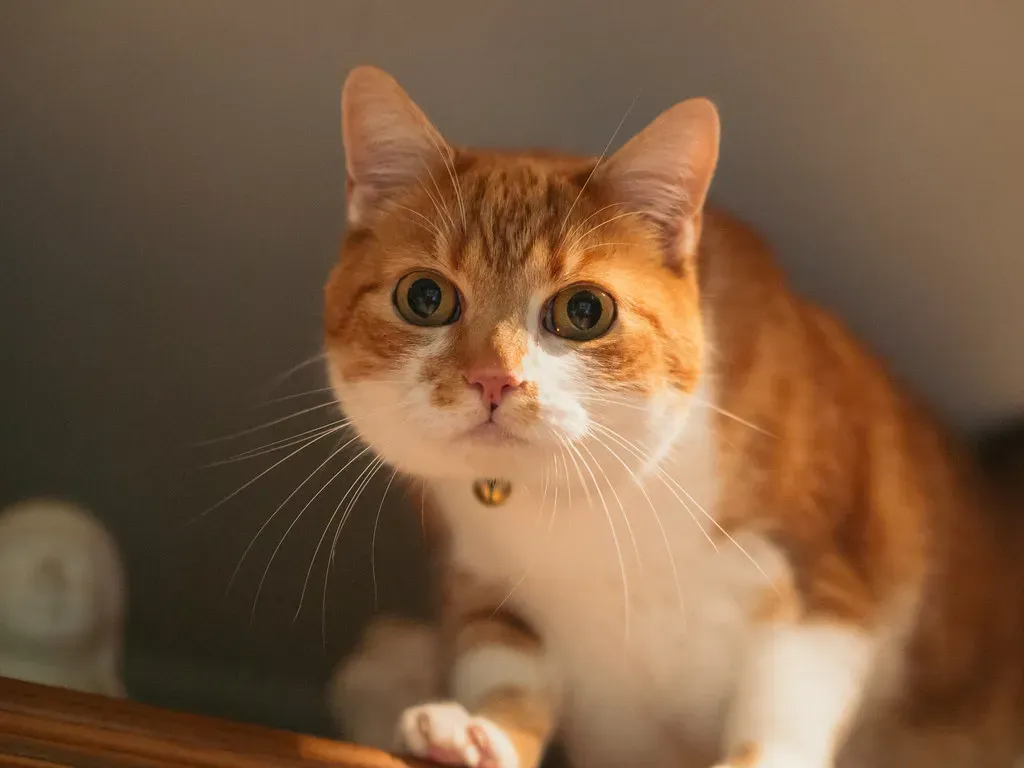
Your cat is a natural hunter and explorer, and even indoor cats benefit from activities that allow them to practice stalking, pouncing, and manipulating objects because these behaviors satisfy instinctual drives while promoting mental engagement. Think about it this way: when your cat crouches low, eyes locked on a target, they’re not just acting silly. They’re rehearsing the exact hunting sequence their ancestors perfected over thousands of years.
Hunting is often a learned behavior first taught by their mother and then reinforced through playing with littermates, and studies have shown that kittens who observed their mothers hunt become better hunters than those who didn’t. Yet even without that maternal guidance, most cats instinctively figure it out. Every swat, every leap, every calculated stalk feeds something primal within them that simply cannot be ignored.
Why Mental Stimulation Isn’t Optional for Your Cat
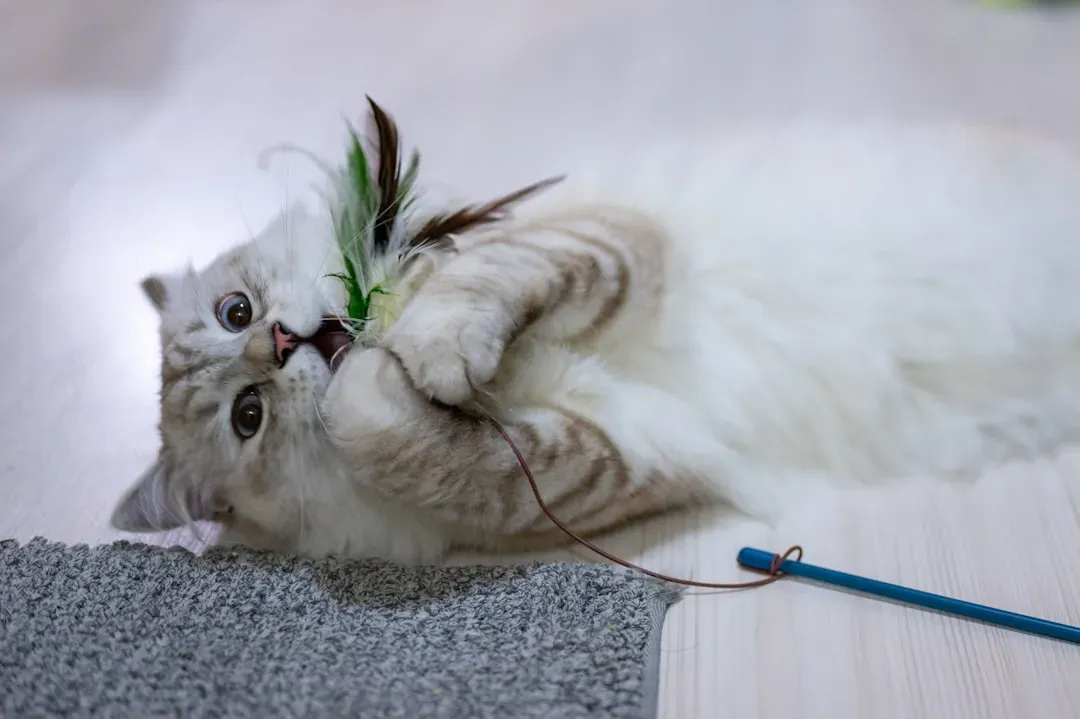
Mental stimulation for cats isn’t a nice-to-have; it’s a necessity that supports their overall health and well-being. Honestly, I think we often underestimate just how intelligent and curious our cats truly are. Indoor cats’ brains are still hardwired for exploration and problem-solving, and without that stimulation, boredom can lead to stress, destructive behaviors, health issues, and even depression.
Your cat’s mind needs challenges just like their body needs movement. When you provide puzzle feeders, interactive toys, or simple games, you’re not spoiling them with extras. You’re meeting a fundamental need that directly impacts how happy and balanced they feel day to day.
When Play Becomes More Than Just Entertainment
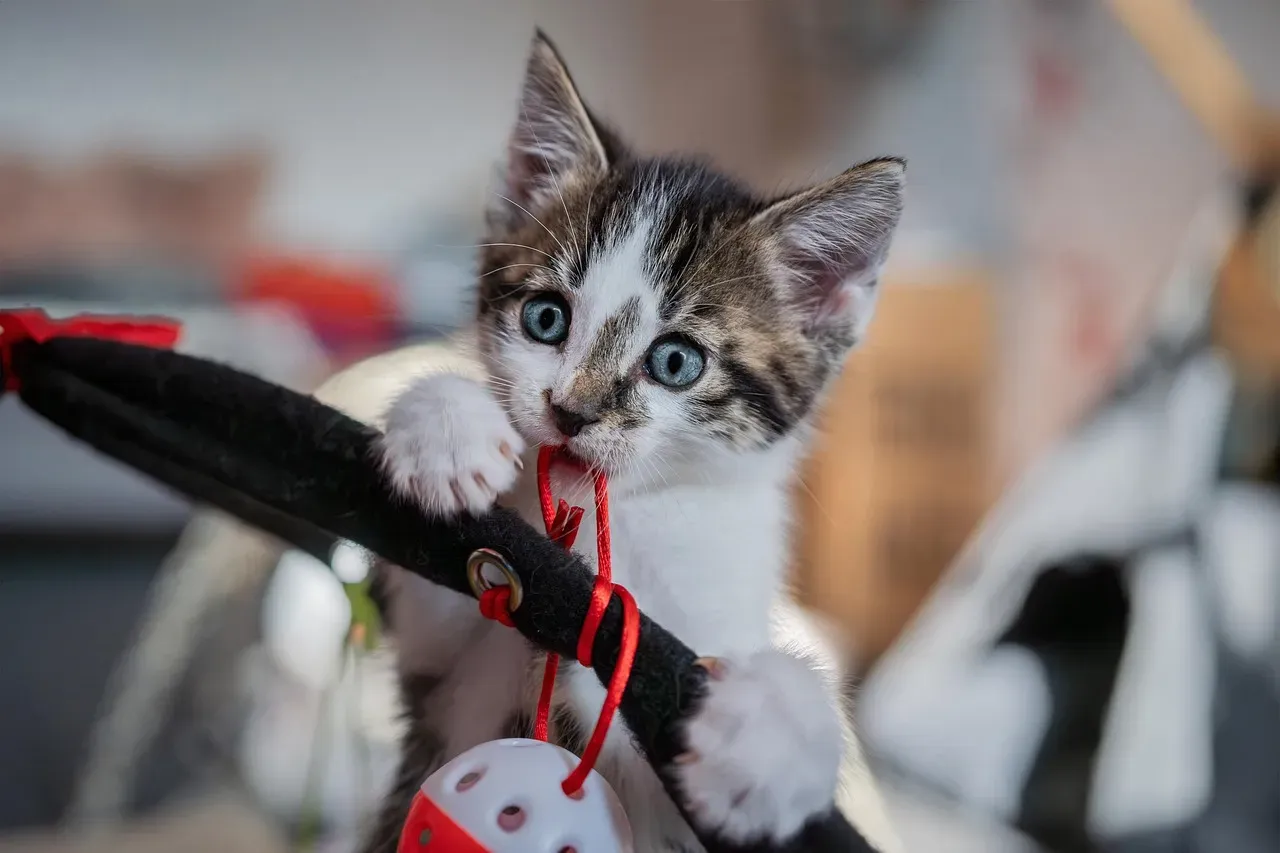
Games that mimic hunting, stalking, and pouncing satisfy your cat’s primal needs, giving them a positive outlet for their natural behaviors. Picture this: your cat batting at a feather toy isn’t merely killing time. They’re engaging the same neural pathways that wild cats use to survive in nature. Structured play sessions that mimic hunting sequences – stalking, pouncing, and capturing prey – provide both cognitive and physical benefits, and these sessions can be adjusted for age, ability, and energy level.
What’s fascinating is how this kind of engagement actually strengthens the bond between you and your cat. It’s hard to say for sure, but I believe cats feel more secure and content when they have regular opportunities to express these instincts with someone they trust.
The Serious Consequences of Cat Boredom
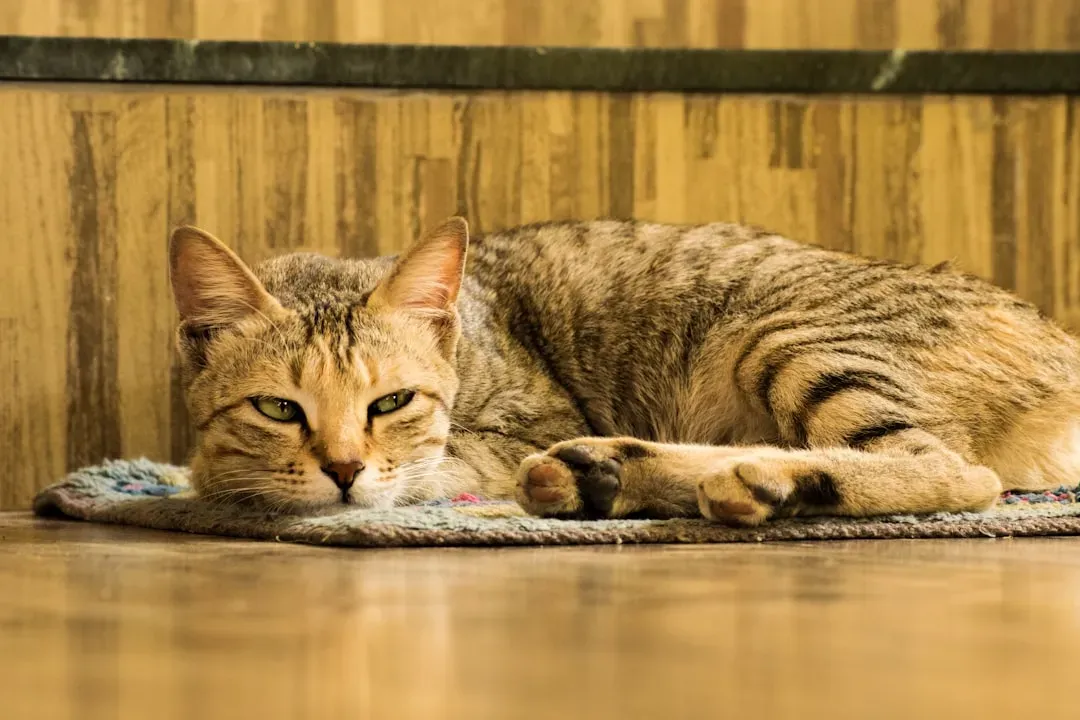
Let’s talk about what happens when your cat doesn’t get enough mental stimulation. Boredom can manifest as excessive vocalization, scratching furniture, over-grooming, or sleeping excessively. Some cats even develop aggression toward other pets or people simply because they’re frustrated and have no healthy outlet for their energy. Indoor cats without enrichment may become inactive, leading to weight gain and related health problems such as obesity and diabetes.
Here’s the thing: your cat isn’t acting out to spite you. They’re desperately trying to create their own stimulation in whatever way they can. Sometimes that means knocking things off counters or attacking your ankles when you walk by. These behaviors aren’t character flaws – they’re cries for help.
Puzzle Feeders Transform Mealtime Into Brain Training
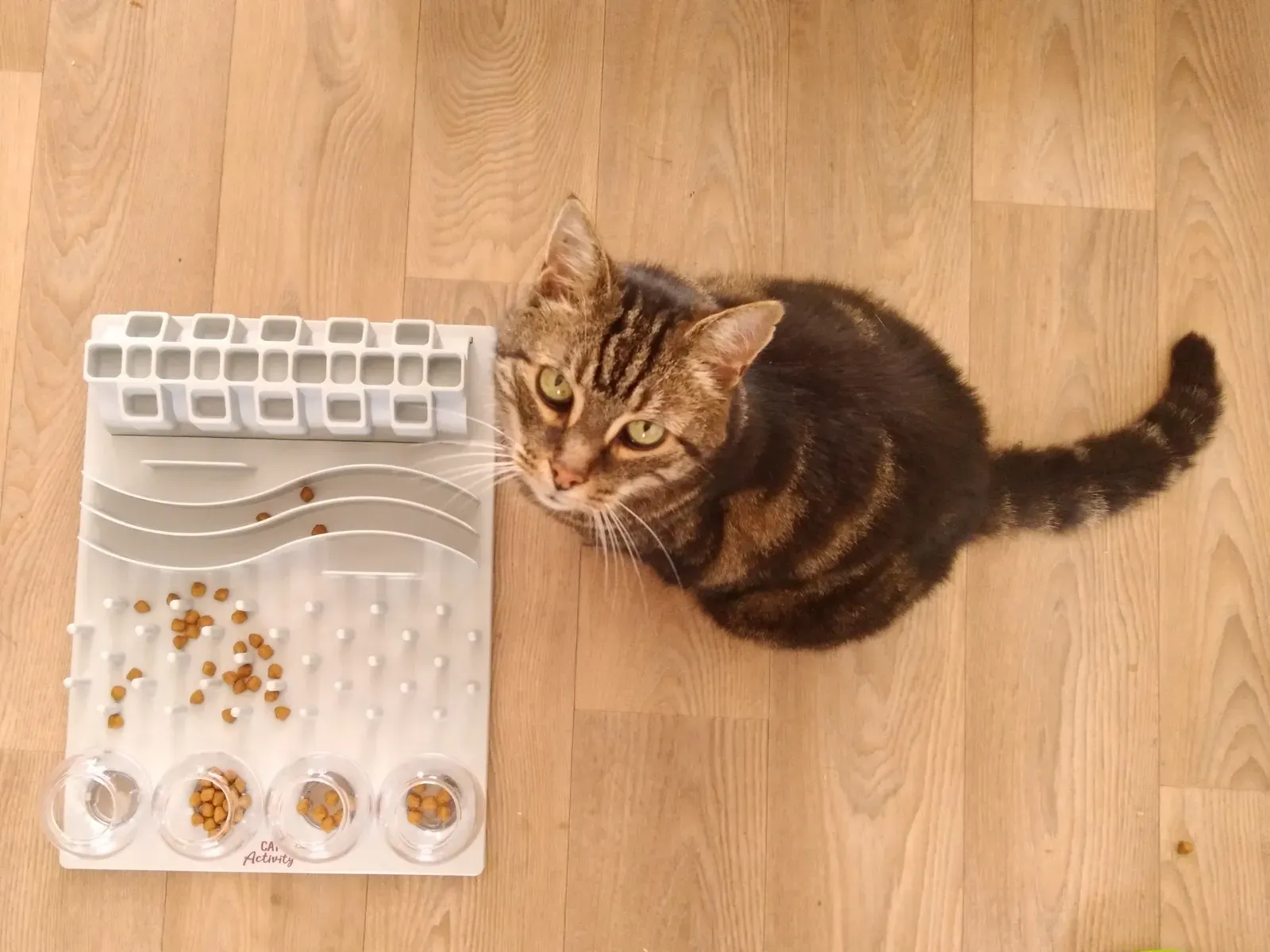
Using a food puzzle helps mimic the natural way your cat would eat in the wild, and getting a meal on their own requires mental and physical stimulation that puzzle feeders bring back to mealtime. Think about it: in nature, cats don’t have food magically appear in bowls. They have to work for every single bite. Research has observed a variety of benefits from using puzzle feeders with cats, including weight loss, decreased aggression toward humans and other cats, and reduced anxiety and fear.
You can start with something as simple as an egg-shaped ball that dispenses kibble or a homemade puzzle made from a cardboard box with holes cut in it. Your cat will need to figure out how to manipulate the puzzle to reach their reward, which keeps their mind active while they eat.
Interactive Toys Are Exercise for the Brain
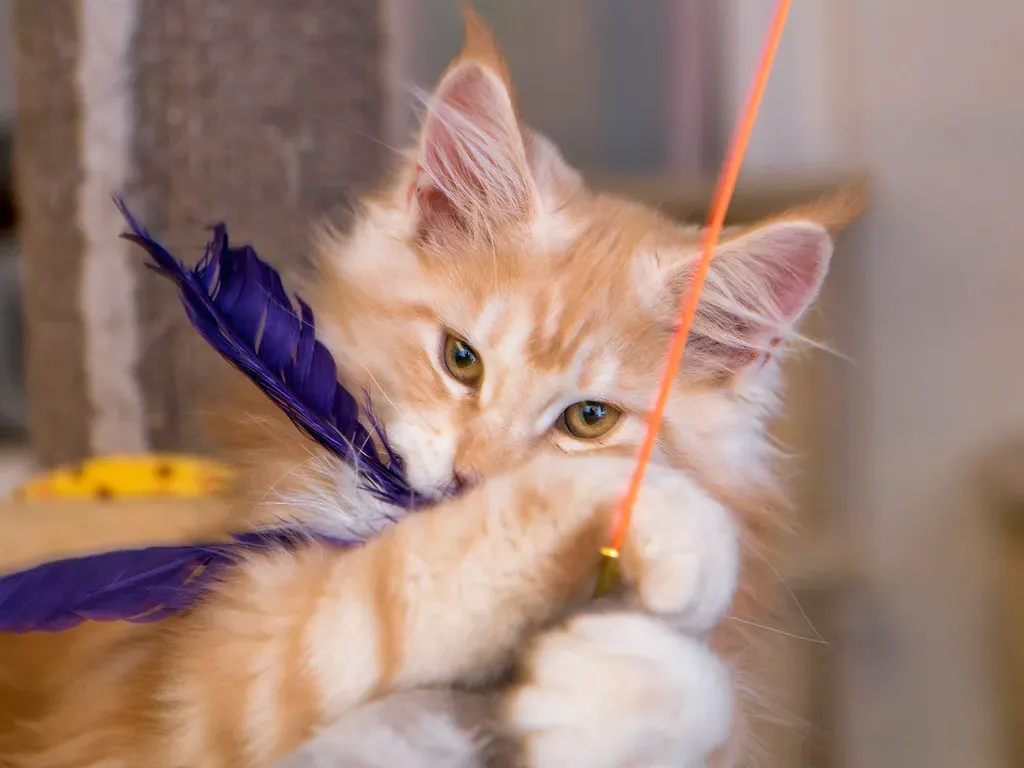
Interactive cat toys promote mental sharpness by providing fun and challenging activities that engage a cat’s mind, and toys that require thought and problem-solving help keep a cat’s brain active and sharp. Wand toys with feathers or strings allow your cat to practice their stalking and pouncing skills in a safe environment. Even laser pointers, though controversial, can provide intense mental engagement if used correctly and followed up with a tangible toy your cat can “catch.”
The mental stimulation provided by interactive toys is significant for a cat’s cognitive development, and engaging in problem-solving activities can help sharpen a cat’s mind and improve their overall intelligence. Variety matters too – rotating different toys keeps things fresh and prevents your cat from losing interest. What excited them last week might bore them today, so mixing things up is key.
The Power of Simple Environmental Enrichment
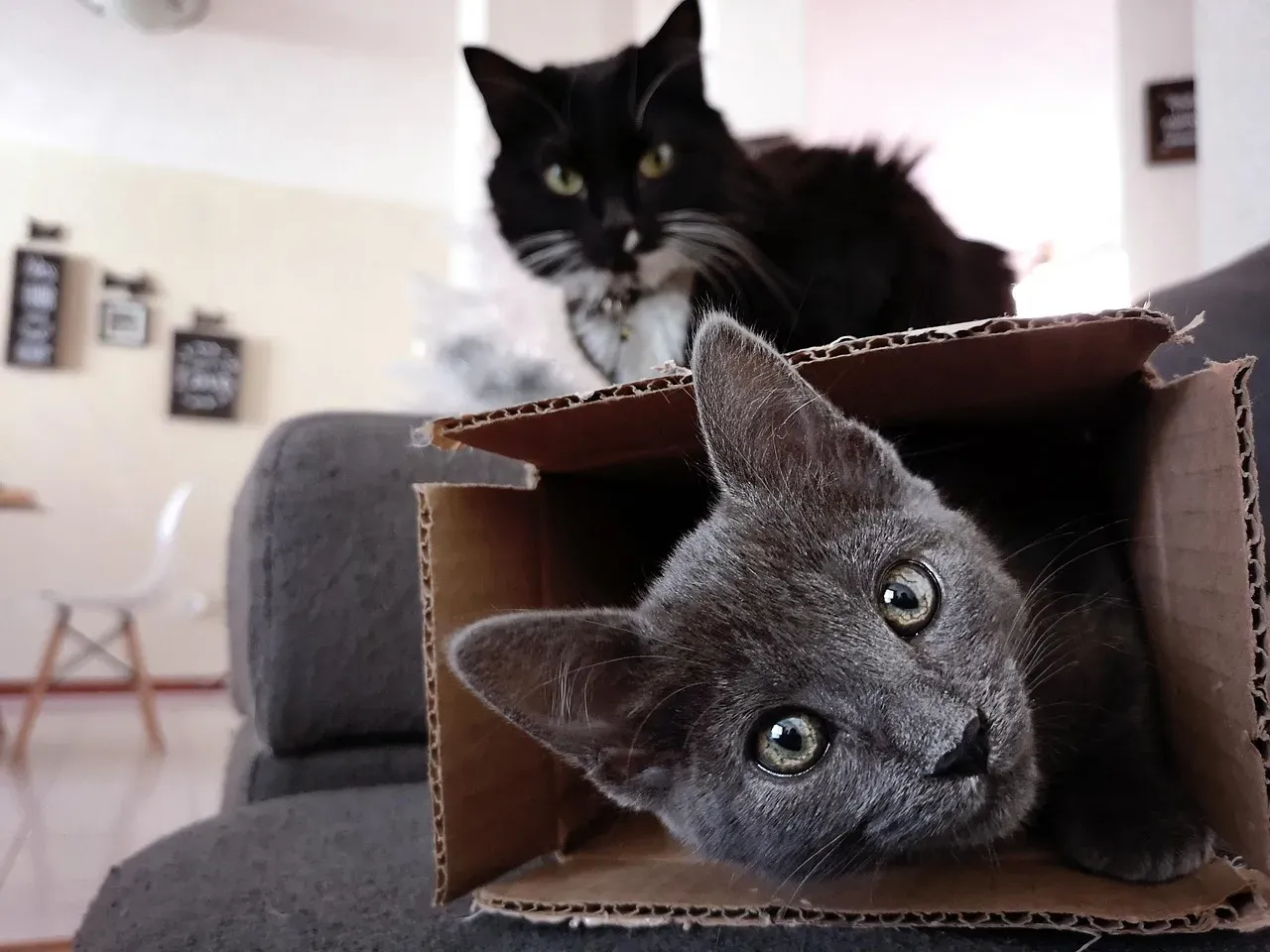
You don’t need to spend a fortune to keep your cat mentally stimulated. Providing cat mental stimulation doesn’t have to involve a special trip to the pet shop; a cardboard box will provide hours of fun, and even a paper ball can provide entertainment for an entire afternoon. Sometimes the simplest solutions are the most effective.
Creating vertical spaces with cat trees, wall shelves, or cleared furniture encourages climbing and exploration, and providing cozy hiding spots gives your cat a sense of security and a place to retreat. Access to windows where your cat can watch birds or passing pedestrians also offers valuable stimulation. These small adjustments to your home environment can make a massive difference in your cat’s daily happiness.
Recognizing the Signs Your Cat Needs More Stimulation
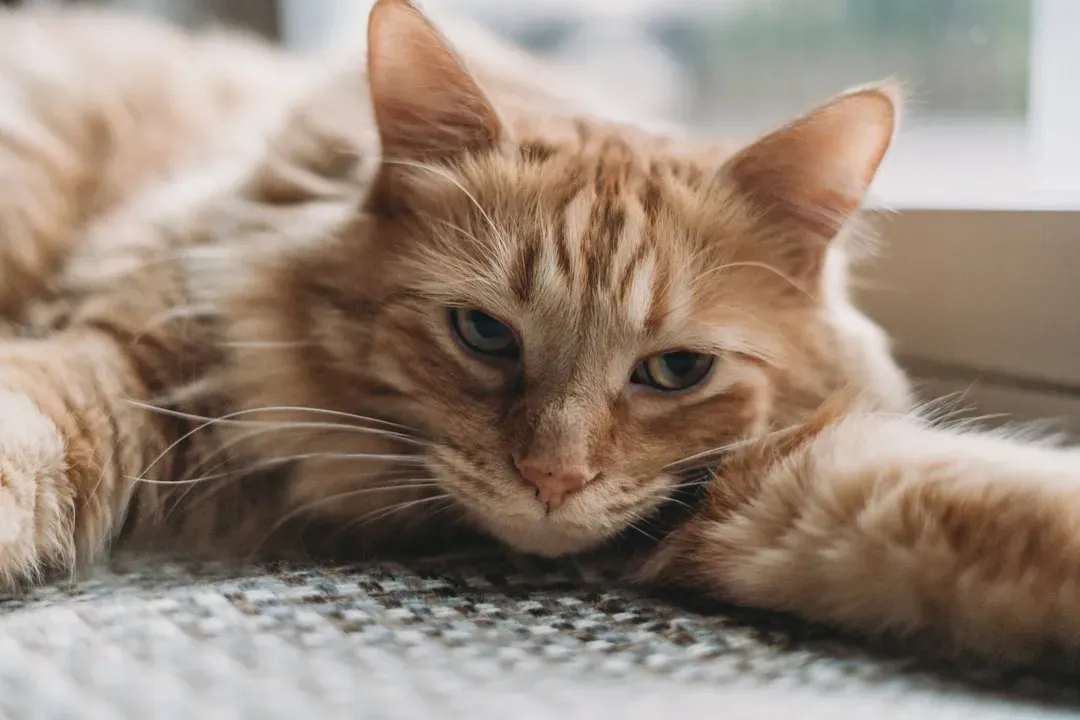
How do you know if your cat is bored and craving more mental activity? Bored cats may constantly lick and clean themselves to the point of creating bald patches or skin irritation, and cats often resort to this excessive grooming to self-soothe when they are understimulated. Other signs include sudden destructive behavior like clawing furniture, changes in eating habits, or becoming clingy and demanding constant attention.
While it’s normal for cats to sleep for extended periods, excessive sleep can be a sign of boredom, as cats sleep to pass the time when they lack stimulation. If your once-playful cat now seems lethargic or disinterested in toys they used to love, that’s a red flag. Pay attention to these behavioral shifts – they’re telling you something important.
Making Mental Stimulation Part of Your Daily Routine
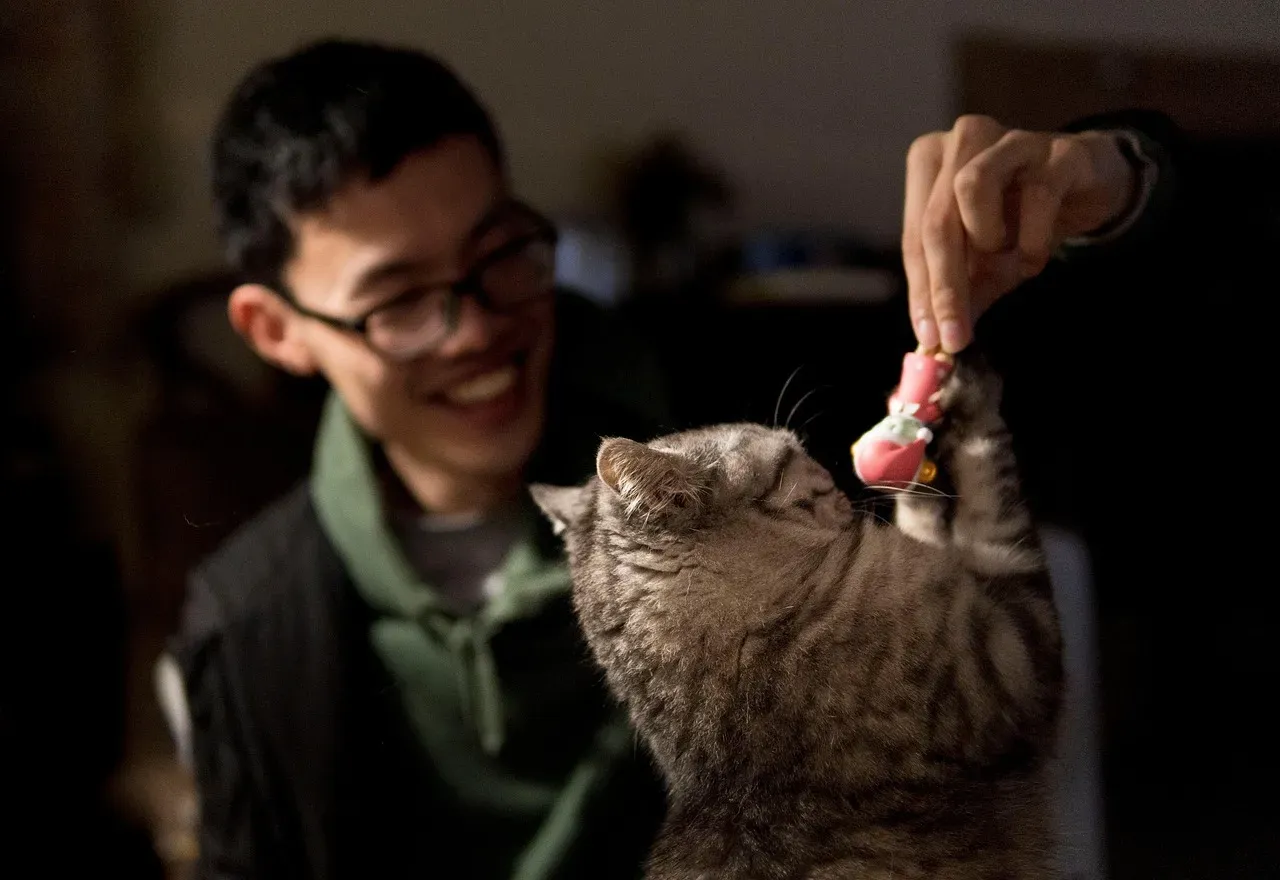
Short, frequent sessions throughout the day are often more effective than a single long play period. Even just ten or fifteen minutes of focused interactive play two or three times daily can dramatically improve your cat’s mental state. Try scheduling play sessions before meals, as this mimics the natural hunt-eat-groom-sleep cycle cats follow in the wild.
Consistency is key, so incorporate short, varied enrichment sessions throughout the day rather than one long period, and use feeding times as an opportunity for puzzle-solving to combine mental and nutritional benefits. You might hide treats around the house for your cat to “hunt,” or set up a cardboard box obstacle course. The possibilities are endless once you start thinking creatively about your cat’s natural instincts and how to satisfy them.
Building a Happier, Healthier Life for Your Cat

Mental stimulation will keep cats alert and happy while improving their health both physically and mentally. When you invest time and creativity into providing these opportunities, you’re not just preventing problem behaviors. You’re actively contributing to your cat’s quality of life in profound ways. Regular mental activity encourages problem-solving, builds confidence, and strengthens the bond between you and your kitty.
The beautiful thing about enriching your cat’s environment is that it benefits you too. Watching your cat successfully solve a puzzle or nail that perfect pounce brings joy and deepens your connection with them. It transforms you from a food dispenser into a genuine companion who understands and respects their needs. So the next time you see your cat batting around a toy or staring intently at a puzzle feeder, remember: they’re not just playing. They’re exercising their mind, honoring their instincts, and living their best possible life. What’s one new enrichment activity you could introduce today?
Kristina is a young writer from India. An arts graduate and an avid content creator, Kristina is passionate about animals and wildlife. She enjoys exploring topics related to pet care, animal behavior, conservation, and nature, combining thorough research with engaging storytelling.