Most people picture their cat staring blankly at a wall, completely checked out from reality, and assume those little furry brains are basically on standby mode. It’s a wildly common misconception. Honestly, if you’ve ever had a cat “ignore” you while clearly knowing you’re there, you’ve already witnessed something remarkable – a mind that chooses, rather than forgets.
What scientists are uncovering about feline memory in recent years is nothing short of astonishing. From episodic recall that rivals dogs to long-term emotional memory that can span an entire lifetime, your cat’s inner world is far richer than you ever imagined. Be surprised by what the research actually tells us.
Your Cat’s Brain Has More Going On Than You Think
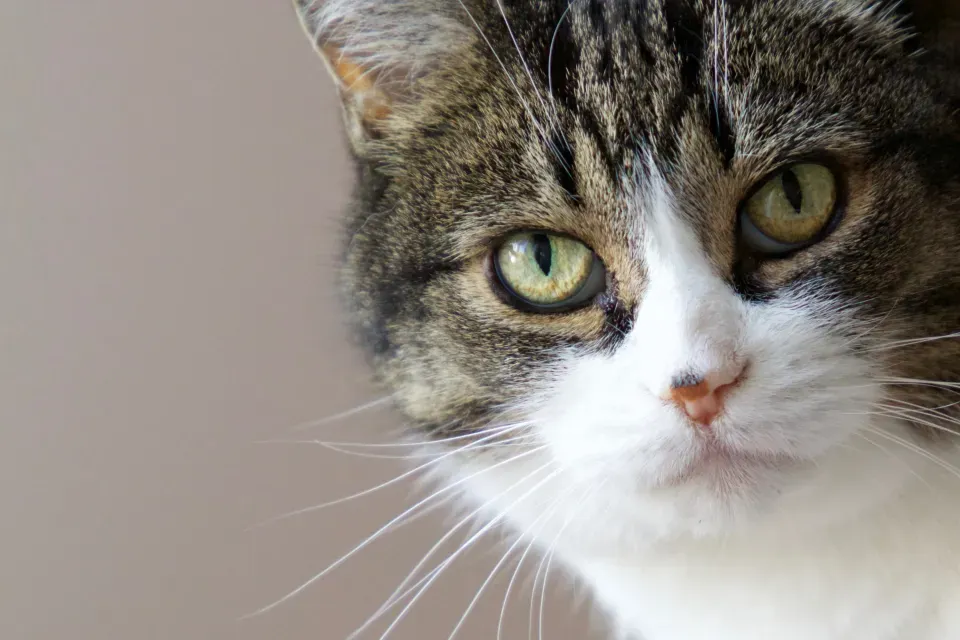
Let’s be real – cats have a reputation for being aloof and indifferent, and that reputation has unfairly spilled over into assumptions about their intelligence. But here’s the thing: cats display neuroplasticity, meaning their brains can reorganize based on experience, and they have well-developed memory that can retain information for a decade or longer. That’s not a pet rumor. That’s neuroscience.
Studies show that like dogs and humans, cats possess short-term and long-term memory, as well as spatial memory. The feline brain, just like yours, relies on the hippocampus – the brain’s memory hub – to encode, store, and retrieve experiences. Think of it as a biological hard drive that is constantly recording, whether you notice it or not.
Short-Term Memory: Smarter Than a 60-Second Blink
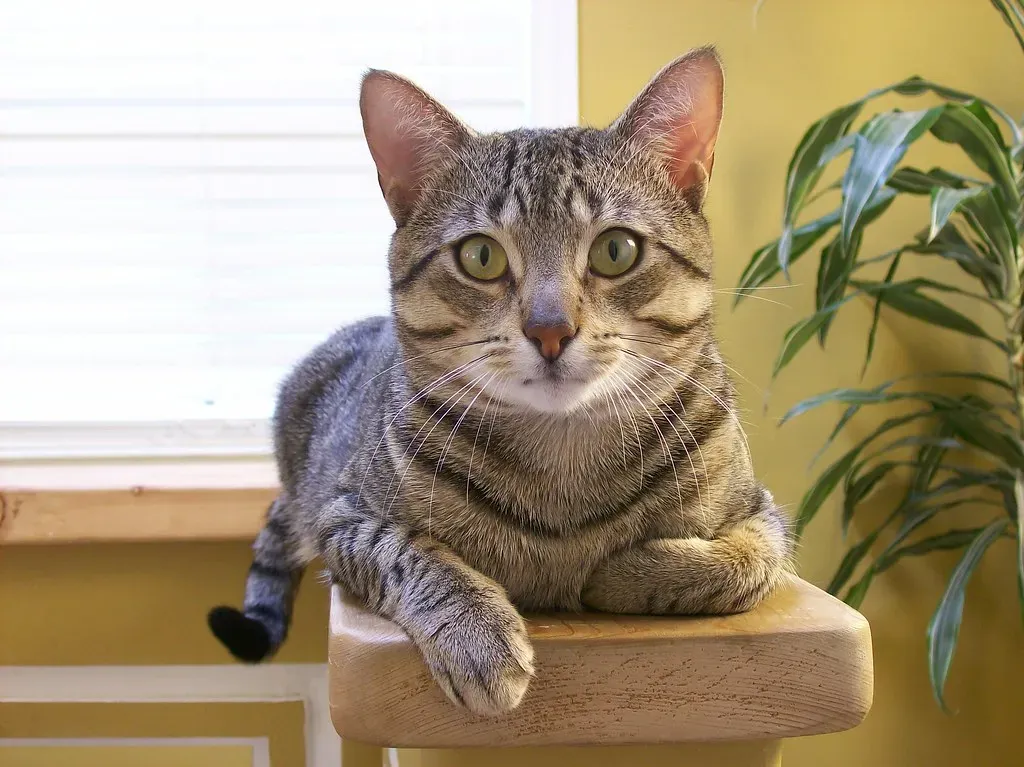
You might assume your cat forgets where you put its favorite toy the moment you look away. The truth is more nuanced. Cats’ short-term, or working, memory helps them with tasks such as hunting for food and locating hidden objects, though a 2006 study suggests their ability to find those objects decreases with time. It’s a bit like how you remember a phone number just long enough to dial it.
However, when food is involved – and with cats, food is almost always involved – things get far more impressive. In later studies involving leg movements and avoiding obstacles, some cats’ short-term memories lasted more than 24 hours, and repetition during experiments was proven to trigger even longer-lasting memories in the cats tested. Repetition essentially cements the memory, which is something any good trainer already knows intuitively.
Episodic Memory: Yes, Your Cat Remembers “What” and “Where”
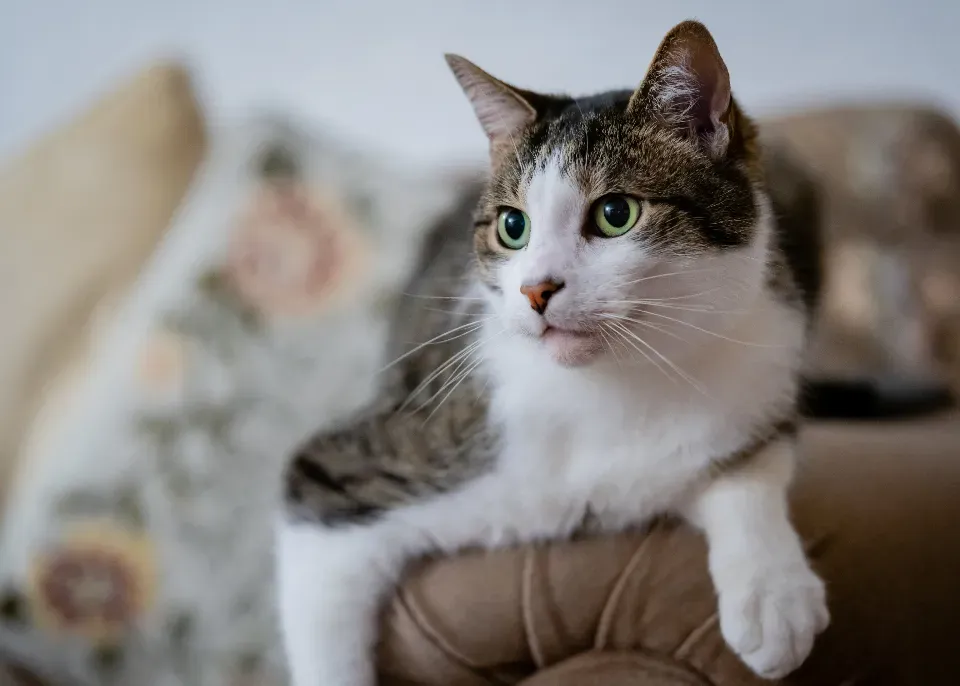
This is where things get genuinely exciting. Episodic memory – the ability to recall specific events with contextual detail – was once considered uniquely human. That idea is now being seriously challenged. Episodic memory is a form of long-term memory where cats remember specific events in detail, allowing them to recall both the “what” and the “where” when investigating scenarios, especially surrounding food.
A landmark study confirmed this in a striking way. A team of researchers affiliated with several institutions in Japan found that cats are able to remember events in a way observed in both humans and dogs, publishing their findings in the journal Behavioral Processes. The researchers reported that cats were able to recall the details of when and where, suggesting that much like dogs, they are able to access memories of events and at least some of the details surrounding them. That is not a trivial finding.
Emotional Memory: The Strongest Memories of All
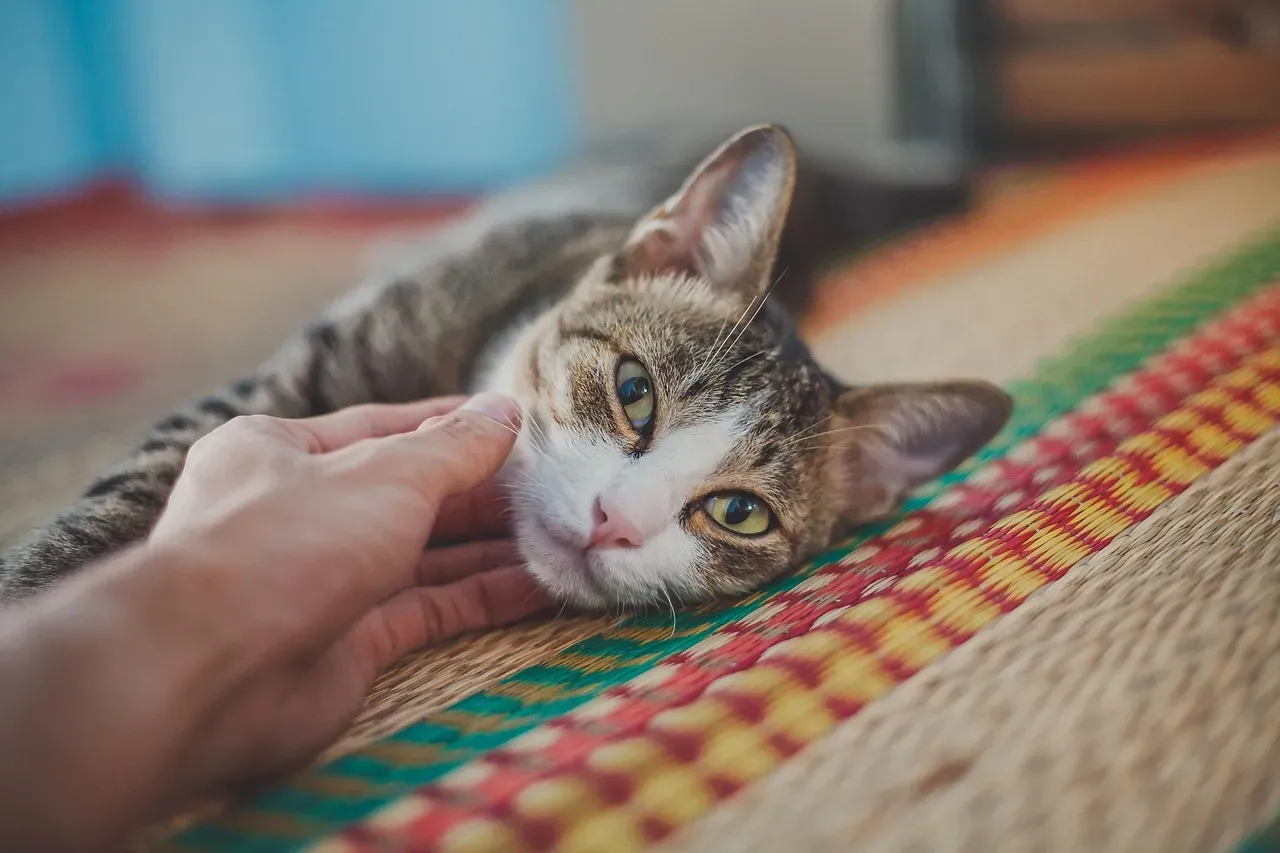
Here is something that might give you pause if you’ve ever had a rough moment with your cat. Research shows that a cat’s memory is most acute when attached to a strong emotion, for example their love for a favorite human or a favorite food. This is remarkably similar to how human memory works – we all remember experiences tied to intense emotions far more vividly than mundane ones.
Cats have memories of both good and bad times, often formed using scent and associative memory. There are two types of associative memory, episodic and semantic, and cats are known to have episodic memory, which aids them in remembering things like meeting their new family after adoption or recalling events from a previous traumatic experience. If your rescued cat seems wary of certain gestures or sounds, there’s a very real chance something buried deep in their emotional memory is responsible for that reaction.
Long-Term Memory: A Lifetime of Stored Experience
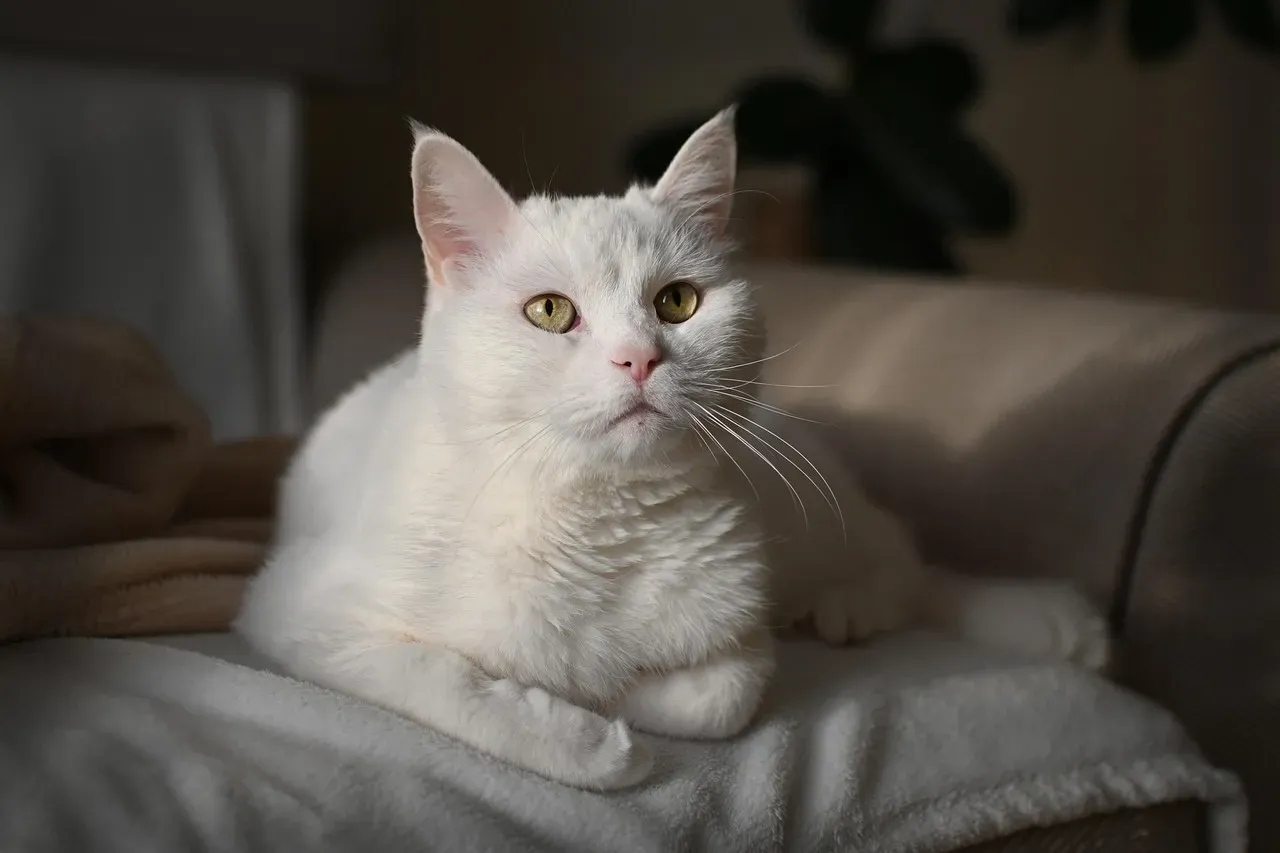
I think the most underestimated aspect of feline memory is its sheer duration. People assume cats operate mostly in the present, but the science tells a far more layered story. Cats possess impressive long-term memory capabilities, retaining recollections of events and locations for a decade or longer, and these memories are often intertwined with emotions, allowing cats to recall both positive and negative experiences associated with specific places.
The vast majority of dogs and cats were reported to remember past events, and both species reportedly remembered single-occurrence events that happened years ago. A survey of 375 pet owners found that in both studies, cats and dogs were reported to remember a variety of events, with only 20% of owners reporting that their pet had never remembered an event, and the reported events were often temporally specific and were remembered when commonalities, particularly location, occurred between the current environment and the remembered event. That is location-triggered recall – the same mechanism that happens to you when you revisit a childhood home and memories flood back unexpectedly.
How Cats Recognize You: The Multi-Sensory Memory System
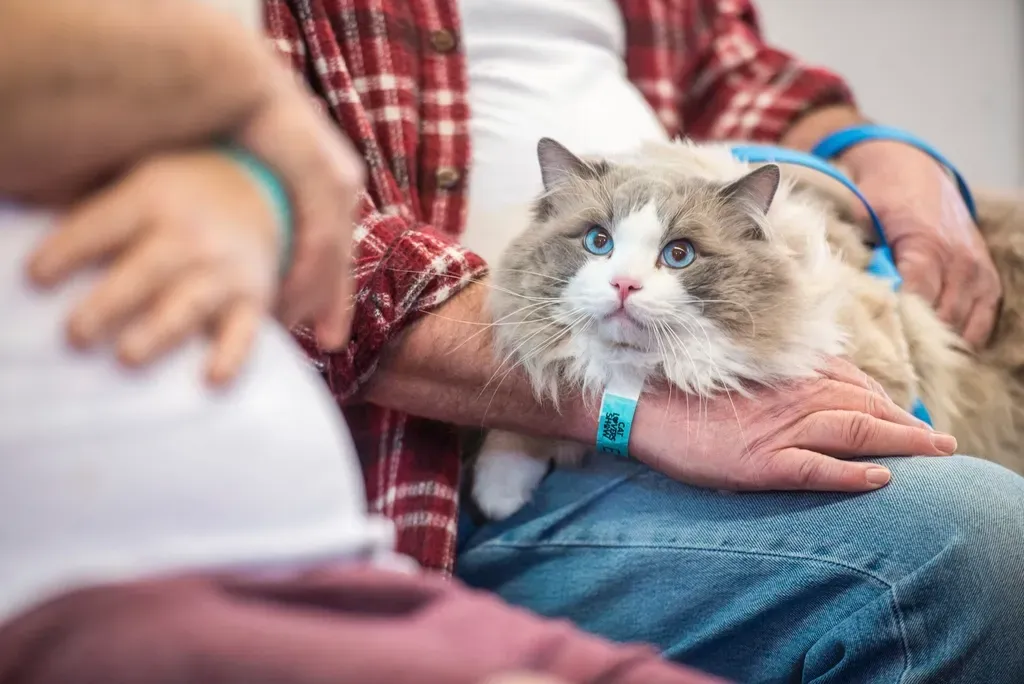
You might wonder whether your cat truly recognizes you, or just tolerates whoever fills the food bowl. Research has an answer, and it’s a reassuring one. While cats may not recognize their owners’ facial features, they remain attuned to other sensory cues such as voice, scent, and sound, and these cues allow them to recognize their owners quite easily. Think of it less like a face scan and more like a full-body signature.
With cats, their long-term memory is better than their short-term memory, and it is in long-term memory that they store information about their owners over a long period of time. It is very important to create positive memories with your cat, as this will influence their response to you, and it is certain that your cat will never forget you if you have a strong bond and healthy relationship with them. The connection goes deeper than convenience – it is genuinely stored in their long-term memory architecture.
Kittens, Mothers, and Memory Formed at Birth
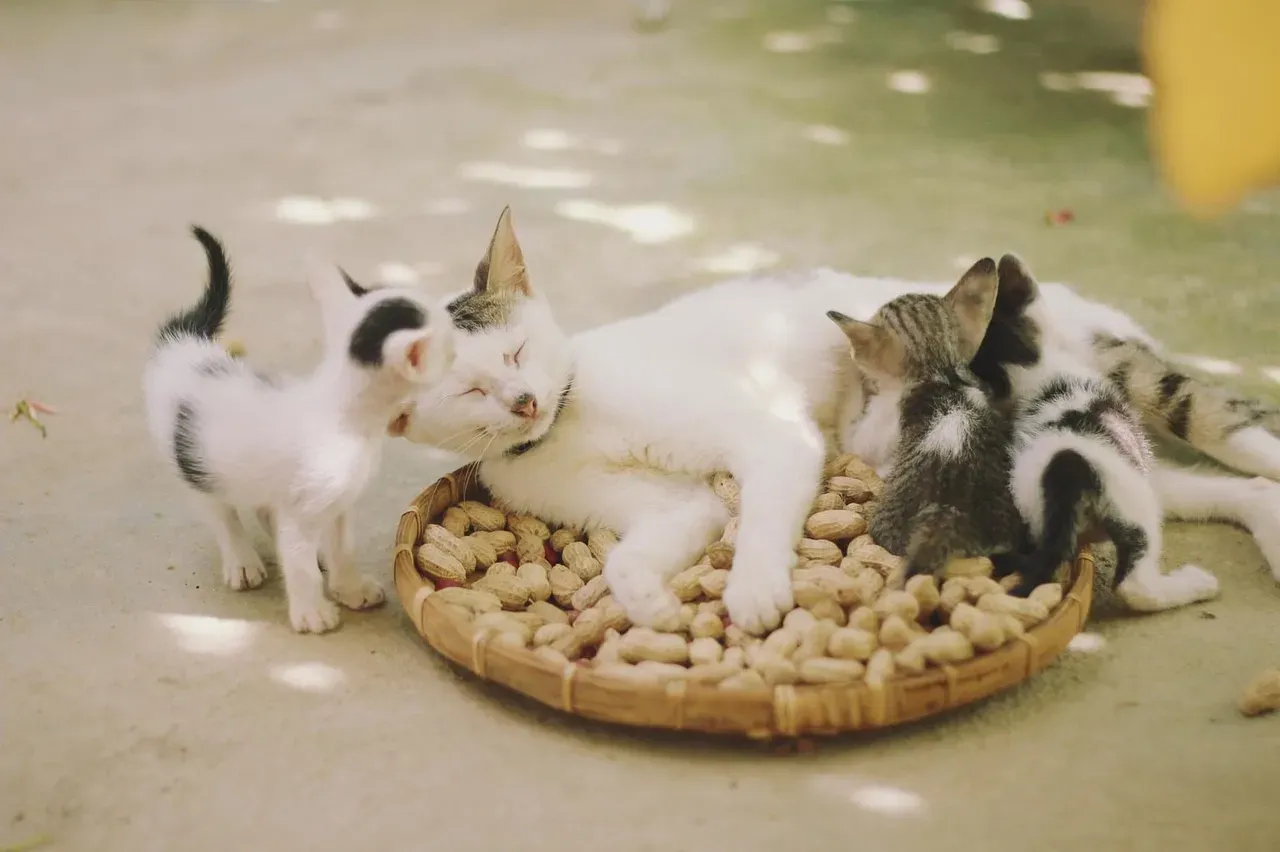
There’s something deeply moving about the earliest memories a cat forms. Science has documented just how early and how powerfully those first impressions take hold. A 2016 study of female cats and their litters revealed that kittens remember their mother’s vocalizations, showing a response upon hearing their mom’s chirping and meowing but not when they heard those sounds from an unfamiliar cat, and it is thought that cats remember their littermates for up to two years through their scent and from the bond that was made during kittenhood.
Kittens learn essential survival skills by observing their mothers, while adult cats refine their abilities through trial and error. This early observational learning is not just behavioral. It is deeply encoded in memory, shaping how that cat responds to the world for the rest of its life. The kitten who watched its mother hunt is still carrying that blueprint, years later.
When Memory Fades: Cognitive Decline in Aging Cats

Not all of the news about cat memory is uplifting. As cats age, their brains face real challenges, and recent research has made the parallels with human Alzheimer’s disease genuinely impossible to ignore. Cats can naturally develop dementia with brain changes strikingly similar to Alzheimer’s disease in humans, including toxic amyloid-beta buildup and loss of synapses, and a new study shows these similarities could make cats valuable natural models for research, potentially leading to treatments that benefit both species.
According to veterinary research, roughly 28% of cats between 11 and 14 years old develop at least one cognitive dysfunction syndrome-related behavioral concern, rising to 50% of cats over 15 years old. Stress and inflammation have also been shown to lead to lower measures of cognitive ability in cats, with the team finding that stress and increased levels of the inflammatory marker IL-1β predicted reduced social referencing, particularly in older cats. It’s a sobering reminder that your senior cat’s behavior changes may be more than just personality.
What You Can Do to Support Your Cat’s Memory Health
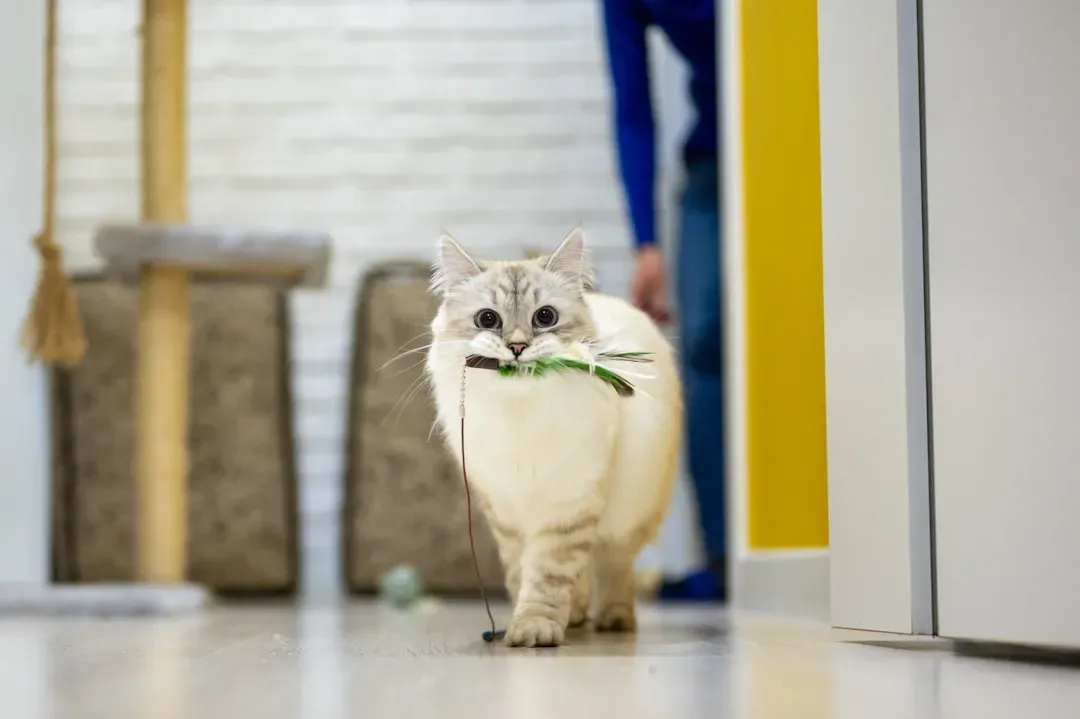
Here’s the genuinely practical part of all this research – and it matters more than most cat owners realize. You can help your senior cat maintain good cognitive health by providing a balanced diet and regular exercise, engaging their mind with interactive toys and puzzles, and keeping their environment calm and consistent to reduce stress. These are not just feel-good suggestions. They are science-backed interventions.
Cat food rich in antioxidants such as vitamin E may help slow the age-related changes that occur in the brain by fighting free radical damage, and fish oils, a source of anti-inflammatory omega-3 fatty acids EPA and DHA, are also believed to have a positive impact on brain health in cats. Interestingly, research shows that cats living in rural environments develop signs of cognitive dysfunction less often than those in urban environments, and the exact reason is unknown, but rural cats may engage in more physical activity, which is thought to improve brain health. More movement, less stress, richer environment – surprisingly, the prescription is the same for cats as it is for people.
Conclusion: Never Underestimate the Cat on Your Couch

The picture that science is painting of feline memory is one that should genuinely shift how you see the animal sharing your home. Your cat is not a passive observer drifting through its days. It is an emotionally wired, spatially aware, experience-recording creature with a memory system far more sophisticated than the popular image of “forgetful feline” suggests.
From episodic recall tied to specific events, to long-term emotional memory that may last an entire lifetime, to the very real risk of Alzheimer’s-like cognitive decline in older cats, feline memory science is one of the most fascinating and fast-moving areas in animal cognition right now. The next time your cat walks into a room, stops, and stares at a corner – it might just be remembering something you long forgot happened there.
What has your cat remembered that surprised you? Drop your story in the comments – because honestly, the best research sometimes starts with the people who live with the animals.
Kristina is a young writer from India. An arts graduate and an avid content creator, Kristina is passionate about animals and wildlife. She enjoys exploring topics related to pet care, animal behavior, conservation, and nature, combining thorough research with engaging storytelling.