Cats have been living alongside humans for thousands of years, yet so many of us still scratch our heads trying to figure out what our feline companions are actually saying. They don’t bark. They don’t wag their tails the way dogs do. Their communication is quieter, subtler, and honestly, far more layered than most people give them credit for. It’s a bit like having a roommate who speaks an entirely different language, but refuses to carry a translation dictionary.
Here’s the thing: your cat is almost certainly talking to you right now, whether you realize it or not. Every flick of the tail, every slow blink, every odd vocalization is a deliberate message. The question isn’t whether your cat is trying to communicate. The question is whether you’re listening closely enough. Let’s dive in.
1. The Slow Blink: Your Cat’s Way of Saying “I Trust You Completely”
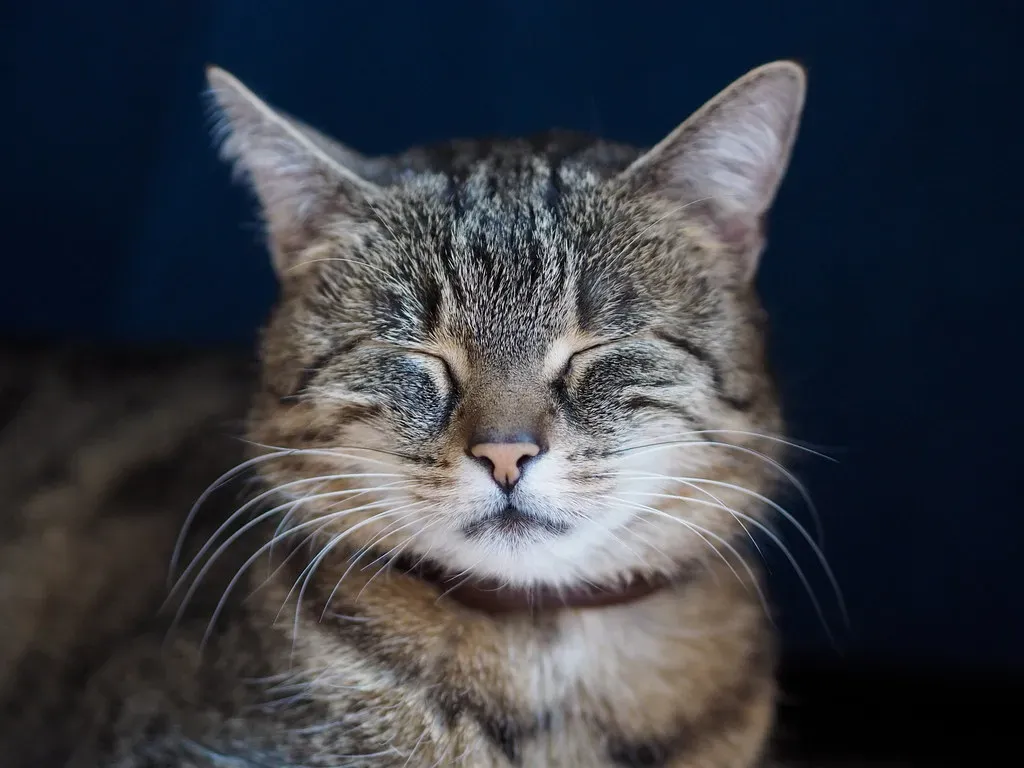
If there’s one signal every cat owner absolutely needs to know, it’s this one. Slow blinking is a sign of trust and friendliness. Think of it as the feline version of a warm, genuine smile, except far more meaningful because cats don’t hand out trust easily.
From large, dilated pupils indicating fear, excitement, or anger to a long, slow blink signifying comfort and trust, understanding your cat’s eye language is essential for building a strong connection. When your cat half-closes their eyes and blinks at you slowly, they’re essentially lowering their guard completely. That is a profound act of vulnerability for an animal that’s wired to stay alert.
The best part? You can respond. Cats blink slowly to show affection and relaxation. If a cat blinks slowly at you, they are not threatened by you; in fact, they trust you. To bond with a cat that blinks slowly at you, you can return their gesture by blinking slowly back at them. Try it tonight. You might be surprised at the silent conversation you’ve been missing all along.
2. The Tail Tells All: Reading Your Cat’s Emotional Barometer
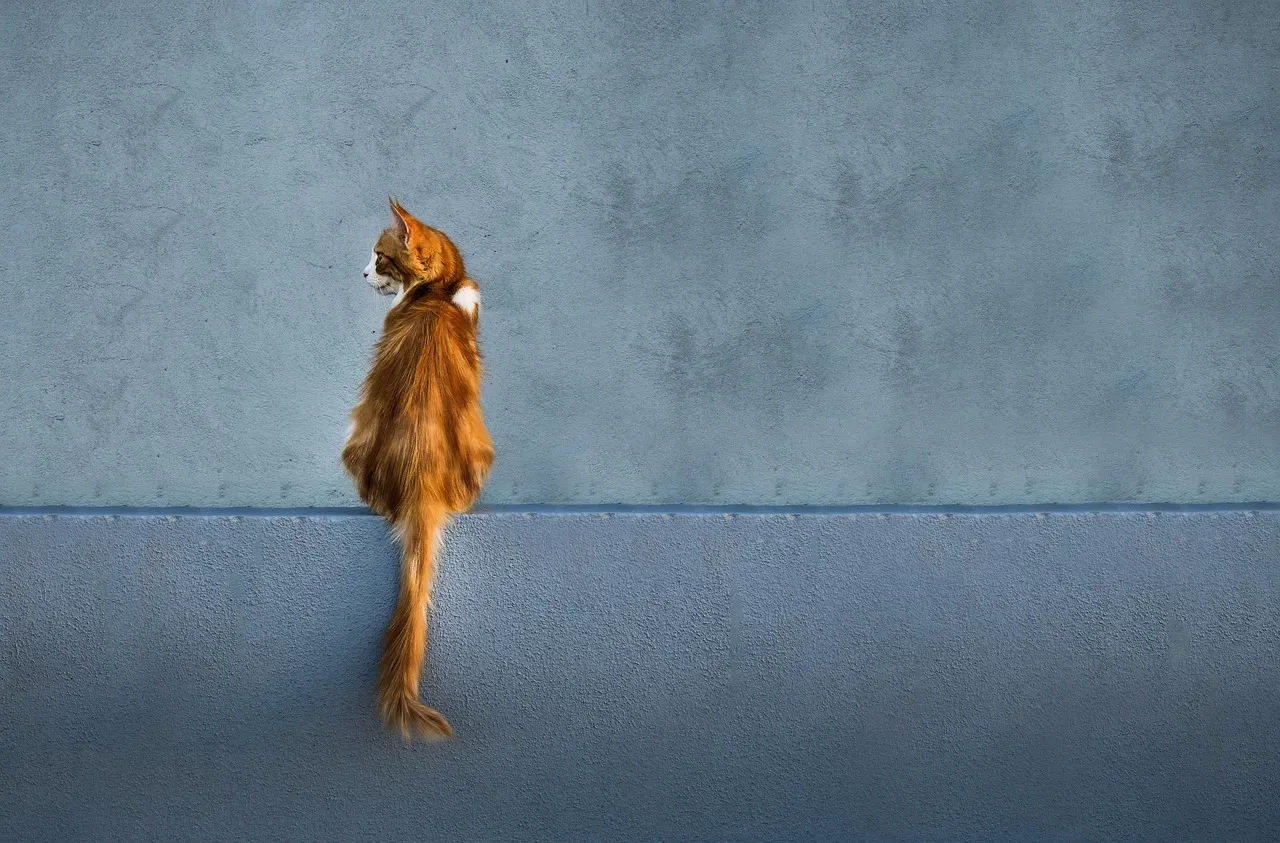
Honestly, if you learn nothing else about cat body language, learn to read the tail. A cat’s tail is a powerful communication tool, and each tail position conveys distinct messages. It’s one of the most reliable real-time indicators of your cat’s emotional state, like a mood ring that actually works.
If they hold their tail straight up and have relaxed fur, they’re likely feeling happy or inquisitive. But if their fur stands on end while their tail is erect, this indicates fear or anger. Holding the tail low or tucked between the legs indicates insecurity or submission, and a tail that’s rapidly twitching back and forth suggests agitation. So the next time your cat walks into the room with their tail straight up like a flag on a sunny day, know that’s a genuine greeting. They’re happy to see you.
If you see a cat with their tail down low, it means they’re feeling uncomfortable. It’s important to note the more worried and afraid the cat feels, the closer they will pull their tail towards their body. Pay attention to those little shifts. Your cat is practically writing you a weather report about how they’re feeling inside.
3. Meowing: A Language Invented Just for You
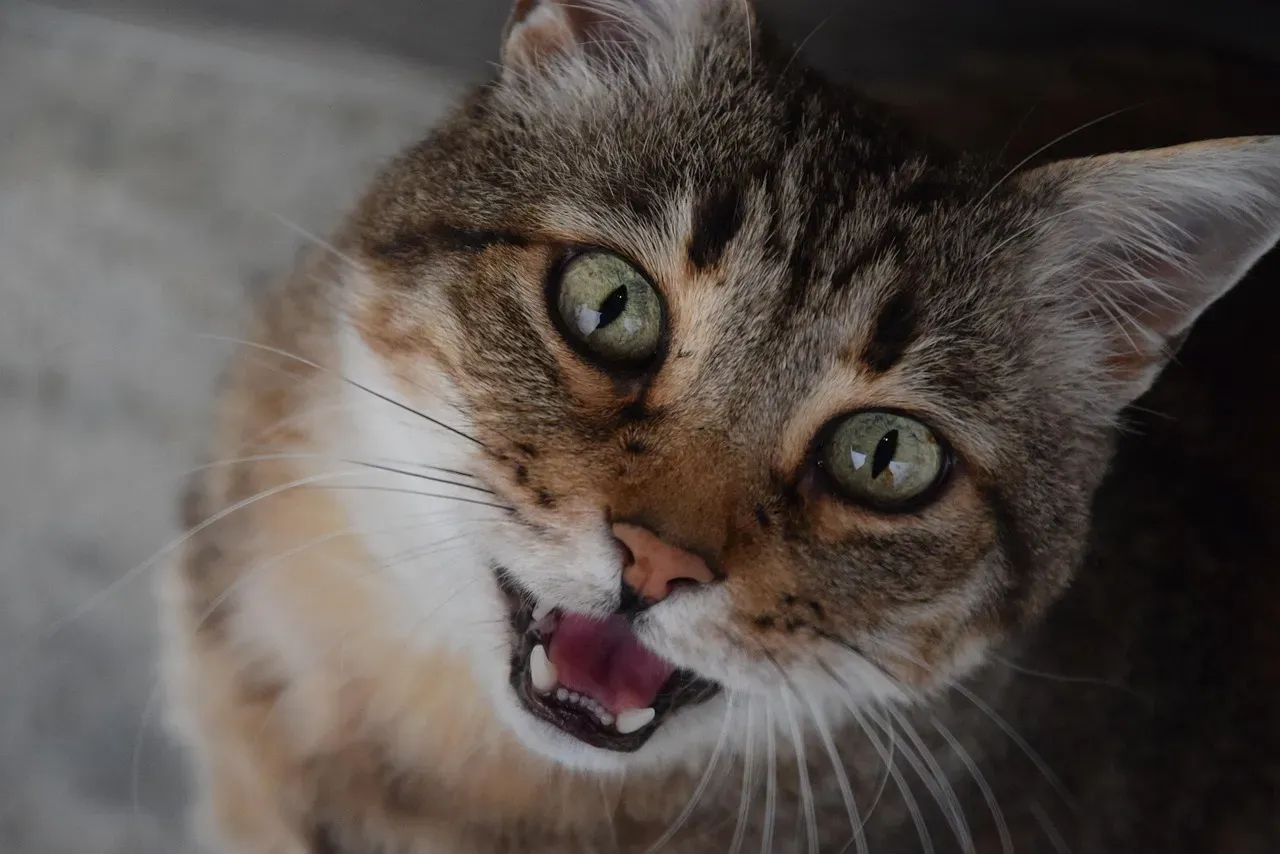
Here’s something that genuinely surprises most people. In the cat world, there is no universal language in which felines use specific meows to communicate. Kittens meow to their mothers to let them know they are hungry or cold, but generally, adult cats do not communicate with each other using meows. Instead, they meow at their human family members. Let that sink in. Your cat developed an entire vocal system specifically to talk to you.
Have you ever noticed how your cat’s meows vary in pitch, length, and volume? That’s because each meow is a masterpiece, tailored to communicate specific needs and desires. The short, high-pitched meow is often a friendly “hello,” while a drawn-out meow might signal a complaint or request. Learning the difference between those tones is genuinely like picking up a second language, just a very small and adorable one.
It’s worth noting that not all meowing is casual chat. Elderly cats suffering from cognitive dysfunction may meow due to becoming confused or disoriented. Cognitive dysfunction is similar to Alzheimer’s Disease in humans, so scheduling an appointment with a vet is encouraged if your senior cat seems confused or is vocalizing more than usual. When meowing suddenly increases or changes in character, always take it seriously.
4. Purring: It Doesn’t Always Mean What You Think
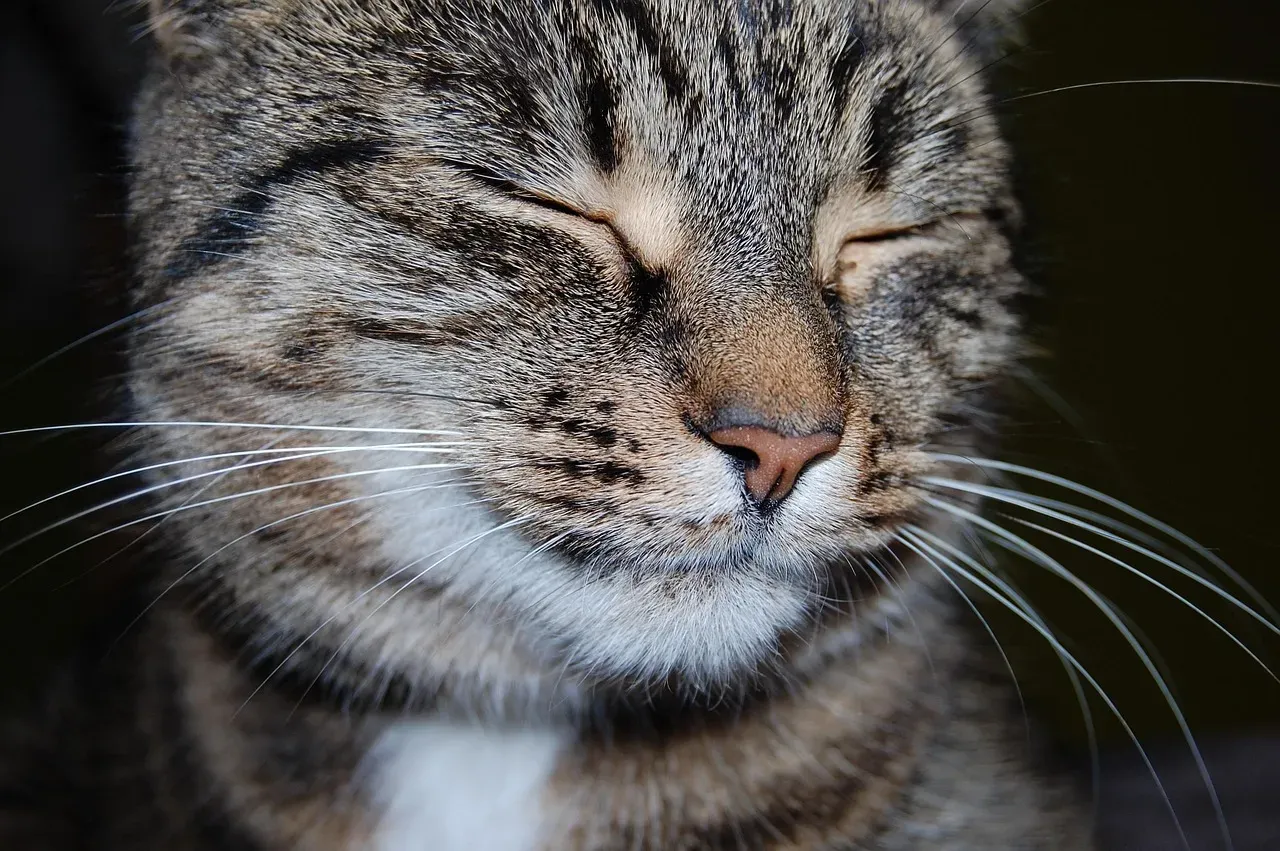
Everyone assumes a purring cat is a happy cat. It’s one of the most widespread misconceptions about felines, and I think it’s time to set the record straight. While cats do purr as a sign of contentment, they also do it as a self-soothing mechanism when sick, stressed or injured. So that low, rumbling sound coming from your cat on the vet’s table? That’s not contentment. That’s anxiety.
Purring is believed to indicate a positive emotional state, but cats sometimes purr when they are ill, tense, or experiencing traumatic or painful moments such as giving birth. It has also been suggested that purring can act as a soothing mechanism and can promote healing. It’s a deeply complex behavior. Think of it less like a cat’s smile and more like a human’s nervous humming while sitting in a waiting room.
You should never assume that just because your cat is purring, they are healthy and content. If your cat is purring but also showing signs that something may be wrong, like hiding more than usual or refusing food and water, they could be sick or in pain. Context, as always, is everything with cats.
5. Head-Butting and Bunting: You’ve Been Claimed (Happily)
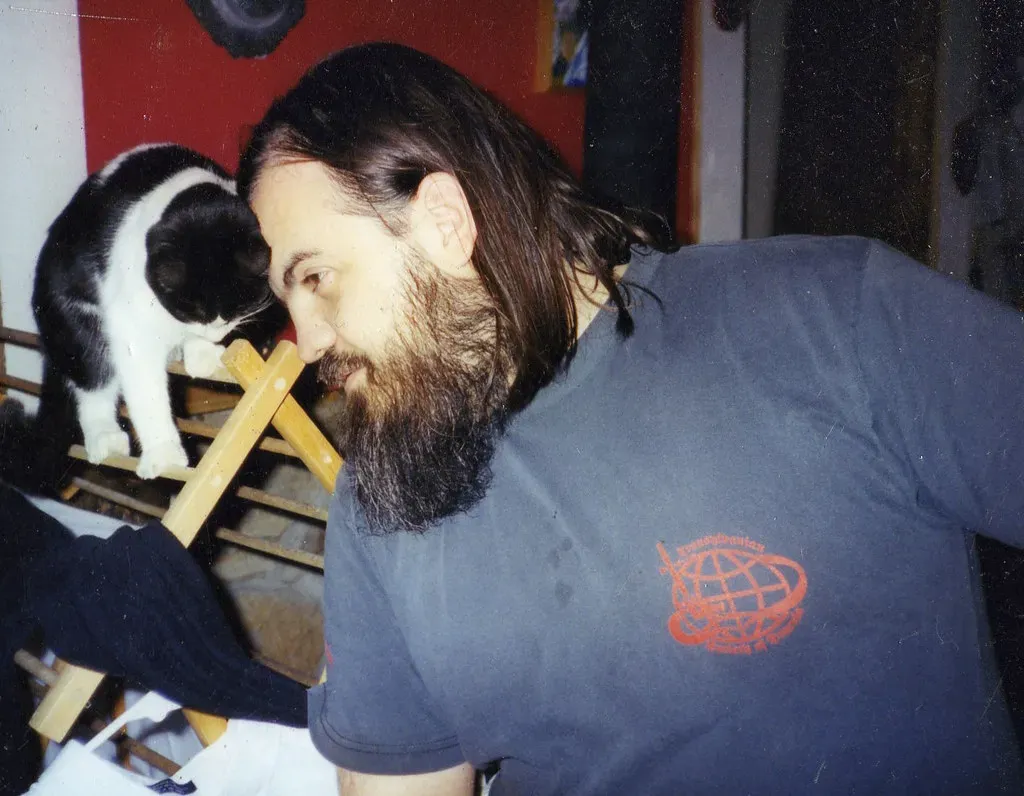
If your cat has ever walked up to you and firmly pressed their forehead against yours, or rubbed their cheek against your leg, congratulations. You’ve been officially claimed. When your cat headbutts you, it’s not just an act of affection; it’s a significant compliment. This behavior, known as “bunting,” is how cats deposit their scent to mark their territory. So, when your cat headbutts you, they’re essentially saying, “You’re mine, and I love you.”
Cats rubbing their heads against objects is known as “bunting.” Bunting often happens in the “core” area of their territory and seems to be associated with comfort, reassurance and friendly social interactions. So when your cat rubs their face all over your laptop, your pillow, or your freshly washed shirt, they’re not being a nuisance. They’re making you part of their safe world. That’s genuinely touching when you think about it.
6. Ear Positions: The Tiny Signals Most People Miss
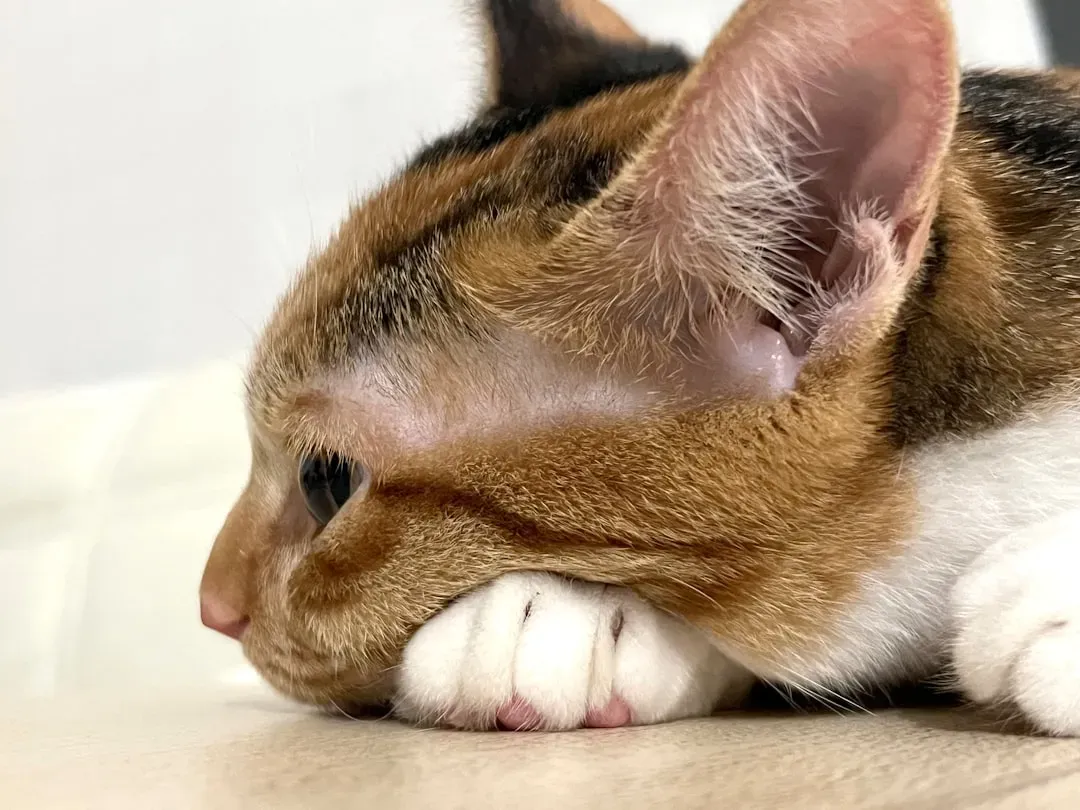
Cat ears are doing a tremendous amount of communicative heavy lifting that most owners completely overlook. A cat’s ear position can give you an idea about how the kitty is feeling. Ears held naturally means the cat is relaxed, while ears pinned back mean the cat is afraid. When a cat’s ears are facing forward and close together, that means the cat is interested in something. It’s a surprisingly precise emotional readout, almost like a little antenna system.
Ears pointing forward show alertness and curiosity. Your cat is likely engaged with its surroundings, exploring sounds, or focusing on something of interest. When ears flatten against the head, your cat is uncomfortable, frightened, or defensive. Think of flattened ears the same way you’d think of someone visibly shrinking in discomfort. Your cat is telling you loudly, even without a sound, that something is very wrong.
Sideways ears serve as a warning sign, indicating annoyance, fear or potential aggression. If you see those ears rotating sideways like tiny satellite dishes pointing away from you, that’s your cue to back off and give your cat some breathing room before things escalate.
7. Litter Box Changes and Hiding: A Cry for Help You Cannot Ignore
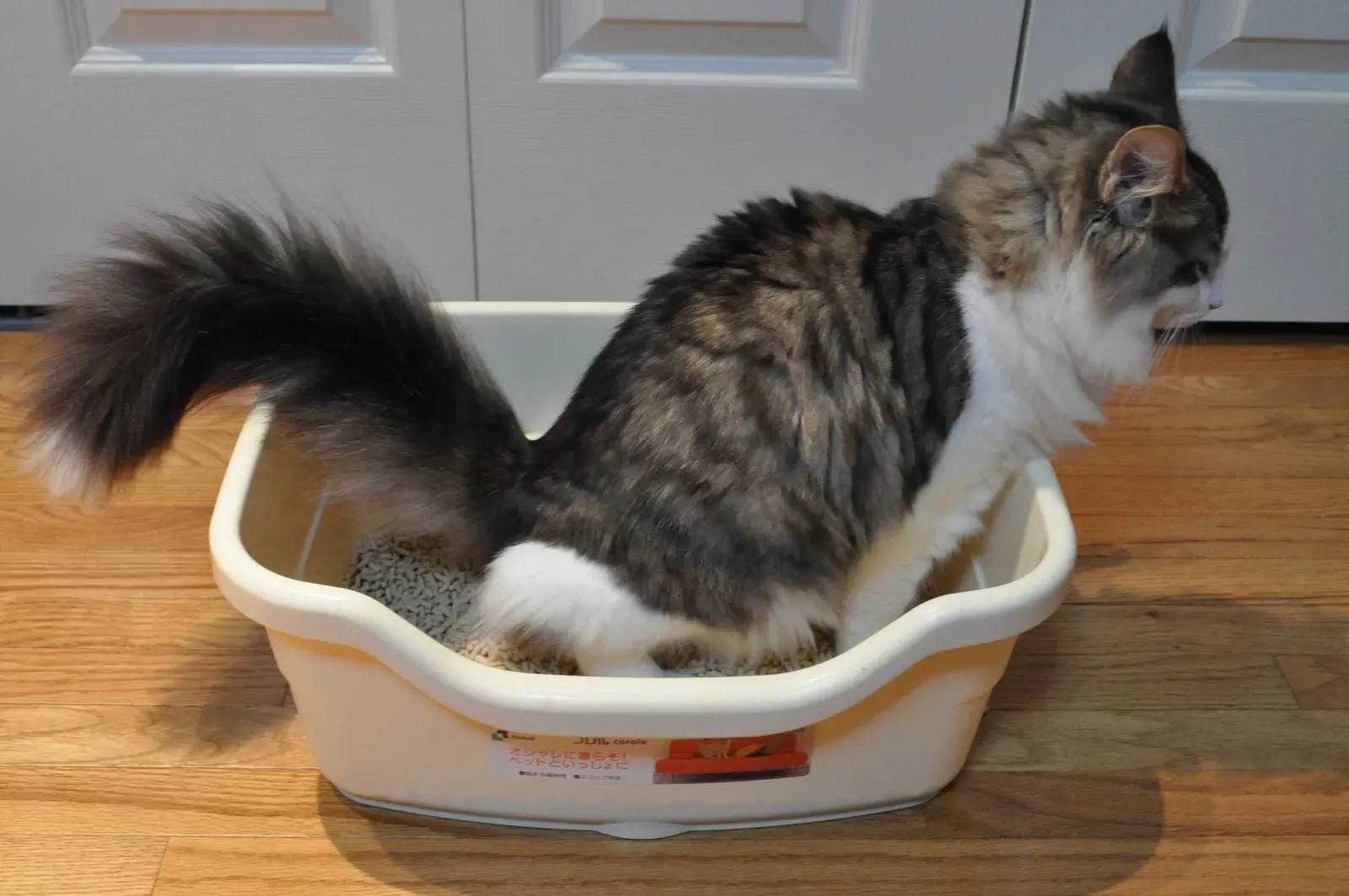
This one is genuinely serious, so pay attention. If your cat changes their litter box habits, they are trying to tell you something. Cats don’t start eliminating in places other than their litter box for no reason. This is perhaps the most urgent signal on this entire list. When a cat abandons the litter box, it’s often their last resort attempt to communicate that something is very wrong.
A cat that urinates outside the litter box may indicate dissatisfaction with the box, due to a variety of factors such as substrate texture, cleanliness, and privacy. It can also be a sign of urinary tract problems. Don’t dismiss this as bad behavior or spite. Cats are not vindictive creatures. They’re simply doing the only thing left in their communication toolkit when we haven’t caught the earlier, quieter signals.
Hiding is another behavior that deserves serious attention. A cat’s body language doesn’t just provide a lot of information about how the cat feels emotionally – it can also reveal if the cat is sick or in pain. Cats are pros at masking physical illness, so changes in their body language may be the first signs that something is wrong. If your normally social cat is suddenly disappearing for long stretches, don’t assume they just want alone time. Schedule a vet visit. It could make all the difference.
Conclusion: Your Cat Has Been Talking. Time to Start Listening.
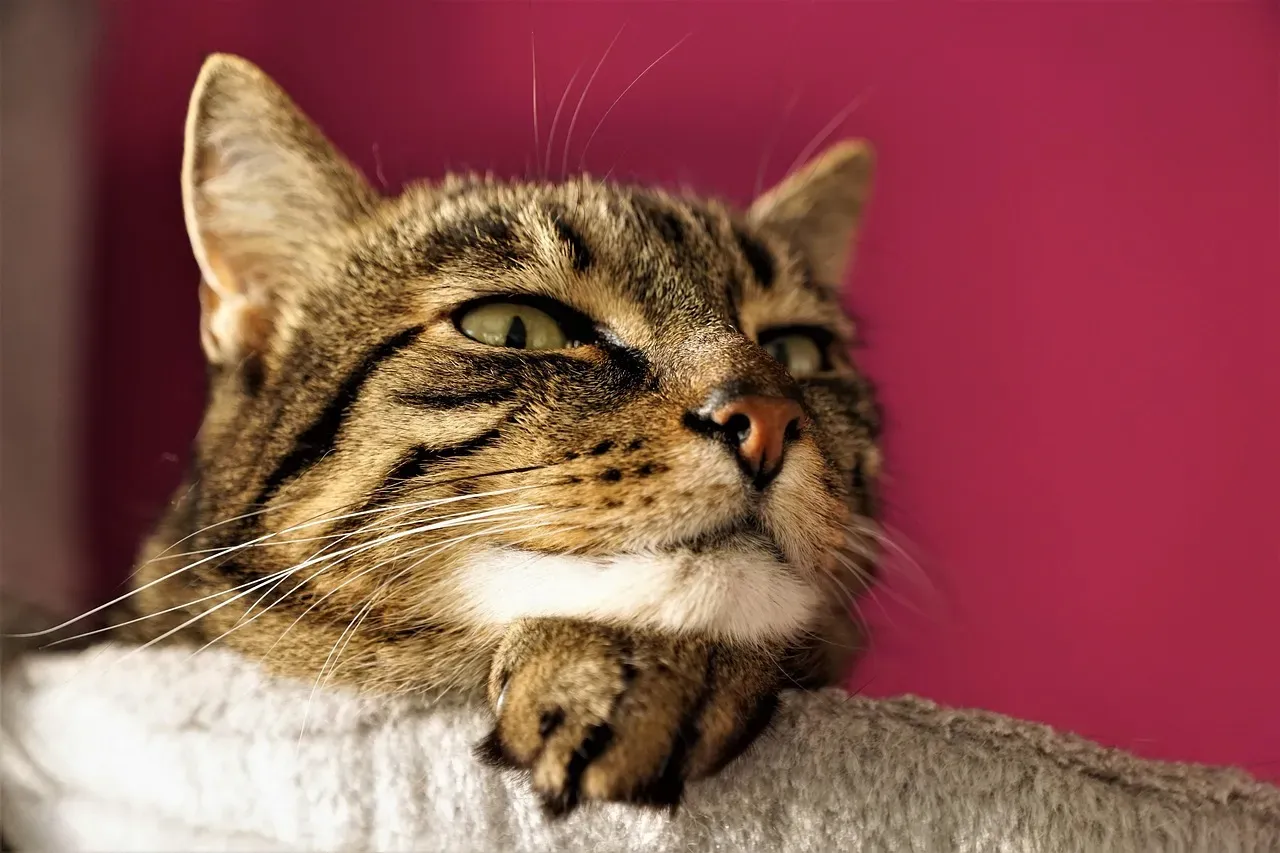
Here’s the beautiful truth at the heart of all of this. Your cat is not aloof, mysterious, or indifferent. They are communicating constantly, through every blink, tail flick, ear position, and vocal shift. Cats have earned a reputation for being hard to read, but it’s not their fault – they just communicate differently than humans. With their posture, tails, ears, eyes, whiskers, and vocalizations, they’ll tell you whether they’re comfortable or not.
The relationship between you and your cat deepens enormously once you start paying attention to these signals. Cats possess intricate and subtle body language, making it crucial to pay close attention to their non-verbal communication. Respecting a cat’s body language is essential in establishing a trusting relationship. You’re not just a provider of food and a warm lap. You are your cat’s whole world, and they’ve been trying to tell you that in every way they know how.
Take a moment today to really watch your cat. Notice the tail. Notice the eyes. Notice the ears. You might discover that the most meaningful conversation of your day was happening silently, right in front of you all along. So – were you listening?
Kristina is a young writer from India. An arts graduate and an avid content creator, Kristina is passionate about animals and wildlife. She enjoys exploring topics related to pet care, animal behavior, conservation, and nature, combining thorough research with engaging storytelling.