You’ve probably settled into a quiet evening with your cat curled on your lap, that low, steady rumble filling the room, and thought nothing of it beyond simple contentment. It feels good. It feels calm. But what if the sound you’ve been taking for granted all these years is actually doing something far more complex than expressing happiness?
Any seasoned veterinarian or observant owner knows that cats also purr when they are stressed, injured, or even in labor. This biological paradox suggests that the purr is far more than a simple expression of joy – it is a sophisticated, internal therapeutic mechanism. Science has been quietly catching up to something cat lovers have sensed for generations: that purring is a whole-body event, vibrating at frequencies that touch biology in ways we’re only beginning to understand.
The Physics Behind the Purr
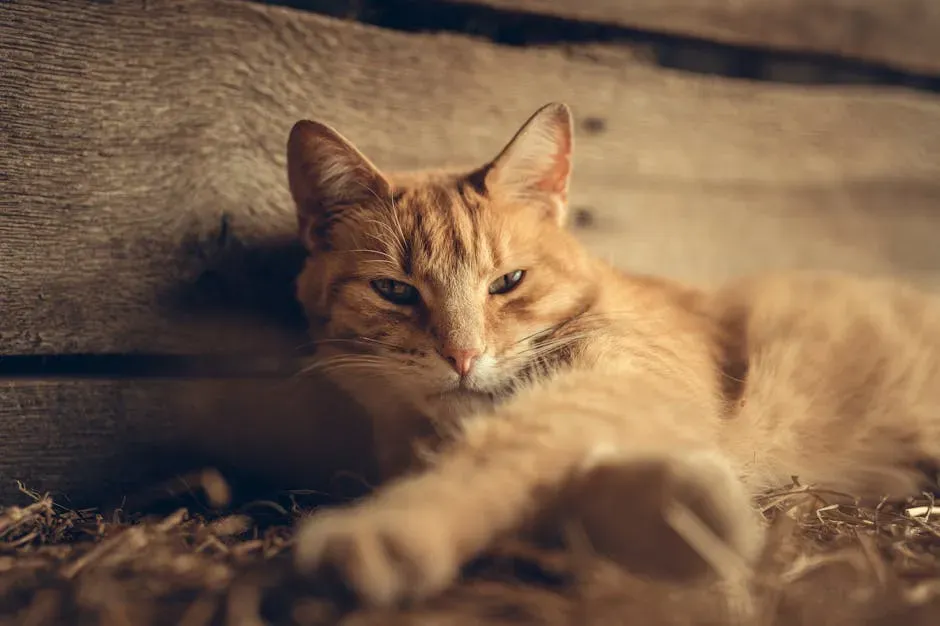
When your cat purrs, you’re not just hearing a sound – you’re within range of a physical vibration. The domestic cat produces a purr through a neural oscillator in the brain that sends signals to the laryngeal muscles. These muscles twitch at a rate of 25 to 150 times per second, causing the vocal folds to separate during both inhalation and exhalation, creating a continuous, rhythmic vibration.
A cat’s purr is multifrequency. The average cat purrs at a frequency of about 25 to 150 hertz while breathing in and out. Humans have a hearing range of about 20 to 20,000 hertz, so most of us can hear a cat’s purr – but we can also feel the vibrations. That dual quality, both auditory and tactile, is what makes it unlike almost any other sound in the natural world.
A Built-In Survival Tool: The Evolutionary Case for Purring
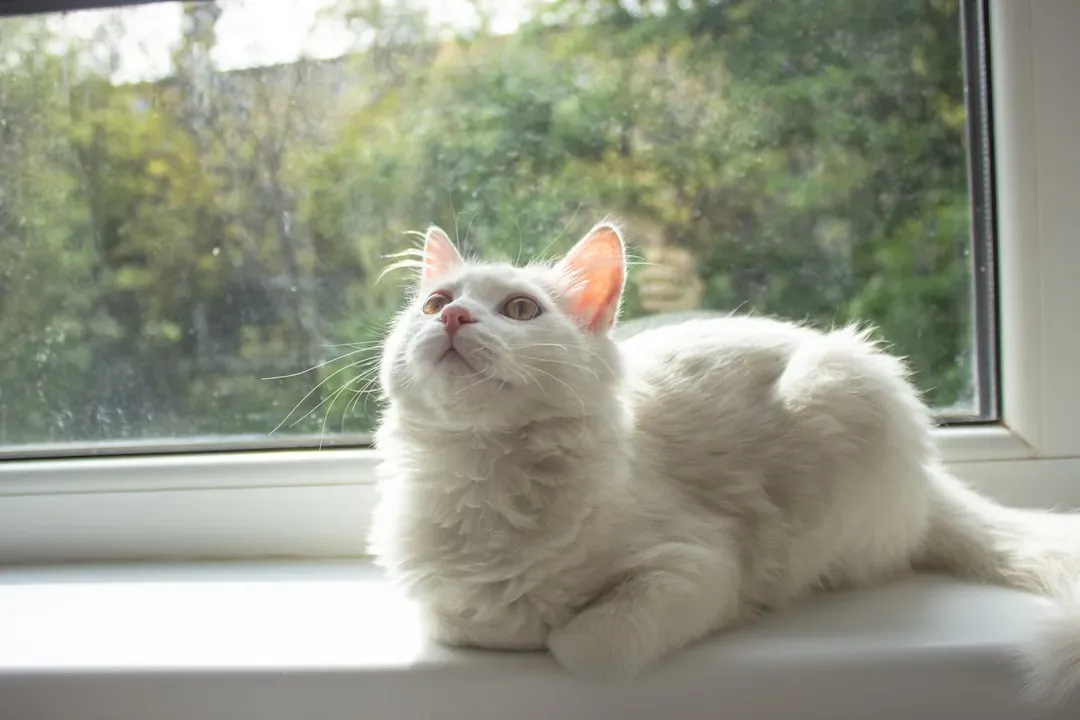
From an evolutionary perspective, the ability to heal through sound is a brilliant survival strategy. Cats are sedentary predators that spend a significant portion of their day sleeping or resting to conserve energy for short, intense bursts of hunting. This lifestyle, however, carries a risk: prolonged inactivity can lead to bone density loss and muscle atrophy. Scientists hypothesize that purring evolved as a low-energy way to keep bones and tissues healthy during long periods of rest.
By vibrating their entire body, cats provide their musculoskeletal system with the mechanical stimulation needed to maintain strength without the caloric cost of movement. This “vibratory medicine” allows a cat to recover faster from injuries and maintain peak physical condition – a clear advantage for a solitary hunter in the wild. It’s an elegant design: rest and repair, happening at the same time.
When Cats Purr in Pain: More Than Contentment
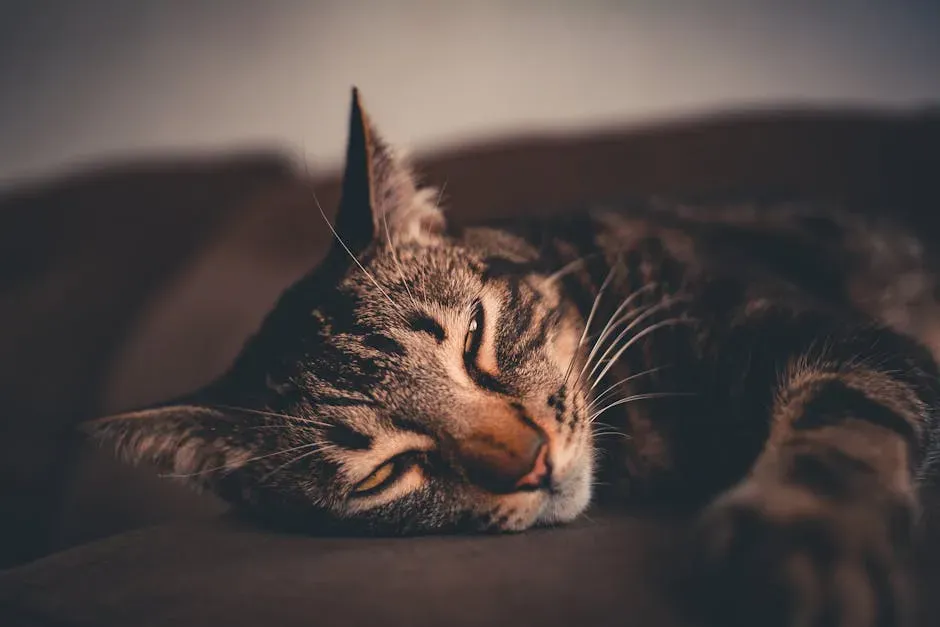
Although we assume that a cat’s purr is an expression of pleasure or a means of communication with its young, perhaps the reasons for purring can be deciphered from the more stressful moments in a cat’s life. Cats often purr while under duress, such as during a visit to the veterinarian or when recovering from injury. Not all purring cats appear to be content or pleased with their current circumstances.
Sometimes purring has a self-soothing effect, and cats will purr to calm themselves when they are feeling nervous or sick. Research has even shown that purring may actually help cats to heal themselves. Purrs have a low frequency, causing vibrations within the cat’s body. These vibrations may help cats heal their own injuries, ease breathing, and decrease pain and swelling. So the next time your cat purrs at the vet’s office, it may not be performing – it may be coping.
Bone Healing and the Frequency Connection
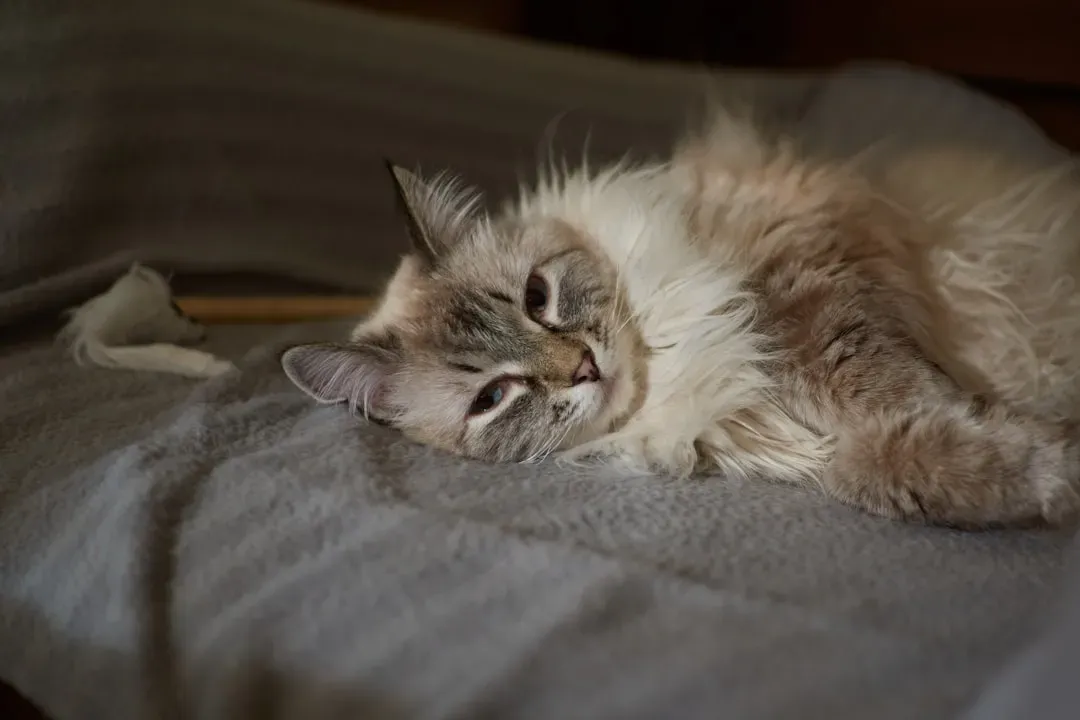
When the purrs of domestic cats, servals, ocelots, and pumas were evaluated in a 2001 study, a common trend was found: all of these felids generated strong frequencies at exactly 25 and 50 Hz, two low frequencies known for promoting bone growth and fracture healing in humans. That overlap isn’t coincidental – it points to something deeper in feline biology.
A cat’s purr at a frequency of 18 to 35 hertz may support tendon repair and joint mobility. At 25 to 50 hertz, purring promotes the healing of injured muscles and tendons. At 100 hertz, purring can reduce pain, increase recovery time after surgery, and ease breathing in patients with chronic respiratory disease. That’s a remarkably wide therapeutic range packed into a single biological sound.
What It Does to Your Stress Response
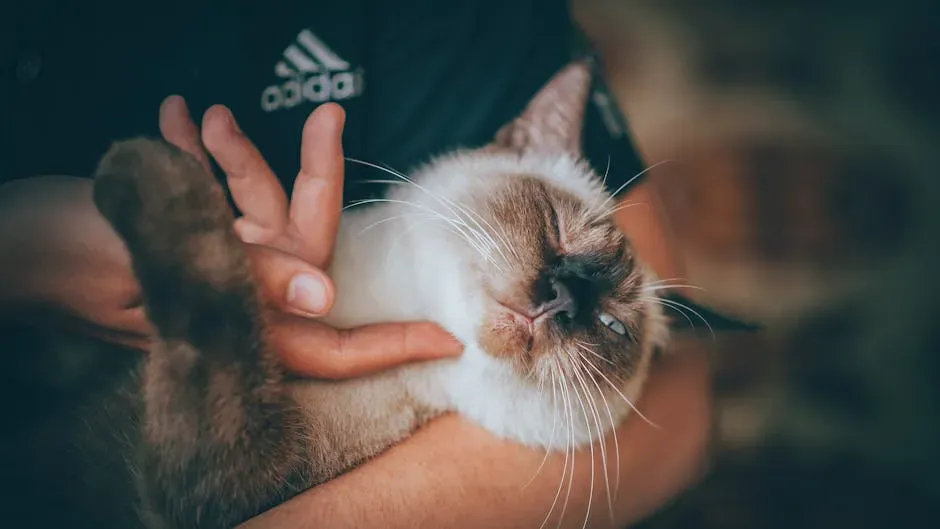
The soothing vibrations of a cat’s purr can help regulate the autonomic nervous system, which controls involuntary bodily functions like heart rate and breathing. By lowering stress and triggering the body’s relaxation response, purring promotes a sense of calm, balance, and emotional well-being. You’re not imagining that deep exhale when your cat settles in.
Cat purring stimulates endorphin production and triggers serotonin release, helping lower cortisol levels – the primary hormone associated with stress. The simple act of focusing on a purring cat provides a form of mindfulness, redirecting attention from stressors and creating present-moment awareness similar to meditation. This neurological connection explains why purring feels so profoundly relaxing.
Your Heart Health and the Purring Cat
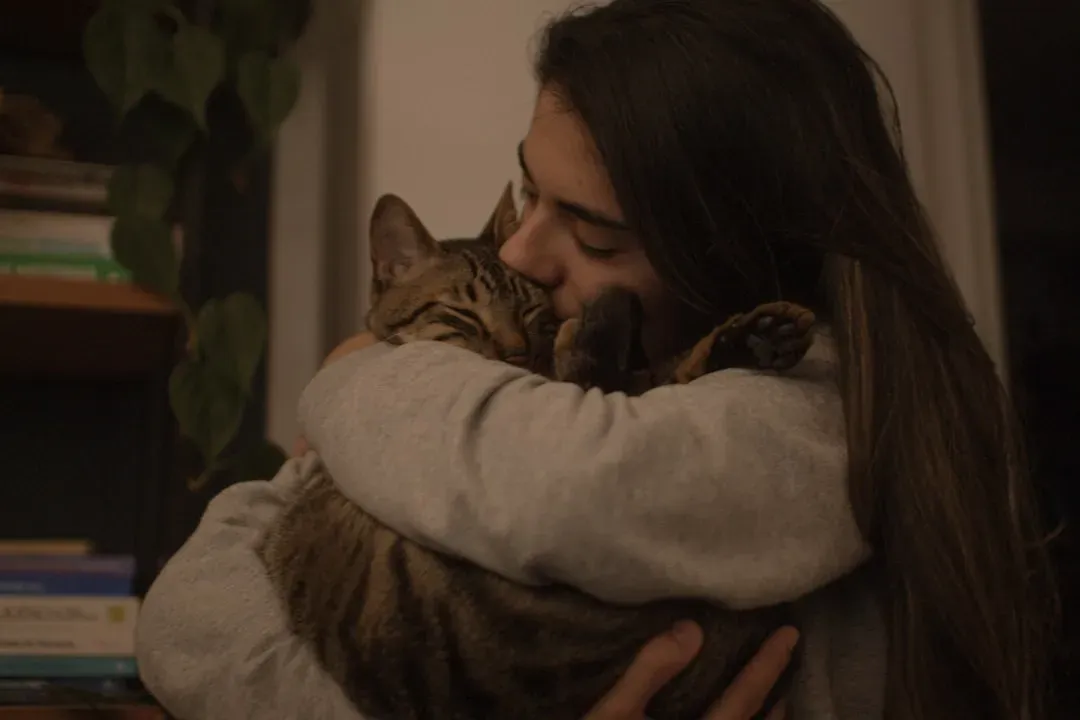
While the psychological effects of cat purring are well-documented, its impact on physical health is equally impressive. The benefits of cat purring for humans include lowering blood pressure, promoting healing, and even reducing the risk of heart disease. Studies have shown that cat owners are less likely to suffer from heart disease compared to those without cats. The soothing effects of purring help reduce blood pressure, which can lower the risk of heart attacks and strokes. The calming presence of a cat, combined with the rhythmic vibrations of its purr, contributes to a healthier cardiovascular system.
Studies show that owning a cat could cut your risk of stroke or heart disease by as much as a third. That’s a figure worth pausing on. Exposure to purring cats provides measurable cardiovascular benefits including reduced stress hormones, lower blood pressure, and decreased heart attack risk. The humble house cat, it turns out, may be doing quiet cardiology work.
Mental Health, Anxiety, and the Therapeutic Purr
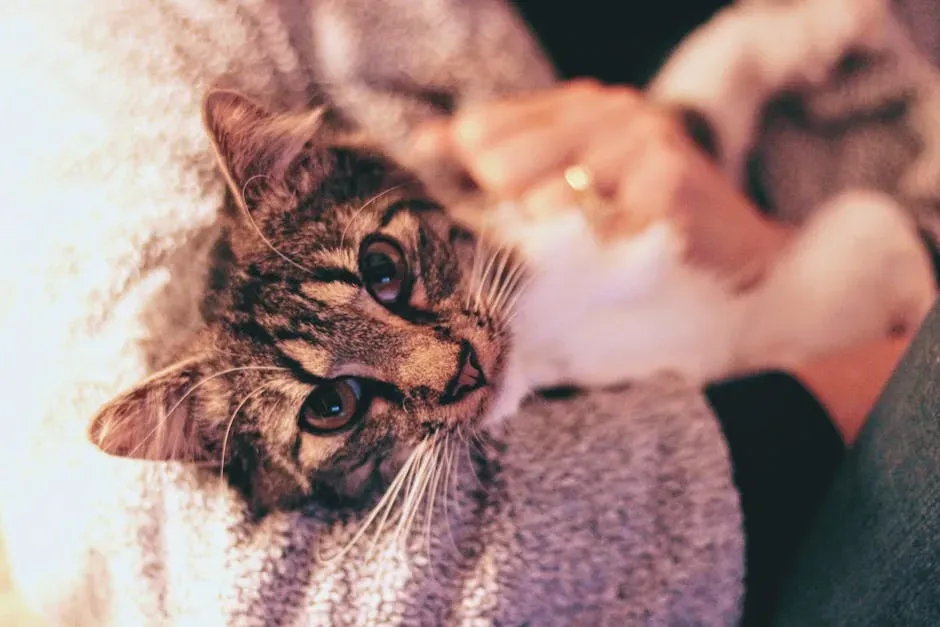
Emotional support animals like cats offer vital relief to those experiencing anxiety, depression, or other mental health conditions. Their presence fosters trust, security, and companionship, helping people cope with stress and emotional challenges. The bond with a cat provides a sense of comfort, making them valuable partners in managing mental health.
Many cat owners find that sleeping near a purring cat improves their sleep quality. The soft, rhythmic sound acts as a form of white noise, blocking out disruptive sounds and helping the brain enter a state of relaxation. People who suffer from insomnia or frequent nighttime awakenings may experience better sleep when accompanied by a purring feline companion. Honestly, there are worse sleep aids than a warm, vibrating cat on the pillow beside you.
Purring as Pain Relief and Tissue Repair
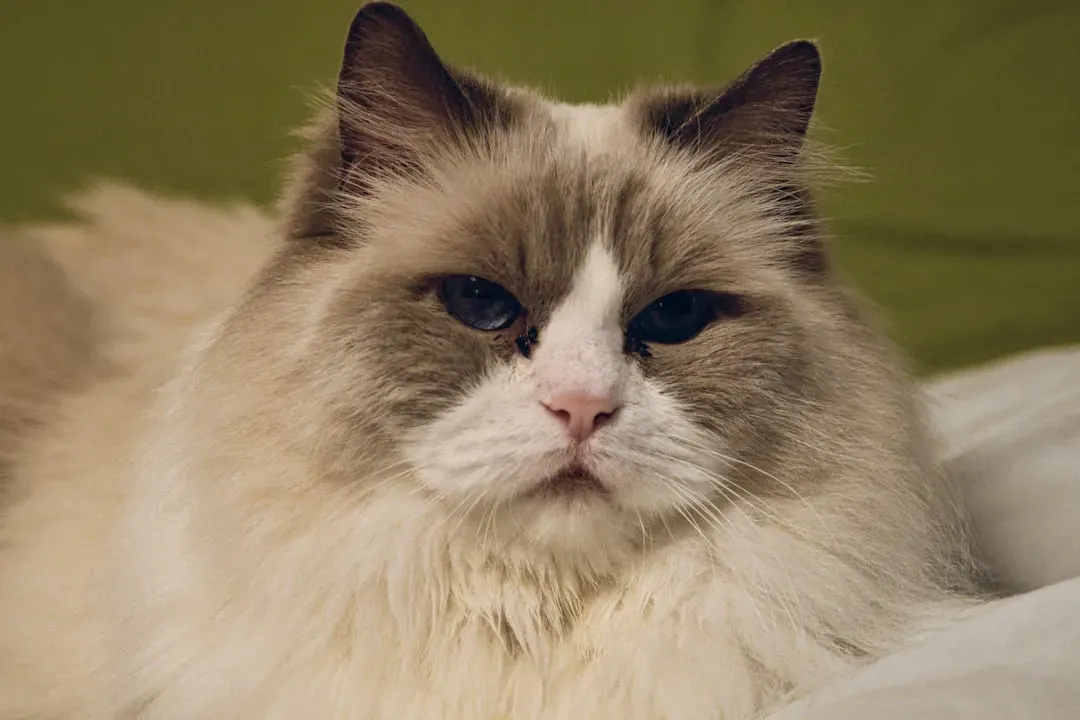
Pain management is an area where cat purrs appear to have significant potential. The low-frequency vibrations produced by a cat’s purr are thought to stimulate the body’s healing processes. These frequencies can enhance the production of anti-inflammatory compounds, which may help alleviate chronic pain or discomfort. For those recovering from surgery or injuries, the sound of a cat’s purr can be particularly beneficial. Its calming resonance may help distract from discomfort while subtly supporting the body’s natural recovery mechanisms.
Research has shown that the low-frequency vibrations produced by a cat’s purring can have therapeutic benefits for the cat and its owner. These vibrations can help promote the healing of soft tissue injuries in humans, including muscle strains, sprains, and other connective tissue injuries. It is interesting that purring not only releases endorphins in cats but can also induce the same thing in humans too.
When Science Meets Technology: Purring-Inspired Medicine
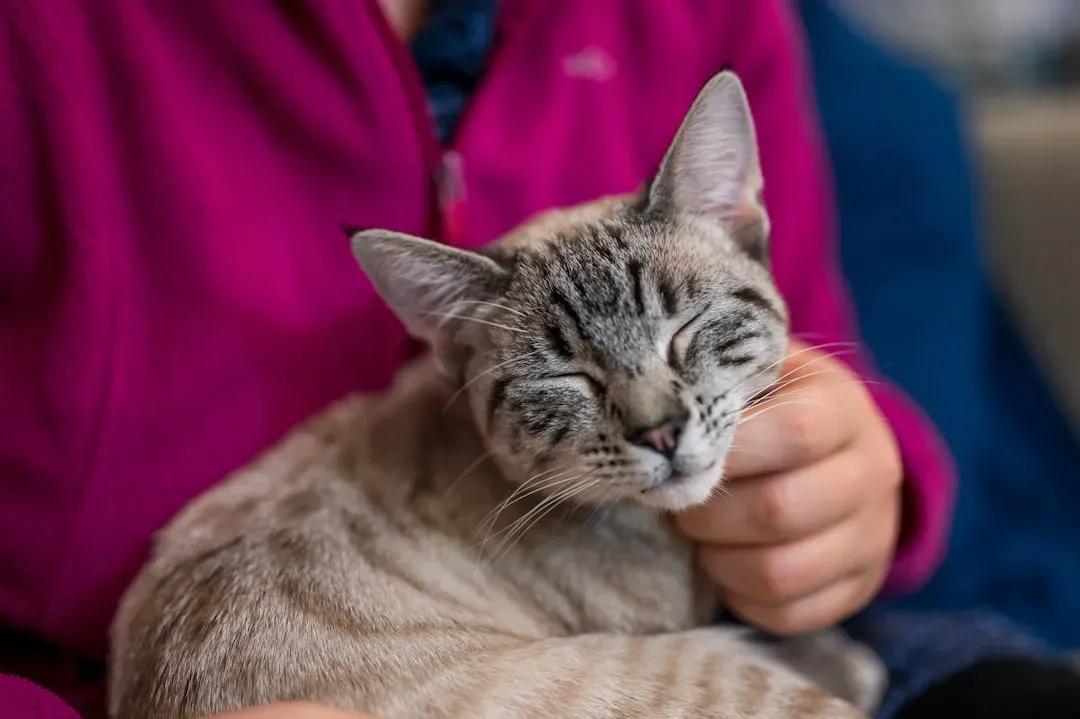
Doctors and researchers are taking inspiration from the natural healing potential of cat purrs. One groundbreaking development involves 3D-printed casts equipped with audio devices that use Low-Intensity Pulsed Ultrasound (LIPUS), which operates at a similar intensity as a cat’s purring sound, between 25 and 140 Hz. The cat, unknowingly, helped inspire a medical device.
By simulating the frequencies of a cat’s purr, researchers have explored its effects on human well-being. Recent studies have shown that technology mimicking a cat’s purr can induce a significant increase in parasympathetic activity, effectively reducing stress and anxiety levels. This promising outcome suggests that technology can replicate the calming effects of a cat’s purr, making it accessible to those who may not have direct access to a feline companion. This intersection of technology and biology presents an exciting avenue for enhancing mental and emotional health.
What the Evidence Still Can’t Fully Explain
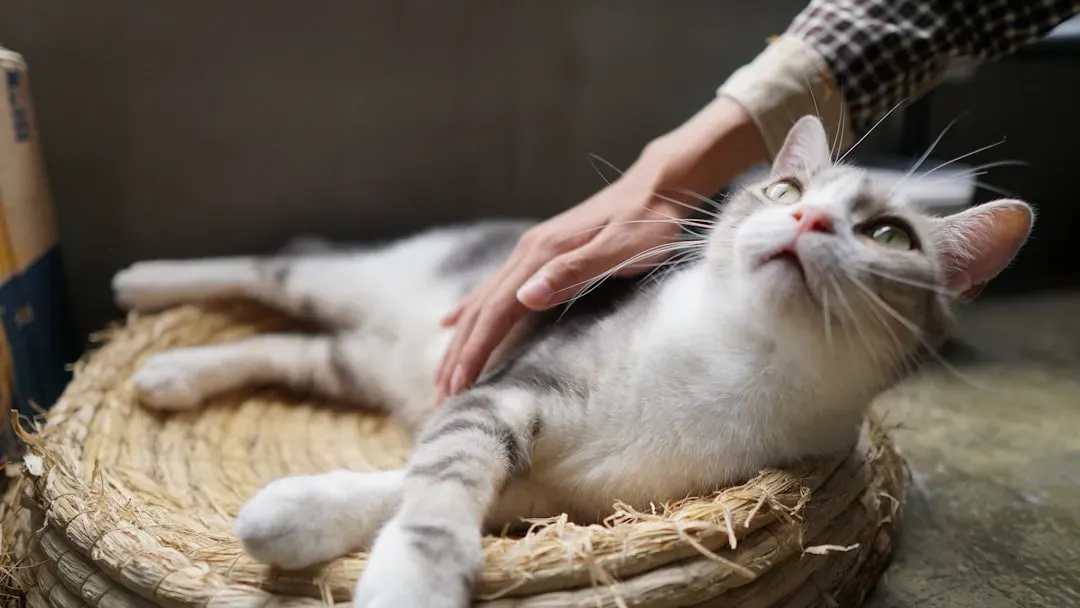
The absence of controlled human studies doesn’t disprove purr therapy’s potential benefits, but it does highlight the need for more rigorous scientific investigation. Future research must bridge the gap between promising laboratory evidence and clinical applications, while also unraveling the complex biological mechanisms that might explain how a simple purring frequency could influence human healing processes. Until comprehensive clinical trials provide clearer answers, purr therapy remains a fascinating area where science continues to explore the intersection between animal behavior and human health benefits.
Some studies suggest that the frequency range of cat purring may aid in muscle repair, joint mobility, and pain relief. However, research is limited, and more studies are needed to confirm these potential benefits conclusively. That’s not a reason to dismiss what’s already known – it’s a reason to stay curious and keep watching the science unfold.
Conclusion
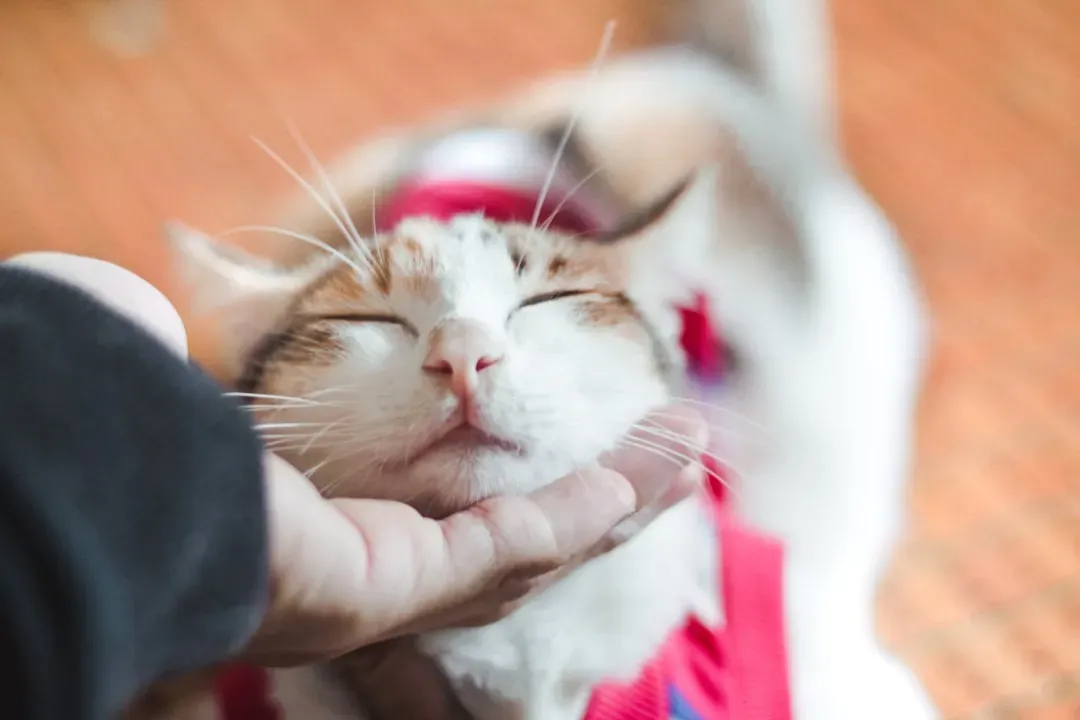
There’s something quietly remarkable about sharing your home with an animal that may be doing more for your health than you ever realized. Operating within a medically beneficial frequency band, feline purring promotes bone growth, reduces inflammation, and accelerates tissue repair – nature’s version of vibrational medicine. That low rumble you’ve heard a thousand times carries more information than a happy cat simply telling you it’s comfortable.
Elizabeth Von Muggenthaler suggested that the purr, with its low-frequency vibrations, is a “natural healing mechanism” – potentially linked to the strengthening and repairing of bones, relief of pain, and wound healing. Whether you own a cat for companionship, comfort, or by happy accident, it may be worth paying closer attention the next time they settle onto your chest and start that steady hum. Some of the most useful things in life don’t announce themselves.