You know that moment: your cat’s eyes go wide, their tail puffs up like a feather duster, and suddenly they’re tearing around the house like a tiny, furry tornado. You might laugh, grab your phone to record it, or quietly wonder if something’s wrong. Those chaotic sprints have a name – the zoomies – and even though they look random or silly, they’re actually your cat’s body and brain trying to tell you something important.
Once you start understanding what zoomies really mean, you stop seeing them as “my cat went crazy” and start seeing them as signals: about stress, boredom, relief, instinct, and even health. When you know how to read those signals, you can make your cat’s life calmer, happier, and safer – and you’ll probably feel a lot less confused, too.
Zoomies Aren’t Random: They’re Your Cat’s Pressure Valve
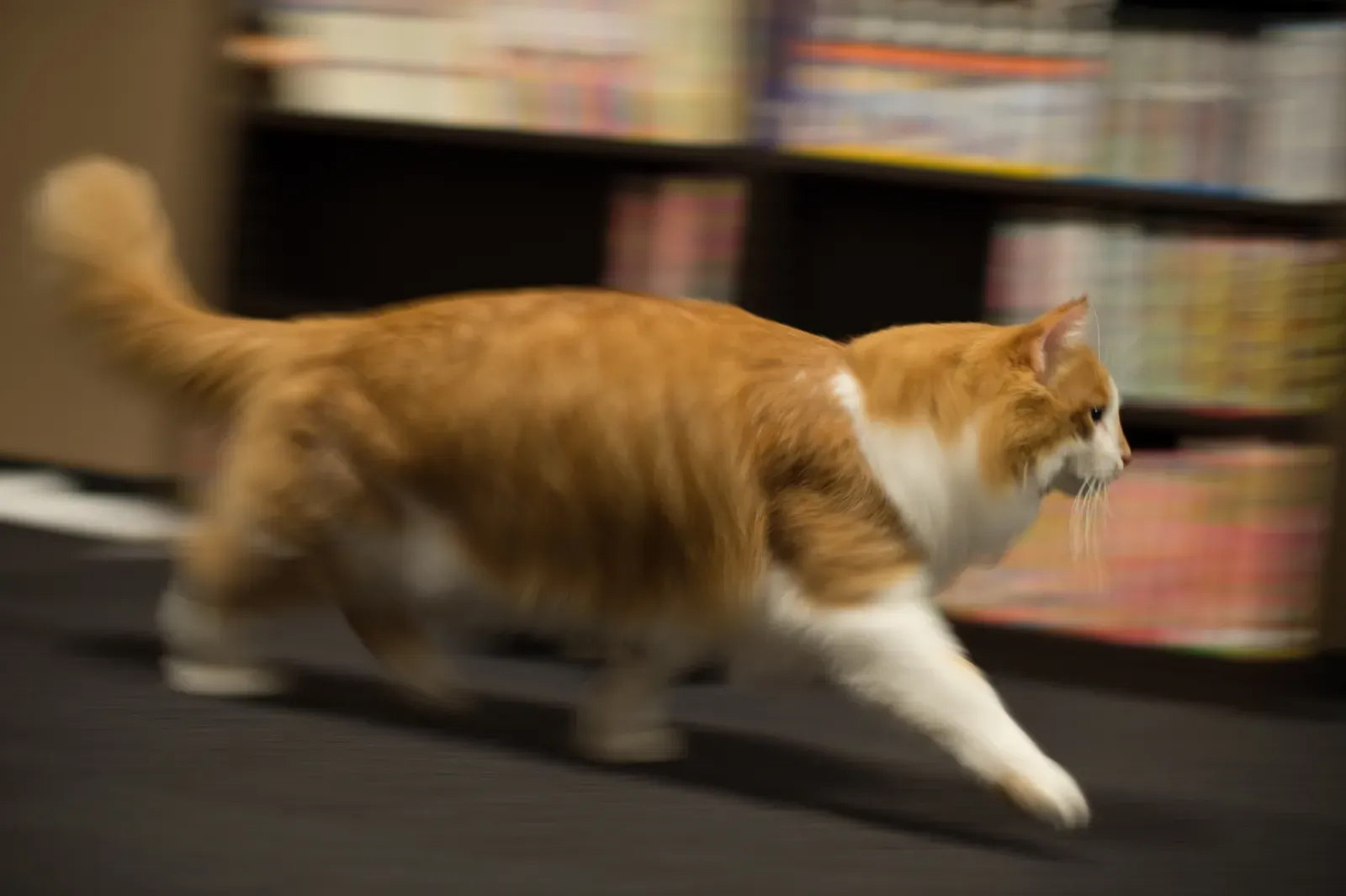
When your cat suddenly rockets down the hallway at 2 a.m., it’s not because they decided to be dramatic for no reason. Zoomies are usually your cat’s way of burning off built-up physical and mental energy that had nowhere else to go. Imagine sitting still all day with no phone, no TV, no books, and then someone suddenly opens the door and yells “Go!” – you’d probably explode off the couch, too.
Indoor cats, especially, live a much more sedentary life than their bodies were designed for. Underneath the sleepy loaf on the couch is a predator built to stalk, sprint, pounce, and problem-solve. If that need for movement and stimulation doesn’t get met through play, climbing, and exploration, it builds up like steam in a pressure cooker. Zoomies are that steam finally forcing its way out.
It’s Not “Just Being Silly” – It’s Instinct Kicking In
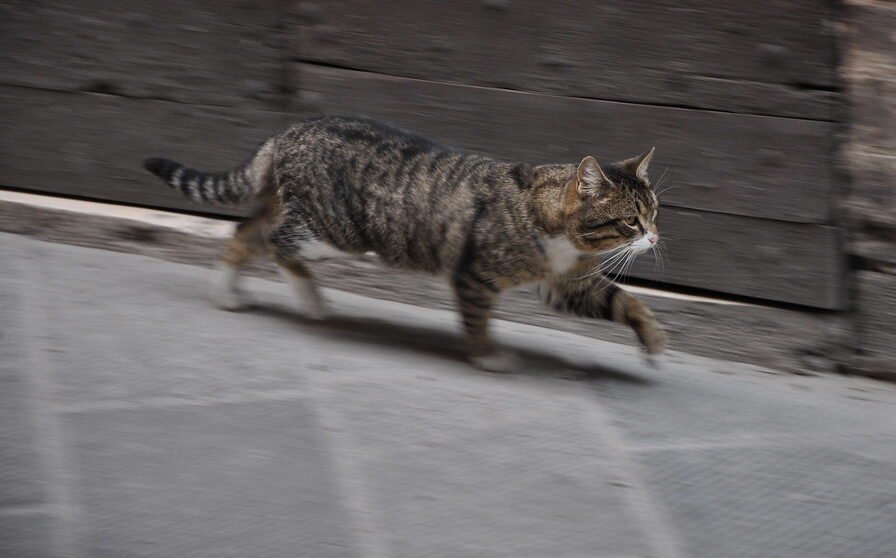
It’s easy to look at zoomies and think your cat is just being goofy, but what you’re really seeing is instinct bursting through your living-room calm. Your cat’s ancestors survived by hunting small, fast prey, and that required short, intense bursts of speed followed by rest. Zoomies are your cat reenacting that hunt sequence in the only territory they’ve got: your hallway, your couch, and, unfortunately, sometimes your face at 4 a.m.
When your cat darts, pivots, hides behind furniture, and launches out again, they’re practicing the same moves a wild cat would use to chase and catch food. To you it looks like nonsense; to your cat’s nervous system it feels natural and necessary. Once you see zoomies as that instinctive “mini hunt,” you stop dismissing them as weird and start asking, “Am I giving you enough healthy ways to express this?”
Post-Litter Box Zoomies: The Ones Everyone Misreads
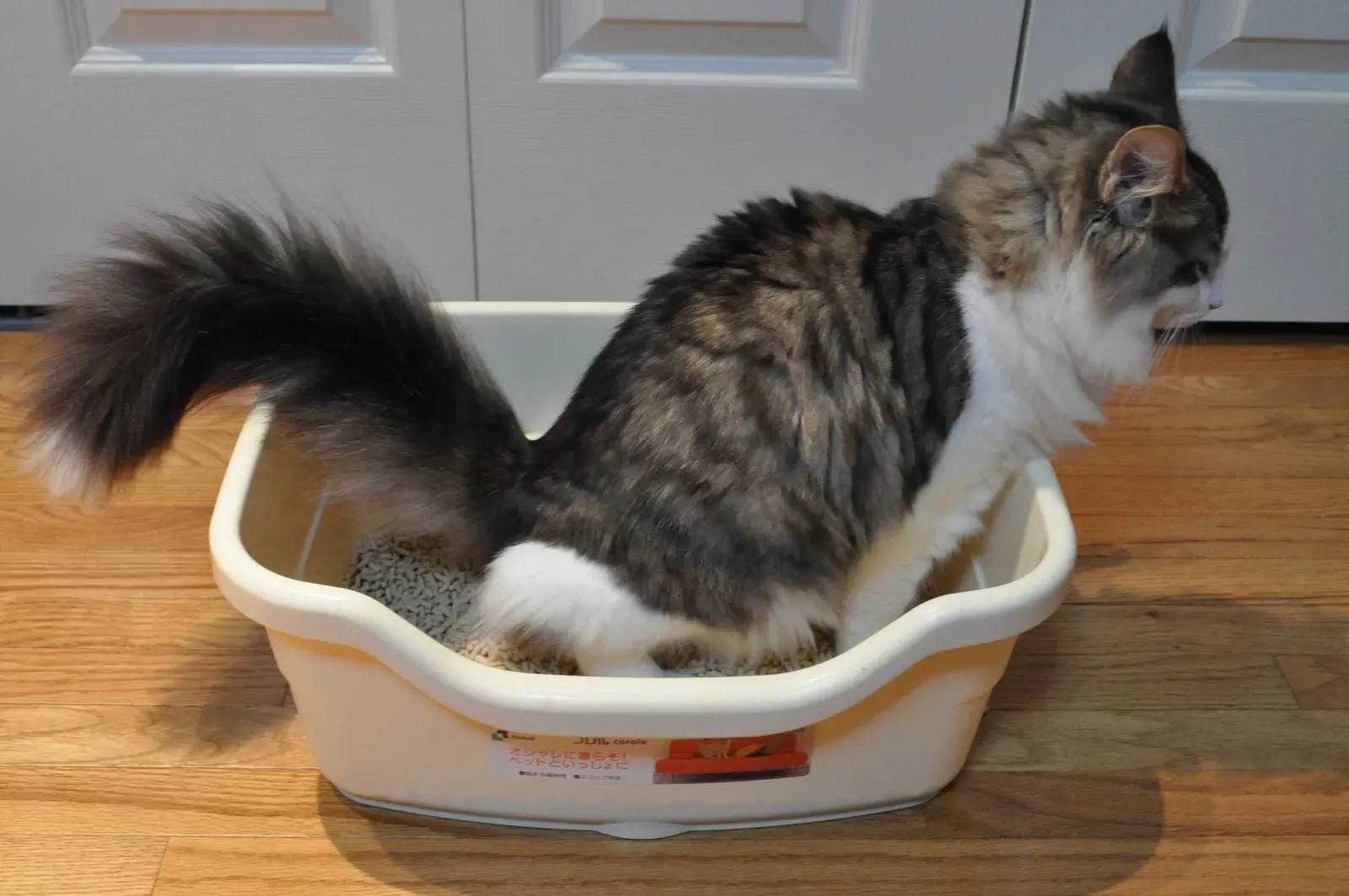
One of the most confusing versions of zoomies is when your cat sprints around right after using the litter box. You might assume they’re grossed out, scared of the box, or just being extra. In reality, post-poop zoomies can be a mix of physical relief, instinct, and sometimes even discomfort that you should not ignore. When your cat finally manages to eliminate, their body can release tension, and that can translate into a burst of speed and excitement.
However, if you notice your cat consistently racing around right after the litter box, looking agitated, vocalizing, or straining, you should pay attention. That rush might be your cat trying to escape a place that feels painful or stressful, especially if there’s constipation, diarrhea, or urinary irritation. You’re not overreacting if you call your vet when post-box zoomies look more anxious than joyful; you’re actually reading a clue many people miss.
Nighttime Zoomies: A Sign of Mismatched Schedules
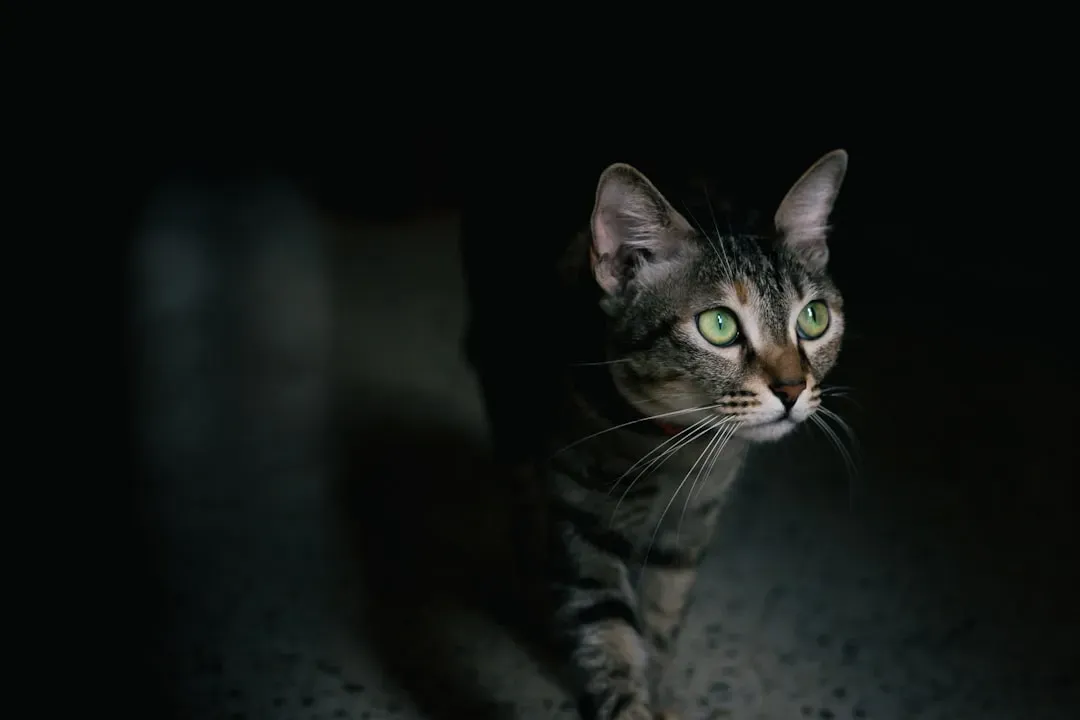
When your cat tears through the house in the middle of the night, it can feel like they’re personally trying to destroy your sleep. But this is less about spite and more about biology. Cats are naturally crepuscular, which means their bodies are wired to be most active around dawn and dusk, not neatly aligned with your nine-to-five life and your bedtime. So if your cat snoozes away while you work, their “prime time” may not kick in until you’re finally drifting off.
Those nighttime zoomies often mean your cat didn’t get enough structured play and mental stimulation during your waking hours. Their brain and body still expect a hunting session, and if that never really happens, it spills out as wild sprints over your sleeping body. When you start shifting play to late evening – think interactive toys, wand play, food puzzles – you’re basically telling your cat’s instincts, “Here’s your hunt now, so we can all sleep later.”
Stress And Anxiety Can Fuel Frenzied Sprints
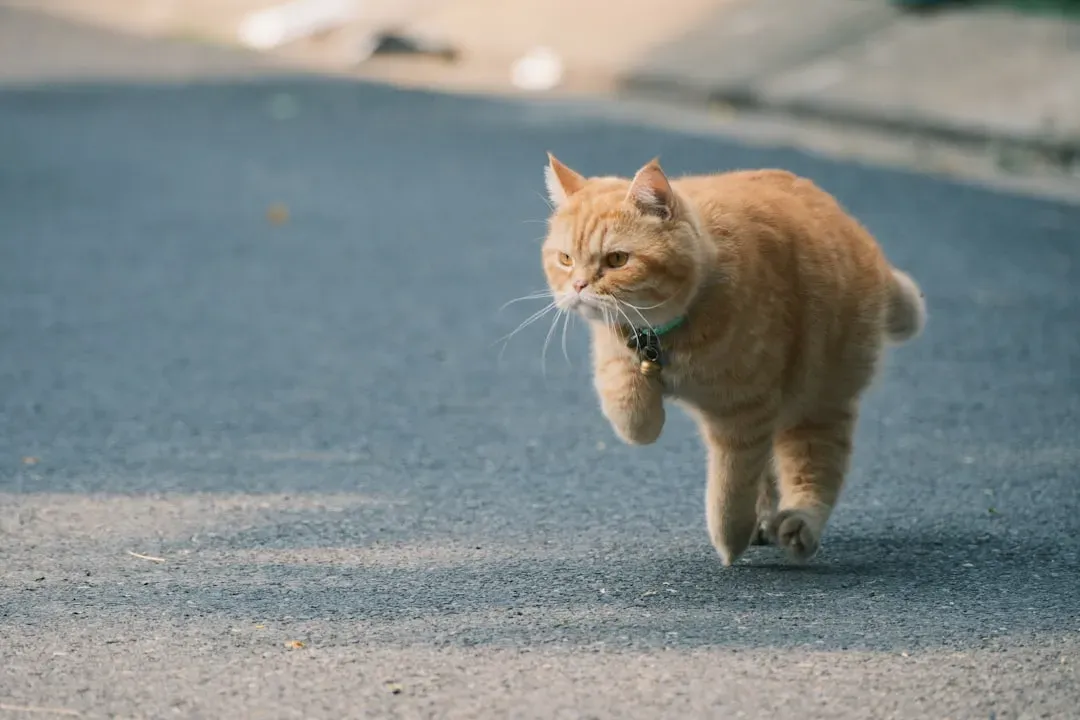
Not all zoomies come from happy energy; some are your cat’s nervous system trying to offload stress. If your cat bolts around after a loud noise, a new visitor, a fight with another pet, or a sudden household change, those frantic runs can be their way of releasing adrenaline. You do something similar when you pace after a tense phone call or feel the urge to walk around after a shock – your body is trying to burn off the stress hormones it just released.
When zoomies look panicked instead of playful – wide eyes, low body posture, tail tucked, lots of hiding and darting – that’s your cue to look for what might be scaring your cat. Maybe the vacuum is too overwhelming, the kids are too rough, or a new pet is constantly chasing them. In that case, you’re not dealing with cute chaos; you’re seeing a stress response that deserves adjustments to their environment, more safe spaces, and sometimes help from a vet or behavior professional.
Undiagnosed Pain Or Medical Issues Can Hide Behind Zoomies
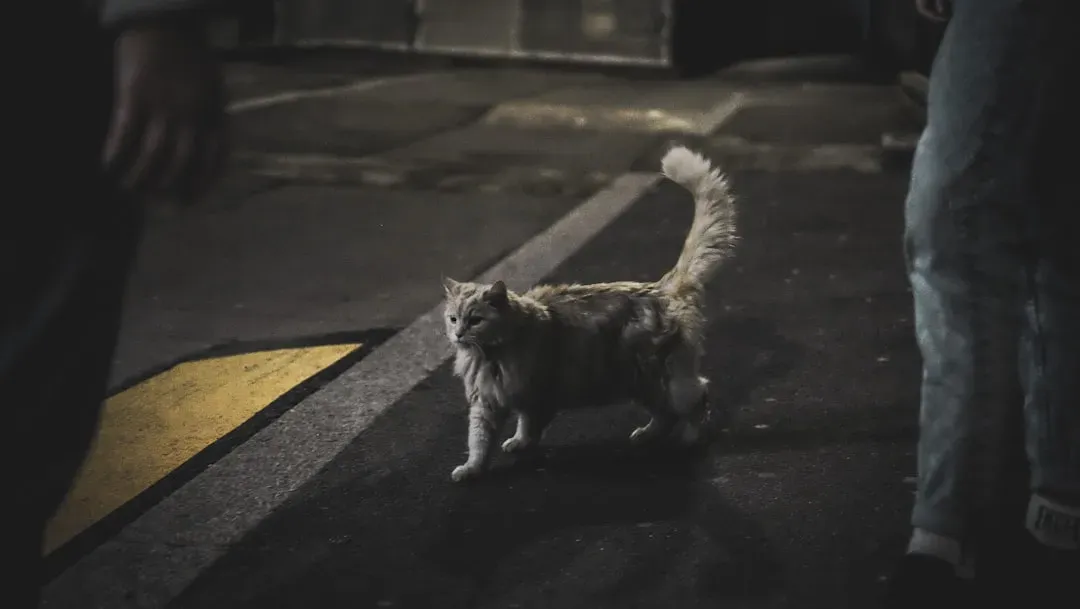
You might be tempted to assume zoomies mean your cat is full of life and therefore perfectly healthy, but that’s not always true. Sudden, intense runs paired with biting at their own back or tail, licking obsessively, or vocalizing can be a red flag. Some cats with skin irritation, flea allergies, anal gland problems, or even nerve pain will suddenly dash away as if something is “chasing” or biting them. To you it looks like randomness; to them it might feel like sudden discomfort.
If your cat’s zoomies are new, more intense than usual, or come with other changes – like avoiding touch, decreased appetite, weight loss, or hiding – it’s time to stop calling it “zoomies” and start calling your vet. You’re not being dramatic; you’re respecting the fact that cats often hide pain until it leaks out in strange ways. Treat zoomies as data: when something about them changes, your cat might be telling you a lot more than “I feel playful.”
Your Cat Might Simply Be Bored Out Of Their Mind
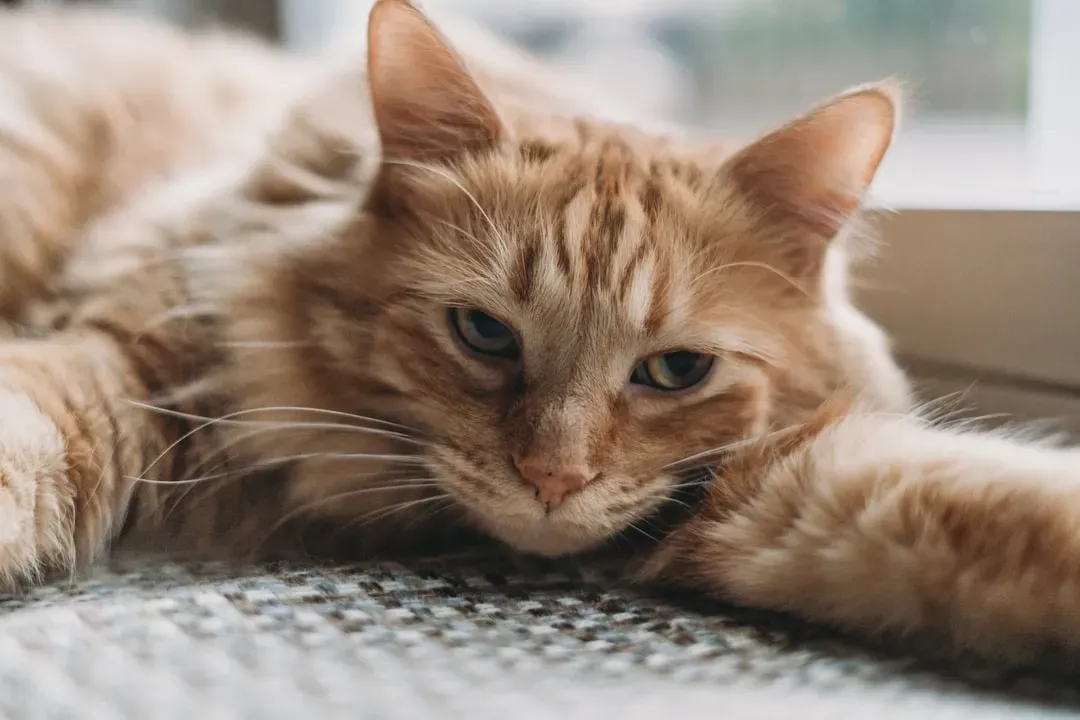
When you live with your cat every day, it’s easy to forget how limited their world really is. They see the same four walls, the same windows, the same furniture, and often the same routine. If all they do is nap, eat, stare out the window, and maybe chase a toy for thirty seconds, their brain is starving for novelty. Zoomies can be your cat’s desperate way of creating their own entertainment when nothing else interesting is happening.
Think about how you feel after scrolling your phone for hours without really doing anything meaningful; at some point you get restless and feel like you need to move. Your cat gets that itch, too, but with fewer outlets. When you add climbing shelves, scratching posts, regular play sessions, food puzzles, and even simple cardboard boxes or tunnels, you give your cat enough stimulation that zoomies become more like happy sprints and less like boredom explosions.
How You React Can Make Zoomies Better Or Worse
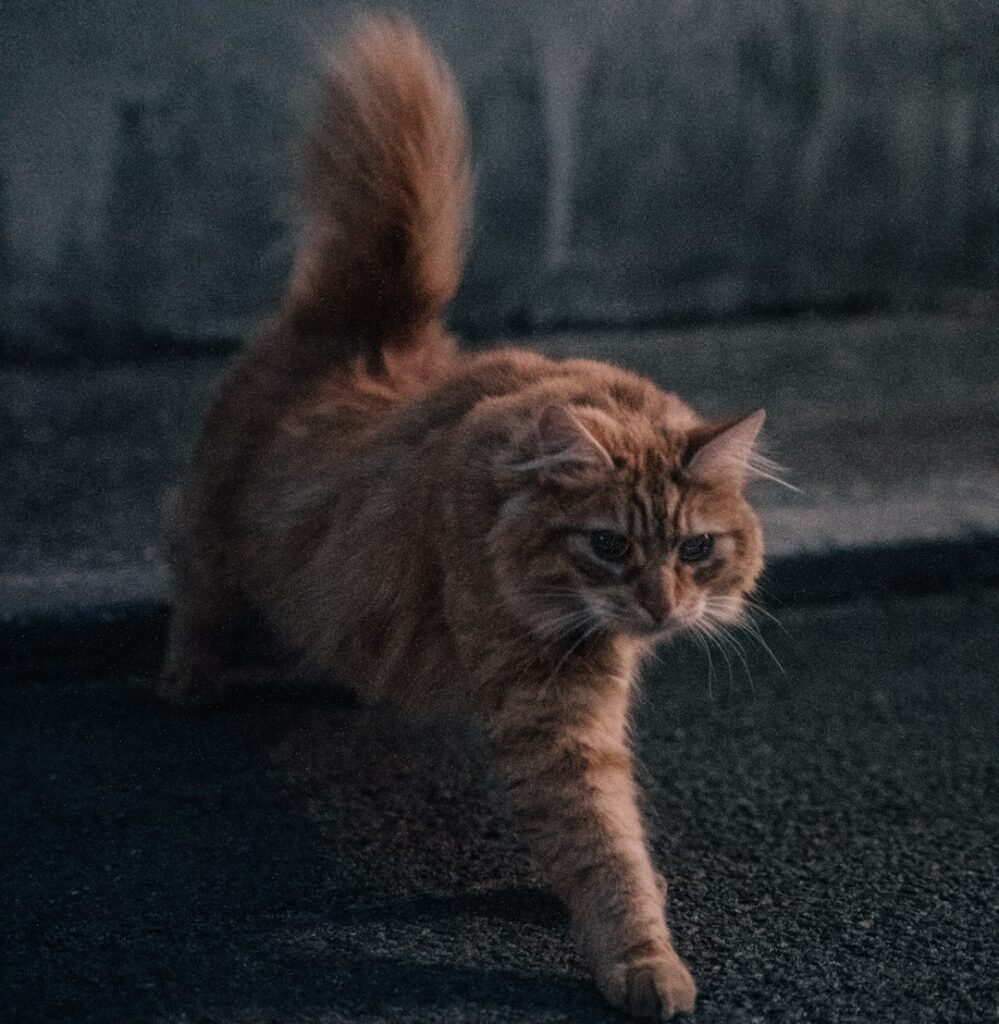
Your instinct might be to chase your cat, grab them, or scold them when they crash into furniture or launch off the counter. The problem is, that can either scare them or turn zoomies into an attention game they learn to repeat. If every time they sprint you yell or run after them, they start to link their chaos with a big, dramatic response from you. For some cats, that’s stressful; for others, it’s entertaining, even if it annoys you.
A calmer, smarter move is to quietly redirect. You can toss a toy in the direction they’re already headed, move breakable items out of the usual “track,” and keep their favorite runways clear. If zoomies are constant or destructive, that’s when you adjust the root causes – more play, more enrichment, vet checks – instead of trying to shut down the sprint itself. You’re not supposed to “stop” zoomies; you’re supposed to help them happen in a safe, healthy way.
Channeling Zoomies: Turning Chaos Into Healthy Play

Once you realize zoomies are normal, your job shifts from “How do I make this stop?” to “How do I give this energy a better outlet?” You can build a routine that helps your cat burn off that wired energy before it explodes randomly. Think focused play sessions with a wand toy that mimics prey, letting your cat stalk, chase, and pounce in a controlled way. End with a small meal or snack so their brain gets to complete the “hunt, catch, eat, groom, sleep” cycle it’s wired for.
You can also set up the environment to encourage safer, structured zooming: cat trees near windows, clear pathways, rugs for traction, and interactive toys that move unpredictably. When you give your cat places to run, climb, scratch, and hide, their zoomies start looking less like frantic bursts and more like joyful, athletic play. You’re basically becoming a designer of tiny, indoor cat adventures instead of a bystander in their chaos.
Conclusion: Zoomies Are Messages You Can Finally Read
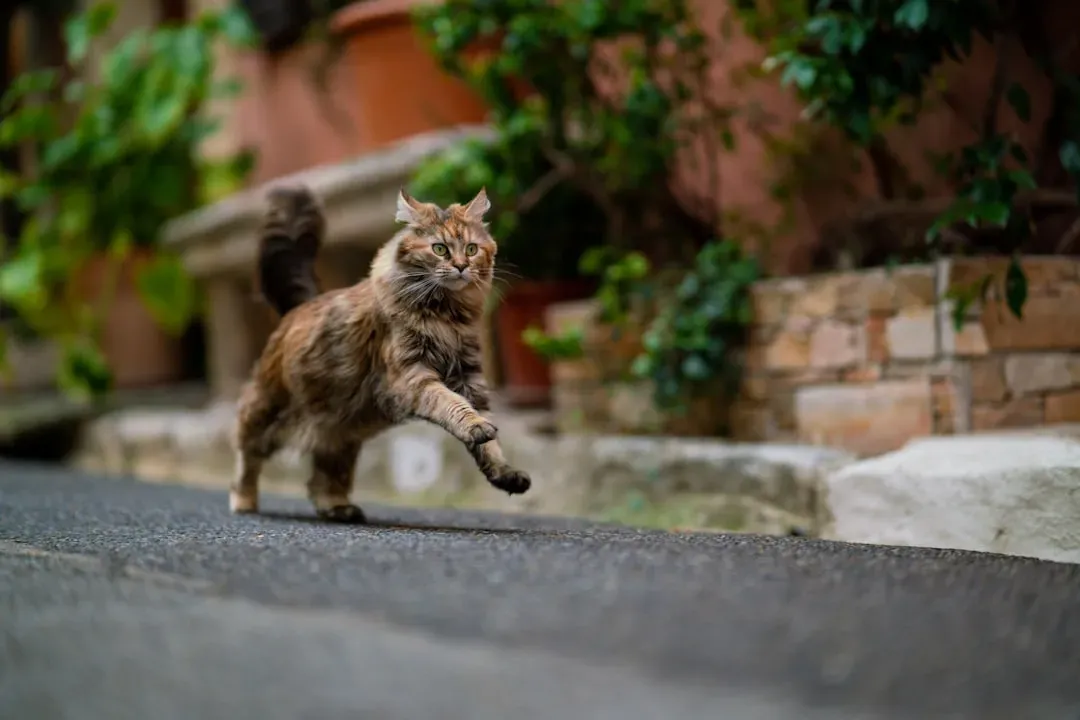
Once you stop shrugging off zoomies as your cat being “crazy,” you start seeing them as a language. They can mean “I’m bored,” “I’m relieved,” “I’m stressed,” “I’m in pain,” or simply “My instincts need a release.” When you pay attention to the when, where, and how of those sprints, you get a clearer picture of what your cat’s daily life actually feels like from their point of view. That understanding is what separates just living with a cat from truly caring for one.
You do not need to eliminate zoomies; you just need to understand and guide them. With better play routines, richer environments, and a watchful eye on any changes, you turn those wild laps around the living room into a sign of a cat whose needs are finally being heard. The next time your cat rockets past you, will you dismiss it as chaos, or will you ask, “What are you really telling me right now?”
Kristina is a young writer from India. An arts graduate and an avid content creator, Kristina is passionate about animals and wildlife. She enjoys exploring topics related to pet care, animal behavior, conservation, and nature, combining thorough research with engaging storytelling.