You walk into the kitchen, and there they are. Your cat, perched on top of the refrigerator like a tiny emperor surveying a kingdom, staring down at you with absolute, unbothered confidence. You’ve probably laughed it off, maybe even snapped a photo. But here’s the thing – that moment isn’t just quirky cat behavior for Instagram. It’s something far older, far deeper, and honestly, pretty fascinating.
What if everything your cat does when it climbs – the calculating stare before the leap, the chosen corner near the ceiling, the way it settles in and refuses to come down – is rooted in millions of years of survival strategy? Spoiler: it is. Let’s dive in and unpack exactly why your cat treats the highest point in the room like sacred ground.
The Ancient Ancestry Behind the Climb
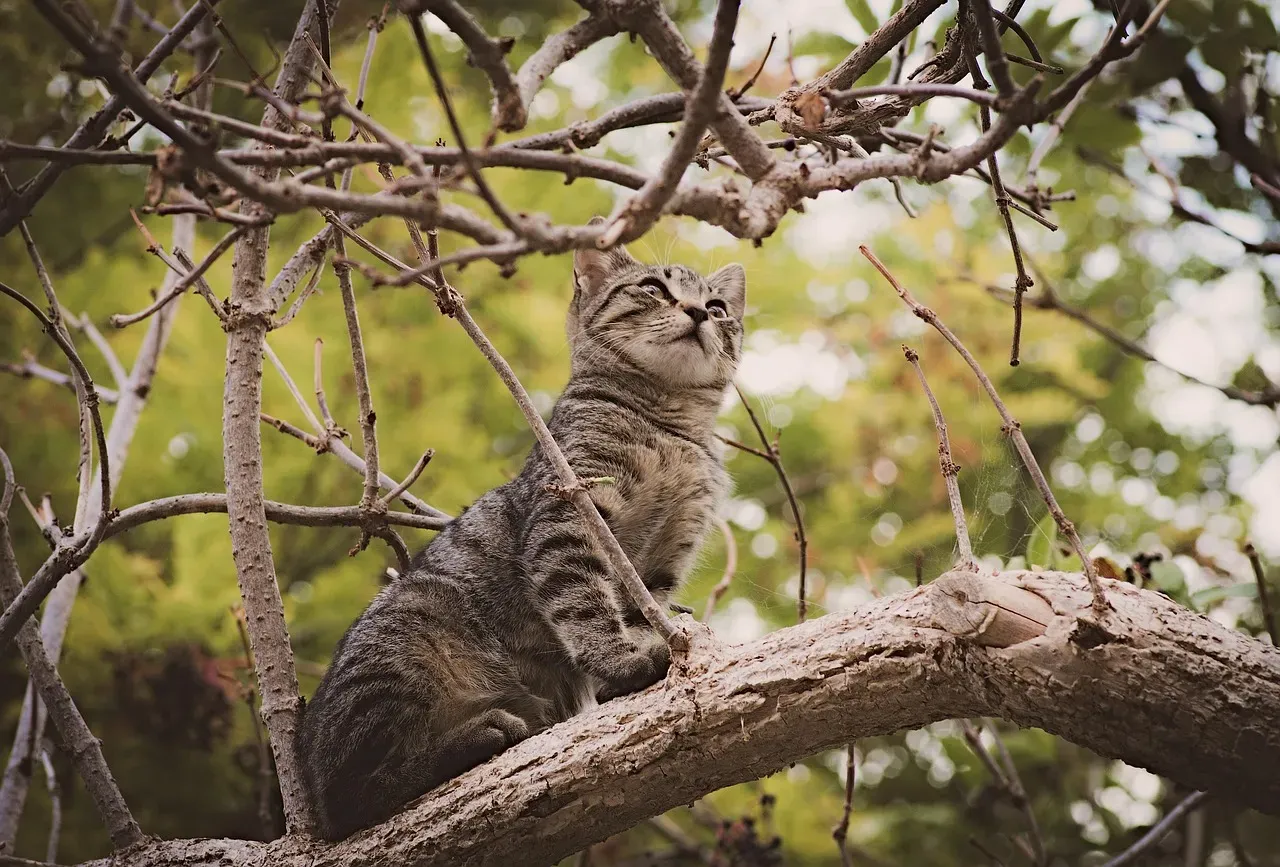
Domestic cats are descended from wild cats like the African wildcat, who relied on vertical space for both survival and hunting. Think of it like this – your fluffy companion shares more with a tree-dwelling predator than with the sofa it naps on.
Cats are tree-climbing mammals that descended from Proailurus, the first true cat, and early cats were hunters that lived in rain forests. That’s a lineage stretching back tens of millions of years, and it’s all quietly humming inside your pet every single day.
In general, cats in the wild that could adapt by climbing high were more likely to survive, so it’s perfectly natural this instinct runs strong in domesticated friends today. The climb isn’t a quirk. It’s a genetic legacy.
The Predator and the Prey: A Double Role
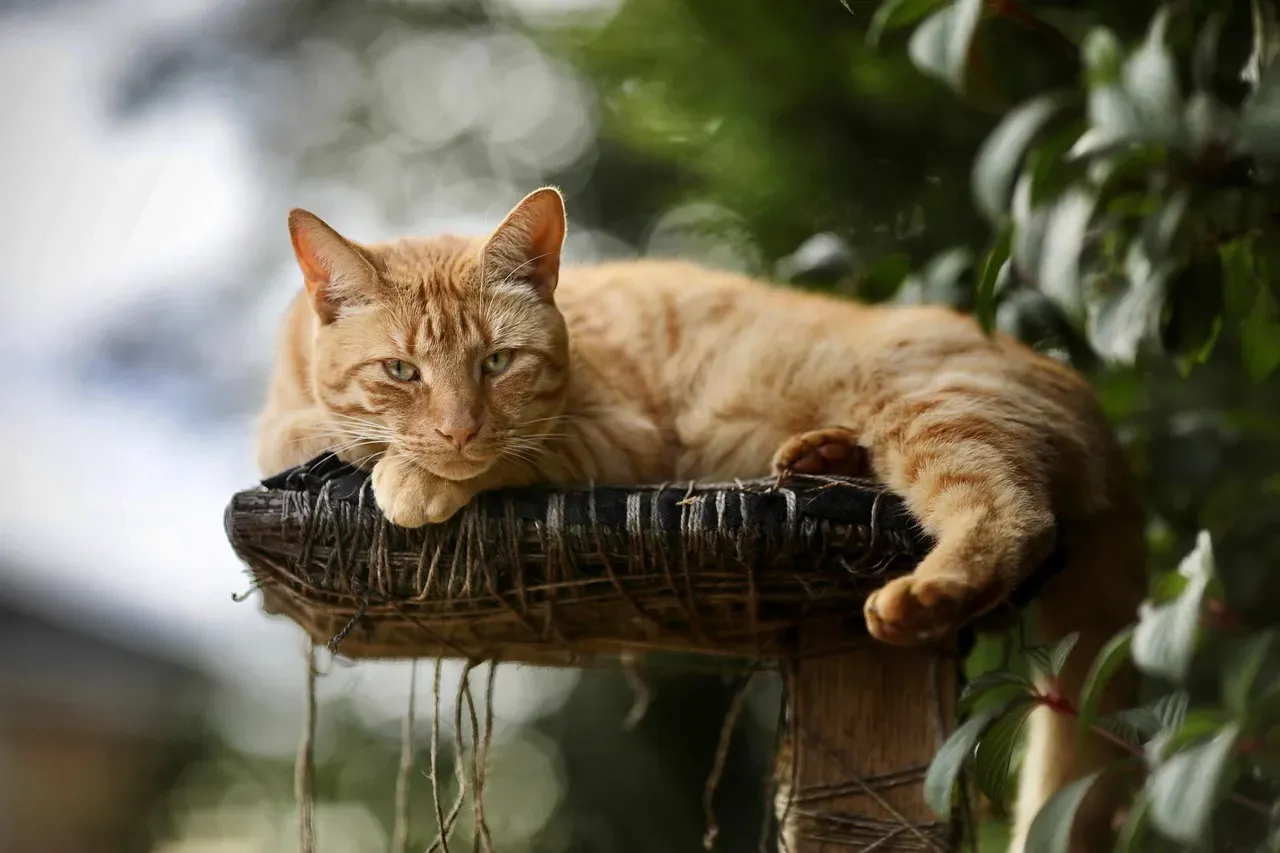
From a biological and evolutionary standpoint, cats are both prey and predators. Before they graced our homes, they were potential meals for wild animals and sought out small rodents and birds to satisfy their hunger. That dual role is genuinely wild to think about, isn’t it?
While we might think of cats as predators, they’re also prey to larger predators like coyotes, eagles, and owls. Staying in higher places provides them more opportunities to seek shelter, and also gives them a better vantage point to watch for prey of their own and to see if any predators are coming their way. This means a cat’s desire to seek higher ground comes from their desire to stay safe and increase their chances of survival.
Hardwired Security: The Vantage Point Effect
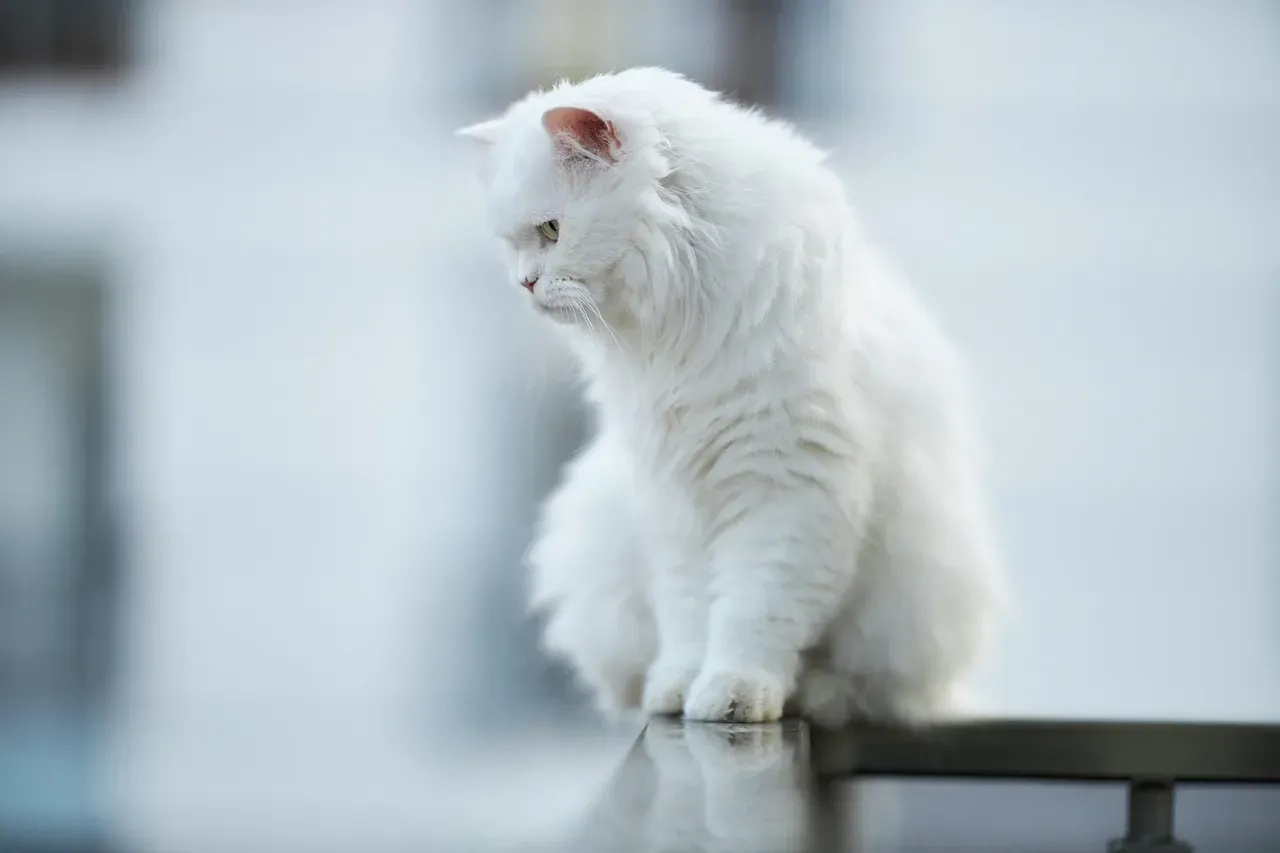
Imagine trying to relax in a room where you can’t see the door. Unsettling, right? That’s essentially how your cat feels at ground level. According to animal behavior experts, most cats prefer to sleep and hang out in places with good vantage points, and a high position for sleeping or resting gives them an aerial advantage for spotting any potential dangers around them.
For cats, high places aren’t just fun – they’re safe havens. Elevation offers a strategic advantage: from up high, a cat can observe everything happening in the environment without being in the middle of it. This is especially important in households with multiple pets, young children, or loud environments, where cats may feel overwhelmed or outnumbered.
Generations of Climbing: It’s in the Genes
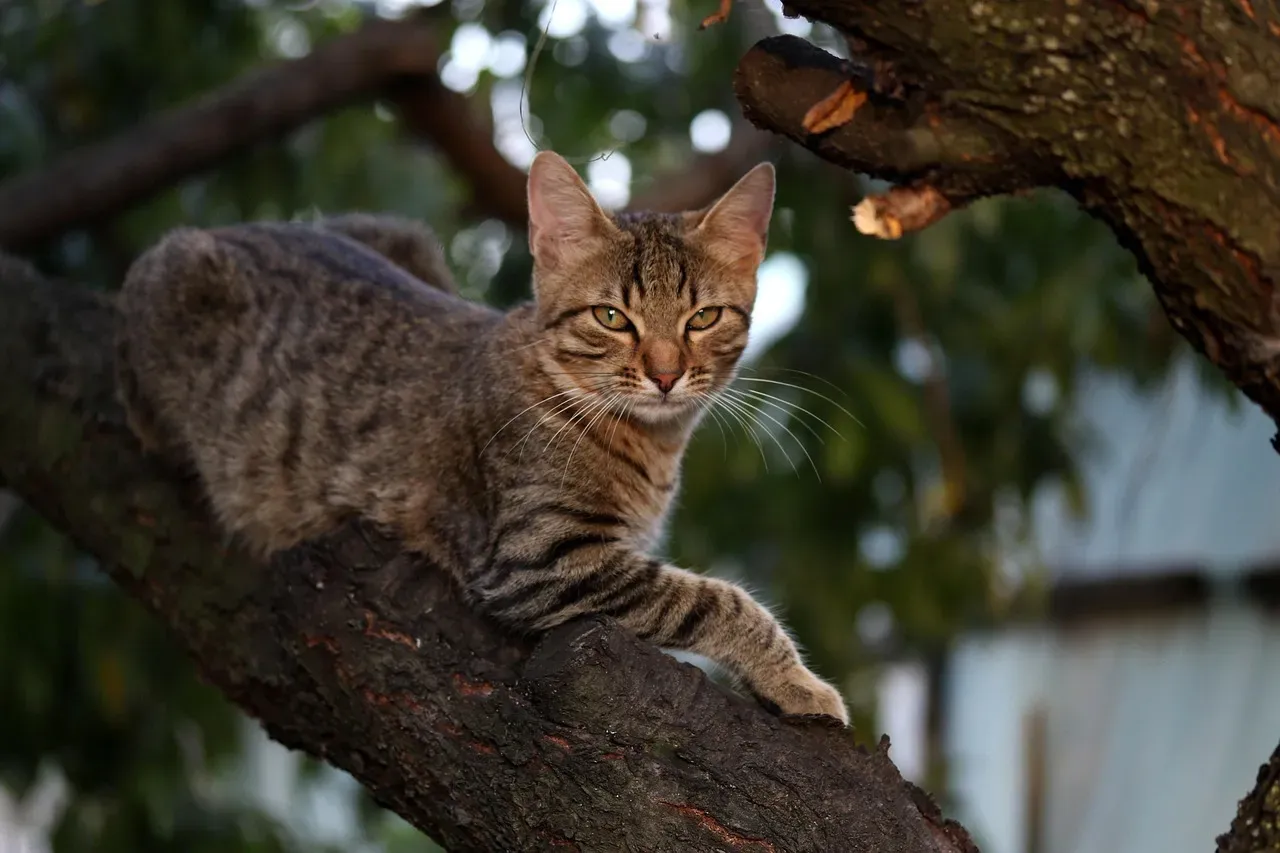
Here’s the part that truly blows my mind. Your cat doesn’t climb because it learned to. It climbs because its ancestors who climbed best were the ones that survived long enough to have offspring. The cats that were the best at climbing to seek safety would have passed on those survival traits to their offspring, and that means today’s cats have generations of climbing instinct they use even in domestic settings when there is neither predator nor prey to be concerned with.
Although these survival skills are less vital for the typical house cat, they remain a part of their genetic makeup. High perches are considered one of the key resources every cat needs to feel safe and secure. Evolution doesn’t come with an off switch. Your cat’s brain is still running ancient software, and honestly, that software works beautifully.
Height as Status: The Feline Social Hierarchy
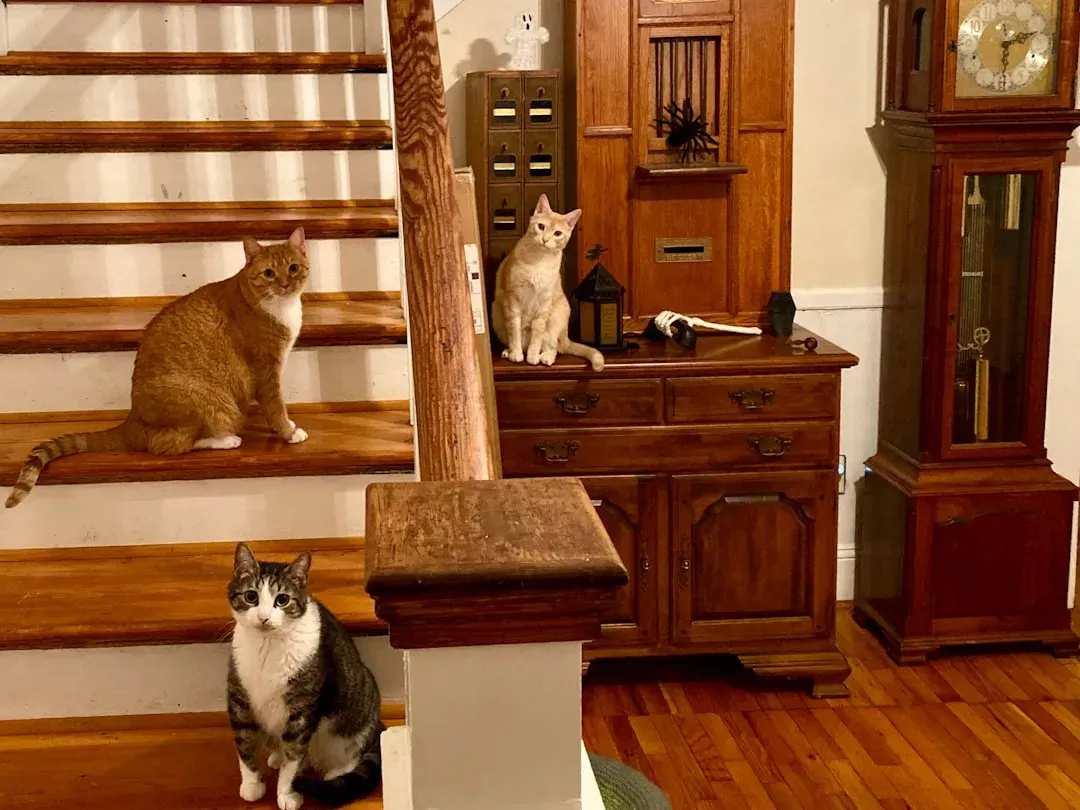
Ever notice that in a home with two cats, one always claims the highest spot? That’s not coincidence. Height can be a sign of dominance in the feline world. In multi-cat homes, the top perch often goes to the alpha. It’s basically a silent conversation happening above your head every day.
A cat of higher status in a multi-cat household may choose to climb to an elevated location, often the highest location, as a way to show indifference when there is potential for confrontation. That display of climbing to the top perch will often prevent an actual physical altercation. No hissing, no drama. Just a calm ascent to the top shelf. Power move, honestly.
A Stress Reliever and Anxiety Buster
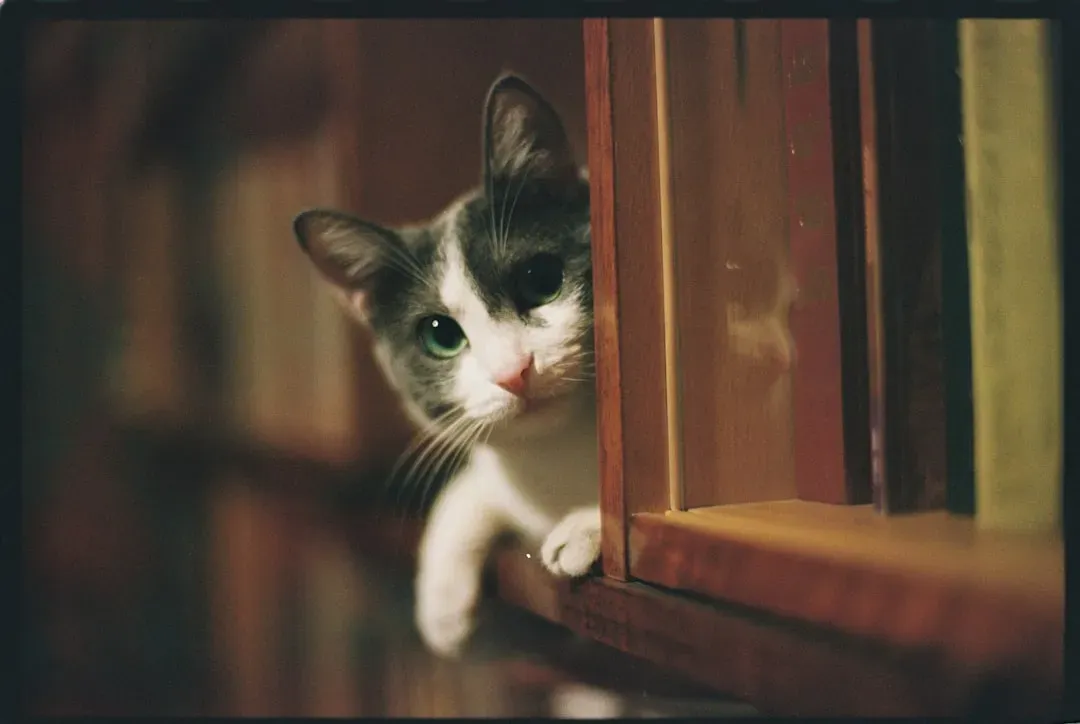
You might think of stress relief as a bubble bath or a good walk. For your cat, it’s finding the highest bookshelf in the room. Cats are sensitive to changes in their environment, especially new family members and visitors to the home, which can be a real source of stress and anxiety. Hiding from the perceived threat is a common response, but having a high perch gives them that sense of safety while allowing them to be part of the action and see what’s happening.
A sense of safety from elevated vantage points reduces anxiety by letting cats see potential threats, even if it’s just the vacuum cleaner. A shy cat often blossoms when it has access to high resting spots where it feels untouchable. Think of a high perch as your cat’s version of a deep breath. Same result, very different method.
Warmth, Privacy, and the Perfect Nap Spot
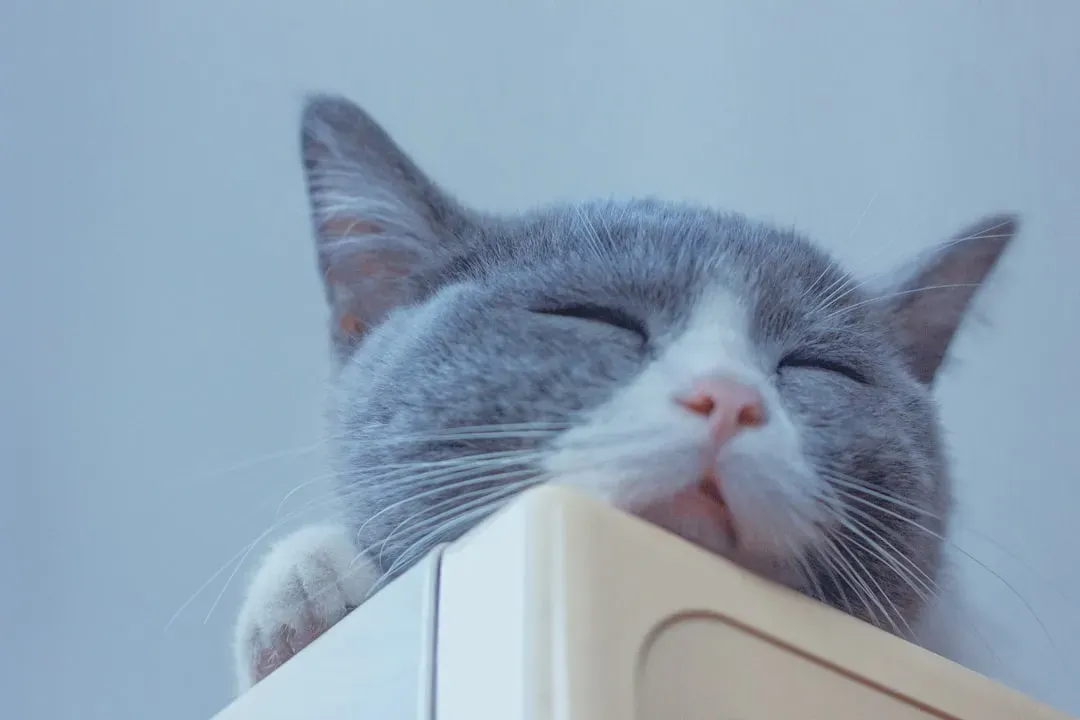
There’s a wonderfully practical side to all of this too. Another basic function of high places, especially in climate-controlled homes, is to provide a warm location for cats to rest. Because warmer air rises, cats might prefer the tops of appliances, cat trees, and bookshelves over cold floors – and this can be especially true during the winter.
In your home, cats take comfort in being able to find high places they can claim as their own. They make for safe, peaceful, comforting spots where they can relax without interruption. Your cat isn’t being antisocial up there. It’s doing what its instincts have always told it to do: find the warmest, safest, most private corner it can reach.
Mental Stimulation and the Curious Climber
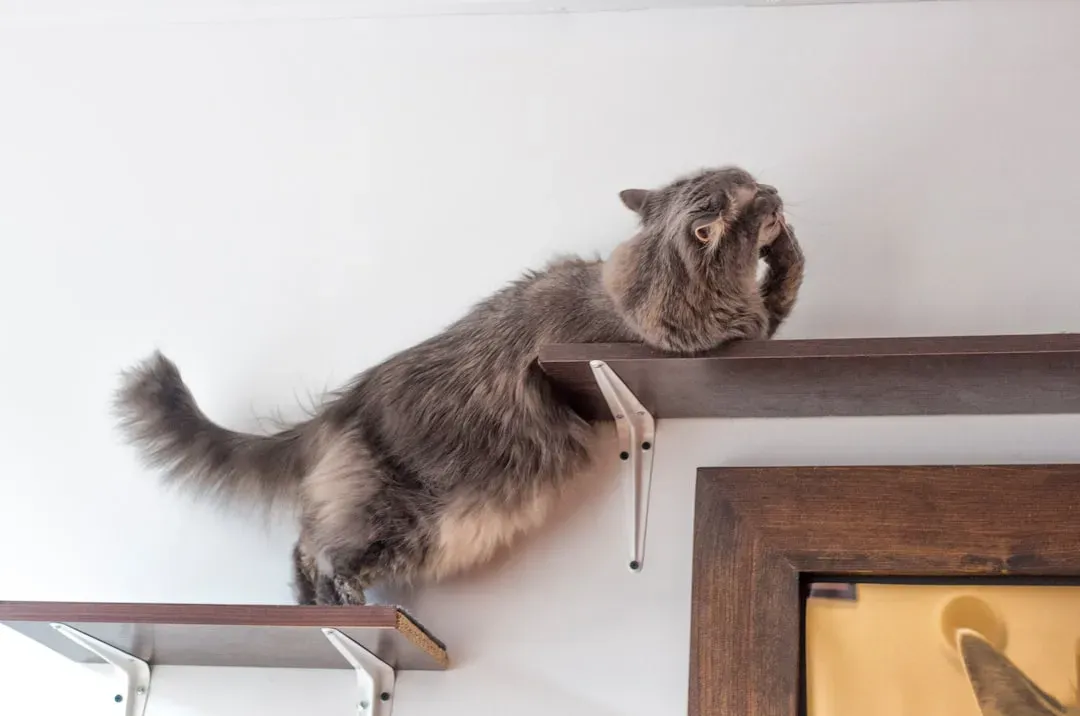
Let’s be real – a bored cat is a destructive cat. Climbing isn’t just physical exercise; it’s brain food. Cats are endlessly curious creatures, and high places offer a constantly changing front-row seat to the action. Whether it’s bird-watching through a window, observing people from the top of a bookshelf, or tracking the movements of other pets, elevation turns your home into an interactive playground.
Jumping and climbing activities can also provide physical exercise and stimulation, which are important for maintaining a cat’s health and well-being. Think of a tall cat tree like a multi-channel TV for your cat. Every level, a new show. Every window, a live wildlife documentary. For kittens, climbing is one of the ways they start to learn about their skills and abilities – they learn to perfect balance and develop muscle strength and flexibility.
Creating a Cat-Friendly Vertical World at Home
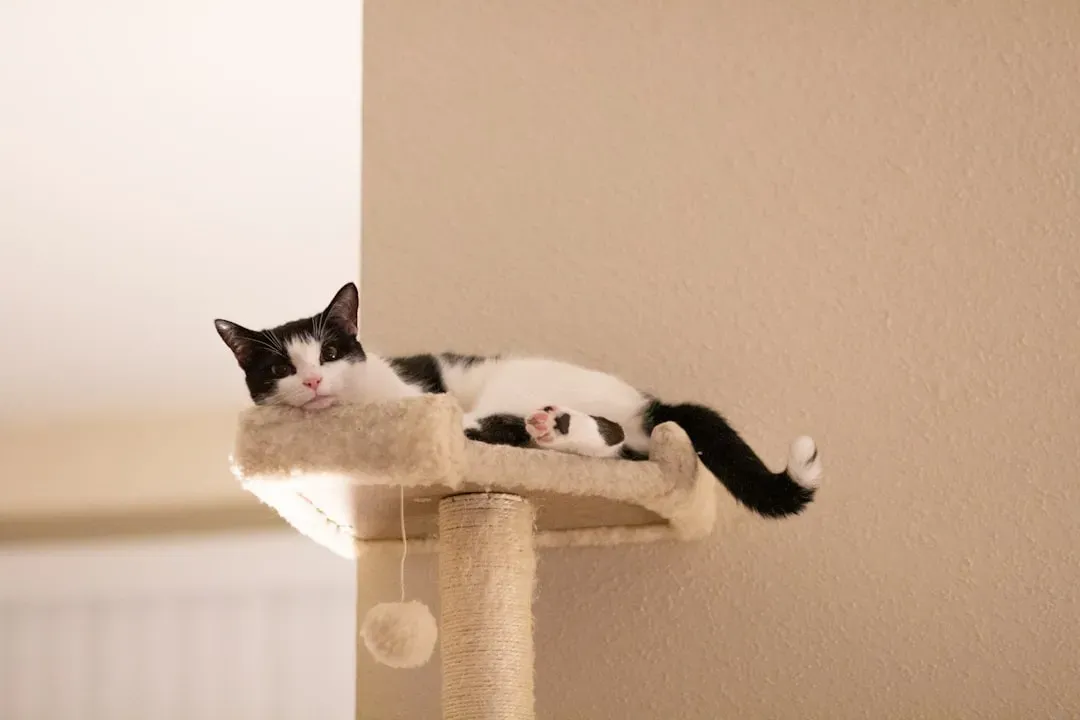
So now you understand the why, the how, the ancient biology behind it all. The next step? Working with your cat’s instincts rather than against them. Creating vertical spaces for your cat can be as easy as clearing off the top of your refrigerator, bookshelves, and cabinets – this offers your cat a larger surface area to perch on and removes any potential dangers. If you prefer that your cat have their own elevated spaces, install dedicated cat shelves along the walls using a step pattern so your kitty can easily get from the floor to a high-up spot.
Studies on feline social dynamics show that vertical territory helps reduce conflict, as cats can establish hierarchy without direct confrontation. That’s a big win for multi-cat households. For elderly cats or cats with mobility issues who like to climb, it’s best to install cat stairs near vertical areas to help them reach their favorite places easily and safely. Every cat, at every age, deserves its own piece of sky.
Conclusion: Your Cat Isn’t Being Dramatic – It’s Being Ancient
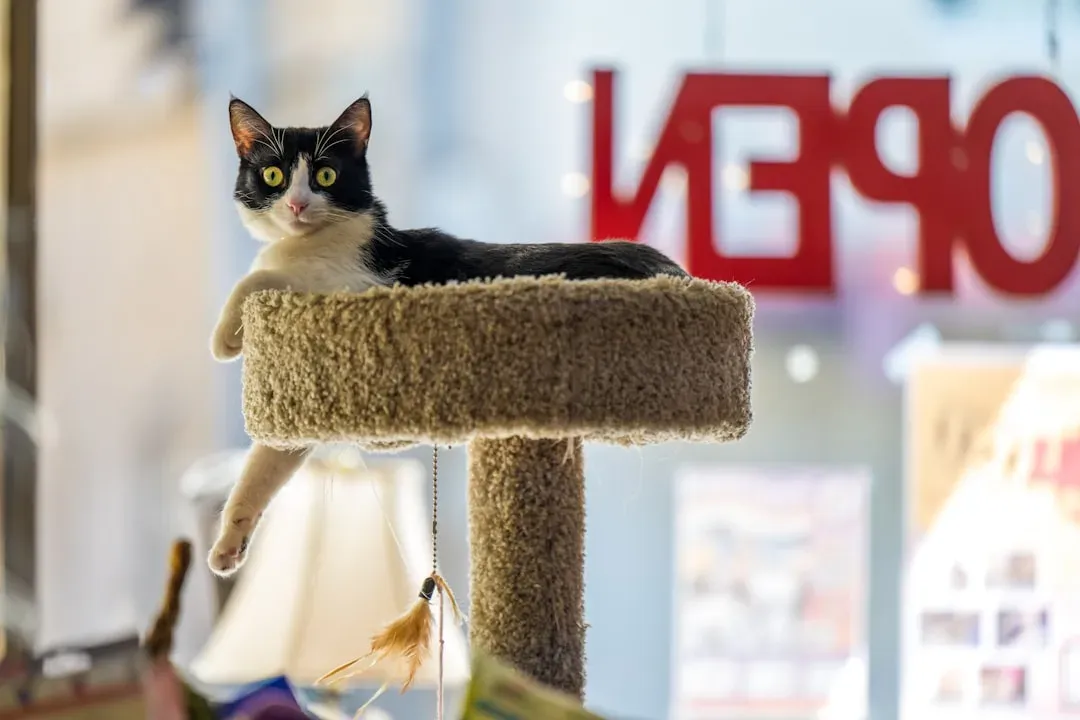
Every time your cat scales the bookshelf, claims the top of the wardrobe, or surveys the living room from the highest available point, you’re watching millions of years of evolutionary instinct play out in real time. It’s survival strategy dressed up in domestic fur.
Understanding this changes everything about how you relate to your cat. The climb isn’t mischief. The perch isn’t stubbornness. It’s your cat saying, in the clearest way it knows how, “This is what I am.” And the best thing you can do is give it the space to be exactly that.
So the next time you find your cat staring down at you from the top of the refrigerator, maybe instead of being puzzled, you’ll feel a flicker of genuine awe. What do you think – does knowing the real reason behind the climb change how you see your cat’s behavior? Share your thoughts in the comments below.
Kristina is a young writer from India. An arts graduate and an avid content creator, Kristina is passionate about animals and wildlife. She enjoys exploring topics related to pet care, animal behavior, conservation, and nature, combining thorough research with engaging storytelling.