You’re half asleep, cozy under your blanket, when suddenly a furry missile launches off the bed, careens down the hallway, and ricochets off the living room wall at what sounds like the speed of a small race car. Sound familiar? If you share your home with a cat, you almost certainly know this scene all too well.
Here’s the thing – most people panic a little the first time it happens, wondering if something is terribly wrong with their beloved pet. Spoiler alert: it’s almost always the complete opposite. Those wild midnight sprints are actually one of the most fascinating and misunderstood windows into your cat’s inner world. Let’s dive in and unpack what’s really going on when your cat turns into a tiny tornado after dark.
What Are the Zoomies, Really?
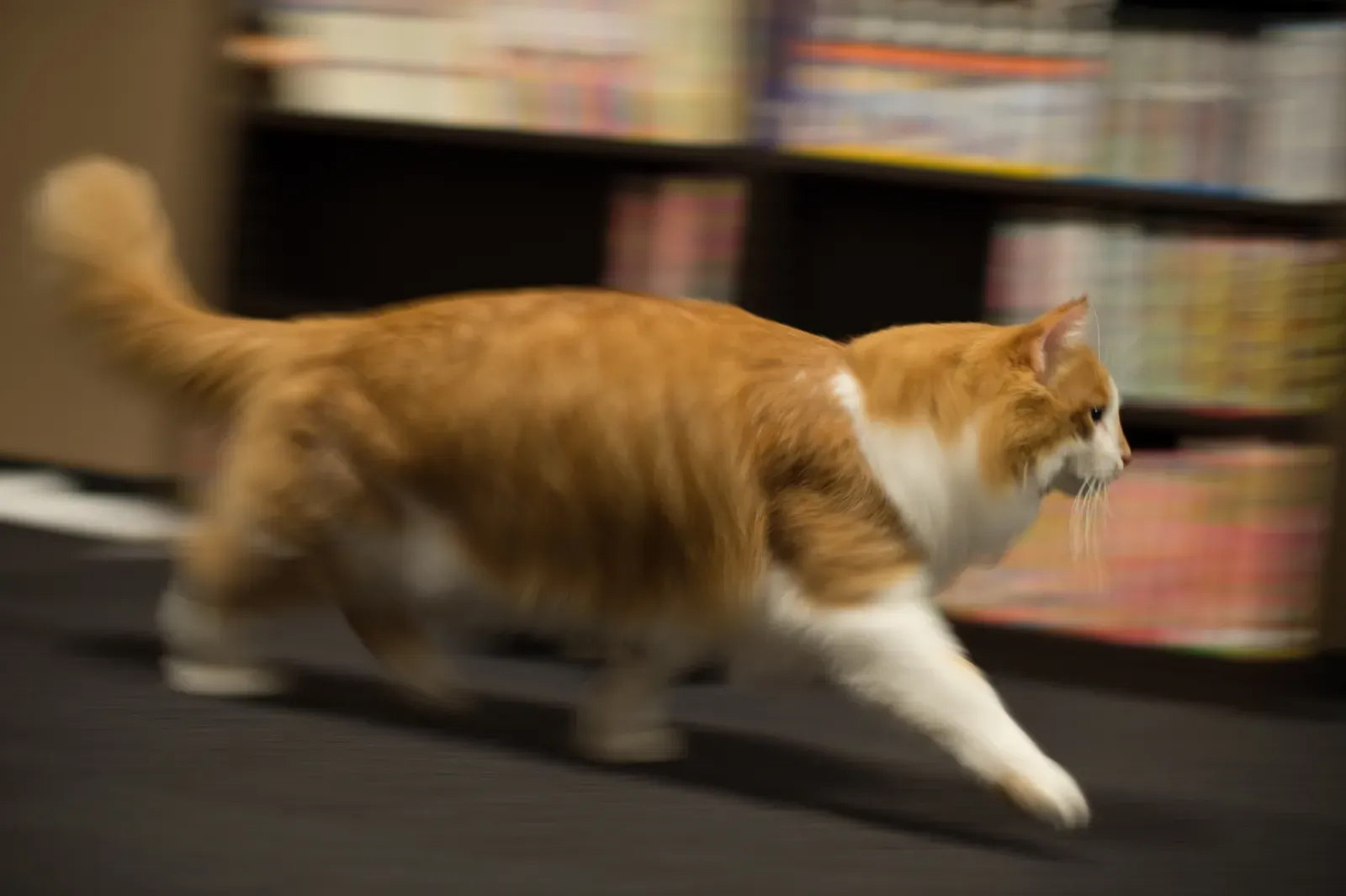
Some people call it the witching hour, others know it as the nighttime “crazies,” and scientists refer to it as Frenetic Random Activity Periods, or FRAPs. Most of us, though, know it simply as “the zoomies” – that sudden burst of hyperactivity that mystifies so many cat parents. It sounds like something out of a cartoon, but there is a very real biological basis behind it.
At their core, zoomies are all about releasing pent-up energy. Cats are natural predators, designed for short, powerful bursts of speed. Even though your housecat’s main prey is probably a toy mouse or a dust bunny, those instincts are still very much alive. Think of it like a spring that’s been slowly coiled all day and then suddenly, gloriously, let go.
Your Cat Is Hardwired for the Twilight Hours
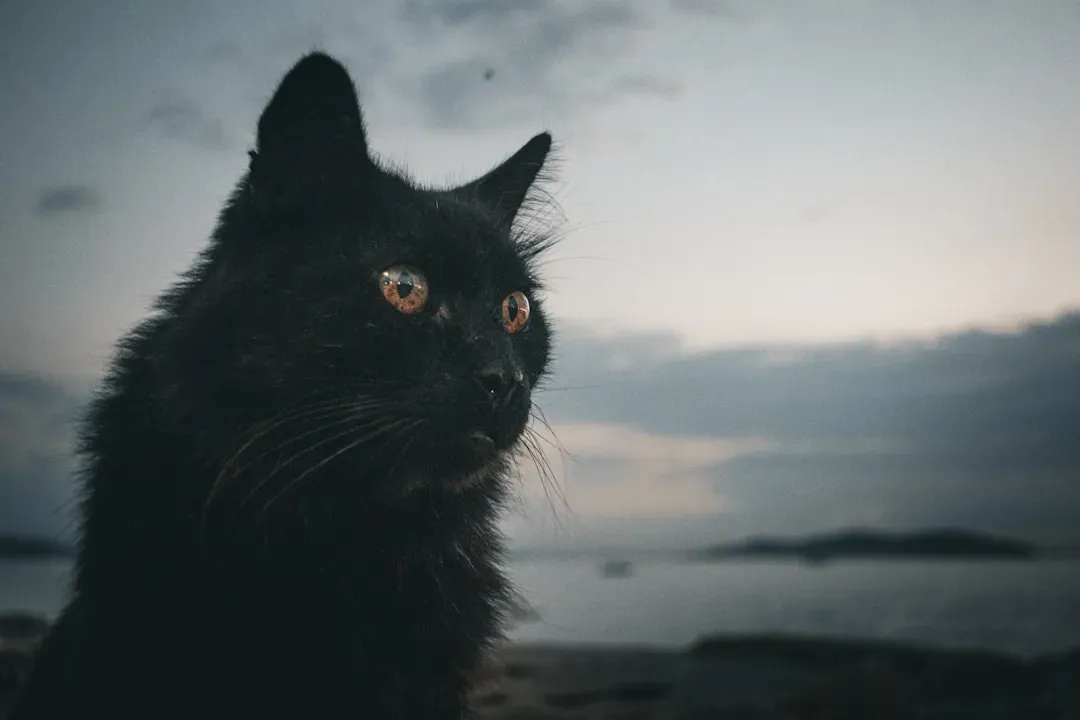
Cats are crepuscular animals, meaning they are most active during dawn and dusk. This behavior can be traced back to their wild ancestors, who hunted during these times to take advantage of cooler temperatures and the movement of prey. While domestic cats no longer need to hunt for their meals, they’ve retained these instinctual patterns of activity. You cannot simply delete millions of years of evolutionary coding with a cozy indoor lifestyle.
The truth is, cats aren’t truly nocturnal. Rather, they follow a crepuscular rhythm that has them more active during the low-light hours of the day, mainly around dawn and dusk, and then sleeping during the middle of the night and day. So while your cat may seem to be keeping you up at night, it’s more likely that they’re treating themselves to a later bedtime and an early wakeup while enjoying frequent naps throughout the day. Honestly, it sounds like a pretty good deal for them.
Pent-Up Energy Is the Biggest Culprit
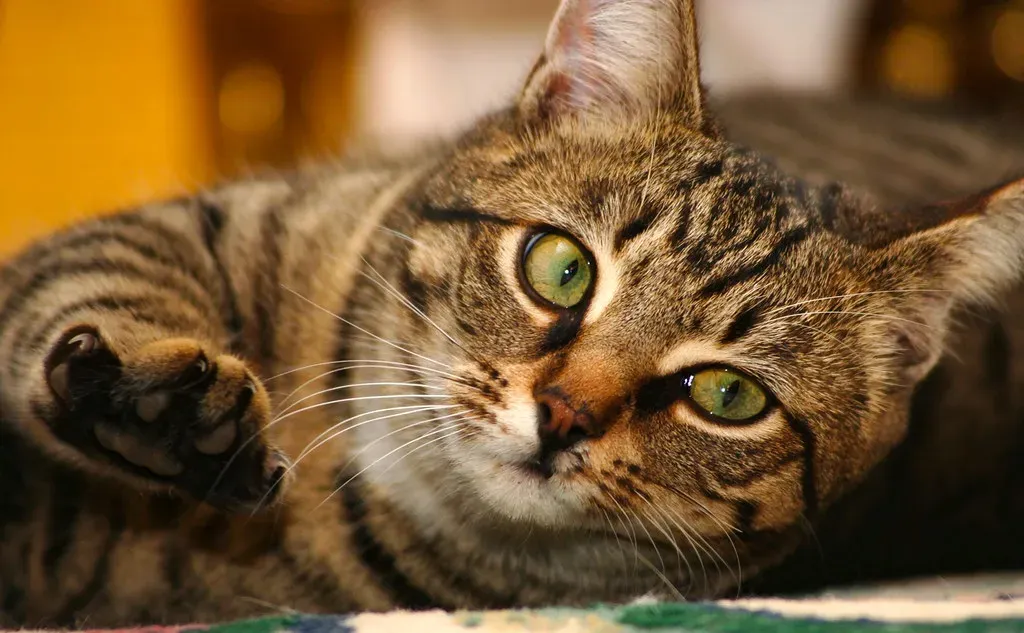
Cats are known for their unique sleep behavior, often spending 12 to 16 hours a day napping. While it may seem like your cat is napping the day away, in reality, they’re resting up for short bursts of high energy. Unlike humans, who typically sleep in long, uninterrupted stretches, cats rest in short bursts throughout the day and night. So all that daytime lounging? Pure strategic reserve-building.
Likely, your kitten is racing around the house because their inner predator is coming out – their inner hunter and explorer needs to expend their unused energy. After sleeping for the majority of the day, your little kitty, no matter their age, needs a way to expel their pent-up energy. Think of it like shaking a soda bottle all day and then popping the cap at midnight. The result is predictable, fizzy, and a little chaotic.
The Night Environment Plays a Bigger Role Than You Think
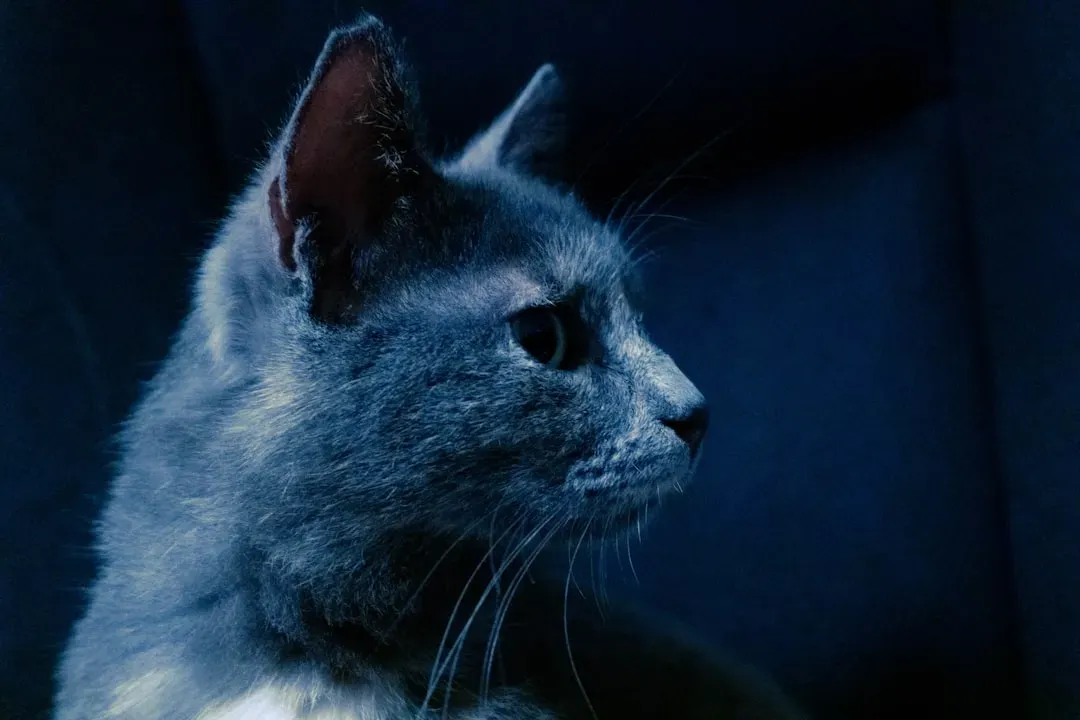
Your cat’s environment can significantly impact their behavior, including their sleep-wake cycle. The quiet of the night might make your cat feel more comfortable exploring and playing. During the day, the noise and activity associated with daily life can be intimidating for some cats, causing them to rest and wait for the tranquility of nighttime to get active. It’s the feline version of preferring a quiet library over a crowded coffee shop.
Cats are crepuscular, which means they’re most active during dawn and dusk. When the house is quiet and dark, your feline pal’s inner hunter wakes up. This is why cat nighttime behavior often peaks while you’re trying to sleep. The irony is hard to ignore – the very conditions you find most restful are the ones that make your cat feel most alive.
Zoomies Are a Glowing Sign of Contentment
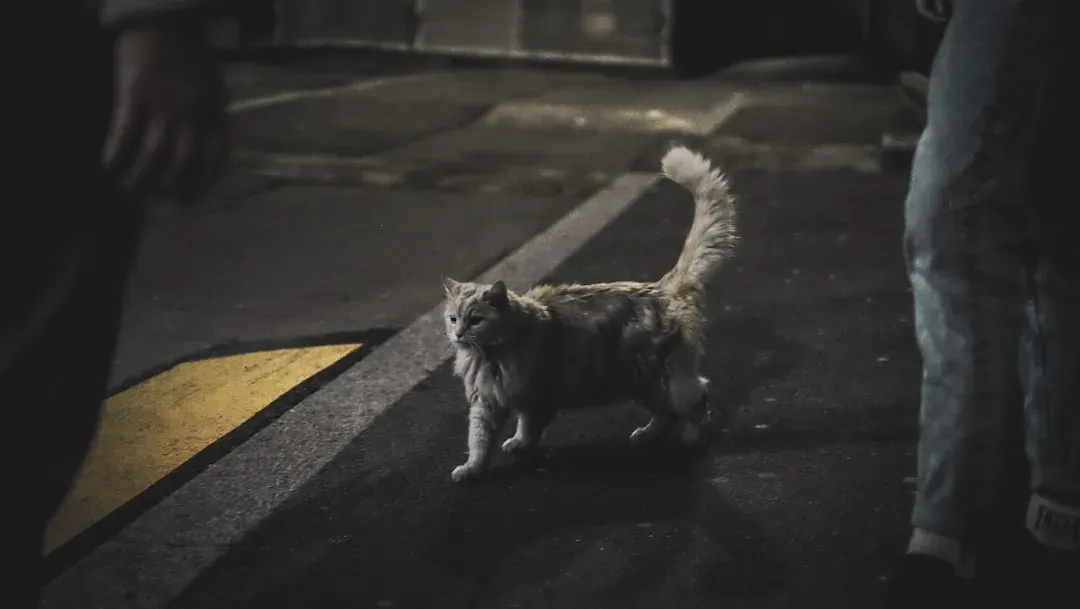
Zoomies are a sign of a healthy, energetic, and happy cat. It means they’re comfortable and feel safe enough in their environment to let loose and play. A cat that feels threatened, stressed, or unwell is not going to go on joyful midnight sprints through the house. That kind of carefree abandon requires a foundation of genuine security.
Rather than seeing zoomies as hyperactivity, it’s best to recognize them as a sign of a healthy and happy cat with energy to expend. Frenetic random activity periods serve as a way for cats to burn off energy and practice their natural hunting behaviors. So next time you hear that thundering stampede at 2 a.m., remember – your cat is basically celebrating how good life is.
Age Shapes How Intense and Frequent Zoomies Are
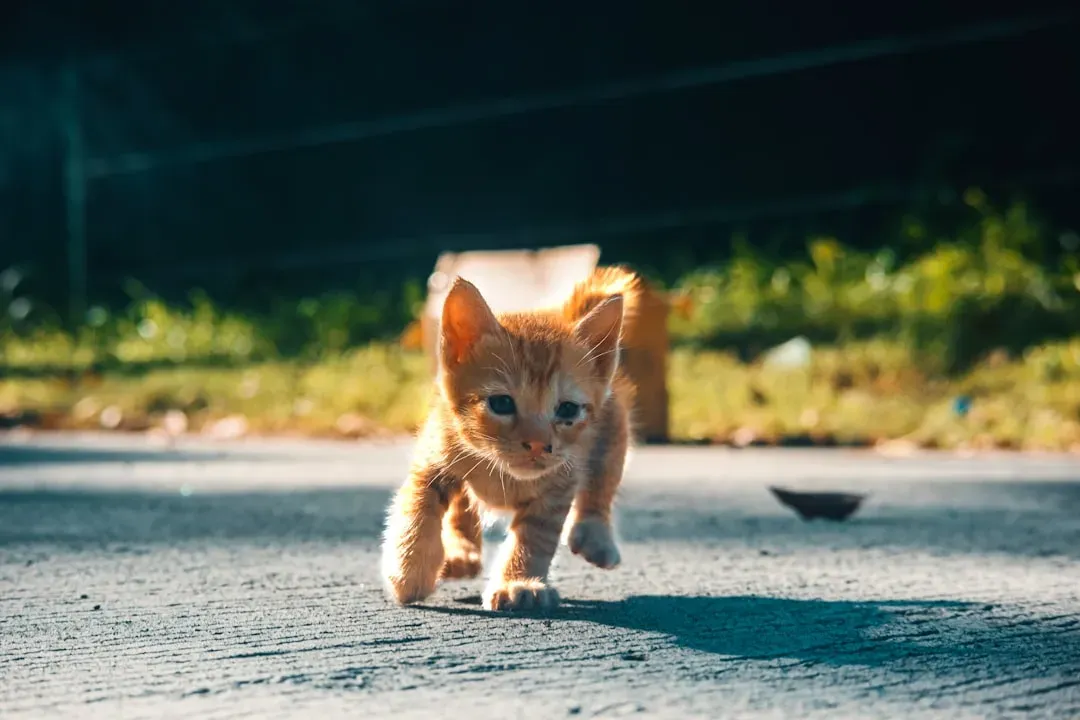
A cat’s age can impact their activity levels and sleep-wake cycle. Young cats have an abundance of energy and may have more frequent and intense zoomies. They are also more likely to be active at night. Older cats typically slow down and may sleep more than younger cats. If you have a kitten, you might feel like you’re living with a furry tornado on a 24-hour shift.
Most cats can’t sustain the zoomies for more than a minute or so. As cats age, the FRAPs often get shorter and less frequent. That said, do not assume senior cats are immune – a senior may run out of gas after a few pounces, but they still have their moments! Age slows the engine, but it rarely switches it off completely.
When Zoomies Could Signal Something Worth Watching
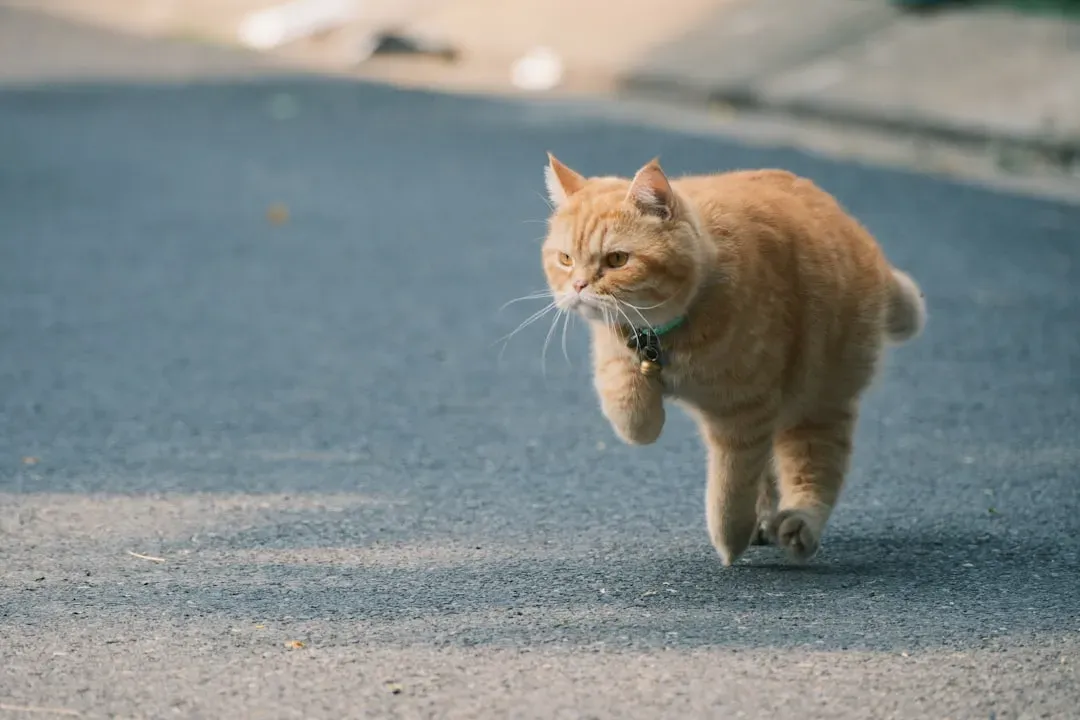
If sporadic periods of energy become more intense and frequent, it may be worthwhile to chat with your vet. When a cat experiences acute pain due to arthritis or has been bitten by fleas, they try to escape the pain or itchiness by running wildly. I know it sounds counterintuitive – how can running around be a distress signal? – but context is everything here.
These can be signs of hyperthyroidism or diabetes, which can cause restlessness in cats that looks very similar to zoomies. If you have a middle-aged or older cat who suddenly begins staying up late, losing weight, acting jittery, or behaving oddly, have them checked by your vet. The key word is “suddenly.” While zoomies are relatively normal behavior for your cat, if this is a new behavior for your cat or kitten, zoomies can also be a warning sign of potential health issues.
Smart Strategies to Manage Midnight Madness
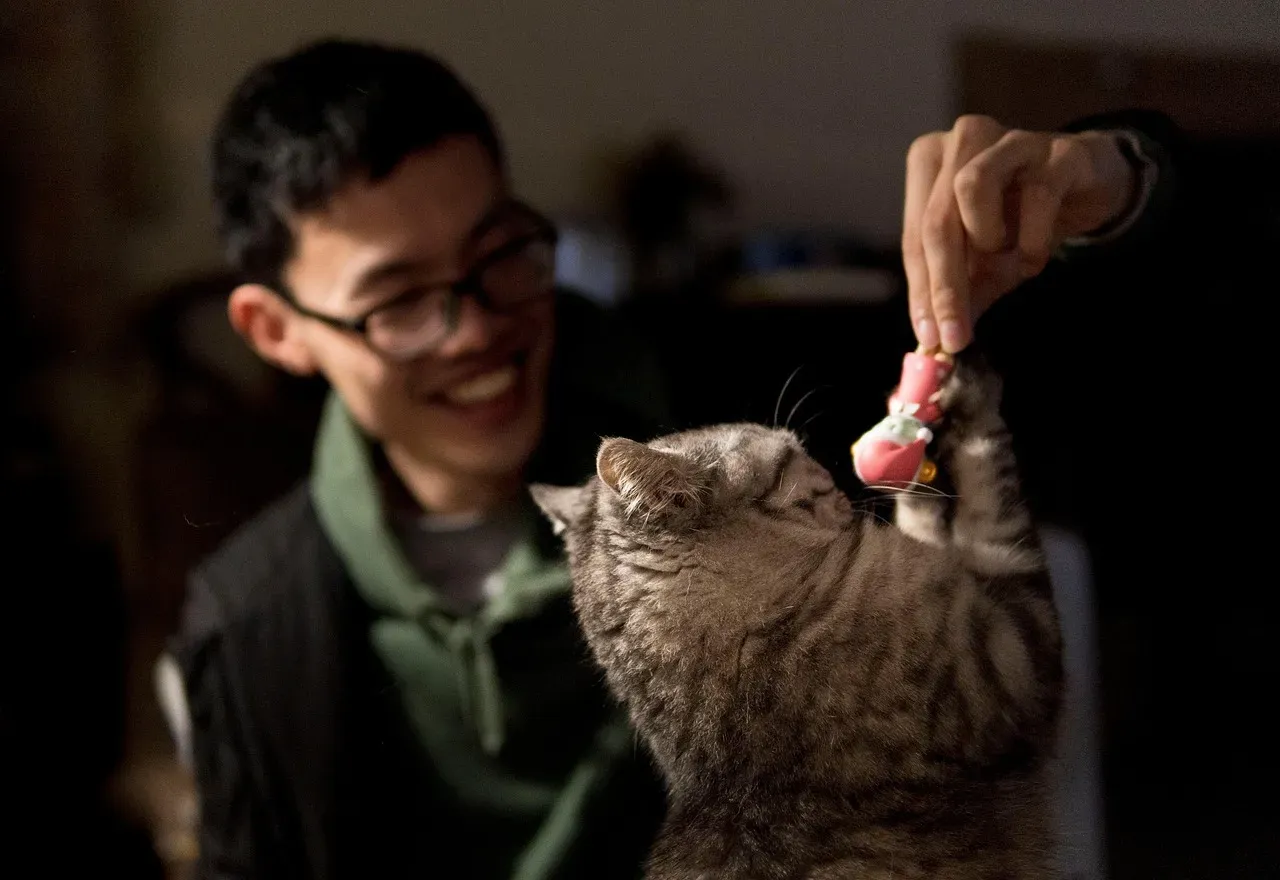
Playing with your cat multiple times a day – especially before bedtime – can help manage their energy levels and reduce excessive nighttime zoomies. Think of it like giving a toddler a good run in the park before bath time. The logic is the same, and the results are often just as reliable. A tired cat is a sleeping cat.
Puzzle feeders, climbing trees, and scratching posts give your feline pal outlets for activity. Establishing a bedtime routine by playing with your cat before bed and then offering a small meal can encourage restful sleep. Avoid reinforcing zoomies by not chasing or scolding your cat, as this may increase excitement. Creating safe play zones gives your kitty designated areas to zoom without knocking over valuables. Consistency here is what really locks in results over time.
The Feeding and Routine Connection You Shouldn’t Ignore
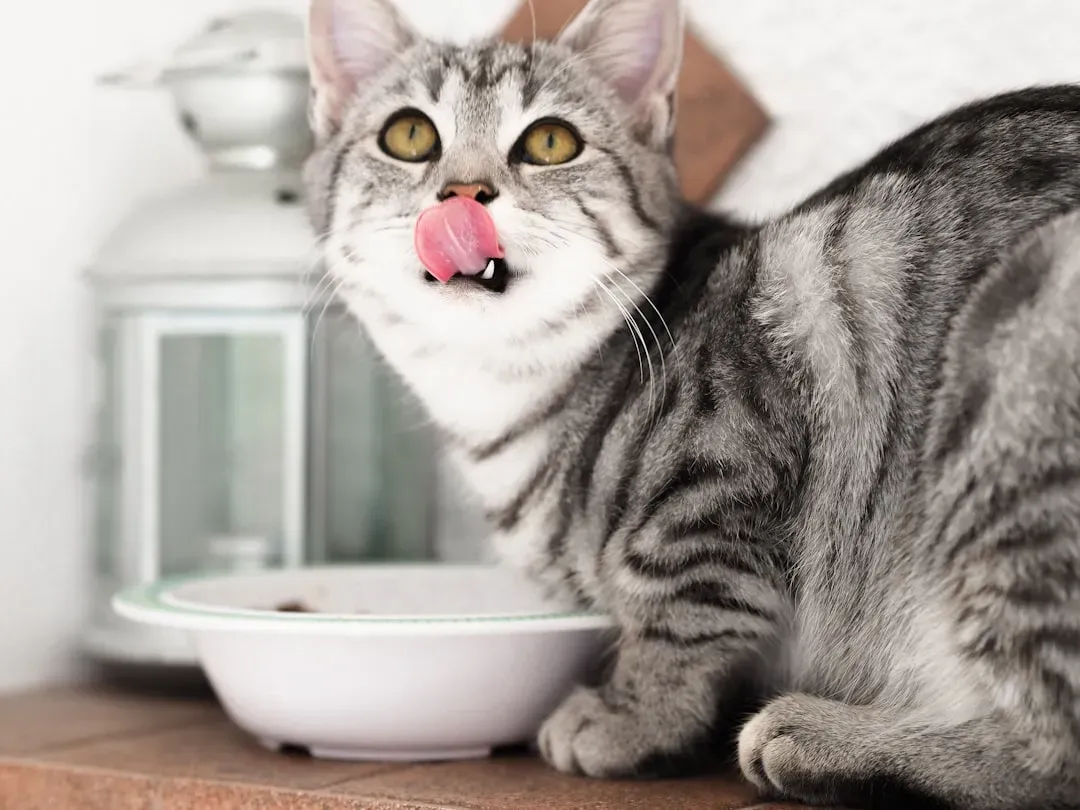
A consistent feeding schedule can help regulate your cat’s energy levels and promote better sleep habits, reducing the likelihood of nighttime hyperactivity. Cats in the wild eat as many as 15 small meals a day. Living with humans, cats might only eat every eight to 12 hours. No wonder some of them get up at night – they’re hungry! If your cat is doing laps at 3 a.m., you might simply need to adjust their dinner schedule.
One option is feeding your cat meals from a food-dispensing toy. Feeder toys simulate a wild feline’s hunt-catch-consume behavior, providing both mental and physical stimulation. It’s a clever way to satisfy two instincts at once – the hunger drive and the hunter’s urge to work for a reward. Your cat gets enrichment, you get more sleep. Everyone wins.
Conclusion: Embrace the Chaos, It Means Everything Is Right
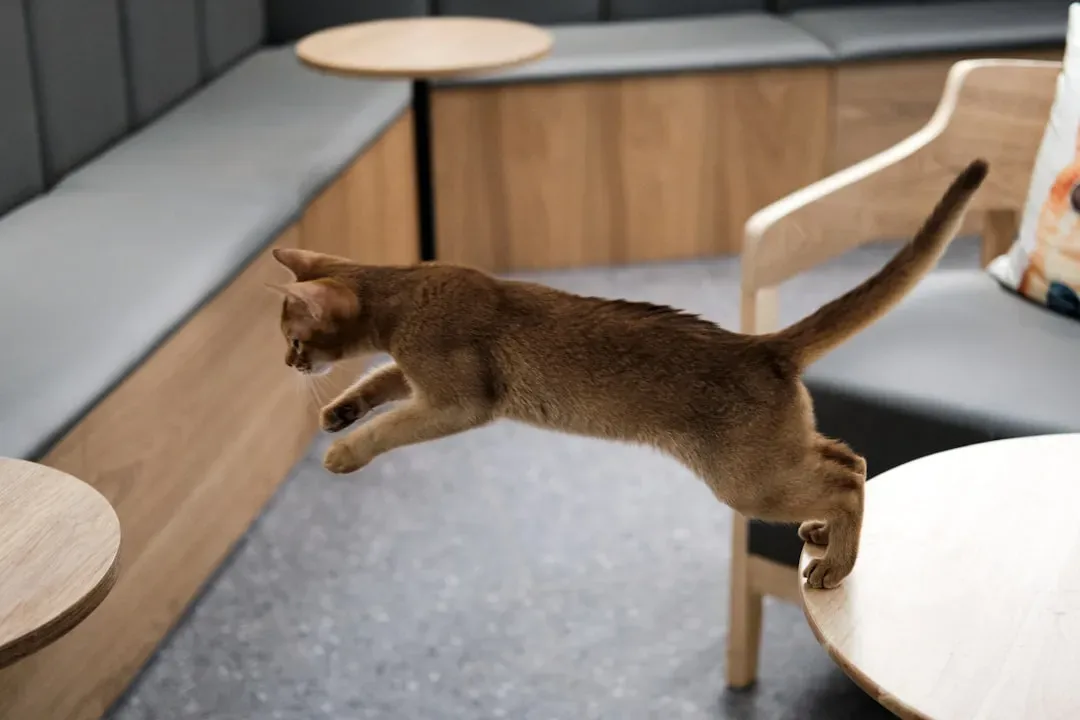
Your cat’s nighttime zoomies are not a malfunction. They’re not a cry for help, a sign of mischief, or evidence that your cat secretly resents you. They are, in the most literal sense, proof that your cat is thriving. A feline that sprints joyfully through the dark is a feline that feels safe, energized, and genuinely happy in its home.
Rather than being a cause for concern, cat zoomies are a natural expression of playfulness and instinctual behavior. By engaging your cat in regular play, providing stimulating environments, and respecting their natural rhythms, you can ensure they live a healthy, enriched life. Understanding what drives the zoomies puts you firmly in the driver’s seat when it comes to managing them on your own terms.
So the next time those tiny paws go thundering past your bedroom door at midnight, smile a little instead of grumbling. Your cat isn’t bothering you. They’re just living their best life – and quietly (well, loudly) letting you know it. Does it change how you see those 2 a.m. sprints? Tell us in the comments!
Kristina is a young writer from India. An arts graduate and an avid content creator, Kristina is passionate about animals and wildlife. She enjoys exploring topics related to pet care, animal behavior, conservation, and nature, combining thorough research with engaging storytelling.