You live with a creature who stares at blank walls, randomly sprints through the house at 3 a.m., and delivers dead animals to your doorstep as if it’s a perfectly normal Tuesday. Your cat. The single most paradoxical pet on the planet, and honestly, we wouldn’t change a thing about them.
Here’s what most people don’t realize: every single one of those bizarre feline behaviors has a reason behind it. A wild, ancient, deeply instinctual reason. So before you question your cat’s sanity again, let’s decode what’s actually going on inside that fluffy little head. Be surprised by what you’ll find.
1. Kneading You Like You’re a Lump of Bread Dough
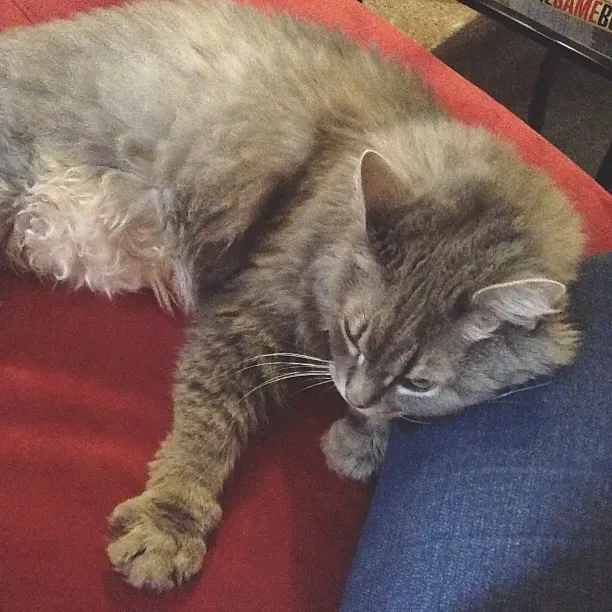
Picture this: your coworker walks into the office, sits down next to you, and starts rhythmically pressing their palms into your shoulder. Repeat. Repeat. Repeat. You’d probably call HR. Yet when your cat does it, it’s somehow adorable. Kneading, often called “making biscuits,” is an instinctual behavior where the cat alternates pushing its paws into a soft surface, similar to how a person would knead dough.
Kittens use a kneading action to stimulate milk production from their mother cat when nursing. Because nursing and being around a mother’s calming pheromones encourages a sense of contentment in young kittens, many cats continue to knead into adulthood to create a similar sense of calm and relaxation. In other words, when your cat kneads you, you’re basically their emotional support blanket. Take that as the highest compliment.
The action of kneading in cats causes the release of the feel-good chemical dopamine in the brain. Increased or excessive kneading can be a sign that your cat is uncomfortable or anxious, and the kneading could be an attempt to soothe itself. So if your cat’s really going to town on your lap, something may be stressing them out. Worth paying attention to.
2. Headbutting You Directly in the Face
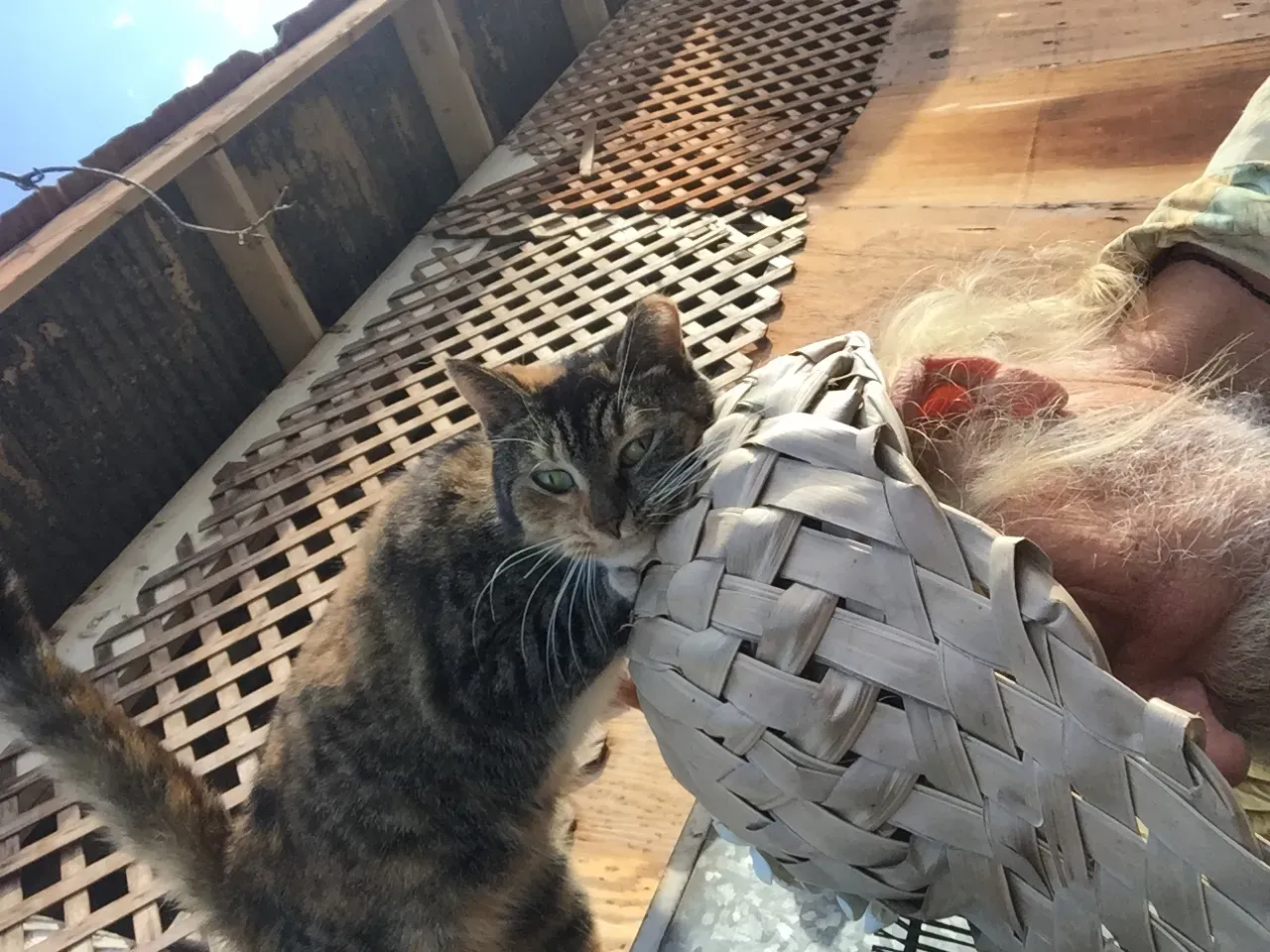
Imagine walking into your friend’s home and greeting them by pressing your forehead directly into their cheek and slowly rubbing across their face. Weird, right? Creepy, even. For your cat, though, this is an expression of genuine love and trust. Cat headbutting, also called bunting, is usually a friendly behavior where cats mark you with their scent to show bonding, comfort, and familiarity.
Scent glands are on a cat’s cheeks, forehead, and chin, and when they bump heads with you, they release pheromones they use to mark territory, express trust, and more. Essentially, your cat is claiming you. You belong to them now. You always have. Cat facial pheromones have a calming and reassuring effect, so headbutting can be a sign your cat is content. Both before and during headbutting, a cat may flop over playfully, purr, or partially close their eyes.
Another reason cats headbutt their owners is to get some attention. This may be a request for more food or a hint that their water bowl needs to be refilled. Or your cat may simply want a pet or a cuddle. So next time your cat head-plants into your chin, check their bowl and scratch behind their ears. They’re communicating clearly, in their own strange way.
3. Knocking Your Stuff Off the Table, Deliberately and Without Remorse
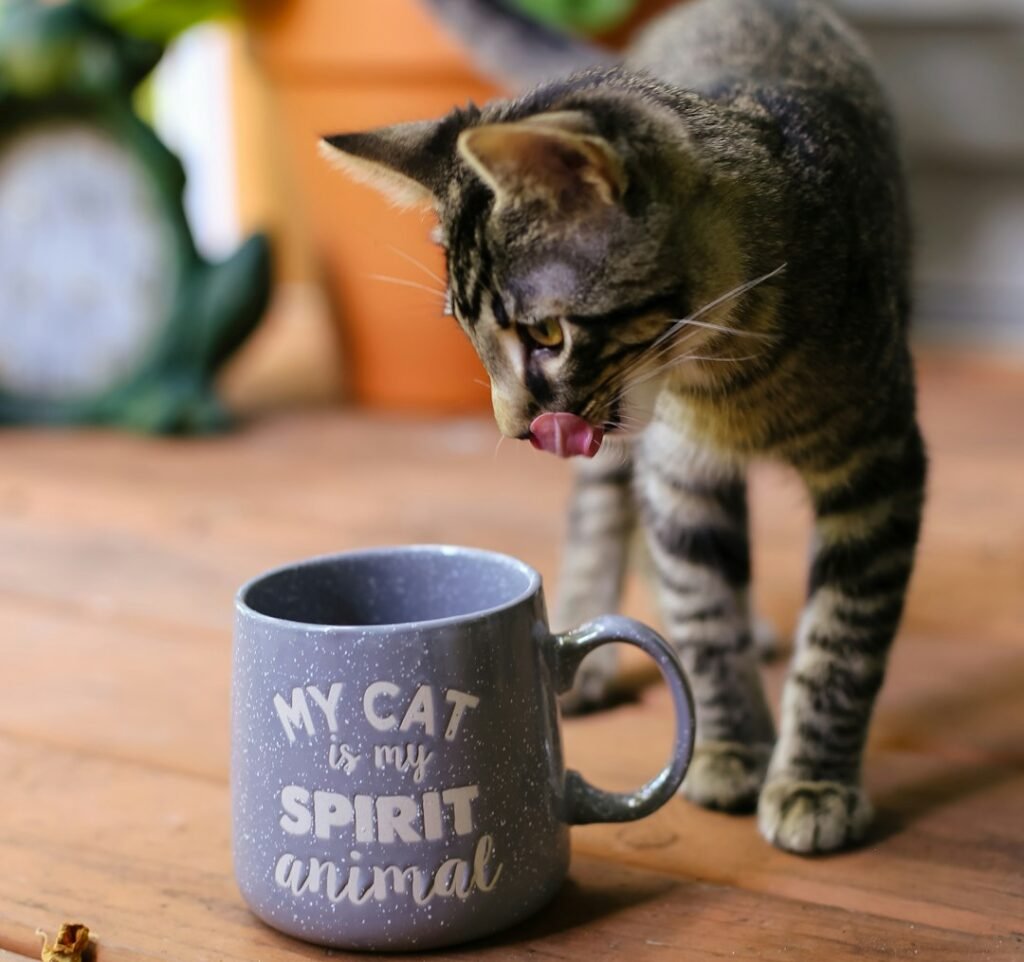
Let’s be real: if a human walked through your kitchen and started casually flicking objects off the counter one by one while maintaining direct, unbothered eye contact, you’d think they were having some kind of episode. Your cat does this, and somehow it becomes a viral video. This behavior mirrors how cats would bat at small animals in the wild. The swatting motion allows them to test whether something is alive, assess its threat level, and determine if it’s worth pursuing. Your pen or coffee mug becomes an unwitting stand-in for potential prey, triggering the same investigative pawing that would help a wild cat survive.
Cats are remarkably intelligent when it comes to understanding cause and effect, particularly regarding human behavior. If knocking something off a table consistently gets you to jump up, make noise, or rush over to them, your cat has learned a valuable lesson: this behavior works. Many cats discover that positive attention and negative attention both satisfy their need for interaction. Whether you’re praising them, scolding them, or simply engaging with them after they’ve knocked something over, you’re reinforcing the behavior.
I know it sounds maddening, but honestly, this is your cat being clever, not cruel. While it might be frustrating to constantly pick up knocked-over items, this behavior actually demonstrates several positive traits. It shows your cat is curious, intelligent, physically capable, and engaged with its environment. Small comfort when your favorite mug is in pieces on the floor, but still.
4. Zooming Around the House at Full Speed at 3 A.M.
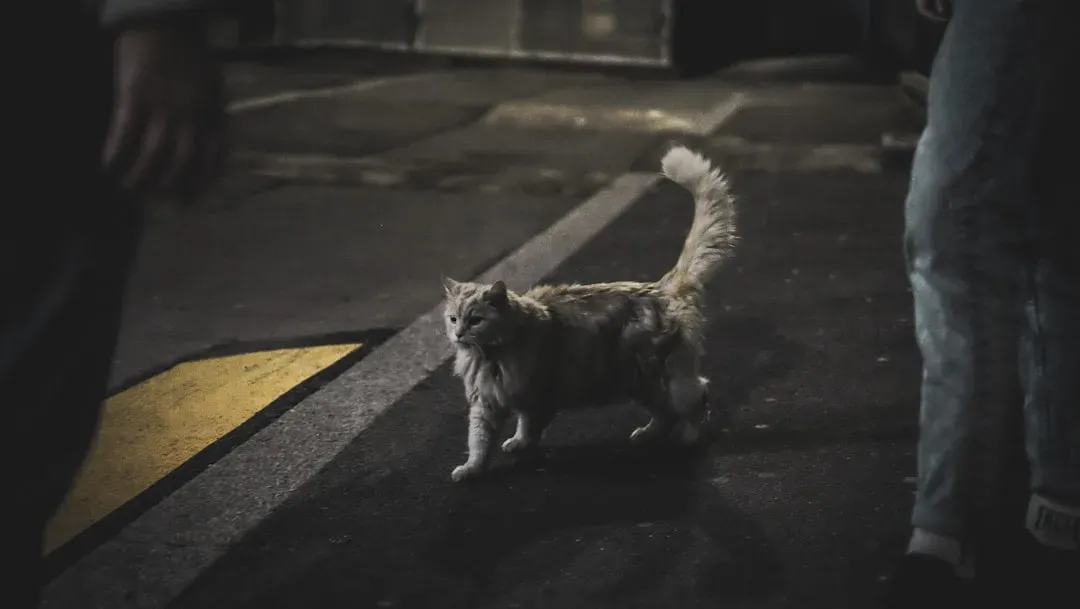
There’s nothing quite like being ripped out of a deep sleep by the sound of something thundering across your floor like a small furry tornado. No warning. No explanation. Just chaos, and then silence. Zoomies could be the weirdest of the weird things cats do, and they do it a lot. One moment, they’re sitting there, quiet and unassuming. Then, they dart across the room at top speed to chase absolutely nothing.
Cats sleep twelve to sixteen hours a day, with their main burst of energy arriving in the nighttime hours. That’s because their wild ancestors would do most of their hunting at night. So while you’re peacefully dreaming, your cat’s ancient predator brain is screaming “HUNT.” Your hallway becomes the savanna. Your sofa becomes a gazelle.
If your cat doesn’t receive enough exercise and mental stimulation during the day, they’ll unleash their pent-up energy at night. The fix is actually straightforward. Tire them out with wand toys or puzzle feeders during the evening, and those midnight sprints will become much less frequent. Worth a try before you lose any more sleep.
5. Staring at Blank Walls Like Something Is Definitely There
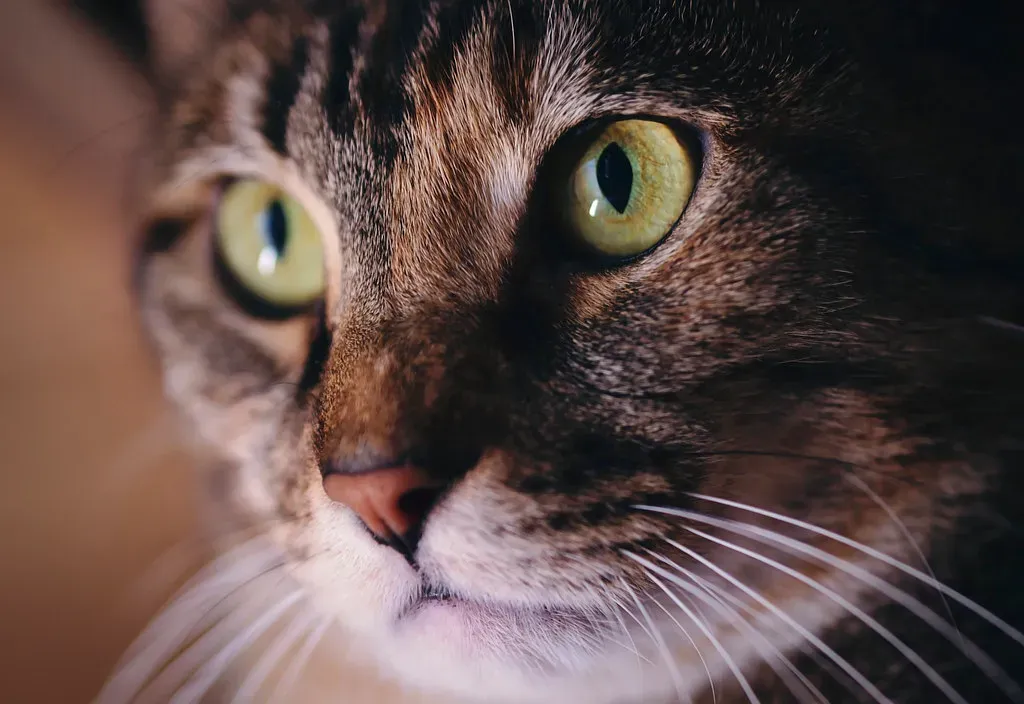
You’re sitting peacefully on the sofa when you notice your cat frozen solid, pupils wide, staring at a completely bare wall with the intensity of someone who has just witnessed the supernatural. It is unsettling. It is inexplicable. And no, your house is probably not haunted. Some cats stare at objects or spaces because they are experiencing intense curiosity or excitement. When cats stare like this for long periods and suddenly dart away quickly, it’s usually because they track a bug or some other small movement invisible to you.
Humans see light in a spectrum of colors from red to violet. Some animals, including cats, see the ultraviolet spectrum that is invisible to us. So what you see as an empty, boring wall, your cat might be experiencing as something entirely different. A moth behind the drywall, a tiny spider’s thread catching light, a vibration you cannot feel. Their senses are simply on another level.
Sometimes cats stare into what looks like ambivalent nothingness. Experts believe that this means your kitty is simply relaxed or contented, in a trance-like state. Think of it like a human zoning out during a long commute. The lights are on, nobody’s driving. Your cat is just vibing. That said, if the wall-staring is constant and accompanied by disorientation, a vet visit wouldn’t hurt.
6. Squeezing Into Impossibly Small Boxes and Spaces
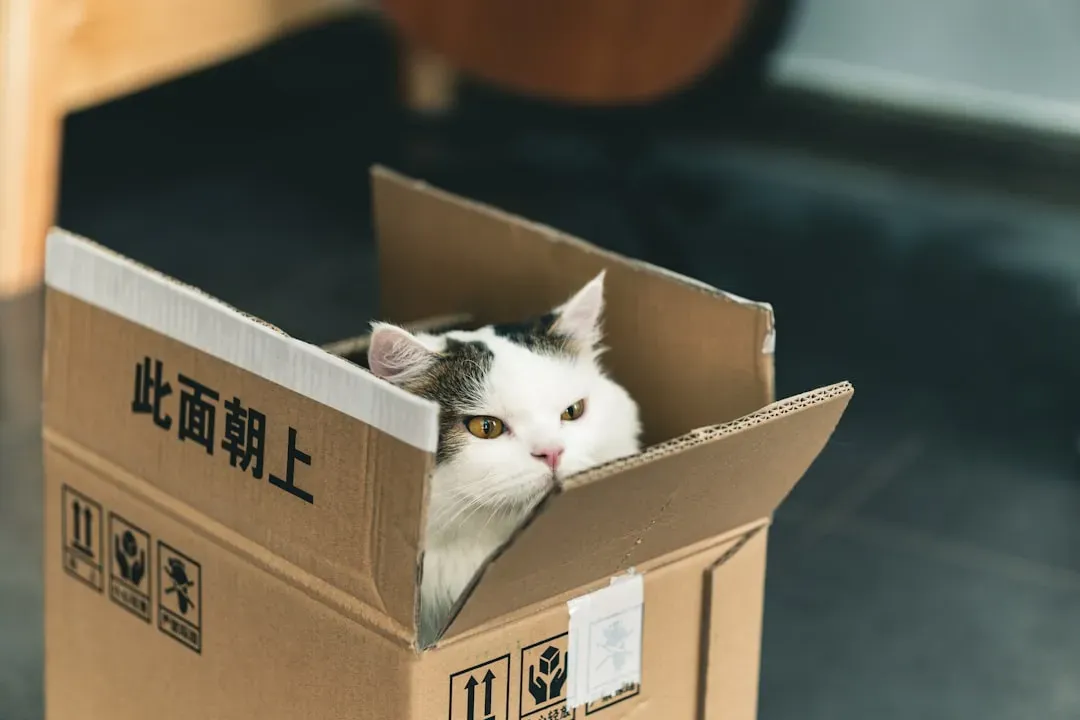
You spent a good chunk of change on a cozy, cushioned cat bed. Your cat walked past it, stepped directly into an empty shoebox, and is now deeply, blissfully asleep. Sound familiar? Cats love to slip into small spaces like boxes, dresser drawers, bathroom cabinets, or closet corners where they feel cozy and secure. They may even prefer these places to a comfortable pet bed. This behavior can be traced back to their wildcat ancestors who would sleep safely hidden away to help avoid predators.
Besides simply being curious about small spaces, cats get comfort and stress relief from resting in cardboard boxes. They’re warm caves that keep them safe from predators. It’s basically your cat’s version of wrapping themselves in a weighted blanket and hiding from the world. Honestly? Relatable. It’s important to respect your cat’s hang-out space. When they are in it, don’t reach in and disrupt their safe place, as it helps cats to have a human-free zone where they can relax.
Think of it this way: your cat isn’t being weird. They’re being practical. A small, enclosed space eliminates the risk of attack from behind or the sides. It’s a tactical choice. Your cat is, in this moment, a strategic military genius in a shoebox. Respect it.
7. Bringing You Dead Animals as a Gift
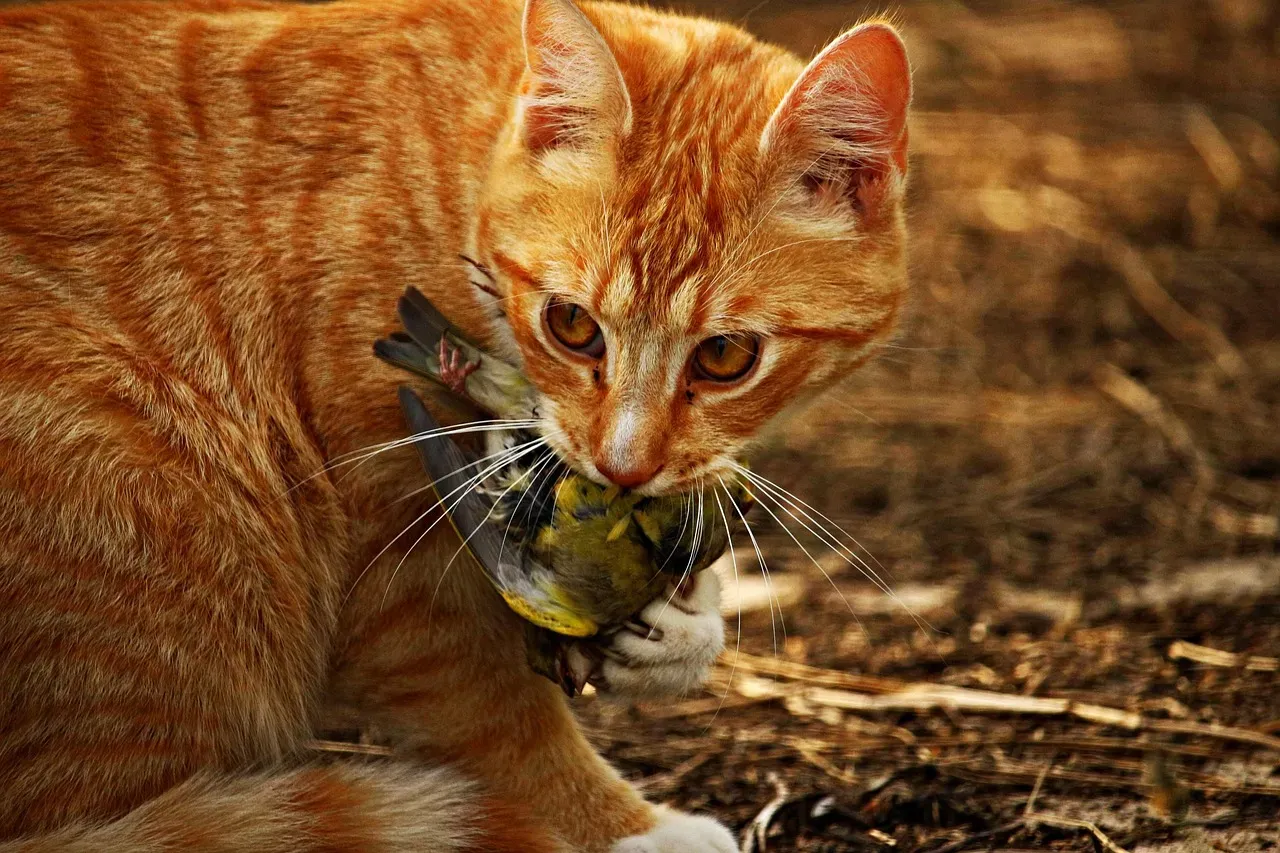
You open the front door, and there it is. A dead mouse. A partially mangled bird. Maybe something you can’t quite identify. Your cat is sitting beside it, looking absolutely pleased with themselves, as if they’ve just handed you a birthday present wrapped in a bow. The simple answer to why your cat brings you dead animals is because it is their natural instinct to do so. Your feline is a tiny predator, and although they have been domesticated for thousands of years, the instinct to stalk and hunt can still be seen today, even though they have no need to hunt for food.
One theory is that cats are practicing a skill their mother taught them, to stalk, pounce, and kill prey, before bringing it home to share with family members. Your cat recognizes you as a member of their family, so they might be inclined to share their catch with you. Gross? Absolutely. A sign of love? Also yes. Your cat is, in the most horrifying way possible, telling you that you matter to them.
This drive to hunt is not motivated by hunger. Even if cats are well fed at home, they will still have an inbuilt need to chase and catch things. Indoor cats are more likely to bring their owners toys or other household items. Some cats will learn that toys equal playtime and will bring you their toys to encourage you to play with them. So if your cat is indoor-only, consider yourself lucky. They’ll probably drop a hair tie at your feet instead of a bird. Progress.
Conclusion
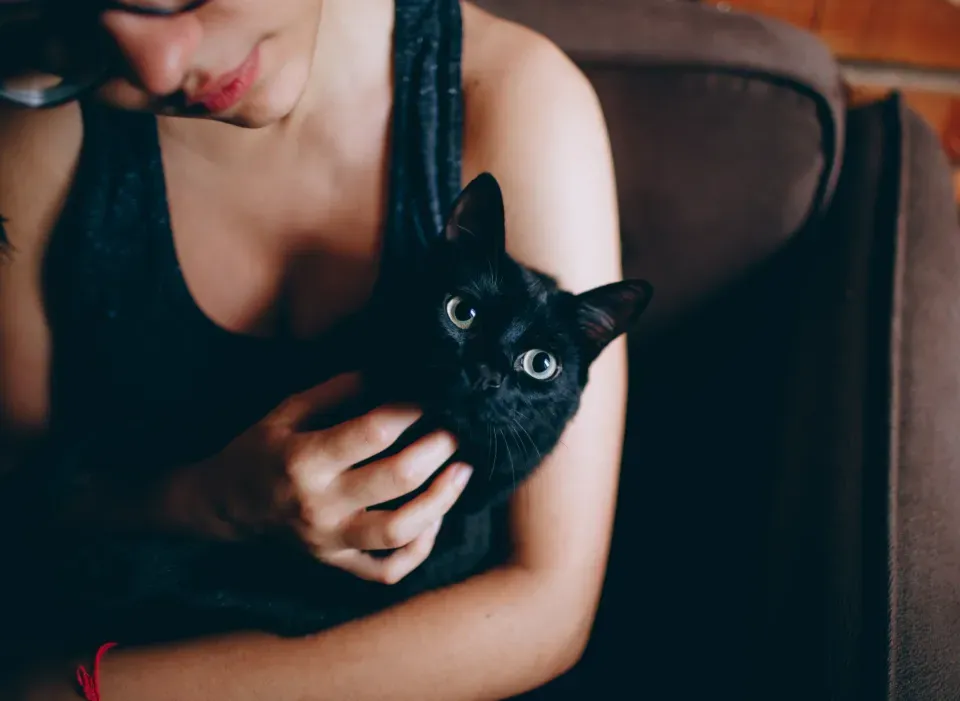
When you step back and really look at it, your cat is a beautifully strange creature operating on ancient instincts in a world of throw pillows and smart TVs. Every bizarre thing they do, from the 3 a.m. zoomies to the wall-staring to the enthusiastic delivery of dead gifts, is rooted in millions of years of evolutionary programming.
They’re not broken. They’re not trying to drive you crazy. They’re just being exactly what they are: a wild predator who has graciously decided to share your home and love you in the most chaotic, instinctual way they know how. And if you think about it, that’s actually kind of beautiful.
Next time your cat does something completely unhinged, pause before you judge. Somewhere deep in their DNA, there’s a perfectly logical reason for it. Does that change how ridiculous it looks? Not even a little. But now at least you know why. Which of these seven surprised you most? Drop it in the comments, we’d love to hear.
Kristina is a young writer from India. An arts graduate and an avid content creator, Kristina is passionate about animals and wildlife. She enjoys exploring topics related to pet care, animal behavior, conservation, and nature, combining thorough research with engaging storytelling.