You’ve probably watched your cat knock a perfectly good glass off the counter, stare deep into a corner of the room for no obvious reason, or bolt around the house like something possessed at two in the morning. Your first instinct? Maybe confusion, maybe amusement, maybe a quiet wish that you’d adopted a goldfish instead.
Here’s the thing though. What if every single one of those baffling moments is actually your cat demonstrating a level of intelligence that quietly rivals your own? Science is beginning to catch up to what devoted cat owners have suspected for years, and the findings are pretty remarkable. Let’s dive in.
The Brain Behind Those Mysterious Eyes
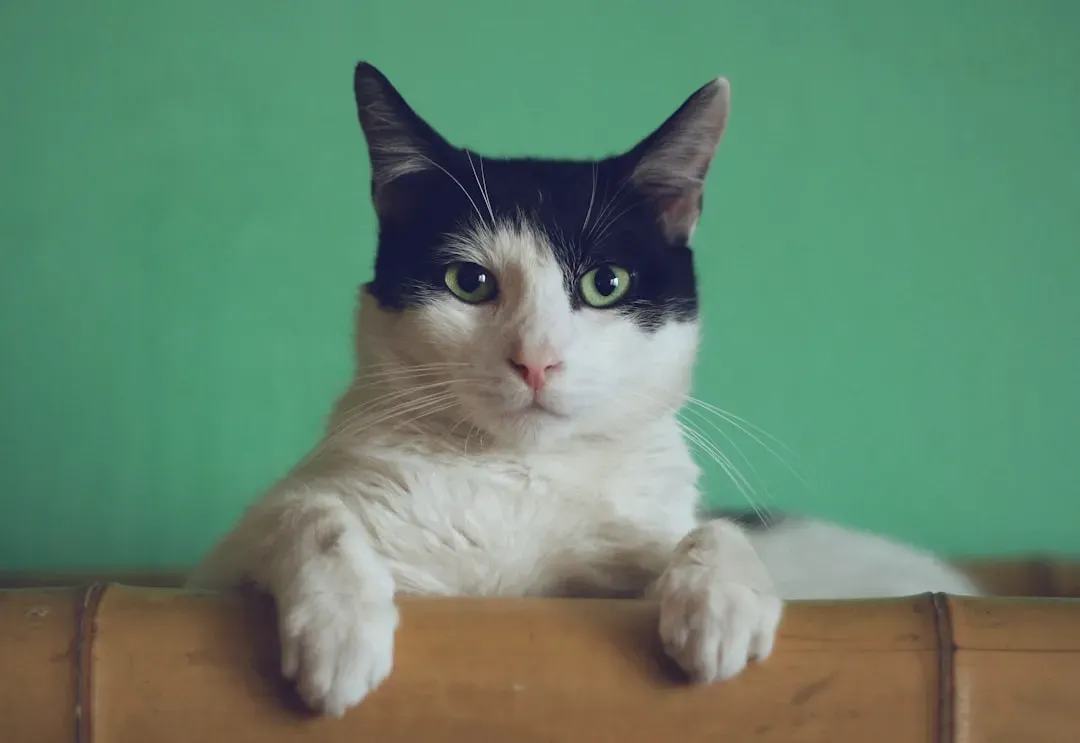
You might assume that a brain roughly the size of a walnut couldn’t accomplish much. But when it comes to your cat, you’d be wrong. Your cat’s brain measures only about two inches and weighs around an ounce, occupying less than one percent of its body mass. Yet it’s the brain’s structure and surface folding that determine intelligence, not size, and a feline’s surface folding and brain structure are ninety percent similar to that of the human brain.
Much like your own brain, each part of your cat’s brain is compartmentalized, specialized, and connected to the other parts. This gives your cat an almost human-like ability to understand, respond to, and even manipulate its surroundings. Think of it like a mini supercomputer running complex programs in the background while its owner just sits there pretending to nap on the couch. Honestly, that analogy feels about right.
When Your Cat Destroys Something, It Might Be Science
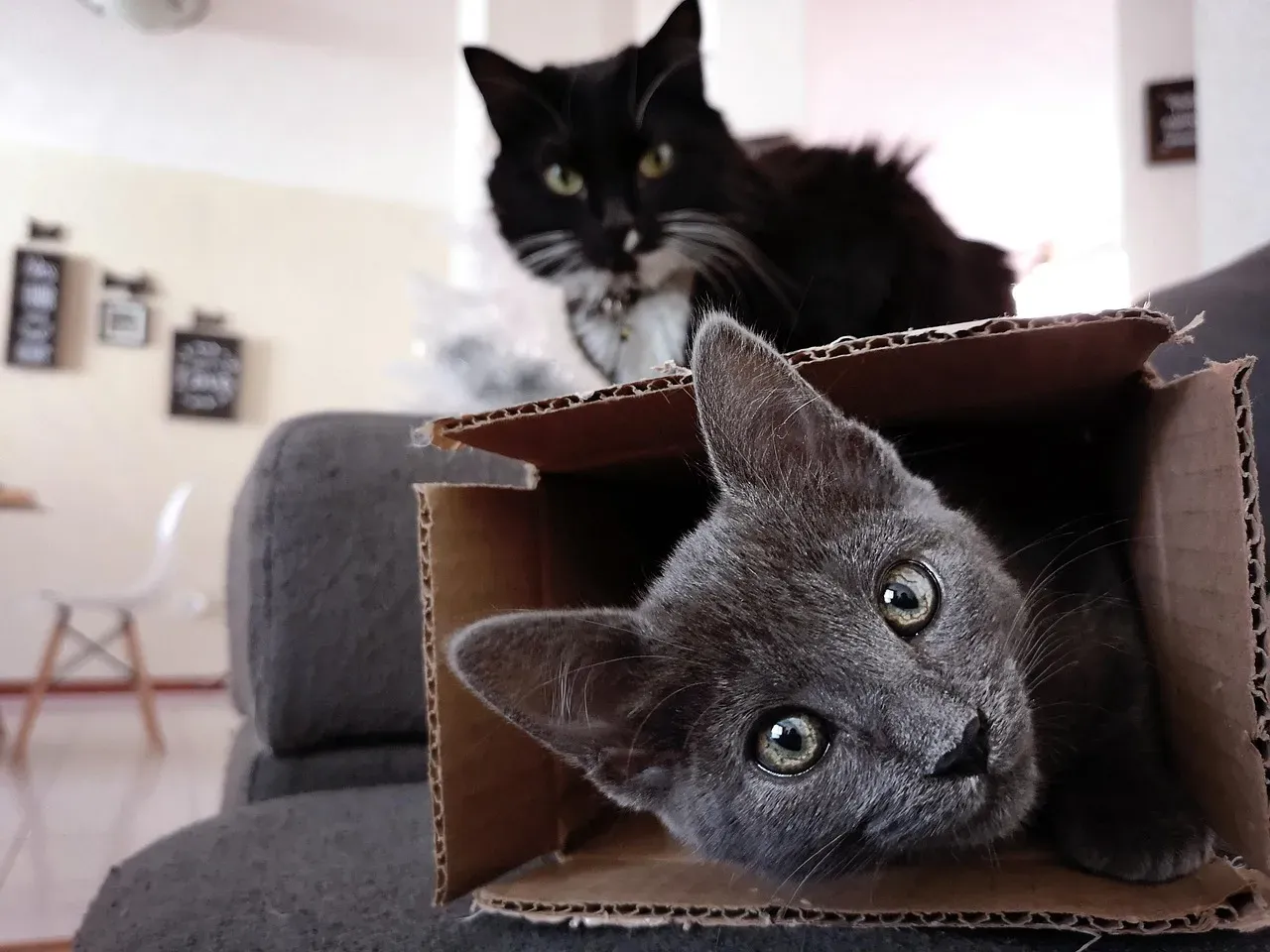
Cats have an innate ability to solve problems. Imagine your feline friend figuring out how to open a cupboard door. Their determined nature and sharp minds allow them to manipulate objects, demonstrating physical intelligence. What looks like chaos from your end is actually a highly methodical experiment in cause and effect.
Your cat’s intellectual ability is highlighted by its ability to use retained information to solve problems. Cats are able to form “learning sets,” a skill once thought to be confined to primates. Cats trained to pull boxes on wheels showed they could combine that skill with their own insight. In one instance, a cat pulled a box to a specific location and used it as a step-stool to reach food suspended from the ceiling by a string. Next time you catch your cat rearranging the furniture at three in the morning, remember that.
Your Cat’s Zoomies Are Actually an Energy Management System
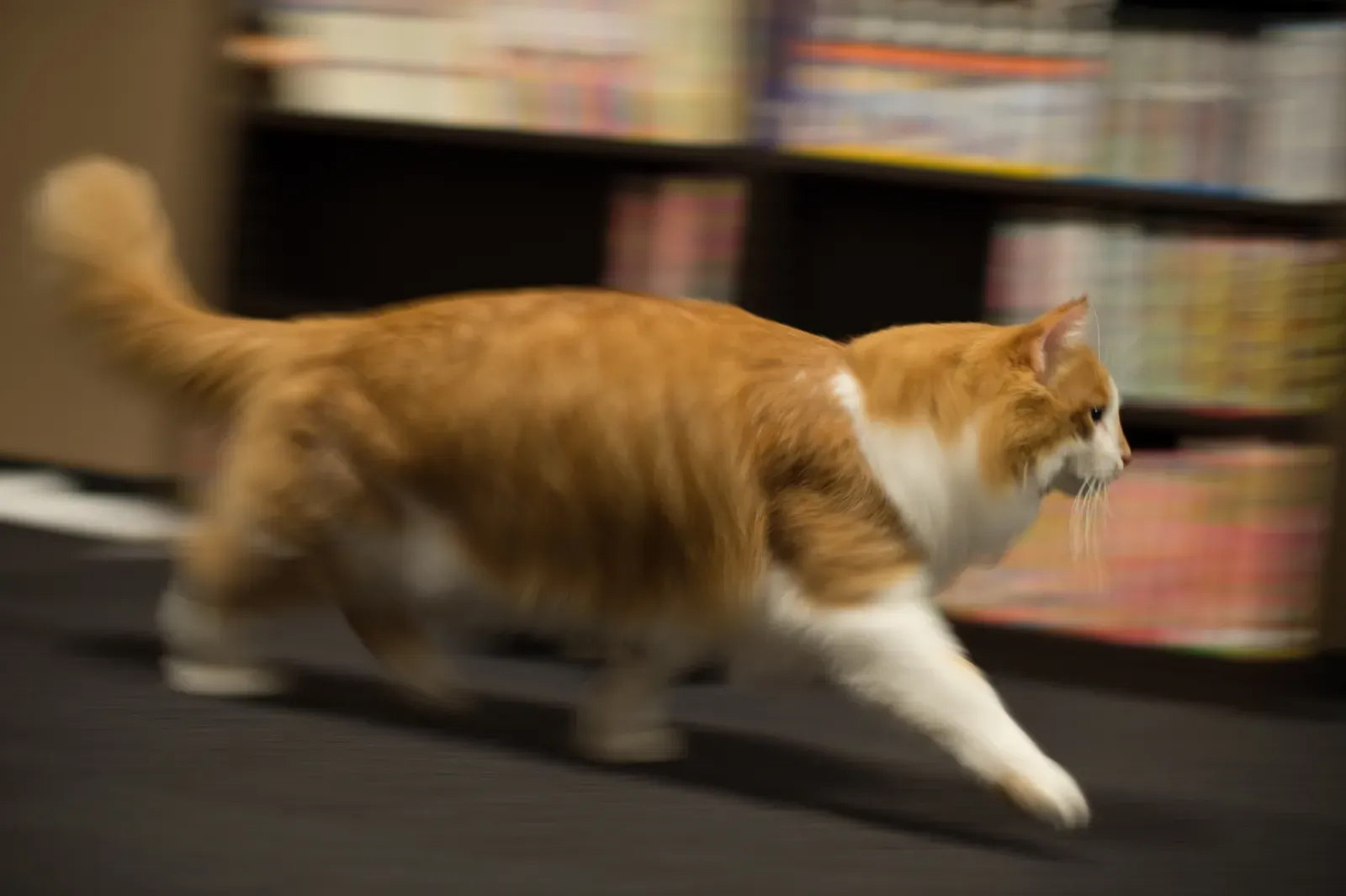
If your cat suddenly takes off running around the house at high speed, they have a case of the zoomies. Outdoor cats on their own use a lot of their energy hunting. But indoor cats that live a life of leisure need an outlet, and zoomies are their way of releasing pent-up energy. It’s not chaos. It’s resource management.
If your cat seems restless after playtime or launches into spontaneous chaos missions, it may be a signal that they need more mental work. Short, structured play sessions twice a day, small environmental changes, and rotating puzzle feeders can redirect excess energy into satisfying problem-solving. Think of it as mental cross-training: when your cat’s brain stays busy, mischief turns into curiosity well spent. Your cat isn’t going crazy. Your cat is just bored and brilliant.
The Memory of Your Cat Is Longer Than You Think
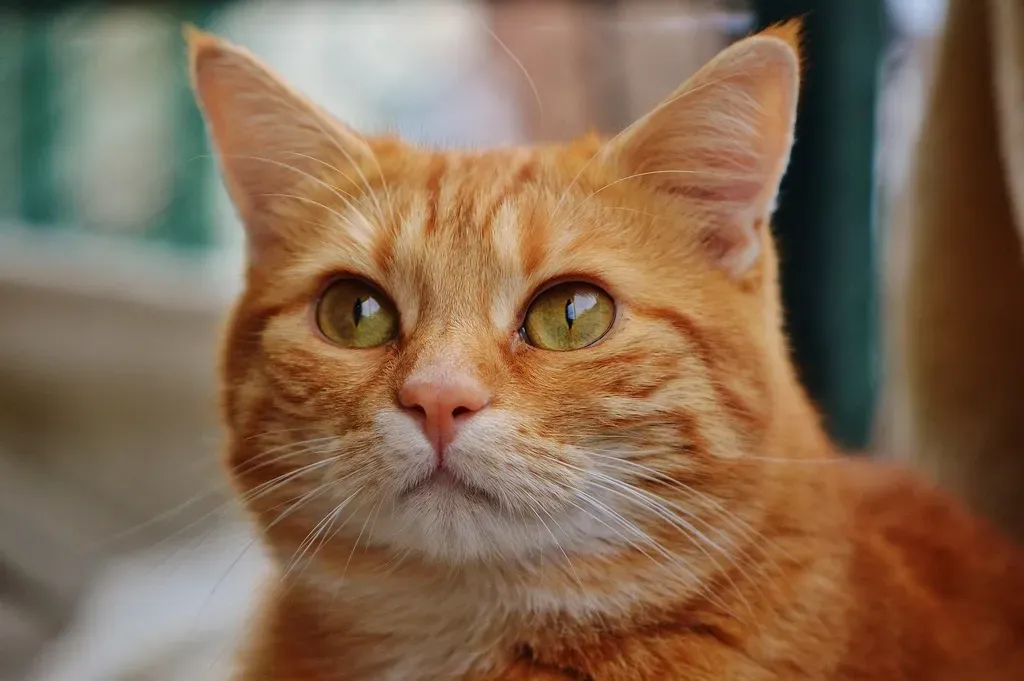
Cats display neuroplasticity, allowing their brains to reorganize based on experiences. They have well-developed memory, retaining information for a decade or longer. These memories are often intertwined with emotions, allowing cats to recall both positive and negative experiences associated with specific places. That’s not your cat holding a grudge over the bath you gave it in 2022. That’s sophisticated emotional memory.
Cats excel at procedural and spatial memory and are known to retain their memories for ten years or more. Even more fascinating, cats can associate individual memories of places or events with the emotions they experienced at that time. They can remember experiencing fear, pain, or trauma, as well as positive emotions like happiness or contentment. So yes, your cat absolutely remembers who gave it those treats last Tuesday. Treat accordingly.
Chattering at Birds Is Not Madness – It’s Strategy
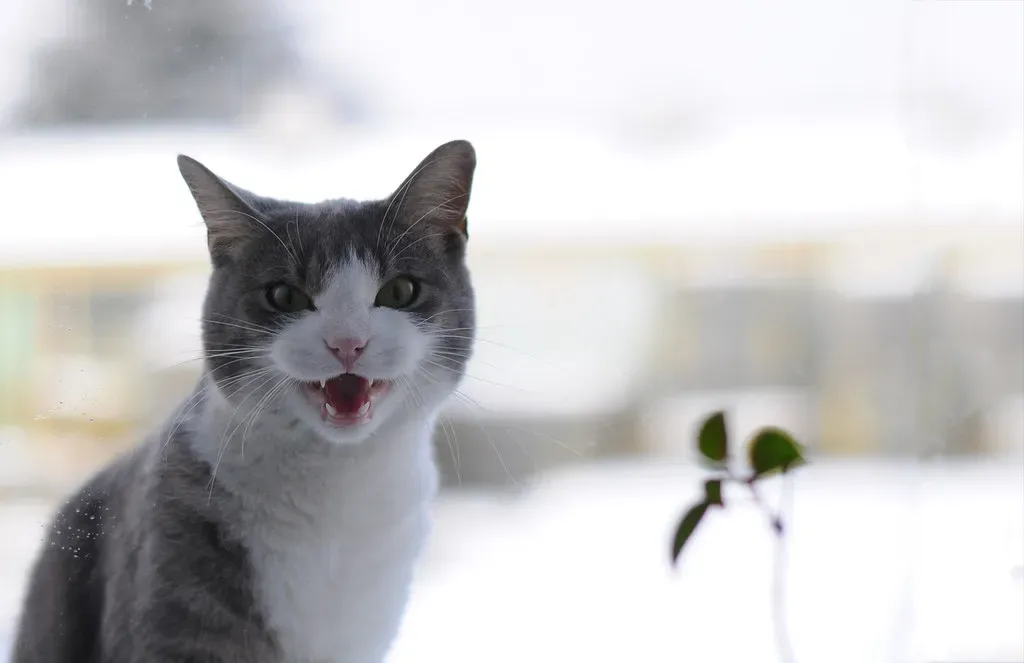
Chattering is one of several ways cats communicate. It includes the rapid opening and closing of the mouth accompanied by a fast chirping or twittering sound. The reason for these movements isn’t entirely known, though some believe the rapid jaw movement may be an involuntary predatory mechanism and the sound a form of mimicry meant to attract birds. Your cat isn’t broken. It’s running a predator simulation.
When you see or hear your cat chattering while looking at a bird, squirrel, or other out-of-reach object, they are expressing dual emotions: excitement at having spotted potential prey and frustration at the barrier between them and their desired target. The ability to simultaneously feel frustrated, strategize, and communicate that emotional state? That’s not just animal instinct. That’s emotional intelligence layered over tactical thinking.
Curiosity Isn’t Recklessness – It’s How Your Cat Learns Everything
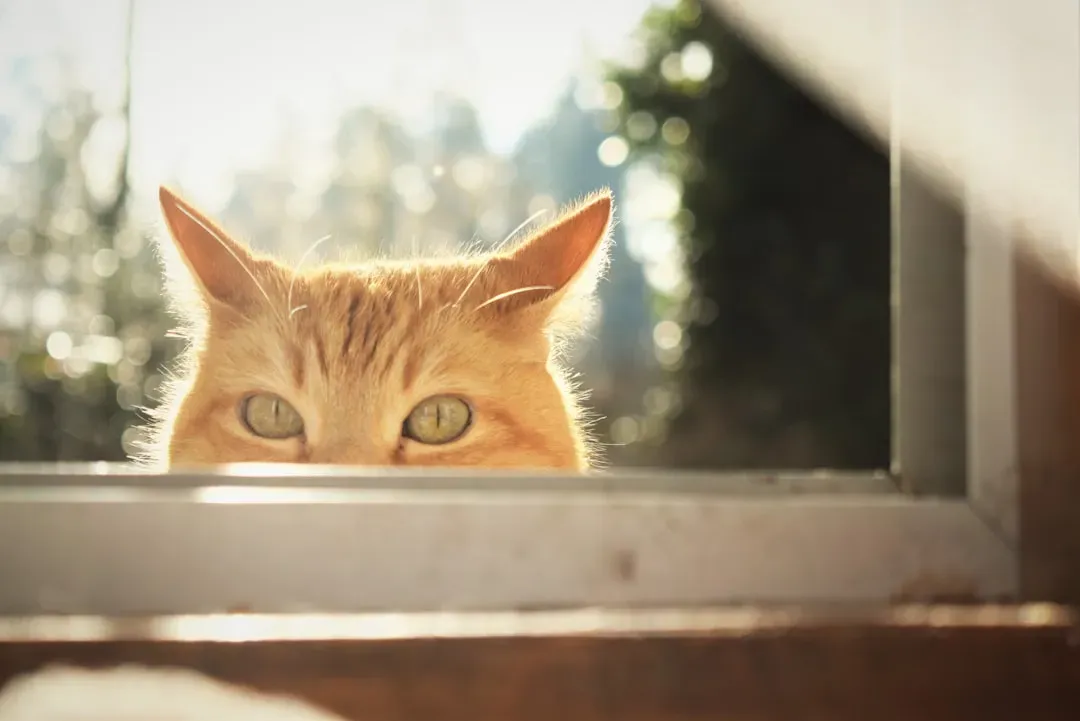
Curiosity is a fundamental part of being a cat and a key to their survival. A curious feline is lovable, endearing, and sometimes mischievous. But here’s the part people miss. Curiosity and intelligence are directly linked. Cats are smart, so they are curious, and because they are curious, they are always learning.
A cat’s curiosity is born out of a natural instinct to assess their environment for prey and predators. In the wild, a cat’s health depends on how she responds to foreign invaders in her immediate environment. Cats are territorial by nature and their instinct is to protect their home and food supplies. So when your cat goes into full investigation mode over a paper bag you brought home from the store, that’s not weirdness. That’s your tiny security officer doing their job.
Reading You Like a Book – Your Cat Knows More Than You Reveal
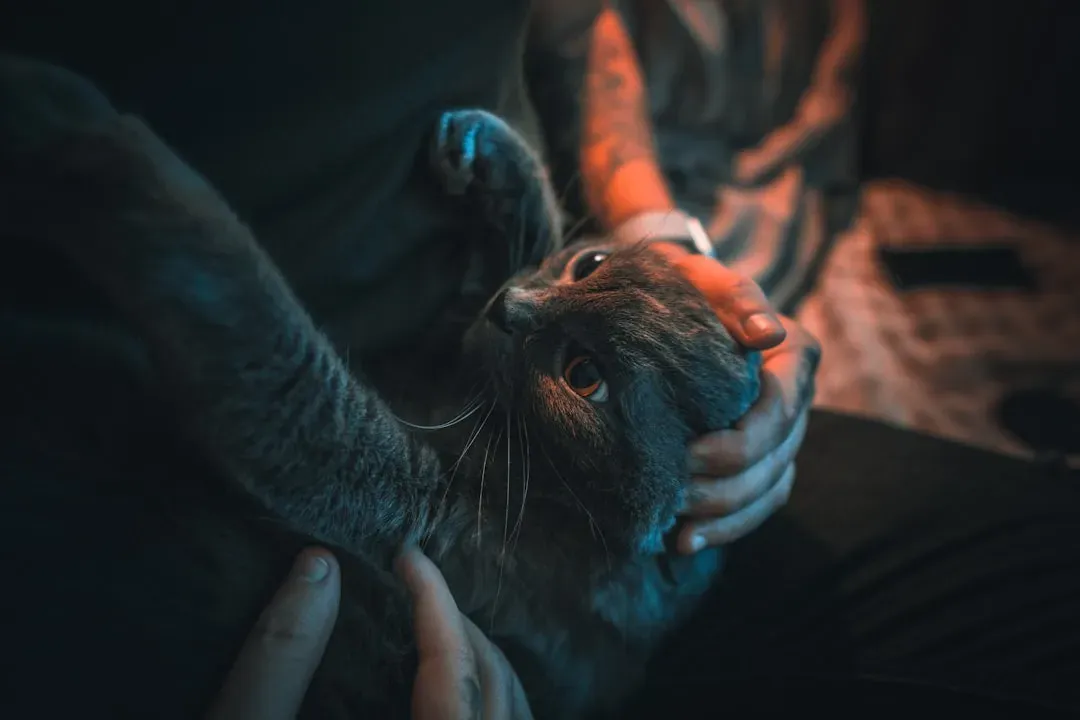
Ever notice how a cat seems to know when you’re upset? This emotional attunement is a hallmark of feline intelligence. Cats often cuddle with their owners during tough times, offering comfort without words. I think this is one of the most underrated feline superpowers, honestly. You can’t fake your mood around a cat. They just know.
While often perceived as aloof, cats display a high level of social intelligence. They are capable of reading human emotions and body language, often responding accordingly. This ability allows them to navigate complex social situations and form strong bonds with their human companions. Your cat reading your emotional state isn’t accidental companionship. It’s active social intelligence in real time.
Head-Butting You Is Actually a Genius-Level Social Move

When cats rub their faces against you, an action called “bunting,” they leave behind their scent to let others know that you belong to them. It’s one of the many ways they show affection. It sounds possessive when you put it like that, but consider the full picture. Your cat is using a complex chemical communication system to create social bonds and mark safe territory.
When your kitty rubs their head on you, they’re doing more than showing you affection. They are actually doing something behaviorists call “bunting.” Pheromones are being released from the cat’s head and it is their way of showing ownership over you. Just as a cat would rub on furniture to leave a scent to mark territory, they are showing pride that you are theirs. You’re not just a pet owner. You’re a treasured landmark in your cat’s carefully mapped social world. Try not to let that go to your head.
Your Cat Is Training You – and Doing It Brilliantly
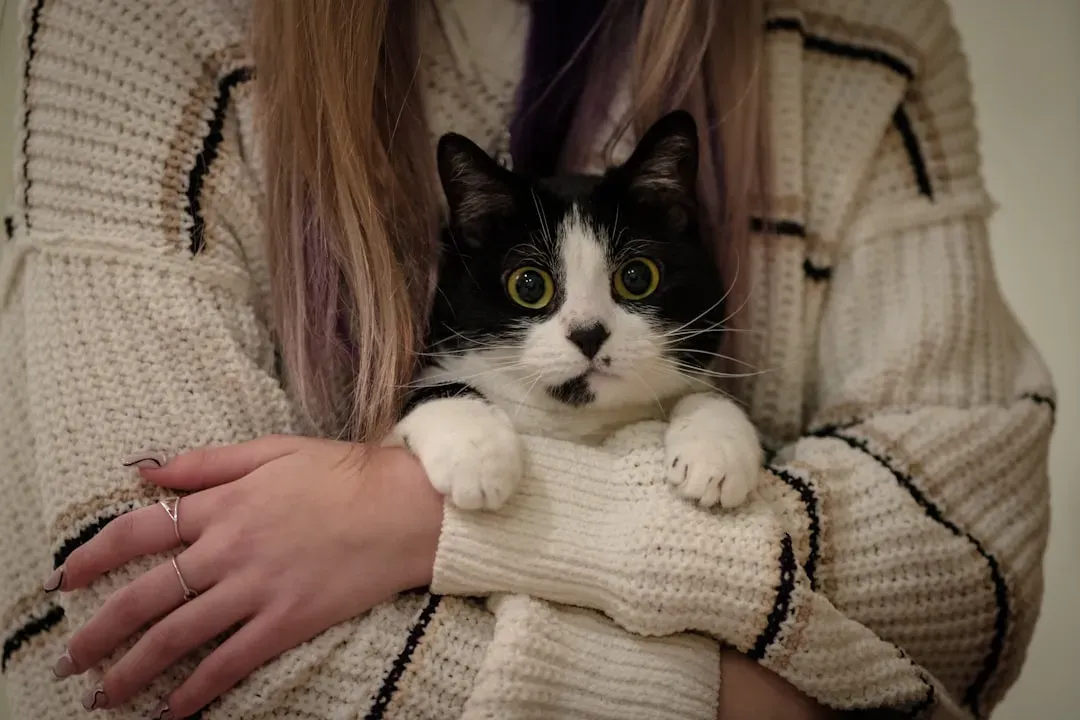
Cats that learn routines, manipulate environments, and communicate clearly are using the same mental skills researchers study in labs: memory, problem-solving, and social cognition. Let’s be real for a second. Who actually controls the schedule in your house? If you feed your cat at the same time every day, it’s probably because your cat insisted, loudly and persistently, until you complied. That is operant conditioning, and your cat is the experimenter.
Does your cat use meows and other attention-getting behaviors to get you to feed it at a certain time? This indicates that your kitty understands the concepts of time and cause and effect. Cats clearly have a superior ability to learn new information, mesh it with existing information, recall it, and use that information in other situations. This cognitive ability makes them card-carrying members of the highly intelligent class. Translation: your cat has been studying you far more carefully than you’ve been studying it.
Conclusion
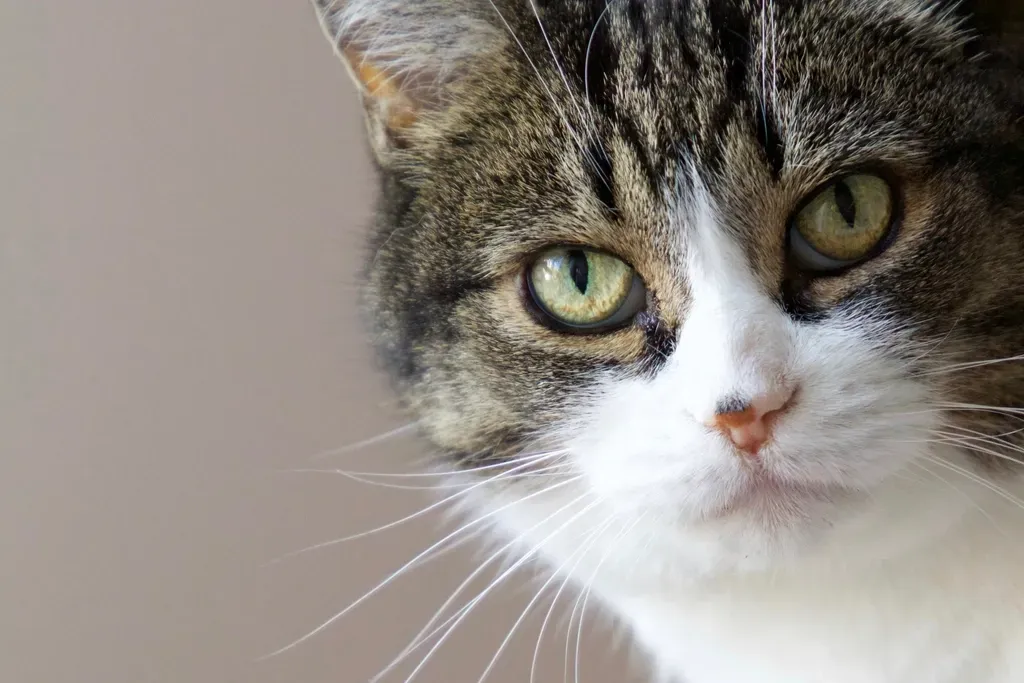
There’s a reason cats have fascinated humans for thousands of years. It’s not just their elegance or their mysterious independence. It’s the quiet suspicion, buried somewhere in every cat owner’s mind, that the creature watching you from across the room is doing something more than staring. It’s computing. It’s learning. It’s building a mental map of you, your routines, your emotional patterns, and your weaknesses, all while looking completely unbothered.
Your cat’s quirks are not random. The chattering, the zoomies, the strategic head-butts, the relentless curiosity, the emotionally calibrated cuddling. All of it points to a form of intelligence that is deeply woven into every behavior, even the ones that look absurd from the outside.
So the next time your cat knocks your favorite mug off the counter and stares directly into your eyes as it falls, understand that what you’re witnessing isn’t mischief. It’s a field experiment. And you, as always, are the subject. What does your cat do that you secretly suspect is genius level? Drop your thoughts in the comments.
Kristina is a young writer from India. An arts graduate and an avid content creator, Kristina is passionate about animals and wildlife. She enjoys exploring topics related to pet care, animal behavior, conservation, and nature, combining thorough research with engaging storytelling.