You’ve probably watched your cat squeeze into an impossibly small box, stare intently at a blank wall, or shadow you from room to room while you do the most mundane things. And your first instinct? Maybe to laugh, maybe to wonder, maybe to shake your head. But here’s something worth pausing over: that behavior you just dismissed as quirky might actually be one of the most sophisticated cognitive displays in the animal kingdom.
Cats have long been misread as aloof, indifferent creatures. The reality, science is now confirming, is far more layered, far more impressive, and honestly, a little humbling. Let’s dive in.
The Ancient Roots of Feline Curiosity
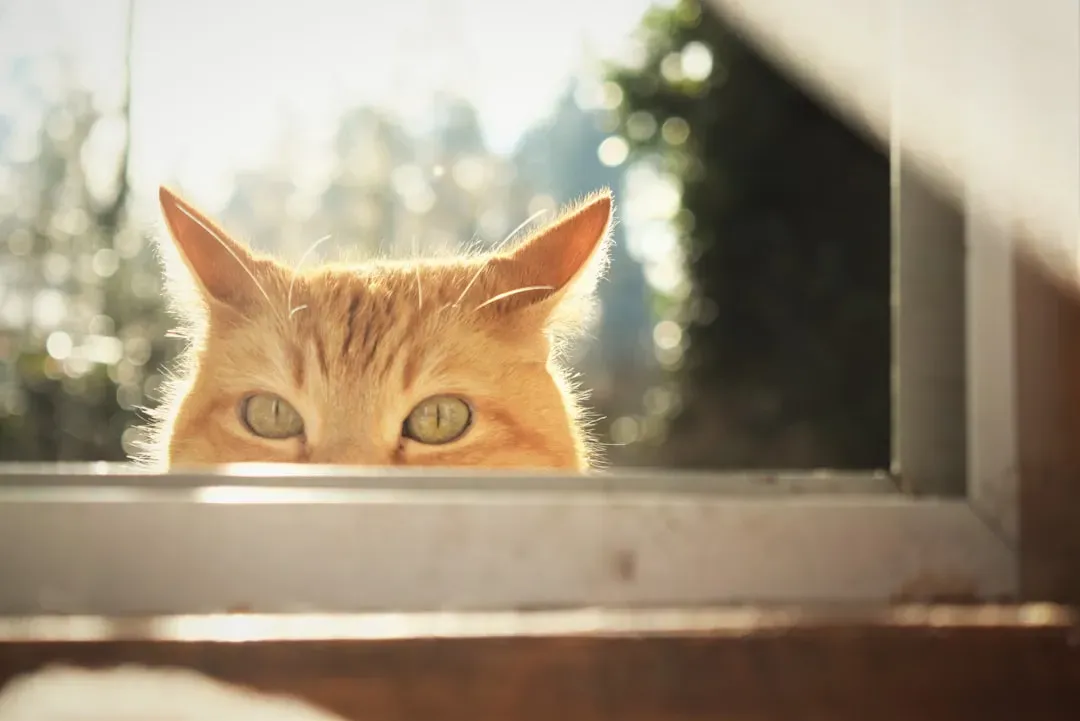
There’s a reason your cat sniffs every grocery bag you bring through the door. A cat’s curiosity is born out of a natural instinct to assess their environment for prey and predators. In the wild, a cat’s health depends on how she responds to foreign invaders in her immediate environment. This isn’t random nosiness. It’s survival programming, millions of years in the making.
Cats are curious because of survival instincts passed on from their wild cat ancestors, who were both predators and prey. This, paired with an insatiable playful personality, might add up to one curious and sometimes naughty feline. Think of it like this: your cat isn’t just sniffing your shoes because they miss you. They’re running a full threat assessment. And honestly, that’s kind of incredible.
The Feline Brain: Smaller Than You Think, Smarter Than You’d Guess
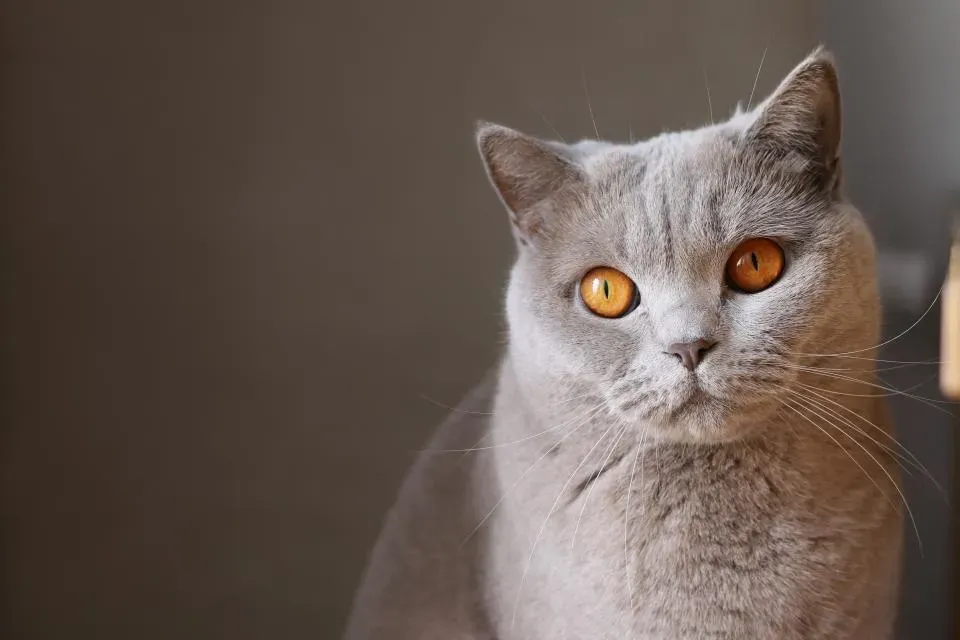
According to researchers at Tufts University School of Veterinary Medicine, the physical structure of the brains of humans and cats is very similar. Humans and cats have similar lobes in their cerebral cortex. That alone should make you rethink everything you assumed about what’s going on inside your cat’s head.
Analyses of cat brains have shown they are divided into many areas with specialized tasks that are vastly interconnected and share sensory information in a kind of hub-and-spoke network, with a large number of specialized hubs and many alternative paths between them. Imagine your cat’s brain as a city with dozens of highways, each connecting neighborhoods at high speed. It’s not a simple mind. Not even close.
Curiosity and Intelligence Are Directly Linked
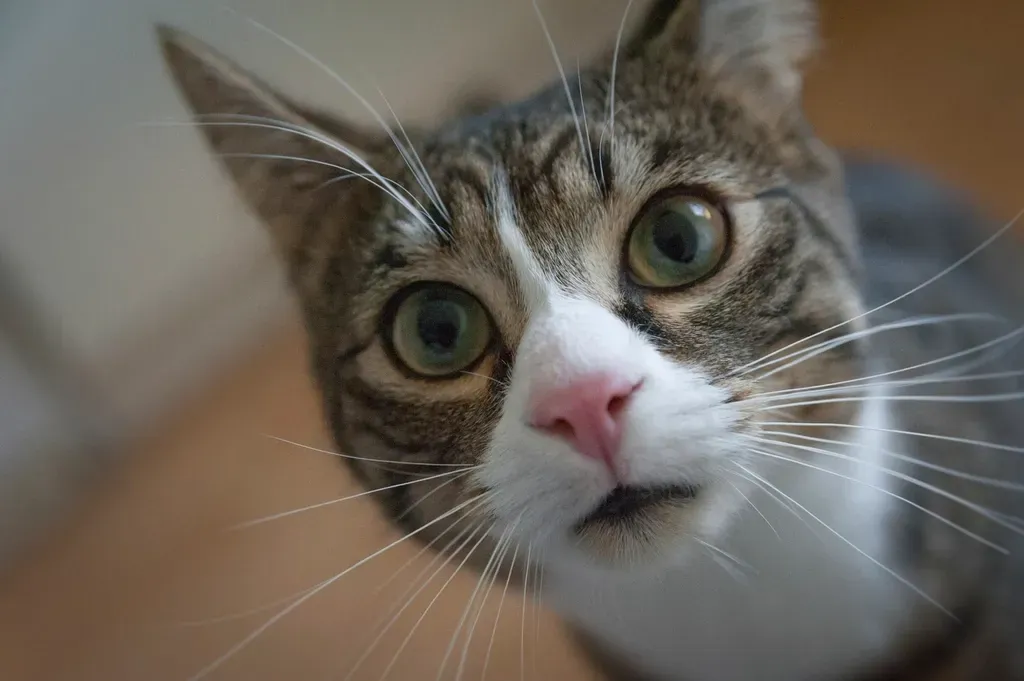
Here’s the thing – curiosity isn’t just a personality trait. It’s a cognitive engine. Curiosity and intelligence are directly linked. Cats are smart. So, they are curious, and because they are curious, they are always learning. Every time your cat investigates something new, they are literally building neural connections.
Try putting an adult cat in a room in which they have never been before and watch how instinctually every nook and cranny is carefully examined. This need to do “basic research,” as one behaviorist puts it, provides the cat with valuable, even life-saving, information about their surroundings. Your cat isn’t just wandering. They are mapping, cataloguing, and storing. Every single time.
Problem-Solving: Where Curiosity Becomes Genius
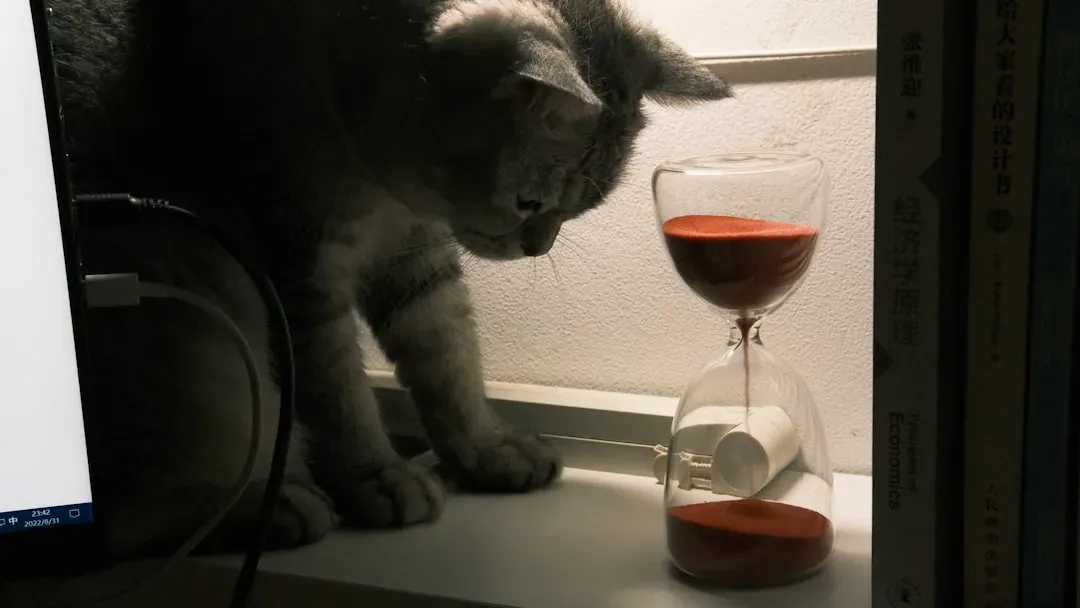
A study at Eötvös Loránd University in Budapest showed that cats are superior problem-solvers. Cats will keep trying to solve a puzzle long after a dog has given up, and they’re often quicker at finding solutions – like figuring out how to open doors or kitchen cabinets. Thanks to their natural curiosity, cats are more determined when it comes to finding solutions to their problems. Let that sink in for a moment.
One study presented cats with different puzzles and tasks to solve. Researchers found that cats use logical reasoning to access rewards through trial and error. These findings suggest feline cognition involves a combination of instinct and problem-solving skills. Logical reasoning. In your cat. The same creature who regularly knocks your pen off the table just to watch it fall.
Memory: Your Cat Remembers More Than You Think
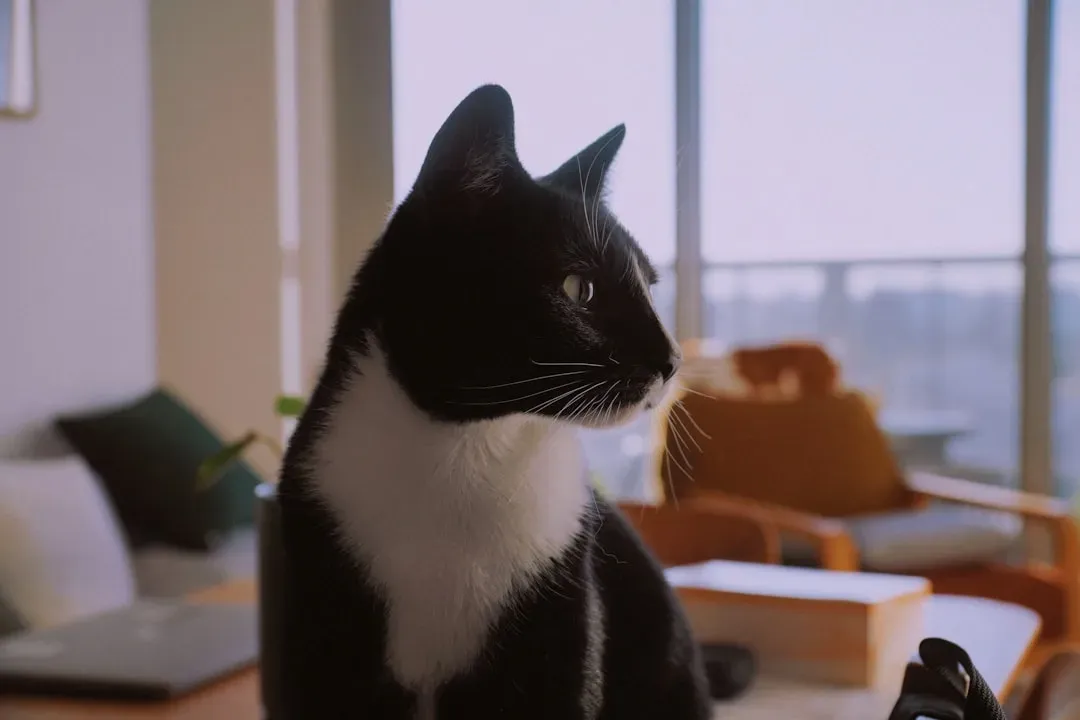
You might assume your cat forgets things quickly. Science says otherwise. One study showed that cats could remember where a bowl of food had been hidden for up to 16 hours, while dogs could only remember for about 5 minutes. Cats are certainly more capable of using their short-term memory, but only if the information is useful or important to them. Selective? Absolutely. But selective memory is still remarkable memory.
Cats display neuroplasticity, allowing their brains to reorganize based on experiences. They have well-developed memory, retaining information for a decade or longer. These memories are often intertwined with emotions, allowing cats to recall both positive and negative experiences associated with specific places. So if your cat refuses to go near the cat carrier, they’re not being dramatic. They genuinely remember what happened last time. Every detail of it.
How Cats Learn by Watching You
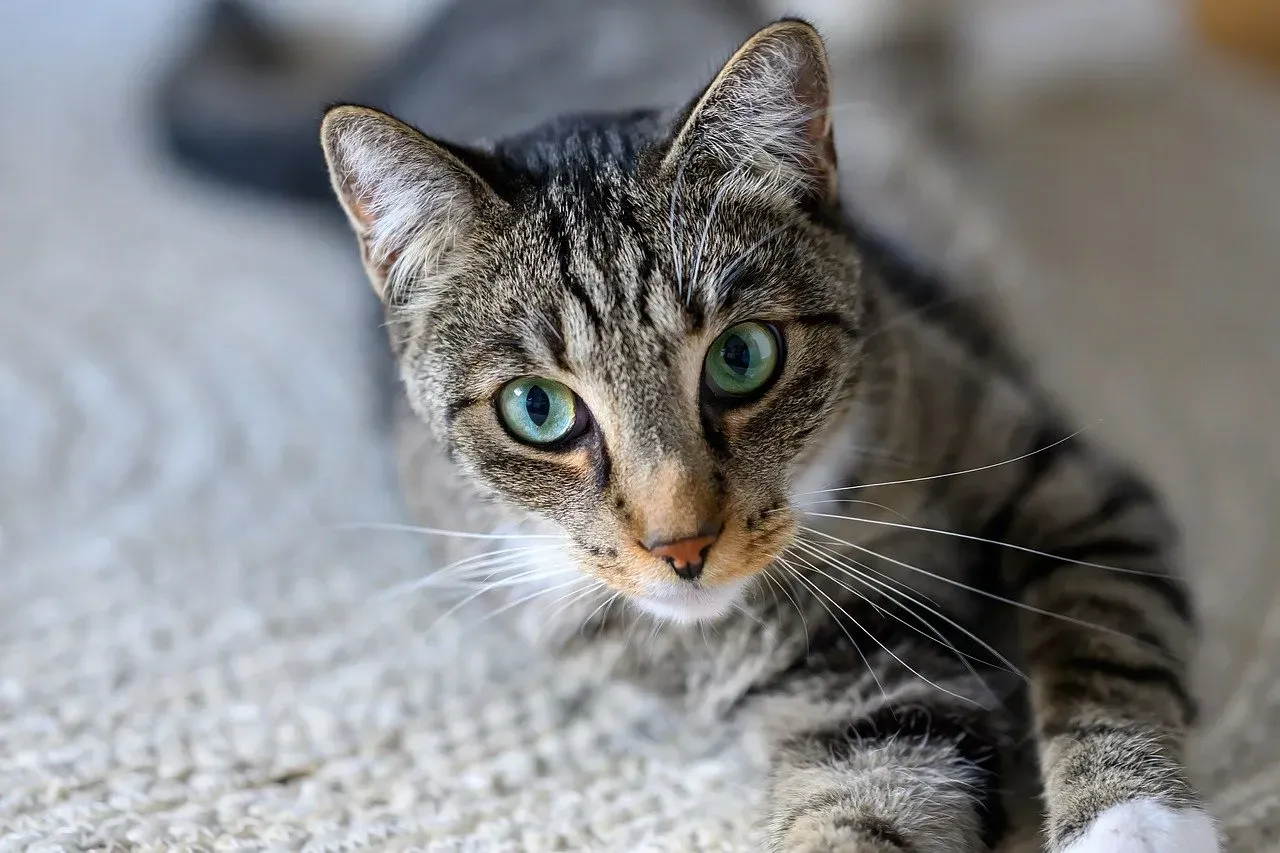
I think this is the part most people overlook entirely. Your cat is watching you. All the time. According to several feline behaviorists and child psychologists, an adult cat’s intelligence is comparable to that of a two- to three-year-old child, since both species learn through imitating, observing, and experimenting. Simply by watching their owners, and mirroring their actions, cats are capable of learning human-like behaviors like opening doors and turning off lights.
Kittens learn essential survival skills by observing their mothers, while adult cats refine their abilities through trial and error. It’s a bit like watching a toddler copy how you brush your teeth, except your cat is doing it with door handles and cabinet latches. If your cat ever scratches at a particular exterior door wanting to go outside, even though you have never let them out through that door in the past, this suggests that your cat has learned the purpose of that door through observing you and your family members.
Emotional Intelligence: Reading the Room, Feline Style

Your cat isn’t as emotionally oblivious as their reputation suggests. Not even slightly. Despite their reputation for aloofness, cats exhibit a form of emotional intelligence. According to the Animal Journal, cats can form strong bonds with humans and other cats, demonstrating affection and attachment behaviors often associated with more socially complex animals. The study found that cats can read their owner’s moods, such as fear, anger, happiness, and sadness, and adjust their behavior accordingly.
Your cat may observe your facial expressions and tone of voice when deciding whether to crawl on your lap or go hide. That’s not random. That’s a deliberate, emotionally informed decision. Intelligent cats tend to adjust quickly to environmental changes, like new furniture, visitors or altered feeding routines. Behavioural scientists describe this as “cognitive flexibility” – the ability to update old information and learn new rules. Sound familiar? It should. It sounds a lot like what we call social intelligence in humans.
The Sensory Superpower Behind Their Curiosity
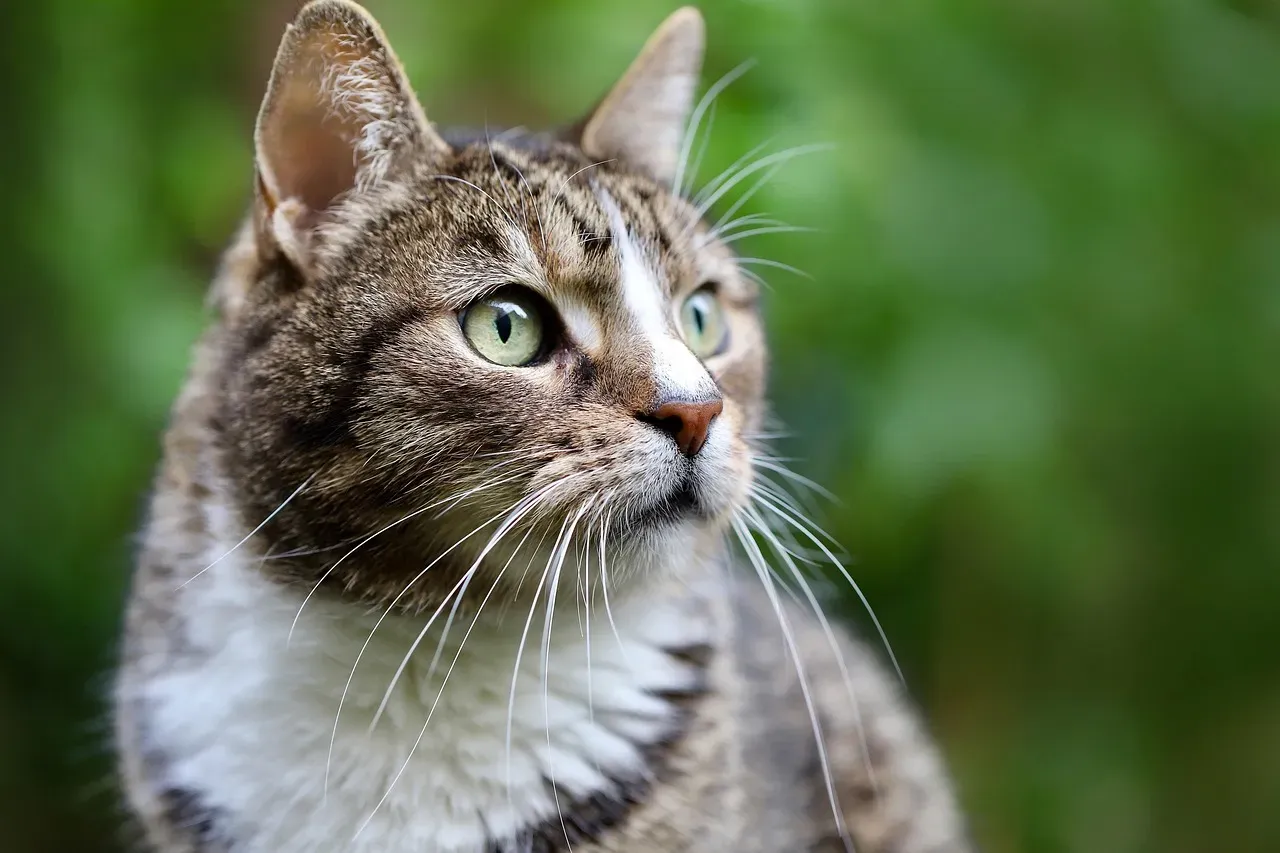
Part of what makes a cat’s curiosity so potent is the extraordinary sensory toolkit backing it up. The sensory world of cats is vastly different from humans. Their brains are wired to process information from their highly developed senses, particularly hearing and smell. Cats’ sense of hearing is even better than dogs and they have one of the broadest hearing ranges among mammals. Their sense of smell is also many times better than humans – they have 200 million odor-sensitive cells, compared to five million in humans.
Think about what that means for their curiosity. When you watch your cat sniff the corner of a room and then stare at the ceiling, they’re processing layers of sensory data that are simply invisible to you. Feline eyesight is adapted for hunting, with a focus on moving objects. Cats can see in very dim light, which aids them in their nocturnal activities. Their hearing, nearly twice as sensitive as a human’s, allows them to detect high-frequency sounds we can’t hear. It’s less like your cat is confused, and more like they are receiving a broadcast you simply cannot tune into.
Nurturing Your Cat’s Intelligence Through Play and Exploration
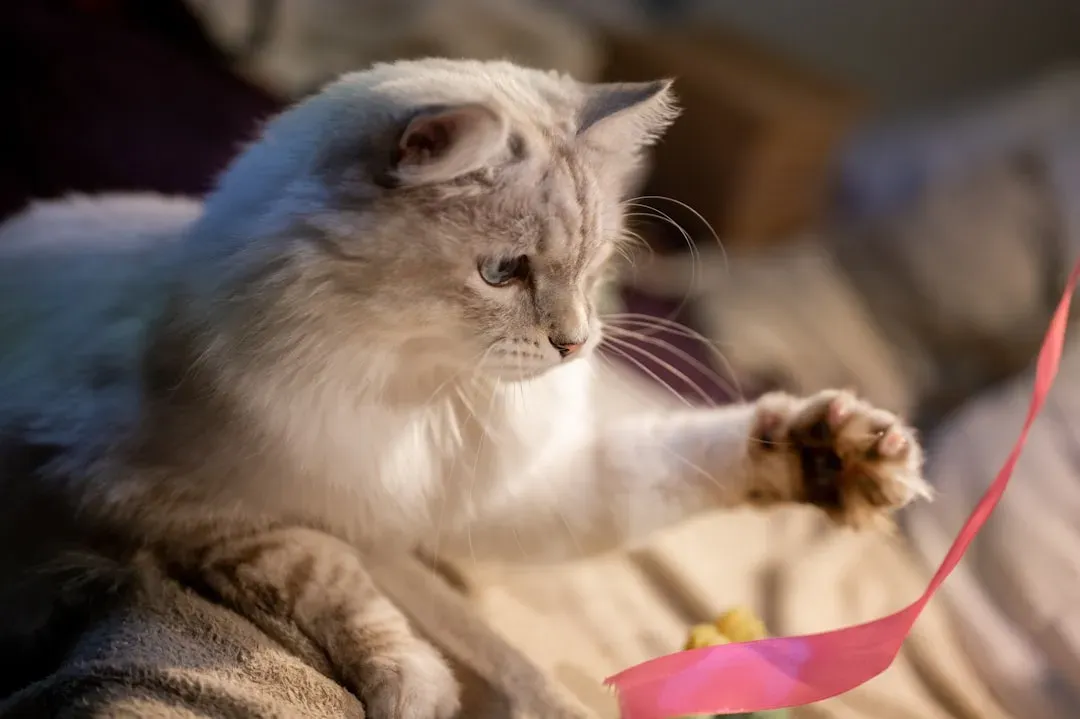
Here’s where things get practical, because knowing all of this means you can actually do something meaningful with it. Just like people, cats need mental stimulation to stay sharp and well-balanced. A smart cat isn’t only one that can open doors – it’s one that’s curious, confident and emotionally secure. Curiosity, when fed well, keeps the feline mind thriving.
Breed matters less than environment when it comes to how smart a cat is – enrichment, play and social interaction shape a cat’s brain far more than pedigree. Smart cats need stimulation and mental challenges like puzzles, training and exploration to prevent boredom. So the next time you think about skipping the puzzle feeder or putting away that interactive toy early, reconsider. Cats are natural-born explorers. Their curiosity isn’t just adorable – it’s essential to their mental stimulation, physical activity, and social development. You’re not just playing with your cat. You’re actively building their brain.
Conclusion: Never Underestimate the Mind Behind Those Eyes
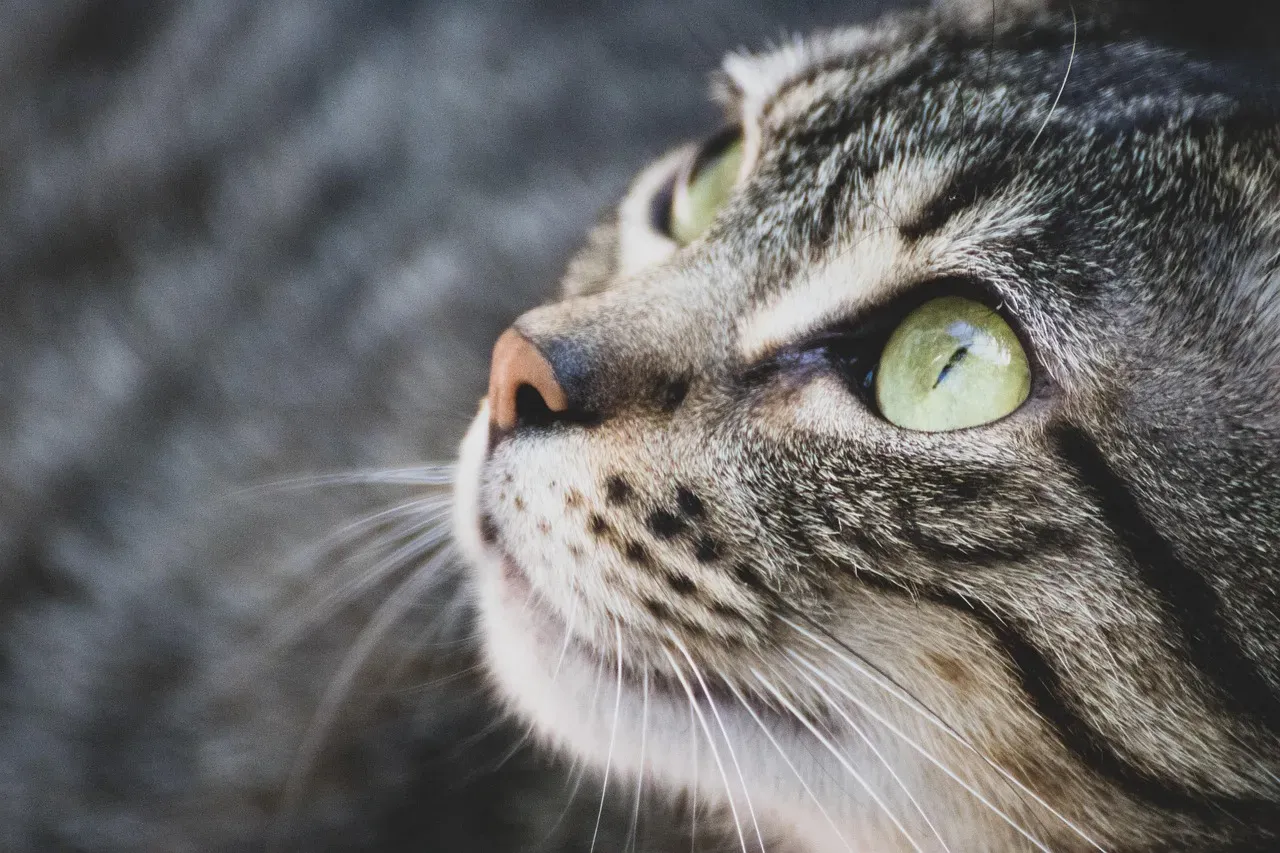
There is something quietly extraordinary about sharing your home with an animal that is simultaneously ancient hunter, emotional reader, problem-solver, and lifelong learner. Cats clearly have a superior ability to learn new information, mesh it with existing information, recall it, and use that information in other situations. This cognitive ability makes them card-carrying members of the highly intelligent class. We may never know the full depth of feline cognitive abilities, but their keen aptitude continues to surprise us.
Honestly, I think we’ve been selling cats short for a very long time. Every sideways glance, every cautious sniff, every stubborn refusal to be tested on human terms – it’s all intelligence expressing itself in a way that refuses to be boxed in. What is known is that cats are impatient, they have strong cognitive decision-making skills, and they will walk away from you if they find you boring. That, if nothing else, sounds like a being entirely in control of their own mind.
The next time your cat stares deeply into an empty corner of the room, maybe don’t assume they’ve lost the plot. Maybe ask yourself instead: what are they noticing that you can’t? What would you have guessed?
Kristina is a young writer from India. An arts graduate and an avid content creator, Kristina is passionate about animals and wildlife. She enjoys exploring topics related to pet care, animal behavior, conservation, and nature, combining thorough research with engaging storytelling.