Most cat owners are convinced they’re doing it right. You’ve lived with your cat for years, you know their name, their favorite spot on the couch, and what they want for dinner. Yet somehow, your perfectly well-intentioned hand lands on the wrong spot at the wrong moment, and suddenly you’re nursing a scratch you didn’t see coming. It happens more often than you’d think.
Cats are genuinely complicated when it comes to physical affection. When it comes to petting, it’s best to remember that cats as a species aren’t inherently social or tactile. That doesn’t mean your cat doesn’t love you. It means the way you touch them matters more than you’ve probably realized. Once you understand the science and the signals, everything changes.
Why Your Cat Wants to Be Petted in the First Place
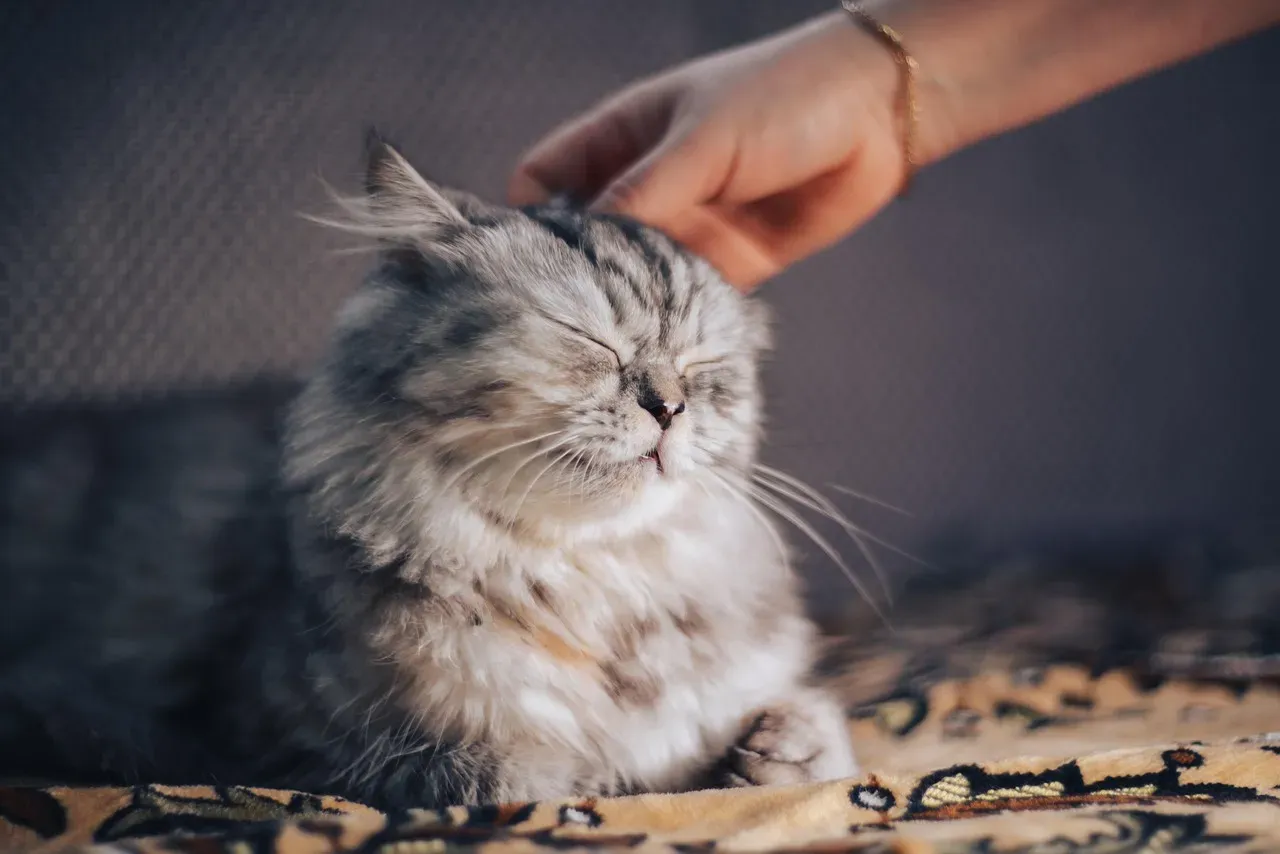
Cats enjoy being petted because it mimics the grooming behavior they would receive from their mother as kittens, promoting bonding and relaxation. That early, gentle contact gets hard-wired into their nervous system as something fundamentally safe and comforting. When your hand moves across their fur in the right way, it’s essentially a callback to the most secure period of their life.
Petting isn’t just a random act of affection from your perspective; for your cat, it’s a deeply social behavior. In the wild, cats that are friendly with one another engage in mutual grooming, known as allogrooming. This isn’t just about staying clean – it’s a fundamental way to strengthen social bonds and build trust within a colony. When you step into that role, your cat registers you as part of their inner circle. That’s a meaningful thing.
The Science of Touch: What’s Happening Under the Fur
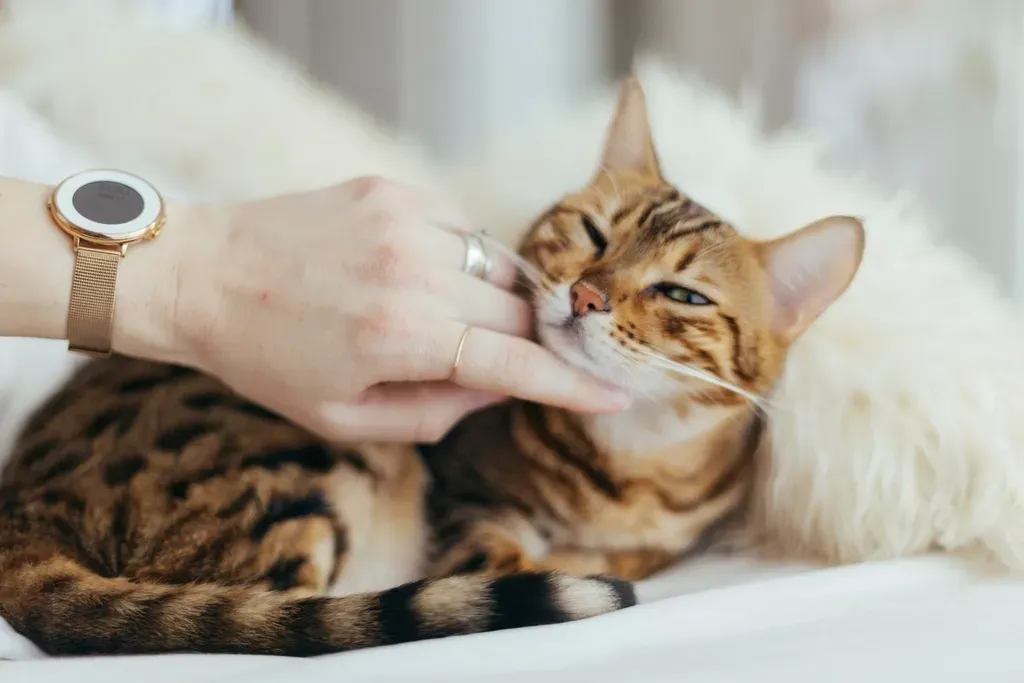
A study by biologist Sophia Vrontou, published in the science journal Nature, suggests that being petted reminds cats of being groomed and licked by their mother. Vrontou and her team discovered that there are sensory neurons in mice beneath their fur that become triggered when the animals are stroked. These are the same kinds of nerve pathways believed to underpin feline responses to touch as well.
Additionally, petting can stimulate the release of endorphins, making it a pleasurable experience for cats. So the purring you hear isn’t just background noise – it’s your cat’s nervous system signaling genuine satisfaction. Areas where cats particularly enjoy being petted, such as the base of their tail or their cheeks, have a high concentration of nerve endings, which may amplify the pleasurable feelings.
The Golden Zones: Where to Put Your Hands
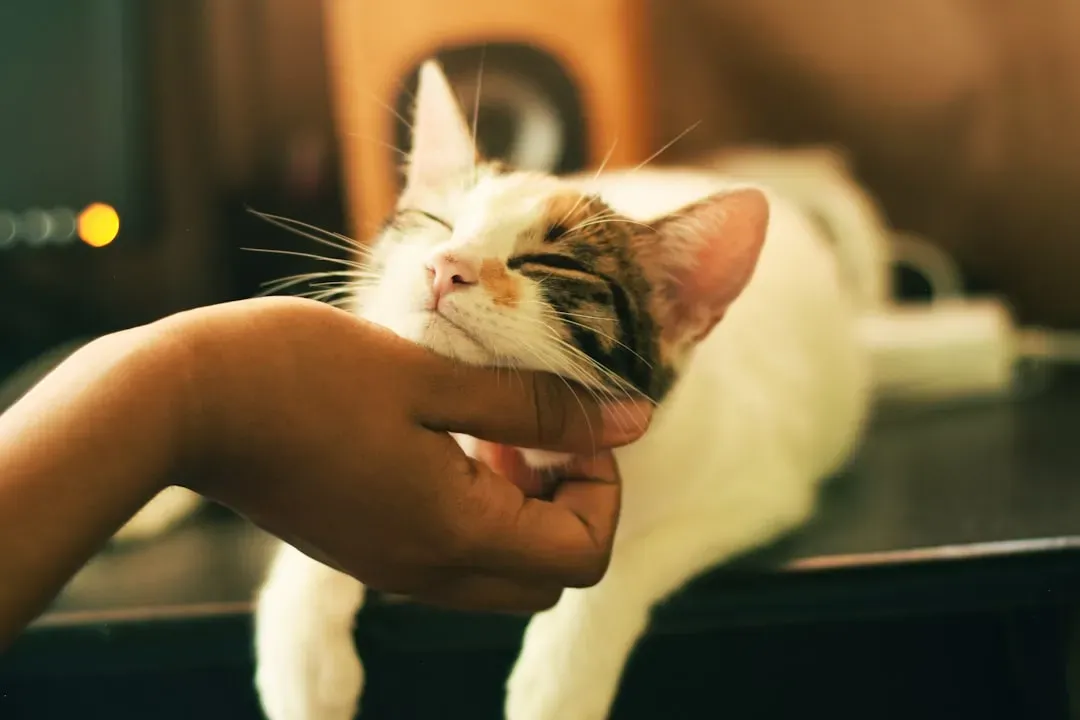
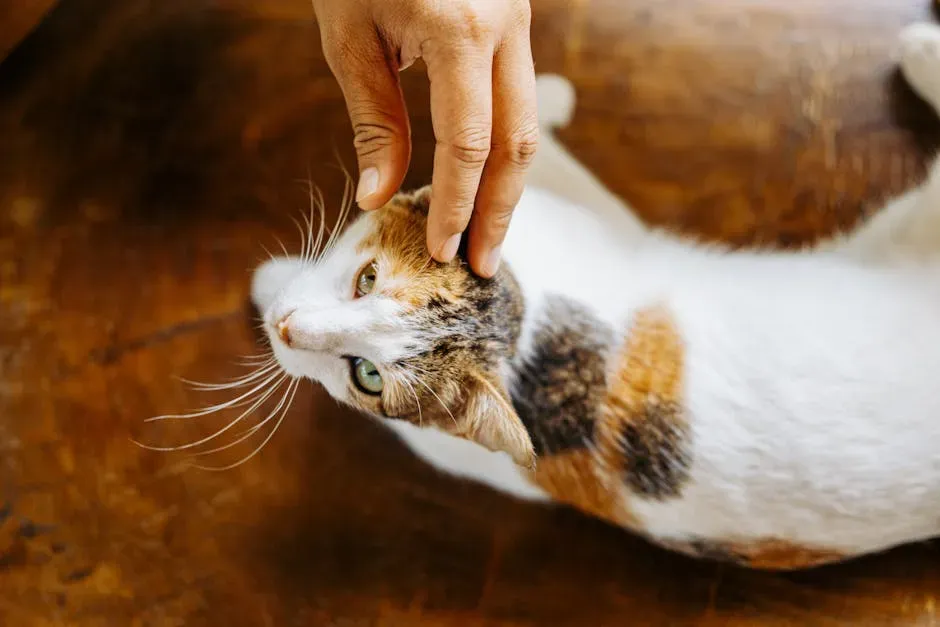
Research by Haywood, Finka, and colleagues, published in Frontiers in Veterinary Science (2021), found that cats show the highest positive responses when touched at the base of the ears, cheeks, and under the chin – the precise locations of the facial scent glands activated during bunting. This isn’t just preference – it’s biology at work.
The best spots to pet a cat are generally around the head, chin, cheeks, and neck. These areas are rich in scent glands and nerve endings, making them particularly sensitive and pleasurable. The back is a safe, generally well-appreciated zone as well. It’s a hard-to-reach spot for self-grooming, so your help is often welcome. Think of yourself as filling in where your cat physically can’t reach.
Understanding the Scent Gland Connection
Scent glands in cats are tucked away in specific spots on their bodies: around the face, especially near the cheeks, chin, and lips, along their paws, and even near the base of the tail. These glands release pheromones, which are natural chemical signals cats use to send out silent but powerful messages. When you pet those zones, you’re participating in a chemical conversation you probably didn’t even know you were having.
The areas most cats love – under the chin, on the cheeks, and at the base of the ears – are loaded with scent glands. When you pet them there, you’re helping them deposit their scent onto you, effectively marking you as “theirs.” When your cat nudges your hand with their face, it’s more than a plea for head scratches. They’re actually mingling their scent with yours, which helps strengthen your bond. Consider it a quiet form of feline commitment.
The Zones to Avoid (and Why They Trigger a Reaction)
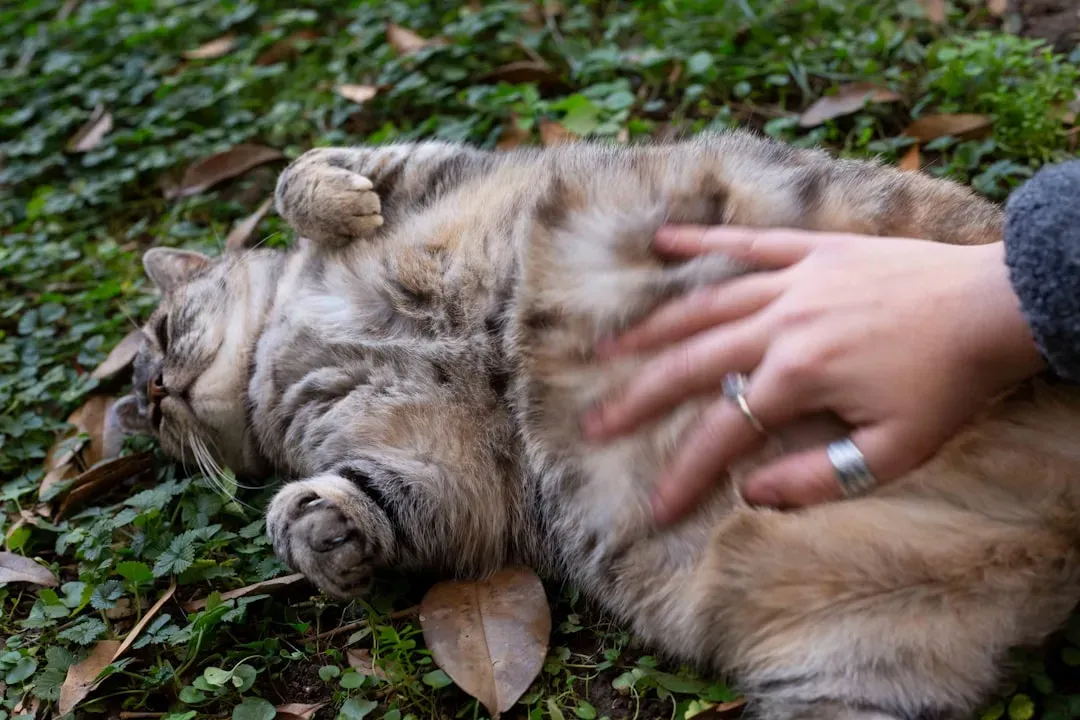
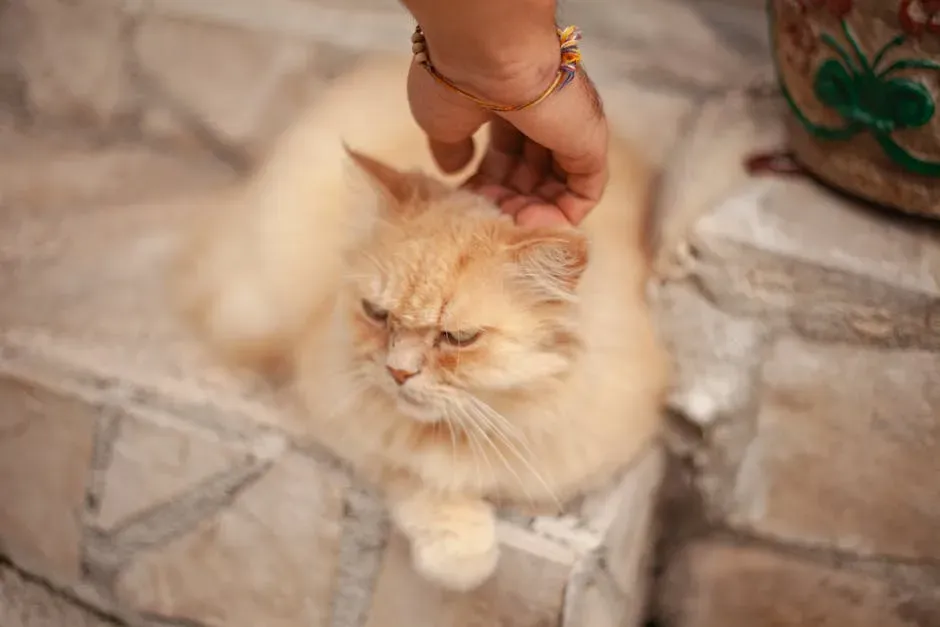
Research found that the tail base produced the highest negative-response rate of any body region. It could be a bit of a “sensory overload” for some cats – and petting here will often lead to biting. Keep in mind that this area of the cat’s body gets a lot of “action” during mating, so some of these responses may be part of the reproductive process.
Alongside the lower back, staying away from the belly is also advised, as your cat has evolved to keep this area protected. A cat’s vital organs are exposed at their navel, so they’re likely to see touching in this area as a threat. Many cats don’t like their paws touched either. It’s a sensitive area, and paws are a cat’s main tool for self-defense. Touching their paws can feel like a threat.
Let Your Cat Lead: The Consent Test
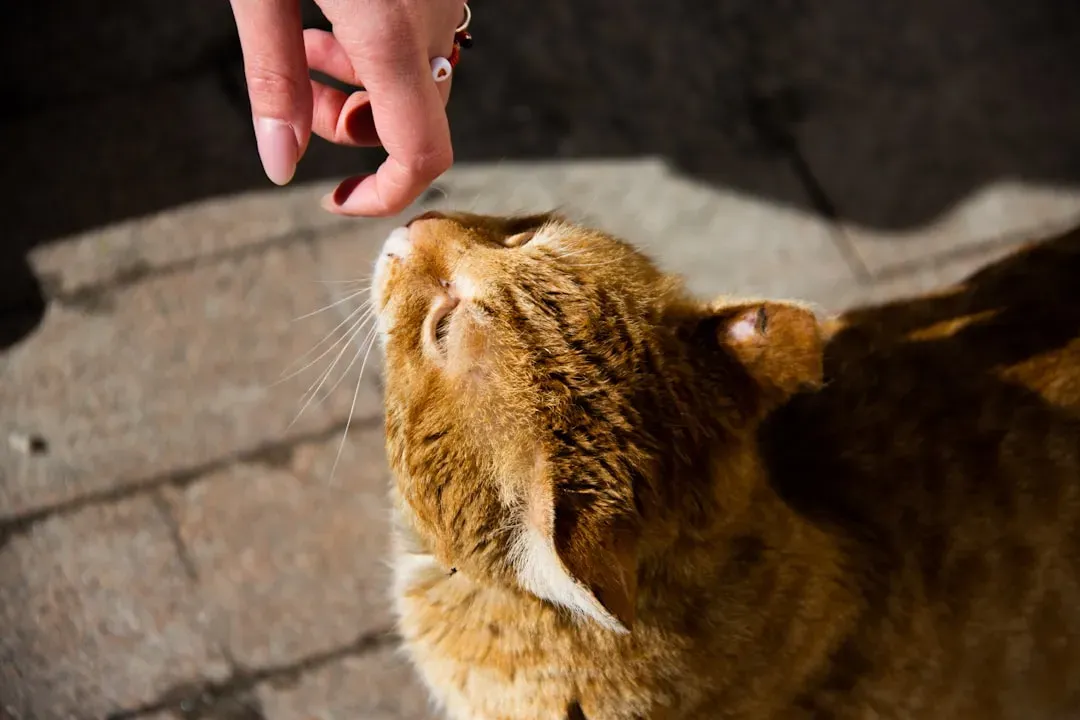
When approaching your cat, the most important trick is to allow them to take the lead. Let your cat sniff your index finger and touch their nose against it first. If they want to cuddle, they’ll push their face against your hand and direct you to their ears, chin, or wherever they want to be petted. This small ritual makes a genuine difference in how your cat experiences the interaction.
After a few pets, pause and ask again. Your cat will reinitiate contact if they want to be petted. If they don’t, respect that desire and give them space. Research supports this intuition. Research shows interactions with cats are likely to last longer when the cat, rather than the human, initiates them. Giving up a little control actually gets you more of what you want.
Recognizing Overstimulation Before It Becomes a Problem
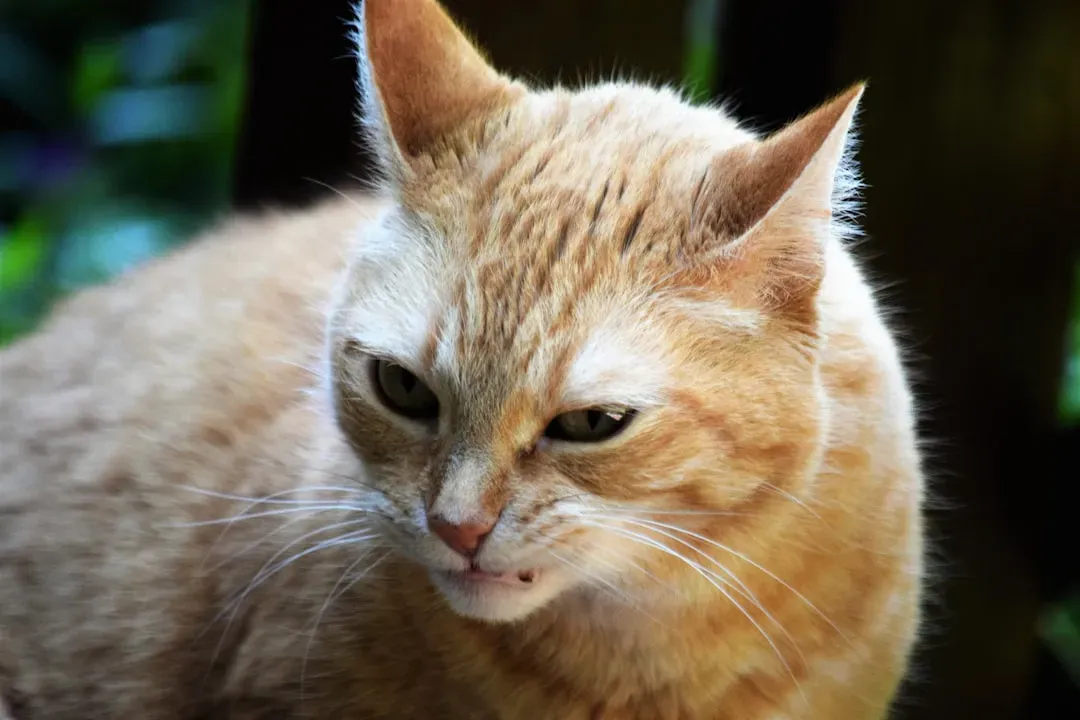
Overstimulation is when cats experience sensory overload from too much petting, caused by a painful nerve reaction, stress, or built-up frustration. It has nothing to do with a cat’s temperament, but is an actual physiological response to touch. Basically, their nervous system goes into overdrive and they feel significant discomfort. It’s not personal. Their body is simply signaling a limit.
Common signals to look for include tail swishing or flicking, skin twitching over the back, flattening of the ears, freezing, tenseness or staring, a quick head turn to watch your hand as you pet, pupillary dilation, a low growl, or walking away and lying down. Stop petting at the first sign of any of these early warning signals. Catching these cues early is what separates a good petting session from one that ends with both of you frustrated.
How Personality and Early Life Shape Petting Preferences
There is a lot of variability in what cats enjoy. This is based on their personality, but also their early experiences. Cats that are well-handled and socialized by humans from a young age – particularly during the sensitive period of two to eight weeks of age – are usually more likely to enjoy handling. A cat who received little human contact as a kitten may simply have a lower tolerance for touch, through no fault of their own or yours.
Some cats may react aggressively to unwanted physical attention, while others may merely tolerate human social advances in exchange for the good stuff – food and lodgings. A tolerant cat is not necessarily a happy cat. Higher stress levels are reported in cats that are described by their owners as tolerating rather than actively disliking petting. That distinction is worth pausing on: tolerating and enjoying are not the same thing.
Building a Better Petting Routine
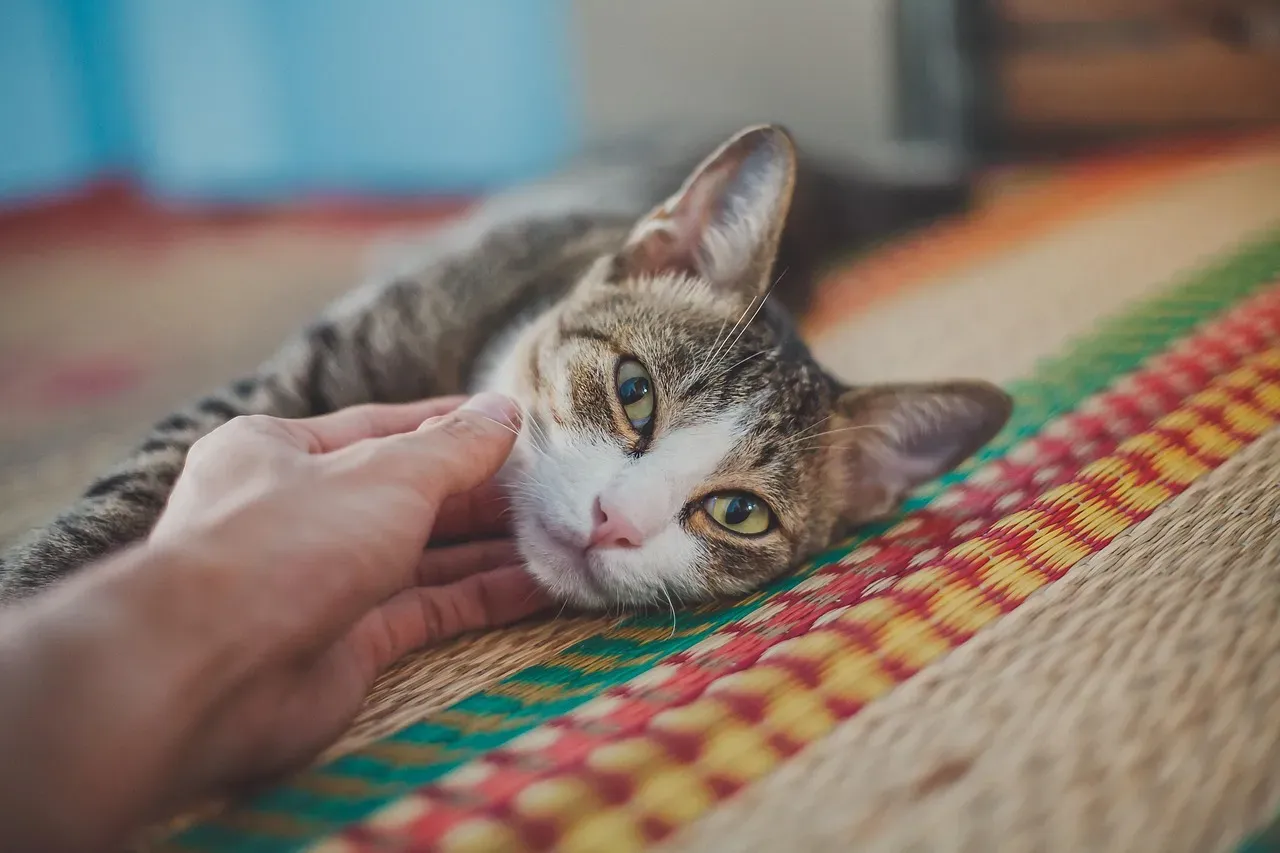
Experts in feline behavior and welfare found that paying close attention to cats’ behavior and body language and thinking about where to stroke them were key factors in improving interactions between cats and people. This isn’t about learning a rigid technique. It’s about becoming more observant in your everyday moments together.
While all cats are different, most cats that enjoy human touch enjoy being gently, consistently stroked on their backs. Keep pressure light and move in the direction of their fur. Keep in mind that cats have a threshold for contact; at a certain point, they won’t enjoy it anymore. It’s important to continue to watch and respond to their behavioral cues to make it an enjoyable experience for all. Short, attentive sessions beat long, oblivious ones every time.
Conclusion
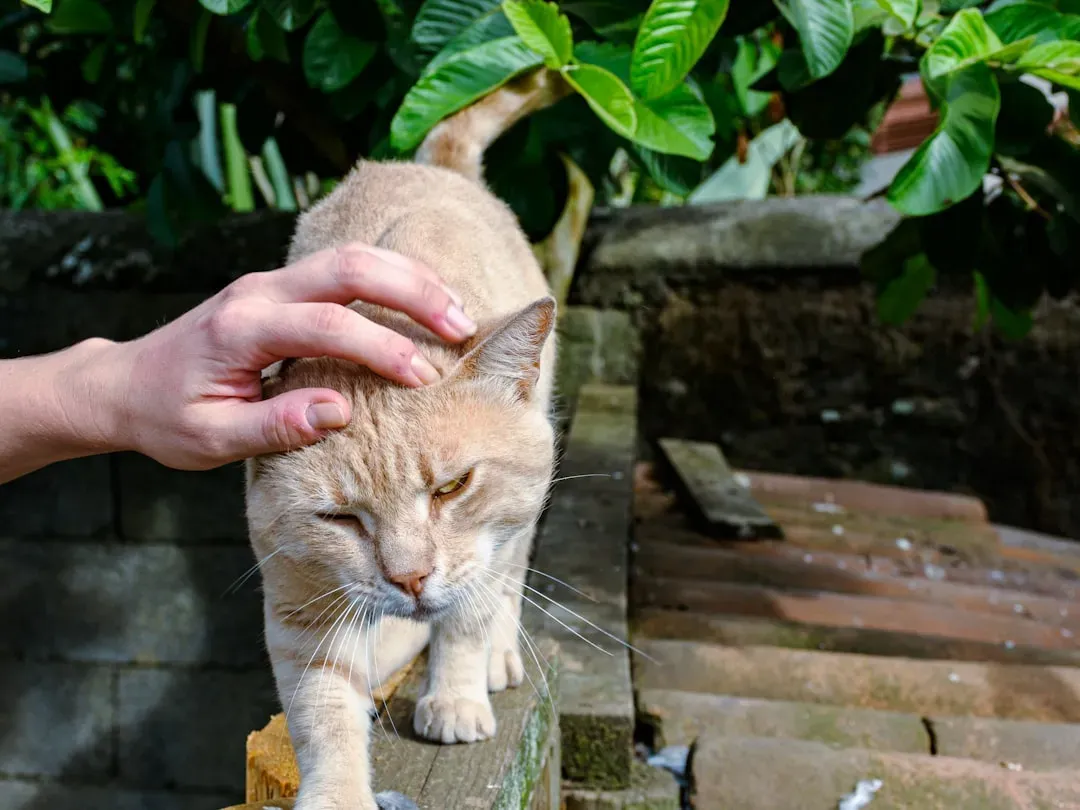
Getting petting right with your cat isn’t about following a perfect script. It’s about shifting from doing something to your cat to doing something with them. The difference sounds small, but your cat feels it immediately.
Once you know where the good spots are, what the warning signs look like, and how much a simple pause can communicate, every interaction becomes cleaner and more satisfying for both of you. Understanding your cat’s specific preferences – from the favored locations behind the ears and under the chin to their clear signals for when they’ve had enough – transforms this everyday interaction into a conversation of trust and affection. A respectful and attentive approach to petting, one that honors the cat’s body language and individual personality, is the key to a harmonious relationship.
The cats who seem most aloof are often just the ones whose signals have been ignored the longest. Pay attention, adjust, and you might be surprised how much closer your cat will choose to come.