You’ve shared your home with your cat for years. You know their favorite nap spots, their meal-time demands, and which sounds make their ears perk up. Yet the moment the lights go out and you close your eyes, your cat enters a world you probably know very little about. The gap between what cat owners assume happens at night and what actually does is surprisingly wide.
Understanding your cat’s nighttime life isn’t just interesting trivia. It changes how you interpret their behavior, how you respond to their midnight quirks, and how you set up your shared space for a calmer, healthier household. What follows might not match what you thought you knew.
Your Cat Is Not Actually a Night Owl
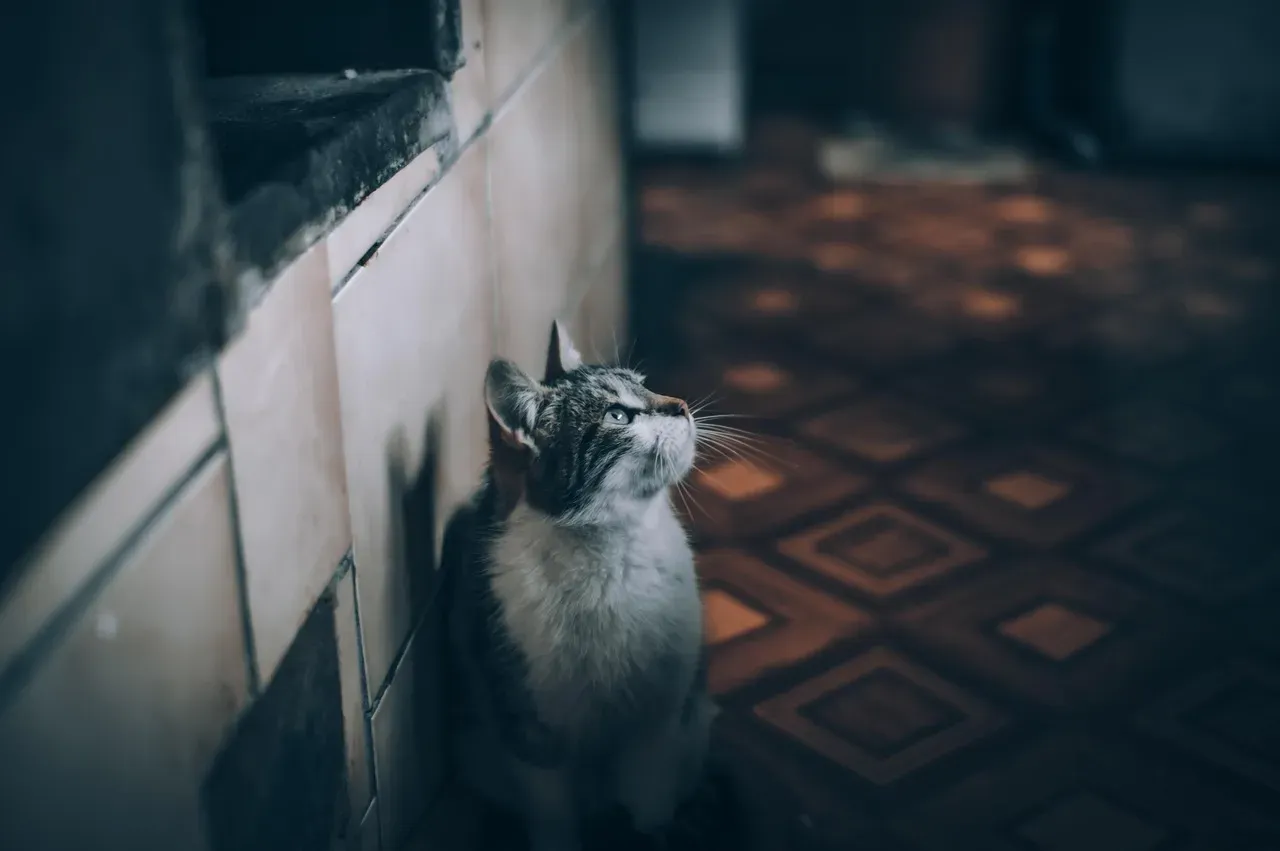
One of the most persistent myths about cats is that they’re nocturnal. They’re not. Cats are crepuscular, which means they’re most active at dawn and dusk, the best times for hunting in the wild. That distinction matters more than you might think, because it reframes everything you assume about why your cat goes wild at 5 a.m.
The truth is, cats aren’t truly nocturnal. Rather, they follow a crepuscular rhythm that has them more active during the low-light hours of the day, mainly around dawn and dusk, and then sleeping during the middle of the night and day. So while it might feel like your cat lives by some chaotic schedule designed to disrupt yours, there’s actually a very logical, ancient pattern behind all of it.
The Wild Ancestor Behind the Witching Hour
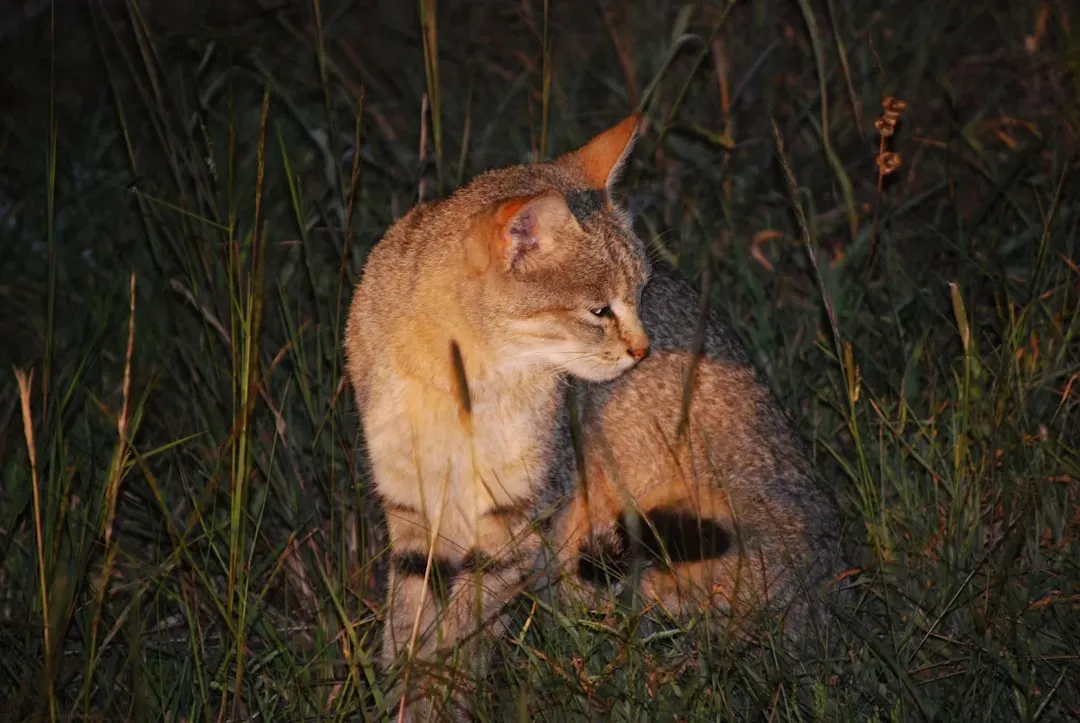
The wild ancestor of the domestic cat, the African wildcat, is known for being a nocturnal hunter. This has led to the domestic cat becoming a crepuscular animal, meaning they are most active during dawn and dusk when light levels are low. That inheritance runs deep. Thousands of years of domestication haven’t erased it.
In the wild, most prey animals are either nocturnal or diurnal, and hunting when targets are either waking or preparing to sleep, and therefore less alert, gives cats a distinct advantage. Your indoor cat no longer needs to hunt for survival, but the biological programming that made hunting at twilight so effective is still fully intact and still firing right on schedule.
What Your Cat’s Eyes Are Actually Doing in the Dark
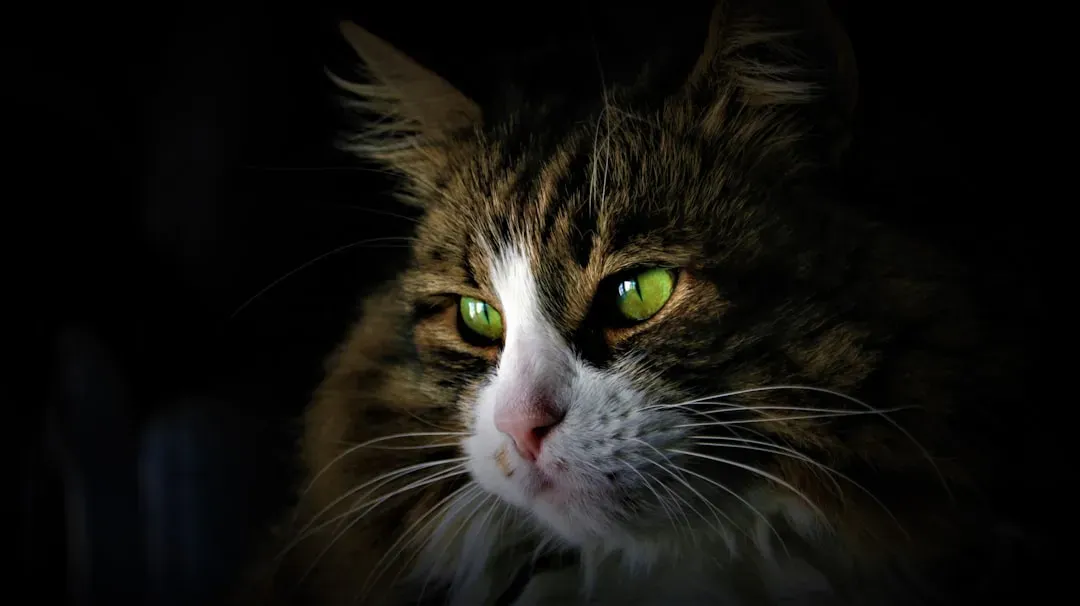
A special layer called the tapetum lucidum amplifies available light, enabling cats to see in conditions nearly six times dimmer than the lowest light levels humans can manage. This exceptional vision is crucial for detecting and tracking prey in the dark. It’s that same reflective layer that makes your cat’s eyes glow green or gold when a flashlight catches them.
Cats have a high number of rod cells in their retinas, which are more sensitive to low light than cone cells, the cells responsible for color vision and detail. This makes cats excellent at navigating and hunting in dim conditions. Your cat’s vision provides them with advantages to navigating the dark, but they cannot see in complete darkness. It’s impressive hardware, even if the most they’re currently hunting is your feet under the blanket.
The Sleep Science Behind All Those Naps
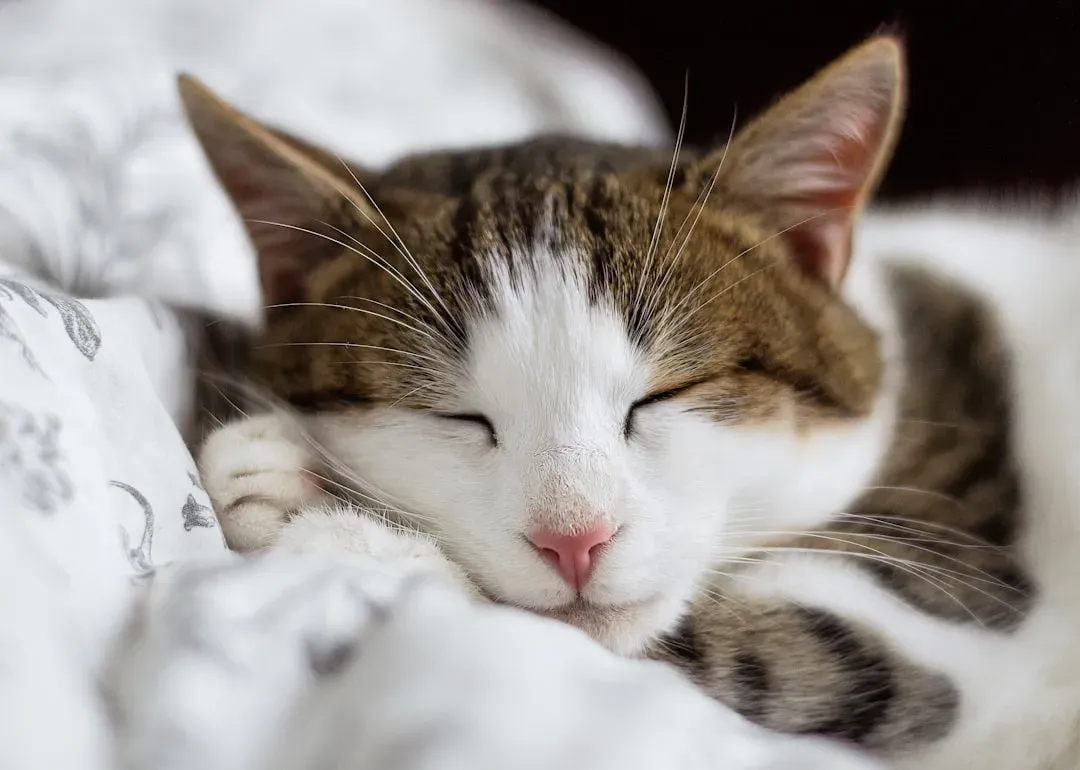
Unlike humans who follow a monophasic sleep pattern, cats are polyphasic sleepers, taking multiple short naps throughout the day and night. This isn’t laziness. It’s a finely tuned survival strategy that keeps them rested and ready to move at a moment’s notice. Cats have a polyphasic sleep pattern, which means they sleep multiple times each day rather than in one long period, like humans generally sleep. These cat naps average 78 minutes in length, though cats commonly sleep for periods ranging from 50 to 113 minutes.
Unlike humans, most of a cat’s sleep is light dozing. This explains how your cat can appear completely unconscious yet instantly respond to the sound of a food bowl or a can opening. That light sleep keeps their senses engaged while their body rests. So when your cat seems deeply asleep but springs up from across the room at the crinkle of a treat bag, that’s not a trick. It’s just how their sleep works.
Yes, Your Cat Actually Dreams
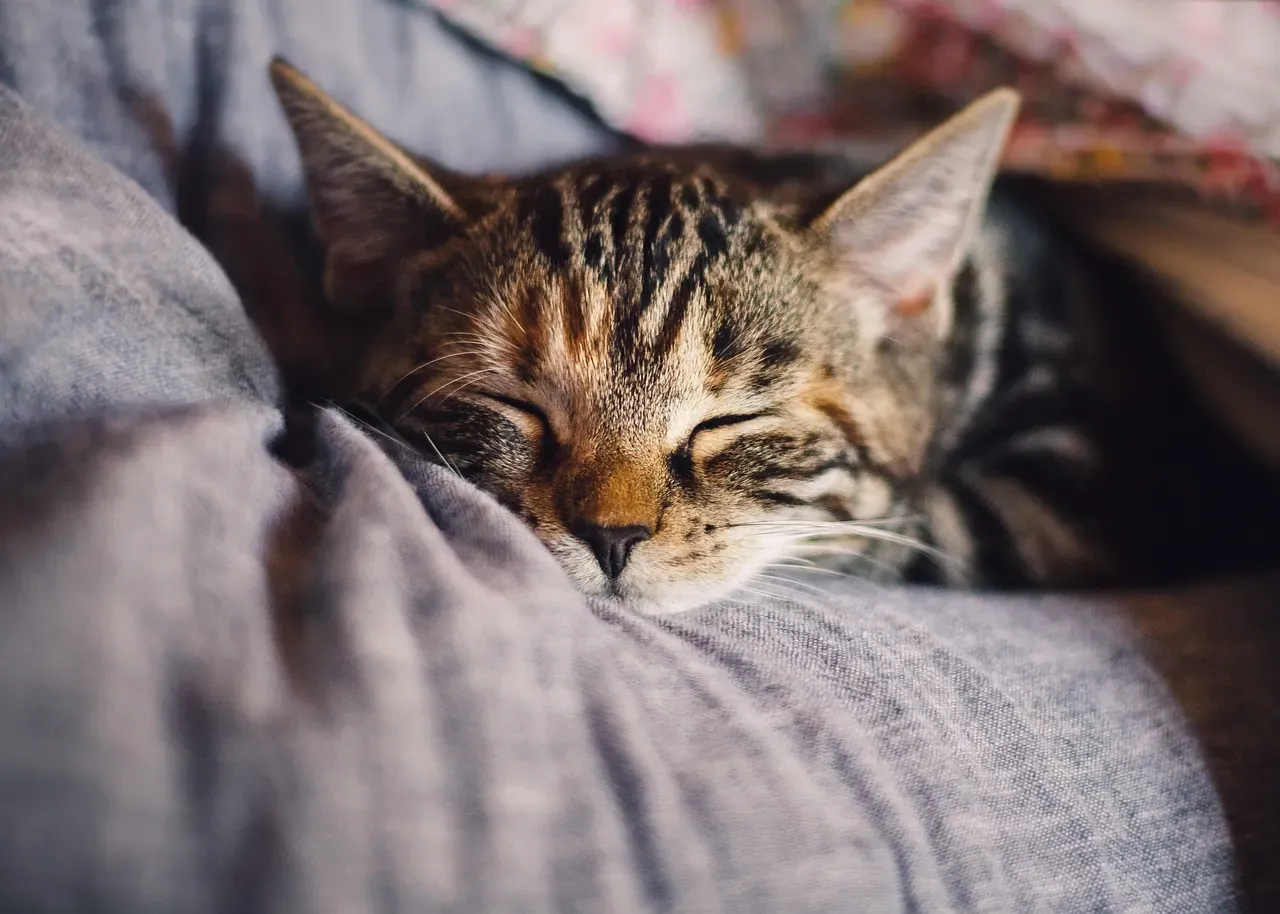
Cats experience both REM and NREM sleep. Similar to humans, cats dream during REM sleep. NREM sleep allows their bodies to recharge and conserve energy. When you see your cat’s paws twitching, their whiskers flickering, or their tail curling during a nap, you’re watching their dream state in real time.
During REM, you may see whisker flicks, paw twitches, tail movements, or even hear tiny meows. These dream states are especially important for kittens, whose developing brains rely heavily on REM sleep to build neural connections. Adult cats dream too, likely replaying instinctual behaviors like hunting, playing, and social interactions. Watching your cat dream is, in a quiet way, watching their wild nature at work even in the most peaceful corner of your living room.
The Midnight Zoomies Have a Real Name and a Real Reason
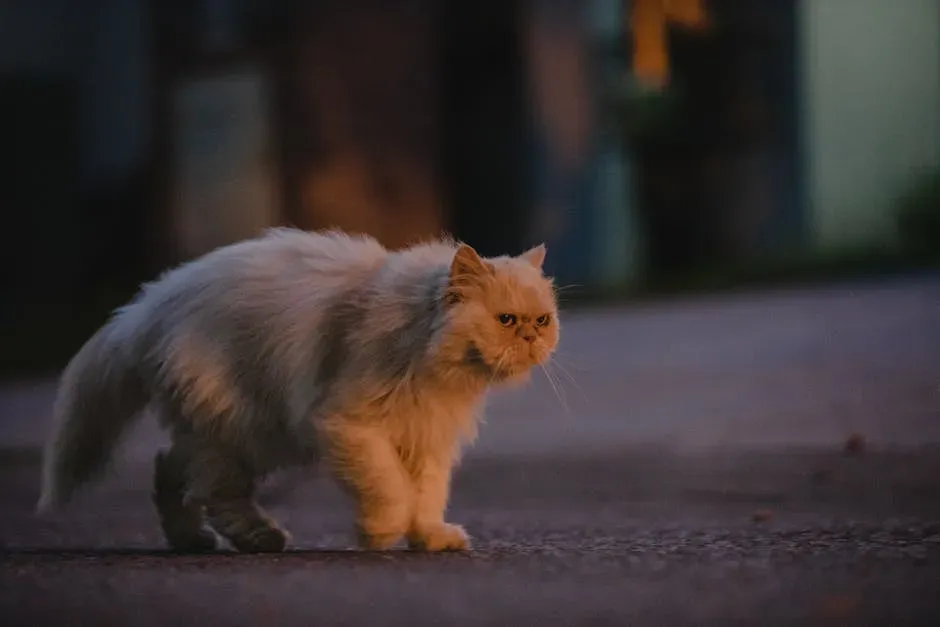
The cat witching hour typically occurs during the late evening or nighttime hours, when cats suddenly display bursts of intense activity, often characterized by running, jumping, and playful behavior. This natural phenomenon stems from cats’ crepuscular nature, meaning they’re most active during dawn and dusk. It’s not random chaos. It’s a predictable spike tied to their internal biological rhythm.
These energy spikes, scientifically known as Frenetic Random Activity Periods, or “zoomies,” are particularly common in indoor cats who may have pent-up energy from spending most of their day relatively inactive. If your cat spends most of the day lounging undisturbed, that energy doesn’t just disappear. Structured play before bedtime can help minimize nighttime zoomies by satisfying your cat’s natural hunt-eat-rest cycle.
Artificial Light and Your Home Are Reshaping Their Schedule
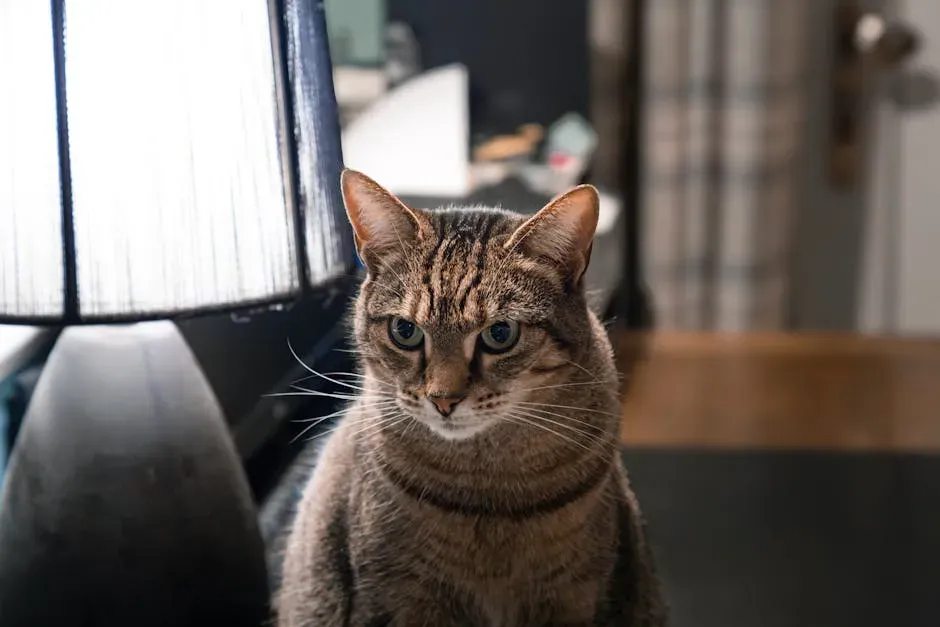
Cats in brightly lit homes may stay active longer in the evening and show less distinction between day and night behavior. Conversely, cats in darker environments or homes that closely follow natural light cycles tend to align their activity more strongly with sunrise and sunset. This helps explain why two cats in different households can behave very differently at night. Your home’s lighting routine, your Netflix habits, and even your sleep schedule are quietly influencing when your cat chooses to be awake.
Artificial lighting can blur natural day-night cues, shifting feline activity later into the evening. Light is one of the strongest signals controlling circadian rhythms in mammals, and cats are no exception. If the lights are on, even low light, this is an invitation for a cat to go adventuring around the house. Once the sun sets, keeping the lights off can invite your cat to get some rest.
Why You Are the Most Interesting Thing in the House at 4 a.m.
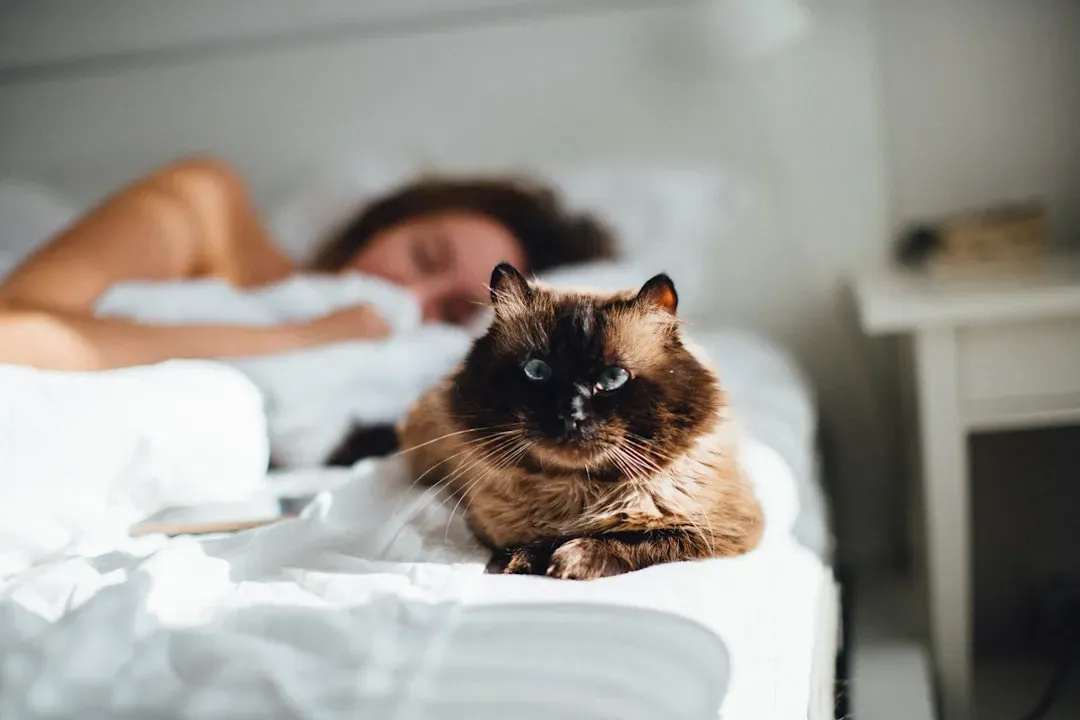
As light levels begin to rise, a cat’s internal clock signals that it is time to move, explore, and hunt. If food has historically appeared around this time, anticipation adds to the motivation. Indoor cats may amplify this behavior because there is nothing to hunt. The sleeping human becomes the most reliable source of stimulation and food. That’s why your cat sits on your face. You’re the prey, the food dispenser, and the entertainment system all in one.
The tricky part is that your reactions can teach your cat that waking you up is always worth the effort. If you wake up to give your cat attention, whether you speak kind soothing words or verbally admonish your cat for waking you up, your cat gains attention. Over time, your cat could therefore become more active just to get the reward of being noticed. Silence, as frustrating as it feels in the moment, is genuinely the more effective response.
When Nighttime Behavior Signals Something More Serious
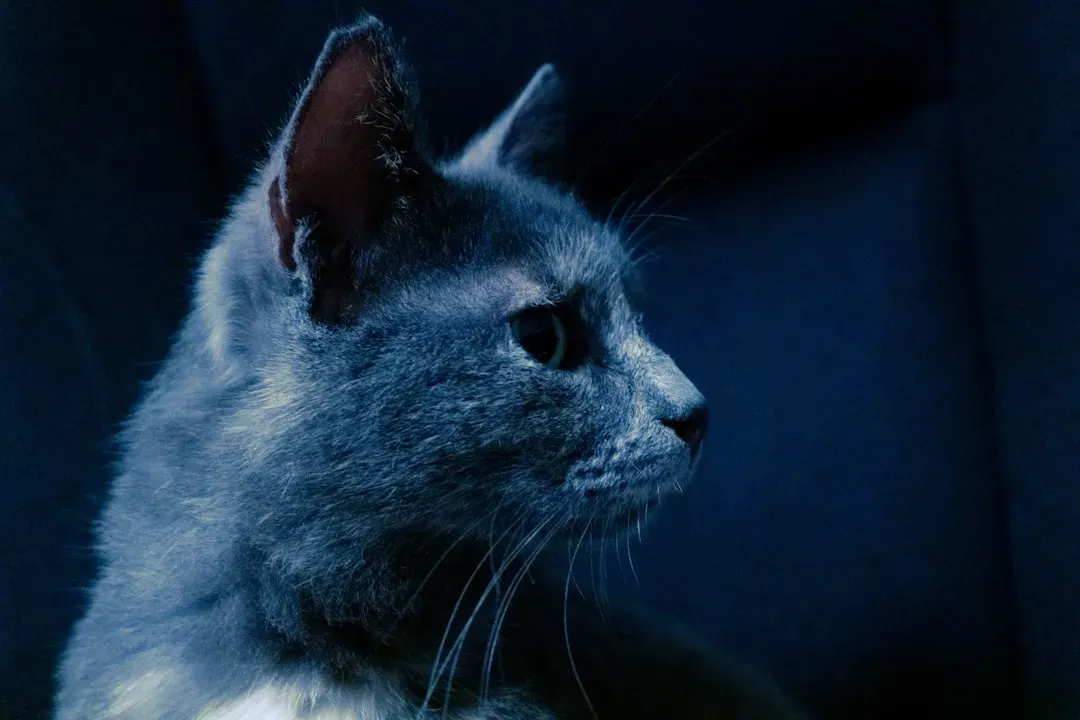
Senior cats may be restless at night for different reasons. Changes in their sleep cycles, hearing loss, anxiety, or the onset of cognitive dysfunction can lead to vocalizing and increased wakefulness. If your older cat was once calm at night and has recently started pacing or crying out, that shift deserves attention rather than frustration.
Nighttime restlessness in cats can come down to natural hunting instincts, feeding schedules, daily boredom, or an underlying medical or behavioral issue. If your cat’s behavior suddenly changes or they’re staying restless through the night, a quick check with your veterinarian can rule out health issues like hyperthyroidism and help your cat get back to their natural sleep rhythm. Sudden behavioral changes at night are one of the more reliable early signals that something physical may be going on.
Conclusion
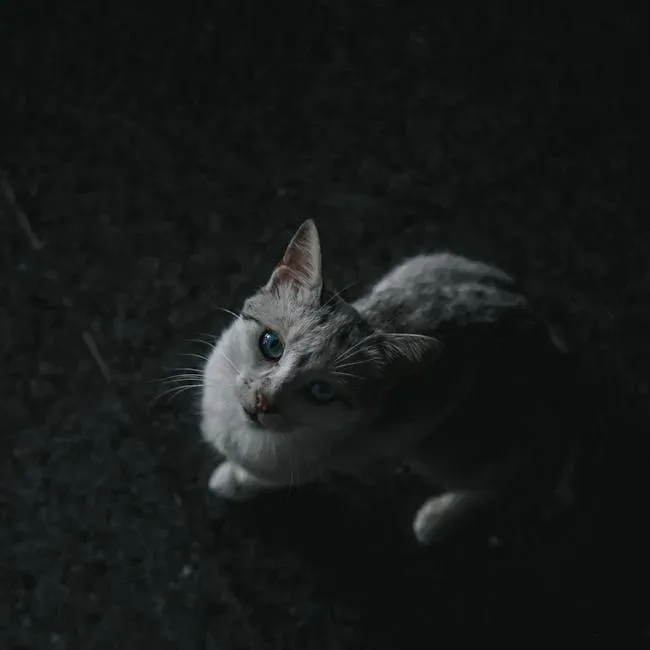
Your cat’s nighttime habits aren’t a mystery built to frustrate you. They’re the product of millions of years of evolutionary design, running quietly in the background of your very modern, very domestic household. The crepuscular peaks, the polyphasic sleep, the dreaming, the zoomies, and even the 4 a.m. face-sitting all trace back to a blueprint that was set long before your cat ever curled up on your couch.
The more clearly you understand what’s actually happening, the less arbitrary it all seems. You can adjust feeding times, introduce structured evening play, dim the lights earlier, and stop accidentally rewarding the behaviors you’d rather not encourage. Your cat won’t change their biology, but with a little working knowledge of how that biology operates, you and your cat stand a much better chance of sleeping through the same night.
Kristina is a young writer from India. An arts graduate and an avid content creator, Kristina is passionate about animals and wildlife. She enjoys exploring topics related to pet care, animal behavior, conservation, and nature, combining thorough research with engaging storytelling.