Watch your cat for a few minutes any given afternoon and there’s a good chance you’ll find them perched somewhere up high. On the refrigerator, the tallest shelf, the very top of the wardrobe. It seems almost deliberate, like they’ve surveyed every option in the room and chosen the one spot that gives them the most commanding view. That choice isn’t accidental.
Your cat’s preference for high vantage points isn’t a quirk of personality or simply a desire to climb. It’s a fundamental biological desire hardwired into their DNA through millions of years of evolution. What your cat is doing when they scale your bookcase or claim the top of the kitchen cabinet is quietly expressing something ancient. Understanding what’s behind that behavior gives you a fascinating window into the predatory mind of an animal that, despite living with you, has never quite let go of the wild.
The Wild Ancestor Behind Every Leap
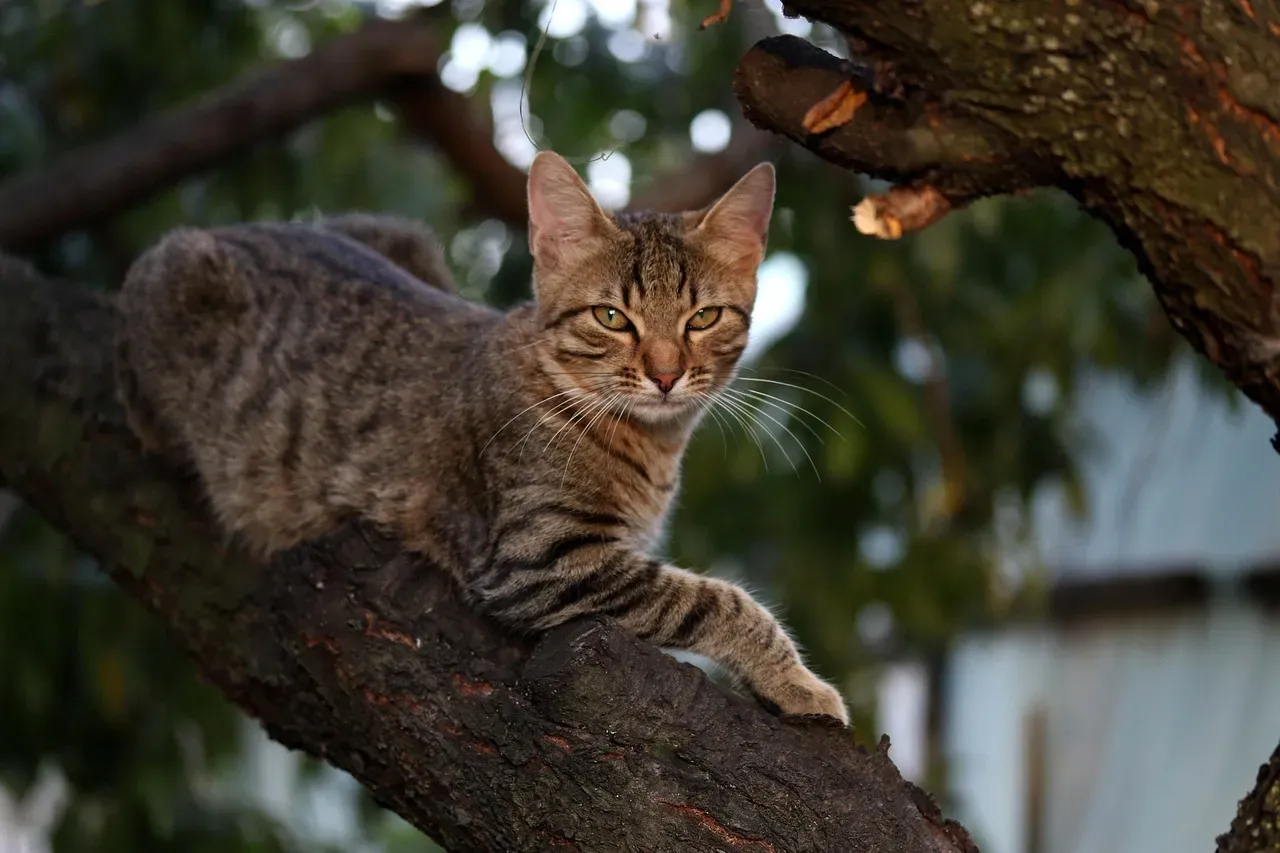
Your cat’s love of heights can be traced back to their evolutionary history. Domestic cats are descended from wild ancestors, such as the African wildcat, who thrived in environments where survival depended on keen observation and strategic positioning. That lineage runs deep, and it shapes nearly everything your cat does, including where they choose to rest.
This vertical behavior isn’t just a quirky trait. It’s a deeply ingrained instinct shaped by evolution, psychology, and physiology. Your cat’s attraction to high places stems directly from their wild ancestors. In nature, elevated positions provided crucial advantages for both hunting and survival. From these vantage points, wild cats could spot potential prey while staying safely out of reach from larger predators.
The Ambush Predator’s Advantage
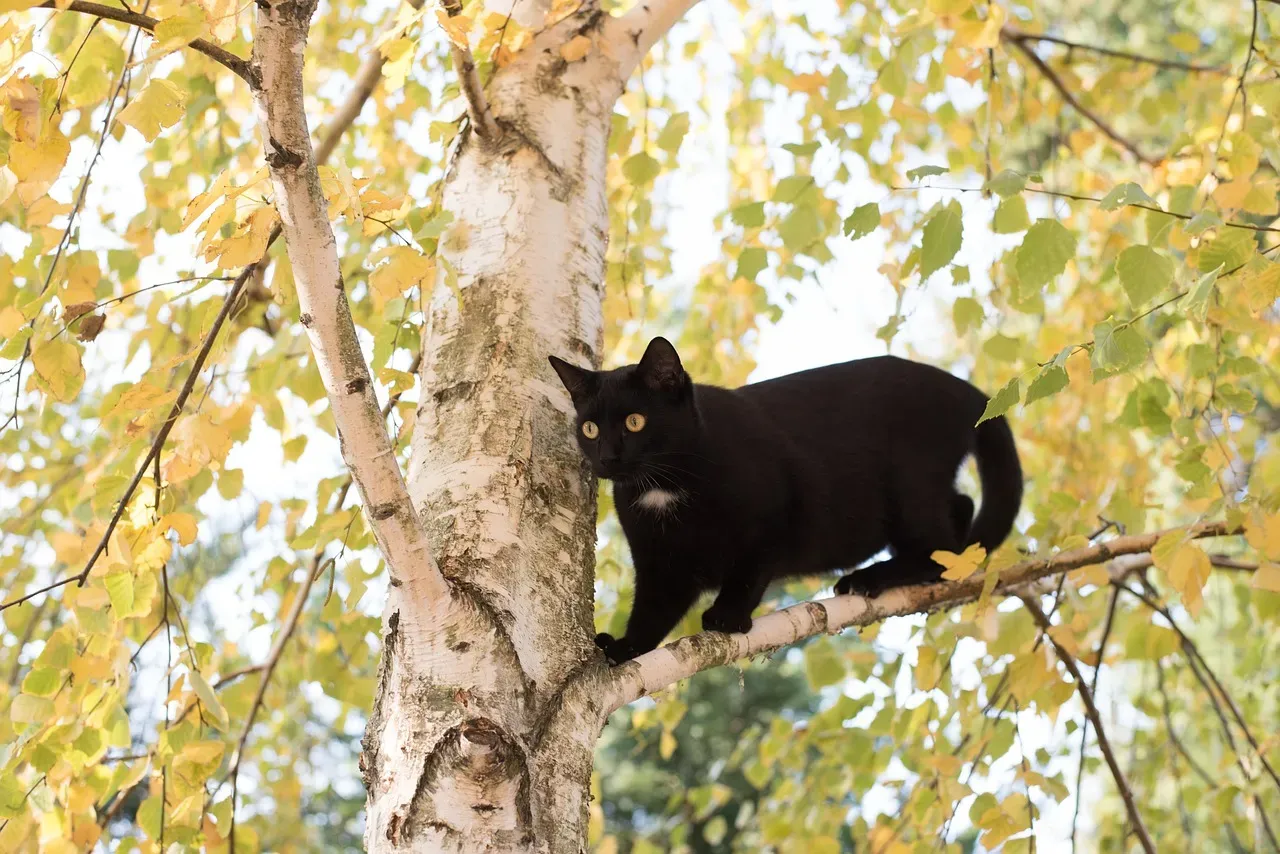
Cat climbing behavior is strongly connected to hunting instincts. Cats are ambush predators, meaning they prefer to observe before moving. By sitting in elevated positions, they can better evaluate their environment. This isn’t restlessness. It’s strategy, the same patient calculation a predator uses before committing to a strike.
Heights allowed cats to see prey from a distance, plan their approach, and execute precise attacks. When you notice your cat resting on shelves, cabinets, or bookcases, they are not just being playful. They are expressing natural survival instincts, which explains why cats like heights and why cats observe from above before making movements. Your home has simply become the new terrain for that same ancient calculation.
Safety and the Dual Role of Prey
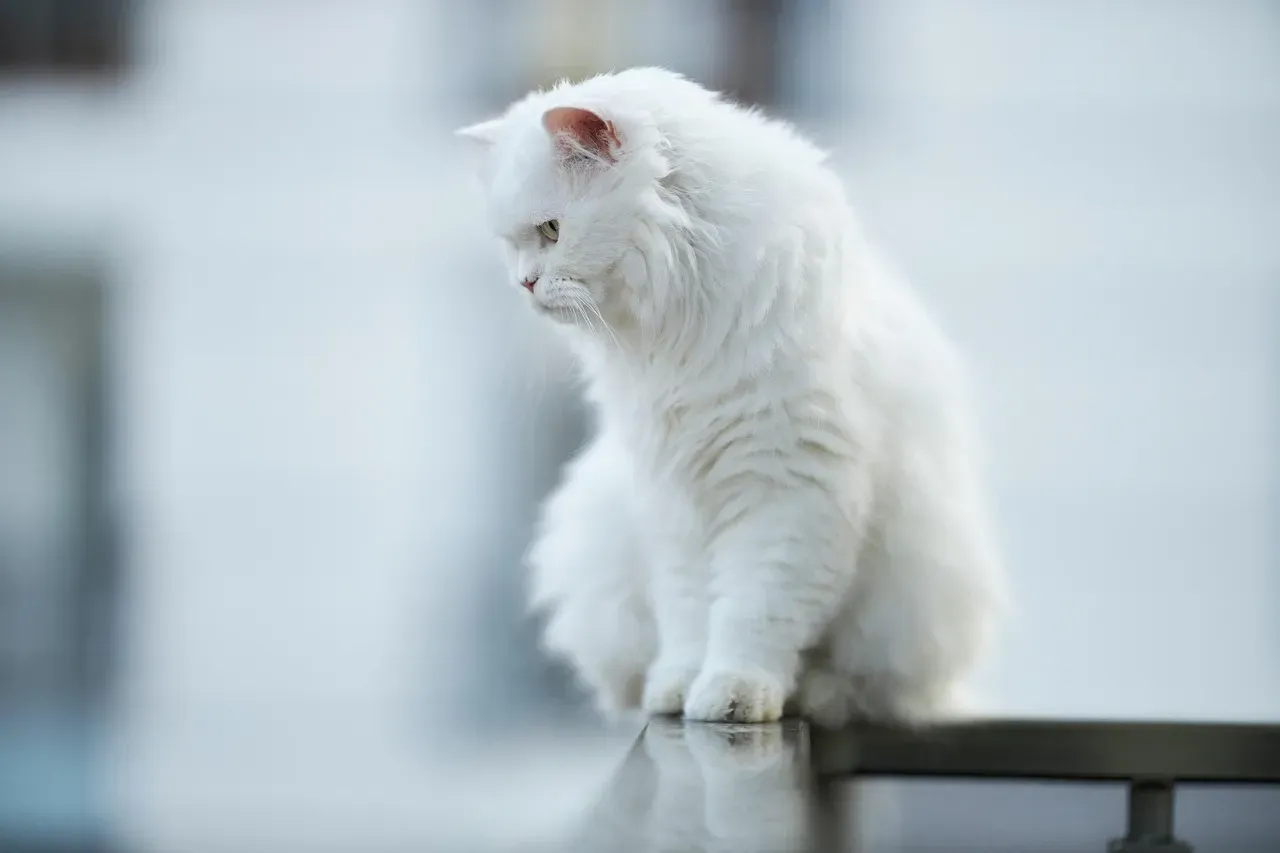
In the wild, cats are both predator and prey, creating a unique behavioral profile. That’s a genuinely interesting tension to sit with. Your cat, a skilled hunter, is also small enough to be someone else’s meal. Height solves both problems at once.
Even though cats are natural predators, they can still feel uncomfortable and vulnerable on the ground. Cats can fall prey to other predators larger than themselves, so being higher up allows them to be out of view and reach for many predators that roam the ground. Being on a higher surface is a way for cats to ease any anxiety or stress they may feel from being so low on the ground. In your living room, the “predators” might just be the vacuum cleaner or an enthusiastic dog, but the instinct to get up and away from ground-level threats remains completely intact.
Vertical Territory and the Language of Power
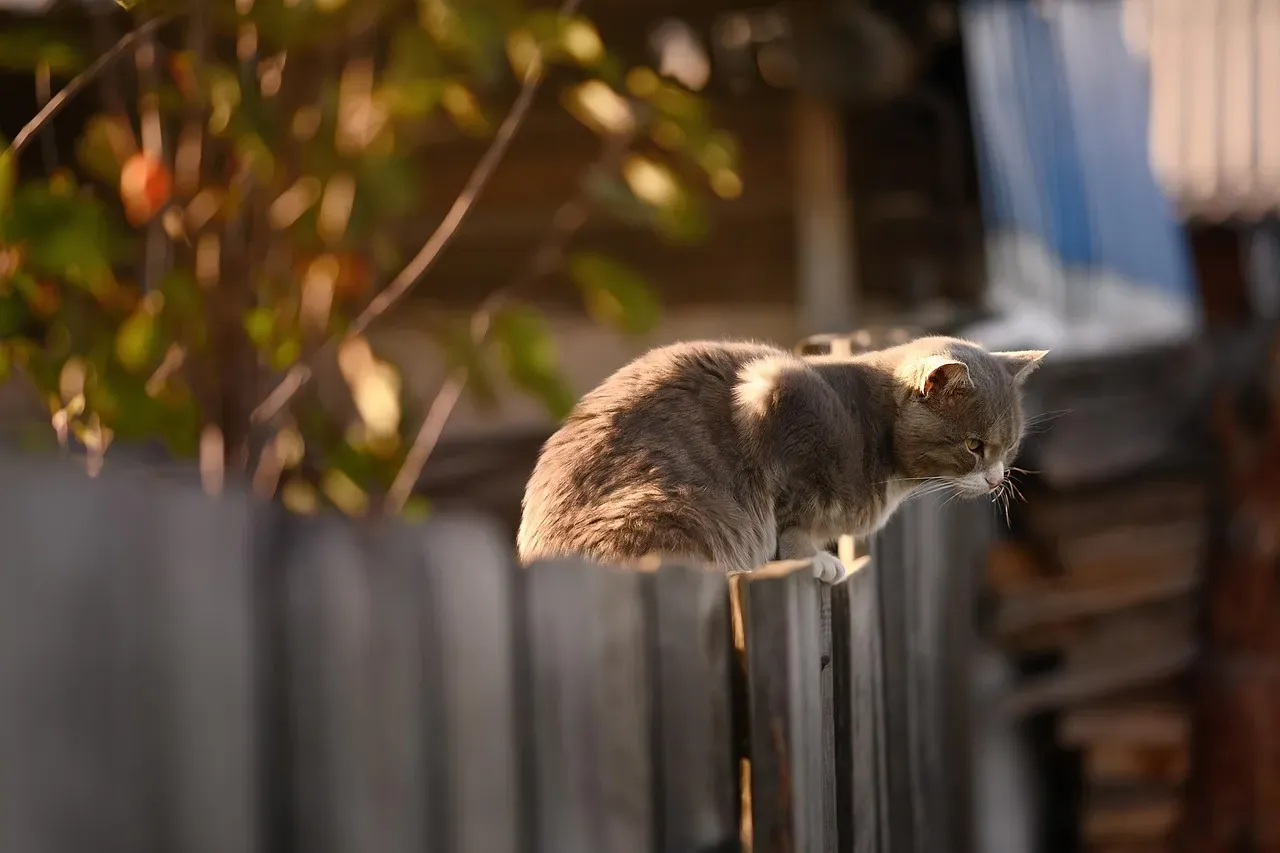
In the feline world, height is not just a preference. It is a language of power, safety, and status. When a cat claims the highest point in a room, they are making a clear statement about their place in the social hierarchy. This isn’t aggression, but an expression of spatial confidence.
Cats are territorial creatures, and height allows them to assert dominance over their environment. By claiming the highest point in a room, a cat can survey its territory and establish a sense of control. In multi-cat households, vertical space becomes particularly important for establishing hierarchy and maintaining peace. Dominant cats often claim the highest spots, while vertical territory expansion helps reduce conflicts by providing more space for each cat to claim as their own. Even in single-cat homes, elevated areas allow cats to maintain their natural territorial behaviors and satisfy their instinctual need for environmental control.
Surveillance as a Form of Mental Stimulation
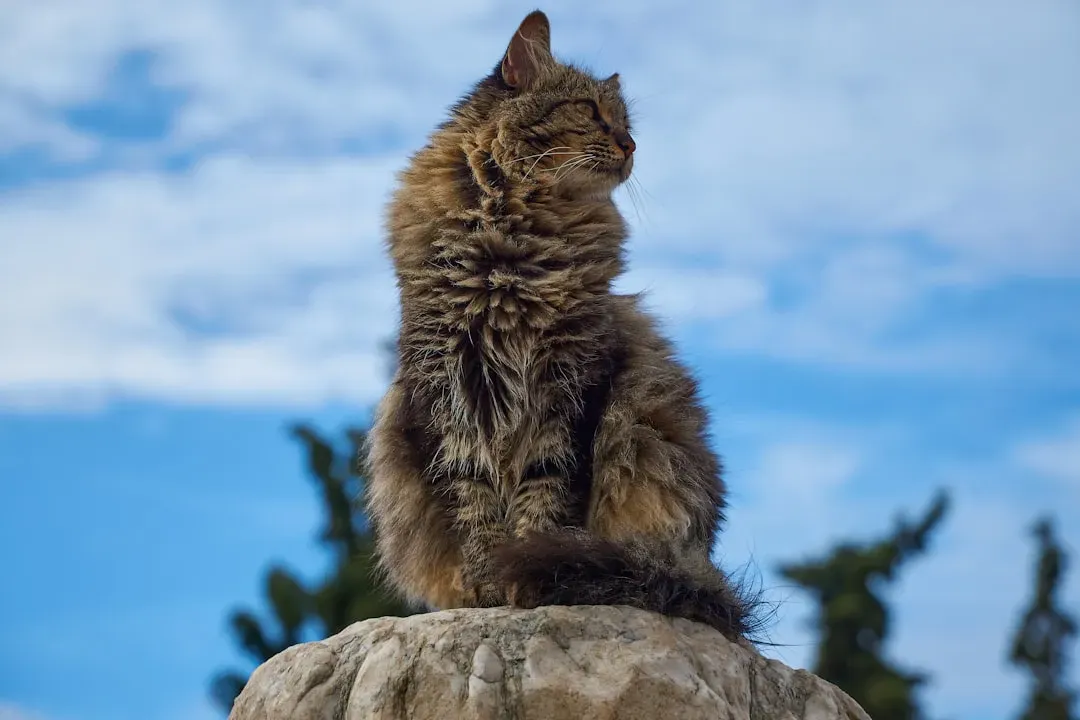
Cats are ambush predators. Watching is part of their mental stimulation. A high perch acts like a television channel for a cat, where people walking, birds outside, and daily movement all become enrichment. So when your cat stares out from the top of the wardrobe at nothing you can see, they’re actually deeply engaged.
Cats feel more secure when they can monitor household activity without being disturbed. You may also notice cats sleeping in high places during the day. Elevated sleeping spots allow cats to relax while still staying alert to movement, sounds, and potential threats. Vertical spaces also combat boredom, a common cause of destructive behaviors such as furniture scratching and overgrooming. Enrichment through climbing and exploration stimulates a cat’s mind and satisfies their curiosity and hunting instincts.
The Stress-Reducing Power of Height
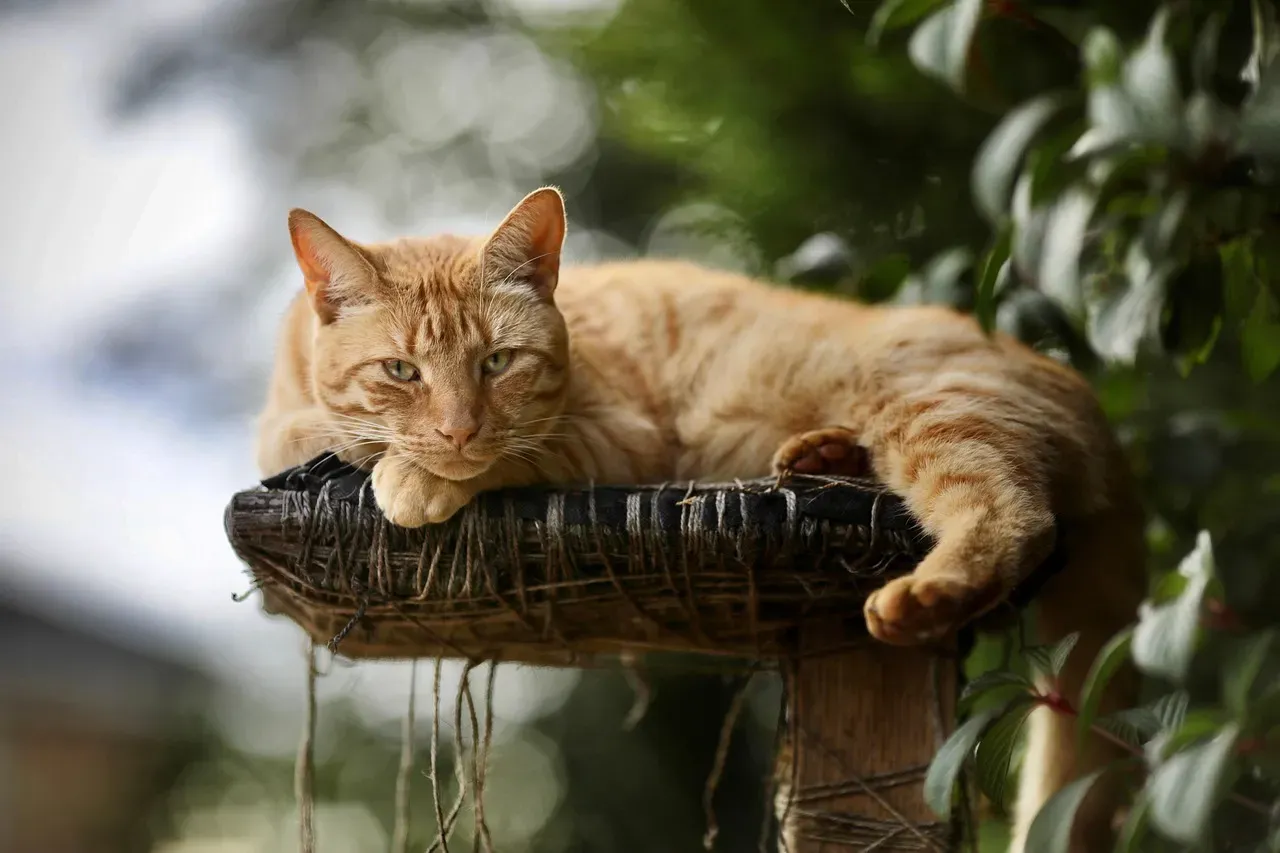
Scientific studies in feline behavior show that vertical space is one of the most effective ways to reduce stress in indoor environments. Research on environmental enrichment shows a direct correlation between vertical access and reduced stress levels. A 2024 study confirmed that cats in enriched environments with vertical territory had almost half the cortisol level compared to those with fewer resources.
In busy households with dogs, children, or loud noises, height acts as a physical and psychological buffer. When a cat goes “up,” they are signaling that they want a break, significantly reducing anxiety-related behaviors. Veterinarians note that vertical perches reduce anxiety in shy cats. High vantage points help cats relax, observe, and feel less threatened. It’s one of the quieter things you can do for a stressed cat: simply give them somewhere to go up.
Climbing as Physical Exercise and Body Conditioning
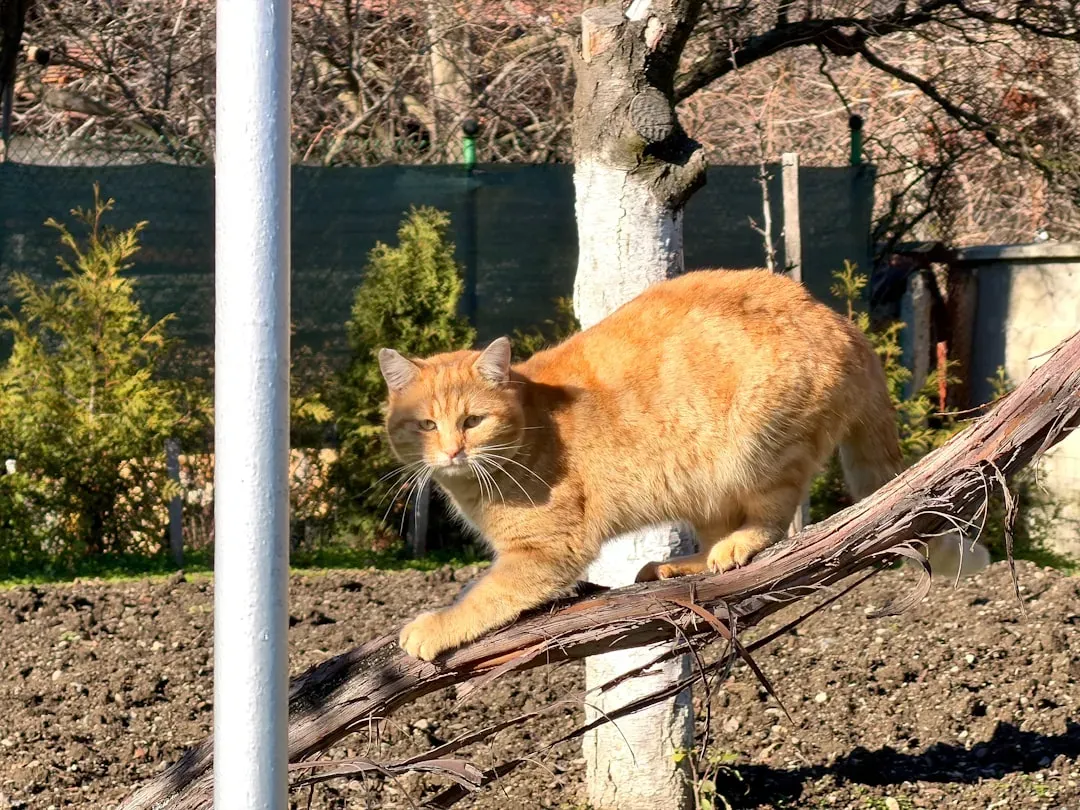
While we often view climbing as a form of play, it also serves as a physical therapy session for your cat. Their bodies are designed for vertical movement, and a lack of climbing opportunities can lead to physical ailments and stiffness over time. Climbing requires a different set of muscles than walking across a flat floor. It is essentially the feline equivalent of resistance training.
Height also supports your cat’s physical fitness and mental well-being. Every leap, stretch, and climb on a cat tree tower strengthens muscles, keeps joints agile, and improves coordination. It improves balance, strength, and agility. This is especially vital for wild or outdoor cats who may need to climb to escape predators. Climbing is a great way for your cat to give their muscles a workout and sharpen their claws. For indoor cats especially, this kind of physical engagement makes a real difference to long-term health.
When Height Signals Something Else Entirely
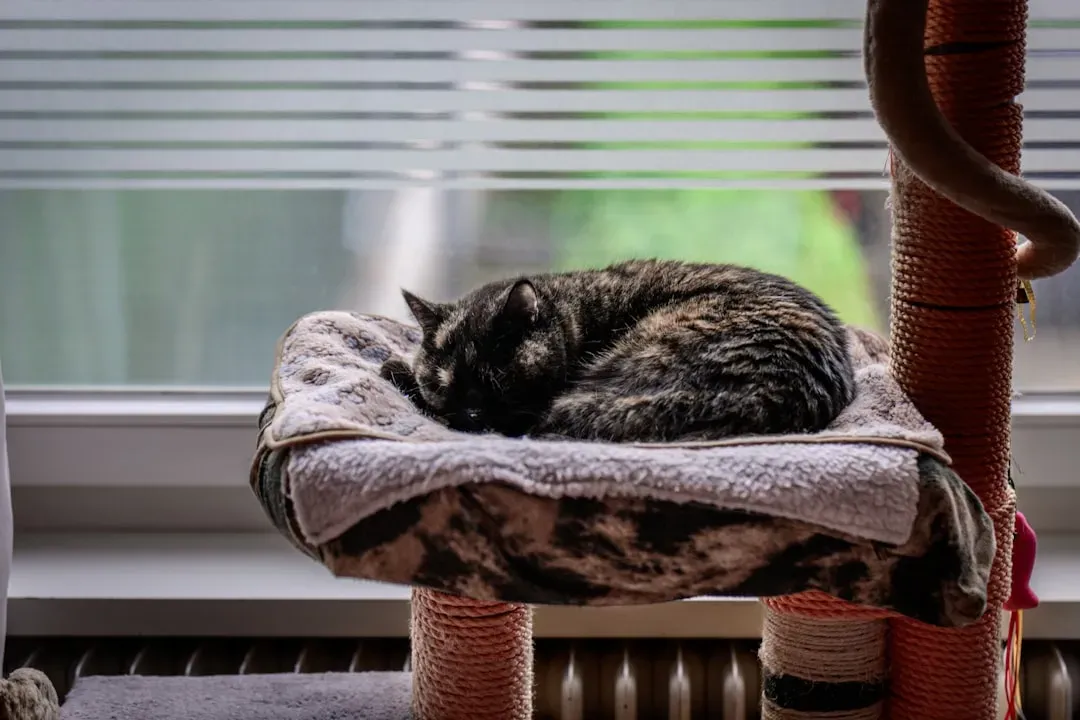
Sometimes climbing behavior relates to emotional comfort and stress relief. If a cat suddenly starts spending more time in elevated spaces or hiding in high areas, it may be looking for a sense of security. Cats are sensitive to changes in their environment, and stress can be triggered by new pets, loud noises, or changes in routine.
In multi-pet households, a bullied or intimidated cat may escape to high ground to avoid confrontation. While this can be a temporary coping mechanism, it’s important to ensure your home setup supports harmony, with enough vertical spaces for everyone. If your cat was previously sociable but suddenly isolates in hard-to-reach places, it’s time for a vet visit. Behavioral changes, especially when combined with physical symptoms, can point to underlying medical issues. Occasional climbing is normal and healthy. Sustained hiding is worth paying attention to.
How You Can Honor This Instinct at Home
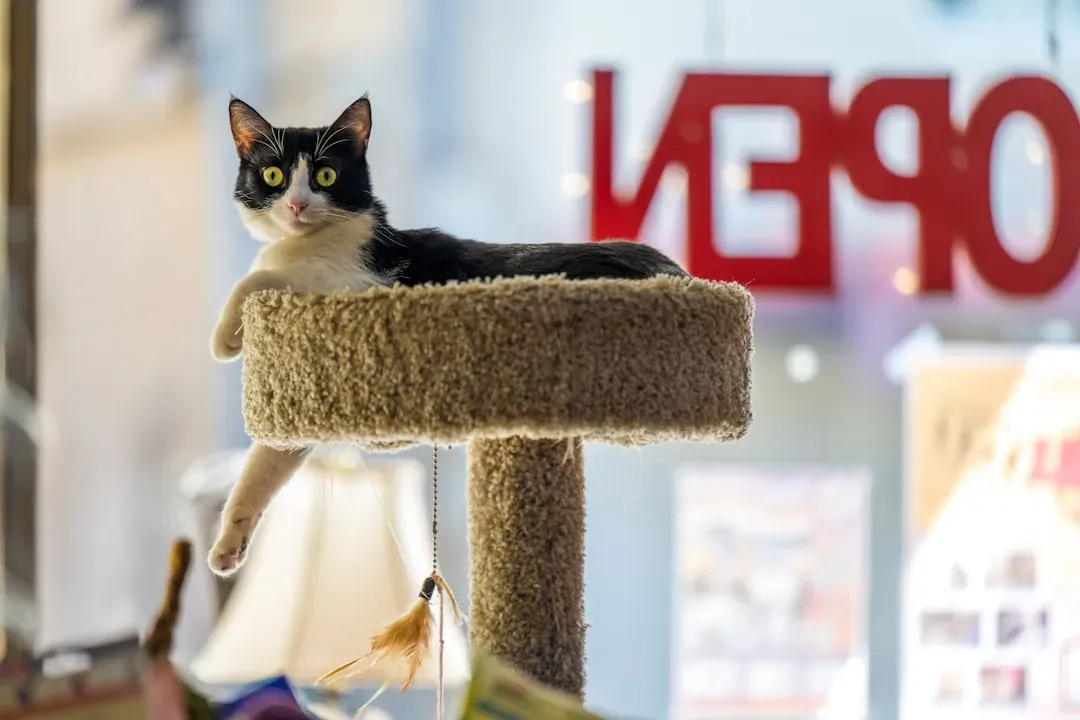
Outdoor cats naturally climb fences, trees, and structures every day. Indoor cats do not have this opportunity. Without a substitute, their instincts have no outlet. Providing vertical territory recreates part of the outdoor environment safely and helps maintain healthy physical activity levels.
Cat trees, wall-mounted shelves, and window perches are excellent tools to offer your cat the height they crave. These not only satisfy their climbing instincts, but also reduce stress, prevent boredom, and help manage territorial behavior, especially in homes with multiple cats. Even in small apartments, you can create vertical pathways with strategically placed furniture or modular climbing shelves. Try to give your cat access to high spots near windows for extra enrichment, or in corners where they can observe the whole room without being disturbed.
Conclusion
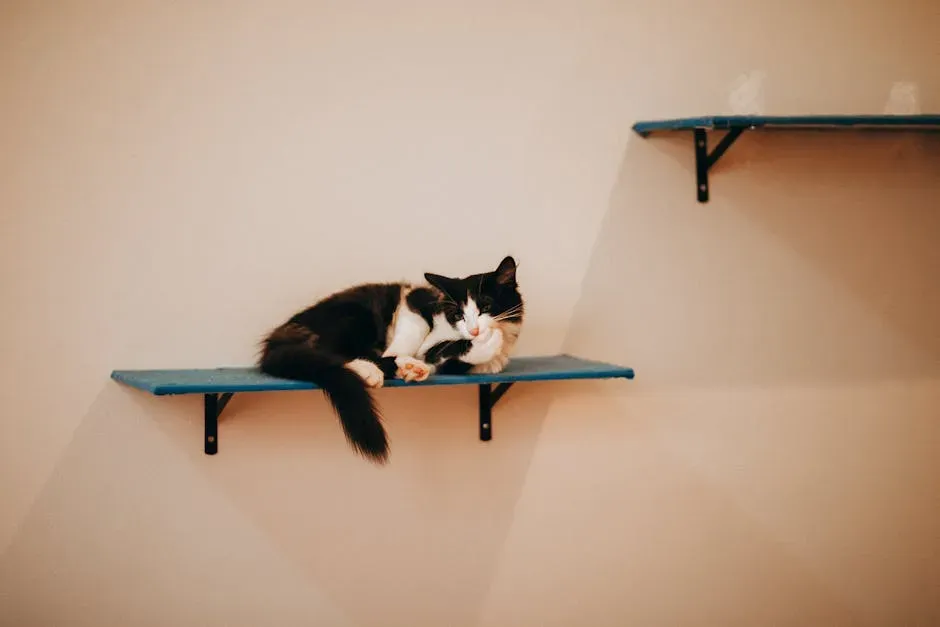
There’s something quietly remarkable about watching a small house cat settle into the highest spot in the room with an air of complete satisfaction. They didn’t get there out of mischief or stubbornness. They got there because millions of years of evolution pointed them exactly in that direction. That perch on your refrigerator or bookshelf isn’t just a favorite resting spot. It’s a remnant of the wild.
The feline affinity for heights is more than mere curiosity. It’s a vital part of their natural behavior. Providing safe, high environments supports their physical and emotional well-being, enhances their living space, and deepens the bond between you and your pet. Once you see your cat’s vertical obsession for what it really is, an ancient predator instinct alive and well inside a very domestic animal, it becomes less of an inconvenience and more of something worth accommodating. Your cat is simply being exactly what they are.
Kristina is a young writer from India. An arts graduate and an avid content creator, Kristina is passionate about animals and wildlife. She enjoys exploring topics related to pet care, animal behavior, conservation, and nature, combining thorough research with engaging storytelling.