Most people think cats are perfectly content just lounging around the house all day. Honestly, it’s easy to assume that a full food bowl and a cozy spot by the window is all they need. The truth is a little more complicated, and a lot more interesting, than that.
In the wild, your cat’s brain never gets a day off. Every single day is packed with problems to solve – what to eat, where to find it, and how to stay out of danger. When you bring a cat indoors, that survival challenge disappears. But their brain is still completely hardwired for exploration and clever problem-solving. Fail to feed that need, and you’re setting the stage for a restless, frustrated feline. So let’s dive into 11 indoor games that will genuinely change your cat’s daily life.
1. The Classic Treasure Hunt
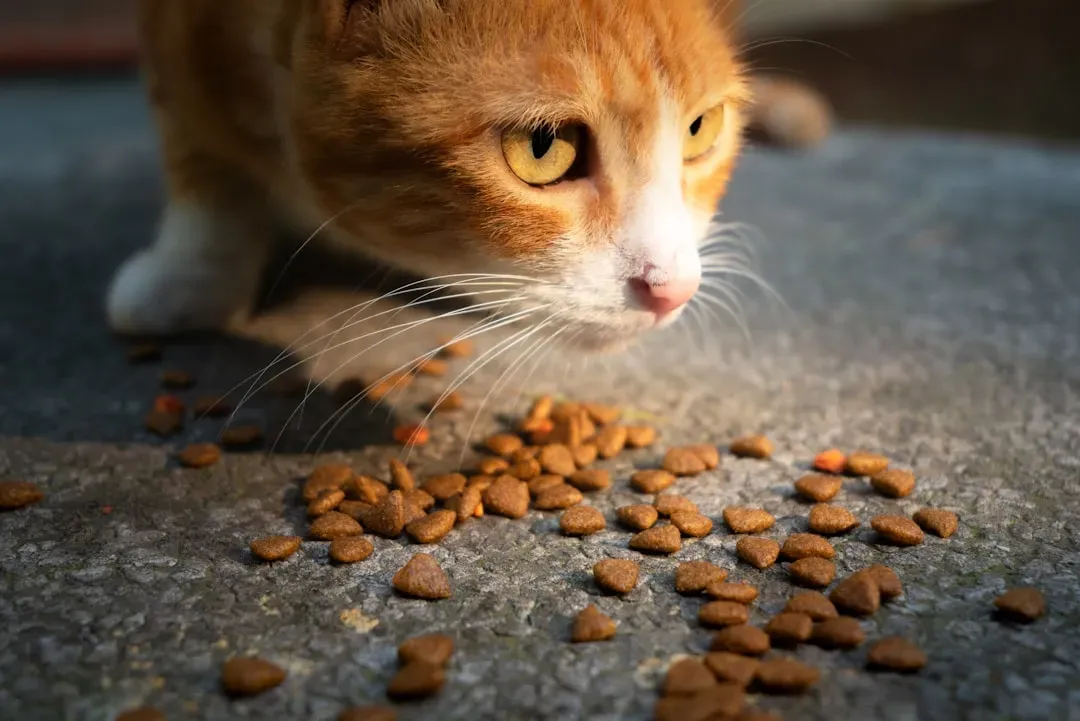
Think of this as the most natural game you can ever give your cat. One of the easiest ways to stimulate your cat’s mind is by creating a treasure hunt – take their favorite treats and hide them around your home, starting with obvious locations and gradually increasing the difficulty by placing treats in more challenging spots. Your cat will enjoy using their sense of smell and problem-solving skills to find the goodies, keeping them engaged and active.
You can hide small treats or toys around the house, encouraging your cat to search and discover them, or even scatter their meals into smaller amounts throughout the house. This activity taps into their instinctual curiosity and provides a rewarding and interactive experience. It’s the kind of game that works even when you’re busy or out of the room, which makes it one of the most practical options on this list.
2. Puzzle Feeders and DIY Treat Dispensers
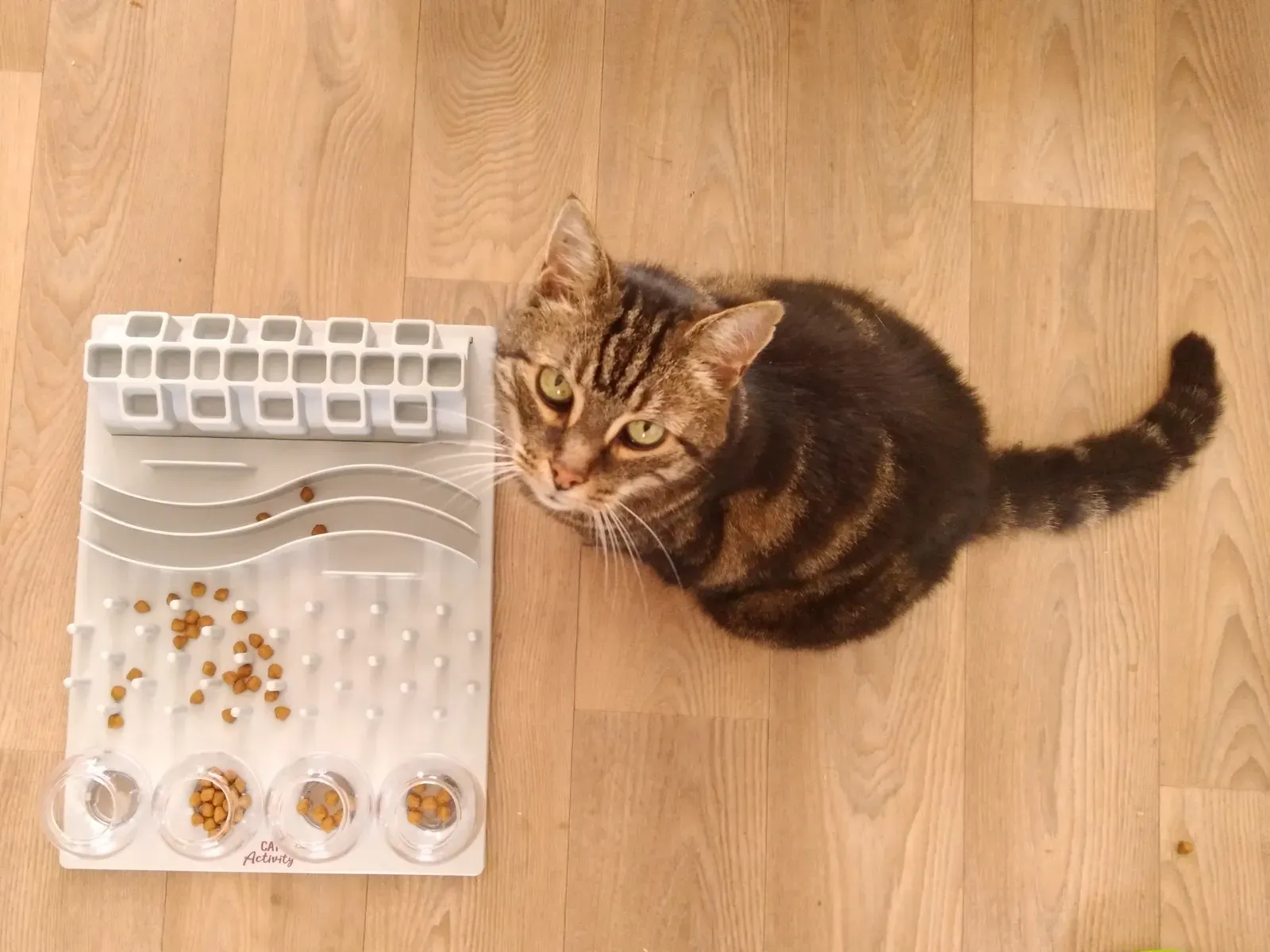
Just like dogs, your cat can benefit enormously from turning their typical mealtime routine into an enrichment activity. Puzzle feeders and interactive toys encourage mental stimulation by making your cat work for their food. Think of it like a crossword puzzle for your feline, except the reward is actual chicken. That’s a pretty solid deal.
You can get creative by crafting DIY treat dispensers to keep your cat entertained – simple ideas include stuffing treats inside empty toilet paper rolls or cardboard boxes with small holes. As your cat bats, rolls, and paws at these homemade toys, they get rewarded with tasty treats, providing mental stimulation and a genuinely fun challenge. You don’t need to spend a fortune here. A bit of cardboard and some kibble can do the trick perfectly.
3. Wand Toy Sessions
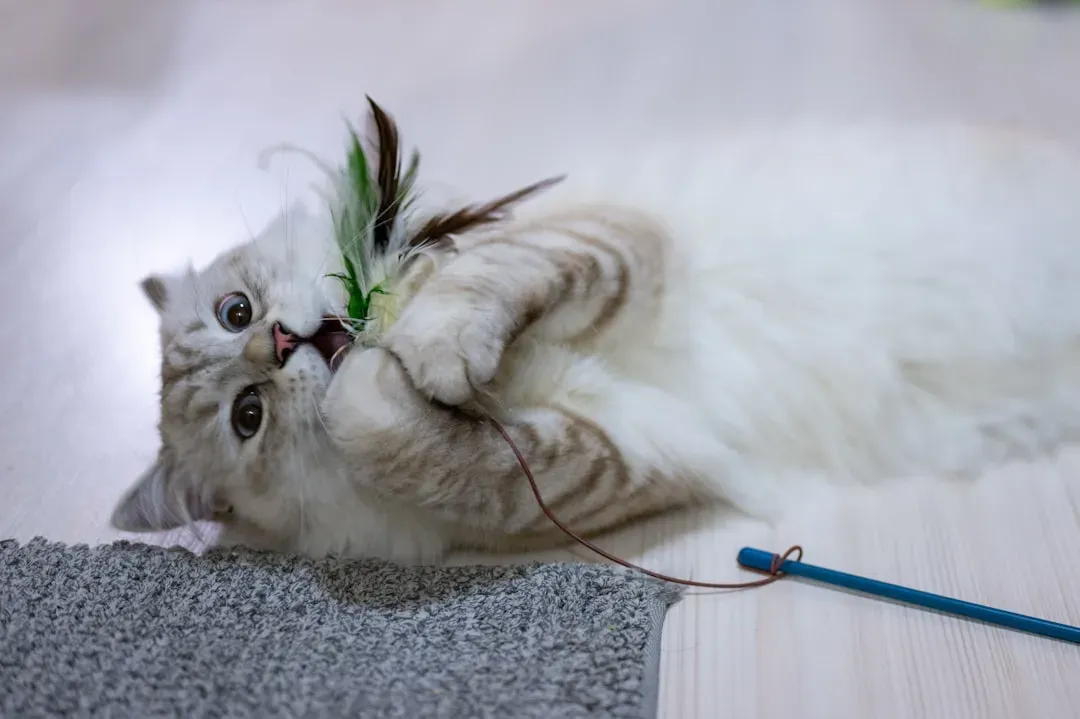
Interactive toys like wand toys help strengthen the bond between you and your cat. They let you share fun and positive experiences, provide exercise for your cat, and allow your cat to feel like the predator they were born to be. There is something genuinely satisfying about watching your cat launch themselves into the air after a dangling feather. It never gets old.
Both you and your cat can have a great time playing with wand-type toys with toy mice, feathers, or fabric attached to the ends – one popular product is the Da Bird Feather Teaser. Just note that toys with long strings should be used only with supervision. Always be sure to let your cat catch the end of the wand for a fair and fun game, and using the wand toy every day will help satisfy and calm your cat.
4. The Laser Pointer Chase
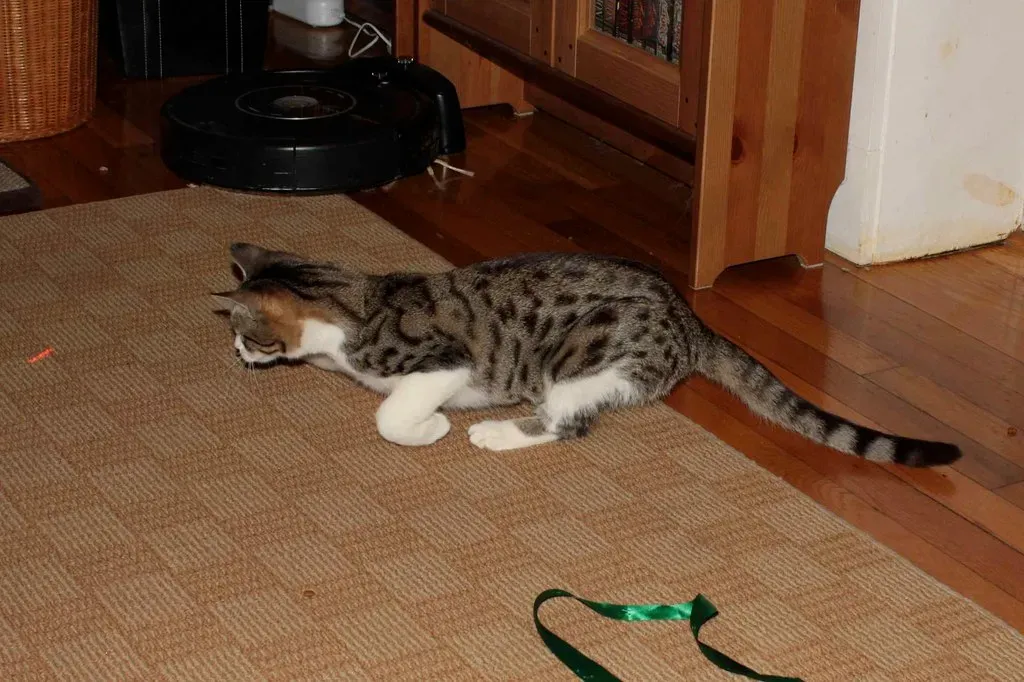
A laser pointer is a simple yet effective way to get your cat moving – shine the dot on the floor or walls, and watch your cat chase it with glee. The elusive red dot taps directly into their prey drive, encouraging sprinting and jumping. It’s the kind of game that requires almost no effort from you but delivers maximum excitement for your cat. A few minutes of darting that red dot across the floor can leave a cat genuinely tired and satisfied.
Always end the laser game by letting your cat “catch” a physical toy to avoid frustration. This is actually a really important tip that a lot of people overlook. Always ending the session with a “catchable” toy avoids frustration, since cats are natural completers – they need that final “catch” moment to feel the hunt was a success. Without it, the game can leave them oddly unsettled.
5. Toy Rotation
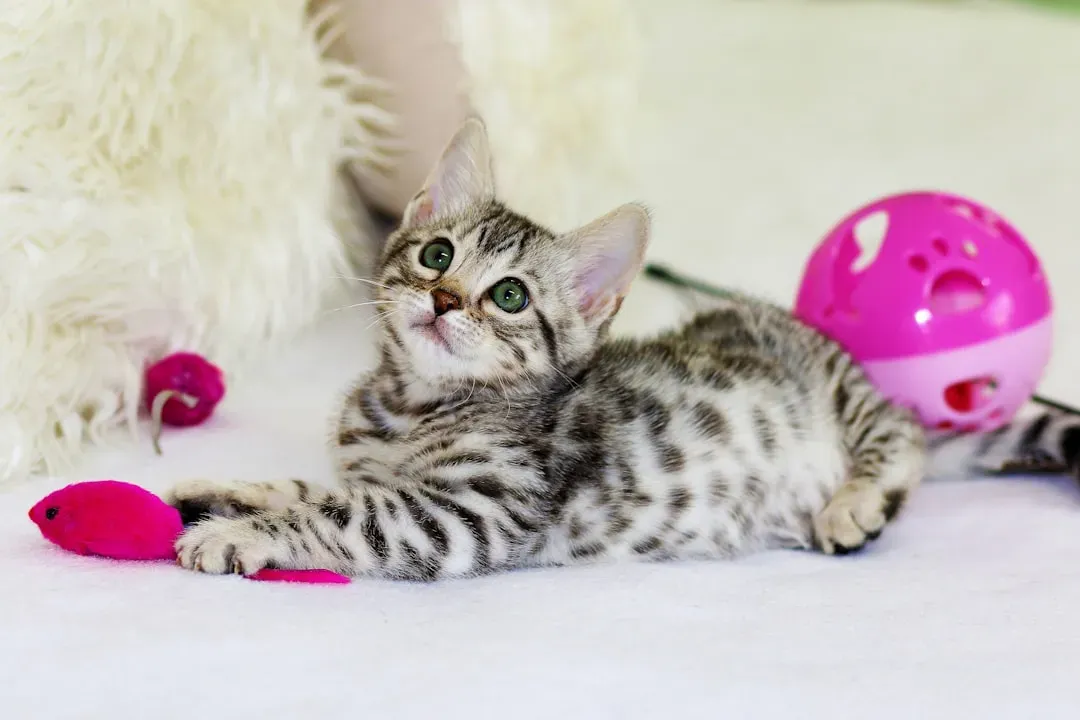
Here’s the thing – your cat isn’t bored of playing. They’re bored of the same toys sitting in the same spot every single day. A forgotten toy becomes exciting when reintroduced after a break. Every few days, picking up toys that are out, putting them away, and bringing out ones that have been out of sight keeps novelty alive and prevents boredom from setting in. For a little extra enrichment, sprinkling some silvervine on an old favorite can reignite your cat’s interest.
Rotating toys regularly keeps playtime fresh and exciting. Cats can become bored with the same toys, so introducing new ones or switching out old ones can reignite their interest. Think of it like refreshing a playlist. You wouldn’t listen to the exact same three songs in the exact same order every day without losing your mind – neither would your cat.
6. Sensory Play With Scents
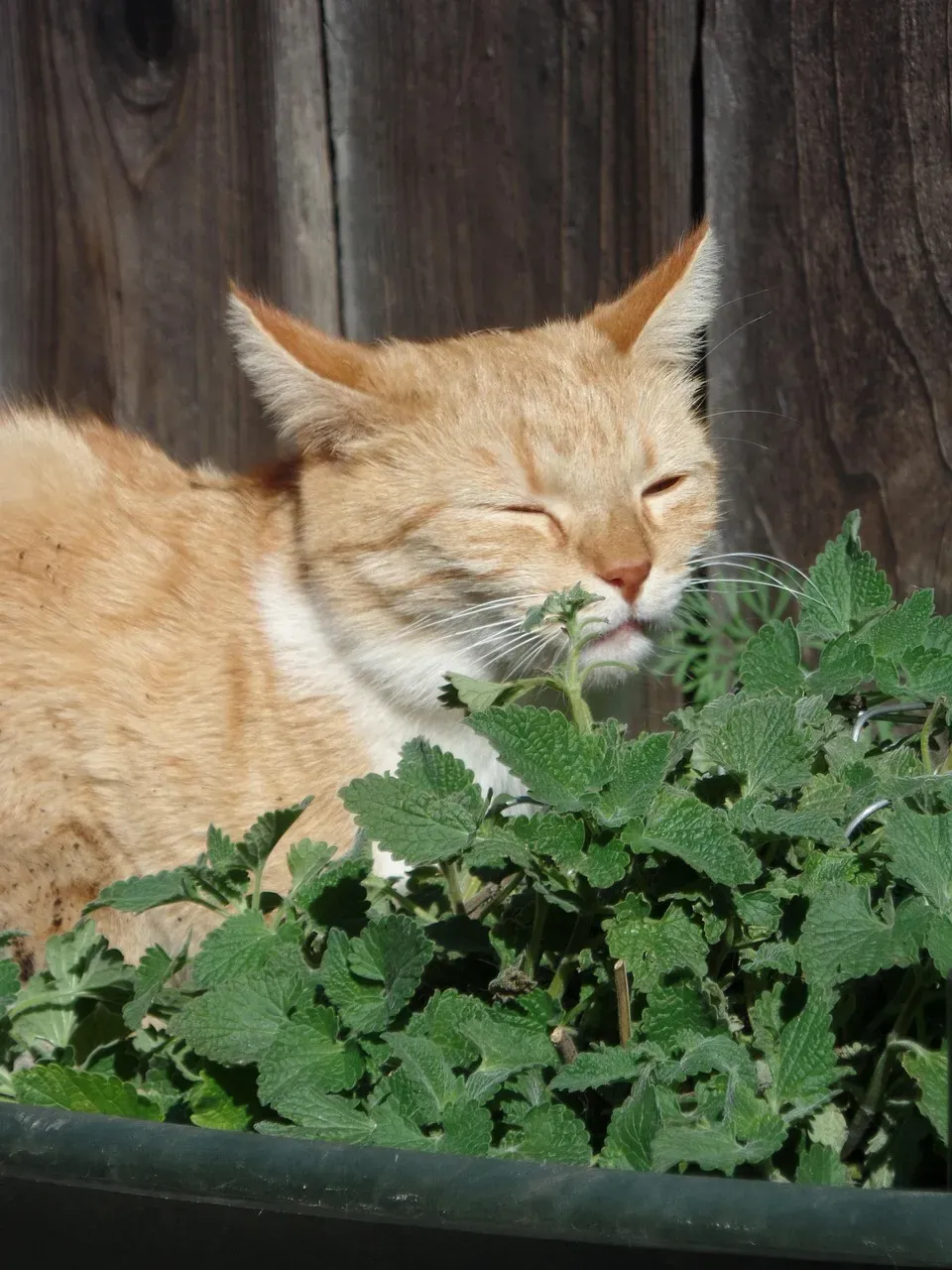
Cats experience the world through all their senses. Rotating safe, stimulating scents like silvervine, catnip, or even your worn T-shirt can keep things fresh and fascinating. Adding different textures or sound-based toys also keeps sensory play interesting. Most cat owners focus only on visual and movement-based play, completely underestimating just how powerfully scent works on a cat’s brain.
You can rub different scents like catnip, mint, or rosemary on small pieces of fabric and place them around the room for your cat to investigate. It costs almost nothing, takes about two minutes to set up, and can keep a curious cat busy for a surprisingly long time. Scent is very important to cats so while it may not seem like a fun activity to you, to cats it can be hugely enriching.
7. Trick Training Sessions
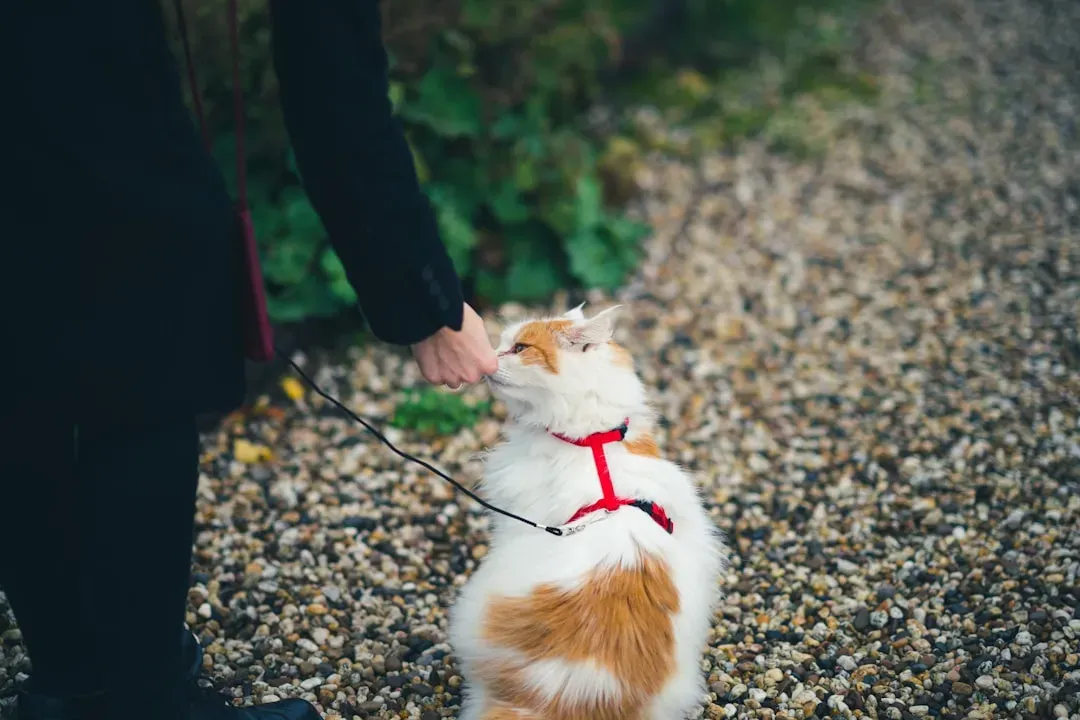
Yes, you read that right. Your cat can absolutely learn tricks, and training sessions double as some of the best mental exercise around. Teaching cues and tricks can provide great mental stimulation – cats can be taught to respond to any number of cues, from “sit” to “down” to “wave.” Using positive reinforcement is a great way to be successful, and one of the best methods is clicker training.
Trick training doubles as playtime. Teaching your cat to “sit,” “high-five,” or “spin” using treats and toys adds a mental challenge, and these tricks can even be incorporated into other games – for example, your cat might have to spin before chasing a wand toy. I think this is honestly one of the most underrated enrichment activities out there. It builds confidence, strengthens your relationship, and gives your cat something genuinely purposeful to focus on.
8. Cardboard Box and Tunnel Exploration
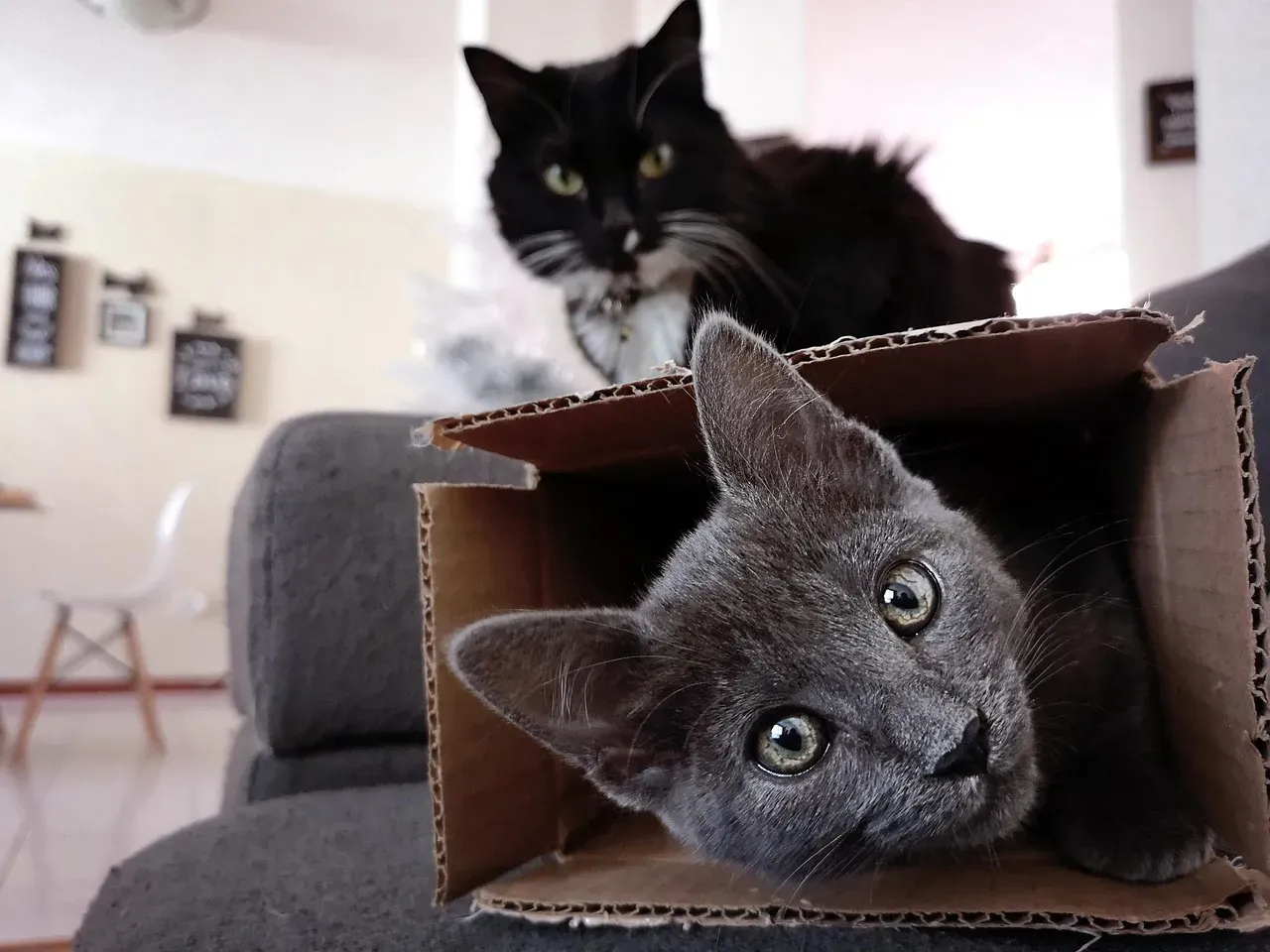
Simple household items like cardboard boxes, paper bags, and tunnels offer hours of entertainment. Cats love novelty, and changing up play spaces can re-energize their environment entirely. It sounds almost too simple to be true, but the cardboard box is genuinely one of the most beloved cat “toys” in existence. There’s a reason your cat immediately claims every delivery box you ever receive.
You can use any box to hide toys, catnip, or hang toys from the top for interactive hunt-like play, and you can also add treats and catnip to the inside for an extra fun game. Try cutting holes of different sizes in the sides of a box, tossing in a crinkle ball or two, and watching your cat go absolutely wild trying to fish them out. It’s free. It’s creative. It works every time.
9. Window Watching With a Perch
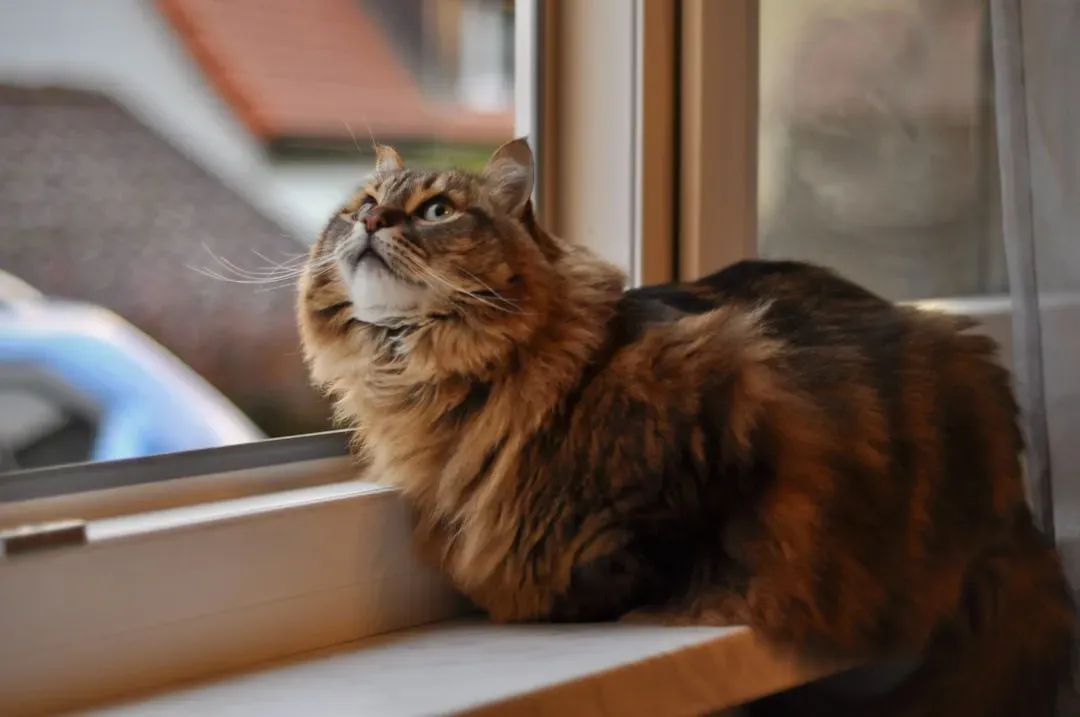
Setting up a comfortable perch near a window creates a front-row seat to the outside world. Cats are fascinated by bird activity, passing wildlife, and changing scenery, and by providing a window view, you enable them to engage with the sights and sounds of the outdoors, stimulating their senses and preventing boredom. It’s essentially live television designed specifically for your cat’s brain.
A birdbath or bird feeder placed within sight of the window can significantly increase your cat’s enjoyment. This activity boosts mental stimulation and, when paired with cat trees or window perches, encourages climbing and jumping for a light physical workout too. It’s one of those rare activities that entertains your cat even when you’re completely unavailable, which makes it almost indispensable for busy households.
10. Vertical Space and Climbing Challenges
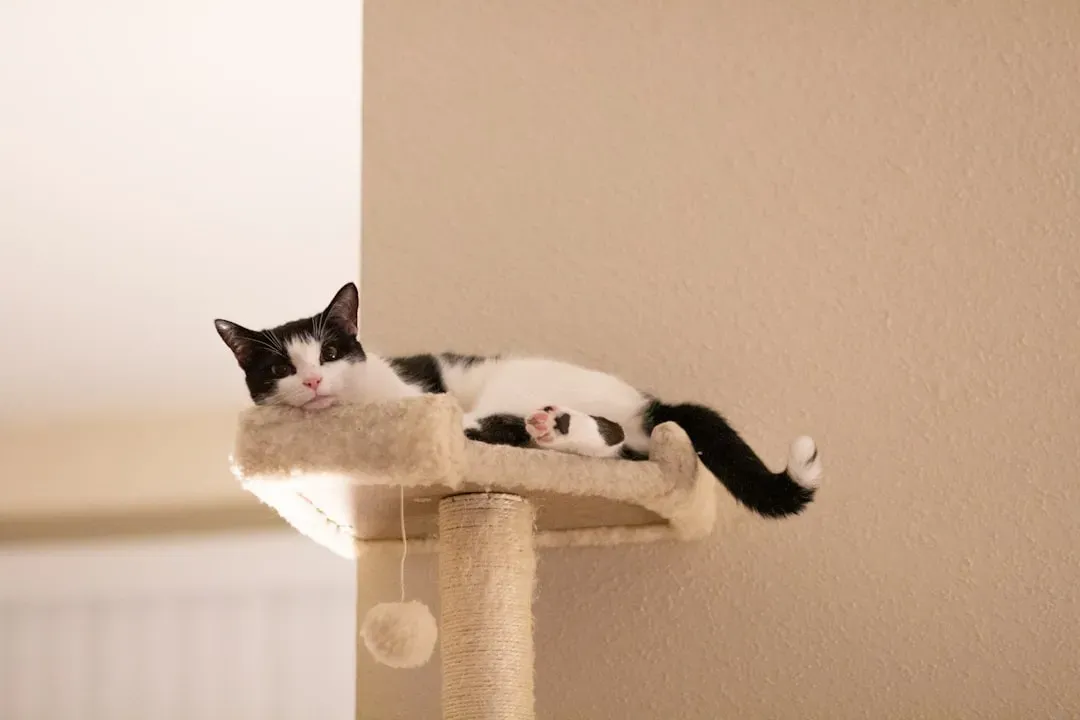
Cats love to climb and explore their surroundings from different perspectives. Creating vertical spaces in your home satisfies their climbing instincts – installing cat trees, wall-mounted shelves, or sturdy carpeted perches not only offers exercise opportunities but also allows cats to observe their territory, providing mental stimulation and a sense of security.
A DIY climbing wall made by mounting wooden shelves at different heights on a wall, covered with fabric or carpet for traction, lets your cat jump between levels like an indoor jungle gym. Height genuinely matters to cats in a way that’s hard to overstate. Being up high helps cats feel more secure, and a carpeted cat tree or condo creates a safe zone from small children, dogs, or other cats, while also satisfying their climbing and clawing needs.
11. Electronic and Motion-Activated Toys
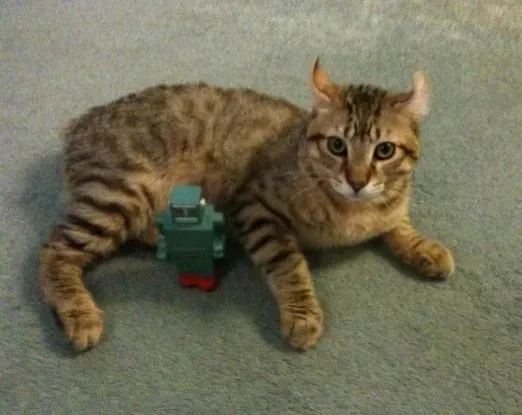
Electronic toys, such as battery-operated mice or toys that move unpredictably, can provide hours of entertainment for cats. These toys often mimic the movements of real prey, enticing cats to chase and pounce. They’re especially useful during those times when you’re working, cooking, or otherwise not available for a wand session. Think of them as your reliable backup player.
Several battery-operated toys on the market provide plenty of enrichment when your cat is alone. Remember to watch your cat for a while after you give them a new toy to make sure they’re playing safely with it, and when you notice your cat becoming bored, store the toy away in an airtight container with some catnip and rotate it back in at a later date. It’s a simple strategy, but it keeps these electronic toys feeling fresh and exciting every single time you bring them back out.
Conclusion
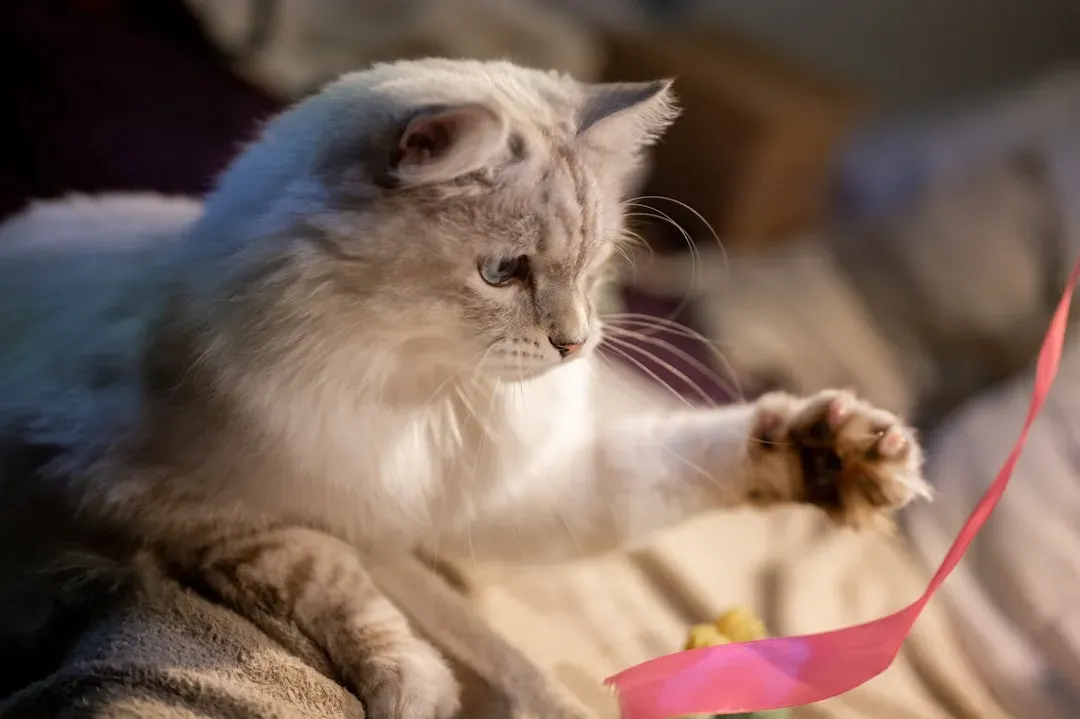
Keeping your cat’s brain active is one of the best ways to ensure they live a happy, enriched indoor life. Mental stimulation for cats isn’t a nice-to-have – it’s a necessity that supports their overall health and well-being. The good news is that you don’t need to overhaul your entire home or spend a fortune. A cardboard box, a handful of treats hidden in clever places, or a five-minute wand session each morning can make a world of difference.
Incorporating playtime into your daily schedule gives your cat the mental and physical exercise they genuinely need, and dedicating just 15 to 20 minutes each day to these kinds of activities can greatly enhance your cat’s overall wellbeing. Your cat can’t tell you they’re bored, but their behavior will always find a way to say it for them. The question is whether you’re going to wait for the chewed furniture and 3 a.m. zoomies to find out, or take the fun route instead. What would you have guessed your cat’s favorite game would be? Tell us in the comments.
Kristina is a young writer from India. An arts graduate and an avid content creator, Kristina is passionate about animals and wildlife. She enjoys exploring topics related to pet care, animal behavior, conservation, and nature, combining thorough research with engaging storytelling.