One minute your cat is completely still, draped across the sofa with all the composure of a sleeping statue. The next, they’re a blur of fur launching off the walls, skidding across the floor, and sprinting through every room in the house for no apparent reason. If you’ve lived with a cat for any length of time, you already know this scene intimately.
Some people call it the witching hour, others know it as the nighttime “crazies,” and scientists refer to it as Frenetic Random Activity Periods (FRAPs). It’s most commonly known as the “zoomies,” that sudden burst of hyperactivity that mystifies so many cat parents. Far from being a sign that something is wrong, these episodes actually reveal a great deal about your cat’s instincts, biology, and wellbeing. Here’s what’s really going on.
What Exactly Are FRAPs? The Science Behind the Silliness
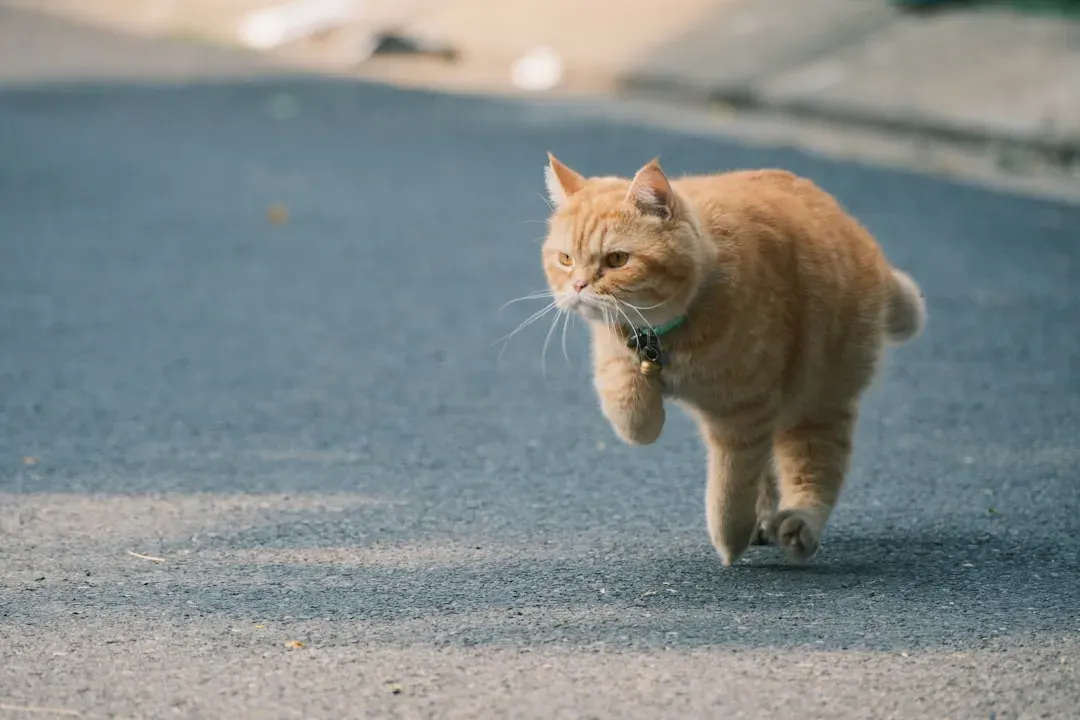
There’s actually a technical term for those adorable bursts of kitty energy. Cat zoomies are more formally called Frenetic Random Activity Periods (FRAPs), and they can happen to cats of all ages, though they’re especially common in kittens and younger cats. The name sounds clinical, but it’s really just a precise way of describing something you’ve almost certainly watched unfold in your own living room.
FRAPs are random bursts of energy in which cats run frenetically, commonly in circles, and they usually last a few minutes or less. What’s notable is that science hasn’t fully pinned down a single cause for why animals engage in them. That said, researchers and veterinary behaviorists have identified several likely contributing factors, each one grounded in feline biology and natural instinct.
The Predator Within: How Hunting Instincts Fuel the Frenzy
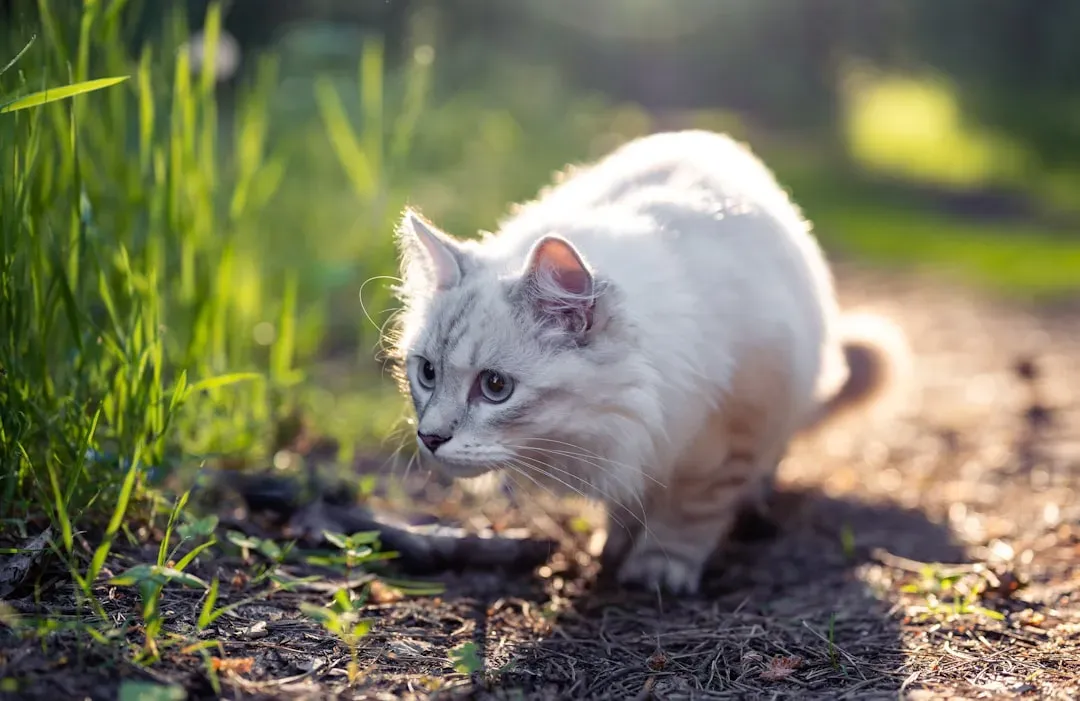
Zoomies are rooted in feline instincts. Cats are predators by nature, and even if they live indoors, they still have bursts of energy hardwired into their behavior. In the wild, a cat would stalk prey, chase it, and then rest. Indoor cats still feel these natural urges, and without hunting opportunities, they sometimes release pent-up energy in a sudden, high-speed dash around the house.
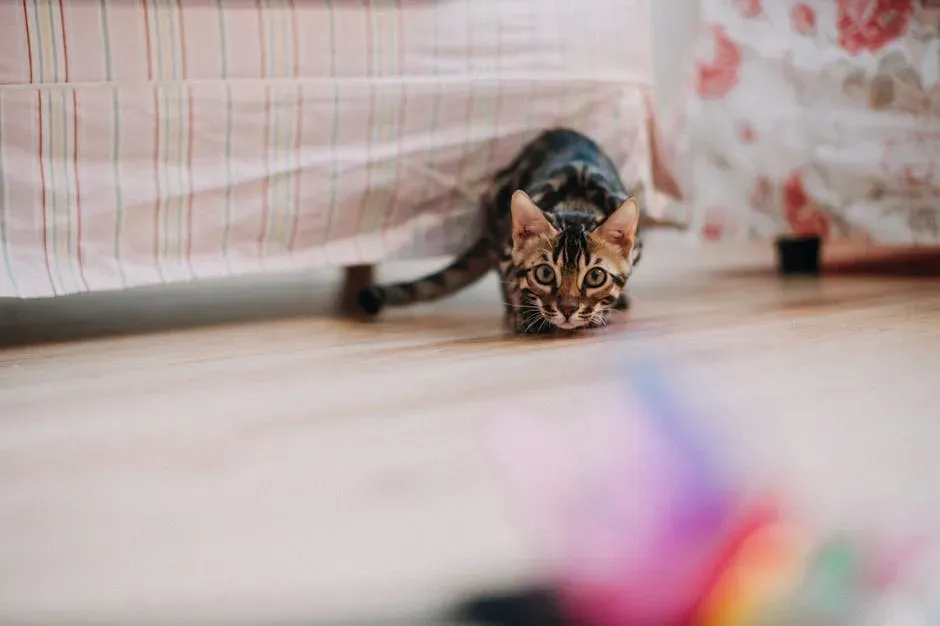
These sprints also tap into your cat’s inner hunter. Zoomies may originate from cats’ natural predatory instincts, as the bursts of activity with their sudden sprints and sharp turns may represent hunting behaviors. Some cats will get the zoomies when they are practicing their hunting skills, and many will get them when they see a bird or rodent outside. The cat has the urge to chase and hunt the animal but is not actually able to, so they start running around the house instead.
Pent-Up Energy: The Most Common Trigger You Might Be Missing
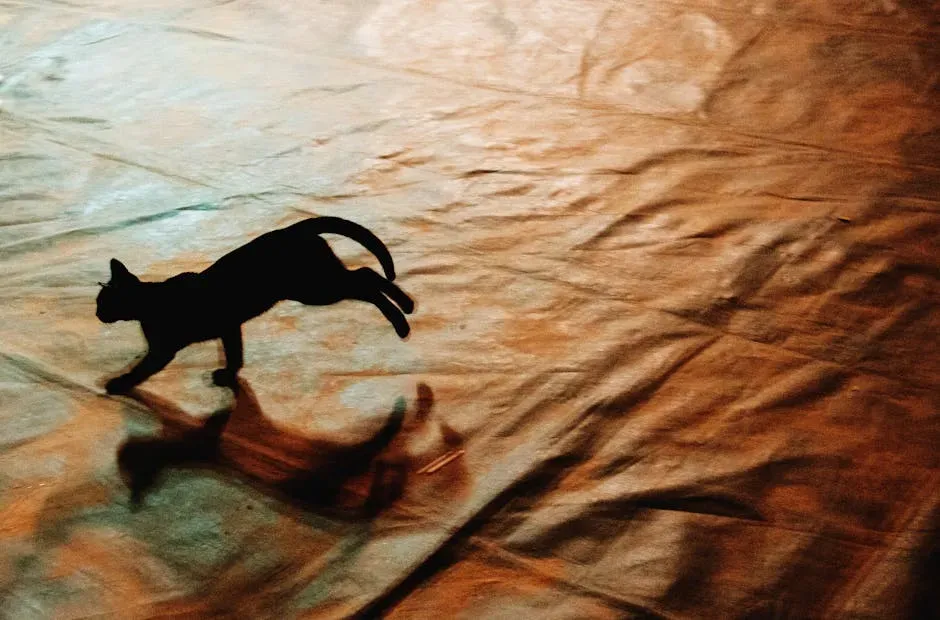
The most common reason cats experience the zoomies is pent-up energy. Cats rest and sleep for the majority of the day to conserve energy for short, very active periods. Without intentional exercise and activity, your cat will need to find a way to get that extra energy out, resulting in a case of the zoomies.
Cats of all ages naturally have lots of energy, especially kittens and younger cats. It’s simply an effective way to burn off excess energy for creatures who sleep much of the day, anywhere between twelve to sixteen hours. After a long snooze, mad dashes around the house are the ideal way for cats to awaken their mind and body. In other words, your cat isn’t acting chaotic. They’re doing exactly what their body is designed to do.
The Crepuscular Clock: Why 3 AM Is Prime Zoomie Time
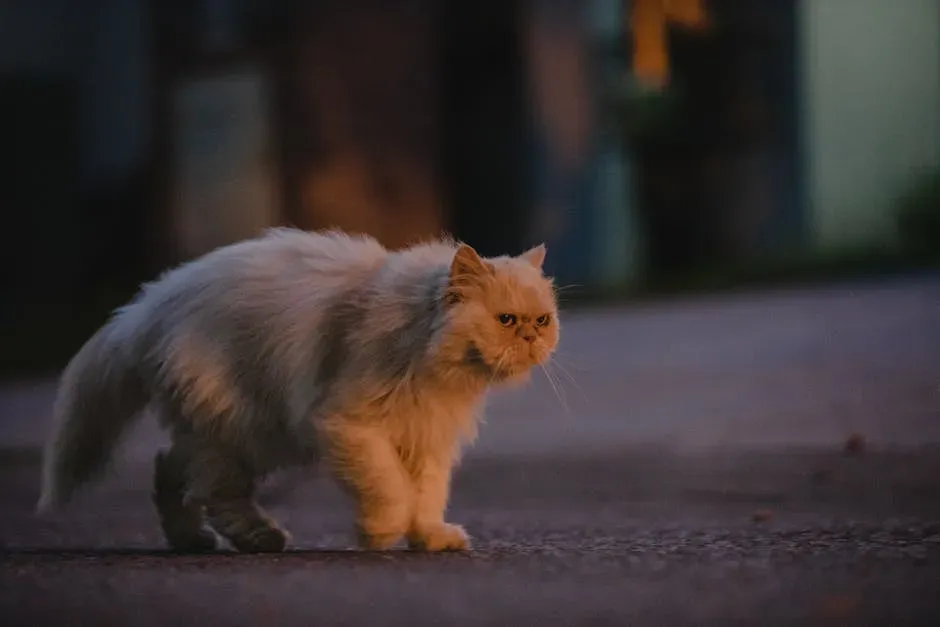
Cats are crepuscular, which means they’re most active during dawn and dusk. When the house is quiet and dark, your feline’s inner hunter wakes up. This is why cat nighttime behavior often peaks while you’re trying to sleep. So that thunderous gallop you hear down the hallway at an ungodly hour isn’t random at all.
Contrary to popular belief, cats are not nocturnal but are crepuscular instead. This means they are naturally most active at dawn and dusk due to their biological need to take advantage of cooler times of day in order to more effectively hunt. This is why cats so often exhibit FRAPs late at night, even if their owners are tucked away in bed. If you’ve been blaming your cat for poor sleep, their ancient biology is actually the real culprit.
Post-Litter Box Zoomies: The Mystery of “Poophoria”
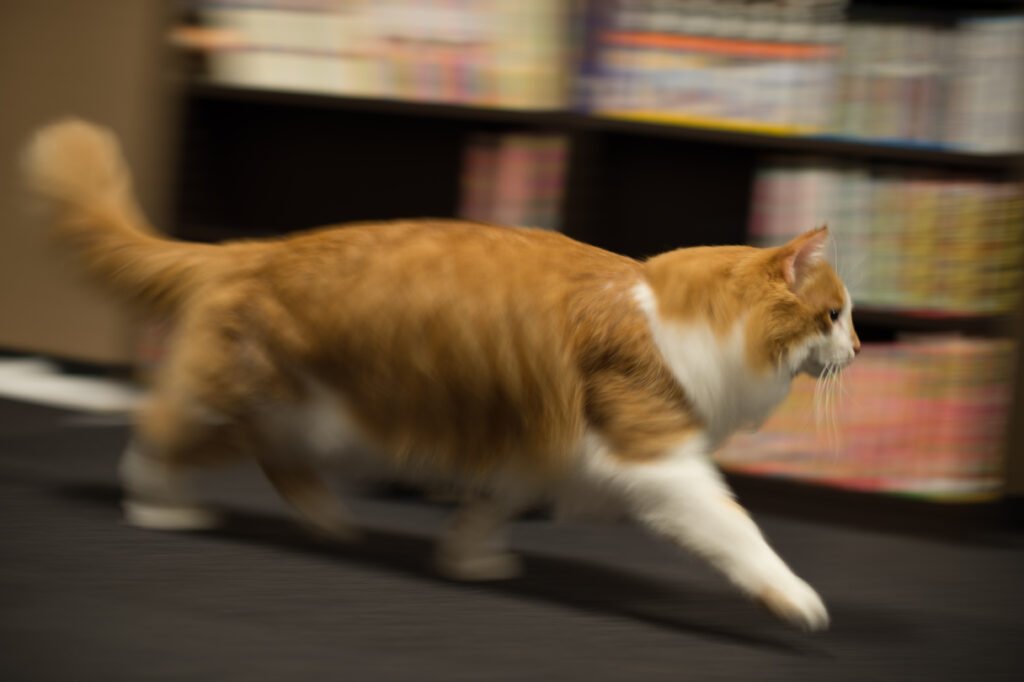
Most cats get the zoomies at some point, and the behavior is more common at the start and end of the day. It also happens after pooping, which has given rise to the colorful terms “poophoria” and “crapnfrap,” and various reasons have been put forward for this. It sounds absurd, but there’s genuine biology at play here.
The most fascinating biological reason for this post-bathroom sprint involves the vagus nerve. The vagus nerve is a major pathway that runs from the brain directly down into the colon. When a cat has a large amount of stool pressing against their lower intestines, it physically stimulates this nerve. This stimulation can cause a strange, tingling, or highly energized sensation in the cat’s body, and they sprint around simply because their nervous system is telling them they are full of energy.
What Your Cat’s Body Language Is Actually Telling You
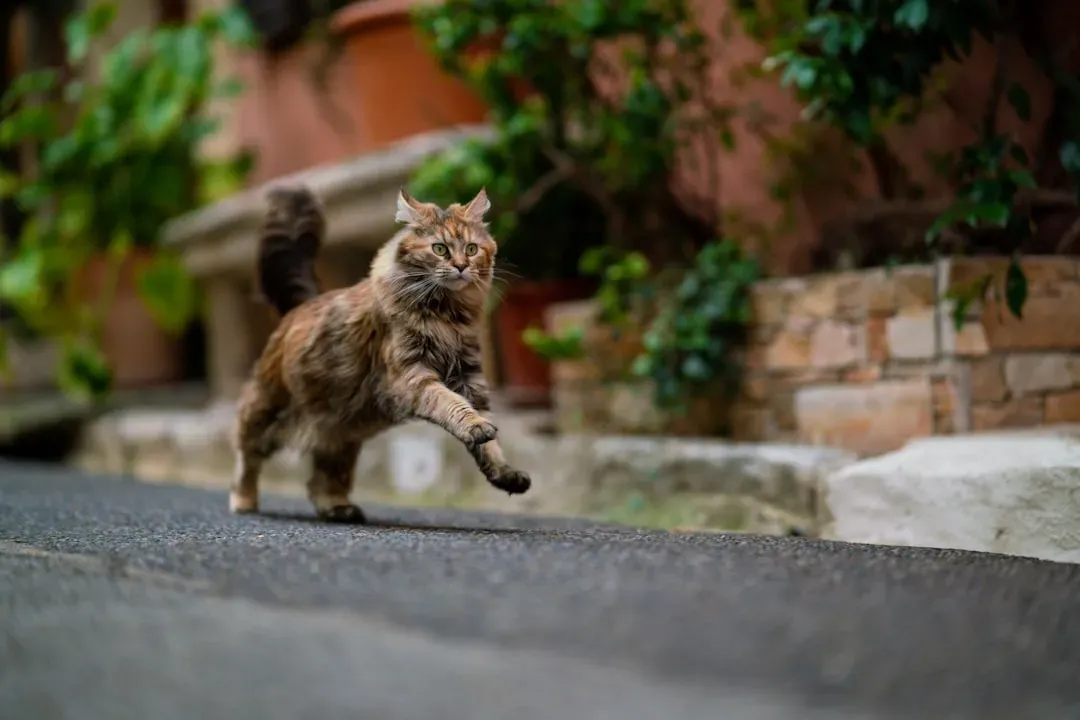
During a playful zoomie episode, your cat will typically show relaxed body language: ears in a neutral or forward position, tail upright or gently swishing, and possibly making playful sounds like chirps or meows. These physical cues matter because they help you tell the difference between a cat that’s having a great time and one that might actually be stressed.
FRAPs are characterized by intense, sudden bursts of energy that manifest as running, jumping, chasing, and generally hyperactive behavior. These episodes are often accompanied by dilated pupils, flattened ears, and a playful, almost manic expression. Once you can read these signals, you’ll quickly stop second-guessing whether your cat is joyful or distressed during a zoomie episode.
The Health Benefits You Probably Never Considered
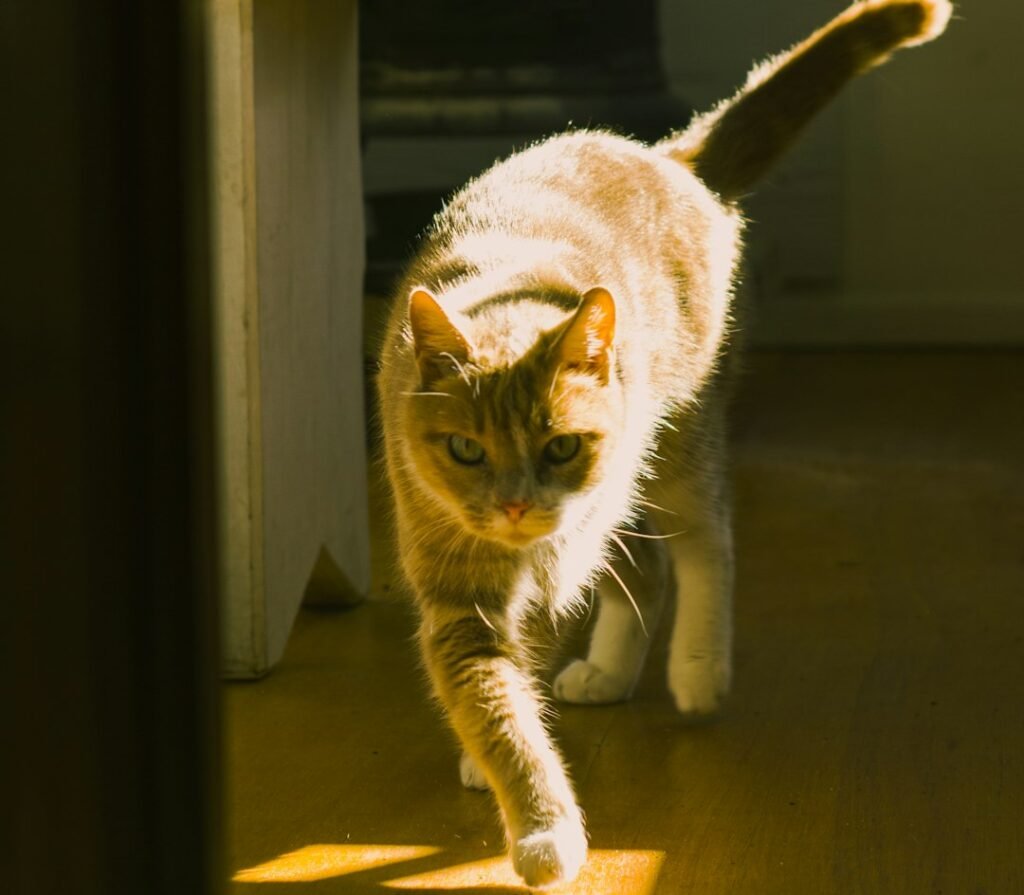
FRAPs may release endorphins, causing a pleasurable or euphoric response. From a physical standpoint, these bursts of activity can strengthen muscles, boost cardiovascular health, and support overall well-being. So your cat’s wild sprint across the kitchen isn’t just entertaining for you. It’s genuinely good for them.
Even older cats enjoy bursts of play, which keep joints limber and muscles toned. Zoomies release endorphins that improve your cat’s mood and reduce stress. Your feline companion isn’t just burning energy – they’re keeping both their body and mind healthy. Seen this way, a good zoomie session is basically your cat’s version of a spontaneous workout, complete with the mood boost that follows.
When Zoomies Are a Warning Sign, Not a Celebration
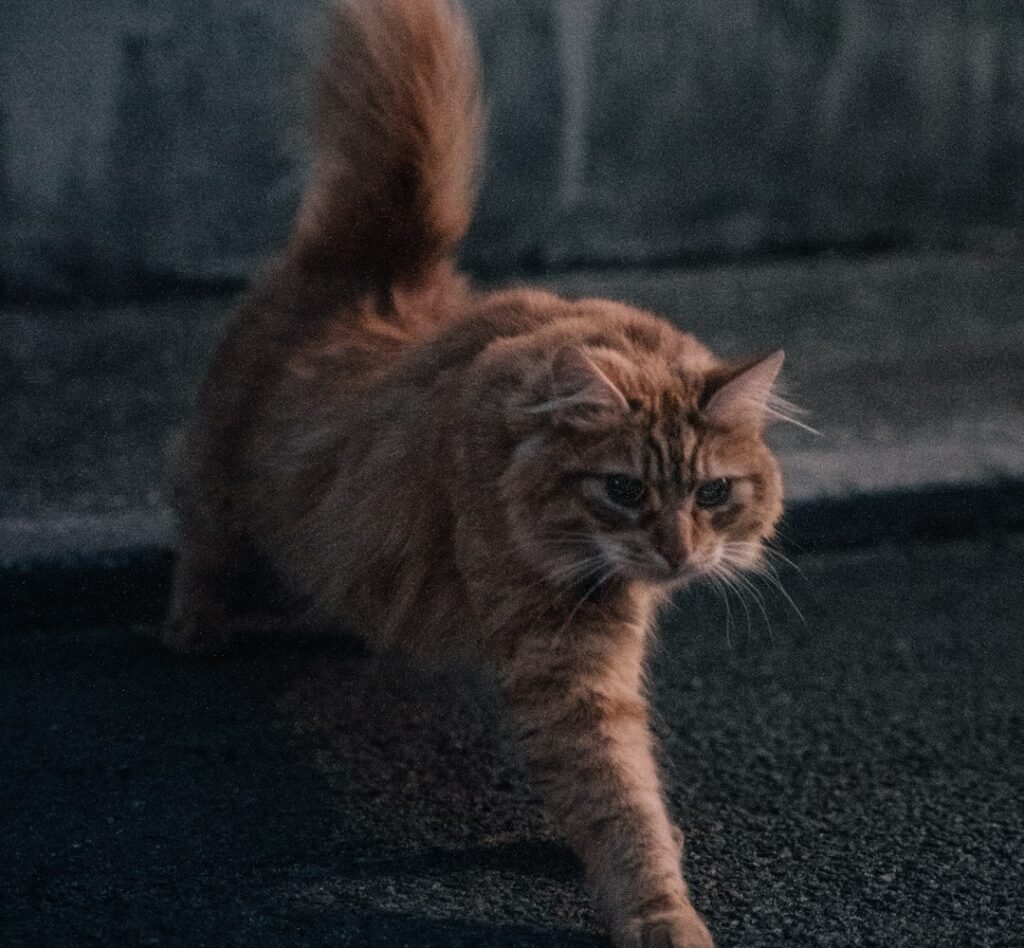
If your calm cat suddenly starts having zoomies seemingly out of nowhere, you should talk to the vet. If you notice physical symptoms like weight loss, changes in behavior, signs of anxiety, or excessive vocalization alongside zoomies, they could be a sign of an underlying health issue. Some cats with hyperthyroidism or other conditions might get zoomies as a result.
If your cat has fleas or itchy skin, racing around may be their way of trying to escape the feeling. An aging cat may also be losing their eyesight or hearing, which could cause them to run when startled or surprised. Monitoring sudden changes in zoomie behavior is important, as these shifts might signal underlying health conditions like hyperthyroidism or mobility problems. Context and pattern are everything when it comes to telling normal from concerning.
How to Channel Your Cat’s Zoomie Energy Constructively
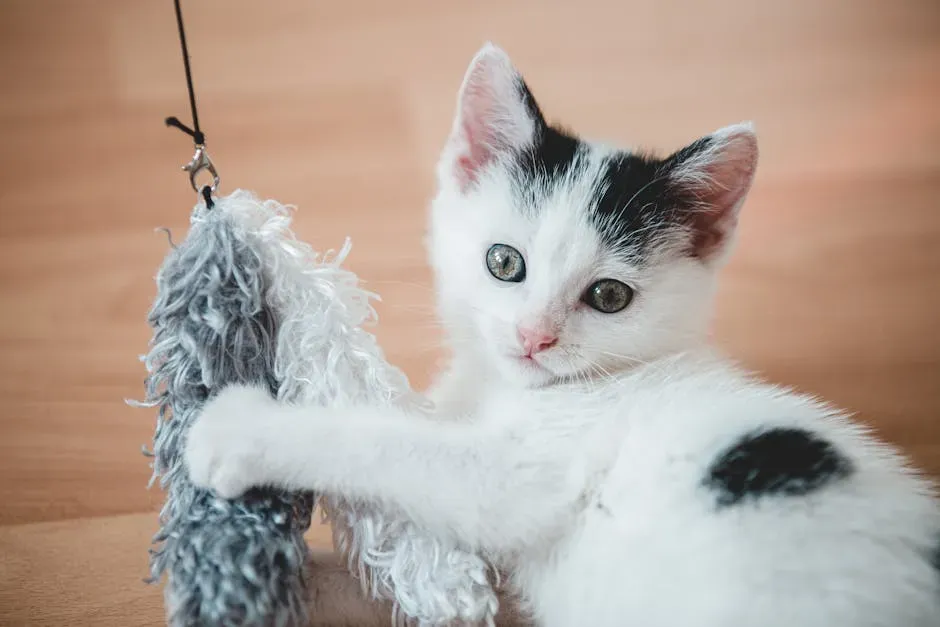
If a cat frequently engages in the zoomies, it’s probably an indication that the cat needs more exercise. Make sure your cat is getting regular playtime, and aim to engage in at least two fifteen-minute interactive play sessions per day. Think of it as scheduling the chaos rather than trying to eliminate it entirely.
Investing in interactive toys and activities keeps your cat mentally stimulated. Adding perches, boxes, and climbing towers helps keep your cat physically active throughout the day. Creating a schedule for feeding and playing can also help your cat develop a routine that keeps the zoomies more predictable and manageable. Cats thrive on routine, and feeding your cat at the same times each day helps stabilize their energy cycles, which may reduce the intensity of nighttime zoomies.
Conclusion: Letting the Zoomies Tell Their Story
Your cat’s wildest moments aren’t accidents or quirks born from chaos. They’re windows into an evolutionary blueprint that was written long before your cat ever set paw on a hardwood floor. Zoomies are one of the most delightful and puzzling quirks of cat ownership. While they’re typically harmless, knowing when to simply enjoy the show and when to investigate further is important for your cat’s health and safety.
The next time your cat goes from perfectly still to full-tilt sprinter in under a second, take a moment to appreciate the biology behind the blur. Cats get the zoomies to release pent-up energy, express natural hunting instincts, or respond to environmental or physical triggers, and in most cases, this behavior is completely normal. There’s no deeper mystery to solve here, just a small wild animal living its best life inside your home, on its own schedule, as cats have always preferred to do.
Kristina is a young writer from India. An arts graduate and an avid content creator, Kristina is passionate about animals and wildlife. She enjoys exploring topics related to pet care, animal behavior, conservation, and nature, combining thorough research with engaging storytelling.